
清洁能源产业

Search documents
为了百万甘孜群众的幸福生活—— 写在甘孜藏族自治州成立70周年之际
Si Chuan Ri Bao· 2026-01-04 06:14
Core Viewpoint - The Ganzi Tibetan Autonomous Prefecture has achieved significant development milestones over the past 70 years, culminating in its complete poverty alleviation in 2020, marking a new chapter in its history [1][2]. Economic Development - Ganzi's economic total has grown from 34 million yuan in 1950 to 38.846 billion yuan in 2019, representing a substantial increase [2]. - Per capita GDP rose from 66 yuan in 1950 to 32,440 yuan in 2019, indicating a significant improvement in living standards [2]. - Urban residents' disposable income increased from 253 yuan in 1950 to 34,831 yuan in 2019, while rural residents' disposable income grew from 88 yuan to 12,808 yuan in the same period [2]. Infrastructure and Transportation - Ganzi has implemented a "Transportation Battle" resulting in a total road mileage of 34,263 kilometers, with rural roads being the most extensive in the province [3]. - The region is the only one in the country with three branch airports above 4,000 meters, showcasing its unique geographical advantages [3]. Industrial Growth - Ganzi has seen a leap in industrial development, with the primary industry value increasing from 29.85 million yuan in 1950 to 6.652 billion yuan in 2019, a 222.8-fold increase [6]. - The secondary industry value rose from 2 million yuan to 8.902 billion yuan, a 4,451-fold increase, while the tertiary industry value surged from 1.67 million yuan to 23.292 billion yuan, a 13,947.8-fold increase [6]. - The region is focusing on tourism, clean energy, and modern agriculture, aiming to create a comprehensive tourism development framework and a green modern industrial system [5]. Ecological Protection - Ganzi has established an ecological protection red line of 69,700 square kilometers, the largest in the province, and has the highest number and area of nature reserves [9]. - The forest area has expanded from 2.838 million hectares at the founding of New China to 5.3097 million hectares, with a forest coverage rate increasing from 19% to 35% [10]. - The region is committed to ecological civilization and environmental protection, implementing various ecological construction projects and promoting sustainable practices [8][10].
奋楫扬帆开启“十五五”新征程
Xin Lang Cai Jing· 2026-01-01 20:49
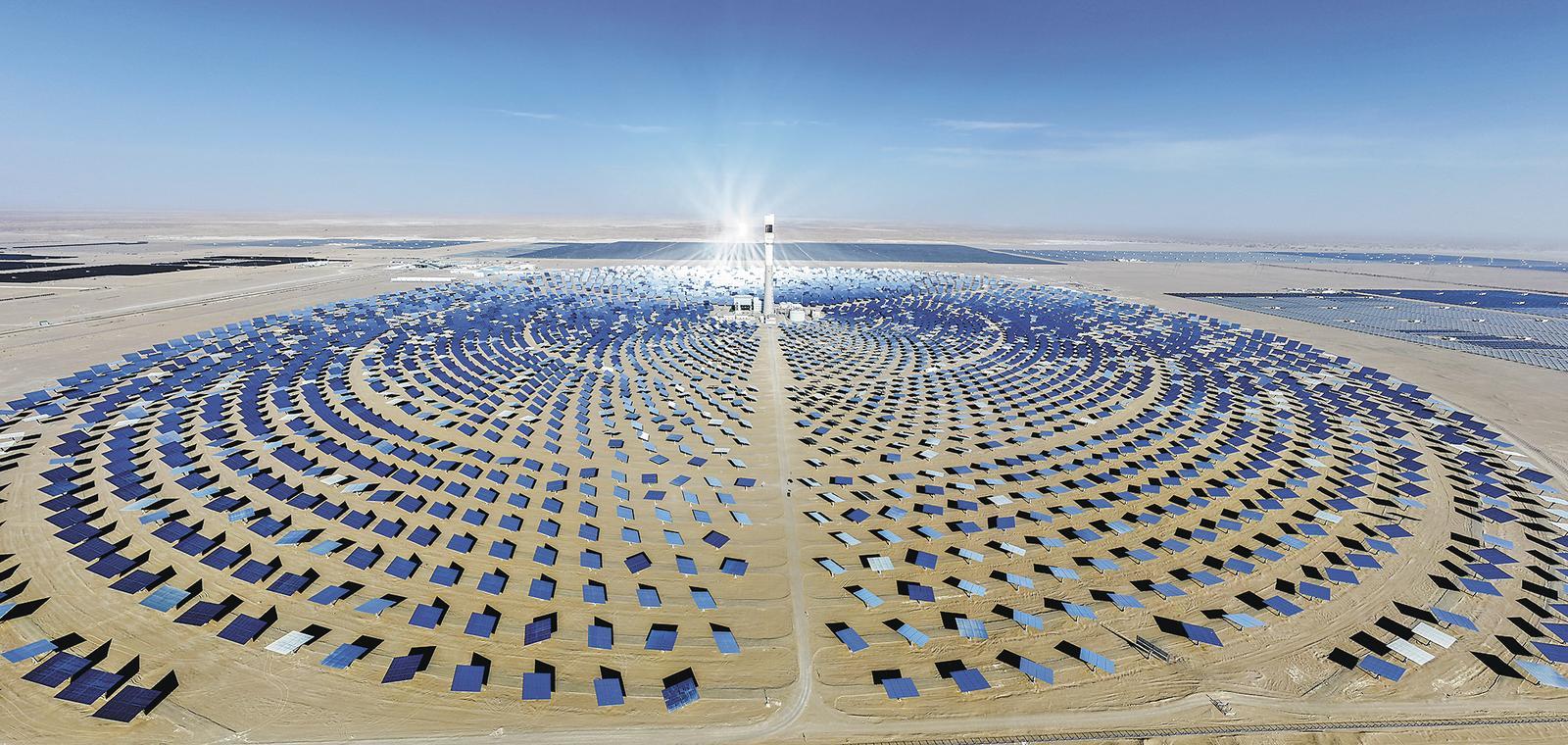
青海依托"富光丰水风好地广"的资源禀赋,成为国家清洁能源产业高地。 孩子们在优质教育中像"格桑花"一样扎根高原,向阳生长。 青海养老有温度,医养结合新模式为长者筑起幸福晚年防线。 新年迎新时刻,以鲜花装扮开启迎新之旅。 电商直播铺就绿色有机农畜产品输出地建设。 青海交通发展显著,从基础薄弱发展为综合立体网络,畅达四方。 青海农业在科技赋能与生态保护下,成为高原特色农牧经济新引擎。 氆氇纺织技艺在促进就业、文化传承与经济发展中具有多重价值。 青春敢闯,创业无畏!高原沃土也能点燃梦想火炬。 青海各民族和谐共生,携手共建石榴籽家园。 当新年的钟声在青海大地敲响,当第一缕曙光洒向广袤高原,"十五五"的崭新征程已然开启,青海正以蓬勃之姿,拥抱新年的万象更新。 新岁民暖,如暖阳倾洒。崭新社区活动中心里,老人悠然下棋聊天,孩童欢快嬉笑玩耍;拓宽的乡村道路,连接城乡脉络,出行不再艰难;就业帮扶政策, 为年轻人铺就创业就业的希望坦途。民生之利,如春风化雨,润泽高原。 新程伊始,似巨轮破浪。传统产业在创新驱动下转型升级,焕发生机;新兴产业如璀璨星辰,熠熠生辉。工业园区机器轰鸣、订单不断,电商平台上青海特 产畅销全国,为经济增长注 ...

西藏自治区“十五五”规划建议全文公布
Bei Jing Ri Bao Ke Hu Duan· 2025-12-13 03:16
Core Viewpoint - The "14th Five-Year Plan" period has seen significant progress in building a modern socialist Tibet, with a focus on stability, development, ecology, and border security, leading to historical achievements in economic and social development [1]. Group 1: Economic and Social Development Achievements - The "14th Five-Year Plan" has led to comprehensive advancements in Tibet, with improvements in economic quality, infrastructure, and the development of characteristic industries [1]. - The region has made historical progress in ethnic unity, social stability, and the promotion of Tibetan Buddhism's integration into Chinese culture [1]. - Economic development has been characterized by enhanced quality and efficiency, with significant infrastructure construction and the flourishing of advantageous industries [1]. Group 2: Challenges and Opportunities - Tibet faces challenges such as a complex anti-secession struggle, unbalanced development, and ecological sensitivity, which require strategic focus and action [3][4]. - Opportunities arise from the central government's emphasis on Tibet's development, with major projects like the Yarlung Tsangpo River hydropower project and the Sichuan-Tibet Railway enhancing growth potential [2]. Group 3: Development Goals and Requirements - The guiding ideology for the "15th Five-Year Plan" emphasizes Marxism, socialism with Chinese characteristics, and the importance of high-quality development [5]. - Key requirements include maintaining the Party's leadership, promoting high-quality development, and ensuring that all development efforts contribute to ethnic unity and social stability [6][7]. Group 4: Major Development Targets - The construction of a strong sense of the Chinese national community and the promotion of high-quality economic development are primary targets for the "15th Five-Year Plan" [8]. - Significant improvements in living standards, ecological construction, and national security are also outlined as essential goals [9]. Group 5: Infrastructure and Industry Development - The plan includes the construction of a modern transportation system, logistics hubs, and new energy infrastructure to support economic growth [16][17][18]. - Emphasis is placed on developing pillar industries such as clean energy, cultural tourism, and modern agriculture to drive economic expansion [12][14][15]. Group 6: Social Welfare and Employment - The plan aims to enhance employment quality and promote a fair income distribution system to support common prosperity [30][32]. - Education and healthcare improvements are prioritized to ensure a well-rounded development of the population [31][33]. Group 7: Ecological and Environmental Protection - The strategy includes strict ecological protection measures and the promotion of green development to safeguard Tibet's unique environment [34][35]. - Efforts will focus on enhancing biodiversity and implementing sustainable practices to maintain ecological balance [34].
加快新场景开放和大规模应用 培育壮大新兴产业和未来产业
Jing Ji Ri Bao· 2025-11-15 22:42
Core Insights - The article emphasizes the importance of leveraging vast data and diverse application scenarios to promote the deep integration of digital technology with the real economy, enabling the transformation and upgrading of traditional industries [1] - The recent implementation opinion from the State Council outlines the acceleration of cultivating 22 types of application scenarios, including digital economy and artificial intelligence, which are crucial for addressing the challenges of technology transfer and fostering new productive forces [1][4] Group 1: Innovation Paradigms - The article introduces a "scenario-driven" innovation paradigm that reshapes the path of technology transfer, moving away from the traditional linear model of research followed by application, which often leads to a disconnect between R&D and practical use [2] - It highlights the creation of "comprehensive testbeds" that serve as platforms for validating technologies, nurturing markets, and improving standards, essential for transitioning innovations from research to market products [2] Group 2: Ecosystem Development - The opinion acts as a "aggregator" and "guiding instrument," promoting the aggregation of high-end innovation elements such as talent, capital, and data towards strategic emerging industries, thereby accelerating the formation of new productive forces [3] - It emphasizes the importance of fostering an open innovation ecosystem that encourages cross-regional, cross-sector, and cross-entity collaboration, leveraging China's large-scale market advantages [3] Group 3: Strategic Industry Layout - The opinion outlines the need to focus on strategic emerging industries such as digital economy, artificial intelligence, and clean energy, creating application scenarios that align with national development strategies [4] - It stresses the significance of technology universality and integration, which can lead to transformative innovations across various sectors, exemplified by the impact of artificial intelligence on manufacturing and services [5] Group 4: Implementation Strategies - The article discusses the necessity of a systematic approach to cultivating and opening application scenarios, proposing specific measures across four dimensions: scenario openness, resource allocation, element reform, and institutional experimentation [7] - It suggests the establishment of a complete closed-loop from scenario cultivation to industrial application, emphasizing the role of government and state-owned enterprises in leading major scenario projects [8]
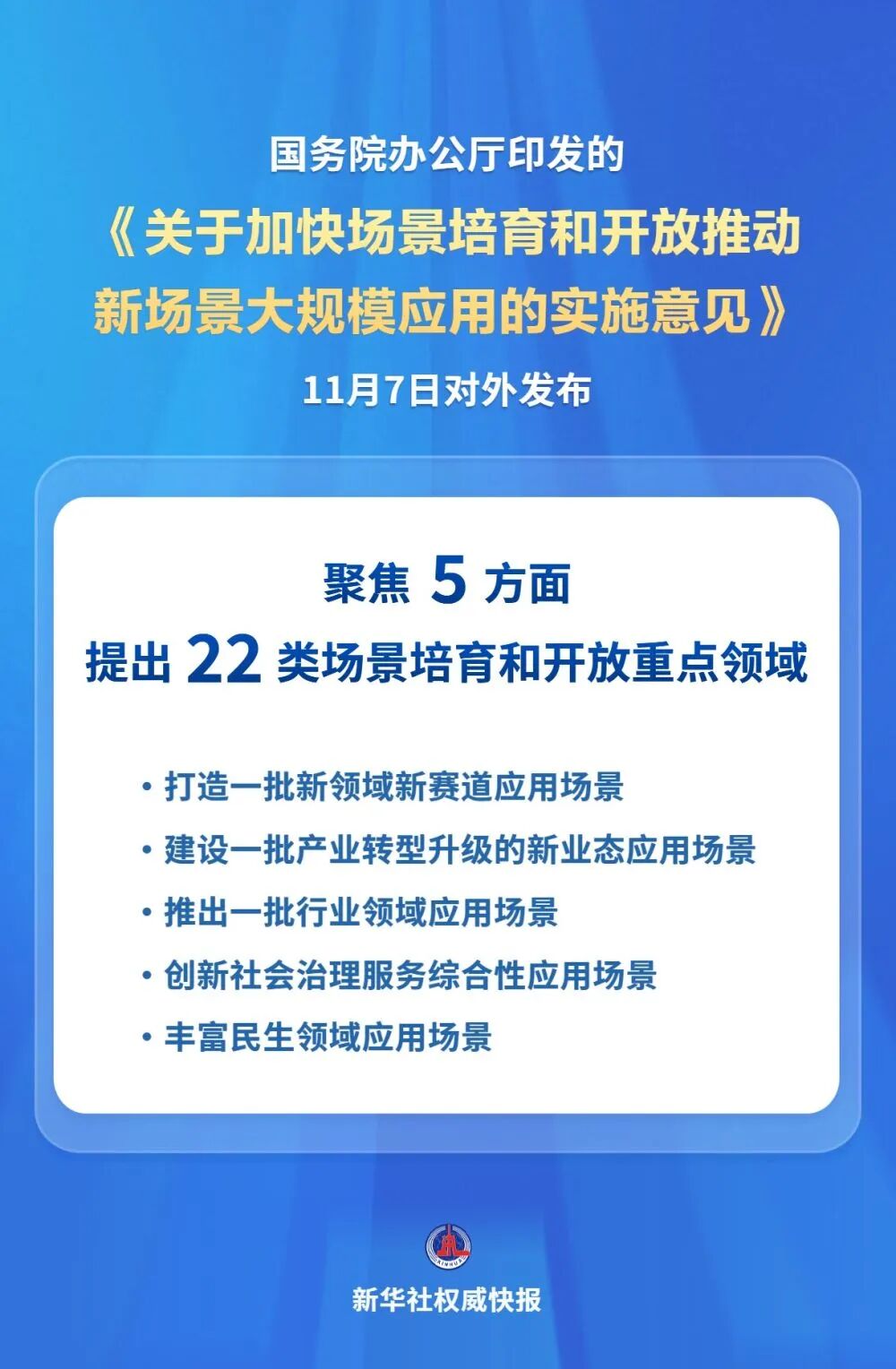
国办印发,事关加快场景培育和开放推动新场景大规模应用
Zhong Guo Zheng Quan Bao· 2025-11-07 10:00
Core Viewpoint - The State Council's implementation opinion focuses on accelerating the cultivation and large-scale application of new scenarios, emphasizing the importance of scenarios as a bridge connecting technology and industry, and promoting the integration of technological and industrial innovation [5][6]. Group 1: Overall Requirements - The implementation opinion is guided by Xi Jinping's thoughts and aims to fully leverage China's large-scale market and rich application scenarios to support the construction of various significant application scenarios [8]. - It emphasizes the need for a systematic approach to promote the large-scale application of new scenarios, forming a path from technological breakthroughs to industrial applications [5][8]. Group 2: Key Areas of Focus - The opinion outlines five key areas for scenario development: new field applications, new business model applications for industrial transformation, industry-specific applications, innovative social governance applications, and enriched livelihood applications [6][8]. - It proposes 22 categories of key areas for scenario cultivation and opening, highlighting the need for collaborative efforts across various sectors [6][8]. Group 3: Specific Application Scenarios - In the digital economy, the focus is on exploring applications of technologies like the metaverse and virtual reality to enhance the integration of the digital and real economies [8][9]. - The artificial intelligence sector aims to accelerate the cultivation and opening of high-value application scenarios to meet diverse development needs [8][9]. - The clean energy sector is encouraged to develop applications in transportation and energy management, promoting a low-carbon transition [9][10]. Group 4: Social Governance and Livelihood Applications - The opinion emphasizes the need for innovative applications in emergency management, mining safety, and smart water management to enhance operational efficiency and safety [13][14]. - In the healthcare sector, the integration of new technologies like big data and IoT is encouraged to improve medical services and patient care [16][17]. Group 5: Implementation and Coordination - Local governments and relevant departments are urged to strengthen collaboration and increase efforts in scenario cultivation and opening, ensuring effective implementation of the opinion [21]. - The National Development and Reform Commission is tasked with guiding and coordinating the efforts, proposing clear and executable requirements for scenario development [21].
文旅经济再创新高,四川文旅强县如何让产业“多点开花”?
Mei Ri Jing Ji Xin Wen· 2025-10-30 03:44
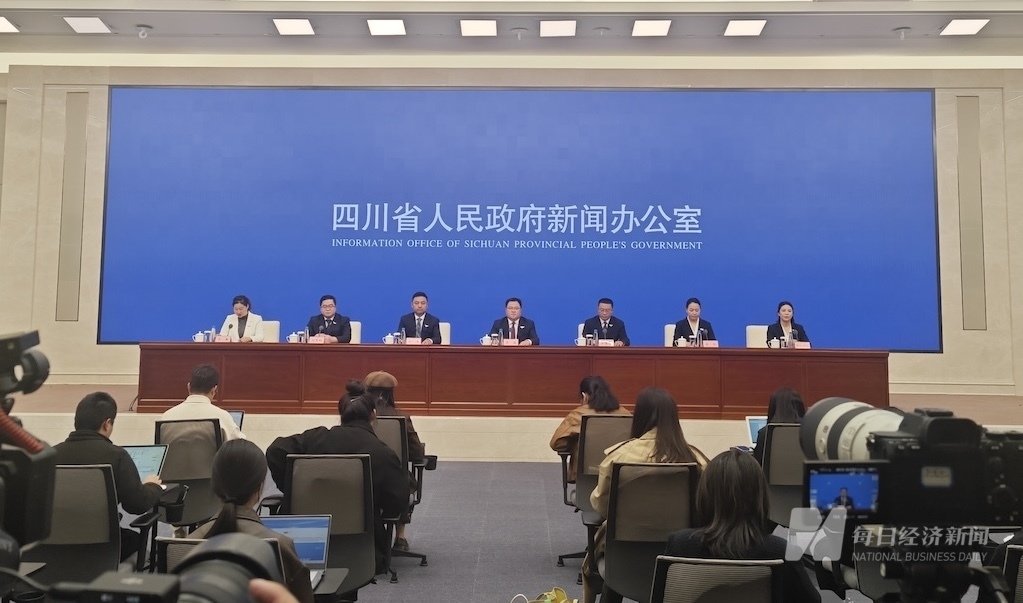
Core Insights - The tourism sector in Kangding has seen significant growth, with a total of 12.33 million visitors and a revenue of 13.55 billion yuan, marking year-on-year increases of 7.36% and 5.44% respectively [1] Tourism Development - Kangding is focusing on creating a "Four Seasons Kangding" tourism brand to address the seasonal challenges faced by the tourism industry [2] - The city plans to enhance summer offerings with ecological camping and high-altitude hiking, while winter will feature snow sports and wellness products [2] - Kangding aims to integrate its cultural tourism resources by developing various travel routes and hosting events like the Kangding Love Song International Music Festival [2][3] Industrial Growth - Beyond tourism, Kangding is working to develop its industrial sector, particularly in lithium battery production, targeting an annual output value of 1 billion yuan [4] - The city has rich lithium resources, with confirmed lithium oxide reserves of 2.29 million tons, positioning it as a potential leader in lithium production [6] - Kangding is also focusing on clean energy development, with plans to generate 26.14 billion kilowatt-hours of electricity by 2024, contributing to a production value of 6.88 billion yuan [6][7] Ecological Considerations - The city prioritizes ecological protection while pursuing industrial development, aiming for a balance between environmental sustainability and economic growth [6] - Kangding has developed 6.87 million kilowatts of hydropower and plans to expand solar power capacity to 3.4 million kilowatts [7]
入围门槛5.84亿元!从百强榜单看宁夏民营企业新发展
Sou Hu Cai Jing· 2025-10-21 23:51
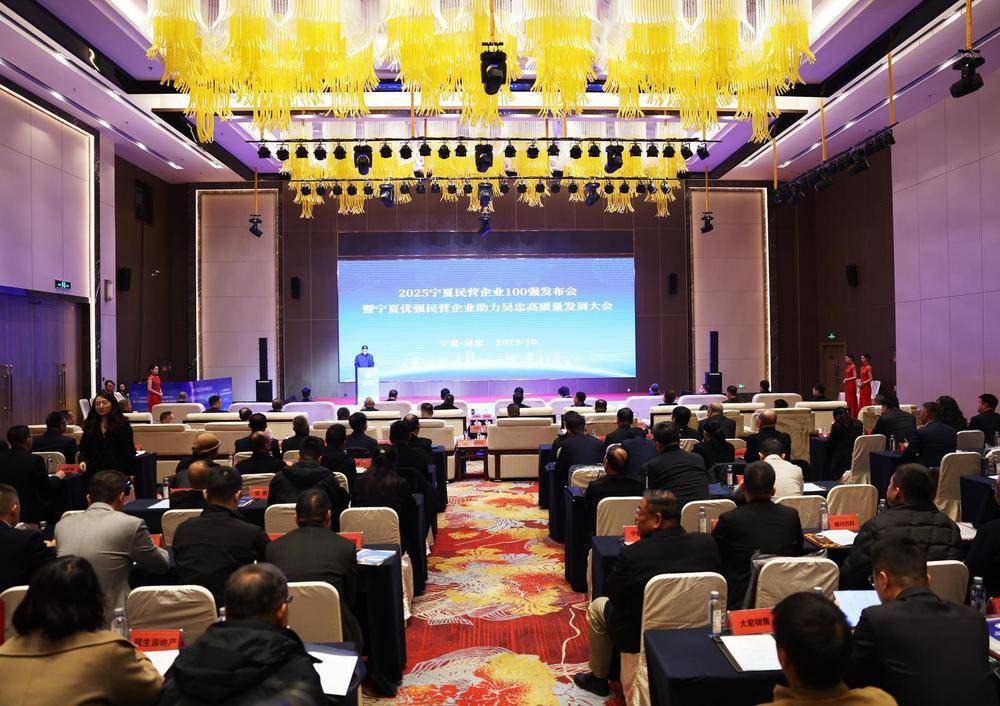
Core Insights - The 2025 Ningxia Top 100 Private Enterprises list was released, highlighting significant growth in revenue and assets among the listed companies [1][3] Group 1: Financial Performance - The threshold for entering the Top 100 list is set at 584 million yuan, with total revenue of the listed companies amounting to 351.38 billion yuan, total assets at 575.50 billion yuan, and total profits at 50.68 billion yuan [3] - 53 companies saw an increase in total assets compared to the previous year, with an increase of 51.26 billion yuan, while 51 companies reported an increase in revenue by 37.16 billion yuan [3] Group 2: Industry Distribution - The distribution of industries among the Top 100 includes 73 in manufacturing, 11 in real estate, 4 each in construction, wholesale and retail, and utilities, 2 in transportation and storage, 1 in business services, and 1 in agriculture [5] - There are 28 companies involved in new materials and 18 in clean energy sectors such as wind, solar, and hydrogen [5] Group 3: Social Contribution - The total tax contribution from the Top 100 companies is 13.59 billion yuan, an increase of 1.26 billion yuan from the previous year, accounting for 37.87% of the total tax revenue in the region [5] Group 4: Research and Development - 76 of the Top 100 companies invested in R&D, with total R&D expenditure of 4.70 billion yuan, representing 54.96% of the region's total R&D spending [7] - The R&D investment intensity is at 1.33%, with 36 companies exceeding 3% [7] - The total number of employees across these companies is 168,350, with 46 companies having more than 10% of their workforce in R&D roles [7] - By the end of 2024, the Top 100 companies held 3,938 valid domestic patents, with 1,989 patents commercialized, generating a product or service value of 74.66 billion yuan [7]
国家公园法将施行;五年来高排放车辆淘汰近两千万辆丨碳中和周报
2 1 Shi Ji Jing Ji Bao Dao· 2025-09-22 12:24
Group 1: National Park Law Implementation - The first National Park Law in China will take effect on January 1, 2026, aiming to protect representative natural ecosystems and promote sustainable use of natural resources [2] - The law establishes a legal framework for a national park system, emphasizing strict protection and integrated management of natural resources [2] - It encourages public participation in conservation efforts and aims to foster awareness of ecological protection among the public [2] Group 2: High-Emission Vehicle Elimination - The Ministry of Ecology and Environment announced that nearly 20 million high-emission vehicles will be eliminated during the 14th Five-Year Plan period [3][4] - Significant reductions in PM2.5 concentrations are targeted, with expected decreases of 18%, 10%, and 20% in key regions by 2024 compared to 2020 levels [3] - The campaign includes comprehensive measures such as coal management and pollution source tracking, achieving notable progress in water and soil protection [4] Group 3: Carbon Market Development - As of September 18, 2025, China's carbon market has seen a cumulative transaction volume of 714 million tons and a total transaction value of approximately 49.96 billion yuan [5][6] - The establishment of a regulatory framework for carbon trading is underway, supporting China's climate change initiatives [5] - The carbon market is recognized as a key mechanism for achieving carbon peak and carbon neutrality goals [6] Group 4: Climate Change and Industry Restructuring - The year 2024 is projected to be the first year to exceed the 1.5°C temperature threshold set by the Paris Agreement, indicating a concerning trend in global warming [7][8] - Experts emphasize the need for intensified emission reduction efforts to meet climate targets and ensure sustainable development [7][8] Group 5: Renewable Energy Consumption in Inner Mongolia - Inner Mongolia has issued a notification to optimize the mechanism for renewable energy consumption, focusing on both mandatory and voluntary consumption [9] - The initiative aims to enhance green electricity consumption and promote the integration of renewable energy with industry [9] Group 6: Low-Carbon Initiatives and Events - The "Low-Carbon China Tour" and Climate Action Week series of events were launched to showcase China's efforts in energy transition and public engagement [10][11] - The events highlight the role of enterprises like Southern Power Grid in promoting green development and their participation in international climate discussions [10][11] Group 7: Clean Energy Expo in Shandong - The 2025 Shandong Clean Energy Industry Expo was held to facilitate innovation and collaboration in the clean energy sector [13][14] - The event aims to strengthen partnerships between enterprises and research institutions to support the region's energy transition [13][14] Group 8: Sustainable Strategy by Yinyu Water Zhongtian - Yinyu Water Zhongtian has set a net-zero target for 2040 and aims to achieve various sustainability goals by 2030 [15][16] - The strategy includes low-carbon construction, climate risk adaptation, and waste management initiatives to promote a circular economy [15][16]
习近平:全面贯彻新时代党的治藏方略 努力建设团结富裕文明和谐美丽的社会主义现代化新西藏
中国基金报· 2025-08-20 11:47
Core Viewpoint - The article emphasizes the importance of implementing the Party's governance strategy in Tibet, focusing on stability, development, ecology, and border security to build a modern socialist Tibet that is united, prosperous, civilized, harmonious, and beautiful [1][2]. Group 1: Development Strategy - Tibet's development should leverage its unique characteristics, promoting high-quality growth through the development of specialty agriculture, clean energy, and resource processing industries [2]. - Major projects such as the Yarlung Tsangpo River hydropower project and the Sichuan-Tibet Railway should be advanced effectively [2]. - There is a need to enhance ecological civilization, balancing carbon reduction, pollution control, and green expansion to protect Tibet's environment [2]. Group 2: Social Stability and Governance - Maintaining political stability, social order, and ethnic unity is crucial for Tibet's governance [1][3]. - Strengthening the awareness of the Chinese national community and promoting the integration of various ethnic groups is essential [1]. - The article highlights the importance of grassroots party organizations in fostering community cohesion and governance [3]. Group 3: Party Leadership and Construction - The article stresses the necessity of upholding the Party's leadership and enhancing its construction in Tibet [3]. - It calls for the promotion of the spirit of old Tibet and the "Two Roads" spirit to inspire local officials and talent [3]. - A focus on strict party discipline and anti-corruption measures is emphasized to create a clean political environment [3].

力求打造标杆盛会 烟台多维度推进2025山东清洁能源产业博览会筹备工作
Zhong Guo Fa Zhan Wang· 2025-08-14 08:03
Group 1: Event Overview - The 2025 Shandong Clean Energy Industry Expo will be held from September 15 to 17 at Yantai Bajiao Bay International Convention and Exhibition Center, aiming to establish itself as an industry benchmark event [1] - Yantai city government has formed a multi-departmental preparation team to ensure efficient organization and execution of the expo [1][2] Group 2: Resource Integration and Promotion - The expo will utilize both online and offline strategies for precise招商, including partnerships with industry associations and research institutions to invite quality enterprises [2] - Key companies such as Dongfang Electronics, CIMC Raffles, and Wanhuachuang have confirmed participation, encouraging over 30 small and medium-sized enterprises to join [2] Group 3: Infrastructure and Safety Measures - Yantai Bajiao Bay International Convention and Exhibition Center is undergoing comprehensive upgrades to meet the expo's functional requirements [2] - A coordinated safety plan involving multiple departments has been established to ensure the security of the venue and attendees [2] Group 4: Green Development Initiatives - Yantai has been recognized for its green low-carbon transformation, achieving significant milestones in clean energy production, including the first offshore photovoltaic power generation in China [3] - The city aims to build a new energy system focusing on nuclear, wind, solar, hydrogen, storage, and LNG, with a total investment of 700 billion yuan in clean energy bases [3] Group 5: Industrial and Urban Transformation - Yantai is implementing comprehensive measures for energy efficiency and carbon reduction across various sectors, including the establishment of zero-carbon parks and green factories [4] - The city is also a national pilot for urban renewal and sustainable development, promoting projects like the "Long Island International Zero Carbon Island" [4] Group 6: Community Engagement and Lifestyle Changes - Initiatives for green living are being promoted, including the first nuclear energy zero-carbon heating project, aiming for full coverage within five years [5] - The city has achieved a 96% share of green public transport, fostering a culture of low-carbon living among residents [5] Group 7: Conclusion - Yantai's comprehensive advantages in clean energy and sustainable development make it an ideal location for the 2025 Shandong Clean Energy Industry Expo [6]
