现制酸奶

Search documents
价格腰斩、开店放缓!“酸奶界爱马仕”不行了?
Sou Hu Cai Jing· 2025-11-24 09:04
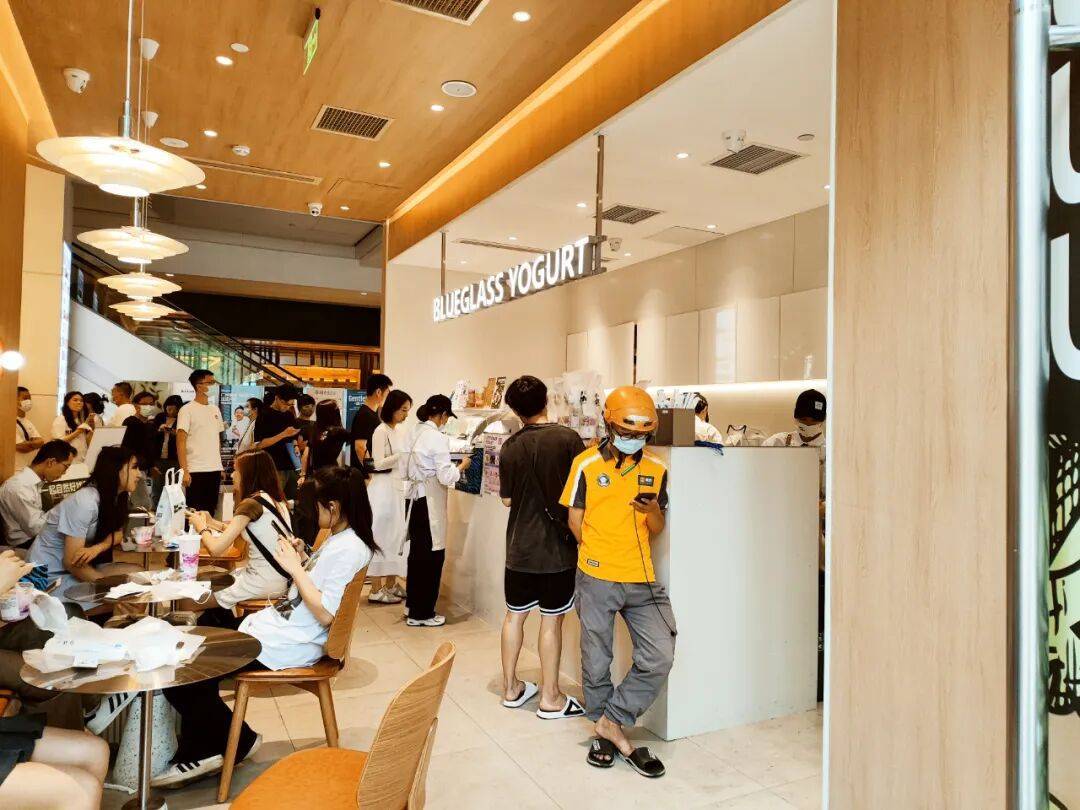
Core Insights - Blueglass Yogurt, referred to as the "Hermès of yogurt," is facing negative news, including being listed as an executed party with a claim amounting to 2.2163 million yuan [1] - The brand has recently reduced prices significantly, with some products dropping over 50% from their original prices, indicating a shift in market dynamics and consumer sentiment [2][5] - The rapid growth and high-end positioning that once characterized Blueglass are now under scrutiny as the market for fresh yogurt cools down, leading to a slowdown in store openings and a reevaluation of business strategies [9][14] Company Overview - Blueglass Yogurt was initially positioned as a premium brand targeting middle-class women, leveraging functional ingredients and a luxurious store design [3] - The brand experienced significant popularity in 2023, with long queues at new store openings, but this enthusiasm has waned [5][6] - Despite a rapid expansion plan that aimed for over 1,000 stores within three years, the actual growth has slowed, with only about 60 new stores opened in 2024 [8][9] Market Dynamics - The fresh yogurt market, once a hot trend, is now facing challenges as consumer preferences shift towards more rational spending, making high-priced products less competitive [9][10] - Many brands in the fresh yogurt sector are struggling, with some reducing their store counts significantly, indicating a broader industry contraction [9][12] - New entrants with differentiated offerings are emerging, suggesting a potential shift towards a more sustainable and innovative market landscape [12][14]

价格腰斩、开店放缓,“酸奶界爱马仕”不行了?
3 6 Ke· 2025-11-24 04:35
Core Insights - The current market for fresh yogurt brands is facing challenges, with Blueglass Yogurt experiencing significant price reductions and operational difficulties, indicating a broader trend of cooling in the fresh yogurt sector [1][4][8] Company Overview - Blueglass Yogurt, once a popular high-end brand, has seen its prices drop significantly, with some products discounted by over 50%, reflecting a shift in consumer perception and market dynamics [1][2][4] - The company has been labeled as "the Hermes of yogurt," but recent controversies regarding its pricing strategy have led to negative consumer sentiment, with discussions on social media about the perceived value of its products [4][8] - Despite a rapid expansion in previous years, with over 70 new stores opened in 2023 alone, Blueglass is now slowing its growth, with only about 60 new stores planned for 2024 [5][7] Industry Trends - The fresh yogurt market, which saw a surge in popularity, is now experiencing a decline, with many brands, including Blueglass, facing growth challenges and operational adjustments [8][11] - The overall consumer sentiment has shifted towards more rational spending, making the previous price points of 30-40 yuan per serving less competitive in the current market environment [8][11] - New entrants in the market are emerging with differentiated offerings, such as "new-style yogurt" and innovative business models, indicating a potential shift towards sustainable growth strategies within the industry [11][13]
网红酸奶Blueglass“自降身价” 部分产品断崖降价
Nan Fang Du Shi Bao· 2025-11-18 08:45
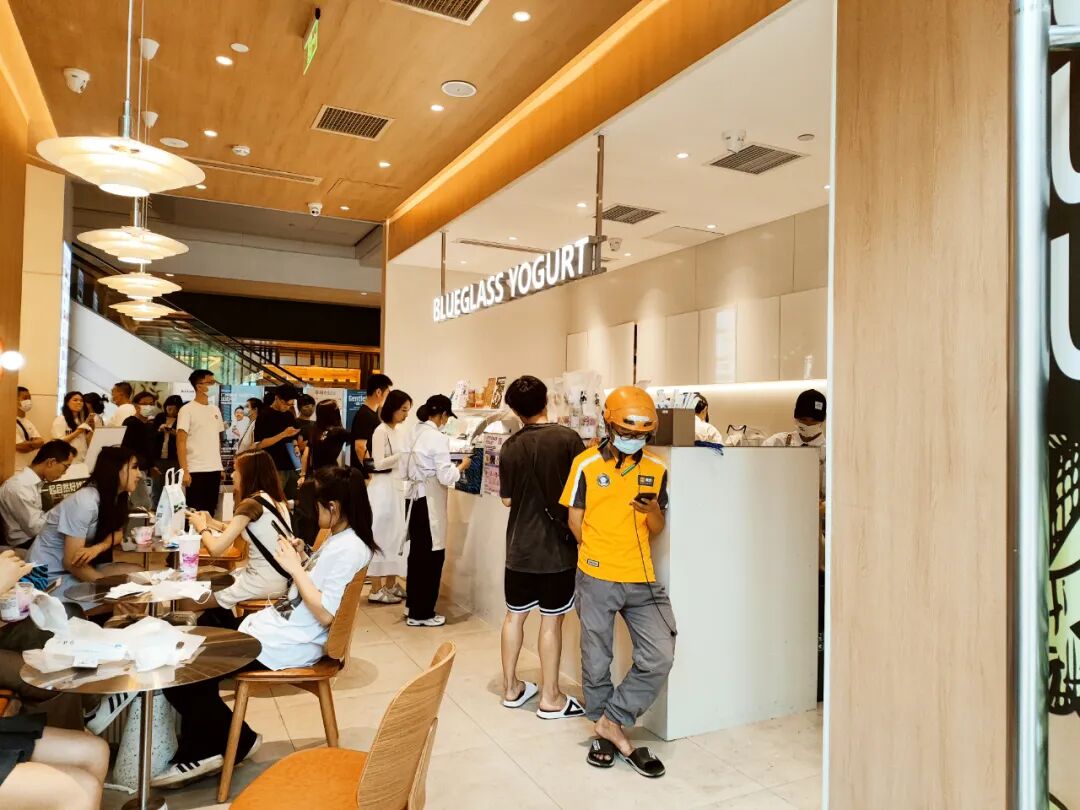
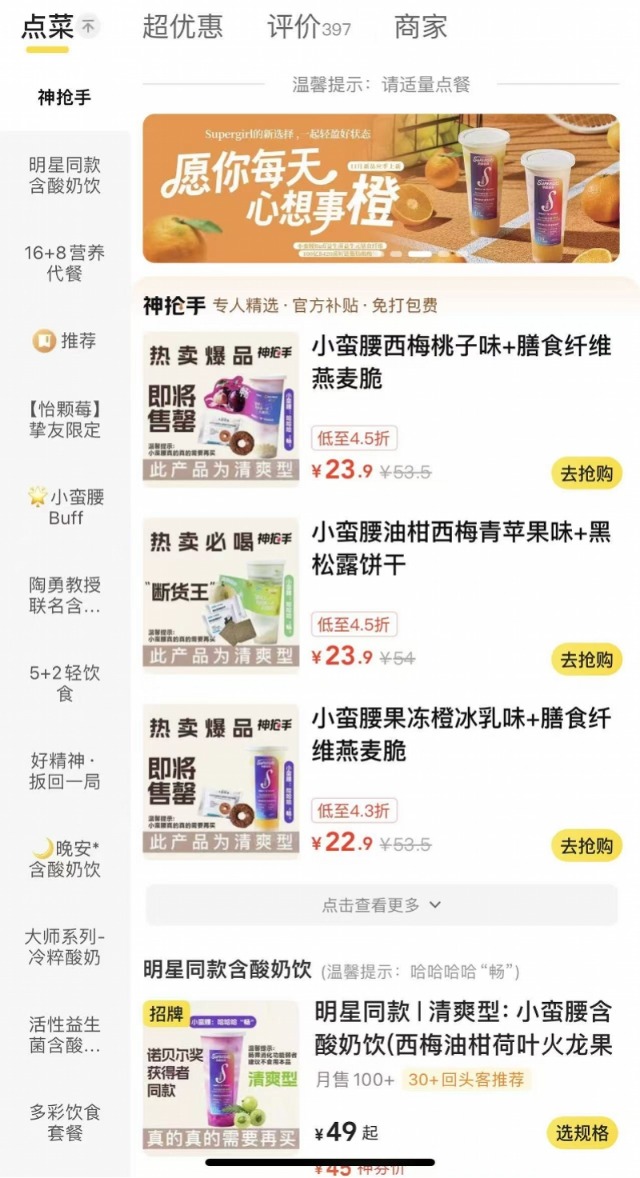
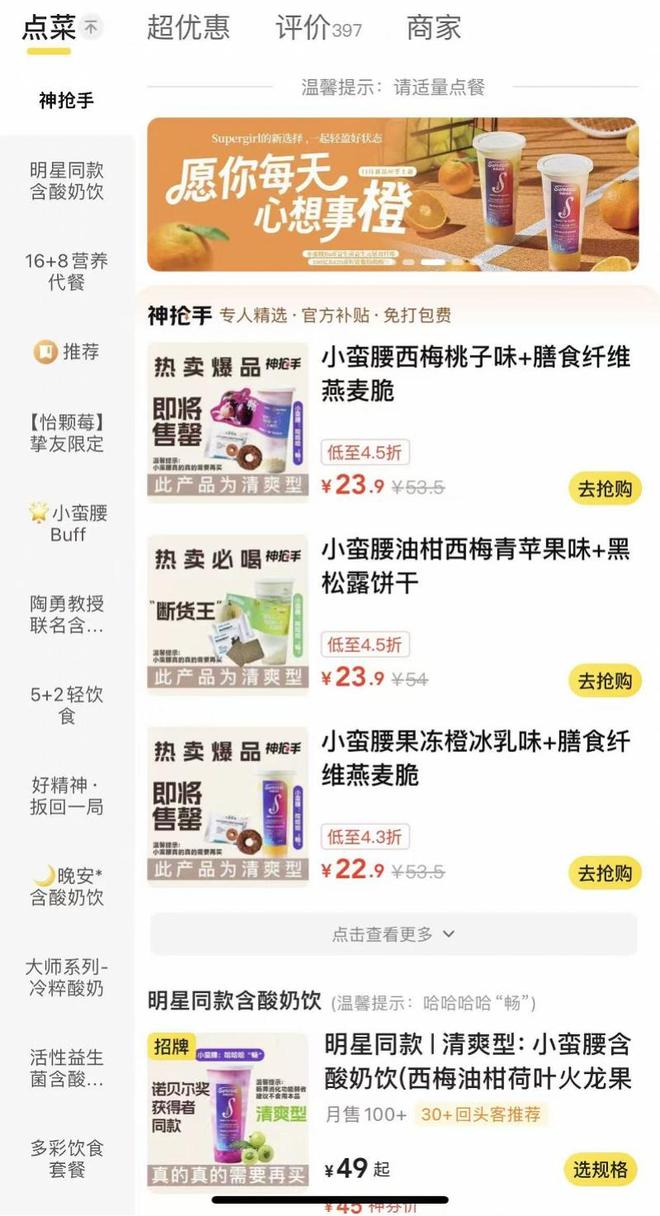
Core Viewpoint - Blueglass, once regarded as the "Hermès of yogurt," has significantly reduced its prices, with some products now priced as low as 22.9 yuan, reflecting a drop of over 50% from its original price of 49 yuan, indicating a struggle in the high-end yogurt market amid tightening regulations and increased competition [1][4][6]. Pricing Strategy - The brand has adopted a dual pricing strategy, offering lower prices online while maintaining higher prices in physical stores, revealing its dilemma between attracting price-sensitive consumers and preserving its premium image [4][10]. - The drastic price cuts are seen as a potential move towards "democratization" of the brand, suggesting a shift in strategy to appeal to a broader audience [4][7]. Financial and Investment Context - Blueglass's parent company, Beijing Yuehuo Catering Management Co., has not secured new capital since completing its A and B rounds of financing in 2020 and 2021, raising concerns about its financial stability, especially as the ready-to-drink yogurt sector attracts more investment [4][6]. Market Challenges - The high-priced yogurt business model faces inherent challenges, including high marketing and rental costs that overshadow raw material expenses, and a declining consumer trust in the health premium associated with yogurt products [6][10]. - The ready-to-drink yogurt market is experiencing intense competition, with many brands offering similar products, leading to significant product homogenization [6][10]. Brand Controversies - Blueglass has faced multiple controversies, including fines for inappropriate advertising and misleading health claims, which have damaged its reputation and highlighted its reliance on aggressive marketing strategies [7][10]. - The brand's marketing tactics have been criticized for being out of sync with its stated health-oriented values, leading to public backlash [7][10]. Consumer Perception - Consumers are increasingly questioning the value of paying high prices for yogurt, with many seeking better price-performance ratios, which poses a challenge for Blueglass in maintaining its premium pricing strategy [10][11]. - The shift in consumer behavior from buying based on concepts to valuing tangible benefits indicates that Blueglass must focus on rebuilding trust and enhancing product quality to sustain its market position [10][11].
网红酸奶Blueglass“自降身价”,部分产品断崖降价
Nan Fang Du Shi Bao· 2025-11-18 08:24
Core Viewpoint - Blueglass, once considered a premium yogurt brand, has significantly reduced its prices, reflecting challenges in the high-end yogurt market amid increased competition and regulatory scrutiny [1][4][6] Pricing Strategy - Blueglass has lowered prices of some products to as low as 22.9 yuan, representing a drop of over 50% from the original price of 49 yuan [1] - The brand's dual pricing strategy, with lower online prices compared to offline, indicates a struggle to attract price-sensitive consumers while maintaining a premium image [4] Market Position and Challenges - The parent company of Blueglass has not secured new capital since 2021, raising concerns about its growth prospects in a capital-favored market for fresh yogurt [4] - The high-end yogurt market is experiencing intense competition, leading to product homogenization and questioning the value proposition of premium pricing [6][11] Controversies and Regulatory Issues - Blueglass has faced multiple regulatory penalties for misleading advertising, including a fine of 450,000 yuan for inappropriate marketing language [7] - Previous fines for false claims about health benefits highlight the brand's reliance on aggressive marketing strategies that have backfired [7] Consumer Perception and Trust - The brand's health narrative is facing skepticism as consumers demand transparency regarding ingredient sourcing and pricing [11] - The shift in consumer behavior from paying for concepts to seeking value poses a significant challenge for Blueglass, which must rebuild trust and focus on product quality [11][12] Business Model and Operational Strategy - Blueglass strategically locates its stores near premium brands like Starbucks and Lululemon to target a specific demographic, but this has led to high operational costs [8] - The brand's marketing approach, heavily reliant on social media, has not effectively translated into sustained consumer loyalty or sales [7][11] Industry Outlook - The fresh yogurt market continues to grow, but brands must adapt to changing consumer preferences that prioritize value over brand prestige [11][12] - Blueglass's recent price cuts may provide a temporary sales boost, but long-term success will depend on restoring consumer confidence and enhancing product integrity [11]
2025年第19周:食品饮料行业周度市场观察
艾瑞咨询· 2025-05-12 09:29
Group 1: Plant-Based Beverage Industry - The plant-based beverage industry is experiencing a divergence in performance among major companies, with some like Yangyuan Beverage seeing profit growth despite a slight revenue decline, while others like Huanlejia face declines in both revenue and profit [2] - Traditional plant-based beverages are limited by seasonal demand and face competition from emerging categories, necessitating innovation to meet the health-conscious preferences of younger consumers [2] Group 2: Chinese Condiment Industry - The Chinese condiment industry has evolved from a focus on export during the planned economy era to becoming a global rule-maker, with companies like Haitian Flavoring and Lee Kum Kee leading the way [3][4] - The industry is leveraging cultural exports and technological innovation to reshape its landscape, emphasizing quality and innovation to support the globalization of Chinese flavors [4] Group 3: Community Supermarkets - Community supermarkets are gaining traction, with brands like Ole' and Hema NB expanding rapidly, focusing on middle-class consumers and enhancing product quality and efficiency [5] - The core competitiveness of community supermarkets lies in product control and operational efficiency, requiring deep supply chain engagement and digital tool application [5] Group 4: Health and Wellness Trends - There is a growing trend among young consumers towards "light wellness" products, with a focus on health-conscious beverages that are low in sugar and calories [6] - Boxed water products have seen significant sales growth, with products like fig and flaxseed water experiencing a 130% increase in sales [6] Group 5: Instant Food Market - The instant food market is shifting from high-end products to a focus on affordability, with budget products now accounting for nearly 50% of the instant noodle market [7] - Future opportunities lie in diversifying flavors and adjusting strategies to meet the differentiated demands of various market segments [7] Group 6: Aging Population and Bakery Market - The aging population is driving demand for soft-textured baked goods, with health-oriented and age-appropriate products becoming market hotspots [9] - Innovations inspired by Japanese practices, such as low-sugar and low-salt options, are key directions for the industry [9] Group 7: Snack Food Market Forecast - The Chinese snack food market is projected to grow to 972 billion yuan by 2025, with nut snacks holding the largest market share [10] - The industry is witnessing a shift towards health-oriented ready-to-eat products, with e-commerce and live streaming becoming significant growth drivers [10] Group 8: Beverage Market Dynamics - The beverage market is undergoing adjustments, with significant growth in electrolyte water and tea beverages, while packaged water sales are declining [12] - Companies like Nongfu Spring and Eastroc Beverage are experiencing contrasting performance, highlighting the competitive landscape [12] Group 9: Pre-made Dishes Market - The pre-made dishes market is experiencing a cooling phase, with many leading companies facing revenue declines due to changing consumer demands and increased competition [14] - Opportunities remain in local specialties and high-end products, with new retail channels emerging as growth points [14] Group 10: Health Drink Innovations - The market for Chinese herbal health drinks is expanding rapidly, with sales increasing from 0.1 billion yuan in 2018 to an expected 10 billion yuan by 2028 [19] - Companies are focusing on packaging, formulation, and marketing to differentiate themselves in a competitive landscape [19] Group 11: Functional Beverage Market - The functional beverage market is becoming increasingly diverse, with brands like Zhenguanzhuang entering the market with zero-sugar options targeting health-conscious consumers [32] - The collaboration between Zhenguanzhuang and Super Extreme Drink aims to fill market gaps and cater to the preferences of the younger generation [32] Group 12: Snack Food IPO Trends - Recent trends show a surge in snack food companies seeking IPOs in Hong Kong, with brands like Three Squirrels aiming to solidify their market position [21] - These companies face challenges related to competition and growth bottlenecks, despite their ambitions for expansion [21]






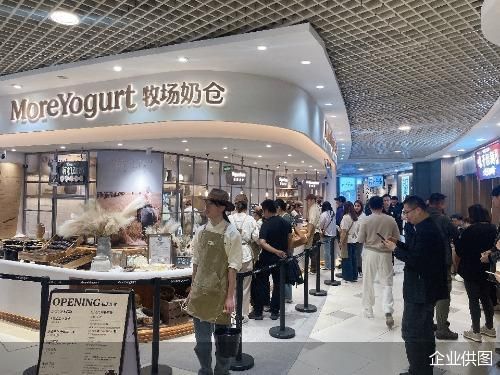
强调“有机”、增加烘焙甜品 茉酸奶新店型能否挑起增长大梁
Bei Jing Shang Bao· 2025-04-27 13:14
Core Viewpoint - Company is attempting to revitalize its brand and address growth concerns through the launch of a new store model called "Pasture Milk Warehouse" in the competitive fresh yogurt market [1][4]. Product and Store Model - The new store model features a larger space, transparent production processes, and a combination of dining and retail offerings, including organic products and baked goods [3][4]. - The pricing strategy maintains the existing price range of 22-27 yuan for main yogurt products while introducing new items to enhance customer experience and potential sales [7][8]. Franchise Model and Challenges - The new store model has a higher franchise entry threshold and operational costs, targeting high-end commercial areas, which may impact the speed of expansion [3][8]. - The company aims to repair trust issues stemming from previous food safety scandals by implementing stricter franchise management and product quality controls [5][6][10]. Industry Context and Competition - The fresh yogurt market is becoming increasingly competitive, with both leading brands and regional players vying for market share, necessitating a focus on product differentiation and consumer trust [9][10]. - The company has introduced a new industry standard for fresh yogurt smoothies to enhance product safety and quality, addressing consumer health concerns [9][10].