证券IT

Search documents
顶点软件增利不增收 靠技术吃饭研发费用却同比下滑|证券IT半年报
Xin Lang Zheng Quan· 2025-09-26 10:21
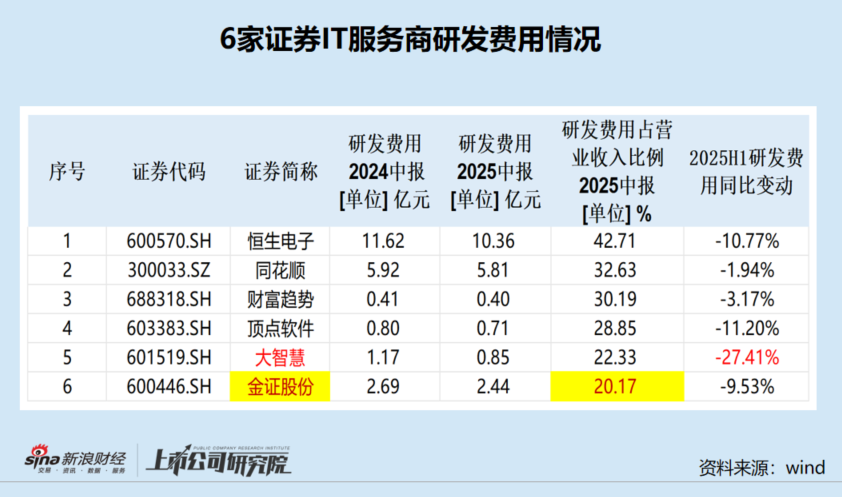
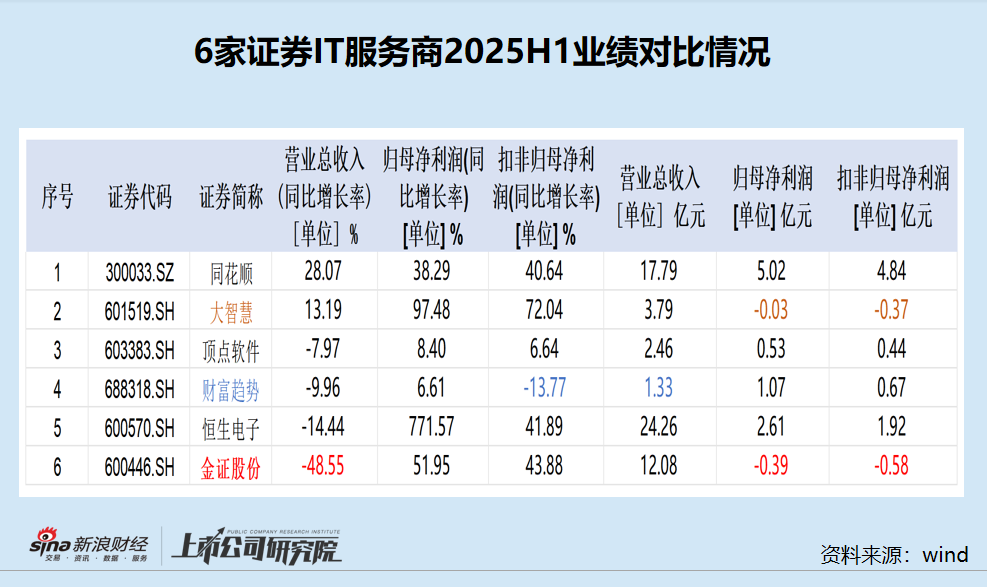
Group 1: Industry Overview - In the first half of 2025, 150 brokerage firms achieved operating income of 251 billion yuan, a year-on-year increase of 23%, and net profit of 112.3 billion yuan, a year-on-year increase of 40% [1] - Among 42 listed brokerages, total operating income reached 251.9 billion yuan, a year-on-year increase of 31%, with net profit attributable to shareholders of 104 billion yuan, a year-on-year increase of 65% [1] Group 2: R&D Expenditure Analysis - Six major securities IT service providers showed varied performance in R&D expenditure, with 恒生电子 having the highest R&D expenses and R&D expense ratio in H1 2025, while 财富趋势 had the lowest R&D expenses [2] - Notably, 大智慧, 顶点软件, and 恒生电子 experienced a decline in R&D expenses exceeding 10%, which contradicts the industry's reliance on technology [2][3] Group 3: Company-Specific Performance - 顶点软件 reported a revenue of 246 million yuan in H1 2025, a decrease of 7.97%, while net profit attributable to shareholders increased by 8.4% to 52.88 million yuan [3][4] - The decline in revenue for 顶点软件 was attributed to fewer project acceptances compared to the previous year [4] - Despite the increase in net profit, 顶点软件's cash flow from operating activities was negative at -127 million yuan, indicating a significant discrepancy between profit and cash flow [7] Group 4: Financial Asset Management - As of the end of H1 2025, 顶点软件's cash and trading financial assets totaled 949 million yuan, accounting for 57.4% of total assets [5] - The company reported a total of 82.57 thousand yuan in investment income from its securities investments, which corresponds to a low return rate of approximately 1.28% [7]


财富趋势扣非归母净利润增速垫底 营收最少还同比下滑 市盈率高达125倍是泡沫是否会破裂?|证券IT半年报
Xin Lang Zheng Quan· 2025-09-26 10:14
Core Insights - In the first half of 2025, 150 brokerage firms achieved operating income of 251 billion yuan, a year-on-year increase of 23%, and net profit of 112.3 billion yuan, up 40% [1] - Among the major listed securities IT companies, performance varied significantly, with Hengsheng Electronics leading in revenue at 2.426 billion yuan, while Wealth Trend lagged behind with only 133 million yuan, marking a 9.96% decline [1][2] - Wealth Trend's high price-to-earnings ratio of 125 times raises concerns about potential overvaluation, especially as its actual controller plans to reduce holdings significantly [7][9] Brokerage Firms Performance - The 42 listed brokerage firms collectively reported operating revenue of 251.9 billion yuan, a 31% increase year-on-year, and a net profit of 104 billion yuan, up 65% [1] - The performance of the six major securities IT service providers varied, with Tonghuashun, Dazhihui, and Dingdian Software showing positive growth in both revenue and net profit, while Wealth Trend and Jinzhen Co. faced declines [3][4] Wealth Trend Analysis - Wealth Trend's total revenue for the first half of 2025 was 133 million yuan, a decrease of 9.96%, with net profit increasing by 6.61% to 107 million yuan, but its non-recurring net profit fell by 13.77% to 67 million yuan [2][4] - The decline in revenue is attributed to reduced main business projects and a decrease in acceptance and collection, impacting software sales and information security product income [2] - Wealth Trend's R&D expenses also decreased by 3.17% to 40 million yuan, reflecting a reduction in both the number of R&D personnel and average salary [6] R&D and Human Resources - As of mid-2025, Wealth Trend had 310 R&D personnel, down from 328 the previous year, with an average salary of 69,700 yuan, a decrease of 11.66% [5][6] - The company’s reliance on R&D as a competitive advantage is questioned due to the reduction in R&D staff and salaries alongside declining revenue and profits [6] Market Valuation and Shareholder Actions - Wealth Trend's stock price reached 151.68 yuan per share by September 23, 2025, reflecting a 138% increase from the previous year [7][9] - The company's TTM price-to-earnings ratio of 125.08 is the highest among its peers, raising concerns about potential overvaluation [9] - The actual controller, Huang Shan, plans to reduce holdings by up to 768,340 shares, valued at approximately 863 million yuan based on earlier stock prices, indicating a strategy to capitalize on high valuations [9]

公募顶流,艰难回本
Hu Xiu· 2025-09-19 11:21
Group 1 - The core viewpoint of the articles highlights the contrasting fortunes of top fund managers in the current market, particularly those focused on technology and growth sectors, compared to those heavily invested in traditional sectors like consumption and renewable energy [1][22][25] - Fund manager Liu Gesong, who previously achieved significant returns, has seen his products struggle, with some still 30% below their peak net value [1][13] - In contrast, technology-focused fund managers like Hu Yibin and Chen Hao have seen their products recover significantly, with some nearing or surpassing their 2021 highs [2][5][6] Group 2 - The current market is characterized as a "technology bull," with growth-oriented funds performing well, particularly in sectors like AI, robotics, and innovative pharmaceuticals [2][19] - Hu Yibin's performance stands out, with his flagship fund showing a 25% increase compared to its 2021 peak [2][4] - Chen Hao's fund has also performed well, achieving a 48.65% return year-to-date, with net values exceeding 2021 highs [6][8] Group 3 - Many former top fund managers who relied heavily on sectors like renewable energy are facing significant challenges, with some still far from recovering their previous highs [15][18] - The article notes that while some managers have adapted to new trends, others remain stuck in their previous strategies, leading to poor performance [28][30] - The medical sector has shown resilience, with top managers like Zhao Bei achieving substantial returns due to the innovative drug market, although they still face challenges in recovering from past losses [25][27] Group 4 - The articles emphasize the importance of adapting investment strategies to current market trends, with successful managers demonstrating the ability to pivot between sectors [28][31] - The long-term outlook for technology and medical sectors appears promising, driven by demographic trends and innovation, while traditional consumption sectors face more uncertainty [29][32] - The performance of fund managers is increasingly scrutinized based on their ability to help investors recover from previous losses, highlighting the need for effective strategy adjustments [28][30]
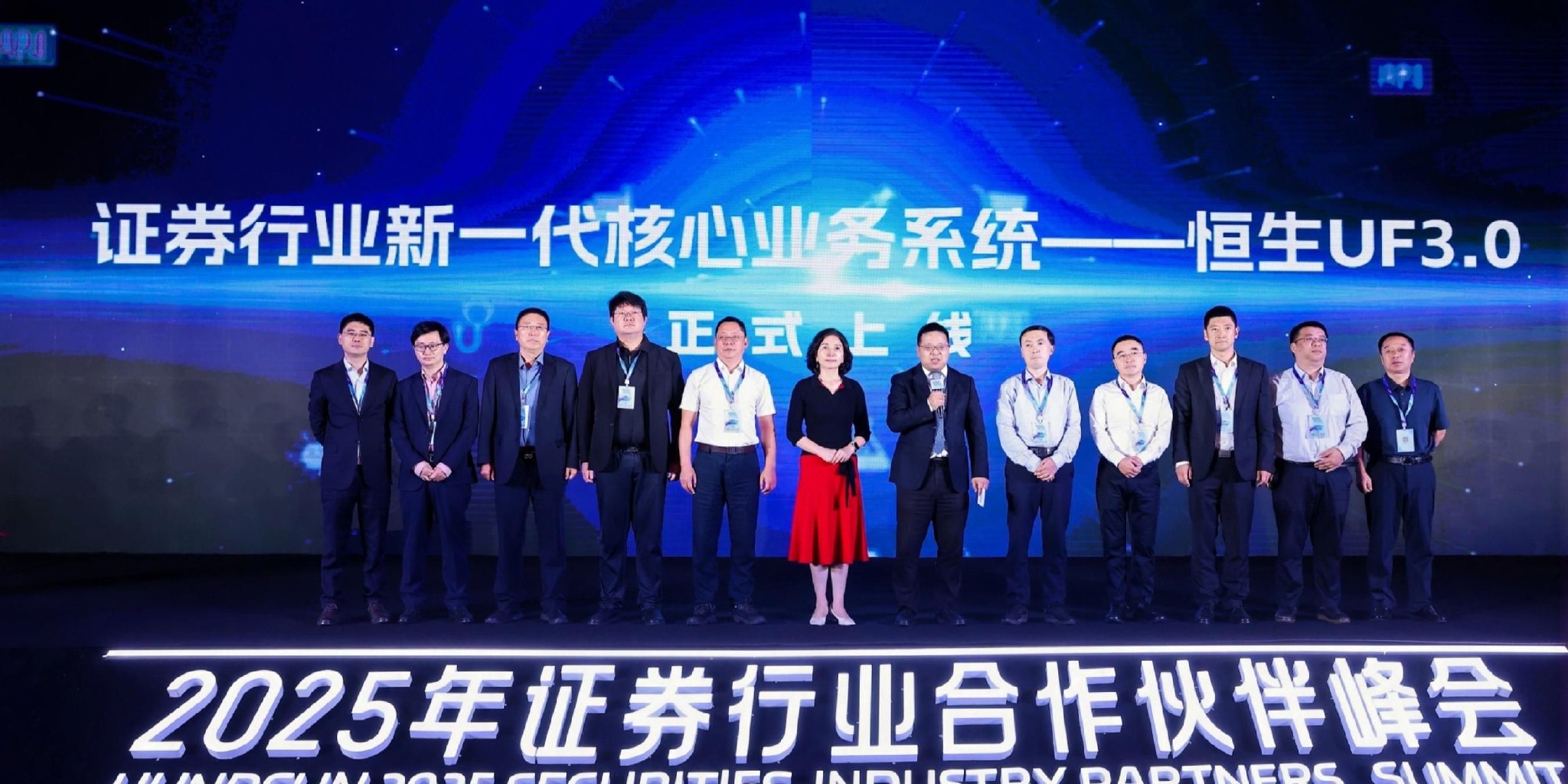
中国证券业迎来“新核时代” 恒生UF3.0落地11家券商
Jing Ji Guan Cha Wang· 2025-09-10 10:45
Core Insights - A significant system upgrade is occurring in the Chinese securities industry, marked by the launch of the new core business system UF3.0 by Hengsheng Electronics [2][3] - UF3.0 represents a shift from a "trading channel" to a "wealth management engine," supporting 24/7 operations with high concurrency and low latency [2][4] - The successful implementation of UF3.0 in 11 securities firms, including major players like China Merchants Securities and Dongfang Securities, sets a benchmark for digital transformation in the industry [2][5] Industry Transformation - The core business system is essential for various operations such as account opening, trading, clearing, risk control, and customer service, serving as a foundational infrastructure for business operations [4] - The transition towards wealth management and internationalization in the securities sector presents challenges to traditional core business systems, necessitating the development of UF3.0 [4][5] - UF3.0 is designed to support comprehensive financial services and modern IT infrastructure, addressing the evolving needs of the securities industry [4][5] Technological Advancements - UF3.0 employs a cloud-native architecture and distributed, full-stack technology to enhance system capabilities, ensuring high performance and flexibility [2][7] - The system features a dual-state architecture that separates stable and agile operations, allowing for rapid iteration and innovation in response to business demands [7][9] - The integration of self-developed technologies and products into UF3.0 is crucial for maintaining financial information security and achieving IT autonomy in the securities industry [8] Implementation and Collaboration - The successful rollout of UF3.0 involved deep collaboration between Hengsheng Electronics and various securities firms, establishing a solid foundation for its implementation [3][9] - The transition to UF3.0 was managed through agile methodologies, automated data migration tools, and comprehensive operational monitoring to ensure a smooth upgrade process [9] - As more firms adopt UF3.0, the Chinese securities industry is poised to build a digital ecosystem based on the new core business system, marking a new phase in wealth management transformation [9]



证券IT概念持续走强,湘财股份涨停
Xin Lang Cai Jing· 2025-08-25 11:51
Group 1 - The IT sector in the securities industry continues to strengthen, with Xiangcai Co., Ltd. hitting the daily limit up [1] - Other companies such as Guiding Compass, Yingshi Sheng, Dazhihui, Lingzhi Software, Dongfang Caifu, and *ST Huike also experienced significant gains [1]




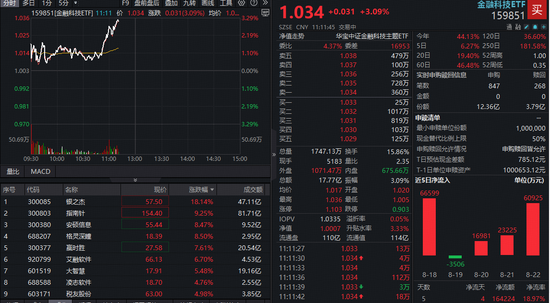
银之杰冲击20CM涨停!百亿金融科技ETF(159851)涨超3%再刷新纪录!市场放量下,机构看好to C类证券IT机会
Xin Lang Ji Jin· 2025-08-25 03:28
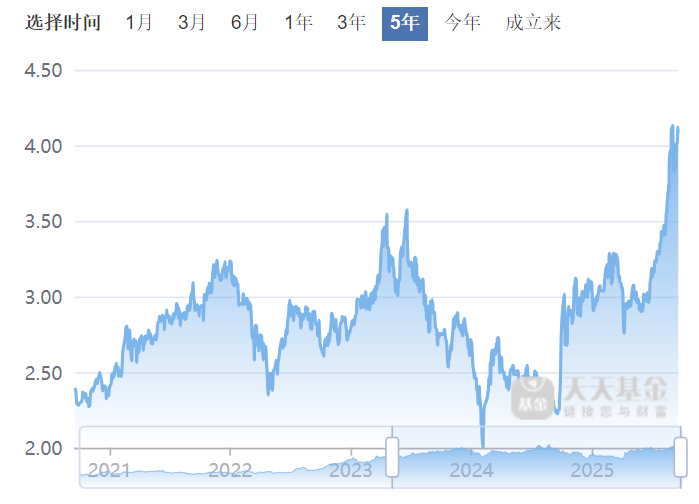
Group 1 - The financial technology sector has seen significant gains, with the China Securities Financial Technology Theme Index rising over 3% as of August 25 [1] - Notable stocks include Yinzhijie hitting a 20% limit up, and other companies like Guiding Compass, Anshuo Information, and Geling Shentong rising over 5% [1] - The Financial Technology ETF has reached a new high with a trading volume of 1.466 billion CNY and net subscriptions exceeding 850 million units [1] Group 2 - GF Securities believes that in the current market environment, to C-type securities IT companies will outperform to B-type companies [2] - The business of to C securities IT includes traditional brokerage, account referral advertising, value-added telecom services, and fund distribution, with account referral and value-added services driving growth [2] - With the increase in margin trading balances and market transaction volumes, the valuation of to C securities IT is expected to rise further, although current valuations have not yet reached the average of the past year [2] Group 3 - The Financial Technology ETF (159851) and its linked funds are recommended for investment, covering various themes such as internet brokerage, financial IT, cross-border payments, and AI applications [2] - As of August 22, the Financial Technology ETF has surpassed 11 billion CNY in size, with an average daily trading volume of over 600 million CNY, leading among similar ETFs [2]


广发证券:2C端证券IT业务展现超预期弹性 关注具备“牛市放大器”效应金融科技企业
Zhi Tong Cai Jing· 2025-08-22 09:31
Group 1 - The core viewpoint of the report is that the 2C securities IT business is showing unexpected resilience, with potential valuation recovery space being twice that of the brokerage sector, driven by recent market activity and margin trading balance exceeding 2 trillion yuan [1] - The 2C securities IT sector is primarily divided into two categories: 2C, which targets retail users, and 2B, which sells and iterates system products to brokerages. The report suggests that 2C companies may outperform 2B companies in the current market environment [1][2] - Historical analysis indicates that during previous brokerage market rallies, the returns of leading 2C securities IT companies were generally double that of the brokerage index, and current valuations have not yet reached historical multiples [1][4] Group 2 - The 2C securities IT business includes traditional brokerage services, customer acquisition advertising, value-added telecom services, and advisory services, with the latter two often overlapping [2] - The report highlights three elastic business categories: hidden customer acquisition potential leading to increased advertising revenue, value-added services contributing to short-term elasticity, and brokerage services linked to market trading volume [3] - Historical data from significant bull markets shows that the current valuations of most 2C securities IT companies have not yet reached their one-year averages, indicating potential for further valuation increases as market liquidity grows [4]


午间涨跌停股分析:111只涨停股、2只跌停股,证券IT概念活跃,指南针、大智慧2连板
Xin Lang Cai Jing· 2025-08-18 03:51
Group 1 - A-shares experienced significant activity with 111 stocks hitting the daily limit up and only 2 stocks hitting the limit down on August 18 [1] - The securities IT concept was notably active, with stocks like Zhinan Zhen and Dazhihui achieving consecutive limit ups [1] - The CPO concept also showed strength, with stocks such as Ruijie Network and Cambridge Technology reaching limit up [1] - The film and theater sector saw gains, with Huace Film and Bainacheng hitting limit up [1] Group 2 - *ST Aowei (rights protection) achieved 8 limit ups in 9 days, while *ST Huarong recorded 6 consecutive limit ups [1] - Huasheng Tiancai had 5 limit ups in 8 days, and Tongzhou Electronics achieved 5 limit ups in 6 days [1] - Other notable stocks include *ST Nanzhi with 5 consecutive limit ups, Zhongdian Xinlong with 4 limit ups in 5 days, and Changcheng Securities with 4 limit ups in 4 days [1] - *ST Gaohong (rights protection) faced a continuous decline with 6 consecutive limit downs, and Wantong Development (rights protection) also hit the limit down [2]
今日涨跌停股分析:104只涨停股、4只跌停股,证券IT概念走强,指南针、大智慧涨停
Xin Lang Cai Jing· 2025-08-15 07:19
Group 1 - On August 15, the A-share market saw a total of 104 stocks hitting the daily limit up and 4 stocks hitting the limit down [1] - The fiberglass sector was active, with Zhongcai Technology and International Composite Materials reaching the limit up [1] - The securities IT sector strengthened, with Zhinan Compass and Dazhihui also hitting the limit up [1] Group 2 - The copper foil and copper-clad laminate sectors experienced gains, with Honghe Technology achieving three consecutive limit ups, and Dongcai Technology hitting the limit up twice in three days [1] - Notable continuous limit up stocks included Hongtong Gas with 7 limit ups in 9 days, and *ST Aowei with 7 limit ups in 8 days [1] - Other stocks with consecutive limit ups included Dayuan Pump Industry and *ST Huarong with 5 consecutive limit ups, and Zhejiang Dongri and Tongzhou Electronics with 4 limit ups in 5 days [1] Group 3 - *ST Gaohong faced a continuous decline with 5 consecutive limit downs, while *ST Suwu had 2 consecutive limit downs [1] - Hongtian Shares and Aerospace Science and Technology also hit the limit down [1]
帮主郑重:证券IT板块突然"急刹车",大智慧跌停背后藏着啥玄机?
Sou Hu Cai Jing· 2025-07-14 03:19
Group 1 - The securities IT sector experienced a sudden downturn, with major companies like Dazhihui hitting the limit down, indicating a significant market reaction [1][3] - Dazhihui reported a non-recurring net loss of over 30 million in Q1 and a total loss of 200 million for the previous year, highlighting severe cash flow issues and dependency on traditional systems [3] - The restructuring with Xiangcai Securities is stalled at the regulatory approval stage, raising concerns about the company's future [3] Group 2 - The overall sector adjustment is influenced by recent policy changes, including the CSRC's push for domestic alternatives by 2027, which negatively impacts companies reliant on traditional systems [3] - Major brokerage firms have reduced IT investments for two consecutive years, affecting order volumes for securities IT companies [3] - Leading companies like Hengsheng Electronics and Jinzhen Co. have begun to invest in innovative technologies such as AI and domestic alternatives, positioning themselves for future growth [4] Group 3 - Companies with strong fundamentals, such as Tonghuashun, reported a 17% revenue increase and a 30% profit rise, showcasing better cash flow and risk resilience [4] - The financial technology sector continues to receive policy support, particularly in blockchain standards for regional equity markets, creating new opportunities [4] - The securities IT industry is characterized by volatility, but the ongoing digital transformation trend suggests that opportunities lie within companies that effectively monetize technology [4]