轨道交通建设

Search documents
【新春走基层·欢乐闹新春】工地建设忙
Xin Lang Cai Jing· 2026-02-21 23:22
Core Viewpoint - The articles highlight the ongoing construction projects across various regions in China during the New Year, showcasing the dedication of workers and the advancements in technology and sustainability in the construction and shipbuilding industries [2][4][11]. Group 1: Shipbuilding Industry - The shipbuilding sector in Yichang, Hubei Province, is experiencing a transformation towards green technology, with a focus on electric vessels. Nine shipbuilding companies are actively engaged in producing electric ships, with orders extending into the next year [2]. - A specific electric bulk carrier under construction measures 129.98 meters in length and has a maximum cargo capacity of 10,000 tons, equipped with a total battery capacity of approximately 20,000 kilowatt-hours [2]. - The Yichang shipbuilding industrial park aims to create a closed-loop system encompassing new energy research, ship manufacturing, and shipping operations, with over 400 orders in hand, 90% of which are for new energy vessels [3]. Group 2: Construction Projects - The Hefei Metro Control Center and the Gantang Real Estate project, covering a total area of 333,000 square meters, is a landmark project in Hefei, enhancing the city's transportation and emergency response capabilities [4]. - The project employs advanced construction technology, including a lightweight intelligent building machine that integrates multiple functions, significantly improving construction efficiency [5]. - In Haikou, the Hainan International Smart Trade Cloud Port project is progressing rapidly despite adverse weather conditions, with plans to develop a comprehensive service center for cross-border trade, expected to generate an annual foreign trade volume of 2 billion yuan [6]. Group 3: Urban Development and Community Projects - The city of Zaozhuang is implementing 20 public welfare projects, including the installation of natural gas pipelines in previously underserved areas, enhancing residents' quality of life [8]. - The West Jiji Town Welfare Institute is undergoing renovations to create a combined medical and elderly care facility, aiming to improve healthcare access for residents [9]. - The city is also focusing on urban management improvements, including the addition of 5,000 parking spaces and the establishment of community service stations to enhance urban living conditions [10]. Group 4: Transportation Infrastructure - The construction of the Xi'an East Station elevated expressway is a key project aimed at improving transportation efficiency in the region, with ongoing work during the New Year to meet deadlines [11]. - The project includes significant infrastructure components, such as a 4.4-kilometer mainline bridge and associated ramps, which will facilitate rapid access to the high-speed rail station [12]. - The completion of this project is expected to transform the transportation landscape in the southeastern area of Xi'an, enhancing connectivity and supporting regional economic development [12].
“我在阿斯塔纳建轻轨”
Xin Lang Cai Jing· 2026-02-21 20:16
Core Insights - The Tianjin Rail Transit Group is actively involved in the construction of the Astana Light Rail Project in Kazakhstan, showcasing Chinese engineering expertise in extreme cold conditions [1][2] - The team, led by Sun Yanxu, has adapted Tianjin's construction experience to local conditions, implementing innovative solutions such as electric heating for snow melting [1] - The project has received high recognition from local stakeholders for its adherence to Chinese standards and its tailored approach to meet the challenges posed by the harsh climate [1][2] Group 1: Project Overview - The Astana Light Rail Project is being executed by a Chinese team of over 30 members, covering various fields including construction consulting, equipment debugging, and operational preparation [1] - The team has been working in extreme cold conditions, with temperatures reaching as low as -50°C, demonstrating resilience and commitment [1] Group 2: Technical Innovations - The team conducted research on rail transit operations in other cold cities in China, such as Harbin and Shenyang, to develop effective solutions for the local climate [1] - Key innovations include the installation of electric heating systems for switches and the addition of heating functions for outdoor cameras and distribution boxes [1] Group 3: Team Commitment - The team exemplifies a strong work ethic, with members working long hours and some even continuing without breaks for three months [2] - During the Chinese New Year, the team organized activities to foster a sense of community and warmth while continuing their work on the project [2] Group 4: Community Engagement - Local residents are eagerly anticipating the completion of the light rail, reflecting the project's significance for urban development in Astana [2] - The project has instilled a sense of pride among the Chinese community in Kazakhstan, as they witness the progress of a vital infrastructure project [2]
地铁8号线建设不停歇
Xin Lang Cai Jing· 2026-02-21 20:16
Core Insights - The construction of the Tianjin Metro Line 8 and its extension is progressing rapidly, with a goal to complete by 2026, despite workers sacrificing time with their families during the Spring Festival [1][2] - The line will span approximately 23 kilometers, connecting five administrative districts and featuring 21 stations, enhancing urban transportation and alleviating traffic pressure [2] Group 1: Construction Progress - The main structure of all 21 stations has been completed, with shield tunneling fully connected and short track laying finished [2] - During the Spring Festival, over 1,000 construction, supervision, and management personnel are on-site to ensure continuous progress and safety [2] Group 2: Operational Features - The Metro Line 8 will utilize a GoA4 level fully automated operation system, allowing seamless transfers with seven existing lines [2] - The line aims to improve the commuting experience for citizens and support urban development by linking residential areas, commercial hubs, and historical districts [2]
跨越千里安家 点亮“隧道之光”
Xin Lang Cai Jing· 2026-02-17 20:42
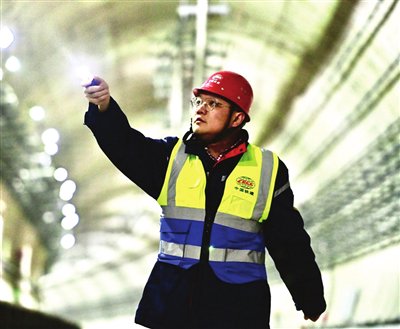
Core Viewpoint - The article highlights the contributions of individuals like Li Weixiang, who are actively involved in the construction of the Tianjin Metro Line 8, showcasing the role of "new Tianjin people" in urban development [3]. Group 1 - Li Weixiang, a 38-year-old from Yunnan, has been working as the deputy manager of the electromechanical project department for the Tianjin Metro Line 8 since 2024 [3]. - He has a strong technical background and a proactive approach, which has enabled him to successfully complete various tasks assigned by the project owner [3]. - The ongoing construction of the Tianjin Metro is seeing increasing participation from individuals like Li, contributing to the city's development [3].

特写丨新春在一线,中外团队跨海共建柔新捷运系统
Xin Hua She· 2026-02-17 01:49
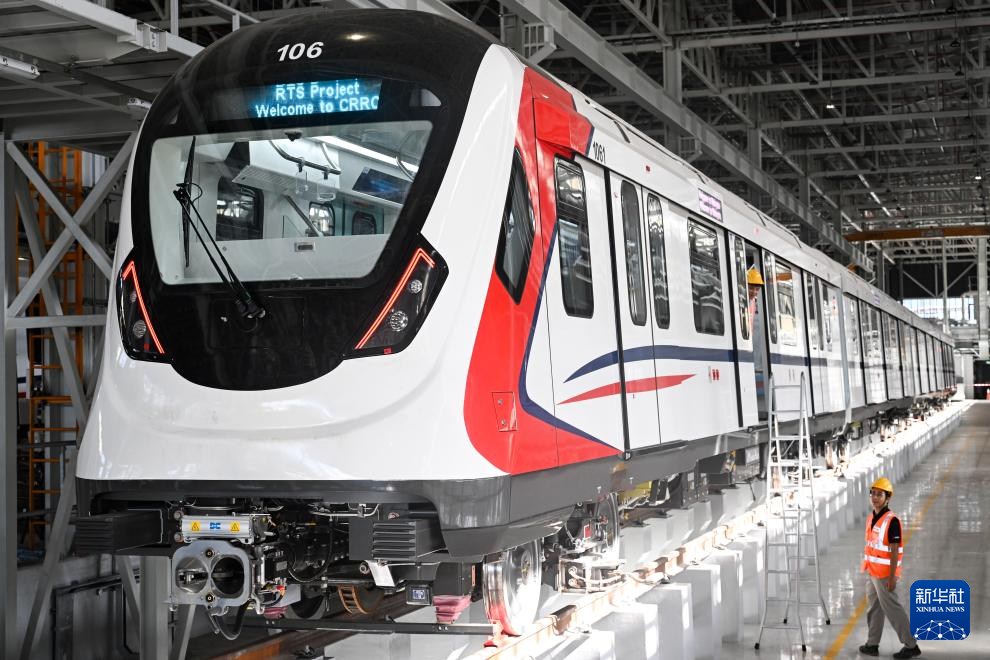
Core Viewpoint - The cross-border rail transit project, the Rapid Transit System (RTS), connecting Johor Bahru, Malaysia, and Singapore, is progressing well, with vehicle debugging and testing ongoing, aiming for completion by the end of 2026 [1][3][5]. Group 1: Project Overview - The RTS project, involving Chinese enterprises, connects the Chagar station in Johor Bahru to the Woodlands North station in Singapore, with a total length of approximately 4 kilometers [3][11]. - The project has transitioned from construction to vehicle debugging, with all eight trains having arrived on-site by the end of last year [5][11]. - The RTS is expected to have a maximum passenger capacity of 20,000 per hour in each direction, significantly alleviating congestion at the border [11]. Group 2: Team Efforts and Cultural Significance - The project team, including both Chinese and Malaysian engineers, is working diligently during the Chinese New Year to ensure timely progress, highlighting the importance of teamwork and cultural collaboration [6][9]. - Local Malaysian engineers, such as Muhammad Syafiq, express a strong commitment to the project, viewing it as a vital infrastructure that will enhance economic and social integration between Malaysia and Singapore [9][11]. - The RTS is described as not just a transportation project but a significant milestone in the relationship between the two countries, having been planned for a decade [11][13]. Group 3: Technical Aspects and Testing - The debugging process focuses on critical systems such as traction, network control, doors, and air conditioning, with all data being meticulously verified to ensure stability in high-temperature and high-humidity conditions [5][11]. - Engineers are committed to rigorous testing protocols, ensuring that each system is validated individually and in coordination with others [5][11]. Group 4: Future Implications - The RTS is anticipated to create a "same-city living circle," facilitating smoother cross-border travel and enhancing the daily lives of commuters between the two regions [9][11]. - The project is expected to significantly reduce travel time across the Johor Strait, providing a more efficient alternative to current traffic conditions [11][13].
新春在一线,中外团队跨海共建柔新捷运系统
Huan Qiu Wang· 2026-02-16 05:13
Core Viewpoint - The RTS (Rapid Transit System) project, connecting Johor Bahru in Malaysia and Woodlands in Singapore, is progressing steadily with a focus on timely completion by the end of 2026, showcasing international collaboration in infrastructure development [1][3]. Group 1: Project Overview - The RTS project spans approximately 4 kilometers, utilizing an elevated bridge and underground tunnel to cross the Johor Strait, with a maximum passenger capacity of 20,000 per hour in both directions [2]. - The project has transitioned from construction to vehicle testing, with all eight trains having arrived on-site by the end of last year [1][2]. Group 2: Team Efforts and Cultural Significance - Engineers from China and local Malaysian technicians are working diligently during the Chinese New Year to ensure the project's critical milestones are met, reflecting strong team cohesion [2][3]. - The RTS is not only a transportation project but also a significant initiative for economic and social integration between Malaysia and Singapore, enhancing the commuting experience and reducing congestion at border crossings [2][3]. Group 3: Commitment to Progress - The commitment of the teams is evident as they continue to work through holidays, emphasizing the importance of the project for both nations and the anticipation of improved connectivity for residents [3][4]. - The project is seen as a lifeline for daily commuters, with the potential to alleviate traffic congestion significantly, as current conditions often lead to long wait times at the border [3].
配合支线建设1号线两站今起封站百日,目前工期已压缩至极限
Xin Jing Bao· 2026-02-15 07:13
Core Viewpoint - The construction of the subway Line 1 branch is being accelerated to achieve seamless operation with the existing Line 1, leading to temporary station closures from February 15, 2023, until the end of May 2026 [1] Group 1: Construction Details - The construction involves the demolition of existing structural side walls, relocation of communication, signal, electromechanical, and power cables, and track laying, scheduled from February 15, 2023, to May 30, 2026 [2] - The construction environment is constrained, requiring simultaneous operations across five specialties while ensuring both construction and existing line safety [2] - The original construction period of eight months has been compressed to three and a half months to minimize disruption to Line 1 operations [2] Group 2: Project Management and Workforce - During the Spring Festival, eight out of twelve construction segments continued operations without interruption, with nearly 1,400 workers on-site to meet project deadlines [3] - The project segment at the Bajiao Amusement Park station involves connecting the new Line 1 branch with the existing Line 1, ensuring smooth integration during the closure period [3] - A total of 260 construction workers are actively engaged on-site to ensure the progress of the connection point construction [3]
京冀首条跨省域地铁预计年内开通
Xin Lang Cai Jing· 2026-02-14 21:57
Core Viewpoint - The Beijing Subway Line 22, the first inter-provincial metro line between Beijing and Hebei, is expected to open within this year, significantly enhancing transportation connectivity and supporting regional development [1][3]. Group 1: Project Overview - The total length of Beijing Subway Line 22 is approximately 79.1 kilometers, with 20 stations, including 15 in Beijing and 5 in Hebei [1]. - The line connects key areas such as Beijing's CBD, the urban sub-center, and Hebei's Sanhe City, addressing cross-province commuting challenges and promoting regional collaboration [1]. Group 2: Construction Progress - In the Beijing section, 14 out of 15 stations have completed main structure construction, and 7 sections have achieved double-line connectivity [2]. - The Hebei section, which is 31.6 kilometers long, has all 5 stations' main structures completed, with 92% of the section's main structure and 80% of auxiliary structures finished [2]. - The track-laying process has officially commenced, with approximately 8% of the main line track completed and 18% of equipment installation finished [2]. Group 3: Impact on Commuting - Once operational, the line will enable seamless integration of the Sanhe City with Beijing's metro network, creating a "one-hour traffic circle" for the Langfang North Three Counties and Beijing's Pinggu District [3]. - This development is expected to significantly reduce cross-province commuting times and enhance travel convenience, while also strengthening the influence of Beijing's urban sub-center on the surrounding areas [3].
逆天!中国最难修地铁的城市,一个月狂建3条
Qian Zhan Wang· 2026-02-10 03:57
Core Insights - Jinan's metro system has rapidly expanded, achieving a total operational mileage of 217.9 kilometers by 2025, making it the "first city" in China for new metro mileage that year [3][4] - The city has overcome significant geological challenges, previously known as one of the "most difficult cities" to build a metro system due to its unique natural conditions [5][6] Group 1: Jinan Metro's Remarkable Comeback - Jinan's metro system added 121.2 kilometers of operational mileage in just one month, rising from 29th to 20th in national rankings [3][4] - The city previously had only 96.7 kilometers of metro, ranking last among sub-provincial cities [3][4] Group 2: Overcoming Geological Challenges - Jinan is known for its complex geological conditions, with over 1,200 springs and numerous karst formations complicating construction [5][6] - Advanced research and technology have allowed Jinan to develop new materials and methods to address these challenges, enabling large-scale metro construction [8] Group 3: Strategic Infrastructure Development - The metro system will cross the Yellow River for the first time, utilizing innovative engineering solutions to mitigate geological risks [9] - This infrastructure is expected to enhance connectivity and support industrial development in the northern regions of Jinan [9] Group 4: Industrial Growth and Urban Development - Jinan's industrial strategy has been pivotal, with plans to achieve over 1 trillion yuan in industrial revenue by 2025, driven by manufacturing and emerging industries [17][18] - The city has seen a significant population increase, with over 700,000 residents concentrated in urban areas, providing a solid foundation for metro ridership [18] Group 5: Lessons for Other Cities - Jinan's experience highlights the importance of aligning metro development with industrial growth and urban planning, offering a replicable model for other cities facing similar challenges [26][28][30]
2026年北京将继续推进亦庄线至5号线、10号线联络线工程
Xin Lang Cai Jing· 2026-02-03 13:39
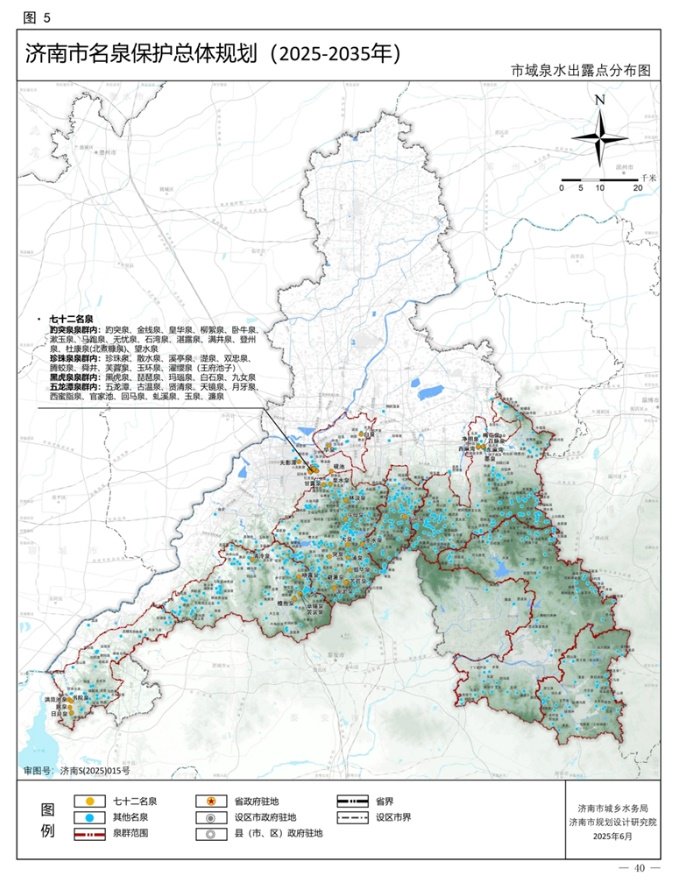
Core Viewpoint - The 2026 Beijing Urban Rail Transit Construction Plan has been officially released, outlining significant expansions in both urban rail and suburban railway systems [2] Group 1: Urban Rail Transit Expansion - Beijing will advance the construction of 9 urban rail lines totaling 150.6 kilometers in 2026 [2] - Key projects include the new airport line (Caoqiao to Lize Business District), Phase 1 of Line 3 (Guanzhuang Road West to Caogezhuang North), and Line 12 (Dongba North to Dongba North Street) [2] - Additional projects involve the enhancement of Line 13, the M101 Line Phase 1, and the connection of Yizhuang Line to Lines 5 and 10 [2] Group 2: Suburban Railway Development - The plan includes the construction of 2 suburban railway lines totaling 90.5 kilometers [2] - The Northeast Ring Line of the suburban railway will also be developed, comprising 9 segments [2] - Ongoing projects include the addition of a new station at Wangjing South on the Capital Airport Line [2]