Automobiles

Search documents
宝能姚振华实名举报,常熟相关部门:举报不实,拍卖正常推进
Nan Fang Du Shi Bao· 2026-01-15 03:58
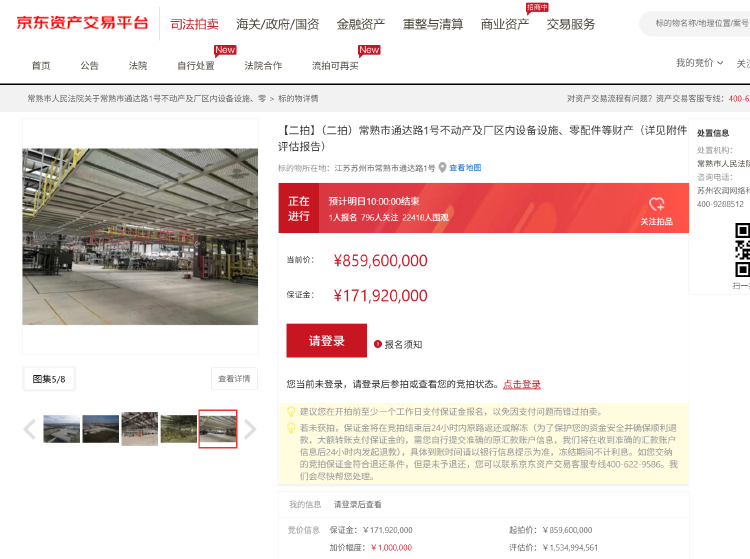
南都·湾财社记者注意到,举报发布时距观致汽车相关资产二次司法拍卖启动不足24小时。截至1月15日10 时,京东司法拍卖平台显示,该拍卖标的已吸引超两万人围观、796人关注,并有1人完成报名,法拍正在 进行。 南方都市报消息,1月14日,宝能集团董事长、观致汽车实控人姚振华通过"中国宝能"官方微信公众号发 布实名举报视频,向最高人民法院、江苏省高级人民法院举报常熟市相关部门在观致汽车2.7亿元执行案件 中存在违法操作,导致企业核心资产将被低价拍卖。 据评估报告披露,厂区内主要设备设施投建于2013年底,于2021年初停产,至评估现场盘点时,全部设备 处于停产状态。因检测手段限制等原因,相关当事方未对已停产的设备设施在评估基准日的技术参数和性 能做技术检测。评估人员对设备设施的勘察核实仅限于数量和外观。 1月15日,观致汽车核心资产司法二拍当日,南都·湾财社记者就宝能集团董事长姚振华实名举报一事,致 电常熟市人民法院咨询相关情况。工作人员表示,针对姚振华举报法院的相关问题,需统一通过常熟市委 宣传部对外回应。随后,常熟市委宣传部相关工作人员在电话中向记者透露,此事已进入司法程序,宣传 部的对外回应需以法院口径为准 ...

AI新纪元 谁在制造爆款新广货?
2 1 Shi Ji Jing Ji Bao Dao· 2026-01-14 23:08
Core Insights - The global consumer market is expected to see a strong start in 2026, with various events and product launches highlighting the resilience and innovation of Guangdong manufacturing in the AI era [1][2]. Group 1: Guangdong Manufacturing Evolution - Guangdong has transitioned from traditional manufacturing to high-tech products, with a focus on AI and smart technologies, exemplified by products like AI TVs and AR glasses [1][2]. - The "Guangdong goods" brand has evolved over decades, showcasing a diverse range of products from textiles to electric vehicles, reflecting the region's robust industrial ecosystem [1][2][3]. - The region's manufacturing capabilities have been enhanced by a complete industrial chain, allowing for rapid adaptation to global market trends [1][6]. Group 2: AI Integration and Market Expansion - The "Guangdong Goods Going Global" initiative is set to launch in January 2026, featuring nearly 30 key events and participation from over 6,000 enterprises, aimed at boosting sales and market presence [2]. - AI technology is reshaping the manufacturing landscape, with companies like TCL leading the charge in integrating AI into their product lines, resulting in significant revenue growth [4][5]. - The demand for innovative products, such as smart home devices and autonomous vehicles, is expected to rise, driven by advancements in AI and robotics [5][6]. Group 3: Global Market Presence - Guangdong is a major player in the global manufacturing sector, producing a significant portion of the world's smartphones and drones, with brands like DJI and TCL leading in market share [7][12]. - The region's companies are increasingly focusing on global expansion, moving beyond simple product exports to comprehensive business models and supply chain solutions [12]. - Innovative pharmaceutical companies in Guangdong are gaining international recognition, with products like PD-1/VEGF dual antibodies making strides in the global market [8][9].
“新广货”彰显中国智造全球竞争力
2 1 Shi Ji Jing Ji Bao Dao· 2026-01-14 22:54
Group 1 - The core viewpoint of the articles highlights the significant growth of China's foreign trade, with a total import and export value reaching 45.47 trillion yuan in 2025, marking a 3.8% year-on-year increase, and maintaining its position as the world's largest goods trading nation [1] - Guangdong province plays a crucial role in China's foreign trade, consistently accounting for over 20% of the national total, showcasing its evolution from labor-intensive manufacturing to a competitive global brand cluster [1][2] - The participation of over 530 companies from Guangdong at the CES in Las Vegas illustrates the province's transformation from "manufacturing" to "intelligent manufacturing," emphasizing its strong competitive edge in the global market [1] Group 2 - The globalization of "Guangdong goods" reflects the province's deep integration into the global value chain, transitioning from imitation to independent research and brand development [2] - Major companies like OPPO and vivo have over 60% of their sales from overseas, while DJI holds approximately 70% of the global consumer drone market, indicating Guangdong's significant presence in international markets [2] - The export of industrial robots from China is projected to grow by 48.7% in 2025, with the Greater Bay Area contributing about one-third of the national export volume [2] Group 3 - Guangdong enterprises are leading the trend of establishing overseas production bases, with companies like BYD and Midea setting up factories in various countries, indicating a shift from being the "world's workshop" to becoming a "nurturing ground for multinational enterprises" [3] - The new "Guangdong goods" integrate advanced technology, sustainability, and cultural elements, resulting in high-value, intelligent products that compete on quality, technology, and brand rather than just price [3] - The story of Guangdong exemplifies China's transition towards becoming a "global innovation workshop," driven by innovation and efficiency honed in a large domestic market [3]


21社论丨“新广货”彰显中国智造全球竞争力
2 1 Shi Ji Jing Ji Bao Dao· 2026-01-14 22:25
Group 1 - In 2025, China's total foreign trade import and export value reached 45.47 trillion yuan, a year-on-year increase of 3.8%, maintaining its position as the world's largest goods trading nation [1] - Guangdong province accounted for over 20% of the national total in foreign trade, showcasing its role as a stabilizing force in the sector [1] - The transformation of Guangdong's manufacturing from labor-intensive to competitive global brands is highlighted by its strong presence at the CES, with over 530 companies participating [1] Group 2 - The globalization of "Guangdong goods" reflects the province's deep integration into the global value chain, evolving from imitation to independent research and brand development [2] - Major companies like OPPO and vivo have over 60% of their sales from overseas, while DJI holds about 70% of the global consumer drone market [2] - By mid-2025, China is projected to surpass the U.S. as the largest source of foreign direct investment, with a notable shift towards establishing overseas production bases [2] Group 3 - Guangdong enterprises are leading the trend of establishing overseas factories, with companies like BYD and Midea setting up production bases in various countries [3] - The new "Guangdong goods" integrate advanced technology and sustainable practices, moving from price competition to a focus on quality, technology, and brand [3] - The rise of "Guangdong goods" indicates a significant trend where innovations and efficiencies developed in the domestic market are reshaping the global manufacturing landscape [3]
汽车销量反弹及假日购物热潮共振 美国11月零售销售增速创去年7月以来新高
Zhi Tong Cai Jing· 2026-01-14 14:12
Group 1 - The core point of the articles highlights that U.S. retail sales in November exceeded expectations, driven by a rebound in auto sales and strong holiday shopping growth, with a month-over-month increase of 0.6%, the highest since July of the previous year [1] - The core retail sales, excluding auto sales, increased by 0.5%, surpassing market expectations of 0.4% [1] - Ten out of thirteen retail categories experienced growth, including sporting goods, building materials, and clothing stores, indicating a broad-based recovery in consumer spending [1] Group 2 - Online consumer spending during the holiday season reached a record high, with shoppers taking advantage of various promotions and "buy now, pay later" options [2] - The "control group sales" metric, which excludes certain categories, grew by 0.4% in November, suggesting a positive outlook for year-end economic growth [2] - The Atlanta Federal Reserve's GDPNow model predicts that household spending will contribute approximately two percentage points to fourth-quarter economic growth, slightly lower than the previous quarter's contribution [2] Group 3 - Retail data, which is not adjusted for inflation, may reflect price increases rather than enhanced demand, indicating potential weaknesses in consumer spending [3] - Some economists believe that recent inflation data suggests that the impact of tariffs on consumer prices has peaked, which could benefit future goods spending [3] - The stronger-than-expected retail sales data for November may reinforce the narrative of a "soft landing" for the U.S. economy and temper expectations for Federal Reserve interest rate cuts [3]
AI新纪元,谁在制造爆款新广货?
2 1 Shi Ji Jing Ji Bao Dao· 2026-01-14 12:42
Group 1 - The global consumer market is expected to see a strong start in 2026, with various events and innovations showcasing new consumption methods and products [1] - Guangdong's manufacturing, known for its high-quality products, continues to evolve with advancements in AI technology, leading to the emergence of new popular products [2][5] - The "Guangdong Goods" brand has a rich history, evolving from traditional products to high-tech innovations like electric vehicles and AI glasses, demonstrating resilience through economic cycles [1][2][6] Group 2 - The "Guangdong Goods Going Global" spring campaign will kick off on January 15, 2026, featuring nearly 30 key events and participation from over 6000 enterprises [2] - The transformation of Guangdong's manufacturing sector is highlighted by companies like TCL, which has successfully transitioned to smart technology and achieved significant revenue growth [4][5] - The integration of AI across various industries in Guangdong, including home appliances and textiles, is accelerating product innovation and market responsiveness [5][6] Group 3 - Guangdong has become a global manufacturing hub, producing a significant share of the world's smartphones and drones, with major brands like Huawei and OPPO leading the market [7] - The rise of innovative pharmaceuticals from Guangdong, such as the dual-target antibody developed by Kangfang Biotech, showcases the region's capabilities in high-tech industries [8][9] - The collaborative environment in innovation hubs like Guangzhou International Bio Island fosters rapid development and commercialization of new products [9][10] Group 4 - The rapid development of AI technology is reshaping global industry dynamics, with companies in Guangdong leveraging this to enhance their competitive edge [5][11] - The CES exhibition highlighted the global appeal of new Guangdong products, indicating a shift from simple product exports to comprehensive global strategies [12] - Companies like Raybird Innovation and others are achieving significant market shares in their respective fields, reflecting the successful globalization of Guangdong's manufacturing [12]
Warren Buffett Stepped Down, but His Timeless Investment Advice Can Help You Build Wealth for Years to Come
Yahoo Finance· 2026-01-14 11:50
Core Insights - Warren Buffett served as CEO of Berkshire Hathaway from 1965 until the end of 2025, transforming it into a $1 trillion conglomerate with over 60 wholly owned subsidiaries and minority stakes in more than 40 companies [1] - During Buffett's tenure, Berkshire stock achieved a compound annual return of 19.7%, turning a $500 investment in 1965 into $24.2 million today [2] - Buffett recommends low-cost index funds, specifically the Vanguard S&P 500 ETF, for typical investors to build wealth [3] Company Overview - Berkshire Hathaway is a conglomerate with a diverse portfolio, including significant stakes in various sectors such as financials, consumer discretionary, and technology [1][8] - The company has a strong market presence, with its stock performance heavily influenced by its largest holdings in technology companies [7] Investment Strategy - The S&P 500 index is widely followed due to its diverse composition of 500 companies from 11 economic sectors, rebalanced quarterly to maintain high-quality standards [5][6] - The index is weighted by market capitalization, with the information technology sector holding a significant 33.7% weighting, which includes major companies like Nvidia, Apple, and Microsoft [7] - Other notable sectors include financials at 13.5%, consumer discretionary at 10.6%, and communication services at 10.5% [8][9]
Wall Street Breakfast Podcast: Saks Global Files Chapter 11
Seeking Alpha· 2026-01-14 11:42
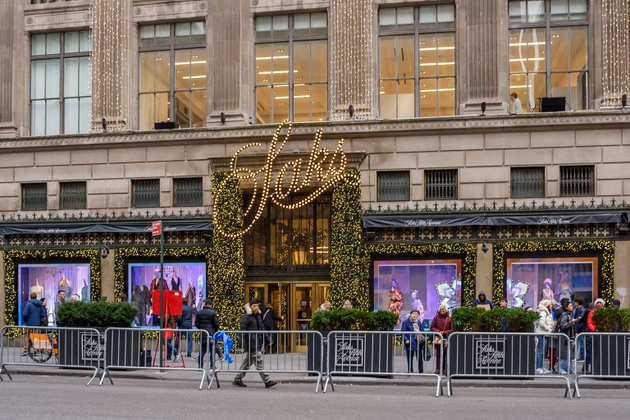
Core Insights - Saks Global Enterprises has filed for Chapter 11 bankruptcy protection, following a $2.7 billion acquisition of Neiman Marcus that resulted in a significant debt burden, marking a major retail collapse post-COVID-19 pandemic [3] - The company has secured a financing commitment of approximately $1.75 billion to support its operations and restructuring efforts [4][5] Financial Overview - Saks reported assets and liabilities in the range of $1 billion to $10 billion as per court filings [3] - The financing commitment includes $1.5 billion from an ad hoc group of bondholders and around $240 million from asset-based lenders [4] Operational Changes - Saks is evaluating its operational footprint to focus resources on areas with the greatest long-term potential [3] - The company appointed Geoffroy van Raemdonck as CEO, who previously led Neiman Marcus before its acquisition by Saks [5] Background Context - Saks Global was formed after Hudson's Bay acquired Neiman Marcus in 2024, consolidating several luxury brands under one entity [6] - The acquisition involved about $2 billion in debt financing and equity contributions from investors, including Amazon and Salesforce [7] - Prior to the Neiman Marcus acquisition, Saks was already facing challenges due to a slowdown in the luxury market and had delayed payments to vendors [7]


Amazon Seeks Supplier Discounts Amid Ongoing Tariff Fight
PYMNTS.com· 2026-01-14 11:42
Core Viewpoint - Amazon is actively seeking price reductions from suppliers, requesting discounts of up to 30% as it navigates the impact of tariffs on its operations [2]. Group 1: Supplier Negotiations - Amazon has accelerated negotiations with suppliers, setting some discussions to a January 1 deadline [2]. - The company maintains that its annual vendor negotiation cycles remain unchanged and denies having a firm deadline for talks [3]. - Last year, Amazon agreed to increase prices paid to some suppliers for tariffed products in exchange for guaranteed minimum margins, which it is now attempting to reverse [4]. Group 2: Tariff Impact and Strategies - Amazon is trying to recoup lost profits due to tariffs, arguing that the impact has lessened following recent reductions and trade deals [4][5]. - Other companies, such as Apple and Asus, are shifting production away from China to mitigate tariff exposure, with Asus moving over 90% of its production to countries like Thailand and Vietnam [5][6]. - Proactive firms are designing multi-node supply chains to adapt to changing policies, although not all companies can afford to relocate factories [7][8].


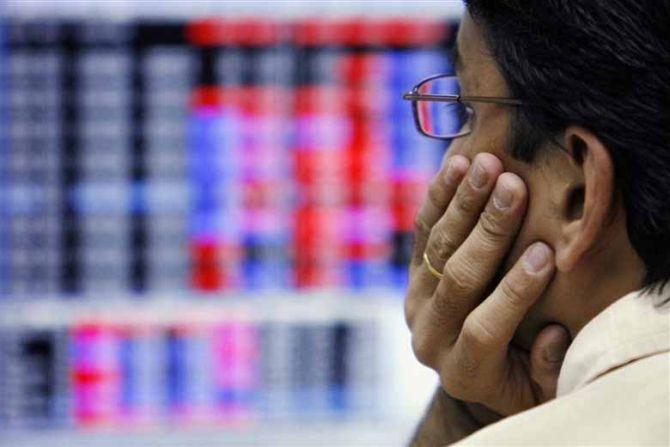
Sensex drops 245 points on persistent foreign fund outflows
Rediff· 2026-01-14 11:39
Market Performance - Equity benchmark indices Sensex and Nifty declined, with Sensex dropping 244.98 points (0.29%) to 83,382.71 and Nifty falling 66.70 points (0.26%) to 25,665.60, extending previous losses due to weakness in IT, consumption, and select banking stocks [1][4] - The BSE Sensex experienced a larger intraday drop of 442.49 points (0.52%) during the trading session [4] Sector Performance - Major laggards included Tata Consultancy Services, Asian Paints, Maruti, Sun Pharma, Hindustan Unilever, ICICI Bank, Kotak Mahindra Bank, Tech Mahindra, HDFC Bank, and Larsen & Toubro [4] - Conversely, Tata Steel, NTPC, Axis Bank, and UltraTech Cement were among the gainers [6] Investor Activity - Foreign institutional investors sold equities worth ₹1,499.81 crore, while domestic institutional investors purchased stocks worth ₹1,181.78 crore [6] Geopolitical and Economic Factors - Escalating geopolitical tensions and persistent foreign fund outflows contributed to market weakness, alongside fresh tariff-related uncertainties that unsettled investors [1][3] Global Market Context - In Asian markets, South Korea's Kospi, Japan's Nikkei 225, and Hong Kong's Hang Seng indices closed higher, while Shanghai's SSE Composite index ended lower [6] - Brent crude oil prices decreased by 0.99% to $64.82 per barrel [7]