
医疗卫生

Search documents
基层诊疗人次超50% “家门口”看病更便捷
Xin Hua She· 2025-12-07 04:42
Core Viewpoint - The article emphasizes the significant progress made in China's healthcare system, particularly in enhancing grassroots medical services, which now account for over 50% of the total medical consultations in the country, reflecting a shift in public healthcare habits and resource allocation [1][2]. Group 1: Healthcare System Development - The "14th Five-Year Plan" has focused on improving the accessibility of healthcare, with a strategy to address major illnesses at the provincial level, general illnesses at the city and county levels, and minor ailments at the rural level [1]. - The construction of tightly-knit county medical communities has been promoted, allowing county and township medical institutions to operate cohesively [1]. - The establishment of national medical centers and regional medical centers aims to alleviate the challenges of cross-regional medical services for the public [1]. Group 2: Grassroots Healthcare Improvements - From 2020 to 2024, the number of grassroots healthcare institutions increased from 970,000 to 1,040,000, while the number of healthcare personnel rose from 4.34 million to 5.257 million, and the number of medical consultations grew from 4.1 billion to 5.3 billion [2]. - Advanced medical equipment such as color Doppler ultrasound and CT scans have become standard in community health service centers and township hospitals, expanding the range of services available at the grassroots level [2]. - Remote medical services have enabled residents in remote areas to access high-quality medical care, enhancing the overall efficiency of the healthcare system [2]. Group 3: Future Initiatives - The "15th Five-Year Plan" will introduce more supportive measures for county and grassroots medical institutions, optimize the functional positioning and layout of medical facilities, and promote the digitalization of public health [2]. - These initiatives are expected to significantly enhance the public's sense of health security and access to healthcare services [2][3].
一线见闻丨“家门口”挂上专家号 长三角一体化破解就医难
Yang Shi Xin Wen· 2025-12-06 01:32
Core Viewpoint - The article discusses the integration of healthcare services in the Yangtze River Delta region, emphasizing the need for improved access to quality medical resources for the 160 million residents, particularly in rural areas [1][3]. Group 1: Healthcare Integration Initiatives - The "14th Five-Year Plan" proposes strong foundational projects in healthcare, promoting tiered medical services and the decentralization of quality medical resources to grassroots levels [1]. - The integration strategy has led to cross-province medical consultations, with doctors from major hospitals providing training and support to local healthcare providers, enhancing their capabilities [3][5]. - The establishment of medical alliances and expert consultation centers allows patients to receive specialized care locally, reducing the need for long-distance travel to major cities [5][7]. Group 2: Patient Experience and Accessibility - Patients in rural areas can now access top-tier medical expertise without traveling far, as demonstrated by a patient who received surgery from a Shanghai expert at a local hospital [7][9]. - The integration of digital platforms has streamlined the process of making appointments and handling insurance claims, significantly improving the experience for patients seeking care across provinces [11][13]. - The article highlights the success of direct insurance reimbursement for cross-province medical services, which was a significant pain point for residents seven years ago [13][15]. Group 3: Data Sharing and Technological Integration - The article emphasizes the importance of data sharing among healthcare institutions to eliminate redundant medical tests and improve patient care efficiency [17][19]. - A "smart hospital" initiative is being implemented to integrate medical data across the region, facilitating remote consultations and expert services for patients [17][19]. - The ongoing efforts to unify medical treatment standards and insurance payment mechanisms aim to enhance the overall healthcare experience in the Yangtze River Delta [19][20].

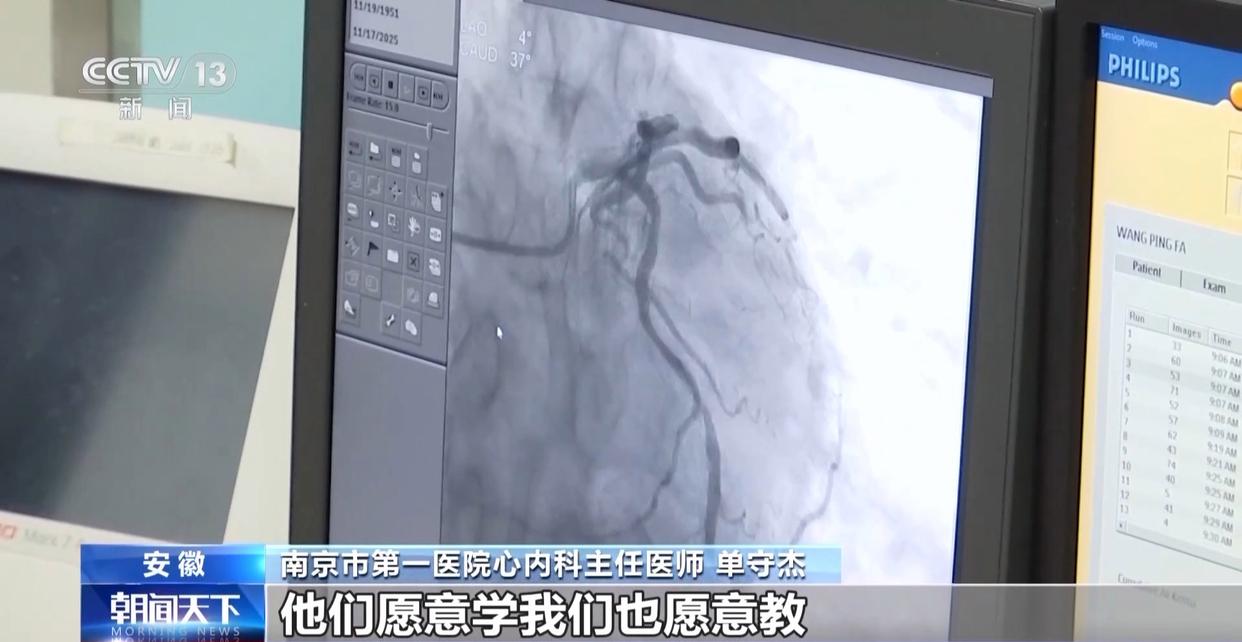
福建三明医改成功,固定薪酬是关键
Sou Hu Cai Jing· 2025-12-06 00:17
Core Insights - The healthcare reform in Sanming, Fujian, has shown positive results, contrasting sharply with the struggles faced by a county-level hospital in Shandong, where medical staff are experiencing delayed salaries and are forced to take on side jobs to make ends meet [2][3] Summary by Sections Background of Sanming Healthcare Reform - The Sanming healthcare reform was initiated in response to the financial challenges faced by medical institutions, particularly regarding the funding of healthcare services and the sustainability of medical insurance [2] - The government implemented several measures to reduce medical costs, including the cancellation of drug markups and the establishment of a universal healthcare insurance system, which has improved access to healthcare for the public [2] Current Challenges in Shandong - A county-level hospital in Shandong is struggling with delayed performance bonuses and salaries, with some medical staff resorting to side jobs due to financial constraints [3] - The hospital has had to cover a significant portion of medical insurance reimbursements, leading to a financial strain where over 50 million yuan has been paid out of pocket, representing nearly 25% of the hospital's total annual revenue [3] Key Features of Sanming's Reform - The Sanming reform emphasizes a shift from a "treatment-centered" to a "health-centered" healthcare system, which requires a change in the compensation structure for medical staff [5] - The reform has decoupled medical staff salaries from hospital revenue, moving towards a system where fixed salaries are prioritized over performance-based pay [6] Salary Structure in Sanming - The salary structure in Sanming includes a fixed salary component that constitutes 90% of the total, with only 10% linked to performance, effectively reducing the incentive for unnecessary medical procedures [6] - The reform has led to a unified salary system across different levels of healthcare institutions, promoting equity and efficiency in the healthcare workforce [6][7] Financial Mechanisms Supporting the Reform - Sanming's reform relies on two key financial pools: savings from reduced drug prices and surplus funds generated through bundled payment systems [8][9] - The implementation of a bundled payment system allows for more efficient use of medical insurance funds, encouraging hospitals to focus on preventive care rather than excessive treatments [9][10] Overall Impact of the Reform - The Sanming healthcare reform has successfully reduced unnecessary medical expenses, with approximately 9 billion yuan in excess costs eliminated, which has been redirected to support healthcare institutions [9] - The reform's success is attributed to a comprehensive approach that integrates various aspects of healthcare management, ensuring that financial incentives align with patient care quality [11]

三明医改成功,固定薪酬是关键
第一财经· 2025-12-04 16:17
Core Viewpoint - The article contrasts the successful healthcare reform in Sanming, Fujian, with the struggles faced by a county-level hospital in Shandong, highlighting the financial challenges and the impact of healthcare policies on medical staff and institutions [3][4]. Summary by Sections Background of Sanming Healthcare Reform - The Sanming healthcare reform was initiated to address the financial difficulties in the healthcare sector, focusing on reducing medical costs through various measures such as eliminating drug markups and establishing a comprehensive medical insurance system [5][6]. - The increasing demand for healthcare services due to chronic diseases and an aging population has led to rising healthcare costs, putting pressure on medical insurance funds, particularly in rural areas [6]. Key Issues in Healthcare Financing - A county-level hospital in Shandong has faced severe financial strain, with doctors reporting unpaid performance bonuses and resorting to side jobs to make ends meet. The hospital has had to borrow nearly 300 million yuan to maintain operations [6][7]. - The core issue stems from the medical insurance payment system, where hospitals are often left to cover the shortfall between what patients pay and what insurance reimburses [6][7]. Sanming's Innovative Compensation Model - The reform in Sanming emphasizes a shift from a "treatment-centered" to a "health-centered" healthcare system, requiring a change in the compensation structure for medical staff [7][8]. - The new compensation model significantly increases the fixed salary component for healthcare workers, reducing their reliance on performance-based pay linked to patient volume [8][9]. Integration of Healthcare Services - Sanming's reform has led to the establishment of a tightly integrated healthcare system that unifies county, township, and village medical institutions, promoting shared responsibilities and benefits [9][10]. - The integration aims to streamline operations and improve healthcare delivery, ensuring that resources are allocated efficiently across different levels of care [10][11]. Financial Mechanisms Supporting Reform - The success of the Sanming reform relies on two key financial pools: funds generated from reducing drug prices and surplus funds from bundled medical insurance payments [12][13]. - The implementation of a bundled payment system allows for more efficient use of medical insurance funds, incentivizing hospitals to focus on preventive care rather than excessive treatments [13][14]. Challenges and Future Directions - Despite the successes, the article notes that many county-level hospitals still face limited financial resources, making it difficult to sustain the reforms without ongoing funding support [12][15]. - The article emphasizes the need for a comprehensive approach to healthcare financing that aligns incentives with patient care quality, moving away from a purely treatment-focused model [15].

不让三明医改“逾淮为枳”,关键在于薪酬制度改革
Di Yi Cai Jing· 2025-12-04 13:40
Core Insights - The article highlights the contrasting realities of healthcare reform in China, particularly focusing on the successful case of Sanming in Fujian province versus the struggles faced by grassroots medical institutions in Shandong province due to insufficient funding and performance bonuses [1][2][3]. Group 1: Healthcare Reform in Sanming - Sanming's healthcare reform has shown positive results by addressing the financial challenges faced by medical institutions, particularly through measures like eliminating drug markups and establishing a comprehensive medical insurance system [2][3]. - The reform aims to shift the focus from a treatment-centered approach to a health-centered model, which requires a change in the compensation structure for medical staff [4][5]. - The success of Sanming's reform is attributed to the establishment of a unified salary system across different levels of healthcare institutions, which has improved the motivation of healthcare workers [5][6]. Group 2: Challenges in Grassroots Healthcare - Grassroots healthcare institutions in Shandong are struggling with delayed salary payments and a lack of performance bonuses, leading some medical staff to seek additional income through side jobs [1][2]. - The financial difficulties stem from a misalignment in medical insurance payments, where hospitals are required to cover a significant portion of costs upfront, leading to substantial debt [3][4]. - The article emphasizes that the core issue lies in the imbalance of medical resource allocation, with funds being concentrated in higher-tier hospitals, leaving grassroots institutions underfunded [3][4]. Group 3: Key Elements of Sanming's Reform - Sanming's reform includes a significant increase in the fixed salary component for medical staff, reducing the reliance on performance-based pay linked to patient volume [5][6]. - The reform has created two key funding pools: one from reducing inflated drug prices and another from bundled payment systems that incentivize cost-saving measures [7][9]. - The implementation of a bundled payment system allows for more efficient use of medical insurance funds, promoting a shift towards preventive care rather than reactive treatment [9][10].
陕西省人民政府新闻办公室举办新闻发布会介绍陕西“十四五”时期民生保障和社会建设成效有关情况
Shan Xi Ri Bao· 2025-12-03 07:50
Core Viewpoint The news conference held by the Shaanxi Provincial Government highlighted the achievements in social welfare and construction during the "14th Five-Year Plan" period, focusing on employment stability, social security reforms, talent development, and healthcare improvements. Employment and Social Security - The employment situation in Shaanxi has remained stable, with over 2.14 million new urban jobs created during the "14th Five-Year Plan" period, supported by various employment policies and training programs [5][6]. - The social security system has been enhanced, with the number of participants in basic pension, unemployment, and work injury insurance reaching 32 million, 5.66 million, and 7.27 million respectively, showing significant increases from the end of the "13th Five-Year Plan" [6][7]. Talent Development - The province has focused on aligning talent development with key industrial needs, resulting in over 2.6 million professional technical personnel and attracting more than 6,000 postdoctoral talents for research and innovation [7][8]. - A comprehensive talent support system has been established, including a new skill level system and extensive training programs, contributing to over 6.1 million skilled workers in the region [8]. Healthcare Improvements - Shaanxi has strengthened its public health system, effectively managing multiple COVID-19 outbreaks and reducing the incidence of tuberculosis from 47.26 per 100,000 in 2020 to 36.72 per 100,000 [14][15]. - The province has improved healthcare access and quality, with 434 hospitals implementing streamlined services, and the establishment of regional medical centers to enhance healthcare delivery [15][16]. Education Development - The education system has made significant strides, with 8 universities included in national "Double First-Class" initiatives and over 600 new educational institutions built or renovated [9][10]. - The province has implemented various educational reforms, including a focus on moral education and the integration of technology in teaching, resulting in improved student engagement and performance [10][11]. Social Welfare and Governance - Shaanxi has enhanced its social welfare programs, with an increase in the average urban and rural minimum living standards by 10.1% and 15.5% respectively, ensuring support for over 1.19 million urban low-income individuals [19][20]. - The province has optimized social governance, with initiatives to improve marriage registration services and reduce funeral costs, enhancing overall community welfare [21][22].
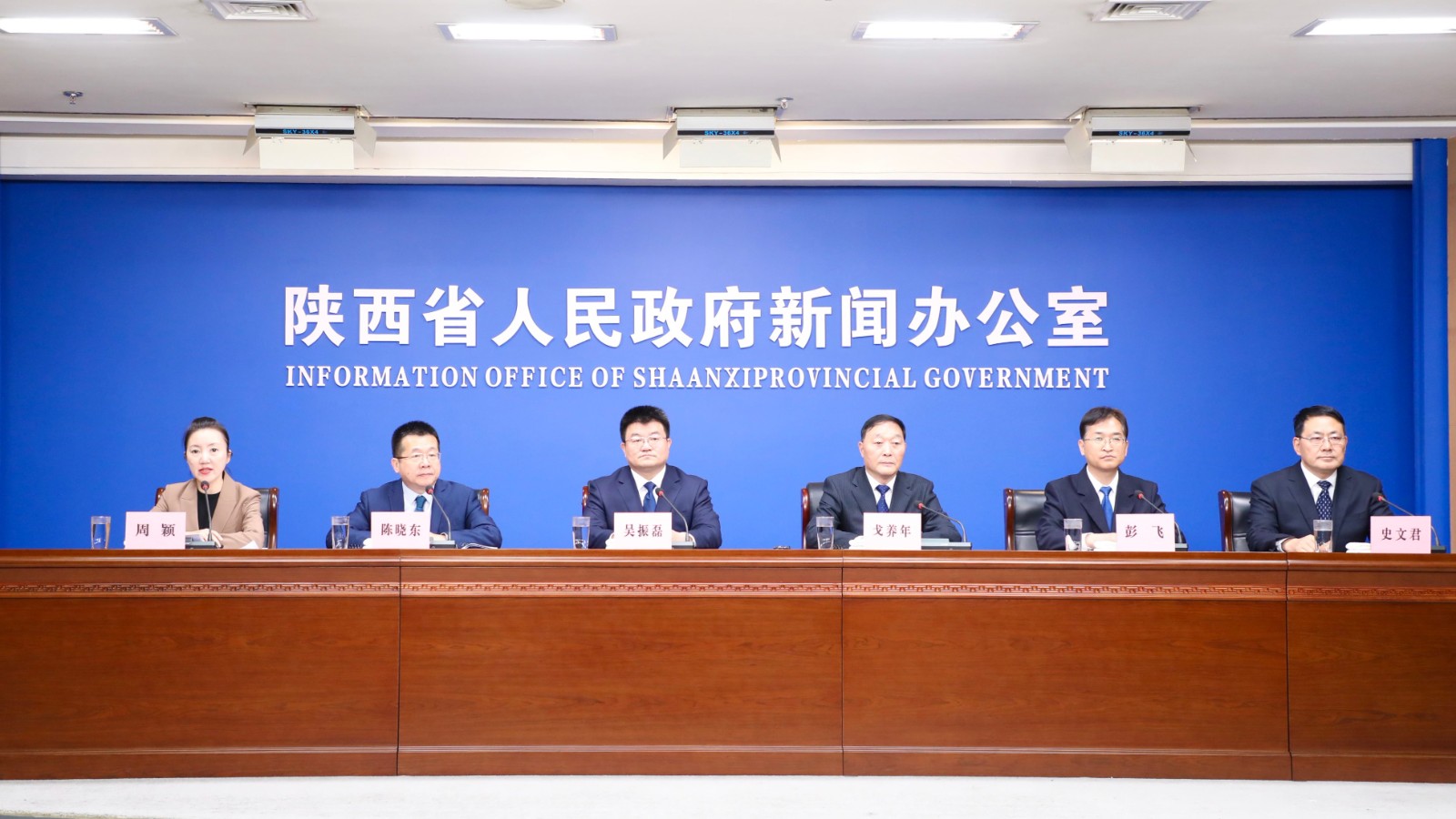
执业(助理)医师达508.2万人
Ren Min Ri Bao· 2025-12-02 22:33
Group 1 - The core viewpoint of the article highlights the continuous improvement in China's health sector, with significant advancements in public health indicators such as life expectancy, maternal mortality rate, and infant mortality rate [1] - By the end of 2024, the total number of medical and health institutions in China reached 1,093,551, an increase of 22,766 from the previous year, including 38,710 hospitals, which saw an increase of 355 [1] - The number of practicing (assistant) physicians reached 5.082 million, and registered nurses totaled 5.855 million, with ratios of 3.61 physicians and 4.16 nurses per 1,000 population, and 4.54 general practitioners per 10,000 population [1] Group 2 - The total number of medical services provided in 2024 was 10.15 billion visits, an increase of 600 million from the previous year, with inpatient visits reaching 31.192 million, an increase of 10.047 million [1] - The bed occupancy rate in hospitals was 78.8%, with public hospitals at 84.8% [1] - The average hospitalization cost in 2024 was 9,870 yuan, a decrease of 4.3% from the previous year, while the average outpatient cost was 361 yuan, a slight decrease of 0.2% [2] Group 3 - The total health expenditure in China for 2024 was preliminarily calculated at 9,089.55 billion yuan, with government health expenditure accounting for 24.9%, social health expenditure for 47.6%, and personal health expenditure for 27.5% [2] - The per capita health expenditure was 6,454.4 yuan, and health expenditure accounted for 6.7% of GDP [2]
温情上门送医,守护卧床老人健康
Qi Lu Wan Bao· 2025-12-02 16:06
文登区宋村镇停驾沟村村民王老太因病长期卧床,定期更换尿管成了家属面临的一大难题。宋村中心卫 生院的医护团队在得知老人需求后,多次温情上门送医,守护老人健康。 10月22日,老人被确诊为脑出血,出院后的她并未摆脱病痛的困扰。11月16日,她的儿子向医院求助,帮助老 人更换尿管。了解情况后,医院第一时间安排了专职医生和护士上门,为老人顺利更换了导尿管。日前,患 者家属再次向医院求助,接到求助后,家庭医生与护士迅速响应,再次驱车前往老人家中。在为老人更换导 尿管的同时,家庭医生还详细询问了患者的病史。针对老人长期卧床及鼻饲饮食的情况,家庭医生耐心地 向家属讲解了鼻饲饮食的注意事项,并叮嘱家属要定期为老人翻身拍背,防止出现压疮和肺部感染等并发 症,并特别提醒要注意导尿管处的个人卫生,避免感染。 一次次的上门服务,不仅解决了卧床老人的实际医疗需求,更让家属感受到了医院医疗服务的贴心与温 暖。医院始终秉持着"以患者为中心"的服务理念,用实际行动为辖区内居民的健康保驾护航,尤其是对于 行动不便的特殊群体,积极开展上门医疗服务,让他们在家门口就能享受到专业、便捷的医疗照顾。 (刘青) ...
我国卫生资源总量持续稳步增长 服务效率同步提升
Yang Shi Wang· 2025-12-02 12:04
《公报》显示,我国人均预期寿命达到79岁。卫生资源总量持续稳步增长,到2024年末,全国医疗卫生机构总数1093551个,比上 年增加22766个;卫生技术人员1302.0万人,比上年增加53.1万人。2024年,全国医疗卫生机构总诊疗人次101.5亿,比上年增加6.0 亿人次。一、二级医院和基层医疗卫生机构诊疗人次为67.6亿人次,占总诊疗人次的66.6%。医院次均住院费用、次均门诊费用, 按当年价格比上年均有所下降。2024年全国卫生总费用初步核算为90895.5亿元,占GDP的比重为6.7%。2024年,在基层医疗卫生 机构接受健康管理的65岁及以上老年人数14136.0万。我国加强重大疾病与健康危害因素控制,地方病、慢性病、职业病防治工作等 取得积极进展。 央视网消息(新闻联播):国家卫生健康委12月2日发布《2024年我国卫生健康事业发展统计公报》。《公报》显示,我国人民健 康水平持续提升,医疗服务提供量和效率同步提升。 ...
白银闪耀:年内暴涨100%碾压黄金
Sou Hu Cai Jing· 2025-12-02 11:50
Core Viewpoint - Silver prices have surged to historical highs, surpassing $58 per ounce, with a notable increase of over 100% in recent days, outpacing gold's approximately 60% rise this year [1][2]. Group 1: Market Dynamics - The recent spike in silver prices is attributed to a combination of industrial demand and speculative trading, with significant investments betting on further price increases [6][7]. - As of December 1, the total funds in silver futures exceeded 50 billion yuan, indicating strong market interest and positioning [2]. Group 2: Industrial Demand - Approximately 60% of silver's usage is in industrial applications, including electronics, renewable energy, and healthcare, with a notable increase in demand driven by the green energy revolution and advancements in technology [3][4]. - The automotive electrification process, AI industry expansion, and surging photovoltaic demand are identified as key structural factors driving industrial silver demand [4]. Group 3: Supply Constraints - The World Silver Survey indicates a projected supply deficit of 95 million ounces by 2025, with a continuous decline in global silver mine production over the past decade [5]. - India's robust silver consumption, primarily for jewelry and decorative items, further exacerbates supply constraints, as the country relies heavily on imports for 80% of its silver needs [5]. Group 4: Price Projections and Market Sentiment - Analysts predict that silver prices may continue to rise, with some forecasts suggesting prices could reach $60 per ounce by 2026, and even potentially exceed $100 per ounce [7]. - The current market environment, characterized by expectations of Federal Reserve interest rate cuts and geopolitical uncertainties, has heightened the appeal of silver as a safe-haven asset [6][7]. Group 5: Broker Insights - Recent reports from brokers highlight that silver's dual nature as both a financial and industrial metal positions it favorably in the current market, with expectations of continued price strength amid declining inventories [8][9]. - The current silver price dynamics suggest a potential upward trajectory, with a target of $63 per ounce, while cautioning against blind buying and recommending waiting for pullback opportunities [8].