
Mobile Phones

Search documents
魅族又迎关键时刻
Hua Er Jie Jian Wen· 2025-09-16 03:16
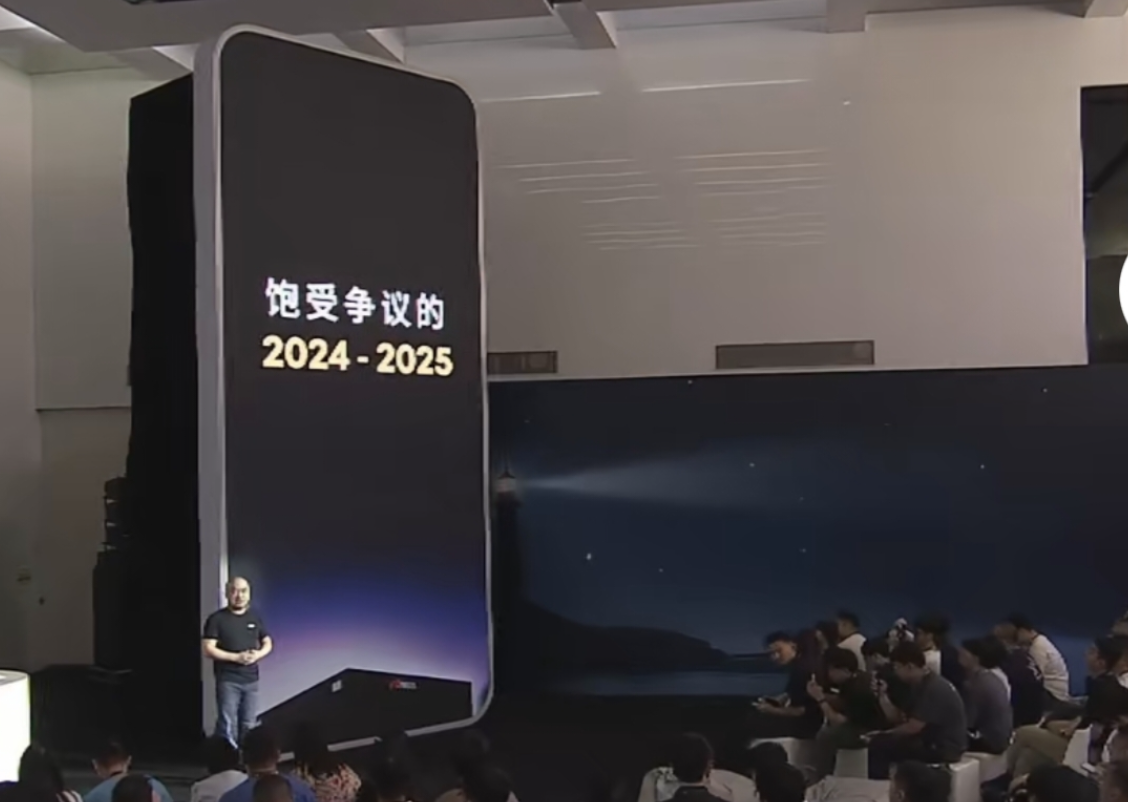
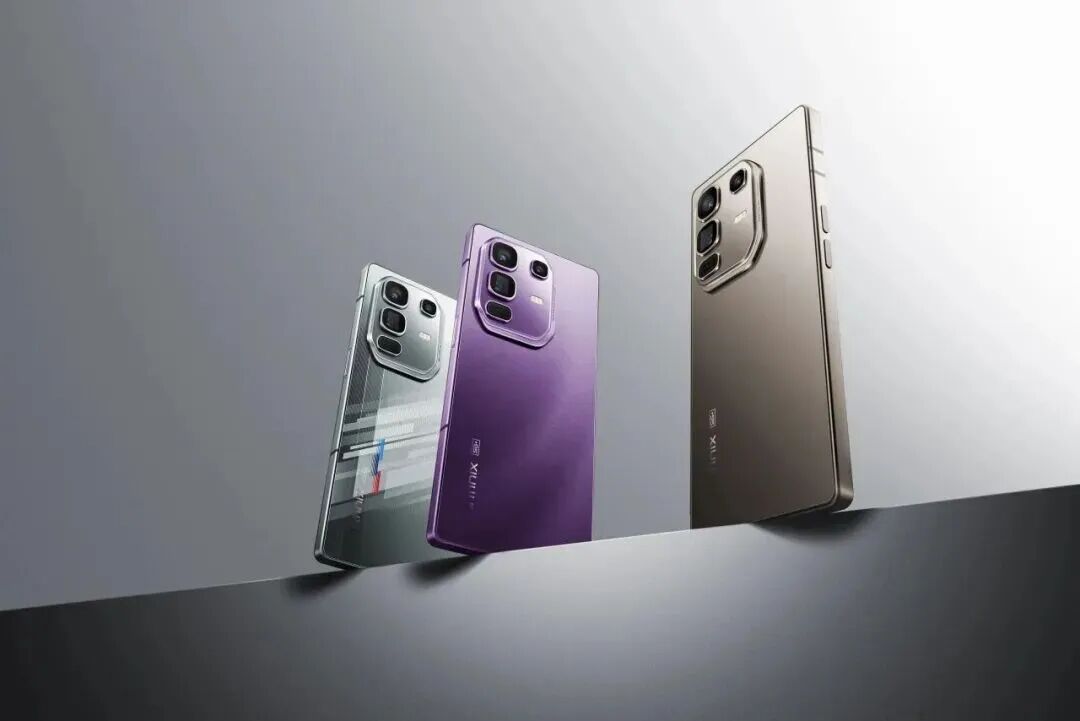
Core Viewpoint - Meizu is at a critical turning point as it faces internal turmoil and external competition, necessitating the launch of a new flagship product, the Meizu 22, to regain market trust and stability [2][5][8]. Product Launch - The Meizu 22 was finally launched on September 15, after two years of delays, with the theme "Return Home" [2]. - The device features a 6.3-inch display, which is considered the optimal size for single-handed use and visual balance [3]. - Meizu 22 is designed to cater to the growing demand for small-screen flagship phones, focusing on design, imaging, battery life, and performance [3]. Technical Specifications - The Meizu 22 is equipped with four 50-megapixel cameras and powered by the fourth-generation Snapdragon 8s mobile platform, along with a custom 5510mAh battery [3][4]. - The decision to use the Snapdragon 8s instead of the higher-end Snapdragon 8 Gen 2 was made to keep the price competitive, avoiding a price increase of up to 1500 yuan [4]. Pricing Strategy - The Meizu 22 is priced starting at 2999 yuan for the 12GB + 256GB version, with other configurations priced at 3299 yuan, 3399 yuan, and 4199 yuan for the highest version [4]. - This pricing strategy represents a significant reduction compared to the previous model, Meizu 21, which had a starting price of 3399 yuan for the base version [4]. Strategic Importance - The launch of Meizu 22 is crucial for the company to demonstrate its execution capability and regain confidence after recent management changes [5][6]. - The event also serves as an internal reassurance to employees and partners, signaling a clear strategic direction amidst recent leadership upheavals [5][6]. Broader Vision - Alongside the Meizu 22, the company introduced new products like the Meizu AI shooting glasses StarV Snap and significant upgrades to the Flyme AIOS ecosystem, indicating a shift towards an AI-integrated product strategy [6][8]. - Meizu aims to position itself not just as a smartphone manufacturer but as a player in the broader AI ecosystem, integrating AI into various devices [6][8].

Q2全球前六大手机品牌产量排名出炉
WitsView睿智显示· 2025-09-14 02:49
Core Viewpoint - TrendForce's latest survey indicates that global smartphone production is expected to reach 300 million units in Q2 2025, driven by seasonal demand and recovery in production from brands like Oppo and Transsion, reflecting a quarter-on-quarter increase of approximately 4% and a year-on-year increase of 4.8% [2]. Group 1: Smartphone Production Overview - In Q2 2025, the top six smartphone brands maintained a combined market share of around 80% [5]. - Samsung, the leading manufacturer, produced approximately 58 million units, experiencing a quarter-on-quarter decrease of 5% [3]. - Apple, in second place, produced 46 million units, down 9% quarter-on-quarter, but up 4% year-on-year, driven by the new iPhone 16e [5]. - Xiaomi ranked third with a production of 42 million units, showing a 1% increase quarter-on-quarter, supported by expansion into emerging markets [3]. - Oppo's production rose significantly by 35% quarter-on-quarter to nearly 37 million units, as inventory adjustments concluded [5]. - Transsion produced over 27 million units, marking a 33% increase quarter-on-quarter and a year-on-year growth of 15.7% [6]. - Vivo's production reached 26 million units, up 8% quarter-on-quarter, benefiting from overseas market contributions and China's subsidy policies [6]. Group 2: Market Dynamics and Trends - The Chinese smartphone subsidy policy temporarily boosted sales of mid-range products and helped reduce inventory, but its overall impact on annual sales is expected to be limited due to constraints on subsidy amounts and product coverage [2]. - The second half of the year is anticipated to see traditional peak season and e-commerce promotions, which will help maintain a quarterly growth pattern for smartphone production throughout the year [2].
从华强北到“非洲一哥”,宁波大佬造千亿巨头,又要IPO了
3 6 Ke· 2025-09-11 02:45
Core Insights - Transsion Holdings has successfully captured the African mobile phone market through localized innovations and a deep understanding of consumer needs, achieving a market share of 51% in the African smartphone sector by 2024 [1][3] - The company is facing challenges as competition intensifies from brands like Xiaomi and Honor, leading to a significant decline in revenue and profit in the first quarter of 2025 [3][13] Group 1: Company Overview - Transsion was founded in 2006 and has become a dominant player in the African mobile market, with brands like TECNO, itel, and Infinix [4][6] - The company’s first major product, TECNO T780, was the first dual-SIM phone in Africa, addressing local needs such as long battery life and camera quality for darker skin tones [6][7] - By 2024, Transsion's global shipment volume surpassed 200 million units, ranking third among global mobile phone manufacturers [1][3] Group 2: Financial Performance - In 2024, Transsion reported revenue of 68.715 billion yuan, a year-on-year increase of 10.31%, with a net profit of 5.549 billion yuan, showing a slight increase of 0.22% [3][12] - However, in the first quarter of 2025, the company experienced a 25.45% decline in revenue and a 69.87% drop in net profit, marking the largest quarterly decline since its IPO [3][13] Group 3: Market Dynamics - The African smartphone market is becoming increasingly competitive, with Xiaomi and Honor expanding their presence and capturing market share [15][16] - Xiaomi's sales in Africa grew by 38% in 2024, while Honor's shipments increased by 283% in the first quarter of 2025, indicating a shift in consumer preferences towards higher-end devices [15][16] - As the market matures, consumer expectations are evolving from affordability to performance, posing a challenge for Transsion to maintain its competitive edge [16]

“消失”的10大国产手机品牌
创业邦· 2025-09-10 10:31
Core Viewpoint - The article discusses the evolution and decline of various Chinese mobile phone brands, highlighting the competitive landscape and the challenges faced by companies like Waveguide, Gionee, and Meitu, while also emphasizing the rise of new leaders in the industry. Group 1: Market Dynamics - Huawei and Apple are in direct competition, with Huawei's Mate XT and Apple's iPhone 17 series launching in September [6][10] - The latest IDC report indicates that by Q2 2025, Huawei is expected to regain the top position in the domestic market with an 18.1% share, followed closely by Vivo and OPPO [9][10] - The combined market share of Huawei, Xiaomi, OPPO, and Vivo accounts for approximately 66% of the Chinese smartphone market, indicating a strong domestic presence [10] Group 2: Historical Context - Over the past 20 years, more than 87 mobile phone brands have disappeared in China, with a survival rate of less than 15% [11] - Waveguide was the first Chinese brand to gain significant market share in the feature phone era, achieving sales of 700,000 units in 2000 and becoming the top domestic brand for four consecutive years [19] - The launch of the first iPhone in 2007 marked a significant shift in the mobile phone industry, leading to the decline of feature phone giants like Nokia [21][23] Group 3: Brand Decline - Gionee, once a leader in the market, faced a decline due to late entry into the smartphone segment and poor product reception, leading to its eventual bankruptcy in 2018 [27][28] - Meitu and Douwai targeted the female market but failed to maintain their competitive edge as other brands improved their camera technology and overall value [30][37] - The entry of cross-industry players like Haier and Gree into the smartphone market was marked by poor performance and eventual exit due to lack of market presence [40][41] Group 4: Lessons Learned - The article emphasizes that successful marketing and distribution strategies alone are insufficient; companies must also focus on technology and innovation to survive in the competitive landscape [28][49] - The experiences of brands like Meizu and Smartisan illustrate the risks of prioritizing product aesthetics over market demands and operational capabilities [50][57] - The evolution of the smartphone industry in China reflects a shift from following global trends to establishing new standards and innovations [66][67]






“消失”的10大国产手机品牌
Hu Xiu· 2025-09-06 10:57
Group 1 - The smartphone market is becoming increasingly competitive, with major players like Huawei and Apple launching new high-end devices [2][3][7] - Huawei's market share is projected to reach 18.1% by Q2 2025, reclaiming the top position in the domestic market, followed closely by Vivo and OPPO [7][8] - The combined market share of Huawei, Xiaomi, OPPO, and Vivo accounts for approximately 66% of the Chinese smartphone market, indicating a strong domestic dominance [8] Group 2 - The history of the Chinese smartphone industry has seen over 87 brands disappear, with a survival rate of less than 15% [9] - The transition from feature phones to smartphones has been marked by significant technological advancements and fierce competition among domestic brands [10][30] - The rise and fall of brands like Bird and Gionee illustrate the challenges faced by companies that failed to adapt to the smartphone era [38][37] Group 3 - Brands targeting niche markets, such as Doro and Meitu, initially gained traction but ultimately struggled to maintain their market positions due to lack of technological innovation [40][50] - The entry of cross-industry players like Haier and 360 into the smartphone market has often resulted in failure due to inadequate market understanding and execution [51][53][60] - The experiences of companies like Meizu and Smartisan highlight the importance of balancing product quality with market demands, as both faced significant challenges due to misalignment with consumer expectations [71][84] Group 4 - The evolution of the smartphone industry in China reflects a shift from marketing-driven strategies to a focus on technology and innovation [70][91] - The current landscape is characterized by a new generation of leaders aiming to redefine the rules of the smartphone market, moving away from being mere followers [92][93]
荣耀前CMO姜海荣出任深蓝汽车CEO,邓承浩升任董事长
Nan Fang Du Shi Bao· 2025-09-05 05:54
Group 1 - A significant personnel change is impacting the electric vehicle industry, with Jiang Hairong, former CMO of Honor, appointed as CEO of Deep Blue Automotive, while former CEO Deng Chenghao becomes the chairman [2][3] - Jiang Hairong brings over 20 years of experience in the telecommunications and smart terminal sectors, having previously played a crucial role in Honor's brand and marketing strategies [4][5] - Deep Blue Automotive, a new brand established only three years ago, has achieved impressive sales growth, aiming to deliver over 240,000 vehicles in 2024 and reaching 400,000 units in just 29 months [5][6] Group 2 - The previous CEO, Deng Chenghao, acknowledged the brand's challenges in storytelling and marketing effectiveness, highlighting a need to better communicate the technical strengths of Deep Blue's products [6][7] - Deng Chenghao, now chairman, will focus on long-term strategy and top-level design, especially as the parent company, Changan Automobile, undergoes significant restructuring [8][9] - The intersection of refined marketing strategies from the mobile industry and the competitive landscape of the automotive sector will be crucial for Deep Blue's future [9]


没了诺基亚这张情怀牌,HMD可能真要退出中国市场
3 6 Ke· 2025-09-04 11:40
Core Viewpoint - HMD Global, after parting ways with Nokia, has faced significant challenges, leading to market exits and a potential reduction in operations in China and the U.S. [1][3][12] Group 1: Market Performance and Strategy - HMD has withdrawn from the U.S. market due to a challenging geopolitical and economic environment, and its flagship store on JD.com has ceased operations [1][3] - The company has discontinued several smartphone models launched in the past two years, indicating a possible reduction in its Chinese business [3][12] - HMD's initial success was attributed to leveraging Nokia's brand nostalgia, but the split from Nokia has severely impacted its market position [3][5] Group 2: Product Development and Challenges - HMD initially achieved over 10 million units in global sales by 2017, but subsequent strategic missteps in 2018 led to a decline in performance [6][8] - The company faced difficulties in the competitive mid-range market, particularly with the Nokia X6, which was unable to sustain profitability due to its pricing strategy [8][10] - The COVID-19 pandemic forced HMD to pivot towards feature phones, successfully capitalizing on a market shift but causing friction with Nokia, which aimed for a focus on smartphones [10][12] Group 3: Future Outlook - As of 2023, there are indications that HMD's licensing agreement with Nokia may not be renewed, with plans for HMD to launch its own brand products in 2024 [12][13] - The expiration of the Nokia brand license in March 2026 poses significant challenges for HMD, particularly in maintaining market presence in competitive regions like China and the U.S. [12][13] - The target demographic for feature phones primarily consists of older consumers who prefer established brands, making the loss of the Nokia brand a critical issue for HMD's future viability [12][13]
2025年9月份“骨折机”大盘点:最高直降5000
Hu Xiu· 2025-09-03 09:00
Group 1 - The article discusses the significant price drops in smartphones during the second half of 2025, with reductions of one to two thousand being common [1] - It highlights the competition among various brands to identify which one has the most drastic price cuts, referred to as the "price drop king" of the year [1]
2025年7月国家补贴政策效应减弱,国内手机销量环比下滑14%
CINNO Research· 2025-09-02 04:16
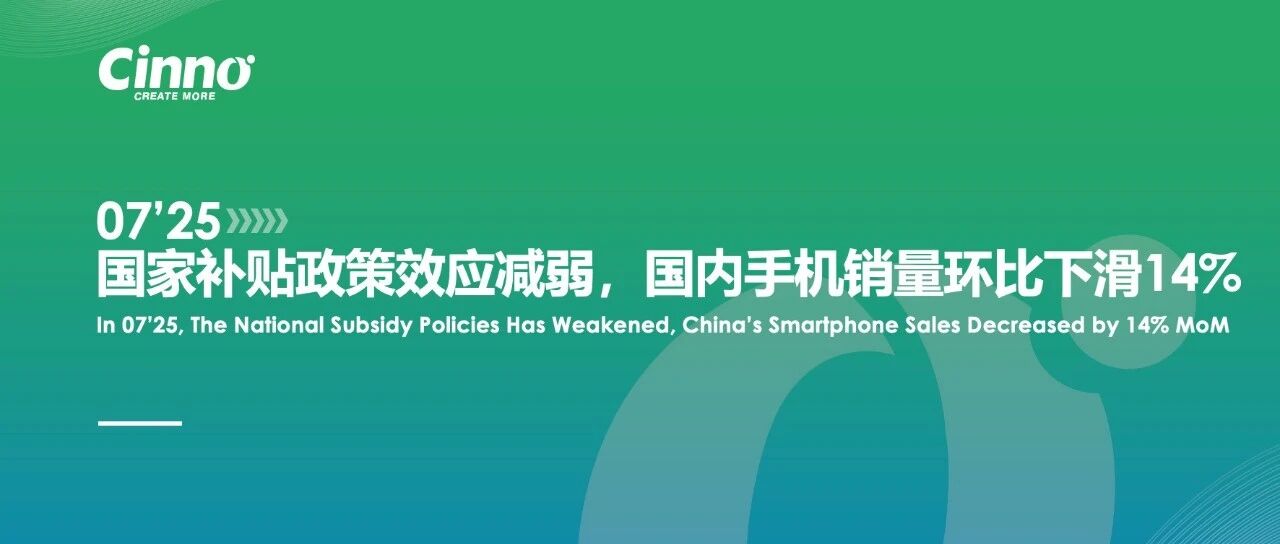
Core Viewpoint - The article discusses the decline in smartphone sales in China for July 2025, attributing a 14% month-on-month drop to the weakening effects of national subsidy policies [4]. Group 1: Smartphone Market Overview - In July 2025, the Chinese smartphone market experienced a significant decline in sales, with a 14% decrease compared to the previous month [4]. - The analysis includes trends in smartphone sales, brand performance, and price segments within the Chinese market from July 2024 to July 2025 [4]. Group 2: Foldable Phone Market Insights - The report provides insights into the sales trends of foldable smartphones in China, including year-on-year comparisons for the same period [4]. - It also examines the price segments and brand trends specific to the foldable phone market from July 2024 to July 2025 [4]. Group 3: Display Panel Price Trends - The article outlines projected price trends for various types of smartphone display panels, including a-Si LCD, LTPS LCD, and rigid OLED panels from July 2023 to September 2025 [4].
“反诈老陈”鞠躬道歉:对不起了嘎子,我错了!他还喊话酷派:手机3C认证编号在哪里
Mei Ri Jing Ji Xin Wen· 2025-08-29 09:43
Core Viewpoint - The controversy surrounding "Gazi Ge" (Xie Mengwei) selling a Coolpad phone in his livestream has sparked significant public interest, with allegations of the product not being an official item, leading to a public apology from "Fan Zha Lao Chen" (Chen Guoping) after initial accusations [1][2][4]. Group 1: Incident Overview - "Fan Zha Lao Chen" questioned the authenticity of a Coolpad phone sold by "Gazi Ge" for 699 yuan, claiming it might not be an official product [2][4]. - After the incident gained traction, "Gazi Ge" defended his sales, asserting that all products he promotes are genuine and accused "Fan Zha Lao Chen" of seeking attention [1][4]. - Following the backlash, "Fan Zha Lao Chen" issued a public apology, stating that his previous claims were based on misunderstandings [1][2]. Group 2: Product Verification - Coolpad's customer service confirmed that the GZ Coolpad X60 phone sold by "Gazi Ge" is indeed an official product, although it had not yet been listed on their official store [6][9]. - "Fan Zha Lao Chen" expressed skepticism about the verification process, questioning how the product could be sold without proper approval [9][10]. Group 3: Company Financials - Coolpad Group has reported significant financial losses over the years, with losses of 394 million HKD, 572 million HKD, 625 million HKD, 221 million HKD, and 252 million HKD from 2020 to 2024 [14]. - In the first half of 2025, Coolpad's revenue was 175 million HKD, with a loss of approximately 80.3 million HKD, attributed to intense competition in the smartphone market [14].
