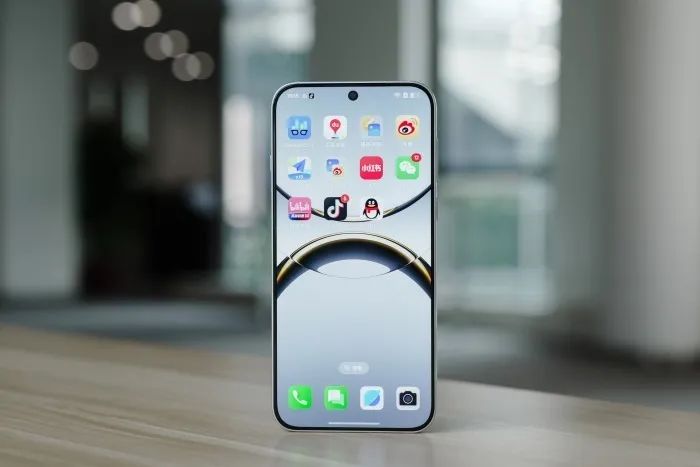
荣耀X50

Search documents
前高管集体跳槽车企?企业回应
Nan Fang Du Shi Bao· 2025-09-17 05:26
Core Viewpoint - Recent rumors regarding former executives of Honor joining an automotive company have been denied by Honor, stating that no former executives have taken positions at any car company [1] Group 1: Company Developments - On September 5, Jiang Hairong, the former Chief Marketing Officer (CMO) of Honor China, officially joined Changan Automobile as the CEO of its new energy brand, Deep Blue [1] - Jiang Hairong is recognized as a veteran in the communications and smart terminal industry, with over 20 years of experience, and was responsible for brand and marketing efforts in the Chinese market after Honor's independence [2] - Deep Blue, a brand established only three years ago, has achieved impressive sales growth but has been criticized for its relatively low-key brand communication [2] Group 2: Market Implications - Jiang Hairong's appointment is seen as a crucial step for Deep Blue to enhance its brand and marketing capabilities, addressing a gap in its strategy [2] - The previous CEO of Deep Blue, Deng Chenghao, acknowledged that over 85% of the team consists of R&D personnel, indicating a strong product focus but a lack of effective storytelling [2]


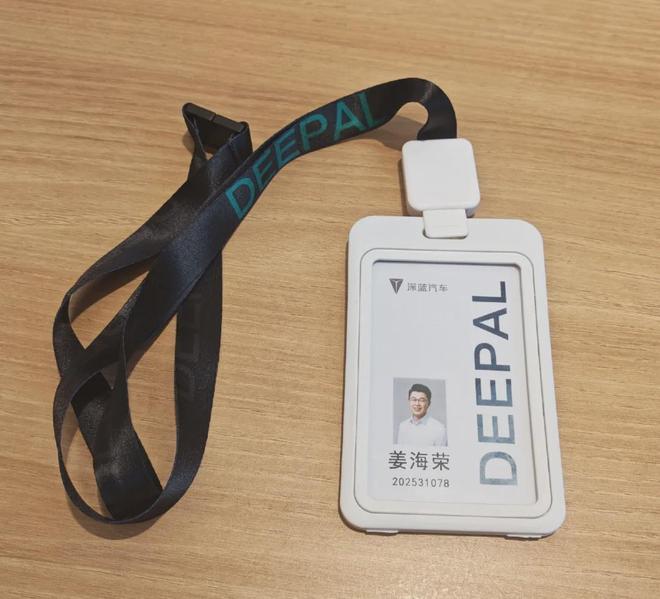
“姜海荣们”跨界汽车背后,一场跨行业的历史复刻
汽车商业评论· 2025-09-16 23:08
Core Viewpoint - The article discusses the significant transition of talent from the smartphone industry to the automotive sector, highlighting the appointment of Jiang Hairong as CEO of Deep Blue Automotive and the implications of this trend for both industries [3][10][52]. Group 1: Jiang Hairong's Background and Role - Jiang Hairong, previously a key figure at Huawei and Honor, has extensive experience in both technology and marketing, making him a valuable asset for Deep Blue Automotive [6][11]. - His appointment marks a strategic move for Deep Blue as it aims to leverage his expertise in product management and market strategy to enhance its competitive edge [4][19]. - Jiang's previous success in revitalizing Honor's market presence, where he increased market share from 3% to 18% within a year, showcases his capability to drive significant growth [15][16]. Group 2: Industry Trends and Talent Migration - The article identifies a growing trend where smartphone manufacturers are becoming talent reservoirs for automotive companies, as they seek individuals with expertise in user experience and software integration [10][17]. - This migration is driven by the automotive industry's need for skills that align with the increasing importance of technology and connectivity in vehicles [23][37]. - The shift reflects a broader industry trend where the automotive sector is evolving to prioritize user experience and software capabilities, similar to the smartphone industry [45][49]. Group 3: Competitive Landscape and Future Outlook - The automotive industry is experiencing intense competition, akin to the smartphone market's past, with a surplus of brands leading to a decline in profit margins [25][24]. - The article suggests that the automotive sector will likely follow a similar trajectory to the smartphone industry, moving towards a concentrated market where a few brands dominate [32][25]. - As more professionals like Jiang Hairong transition into the automotive field, the expectation is that this will lead to innovative products and enhanced competition within the industry [53][52].

荣耀回应“前高管集体跳槽车企”传闻:消息不实
Nan Fang Du Shi Bao· 2025-09-16 11:20
Core Insights - Recent rumors regarding former executives of Honor joining an automotive company have been denied by Honor, stating that no former executives have taken positions at any car company [2] - The rumors may be linked to the recent appointment of Jiang Hairong, former Chief Marketing Officer of Honor, as the CEO of Changan Automobile's new energy brand, Deep Blue [2][3] - Jiang Hairong is recognized for his extensive experience in the telecommunications and smart terminal industry, having over 20 years of experience and being a key figure in marketing strategies at Honor [2] Company Developments - Jiang Hairong's transition to Deep Blue is seen as a strategic move to address the brand's marketing and branding weaknesses [3] - Deep Blue, a relatively new brand established three years ago, has achieved impressive sales growth but has struggled with brand communication [3] - The previous CEO of Deep Blue acknowledged that over 85% of the team consisted of R&D personnel, indicating a gap in effective storytelling to convey the brand's technological strengths [3]
手机营销悍将跨界新能源车品牌传播
Nan Fang Du Shi Bao· 2025-09-07 23:25
Group 1 - A significant personnel change is impacting the electric vehicle industry, with Jiang Hairong, former CMO of Honor, joining Changan Automobile as CEO of its new energy brand, Deep Blue Automotive [2][3] - Jiang Hairong's appointment is seen as a strategic move to enhance brand and marketing capabilities for Deep Blue Automotive, which is experiencing rapid sales growth [3][5] - Deep Blue Automotive has achieved impressive milestones, including a target of over 240,000 vehicle deliveries in 2024 and reaching 400,000 units produced in just 29 months [5][6] Group 2 - The former CEO, Deng Chenghao, has been promoted to Chairman, indicating a shift in focus from daily operations to long-term strategic planning [7][8] - Deng Chenghao, a Tsinghua University graduate, has a strong technical background and aims to optimize operational efficiency while guiding the company through a significant transformation within Changan Automobile [7][8] - The transition of leadership comes at a time when Changan Automobile is restructuring into an independent automotive enterprise, necessitating a strategic vision for Deep Blue Automotive's future [8][9]
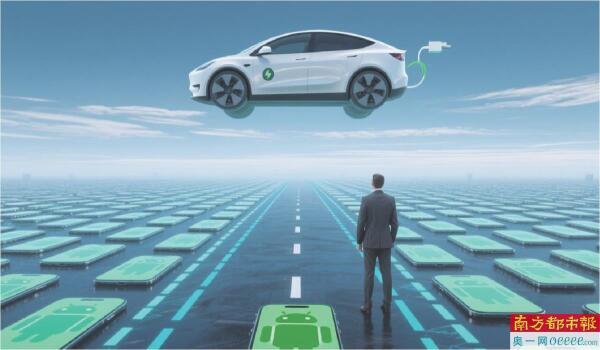
荣耀前高管加入长安,出任深蓝汽车CEO
3 6 Ke· 2025-09-05 11:56
Core Viewpoint - The recent appointment of Jiang Hairong, former CMO of Honor, as CEO of Deep Blue Automotive under Changan Automobile highlights a strategic move to enhance marketing capabilities within the company, which has faced challenges in effectively communicating its product advantages [2][11][17]. Group 1: Jiang Hairong's Background and Experience - Jiang Hairong has a long history in the tech industry, having joined Huawei in 2005 and later becoming a key figure in Honor's marketing strategy, significantly boosting the brand's presence in international markets [5][11]. - Under his leadership, Honor achieved remarkable sales milestones, including breaking sales records for the Honor X50 smartphone, which sold over 10 million units by May 2024 [8][11]. Group 2: Deep Blue Automotive's Current Situation - Deep Blue Automotive, a subsidiary of Changan Automobile, has launched six models priced between 150,000 to 350,000 yuan, targeting young consumers [12]. - The brand has seen a significant year-on-year sales increase of 64.6%, with a total of 198,640 vehicles sold this year, although it has only achieved 39% of its 2025 sales target of 500,000 units [12][13]. Group 3: Marketing Challenges - Deep Blue Automotive has struggled with marketing, as highlighted by former CEO Deng Chenghao, who noted that the team is heavily focused on R&D, with marketing efforts only being systematically developed since 2022 [13]. - The company has faced public relations issues, including two apologies in May for controversial marketing practices, indicating a need for improved customer engagement strategies [14]. Group 4: Future Implications - Jiang Hairong's expertise in brand positioning and storytelling is expected to address the current marketing deficiencies at Deep Blue Automotive, potentially leading to more effective communication of product advantages [17].
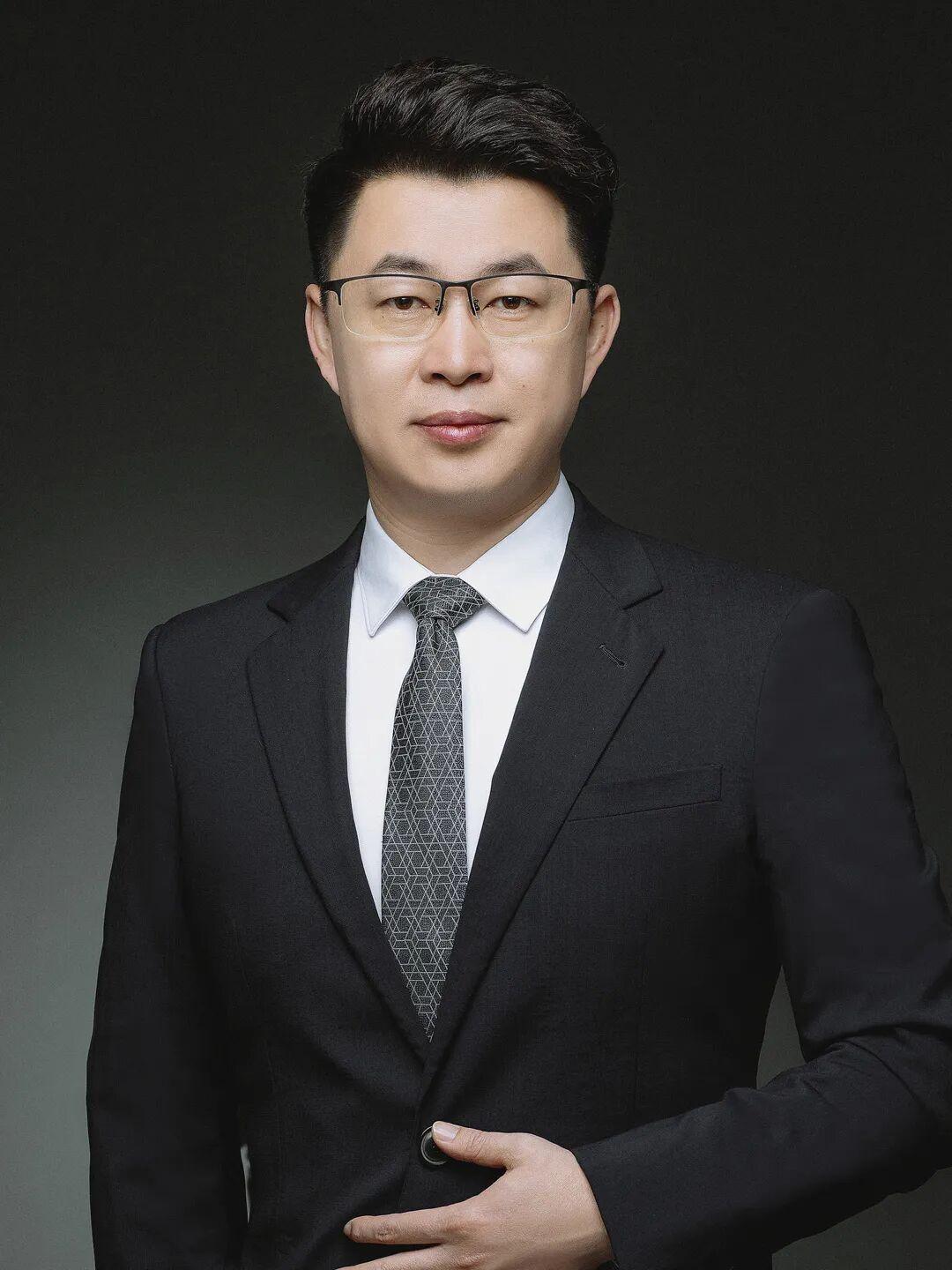
荣耀前CMO姜海荣出任深蓝汽车CEO,邓承浩升任董事长
Nan Fang Du Shi Bao· 2025-09-05 05:54
Group 1 - A significant personnel change is impacting the electric vehicle industry, with Jiang Hairong, former CMO of Honor, appointed as CEO of Deep Blue Automotive, while former CEO Deng Chenghao becomes the chairman [2][3] - Jiang Hairong brings over 20 years of experience in the telecommunications and smart terminal sectors, having previously played a crucial role in Honor's brand and marketing strategies [4][5] - Deep Blue Automotive, a new brand established only three years ago, has achieved impressive sales growth, aiming to deliver over 240,000 vehicles in 2024 and reaching 400,000 units in just 29 months [5][6] Group 2 - The previous CEO, Deng Chenghao, acknowledged the brand's challenges in storytelling and marketing effectiveness, highlighting a need to better communicate the technical strengths of Deep Blue's products [6][7] - Deng Chenghao, now chairman, will focus on long-term strategy and top-level design, especially as the parent company, Changan Automobile, undergoes significant restructuring [8][9] - The intersection of refined marketing strategies from the mobile industry and the competitive landscape of the automotive sector will be crucial for Deep Blue's future [9]
给手机充个电为啥有时快有时慢?
Hu Xiu· 2025-07-24 07:27
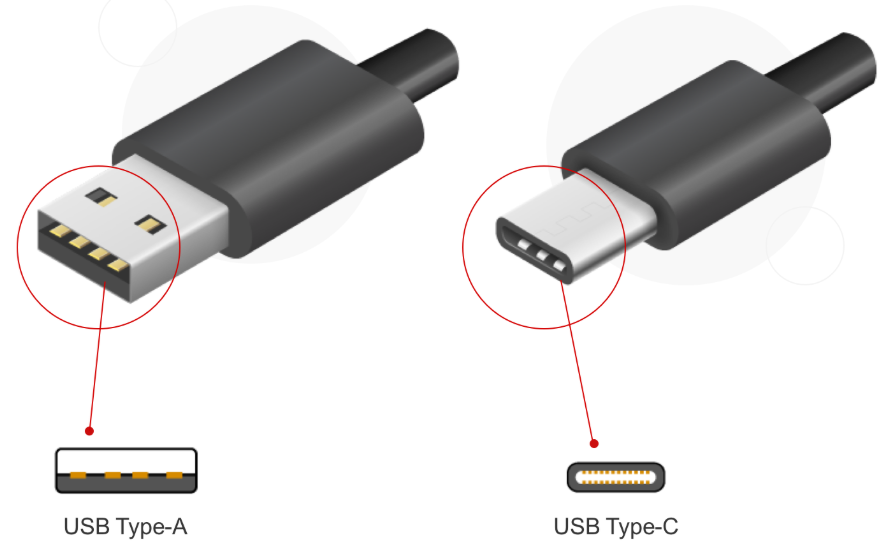
Core Viewpoint - The article discusses the complexities and challenges of smartphone charging technologies, highlighting the evolution of battery capacities and the emergence of various fast charging protocols that have made charging more complicated than before [1]. Charging Technology Overview - Early smartphones had smaller battery capacities and adhered to a unified USB charging standard, which allowed for relatively straightforward charging processes [1]. - Modern smartphones now often exceed 5000mAh in battery capacity, necessitating faster charging solutions to avoid lengthy charging times [1]. Fast Charging Protocols - **PD (Power Delivery)**: A universal protocol supporting USB Type-C devices, capable of delivering different voltages (5/9/12/15/20V) with a maximum power of 100W (PD3.0) or 240W (PD3.1) [2]. - **VOOC**: Developed by OPPO, this protocol features low voltage and high current options (e.g., 5V/6A, 10V/6.5A, 20V/7.5A), allowing for efficient charging with minimal heat generation [4]. - **SCP (Super Charge Protocol)**: Exclusive to Honor devices, SCP utilizes high voltage and high current, with options like 5V/4.5A and newer versions supporting 10V/4A and 20V/5A [5]. Compatibility Issues - Fast charging protocols are often incompatible with one another, requiring users to ensure that their devices, charging heads, and cables all support the same protocol for optimal charging speeds [5].
直屏回归,小屏当道,国产手机厂商开始听劝了
3 6 Ke· 2025-03-27 12:59
Core Insights - The smartphone market is witnessing a shift from curved screens to flat screens, driven by consumer demand for practicality and usability [1][3][5] - There is a growing interest in small-screen smartphones (below 6.3 inches), as recent models have begun to overcome previous performance and battery life limitations [11][13][15] - The trend towards flat screens and small screens reflects a more mature consumer perspective, prioritizing functionality and ease of use over aesthetic appeal [17] Flat Screen Trend - Since Q4 of the previous year, flagship smartphones have predominantly adopted flat screen designs, with notable examples including Honor Magic7 and OPPO Find X8 [3] - Flat screens offer several advantages over curved screens, such as higher durability, lower production costs, and reduced accidental touches [5] - The upcoming OPPO Find X8 Ultra is set to feature a flat screen, marking a significant departure from traditional design norms for Ultra models [7] Small Screen Resurgence - The introduction of mini models, such as the vivo X200 Pro mini, has reignited interest in small-screen smartphones, which are now being recognized for their flagship-level performance [11][13] - The "impossible triangle" of performance, battery life, and imaging capabilities has been addressed in recent small-screen models, making them more appealing to consumers [11][15] - Upcoming models like OPPO Find X8s and OnePlus 13 mini are expected to further enhance the small-screen segment, providing consumers with more options [15] Consumer Preferences - The return to flat and small screens indicates a shift in consumer preferences towards practical and user-friendly designs [17] - Flat screens are perceived to have lower touch error rates and better durability, while small screens are appreciated for their portability and ease of handling [17] - Overall, the industry is moving towards products that align with consumer demands for usability and reliability [17]