第三方支付

Search documents
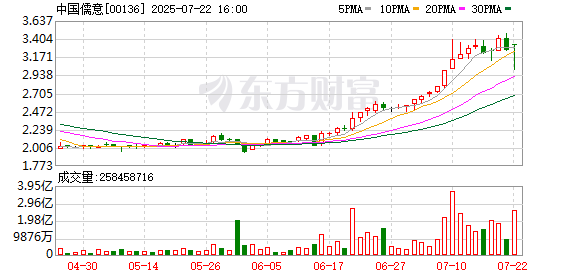
王健林再卖资产,柯利明2.4亿元入主快钱,此前参股潮玩
Nan Fang Du Shi Bao· 2025-07-24 03:25
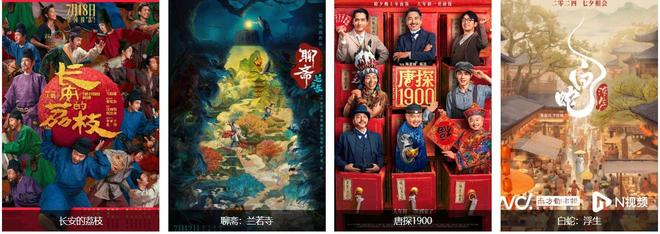
Group 1 - The core point of the article is that China Ruyi has acquired a 30% stake in Kuaiqian Financial Services for 240 million yuan, becoming the largest shareholder, which will help diversify its business into third-party payment and fintech sectors [1] - The acquisition is expected to leverage the target company's industry resources, technological capabilities, and policy advantages, providing long-term strategic synergies and potential growth opportunities for China Ruyi [1] - China Ruyi's main business segments include film and television content production, an online streaming platform called Pumpkin Movies, and a mobile gaming company named Jingxiu Games [2][4] Group 2 - In 2024, China Ruyi achieved a revenue of 3.671 billion yuan, a year-on-year increase of 1.21%, with adjusted net profit rising by 120% to 1.251 billion yuan [4] - The company has conducted two rounds of financing in 2025, raising a total of approximately 6.265 billion yuan for business growth and expansion, including content production and game development [4] - China Ruyi also announced plans to acquire a 30% stake in Beijing Yonghang Technology for 825 million yuan, which is known for its QQ Dance game series [4]

海南自贸港即将全岛封关,美国与日本达成贸易协定 | 财经日日评
吴晓波频道· 2025-07-23 22:31
Group 1: Hainan Free Trade Port - Hainan Free Trade Port will officially start customs closure operations on December 18, 2025, allowing for a special customs supervision area across the entire island [1] - The customs closure will implement a policy characterized by "one line open, one line controlled, and free flow within the island," facilitating international trade and investment [1] - After customs closure, many overseas goods imported into Hainan will enjoy zero or low tariffs, with a 30% value-added processing requirement for zero tariffs when transported to the mainland [1] Group 2: US-Japan Trade Agreement - The US and Japan have reached a trade agreement, with a 15% tariff on Japanese imports, and Japan committing to invest $550 billion in the US [3] - The agreement includes a reduction of tariffs on Japanese cars from 25% to 15%, while maintaining existing tariffs on steel and aluminum [3] - This trade agreement is seen as a step forward in the US's negotiations with major trading partners, with potential long-term impacts on global trade dynamics [4] Group 3: Telecommunications Operators - China's three major telecom operators have committed to simplifying their service packages and enhancing transparency in consumer transactions [5] - Measures include requiring explicit customer consent for service changes and improving the process for unsubscribing from services [5] - Despite improvements, challenges remain in the ease of unsubscribing and accessing low-cost packages, indicating a need for further enhancement in customer service [6] Group 4: Wanda's Financial Asset Sale - Wanda Group plans to sell a 30% stake in Quick Money Financial for 240 million yuan, as part of its strategy to divest from non-core assets amid a challenging real estate market [7] - Quick Money Financial, which holds a third-party payment license, is expected to benefit from the growing digital currency and cross-border payment sectors [8] - The sale reflects Wanda's ongoing efforts to transition to a lighter asset model while navigating pressures in the commercial real estate sector [7] Group 5: JD's Acquisition of Hong Kong Retailer - JD.com is set to acquire Hong Kong-based supermarket chain Jia Bao for 4 billion HKD, aiming to expand its presence in the Hong Kong retail market [9] - The acquisition includes a transitional management period where Jia Bao's founders will continue to manage operations for three years [9] - This move is part of JD's strategy to enhance its supply chain capabilities and integrate online and offline retail operations [10] Group 6: Public Fund Growth - As of the end of Q2, China's public fund market reached a total scale of 33.73 trillion yuan, with a quarter-on-quarter increase of 6.69% [11] - Equity funds saw a total scale of 4.28 trillion yuan, while bond funds increased by 8.55% to 10.92 trillion yuan [11] - The competitive landscape among fund companies remains intense, with top firms maintaining their positions despite fluctuations in fund performance [12] Group 7: Commodity Market Trends - A rare surge in the domestic commodity market saw six major products, including glass and industrial silicon, hit their daily price limits [13] - This surge was driven by concerns over coal supply reductions, prompting a broader market reaction and price increases across various sectors [13] - Despite the initial price increases, downstream industries remain cautious, indicating a potential gap between quoted prices and actual transaction prices [14] Group 8: Stock Market Performance - The stock market experienced fluctuations, with the Shanghai Composite Index closing slightly up at 3582.3 points, while the Shenzhen Component Index fell by 0.37% [15] - Market activity was characterized by a mix of rising and falling stocks, with significant trading volume but a lack of clear direction [15] - The recent customs closure announcement for Hainan has led to declines in related sectors, reflecting market sensitivity to policy changes [16]

拟2.4亿元拿下快钱金融,中国儒意入局支付行业
Huan Qiu Lao Hu Cai Jing· 2025-07-23 11:43
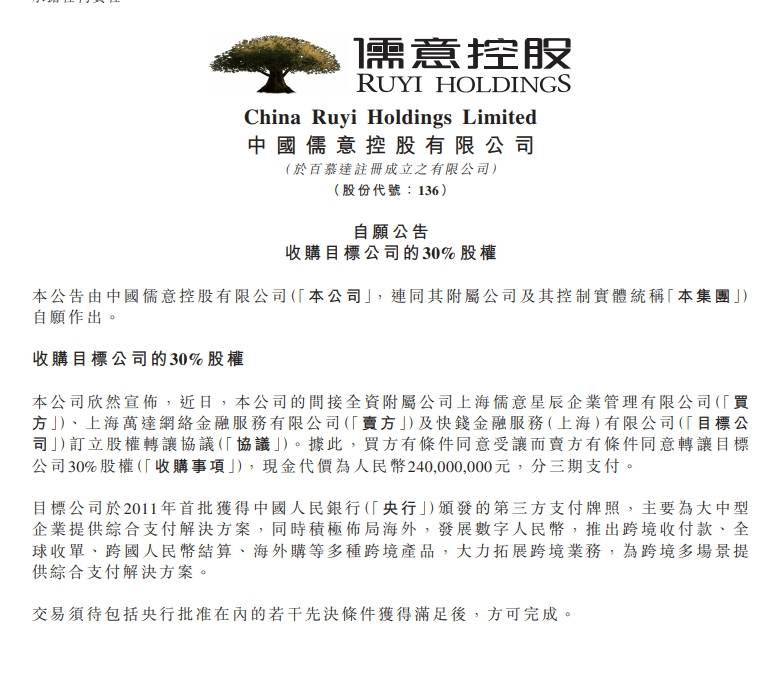
Core Insights - China Ruyi announced the acquisition of a 30% stake in Kuaiqian Financial for 240 million yuan, marking a significant reduction in valuation from previous years [1][2] - The acquisition aligns with China Ruyi's strategy to expand into the third-party payment and fintech sectors, leveraging synergies with its existing businesses [2] Group 1: Transaction Details - Shanghai Ruyi, a subsidiary of China Ruyi, will acquire the stake in Kuaiqian Financial in three phases [1] - Kuaiqian Financial, established in 2011, is one of the few fully licensed third-party payment institutions in mainland China, focusing on comprehensive payment solutions for medium and large enterprises [1] - The estimated total valuation of Kuaiqian Financial post-acquisition is 800 million yuan, a decline of over 60% from the price paid by Wanda Financial in 2014 [1] Group 2: Historical Context - Wanda Financial initially acquired a 68.7% stake in Kuaiqian Financial for approximately 3.15 billion yuan in 2014, later increasing its ownership to 100% [1] - Kuaiqian Financial has faced regulatory challenges, accumulating fines exceeding 10 million yuan over the past three years for violations related to clearing management and merchant risk control [1] Group 3: Strategic Implications - Post-transaction, Wanda Financial's stake in Kuaiqian Financial will drop to 0%, making China Ruyi the largest single shareholder, although Kuaiqian will not be a subsidiary but rather an associate company [2] - China Ruyi aims to create synergies between Kuaiqian Financial and its online streaming, gaming services, and offline cinema operations [2] - The company has been actively acquiring assets to diversify its business, including significant investments in film and gaming sectors, with revenues reported at 1.32 billion, 3.63 billion, and 3.67 billion yuan for 2022, 2023, and 2024 respectively [2]
价格缩水7成,王健林金融梦遭重挫!“割肉”甩卖万达金融板块核心资产,估值仅约8亿元,“老朋友”中国儒意接盘
Sou Hu Cai Jing· 2025-07-23 09:51
Core Viewpoint - Wang Jianlin's Wanda Group is selling a 30% stake in its core financial asset, Kuaiqian Financial, to China Ruyi for 240 million yuan, reflecting a significant decrease in valuation over the years [1][4] Group 1: Transaction Details - The agreement involves a cash payment of 240 million yuan, to be paid in three installments [1] - Following the transaction, China Ruyi will become the largest single shareholder of Kuaiqian Financial [1] - The current valuation of Kuaiqian Financial is approximately 800 million yuan, a 70% decrease from the 2.015 billion yuan valuation when Wanda acquired a 68.7% stake in 2014 [1][6] Group 2: Strategic Implications - China Ruyi aims to expand its business into third-party payment and fintech sectors through this acquisition, which is expected to support long-term growth [4] - The transaction results in a fragmented ownership structure for Kuaiqian Financial, with no single shareholder holding more than 50%, complicating Wanda's financial ambitions [4] Group 3: Kuaiqian Financial Overview - Kuaiqian Financial, established in 2004, holds a third-party payment license issued by the People's Bank of China and is involved in providing comprehensive payment solutions [6][7] - The company has been recognized as a key asset within Wanda's financial strategy, with plans to create an internet financial ecosystem centered around Kuaiqian [7] Group 4: Historical Context - Wanda's financial division has faced challenges, including a restructuring in 2016 and a name change to Wanda Investment Group due to financial strain [8][9] - Kuaiqian has experienced management instability, with multiple changes in legal representatives since 2017 [9] Group 5: Regulatory Issues - Kuaiqian Financial has faced several penalties for regulatory violations, including fines for inadequate anti-money laundering measures and improper account management [11]
支付宝、财付通!大消息!
券商中国· 2025-07-23 08:36
Core Viewpoint - The People's Bank of China (PBOC) has expanded direct anti-money laundering (AML) supervision to include major third-party payment institutions like Alipay and WeChat Pay, reflecting the growing importance of these entities in the financial ecosystem [3][5][8]. Group 1: Regulatory Changes - The PBOC has revised the notification regarding the implementation of the AML supervision management measures, which now includes a broader list of financial institutions under direct supervision [2][12]. - The updated list of institutions under PBOC's direct AML supervision now includes three additional entities: Alipay, WeChat Pay, and the Network Union Clearing Co., Ltd [5][6]. - The regulatory framework is evolving to address new challenges in the AML sector, necessitating a more robust supervisory approach to enhance financial risk management [4][15]. Group 2: Market Position of Third-Party Payment Institutions - Alipay and WeChat Pay hold significant market shares in China's third-party internet payment market, with 20.70% and 18.31% respectively, while UnionPay leads with 26.63% [6]. - The combined market share of Alipay and WeChat Pay indicates a "duopoly" in the non-bank payment sector, highlighting their systemic importance [6][7]. Group 3: AML Compliance and Challenges - The third-party payment sector has faced scrutiny, with the PBOC issuing 55 payment fines totaling approximately 174 million yuan in 2024, indicating a focus on AML compliance and customer identity verification [10]. - The revised notification emphasizes the need for financial institutions to report significant AML-related incidents and submit annual AML work reports to enhance compliance [16][17].
PingPong跨境收款:新兴市场持牌,为企业开拓全新的国际市场提供助力
Jin Tou Wang· 2025-07-23 06:37
Group 1: China's Foreign Trade Performance - China's manufacturing exports show improvement, with electromechanical products increasing by 9.5% year-on-year, accounting for 60% of total exports [1] - High-end equipment related to new productivity rose over 20%, while "new three samples" products representing green and low-carbon growth increased by 12.7% [1] - The stable growth of China's foreign trade is supported by a complete industrial system and the deep integration of technological and industrial innovation [1] Group 2: PingPong's Global Expansion - PingPong, a global payment platform, focuses on technology and business model innovation to meet the comprehensive needs of SMEs, tech companies, and financial institutions [2] - The company has facilitated cross-border transactions totaling approximately 2 trillion yuan, emphasizing compliance, risk control, and customer service as its sustainable development foundation [2] - PingPong has established compliance, risk control, and customer service teams globally, acquiring over 60 global licenses to provide secure cross-border payment services [2][3] Group 3: Risk Management and Customer Service - PingPong has intercepted fraud losses amounting to $1 billion, safeguarding nearly 2 trillion yuan in cross-border transaction funds [3] - The customer service team offers multilingual support across various regions, ensuring round-the-clock service capabilities [3] - The company is committed to investing in compliance, risk control, and customer service to support the global growth of enterprises [3]
中国儒意持续 “扫货” 万达系,2.4亿元入局支付领域,看中快钱金融牌照稀缺性
Mei Ri Jing Ji Xin Wen· 2025-07-23 01:48
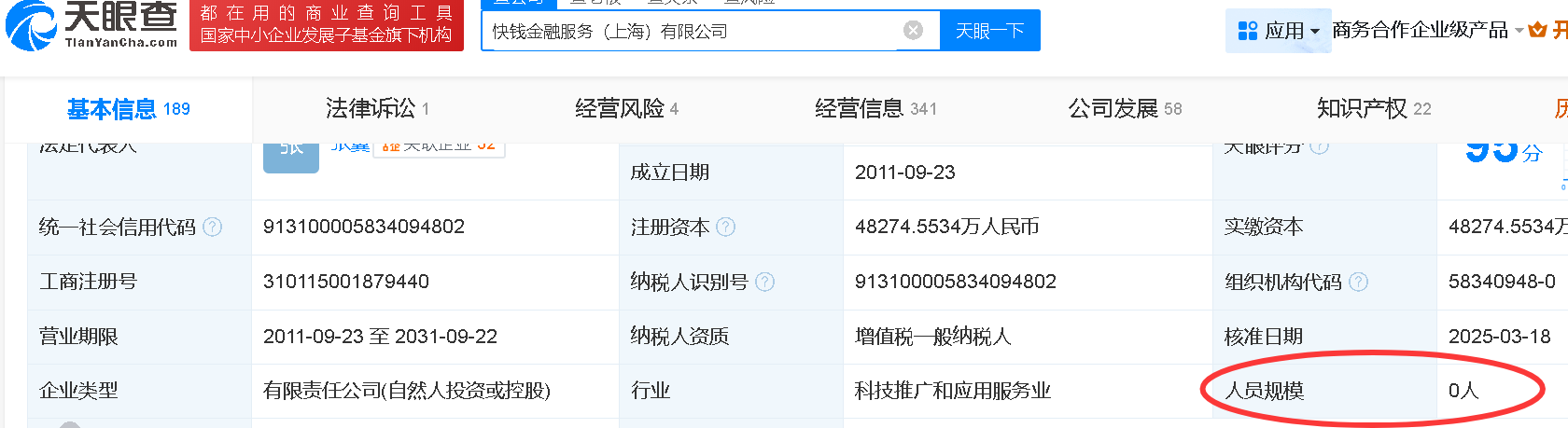
Core Viewpoint - China Ruyi continues its acquisition strategy by purchasing a 30% stake in Kuaiqian Financial for 240 million yuan, aiming to expand into the payment sector and enhance its business diversification [1][2][3]. Group 1: Acquisition Details - China Ruyi's subsidiary Shanghai Ruyi Xingchen Enterprise Management Co., Ltd. has signed a conditional equity transfer agreement to acquire 30% of Kuaiqian Financial from Shanghai Wanda Network Financial Services Co., Ltd. for 240 million yuan, payable in three installments [1][2]. - The estimated valuation of Kuaiqian Financial is approximately 800 million yuan, and it is one of the few licensed third-party payment institutions in mainland China [2][3]. Group 2: Strategic Implications - Kuaiqian Financial holds various payment licenses, including internet payment, mobile payment, and cross-border RMB payment, which positions it well in the financial technology sector [2][3]. - The acquisition is expected to create synergies with China Ruyi's existing businesses, such as online streaming and gaming services, potentially enhancing user payment experiences and cash flow [6][7]. Group 3: Market Context - The payment industry is experiencing stricter regulations, leading to a scarcity of payment licenses, making Kuaiqian Financial's full licensing valuable for China Ruyi [3][6]. - Despite the acquisition, Kuaiqian Financial is classified as a micro-enterprise with zero employees, raising questions about the risks associated with this investment [1][6]. Group 4: Future Outlook - The integration process between China Ruyi and Kuaiqian Financial may take one to three years, depending on the effectiveness of the consolidation efforts [7]. - This acquisition is part of a broader strategy by China Ruyi to build a comprehensive business ecosystem, leveraging assets from the Wanda Group to enhance market competitiveness [7].
儒意控股2.4亿元“入局”,两路股东分庭抗礼,快钱支付谁主沉浮
Bei Jing Shang Bao· 2025-07-22 14:36
Core Viewpoint - The acquisition of a 30% stake in Kuaiqian Financial by Ru Yi Holdings for 240 million RMB signifies a strategic move to gain control over the valuable payment license held by Kuaiqian Payment, amidst ongoing changes in ownership and regulatory scrutiny in the payment industry [2][5][6]. Group 1: Acquisition Details - Ru Yi Holdings plans to acquire a 30% stake in Kuaiqian Financial for 240 million RMB, with the total valuation of Kuaiqian Financial estimated at 800 million RMB [5]. - The acquisition is conditional upon approval from the People's Bank of China and other prerequisites [2]. - Following the acquisition, Ru Yi Holdings will become the largest single shareholder of Kuaiqian Financial, which currently has a fragmented ownership structure with eight shareholders [2][11]. Group 2: Strategic Implications - The acquisition is expected to create synergies between Kuaiqian Payment and Ru Yi Holdings' existing businesses, including online streaming and gaming services, thereby facilitating diversification into the fintech sector [6][7]. - The move aligns with Ru Yi Holdings' strategy of acquiring quality assets from the Wanda Group, enhancing its control over the entertainment and financial sectors [6][7]. Group 3: Industry Context - The payment industry has shifted from rapid growth to a more regulated environment, with increasing compliance requirements and a focus on integrated solutions [13]. - Kuaiqian Payment has faced significant regulatory challenges, including fines exceeding 17 million RMB since 2022, highlighting the need for improved compliance and risk management [13][14]. - The competitive landscape for payment services is evolving, with a trend towards comprehensive service offerings rather than traditional transaction-based models [13].
拉卡拉现两笔大宗交易折价12.01% 机构席位接盘10万股
Jin Rong Jie· 2025-07-22 13:27
Group 1 - Lakala (300773) executed two block trades on July 22, 2025, totaling 200,000 shares with a transaction amount of 4.892 million yuan, at an average price of 24.46 yuan, representing a 12.01% discount to the closing price of 27.80 yuan on that day [1] - The stock price of Lakala showed limited volatility on the same day, opening at 27.72 yuan, reaching a high of 28.15 yuan, a low of 27.69 yuan, and closing at 27.80 yuan, with a trading volume of 1.12 billion yuan and a turnover rate of 5.47% [1] - According to the Q1 report, Lakala's revenue for the quarter was 1.299 billion yuan, a year-on-year decrease of 13.01%, and the net profit attributable to shareholders was 101 million yuan, down 51.71% year-on-year [1] Group 2 - Shareholder reduction actions have continued to attract market attention, with shareholder Sun Haoran reducing holdings by 10.923 million shares from June 19 to July 17, lowering his stake from 8.88% to 7.50%, in line with the reduction plan disclosed in May [1] - Lenovo Holdings plans to reduce its holdings by no more than 23.643 million shares within three months starting from July 23 [1] Group 3 - Lakala has been in the spotlight due to its plans for a Hong Kong stock listing and exploration of stablecoin business, with an announcement on June 16 indicating progress in H-share issuance to apply for a stablecoin license and communication with the Hong Kong Monetary Authority regarding related opportunities [2] - Following this news, Lakala's stock price surged from 23 yuan to 35.97 yuan in mid-June, marking an increase of over 50%, although it has recently retreated amid market adjustments [2]

万达,再卖资产
新华网财经· 2025-07-22 12:55
Core Viewpoint - The acquisition of a 30% stake in Kuaiqian Financial Services (Shanghai) Co., Ltd. by Shanghai Ruyi Starry Enterprise Management Co., Ltd. is expected to enhance China Ruyi's business expansion into the third-party payment and fintech sectors, leveraging synergies with its existing operations in online streaming and gaming services [2][5][6]. Group 1: Acquisition Details - China Ruyi announced the signing of a share transfer agreement involving its indirect wholly-owned subsidiary, Shanghai Ruyi Starry, and Kuaiqian Financial Services [1]. - The acquisition price for the 30% stake in Kuaiqian Financial Services is set at 240 million yuan [2]. - The completion of the transaction is subject to several preconditions, including approval from the central bank [3]. Group 2: Strategic Implications - Following the acquisition, China Ruyi will become the largest single shareholder of Kuaiqian Financial Services, although the latter will not become a subsidiary of China Ruyi [4]. - The acquisition is anticipated to facilitate the expansion of China Ruyi into the fintech sector, with potential long-term growth benefits [5][6]. - Kuaiqian Financial Services is recognized as one of the first partners of the People's Bank of China for digital currency research, indicating its capability to process digital yuan and its active role in cross-border payment solutions [5][6]. Group 3: Historical Context - China Ruyi has previously engaged in multiple acquisitions of assets under the Wanda Group, including a recent acquisition of a 49% stake in Beijing Wanda Investment Co., Ltd. for 2.262 billion yuan [7]. - This acquisition positions China Ruyi as the second-largest shareholder in Wanda Investment, indirectly holding 9.8% of Wanda Film [7][8]. - The series of transactions has resulted in a shift in control of Wanda Film from Wang Jianlin to the Ruyi Group, marking a significant change in ownership dynamics [8].