饮料

Search documents
港股敲锣背后,看林木勤如何以多品类+全球化战略重塑东鹏增长逻辑
Sou Hu Cai Jing· 2026-02-10 06:16
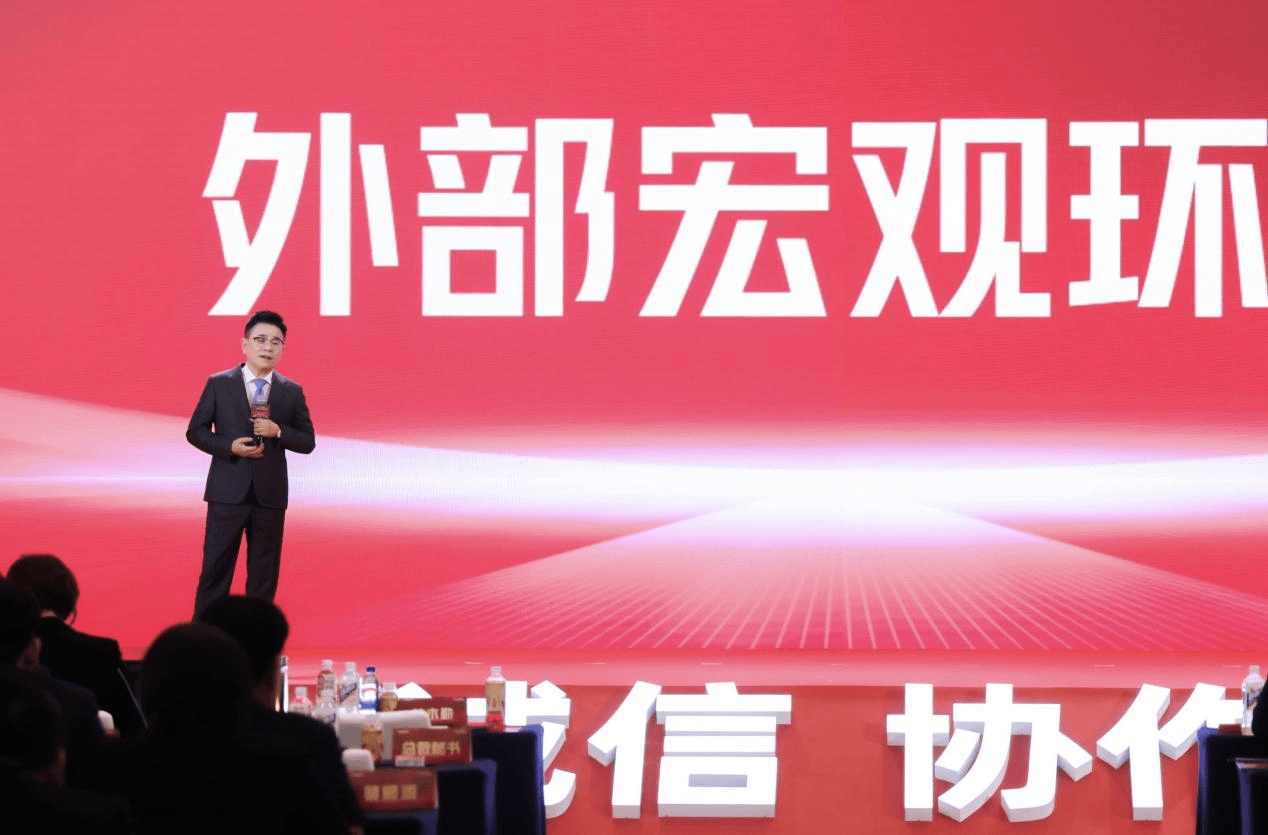
Core Viewpoint - Dongpeng Beverage officially listed on the Hong Kong Stock Exchange, becoming the first "A+H" dual-listed functional beverage company in China, marking a new starting point for its global expansion mission [1][12]. Company Development - In 2003, Dongpeng Beverage faced a survival crisis with an annual output value of less than 20 million yuan, but Chairman Lin Muqin took responsibility and led a team to overcome challenges, establishing a culture of cost control and efficiency [3]. - The introduction of the PET bottle with a dust cover for Dongpeng Special Drink in 2009 allowed the company to capture key consumer segments and significantly reduce production costs, leading to a successful market breakthrough [3]. Product Performance - Dongpeng Special Drink has maintained the top position in China's energy drink sales since 2021, with a strong performance in the market [5]. - The company's multi-category strategy, including the successful electrolyte drink "Dongpeng Water," has shown impressive growth, with revenue reaching 2.847 billion yuan in the first three quarters of 2025, a year-on-year increase of 134.78% [5]. Supply Chain and Production - Dongpeng Beverage has established 14 production bases across the country, with 10 in operation, achieving an annual design capacity of over 4.8 million tons [8]. - The company has implemented a self-developed "five-in-one" system for full-chain tracking, significantly reducing market price fluctuations and enhancing operational efficiency [10]. Global Expansion Strategy - Dongpeng Beverage is set to begin its "outbound year" in 2025, focusing on Southeast Asia and expanding to over 30 countries, leveraging local production and tailored products to meet regional preferences [11]. - A $200 million investment in Indonesia for a production facility aims to enhance competitiveness in overseas markets by avoiding tariff barriers and reducing logistics costs [11]. Financial Milestones - The successful listing on the Hong Kong Stock Exchange on February 3, 2026, marks a significant milestone in Dongpeng Beverage's journey towards becoming an international enterprise [12][14]. - The company's projected revenue growth of 31.07% to 33.34% in 2025 reflects its strong operational resilience and strategic execution [5].

超116个国家对含糖饮料征税 中国“控糖”有哪些举措
Di Yi Cai Jing· 2026-02-10 05:02
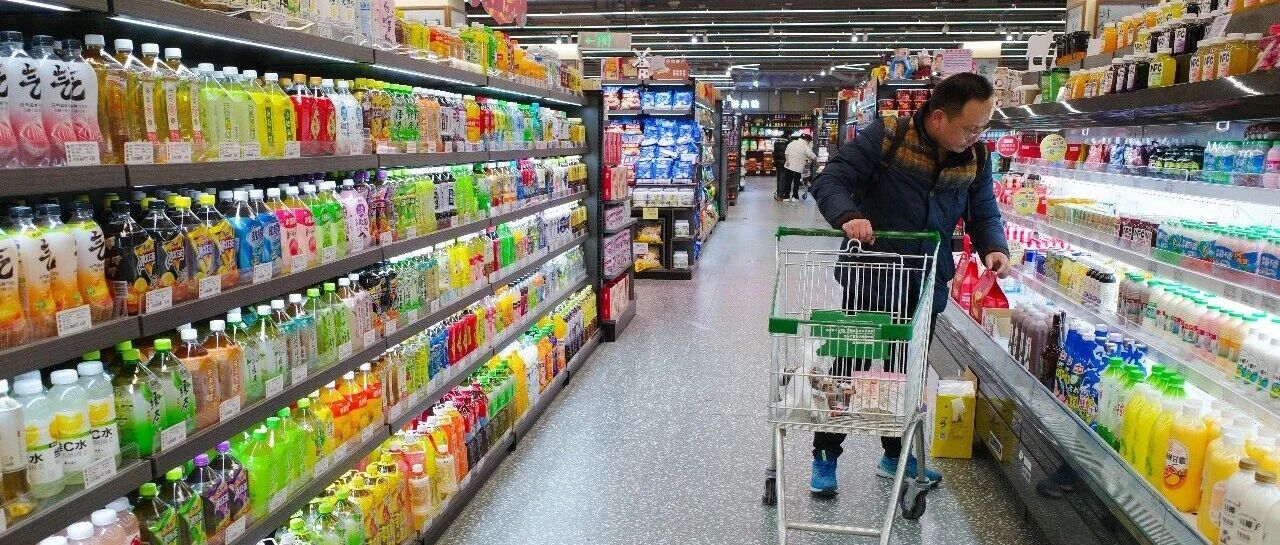
Core Viewpoint - The rapid growth of sugary beverage consumption in China is a significant factor contributing to the country's status as having the highest number of overweight and obese individuals globally. The implementation of a sugary beverage tax is being considered as a potential public health measure to mitigate this issue [1][2]. Global Sugar Control Trends - The World Health Organization (WHO) reports a 14% increase in global sugary beverage consumption from 2013 to 2024. As of July 2024, at least 116 countries have implemented national-level taxes on sugary beverages. WHO recommends that countries enhance tax policies to effectively reduce sugar intake [2]. - Evidence from international practices shows that sugary beverage taxes can reduce consumption. For instance, Mexico saw a 12% decrease in sugary beverage sales within a year of implementing a tax, while the UK achieved a 43.7% reduction in sugar content in taxed beverages from 2015 to 2019 [2]. Economic and Health Impact of Taxation - A study published in The Lancet Public Health estimates that a 20% increase in sugary beverage prices in China could lead to 3.67 million health life years gained and prevent approximately 130,000 premature deaths from 2026 to 2050, generating additional tax revenue of 295.5 billion yuan [3]. - Implementing a 20% tax on sugary beverages nationwide could reduce health-related costs by 24 billion yuan and avoid productivity losses of 215 billion yuan, resulting in an overall economic benefit of approximately 4.51 trillion yuan [3]. Comprehensive Intervention Beyond Taxation - China has not yet implemented a sugary beverage tax, and local empirical studies on its effectiveness are lacking. The potential of sugary beverage taxes remains underutilized [4]. - Research indicates that while a sugary beverage tax can reduce consumption among low-income households, the increase in high-sugar substitutes may lead to an overall increase in total energy intake, suggesting that a tax alone may not effectively lower obesity rates [5]. Policy Tools for Sugar Consumption Control - Current sugar control measures in China focus on "information disclosure" and "environmental improvement." Policies like the "Healthy China Action" and the "National Nutrition Plan 2017-2030" provide a framework for public health initiatives [6]. - Shanghai has implemented health warning labels and a nutrition grading system for sugary beverages, which has led to a significant decrease in sugary beverage sales, demonstrating the effectiveness of mandatory information disclosure [7]. Insights from Shanghai's Experience - The "Shanghai model" shows that simplified nutritional information can effectively lower consumer decision-making costs and that health-conscious consumers are willing to pay a premium for low-sugar options, indicating a sustainable market for healthier products [8]. - However, the success of the Shanghai model may not be easily replicable nationwide due to differences in income and education levels. It is recommended to promote nationwide trials of sugary beverage grading systems while encouraging innovation among companies [8].
饮料消费转向“无糖”“零卡” “喝下去的糖”健康风险凸显
Di Yi Cai Jing· 2026-02-10 04:50
Core Viewpoint - The increasing health awareness among consumers is shifting beverage consumption patterns, yet the risks associated with sugar intake, particularly from sugary drinks, remain significant [1][2][4]. Group 1: Consumption Trends - The consumption of sugary beverages in China is stabilizing overall, with a notable shift towards healthier options like unsweetened tea and functional drinks, which have seen a compound annual growth rate (CAGR) of over 90% in the past three years [2][4]. - In 2024, the total beverage production in China is expected to grow by 7.5%, with traditional high-sugar beverages declining in market share [2][4]. - The average daily intake of added sugars among urban residents aged 3 and above is reported at 9.1 grams, which is lower than many countries, but the per capita sugar consumption has increased from 16 grams to 35 grams over the past 20 years [3][4]. Group 2: Health Risks of Sugary Beverages - The average daily consumption of sugary drinks is 189 grams for children and adolescents, and 174 grams for adults, with many unaware of the high sugar content in seemingly healthy options like sports drinks and 100% fruit juices [4][5]. - Research indicates that for every additional 355 milliliters of sugary drinks consumed daily, the risk of developing type 2 diabetes increases by 25% [7]. - The consumption of sugary beverages is linked to significant health risks, including a high incidence of deaths related to ischemic heart disease and diabetes, with approximately 46,634 deaths attributed to high sugary drink intake in 2019 [7][8]. Group 3: Misconceptions and Awareness - Despite increased awareness of health risks, there are still misconceptions regarding the sugar content in beverages perceived as healthy, leading to continued high consumption of these drinks [5][6]. - The distinction between whole fruits and fruit juices, as well as between milk and sugary dairy drinks, is often not clearly communicated, resulting in a lack of understanding of the associated health risks [5][6]. - There is a growing concern that there is "almost no safe threshold" for sugary drink consumption, meaning that any intake can increase the risk of metabolic issues, particularly when these drinks are a primary source of added sugars [9].
超116个国家对含糖饮料征税
第一财经· 2026-02-10 03:35
Core Viewpoint - The article discusses the increasing concern over sugar-sweetened beverage (SSB) consumption in China, highlighting the potential implementation of a sugar tax as a public health measure to reduce consumption and improve health outcomes [4][6][9]. Global Sugar Control Trends - The World Health Organization (WHO) reports a 14% increase in global SSB consumption from 2013 to 2024, with at least 116 countries implementing some form of SSB tax by 2024 [6]. - Countries like Mexico, South Africa, and the UK have seen reductions in SSB consumption following the introduction of taxes, with Mexico reporting a 12% decrease in SSB sales in the first year of tax implementation [6][7]. Economic and Health Impacts of Sugar Tax - A study from Peking University estimates that a 20% increase in SSB prices could lead to 3.67 million health life years gained and prevent approximately 130,000 premature deaths from 2026 to 2050, generating additional tax revenue of 295.5 billion yuan [7]. - Implementing a 20% tax nationwide could reduce health-related costs by 24 billion yuan and prevent productivity losses of 215 billion yuan, resulting in an overall economic benefit of approximately 4.51 trillion yuan [7]. Limitations of Sugar Tax - Current research indicates that while a sugar tax may reduce SSB consumption, it could lead to increased consumption of other high-sugar foods, potentially negating the intended health benefits [10]. - The effectiveness of a sugar tax in China remains uncertain due to a lack of localized empirical studies [9]. Comprehensive Strategies Beyond Taxation - Current sugar control measures in China focus on information dissemination and environmental improvements, but these have limitations in changing consumer behavior [11]. - Shanghai's initiatives, including health warning labels and a nutrition grading system for beverages, demonstrate a successful model for consumer awareness and behavior change [12][13]. Consumer Behavior Insights - Surveys indicate a significant shift in consumer preferences in Shanghai, with over 60% of residents prioritizing health attributes over personal taste when purchasing beverages [13]. - The success of low-sugar and no-sugar beverages suggests a market for healthier options, although the higher prices of these products may pose challenges for broader adoption [14].
饮料消费转向“无糖”“零卡”,“喝下去的糖”健康风险凸显
第一财经· 2026-02-10 03:35
Core Viewpoint - The article highlights the growing health consciousness among consumers, leading to a shift towards low-calorie products, yet the consumption of sugary beverages remains a significant health threat, particularly among adolescents [3][4]. Group 1: Consumption Trends - The consumption of sugary beverages in China is stabilizing overall, with a notable shift in structure; traditional high-sugar drinks are declining while sugar-free teas and functional drinks are experiencing significant growth, with sugar-free tea showing a compound annual growth rate of over 90% in the past three years [4][5]. - The average daily intake of added sugars among urban residents aged 3 and above is reported at 9.1 grams, which is below many countries, but the per capita daily sugar consumption has increased from 16 grams to 35 grams over the past 20 years [5][11]. Group 2: Health Risks of Sugary Beverages - Research indicates that liquid sugars pose a higher health risk, with a study showing that for every additional 355 milliliters of sugary drink consumed daily, the risk of developing type 2 diabetes increases by 25% [11][12]. - The article emphasizes that liquid sugars are absorbed quickly and do not trigger the same satiety signals as solid foods, leading to increased overall energy intake and a higher risk of metabolic issues [11][12]. Group 3: Misconceptions and Awareness - Despite increased awareness of health foods, there are still misconceptions about certain sugary drinks perceived as healthy, such as sports drinks and 100% fruit juices, which can contain high levels of natural sugars [7][8]. - The article stresses the need for better public education to differentiate between healthy and unhealthy sugar sources, as many consumers equate fruit and dairy content with health benefits, overlooking added sugars [8][9]. Group 4: Recommendations for Sugar Reduction - The report suggests focusing on reducing the consumption of specific sugary products, including carbonated drinks, fruit and vegetable juices, tea beverages, and dairy drinks, as part of a broader strategy to lower sugar intake [9][10].
超116个国家对含糖饮料征税,中国“控糖”有哪些举措
Di Yi Cai Jing· 2026-02-10 03:08
Core Viewpoint - Shanghai serves as a pioneering case in China's efforts to control sugar consumption, particularly through the potential implementation of a sugar-sweetened beverage tax, amidst rising obesity rates and global trends advocating for such taxes [1][2]. Global Sugar Control Trends - The World Health Organization (WHO) reports a 14% increase in global sugar-sweetened beverage consumption from 2013 to 2024, with at least 116 countries implementing some form of tax on these beverages by July 2024 [3]. - Countries like Mexico, South Africa, and the UK have seen reductions in sugar-sweetened beverage consumption due to tax implementations, with Mexico reporting a 12% decrease in sales within a year of tax introduction [3]. Economic and Health Impact of Taxation - A study published in The Lancet Public Health estimates that a 20% increase in retail prices of sugar-sweetened beverages in China could lead to 3.67 million health life years gained and prevent approximately 130,000 premature deaths, generating additional tax revenue of 295.5 billion yuan [4]. - Implementing a 20% tax nationwide could reduce health-related costs by 24 billion yuan and yield a total economic benefit of approximately 4.51 trillion yuan [4]. Limitations of Taxation Alone - Current research indicates that while a sugar-sweetened beverage tax can reduce consumption, it may lead to increased consumption of other high-sugar foods, negating some health benefits [6]. - A study shows that low-income households could see a 29.42% decrease in sugar-sweetened beverage consumption with a 20% price increase, but overall calorie intake may rise by 2.57% due to substitution effects [5][6]. Comprehensive Strategies Beyond Taxation - China's current sugar control measures focus on information dissemination and environmental improvements, with policies like the "Healthy China Action" and "National Nutrition Plan" providing a framework [7]. - Shanghai's initiatives, including health warning labels and a nutrition grading system for beverages, have shown promise in changing consumer behavior, with over 60% of residents frequently purchasing pre-packaged drinks and a significant preference for low-sugar options [8][9]. Insights from Shanghai's Experience - The "Shanghai sample" indicates a shift in consumer awareness, with health concerns driving choices, and suggests that simplified information can effectively lower decision-making costs for consumers [9][10]. - However, the unique socioeconomic status of Shanghai residents may limit the generalizability of these findings to other regions, highlighting the need for policy-driven approaches to achieve similar outcomes nationwide [10].
饮料消费转向“无糖”“零卡”,“喝下去的糖”健康风险凸显
Di Yi Cai Jing· 2026-02-10 03:08
Group 1 - The core issue is the persistent consumption of sugary beverages among adolescents, despite a general slowdown in overall sugary drink consumption [1][2] - Health awareness is rising, leading to a shift in consumer behavior towards low-calorie and sugar-free products, yet the threat of "hidden sugars" remains significant [1][2] - The production of sugary beverages in China is stabilizing, with a projected 7.5% growth in total beverage production in 2024, but traditional high-sugar drinks are declining in market share [2][3] Group 2 - The average daily intake of added sugars for urban residents in China is 9.1 grams, with a notable increase in sugar consumption over the past two decades, particularly among the youth [3][4] - The primary sources of added sugars for children and adolescents include sugar (28.2%), sugary dairy products (24.4%), beverages (17.7%), and baked goods (19.9%) [3][4] - There is a misconception regarding the healthiness of certain sugary drinks, such as sports drinks and 100% fruit juices, which can contain high levels of sugar [4][5] Group 3 - Liquid sugars pose significant health risks, with studies indicating that each additional 355 milliliters of sugary drink consumed daily increases the risk of type 2 diabetes by 25% [7][8] - The consumption of sugary beverages is linked to a high number of deaths in China, primarily due to ischemic heart disease and diabetes [7][8] - The metabolic response to liquid sugars differs from solid foods, leading to increased total energy intake and a higher risk of insulin resistance and type 2 diabetes [7][8] Group 4 - There is no safe threshold for sugary drink consumption; even low levels can increase the risk of type 2 diabetes, emphasizing the need for reduced intake [9] - The dietary guidelines recommend limiting added sugars to 50 grams per day, ideally under 25 grams, but the focus on sugary drinks highlights a different risk profile [9] - The challenge remains in effectively managing the intake of liquid sugars, despite a growing consensus on the need to reduce sugar consumption [9]
1200亿港元南向资金涌入港股
21世纪经济报道· 2026-02-09 14:21
Core Viewpoint - The article discusses the narrowing of the AH premium, highlighting the significant reduction in the discount rate for companies listed in both A-shares and H-shares, with a focus on the factors driving this trend and the implications for market dynamics [1][3]. Group 1: AH Premium Dynamics - The AH premium has decreased significantly, with the recent listing of Dongpeng Beverage showing a discount rate of only 14%, the second lowest since 2015, compared to an average of about 33% [1]. - The Hang Seng A-share premium index has declined from a near ten-year high of 161.36 points in February 2024 to 119.44 points by February 2026, returning to levels seen in 2019 [1]. Group 2: Factors Influencing Premium Narrowing - The core reason for the narrowing AH premium is the recovery of liquidity discounts in the Hong Kong market, driven by increased participation from southbound funds, a weak dollar environment, and improved earnings in the Hong Kong market [3]. - Southbound funds have reached a record net inflow of 1.4 trillion HKD in 2025, with over 120 billion HKD net inflow recorded in early 2026, indicating a strong trend of capital flow into the Hong Kong market [5]. Group 3: Market Structure and Investor Behavior - The participation of southbound funds has increased from 20% at the beginning of 2024 to around 35%, enhancing the pricing power of mainland investors in the Hong Kong market [6]. - The liquidity gap between A-shares and H-shares has narrowed due to the influx of southbound funds, which have improved the liquidity conditions in the Hong Kong market [5]. Group 4: Valuation Disparities and Market Preferences - Some leading companies have experienced a phenomenon where H-shares are priced higher than A-shares, with notable examples including CATL and China Merchants Bank, indicating a preference for globally competitive firms by foreign investors [7]. - The article notes a "Matthew Effect" in the market, where larger companies enjoy better valuations, while smaller companies face greater discounts, with smaller IPOs often seeing discounts of around 50% compared to larger firms [10][11]. Group 5: Future Trends and Market Adjustments - The trend of narrowing AH premiums and structural differentiation is expected to continue, with high-quality leading stocks potentially experiencing a "premium inversion" becoming a norm [12]. - Adjustments in listing rules allowing growth companies to list in Hong Kong may attract more high-growth firms to global investors, further influencing the AH premium dynamics [12].





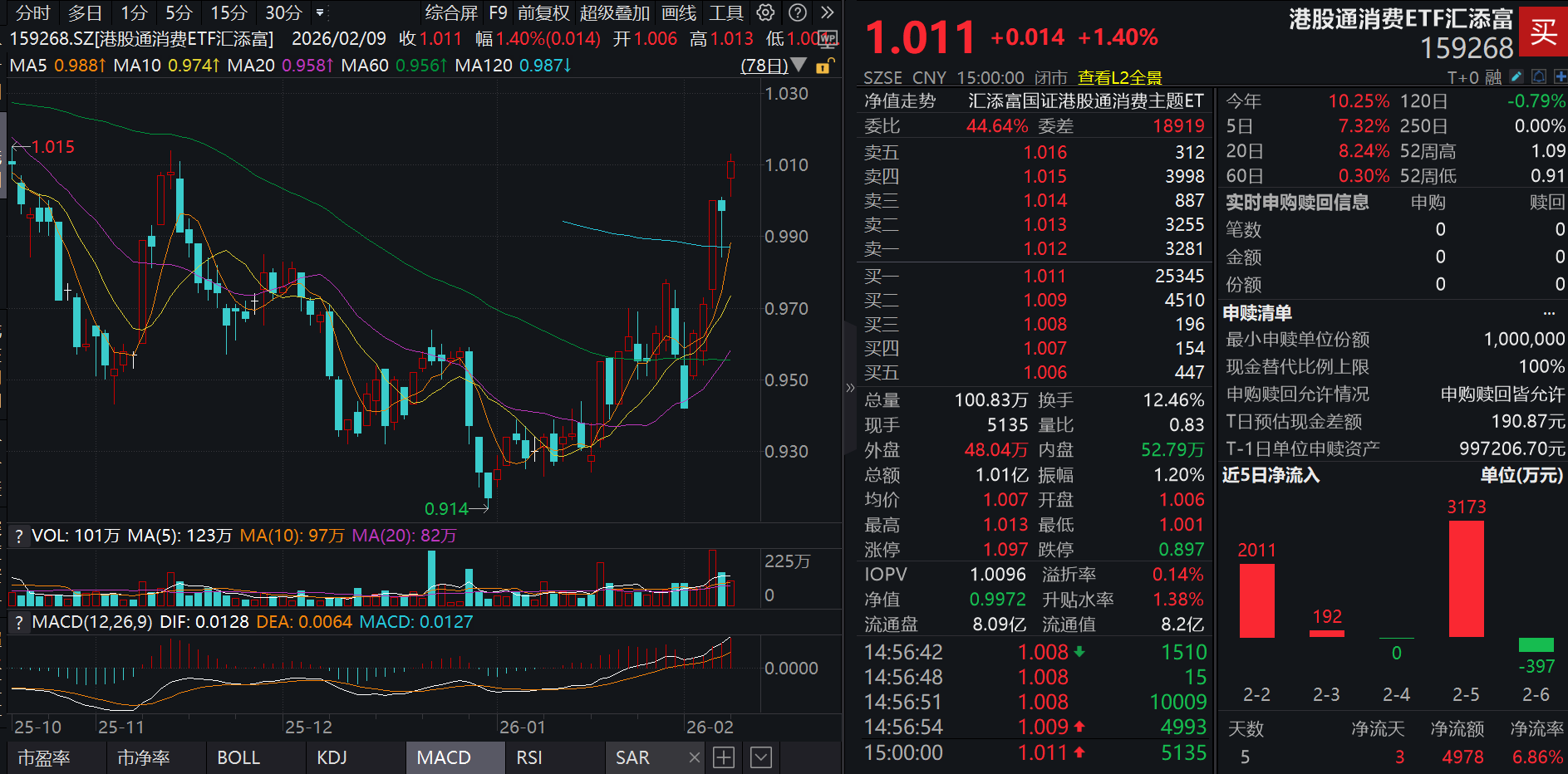
史上最长春节假期有望激活消费热情!港股通消费ETF汇添富(159268)收涨1.4%再创阶段新高!消费ETF(159928)震荡飘红!
Xin Lang Cai Jing· 2026-02-09 07:49
Group 1: Market Performance - The Hong Kong Stock Connect Consumption ETF (159268) rose by 1.4%, reaching a new high, with net inflows of nearly 50 million yuan over the past five days [1] - The A-share leading consumption ETF (159928) experienced a flat trading day with a total transaction volume exceeding 570 million yuan [3] - Popular constituent stocks such as China Duty Free and Pop Mart saw significant gains, with increases of over 8% and 5% respectively [1][3] Group 2: Consumer Trends and Policies - As the Spring Festival approaches, the A-share consumer sector is becoming more active, with expectations for increased retail in gold, travel, and dining services [5] - A new policy for Hainan Free Trade Port allows residents to purchase imported goods tax-free, enhancing consumer sentiment [5] - The "2026 'Happy Shopping Spring' Special Activity Plan" aims to stimulate consumption across various sectors, including digital and green consumption [5] Group 3: Alcohol and Beverage Industry Insights - The price of Moutai has rebounded, with a recent increase from 1570 yuan to 1610 yuan, reflecting a 2.5% rise [6] - The white liquor sector is showing signs of weak recovery, with expectations for a gradual improvement in demand due to better economic forecasts [6][9] - The beer market is projected to face pressure in 2025, but a mild recovery is anticipated in 2026 due to the growth of non-traditional retail channels [6] Group 4: Food and Beverage Sector Developments - The National Standard for Pre-prepared Dishes is under review, which is expected to enhance the development of the pre-prepared food industry [7][10] - The dairy sector is expected to stabilize, with a potential rebound in milk prices as supply and demand reach a turning point [7] - The snack food segment is experiencing growth, driven by the expansion of discount snack stores and innovations in social e-commerce channels [6][7] Group 5: Livestock and Meat Products - The profitability of self-bred pigs has turned negative, with a 26.4% decline in profits from purchased piglets [8] - Prices for white feather chickens and egg-laying hens have shown slight week-on-week declines [8]