
数码

Search documents
惠及超3.6亿人次!2025年以旧换新相关商品销售额超2.6万亿元
Xin Hua Wang· 2026-01-01 08:42
Core Insights - The article highlights the significant impact of the "trade-in" policy on consumer spending and economic growth, projecting a sales volume of over 2.6 trillion yuan by 2025, benefiting more than 360 million people [1] Group 1: Trade-in Policy Impact - By 2025, the trade-in program is expected to result in the sale of over 11.5 million cars, 129 million home appliances, 9.1 million digital products, 120 million home renovation items, and 1.25 million electric bicycles [1] - The retail sales of consumer goods increased by 4.0% year-on-year from January to November, with the trade-in program contributing over 1 percentage point to this growth [1] Group 2: Industry Upgrades - Nearly 60% of traded-in cars are new energy vehicles, leading to a continuous market share of over 50% for new energy passenger cars for nine consecutive months, reaching 59.4% in November [1] - Over 90% of traded-in home appliances are first-class energy efficiency products, indicating a trend towards higher quality and energy-efficient products [1] Group 3: Economic and Environmental Benefits - The recycling of scrapped cars is projected to increase by 24.5% by 2025, resulting in the recycling of approximately 9.6 million tons of steel and 1.3 million tons of non-ferrous metals, which will reduce carbon emissions by about 24.5 million tons [1] - The policy has led to the issuance of over 480 million direct subsidies to consumers since its full implementation in September 2024, promoting the adoption of green, low-carbon, and smart products [2] Group 4: Consumer Behavior and Retail Growth - The trade-in policy has encouraged more consumers to shop in physical stores, leading to increased cross-scenario consumption in leisure, entertainment, and dining [2] - In areas with concentrated home appliance trade-in stores, consumer spending within a 1-kilometer radius has increased by over 30% [2]
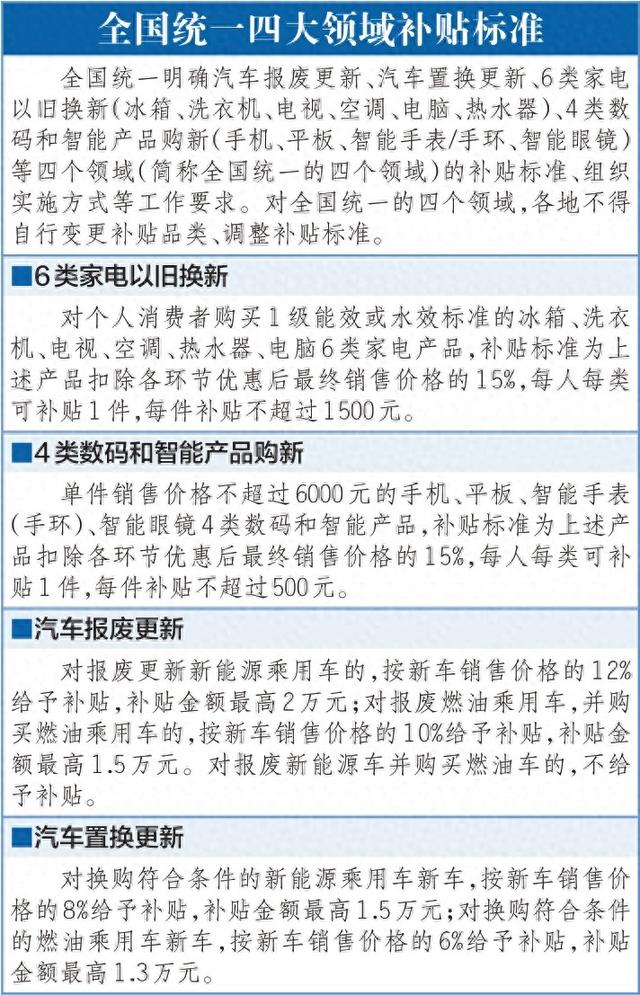
@上海市民:新年家电数码补贴开“摇”!每两周一轮,首轮1月1日启动报名
Sou Hu Cai Jing· 2026-01-01 08:35
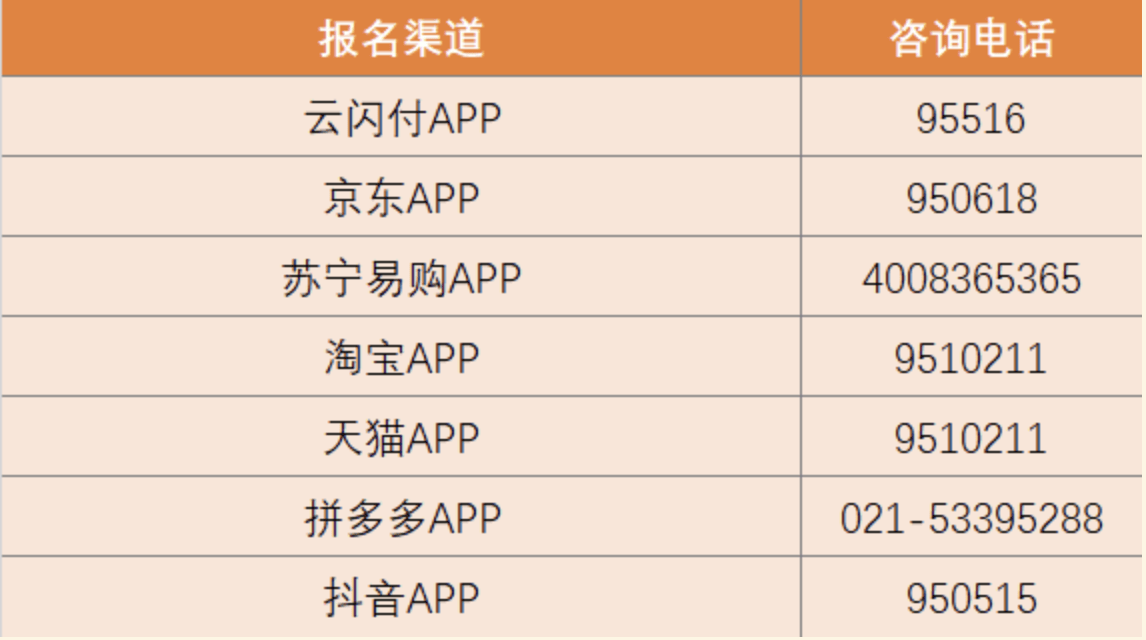
东方网记者程琦1月1日报道: 备受市民关注的家电以旧换新、数码产品购新补贴活动,2026年将继续在上海开展。记者从上海市商务委获悉,新一年的补 贴活动在参与方式上迎来重要变化,将采用"消费者报名、公证摇号、中签发券"的新模式。首轮报名于2026年1月1日上午8点正式开启,为申城市民送上一 份实在的新年福利。 补贴范围不变,最高可省1500元 据市商务委介绍,2026年的补贴范围和标准将与全国保持统一。市民购买符合标准的6类家电产品和4类数码智能产品,可享受最终销售价格15%的补贴。 具体来看,家电产品包括1级能效或水效的冰箱、洗衣机、电视机、空调、热水器、电脑,每件补贴金额最高不超过1500元。数码和智能产品则包括单价不 超过6000元的手机、平板电脑、智能手表(手环)、智能眼镜,每件补贴金额最高不超过500元。 按照规定,2026年内,每位消费者在每个品类下仅可享受一次补贴。 | 报名渠道 | 咨询电话 | | --- | --- | | 云闪付APP | وجو آهي | | 京东APP | 950618 | | 苏宁易购APP | 4008365365 | | 淘宝APP | 9510211 | | ...

2025年消费品以旧换新成效显著
Shang Wu Bu Wang Zhan· 2026-01-01 08:35
Core Insights - The implementation of the old-for-new consumption policy since 2025 has significantly boosted sales and consumer engagement, with over 2.6 trillion yuan in sales benefiting more than 360 million people [1][2] Group 1: Economic Impact - The policy has supported continuous expansion in consumption, with a 4.0% year-on-year growth in social retail sales from January to November, accelerating by 0.5 percentage points compared to the previous year, and contributing over 1 percentage point to total retail sales [1] - The retail sales of home appliances have surpassed 1 trillion yuan, achieving a historical high [1] Group 2: Industry Upgrades - In the automotive sector, nearly 60% of old vehicles replaced were new energy vehicles, leading to a retail market share of over 50% for new energy passenger cars for nine consecutive months, reaching 59.4% in November [1] - Over 90% of home appliances replaced were first-class energy efficiency products, indicating a significant upgrade in product quality [1] - Sales of communication equipment have maintained growth for 11 consecutive months [1] Group 3: Environmental Benefits - The recycling of scrapped vehicles increased by 24.5% in 2025, resulting in the recycling of approximately 9.6 million tons of steel and 1.3 million tons of non-ferrous metals, while reducing carbon emissions by about 24.5 million tons [1] Group 4: Quality of Life Improvement - Since the full implementation of the policy in September 2024, over 480 million direct subsidies have been issued to consumers, facilitating the entry of numerous green, low-carbon, and smart products into daily life [2] - For every two new household cars sold, one has benefited from the old-for-new subsidy, and the replacement of old electric bicycles has exceeded nine times that of 2024 [2] Group 5: Boosting Offline Retail - The policy has led to increased consumer preference for in-store shopping experiences, which in turn has stimulated cross-scenario consumption in leisure, entertainment, and dining [2] - In areas with concentrated home appliance replacement stores, consumer spending within a 1-kilometer radius has increased by over 30% [2]
六类家电单件最高补1500元
Xin Lang Cai Jing· 2026-01-01 06:23
Core Points - The Ministry of Commerce and other departments have announced the subsidy details for 2026, which include a maximum subsidy of 1500 yuan for six categories of home appliances and 500 yuan for four categories of digital and smart products [1][2]. Group 1: Subsidy Standards - A unified subsidy standard has been established for four major areas: automobile scrapping and replacement, home appliance trade-in (including refrigerators, washing machines, televisions, air conditioners, computers, and water heaters), and the purchase of four categories of digital and smart products (mobile phones, tablets, smartwatches/bands, and smart glasses) [2]. - For the six categories of home appliances, the subsidy is set at 15% of the final sales price after discounts, with a maximum of 1500 yuan per item, and each person can receive one subsidy per category [3]. - For the four categories of digital and smart products, the subsidy is also 15% of the final sales price after discounts, with a maximum of 500 yuan per item, and each person can receive one subsidy per category [4]. Group 2: Automobile Subsidies - For scrapping and replacing new energy vehicles, a subsidy of 12% of the new car sales price is provided, with a maximum of 20,000 yuan; for scrapping fuel vehicles and purchasing new fuel vehicles, a subsidy of 10% is available, capped at 15,000 yuan [5]. - For trade-in of new energy vehicles, a subsidy of 8% of the new car sales price is available, with a maximum of 15,000 yuan; for trade-in of fuel vehicles, a subsidy of 6% is provided, capped at 13,000 yuan [6]. Group 3: Implementation and Impact - The Ministry of Commerce reported that in 2025, the implementation of the trade-in and purchase subsidy policies resulted in over 220 million products sold, generating sales exceeding 700 billion yuan and benefiting over 160 million people [7]. - The notification emphasizes the support for physical retail development and the importance of utilizing both online and offline channels for implementing the subsidy policy, particularly ensuring rural residents can access these subsidies [8]. Group 4: Local Autonomy and Funding - In 2026, the central government will continue to allocate long-term special treasury bond funds, allowing local governments to arrange matching funds to support the implementation of the trade-in policies [9]. - Local governments are granted more autonomy to determine subsidy categories, standards, and implementation methods, encouraging support for high-efficiency and environmentally friendly products [9]. Group 5: Consumer Access - Starting January 1, 2026, consumers in Beijing can access the trade-in subsidies through the "Home Appliances and Digital Trade-in Zone" on the JingTong app, with subsidies available for eligible purchases of specified products [10].
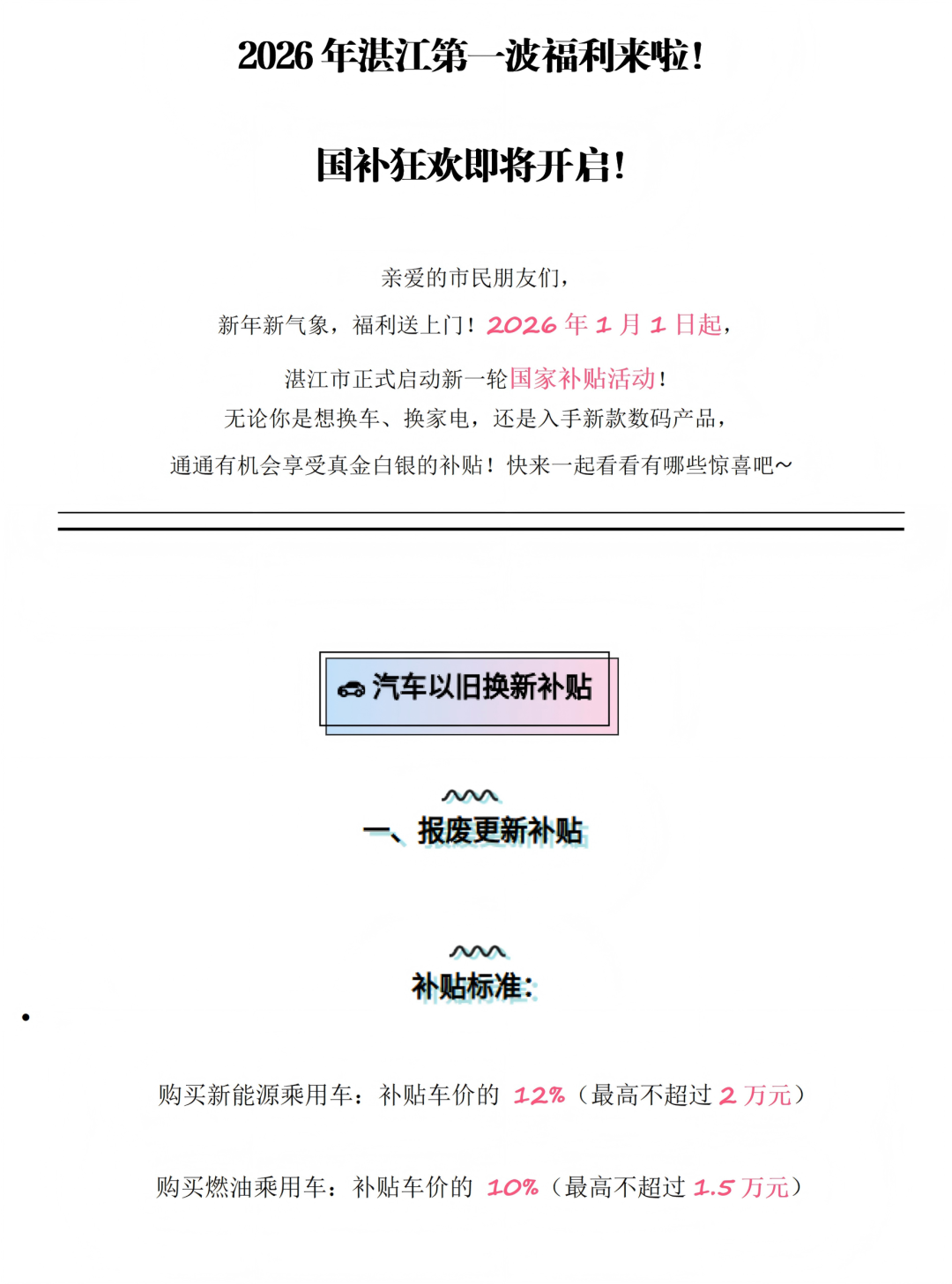
湛江新一轮国补狂欢启动!换新车最高可补2万
Xin Lang Cai Jing· 2026-01-01 05:24
Core Viewpoint - The city of Zhanjiang is launching a new round of national subsidy activities starting January 1, 2026, aimed at encouraging residents to upgrade their vehicles, home appliances, and digital products through financial incentives. Group 1: Automotive Subsidies - The subsidy for purchasing new energy vehicles is 12% of the vehicle price, capped at 20,000 yuan [2] - The subsidy for purchasing fuel vehicles is 10% of the vehicle price, capped at 15,000 yuan [2] - Old vehicles must meet specific conditions, including registration dates and vehicle types, to qualify for the subsidy [8][10] Group 2: Home Appliance Subsidies - Consumers can receive a subsidy of 15% off the final sales price for purchasing energy-efficient home appliances, with a maximum subsidy of 1,500 yuan per item [16][19] - Eligible appliances include refrigerators, washing machines, televisions, air conditioners, computers, and water heaters [16] - Consumers must apply for the subsidy through designated platforms and can only receive one subsidy per product category [17][19] Group 3: Digital Product Subsidies - A subsidy of 15% off the final sales price is available for purchasing digital products such as smartphones, tablets, smartwatches, and smart glasses, with a maximum subsidy of 500 yuan per item [21][22] - The price of each digital product must not exceed 6,000 yuan to qualify for the subsidy [21] - Similar to home appliances, consumers must apply through specific platforms to receive the subsidy [22][39] Group 4: Application Process - Consumers can submit their subsidy applications through platforms like the "Yunshanfu" app or WeChat mini-programs [12][39] - Required documents include vehicle scrapping certificates, vehicle registration documents, and sales invoices [6][12] - The subsidy will be credited to the applicant's bank account upon approval [6][12]
2026新国补来了 625亿元资金已下达到地方
Xin Lang Cai Jing· 2026-01-01 03:17
【#2026新国补来了# 625亿元资金已下达到地方】#2026第一批625亿以旧换新资金已下达#为了做好今 明两年的政策衔接,满足元旦和春节的消费需求,2026年第一批625亿元超长期特别国债支持消费品以 旧换新的资金计划,已经下达到地方。@大象新闻 象北京栏目记者了解到,消费品以旧换新方面,支 持汽车以旧换新,家电以旧换新。聚焦冰箱、洗衣机、电视、空调、电脑、热水器等6类产品;支持数 码和智能产品购新,包括手机、平板、智能手表(手环)、智能眼镜、智能家居产品(含适老化家居产 品)。优化实施方式,提升重点消费品"得补率"。#象·北京# (来源:微博沧州) ...
今年继续汽车家电以旧换新 数码和智能产品购新补贴活动
Jie Fang Ri Bao· 2026-01-01 02:12
据介绍,家电以旧换新、数码和智能产品购新补贴活动,第一轮报名时间为2026年1月1日8时至5日 20时,发券时间为1月7日12时至24时,核销时间为自补贴资格券到账后14天。后续每轮报名时间和相关 安排在"上海商务"微信公众号上另行公布。 补贴范围及标准方面,按照全国统一的品类和标准,对个人消费者购买1级能效或水效标准的冰 箱、洗衣机、电视、空调、热水器、电脑6类家电产品,以及单件销售价格不超过6000元的手机、平 板、智能手表(手环)、智能眼镜4类数码和智能产品给予补贴。补贴标准为上述产品扣除各环节优惠 后最终销售价格的15%,每人每类可补贴1件,其中,家电产品每件补贴不超过1500元,数码和智能产 品每件补贴不超过500元。 另据上海市商务委介绍,自2026年1月1日(含当日,下同)起(以《机动车销售统一发票》载明的 开票日期为准),按照"个人消费者报名、公证摇号、中签获取资格"方式,开展上海市汽车报废更新和 置换更新补贴活动。个人消费者凭在上海市开具的有效《机动车销售统一发票》参加报名。经公证摇号 取得资格的个人消费者,可按规定提交报废更新或置换更新补贴申请。未经公证摇号取得资格的个人消 费者,其补贴申 ...
2025年浙江以旧换新销售额逾3000亿元
Xin Hua Wang· 2026-01-01 01:16
Core Insights - The province's consumer goods trade-in program is projected to achieve over 300 billion yuan in sales by 2025, benefiting approximately 19 million people and promoting green, intelligent, and low-carbon products [1][2] Group 1: Policy Implementation - In 2026, the province will continue and optimize the consumer goods trade-in policy, focusing on upgrading consumption and improving livelihoods [1] - The policy will target high-demand sectors such as automobiles, home appliances, and 3C digital products, with a specific emphasis on popular items like air conditioners, refrigerators, and televisions [1] Group 2: Green and Intelligent Products - The 2026 policy will expand subsidies to include emerging fields like smart terminals, including AI glasses, to foster new consumption growth points and accelerate the adoption of green and intelligent products [1] Group 3: Support for Rural Areas and Offline Entities - The policy will enhance support for offline entities and rural areas, promoting balanced development between online and offline channels [2] - Initiatives like "new energy vehicles to the countryside" and "home appliances to the countryside" will continue to ensure rural residents benefit equally from policy advantages [2] Group 4: Funding and Implementation Stability - National subsidy funds will be allocated on a monthly basis to ensure stable and orderly implementation of the policy, avoiding fluctuations [2]
我省实施2026年家电、手机等数码产品换新政策
Hai Nan Ri Bao· 2026-01-01 00:27
Core Points - The Hainan Provincial Government has implemented a new subsidy policy for the replacement of home appliances and digital products starting January 1, 2026, offering a 15% subsidy based on the final sales price of eligible products [1][2] - The subsidy covers six categories of home appliances, including refrigerators, washing machines, televisions, air conditioners, computers, and water heaters, with a maximum subsidy of 1,500 yuan per item [1] - For digital products, including smartphones, tablets, smartwatches, and smart glasses, the subsidy is also 15% of the final sales price, with a maximum of 500 yuan per item [1] Subsidy Details - The subsidy is available to individual consumers, with each consumer eligible for one subsidy per product category [1] - The China UnionPay Cloud Flash Payment platform has been selected as the provincial service platform for the subsidy program [1] - Consumers can apply for the subsidy through the Cloud Flash app, completing a verification process before making purchases either online or in physical stores [2] Application Process - For offline shopping, consumers must download the Cloud Flash app, bind their bank card, and complete real-name verification to apply for the subsidy [2] - For online shopping, the same app and verification process apply, allowing consumers to pay only the amount after the subsidy is deducted [2] - For inquiries regarding the subsidy details, consumers can contact the local business administration or call 95516 [2]
2026年汽车、家电以旧换新补贴细则发布
Xin Hua She· 2026-01-01 00:24
同日,商务部等部门发布关于做好2026年家电以旧换新、数码和智能产品购新补贴工作的通知:2026年 1月1日起,按照全国统一的品类和标准,对个人消费者购买1级能效或水效标准的冰箱、洗衣机、电 视、空调、热水器、电脑6类家电产品,以及单件销售价格不超过6000元的手机、平板、智能手表(手 环)、智能眼镜4类数码和智能产品给予补贴。补贴标准为上述产品扣除各环节优惠后最终销售价格的 15%,每人每类可补贴1件,其中,家电产品每件补贴不超过1500元,数码和智能产品每件补贴不超过 500元。 来源:新华社 据新华社电 商务部等部门昨日发布关于2026年汽车以旧换新补贴实施细则,明确参与申领2026年汽车 报废更新补贴旧车的注册登记时间,相比2025年进一步扩大支持范围。 2026年汽车报废更新中,若参与申领补贴的报废旧车为汽油乘用车,则其注册登记时间应在2013年6月 30日(含当日,下同)之前;若参与申领补贴的报废旧车为柴油及其他燃料乘用车,则其注册登记时间 应在2015年6月30日之前;若参与申领补贴的报废旧车为新能源乘用车,则其注册登记时间应在2019年 12月31日之前。报废更新最高补2万元,置换更新最高补1 ...