博物馆

Search documents
机制创新激发内生动力 让博物馆更有看头
Yang Shi Wang· 2025-11-04 23:02
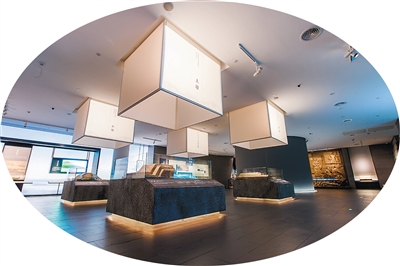
Core Insights - The implementation of the "Several Policy Measures for Promoting High-Level Opening and High-Quality Development of Provincial Museums" by Jiangsu Province has led to significant growth in museum attendance and cultural product sales [1] Group 1: Museum Attendance and Revenue - Jiangsu Province's two provincial museums, Nanjing Museum and Yangzhou Grand Canal Museum, received a total of 11.219 million visitors over the past year, representing a year-on-year increase of 8.7% [1] - The introduction of over 1,700 new cultural and creative products resulted in total cultural revenue of 290 million yuan [1] Group 2: Policy Implementation and Impact - All 13 prefecture-level cities in Jiangsu Province have followed suit by implementing reform policies, contributing to a surge in the development of the museum sector [1]
“金陵图数字艺术展”为全球博物馆智能发展提供“中国方案”
Zhong Guo Xin Wen Wang· 2025-11-04 12:47
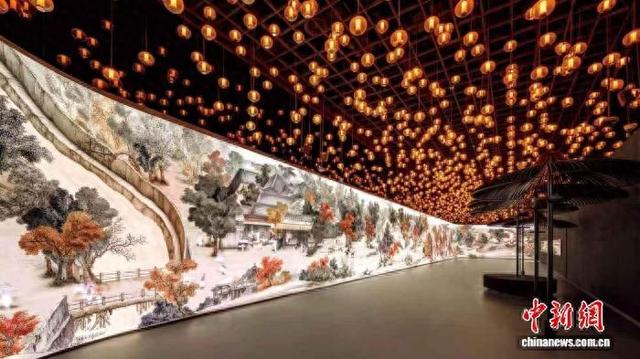
Core Viewpoint - The 43rd UNESCO General Conference is taking place in Samarkand, Uzbekistan, from November 4 to November 13, showcasing the "Jinling Map Digital Art Exhibition" by the Deji Art Museum, which highlights innovative practices in revitalizing Chinese cultural heritage through digital technology [1][4]. Group 1: Exhibition Highlights - The "Jinling Map," created by Qing Dynasty painter Feng Ning, is a significant cultural artifact depicting various aspects of life in Nanjing, including 533 human figures, 90 animals, and bustling commercial activities, showcasing high historical and cultural value [3][4]. - The Deji Art Museum has developed an interactive exhibition model called "Real-time Follow-up of Characters," allowing visitors to engage with the exhibition by selecting virtual characters that accompany them through the historical narrative of the painting [4][6]. Group 2: International Recognition - The International Council of Museums (ICOM) General Director praised the Deji Art Museum's creative solutions for attracting younger audiences, suggesting that such innovative practices should be shared widely within the international museum community [6]. - The exhibition has been invited to participate in cultural exchange activities, including the "China Nanjing Week" in Boston in 2023 and a presentation in Paris in 2024, marking the 60th anniversary of Sino-French diplomatic relations [6][8]. Group 3: Future Vision - The Deji Art Museum aims to provide a "Chinese solution" for the digital transformation of cultural heritage, emphasizing the importance of understanding the balance between humanity, nature, and urban life through the lens of ancient art [8].

以更主动姿态参与全球文博治理体系 上博明年将重点推进在埃及塞赫迈特神庙的考古发掘工作
Jie Fang Ri Bao· 2025-11-04 01:35
Core Points - The opening of the Grand Egyptian Museum is celebrated by Chinese President Xi Jinping, highlighting the successful "Ancient Egyptian Civilization Exhibition" held at the Shanghai Museum and ongoing archaeological collaboration between China and Egypt [1] - The Shanghai Museum is recognized as a significant platform for cultural exchange, aiming to enhance cultural identity and confidence through exhibitions and educational initiatives [2] - The museum plans to implement its "14th Five-Year Plan" and "Great Museum Plan 2.0," focusing on deepening the understanding of Chinese civilization and optimizing public services [3] - Future expansions of the museum include the construction of new branches to enhance its capacity and international influence, with an expected annual visitor count exceeding ten million [4] - The museum aims to establish a long-term cooperative framework for archaeological research and cultural exchange, particularly in Egypt, to showcase Chinese archaeological achievements [5]
德基艺术博物馆“金陵图数字艺术展”受邀参加第43届联合国教科文组织大会
Nan Jing Ri Bao· 2025-11-03 11:12
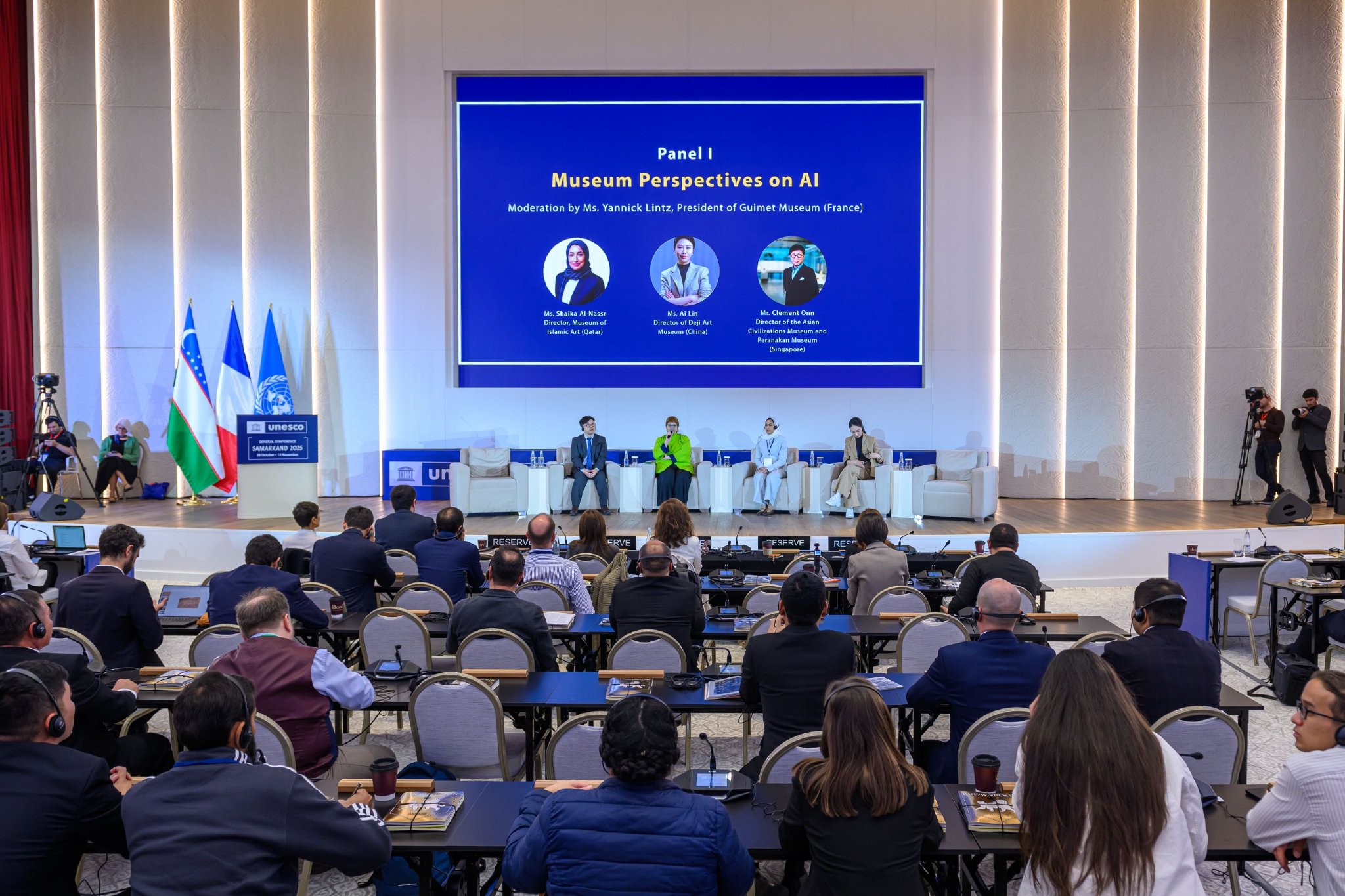
Core Insights - The integration of digital technology, particularly artificial intelligence (AI), is transforming the way cultural heritage is preserved and presented, enabling museums to engage audiences in innovative ways [1][3][19] Group 1: AI in Museums - The 43rd UNESCO Conference will feature discussions on the role of AI in museums, highlighting its impact on research, collection, preservation, and interpretation of cultural heritage [1] - Key figures from the global museum community emphasize the need for ethical guidelines in the use of AI, ensuring it aligns with human values and cultural diversity [3][4] - Museums are seen as vital spaces for dialogue and empathy, with AI applications needing to respect human rights and local knowledge [4] Group 2: Case Studies and Innovations - The Deji Art Museum's "Jinling Map Digital Art Exhibition" exemplifies how digital technology can revitalize cultural heritage, transforming it into an accessible contemporary experience [10][15] - The exhibition features an interactive model where visitors can engage with historical figures from the artwork, enhancing their understanding of ancient Chinese culture [14][15] - Other museums, such as the Qatar Islamic Art Museum, are implementing AI for personalized visitor experiences and enhancing the accessibility of their collections [8][10] Group 3: Global Recognition and Future Directions - The innovative practices of the Deji Art Museum have garnered international attention, with experts praising its ability to attract younger audiences and inspire global cultural exchange [18][19] - The museum's approach is seen as a model for integrating digital technology in cultural heritage, contributing to a broader dialogue on the future of museums in the digital age [19] - The ongoing evolution of museums through AI and other technologies is reshaping cultural narratives and enhancing public engagement with history [19]
北京博物馆学会成立40周年 各界共话文博行业发展方向
Zhong Guo Xin Wen Wang· 2025-11-03 07:52
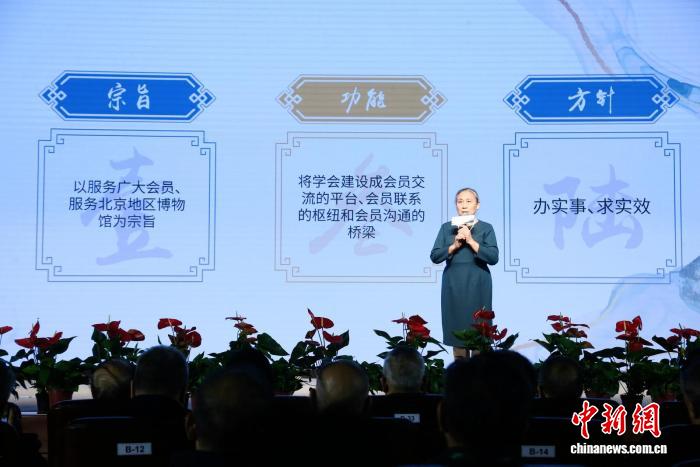
Core Points - The Beijing Museum Association celebrated its 40th anniversary, reflecting on its contributions to the cultural heritage sector and discussing future directions for high-quality development in the industry [1][2][4]. Group 1: Historical Context and Achievements - The association was established in July 1985 and has consistently worked according to its charter, receiving positive feedback from relevant management institutions [1]. - Over the past 40 years, the association has focused on promoting academic research in the Beijing region, organizing various academic seminars to address new opportunities and challenges in the museum sector [1][2]. Group 2: Publications and Resources - The association has published nine volumes of the "Beijing Museum Yearbook," which serves as a documentary tool for regional museum development [2]. - It has also produced reports and manuals to enhance the professional standards of museum personnel in Beijing, including the "Beijing Regional Museum Development Report (2019-2020)" [2]. Group 3: Leadership and Future Directions - The association's president emphasized its evolution from a small industry group to a significant platform connecting cultural heritage professionals, focusing on service and bridging public engagement with cultural relics [2]. - The chairman of the China Museum Association highlighted the association's role in leveraging Beijing's unique advantages to lead and demonstrate progress in the national museum sector [4].
中国改革现场丨破解“干多干少一个样” 江苏如何改写博物馆的“机制方程式”?
Yang Guang Wang· 2025-11-03 03:38
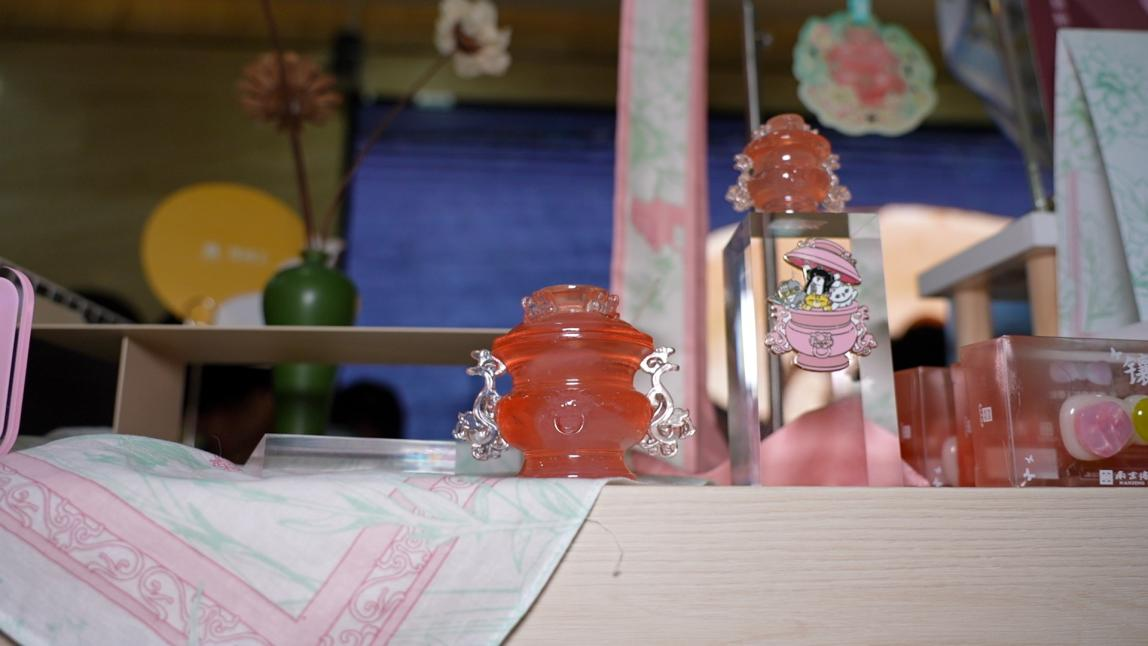
Core Viewpoint - The "museum fever" in China is leading to increased public demand for high-quality cultural services, which in turn is creating operational pressures for museums, including staffing challenges and rising costs [1][3][6]. Group 1: Operational Challenges - Museums are facing tight staffing schedules, increased costs for night operations, and higher investments in cultural product development [1][3]. - The public's growing demand for quality cultural services is putting pressure on museums' human resources and operational funding [6][19]. Group 2: Policy Innovations - Jiangsu province has implemented the "Two High" policy to stimulate internal motivation within museums, allowing for the support of paid special exhibitions and innovative cultural products [3][7]. - The policy encourages museums to develop more temporary exhibitions and cultural products while ensuring that the revenue generated is reinvested into museum development [7][8]. Group 3: Revenue and Incentive Mechanisms - The "Two High" policy specifies that over 70% of net revenue from cultural products should be used for museum development, with a maximum of 30% allocated for personnel incentives [8][9]. - A performance evaluation mechanism has been established to link the assessment results directly to the total performance salary, ensuring dynamic adjustments based on service effectiveness [8][9]. Group 4: Impact of Cultural Products - The Nanjing Museum's "Little Pink Furnace" refrigerator magnet has sold 840,000 sets, generating over 50 million yuan in revenue, showcasing the success of cultural products [2][19]. - Jiangsu's museums have launched 1,046 themed exhibitions in one year, with an average of nearly three new exhibitions daily, reflecting the vibrant cultural scene [19]. Group 5: Future Directions - Jiangsu plans to enhance performance salaries based on the revenue from extended service hours, ensuring timely benefits for staff [19]. - The reforms aim to transform museums from static "cultural warehouses" to dynamic "creative workshops," fostering a cultural and economic synergy [19].
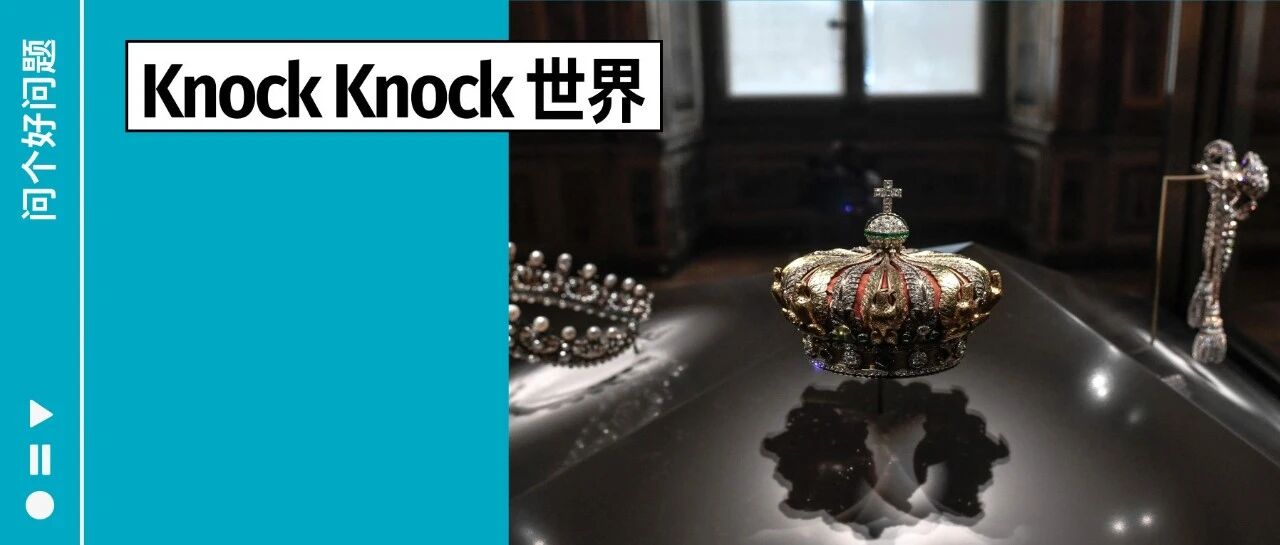
卢浮宫盗窃案震惊世界,为什么古老的博物馆安保难? | Knock Knock 世界
声动活泼· 2025-11-01 08:02
Group 1: Modern Zoos and Animal Protection - The World Association of Zoos and Aquariums emphasizes that the goal of modern zoos is animal protection, contrasting with traditional zoos that often exploit animals for entertainment [2][3] - A significant behavioral shift has been observed in animals, such as bears in Beijing Zoo transitioning from begging for food to hibernating, indicating a move towards more natural behaviors [2] - Modern zoos aim to protect not just rare species but also their habitats, with statistics showing that breeding programs in zoos have positively impacted the populations of 16 out of 64 endangered vertebrate species [3] Group 2: Impact of Trade Wars on Agriculture - China's annual demand for soybeans exceeds 100 million tons, making it the world's largest soybean importer, primarily sourcing from the U.S. [4] - In response to U.S. tariffs, China and the EU have shifted their soybean imports to Brazil, raising concerns about the impact on Brazil's tropical rainforests [4][5] - The "Soy Moratorium" agreement in Brazil, established in 2006, prohibits purchasing soybeans sourced from deforested areas of the Amazon, but recent agricultural expansion poses risks to this initiative [5][6] Group 3: Security Issues in Museums - A recent theft at the Louvre involved four thieves stealing nine pieces of jewelry in just seven minutes, highlighting significant security vulnerabilities in major museums [6][7] - The Louvre's security challenges stem from its historical architecture, which prioritizes aesthetics over security, complicating modern protective measures [9][10] - With over 8 million annual visitors and 400 exhibition halls, the Louvre faces immense demands on its security resources, raising questions about the adequacy of current measures [10]
“火焰蓝”的承诺:守护故宫平安
Ren Min Ri Bao· 2025-10-29 22:41
Core Points - The article highlights the importance of fire safety in the Palace Museum, emphasizing the role of the special firefighting team in protecting this historical site [1][2][3] - The firefighting team has maintained a zero-fire record for over half a century, showcasing their commitment to safeguarding the cultural heritage of the Palace Museum [2][3] - Modern technology and traditional methods are combined to ensure fire prevention and emergency response, with a focus on tailored fire rescue plans for each of the 126 courtyards within the museum [3][4] Group 1: Fire Safety Operations - The firefighting team conducts daily inspections and checks for fire hazards, ensuring safety before the museum opens to the public [1][2] - The team has developed a comprehensive firefighting strategy that includes real-time monitoring and emergency response plans tailored to the unique structure of the museum [3][4] - Regular training and drills are conducted to prepare for various emergency scenarios, enhancing the team's readiness and response capabilities [4] Group 2: Historical Significance and Cultural Preservation - The Palace Museum is recognized as the largest and best-preserved wooden structure ancient palace complex in the world, symbolizing Chinese civilization [1] - The firefighting team's efforts are not only about preventing fires but also about preserving the cultural heritage and historical significance of the museum [2][3] - The team integrates modern technology with traditional fire prevention practices, ensuring the safety of both the museum's artifacts and its visitors [3][5]
法国参议院官员:卢浮宫安保措施不合规范
Yang Shi Xin Wen· 2025-10-28 13:39
Core Points - The security management of the Louvre Museum is deemed inadequate and requires significant improvements according to Laurent Lafon, the chairman of the French Senate's Cultural Committee [1] - A robbery occurred on October 19, where four masked individuals infiltrated the museum and stole nine pieces of jewelry, including a crown belonging to Empress Eugénie, which has since been recovered [1] - Two suspects involved in the robbery were arrested on October 25, with their detention expected to conclude by the evening of October 29 [1]
从“郊区小馆”到观众云集(你所不知道的一级馆)
Ren Min Ri Bao Hai Wai Ban· 2025-10-27 23:04
Core Insights - The article highlights the transformation of the Shanghai Fengxian District Museum from a lesser-known local museum to a nationally recognized first-class museum, attracting hundreds of thousands of visitors annually [8][14]. Museum Development - The museum was established in the 1960s and opened a new building in 2019, receiving the national first-class museum designation in 2024 [8]. - It has developed a unique path for small and medium-sized museums, focusing on local history and culture [8][14]. Exhibitions and Visitor Engagement - The museum features two permanent exhibitions: the Historical Exhibition Hall and the Haitang Cultural Hall, showcasing the region's history from the Neolithic era to modern times [9][10]. - Recent exhibitions, such as the "Deep in the Dew" Tang Dynasty Life Aesthetics Exhibition, attracted over 400,000 visitors in four months, with more than 500 educational activities conducted [13][15]. Archaeological Findings - Significant archaeological discoveries at the Zhelin site include artifacts from the Liangzhu culture, showcasing the area's historical significance [10][11]. - The museum displays a collection of Song Dynasty porcelain, providing valuable insights into maritime trade during that period [12]. Educational Initiatives - The museum has launched various educational programs, including "Our Festival," "Little Docents," and "Fengbo Lectures," engaging over 400,000 participants in various activities [16]. - It has established a cultural exchange platform and collaborates with other institutions to enhance its educational offerings [16][17]. Future Plans - The museum is set to host the "Shangshan Ruo Shui - 2025 Shanghai International Paper Art Biennale," featuring works from nearly 100 artists across 27 countries [17]. - The museum aims to continue enhancing its exhibitions and services, promoting cultural value and community engagement [17].