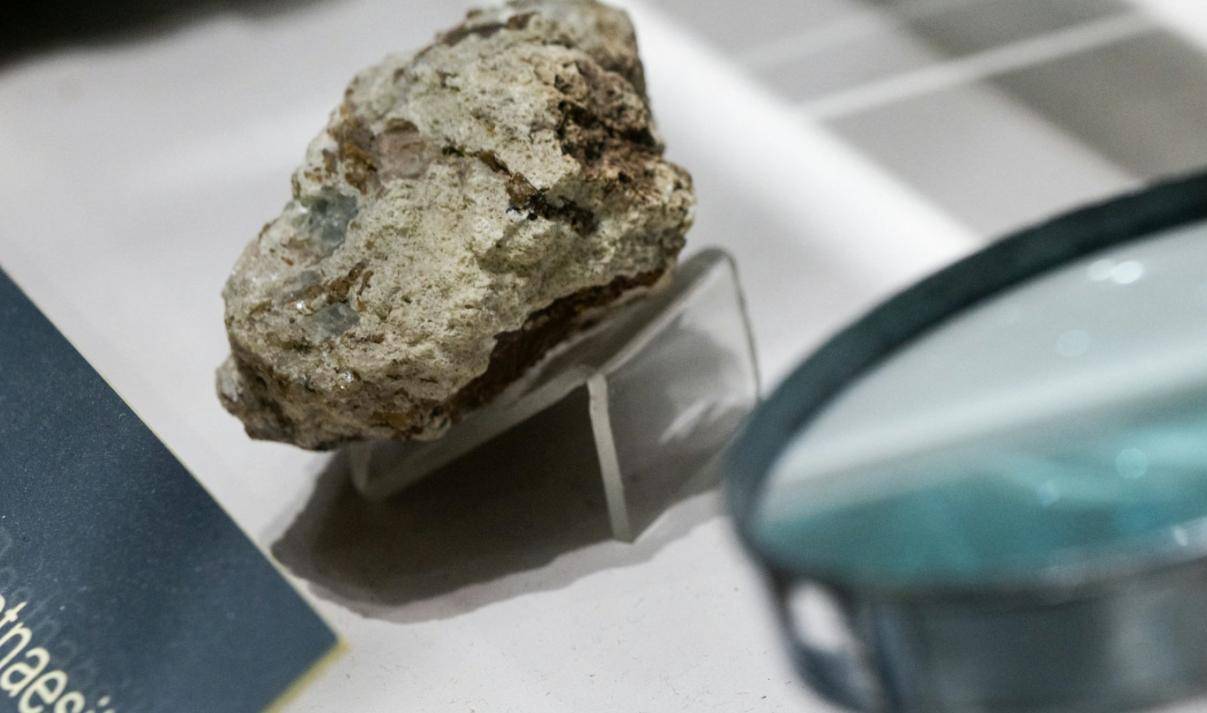
稀土

Search documents
近十年合作一朝反目?盛和资源被单方面“分手”
Shen Zhen Shang Bao· 2026-02-02 14:05
Core Viewpoint - A nearly decade-long overseas investment cooperation between Shenghe Resources and ETM is approaching a breakdown, as ETM unilaterally announced the termination of their strategic partnership established in 2016 [1][2]. Investment Details - In September 2016, Shenghe Resources and its subsidiary, Leshan Shenghe Rare Earth Co., signed a share subscription agreement with Greenland Minerals and Energy Ltd, agreeing to subscribe for 125 million ordinary shares at AUD 0.037 per share, totaling AUD 4.625 million (approximately CNY 23.59 million) [1]. - Following the completion of the share issuance, Leshan Shenghe held 12.5% of Greenland's total issued shares and obtained a non-executive director seat [1]. Developments and Changes - The investment received approvals from the Australian Foreign Investment Review Board in November 2016 and from Greenland's special shareholders meeting in December 2016, with the transaction completed on December 13, 2016 [2]. - Since the investment, Greenland has undergone multiple rounds of share issuance and has changed its name to Energy Transition Minerals Ltd (ETM) [2]. - As of January 2024, Shenghe exercised its anti-dilution rights to subscribe for an additional 4.367 million shares, holding a total of 129 million shares in ETM, representing approximately 6.5% ownership [2]. Current Situation - ETM recently announced the unilateral termination of the strategic partnership and claimed that Shenghe's "top-up rights" have expired, planning to formally confirm this with the Australian Stock Exchange [2]. - Shenghe does not agree with ETM's position and intends to maintain communication and potentially pursue legal action to protect its rights [2]. Financial Impact - Shenghe has assessed that the situation is not expected to have a significant impact on its operations, with a cumulative investment of CNY 24.34 million in ETM, which is classified as other equity investments [3]. - The fair value of the investment has appreciated, contributing approximately CNY 17.22 million to other comprehensive income as of September 30, 2025 [3]. - ETM's Kvanefjeld rare earth project has not yet obtained mining rights, and the company has not engaged in substantial production activities, which mitigates potential negative impacts on Shenghe's business [3]. Performance Outlook - Shenghe Resources projects a net profit attributable to shareholders for 2025 between CNY 790 million and CNY 910 million, representing a year-on-year growth of 281.28% to 339.20% [3]. - The expected net profit excluding non-recurring items is projected to be between CNY 765 million and CNY 885 million, indicating a year-on-year increase of 285.86% to 346.38% [3]. Market Reaction - On February 2, 2024, Shenghe's stock price fell by 9.91%, closing at CNY 24.35 per share, with a total market capitalization of CNY 42.681 billion [4].

事关格陵兰岛稀土矿,A股稀土龙头遭遇利空!公司回应
Mei Ri Jing Ji Xin Wen· 2026-02-02 13:20
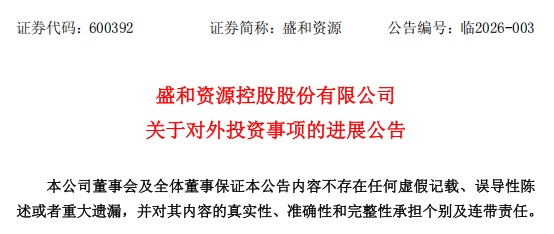
2月2日, 盛和资源 (600392)股价逼近跌停,市值回退至426.81亿元。 当晚,公司就格陵兰公司单方面宣布终止战略合作,并取消公司增持权一事发布公告。 而公司实施本项目是为了拓展中国以外的稀土资源,延伸在中国以外的稀土产业链,优化公司业务区域布局。 增发完成后,乐山盛和拥有格陵兰公司全部已发行股份的12.5%,并获得一名非执行董事席位。此后,格陵兰公司先后进行了多轮股份增发并完成了公司更 名(简称"ETM公司")。 时间来到2024年1月,盛和资源通过行使反稀释权利认购ETM公司发行普通股股份436.7276万股,并表示,截至目前,公司通过控股子公司合计持有1.29亿 股ETM公司普通股股份,持股比例约为6.5%。 公告显示,2016年,盛和资源以及控股子公司乐山盛和与格陵兰矿物能源有限公司(以下简称格陵兰公司)签署《股份认购协议》,约定乐山盛和认购格陵 兰公司增发的1.25亿股普通股,总计认购价款462.5万澳元(约人民币2250万元)。 据盛和资源彼时公告,格陵兰公司主要业务是矿产资源的勘探和开采,通过全资子公司GME拥有的位于格陵兰岛南部的科瓦内湾项目,目前已完成可行性 研究报告、社会与环境影响 ...


事关格陵兰岛稀土矿,A股稀土龙头遭遇利空:参股公司声称其“增持权”已失效
Mei Ri Jing Ji Xin Wen· 2026-02-02 12:32
每经编辑|许绍航 2月2日,盛和资源(600392)股价逼近跌停,市值回退至426.81亿元。 当晚,公司就格陵兰公司单方面宣布终止战略合作,并取消公司增持权一事发布公告。 增发完成后,乐山盛和拥有格陵兰公司全部已发行股份的12.5%,并获得一名非执行董事席位。此后,格陵兰公司先后进行了多轮股份增发并完成了公司 更名(简称"ETM公司")。 公告显示,2016年,盛和资源以及控股子公司乐山盛和与格陵兰矿物能源有限公司(以下简称格陵兰公司)签署《股份认购协议》,约定乐山盛和认购格 陵兰公司增发的1.25亿股普通股,总计认购价款462.5万澳元(约人民币2250万元)。 据盛和资源彼时公告,格陵兰公司主要业务是矿产资源的勘探和开采,通过全资子公司GME拥有的位于格陵兰岛南部的科瓦内湾项目,目前已完成可行 性研究报告、社会与环境影响评估,递交了采矿证申请。 | 边界品位 | 资源量 | 矿石重 | TREO 品位(%) | U:Os 品位 | TREO 息量 | U2Ox息量 | | --- | --- | --- | --- | --- | --- | --- | | (U3Os) (自万吨) | 类别 | | ...
美股稀土概念股盘前快速拉升,MP Materials、USA Rare Earth涨超4%
Mei Ri Jing Ji Xin Wen· 2026-02-02 12:28
每经AI快讯,2月2日,美股稀土概念股盘前快速拉升,MP Materials、USA Rare Earth涨超4%,Critical Metals涨超3%。 (文章来源:每日经济新闻) ...
美股稀土概念股盘前快速拉升
Ge Long Hui A P P· 2026-02-02 12:26
格隆汇2月2日|特朗普启动120亿美元矿产储备,美股稀土概念股盘前快速拉升,MP Materials、USA Rare Earth涨超4%,Critical Metals涨超3%。 ...
石化产业指数延续调整,化工行业ETF易方达(516570)等产品持续受资金关注
Sou Hu Cai Jing· 2026-02-02 11:10
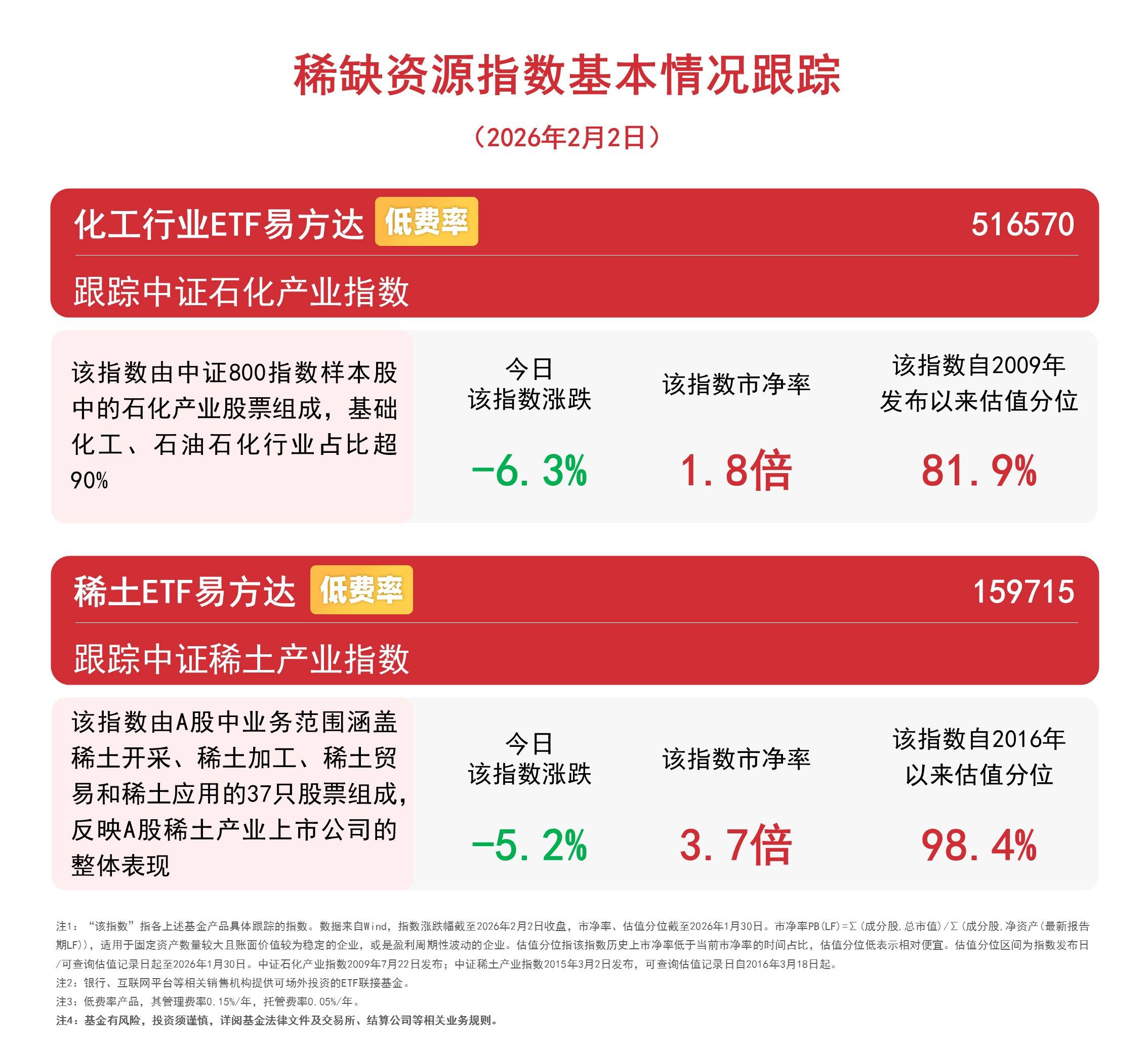
截至收盘,中证稀土产业指数下跌5.2%,中证石化产业指数下跌6.3%。资金近期持续加仓相关ETF,Wind数据显示,截至上周五,化工行业ETF易方达 (516570)已连续11个交易日"吸金",合计超11亿元。 展望后市,光大证券表示,坚守上游油服、化工龙头、国产化三条主线,主要原因是1月行业表现与宏观数据共振,化工景气度回升趋势确立;政策导向推 动供给侧优化,龙头企业竞争优势凸显;化工行业呈现"东升西落",我国化工企业全球竞争力持续增强;资本开支节奏放缓,盈利弹性有望随产能释放而显 现。 每日经济新闻 ...
取消稀土价格下限?对华出招还未见效,美国人自己就要扛不住了
Sou Hu Cai Jing· 2026-02-02 08:39
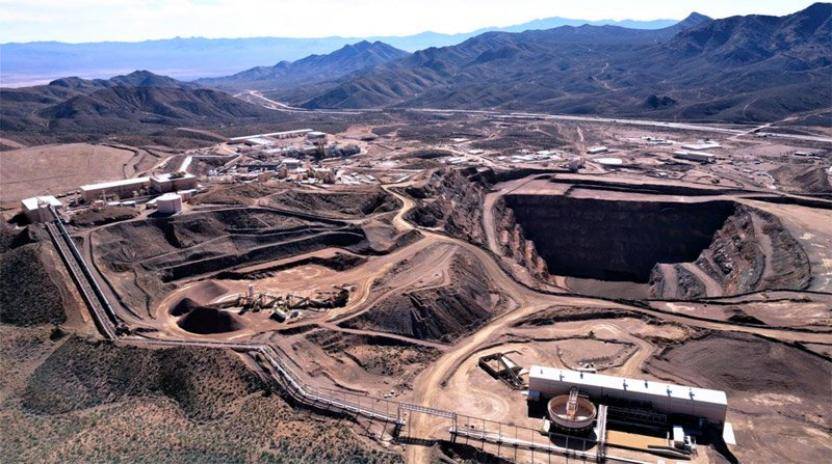
路透社援引多位消息人士的报道,特朗普政府计划放弃为美国关键矿产项目提供最低价格保障计划,而这一决定背后 蕴藏的深意却耐人寻味。是美国体制在中美博弈的关键领域失去了掌控力,还是整个西方国家在利益分配上早已陷入 无法调和的困局? 需要特别强调的是,取消稀土价格下限一事目前尚无定论。尽管路透社的报道具有一定权威性,但也应意识到,背后 可能还存在各方势力的博弈与拉锯。就拿这次取消稀土价格下限的议题来说,特朗普政府与稀土企业之间的博弈显然 没有停止过。例如,美国能源部助理部长罗伯逊与美国商务部副助理部长克鲁恩都曾明确表示,政府不应依赖这些支 持政策,但这些部门的表态很快被相关机构否定,而最终的决策仍然扑朔迷离。或许,这一消息是美国企业通过故意 放出的风声,以此对政府施压,也不无可能是白宫主动释放出的烟雾弹,试图为争取在稀土这一战略性领域获得更多 支持。 从中国精准反制稀土到中美防护栏,再到产业竞争与商业博弈,这一切都体现出大国博弈的复杂性。在这个时代,竞 争与合作往往是相互交织且可以互相转化的。如果特朗普政府能够长期采取理智务实的立场处理与中国的关系,双方 的合作将大有可为,美国也无需在一个细枝末节的问题上消耗精力。只 ...
创纪录!印度加大投资制造业和基建应对关税挑战,但市场反应冷淡
Guan Cha Zhe Wang· 2026-02-02 08:08
这一年来,印度经济面临的压力不小。 印度政府经济调查显示,2025-26财年印度GDP预计增长7.4%,较上一财年的6.5%有所提升。但受外部 不确定性影响,2026-27财年增速预计将放缓至6.8%-7.2%区间。 【文/观察者网 柳白】 在全球贸易摩擦升温、美国对印度商品加征高额关税的背景下,印度政府抛出了新一财年预算案,而基 建占据了这份预算的核心位置。 当地时间2月1日,印度财政部长西塔拉曼提交了从4月开始的新一财年预算,将基础设施资本开支提高 9%至12.2万亿卢比(约合9249亿元人民币),创下历史新高,并同步加码半导体、稀土、数据中心等 战略产业投入。 不过,市场反应并不完全买账。由于预算案缺乏雄心勃勃的改革计划,以及政府宣布将提高衍生品交易 税,导致印度股市在当天预算提案公布的特别交易日中下跌近2%,创下六年来预算案公布日的最差表 现。 "印度想减少对华稀土依赖" 《日经新闻》指出,美国去年8月对印度商品加征50%关税,并对印度购买俄罗斯石油额外征收25%惩 罚性关税,是导致印度经济增速承压的重要因素。英国广播公司(BBC)预测,若美国关税政策长期延 续,将对印度出口贸易造成更大冲击。 202 ...

中国稀土跌5.90%,成交额25.78亿元,近3日主力净流入-4.15亿
Xin Lang Cai Jing· 2026-02-02 07:45
Core Viewpoint - The Chinese rare earth market experienced a decline of 5.90% on February 2, with a trading volume of 2.578 billion yuan and a turnover rate of 4.65%, resulting in a total market capitalization of 54.143 billion yuan [1]. Company Overview - The company primarily engages in the production and operation of rare earth oxides and provides rare earth technology research and consulting services [2][8]. - The main products include high-purity single rare earth oxides and rare earth co-precipitation products, with over 80% of products having a purity greater than 99.99%, and some rare earth oxides reaching purities of 99.9999% [2]. - The company is ultimately controlled by the State-owned Assets Supervision and Administration Commission of the State Council, categorizing it as a state-owned enterprise [3][4]. Financial Performance - For the period from January to September 2025, the company achieved a revenue of 2.494 billion yuan, representing a year-on-year growth of 27.73%, and a net profit attributable to shareholders of 192 million yuan, which is a significant increase of 194.67% year-on-year [8]. - The company has distributed a total of 346 million yuan in dividends since its A-share listing, with 124 million yuan distributed over the past three years [9]. Shareholder Structure - As of September 30, 2025, the top ten circulating shareholders include Hong Kong Central Clearing Limited as the fourth largest shareholder with 29.0694 million shares, an increase of 9.4669 million shares from the previous period [10]. - The Southern CSI 500 ETF and the Jiashi CSI Rare Earth Industry ETF are among the new shareholders, indicating a diversification in the shareholder base [10]. Market Dynamics - The main capital flow analysis indicates a net outflow of 305 million yuan today, with the industry ranking 22 out of 25, reflecting a continuous reduction in main capital positions over the past three days [5][6]. - The average trading cost of the stock is 52.99 yuan, with the stock price approaching a resistance level of 51.78 yuan, suggesting potential volatility in the near term [7].

坚持半年后,美国稀土战略面临失败,美驻华大使责怪中国
Sou Hu Cai Jing· 2026-02-02 07:20
Group 1 - The U.S. has taken measures to reduce its dependence on Chinese rare earth resources, including signing cooperation agreements with countries like Australia and Japan, and implementing various stimulus policies to support domestic rare earth companies [1] - Despite these efforts, the U.S. government has admitted it cannot provide actual support in the rare earth sector, and the plan to set a price floor to support U.S. rare earth companies has been abandoned due to a lack of cost advantages [3][5] - The strategy of setting a price floor was intended to act as a subsidy to protect U.S. rare earth companies from market fluctuations, but it ultimately failed due to the need for long-term government funding and the operational difficulties in establishing a reasonable minimum price [5][6] Group 2 - The U.S. Energy Department has refuted reports regarding the failure of the price floor strategy but has not clarified the specifics of the minimum price issue [8] - The U.S. Ambassador to China has expressed complaints about China's export control measures, which require foreign companies to provide supply chain information, claiming it violates confidentiality obligations [8][10] - The root cause of the rare earth supply difficulties is attributed to the U.S.'s own unfriendly policies, including tariffs and sanctions against Chinese companies, which have harmed bilateral relations [10][12]