咖啡

Search documents
改写咖啡赛道竞争维度,库迪咖啡“低价高质”的增长密码藏不住了
Xin Lang Cai Jing· 2025-12-27 10:27
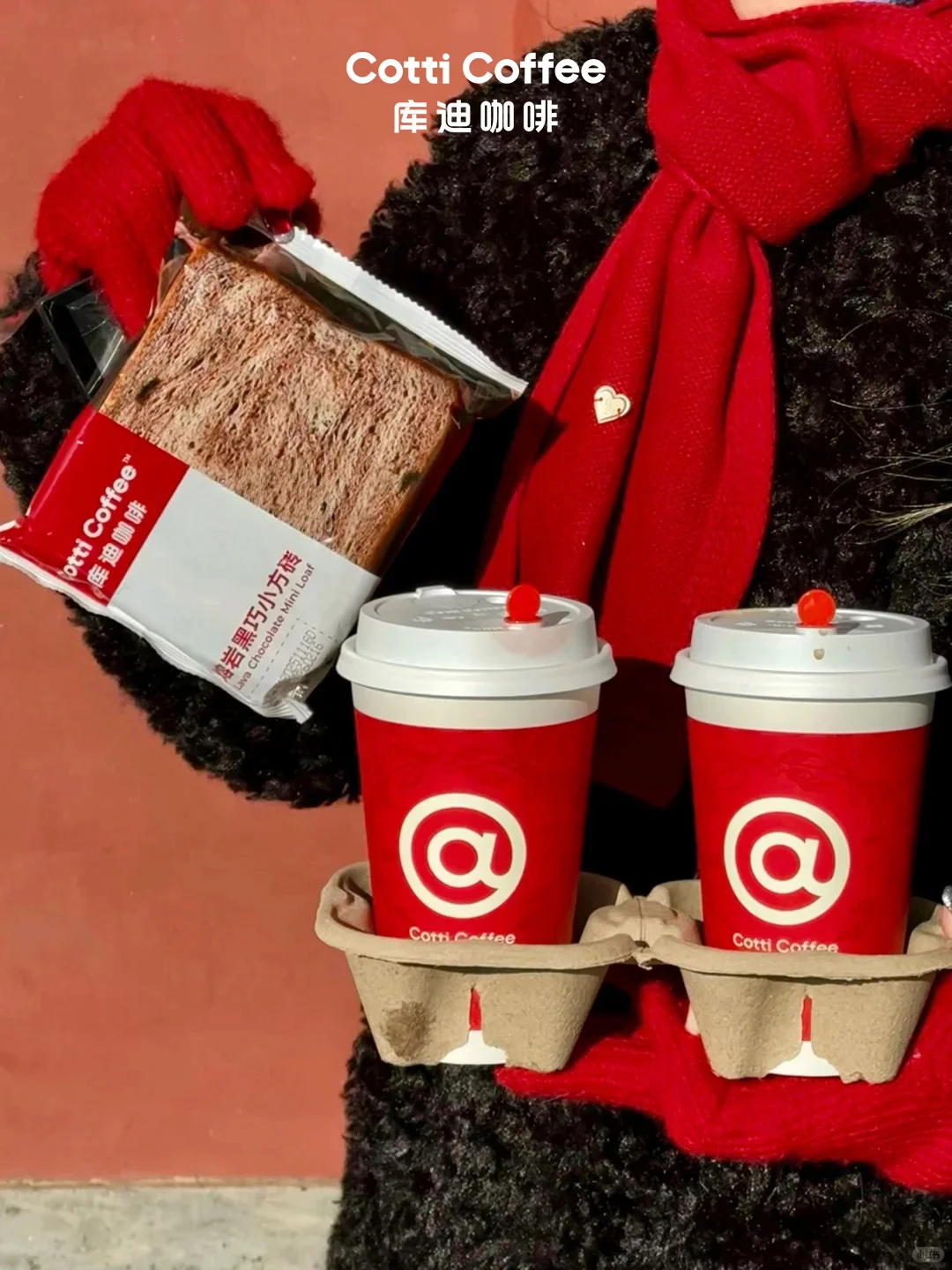
Core Insights - The coffee market has transitioned from a phase of scale expansion to a focus on value creation, with consumers shifting from trend-driven to rational consumption, emphasizing brand image, quality, cost-effectiveness, and consumption scenarios [1] Group 1: Brand Strategy and Collaborations - Kudi Coffee's collaboration with fashion designer Hubert Barrère and Chanel's Lesage workshop exemplifies a strategic shift from mere marketing to value co-creation, enhancing brand perception through innovative packaging and consumer engagement [3] - The partnership with Taobao Flash Sale redefines brand-platform collaboration, focusing on a comprehensive co-creation strategy that spans product development, content creation, marketing, and user engagement, resulting in significant sales success [5] - Kudi Coffee's collaboration with the animated film "Nezha" set a benchmark for brand partnerships, utilizing a user-centric approach that resonated with young consumers and established a foundation for long-term brand loyalty [7] Group 2: Market Penetration and Growth - Kudi Coffee's growth strategy is multifaceted, leveraging long-term collaborations, high-profile event partnerships, and supply chain efficiencies to enhance brand recognition and consumer engagement [9] - The brand's partnerships with major sports events and cultural initiatives have successfully connected coffee consumption with various lifestyle segments, enhancing emotional connections with consumers [9][10] - Kudi Coffee's global supply chain, centered in Anhui, supports its rapid expansion, with a significant processing capacity and strategic sourcing from key coffee-producing regions, ensuring quality and cost efficiency [10][12] Group 3: Industry Impact and Future Outlook - Kudi Coffee's rise reflects a broader transformation in the Chinese coffee industry, serving as a model for supply chain globalization and value-driven consumer engagement [13] - The company's approach emphasizes the importance of transforming core advantages into everyday consumer value, providing insights for other Chinese brands navigating the competitive landscape [13]

瑞幸“入侵”岗亭、地铁闸机旁!成打工人“9.9元收费站”?
东京烘焙职业人· 2025-12-27 08:33
Core Viewpoint - The article discusses the innovative strategies employed by coffee brands, particularly Luckin Coffee, to expand their market presence by opening stores in unconventional locations, thereby transforming consumer access to coffee and enhancing convenience [2][12][39]. Group 1: Innovative Store Locations - Luckin Coffee has transformed a security booth in a Zhejiang industrial park into a mini coffee shop, attracting attention on social media for its unique positioning [5][8]. - The coffee brand is strategically placing stores in high-traffic areas such as subway stations and train stations, allowing customers to order coffee conveniently during their daily commutes [18][19]. - The trend of coffee brands occupying unexpected spaces, such as newspaper kiosks and public transport stations, signifies a shift in retail strategy from waiting for customers to come to actively reaching out to them [17][41]. Group 2: Creative Store Transformations - Coffee shops are being creatively integrated into existing structures, such as transforming newspaper kiosks into coffee outlets, which blend nostalgia with modern convenience [24][25]. - The article highlights various examples of coffee shops located in unusual settings, including temples and public parks, which create a unique consumer experience [28][30]. - The innovative use of space not only expands the physical boundaries of coffee shops but also enhances their visibility and accessibility to consumers [20][23]. Group 3: Collaborative Business Models - The article notes that some coffee brands are adopting a "store within a store" model, partnering with convenience stores and internet cafes to increase operational efficiency and expand their footprint [33][34]. - Nova Coffee, for instance, has successfully integrated its offerings into major convenience store chains, achieving significant growth with over 10,000 locations [35][36]. - This collaborative approach allows coffee brands to penetrate deeper into retail networks, making coffee more accessible to consumers [38][40].

“小账本”里的“大民生”|返乡青年创业梦 激活县域“咖啡经济”
Yang Guang Wang· 2025-12-27 02:07
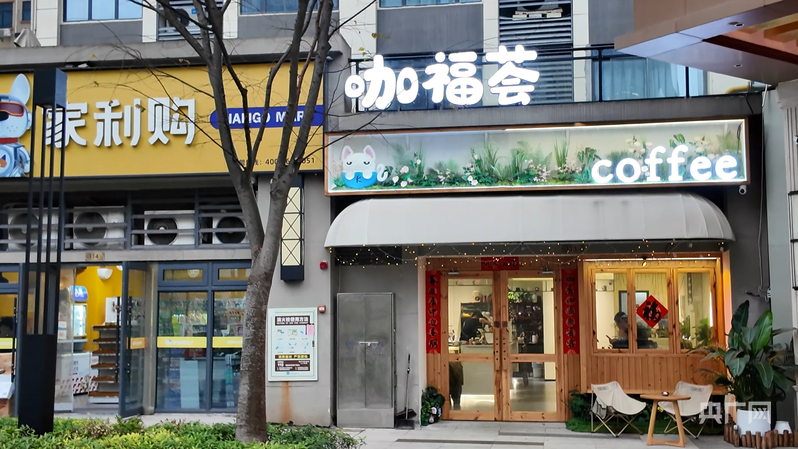
Core Insights - The article highlights the entrepreneurial journey of Ding Yang, a young returnee who opened a community coffee shop named "Kafu Hui" in Changsha County, showcasing the potential of local entrepreneurship supported by community policies [2][4]. Company Overview - "Kafu Hui" has an average daily customer count exceeding 60 cups and over 400 members, generating annual revenue of over 300,000 yuan [2][5]. - The coffee shop has achieved a high customer retention rate, with over 80% of local residents returning for repeat purchases [5]. Financial Performance - The shop's monthly rent was initially set at 5,000 to 6,000 yuan but was reduced to 3,000 yuan after community intervention, allowing the business to invest in core areas like equipment and branding [4]. - The coffee shop's revenue model has diversified, with 40% from coffee bean supply, 40% from dine-in, and 20% from takeout, indicating a stable and promising growth trajectory [7]. Industry Context - Changsha County has nearly 200 coffee-related businesses, generating over 600 million yuan in revenue [9]. - The local government has introduced a development plan for the coffee industry, allocating 20 million yuan to support the entire coffee supply chain [9]. - The coffee industry in Changsha County is projected to reach a value of 8 billion yuan by 2027 and exceed 20 billion yuan by 2029, indicating significant growth potential [9].

瑞幸+茅台,龙年没火起来
Ge Long Hui· 2025-12-26 17:52
Core Insights - The new collaboration product "Sauce Aroma Chocolate" from Luckin Coffee and Kweichow Moutai has not replicated the success of the previous "Sauce Aroma Latte" [2][5] - The initial response to "Sauce Aroma Chocolate" has been lukewarm, with low sales and minimal social media buzz compared to the previous product launch [2][5][11] Product Launch and Sales Performance - "Sauce Aroma Chocolate" was launched on January 22, priced at 38 yuan per cup, but available for 18 yuan after discounts [2] - In contrast to the "Sauce Aroma Latte," which sold over 5.42 million cups and generated over 100 million yuan in sales on its first day, "Sauce Aroma Chocolate" did not sell out at stores and had low consumer awareness [5][10] - Consumers reported that the product remained available at multiple Luckin locations even hours after its launch [2][11] Consumer Reception and Market Trends - The initial excitement for "Sauce Aroma Latte" stemmed from its unique blend of Moutai liquor and coffee, appealing to a younger demographic who found it affordable compared to other Moutai products [10] - However, after the novelty wore off, many consumers expressed a lack of interest in repurchasing, which may explain the poor reception of the new chocolate product [10][11] - Luckin Coffee has been recognized as a "product explosion machine" in the coffee industry, but the challenge remains to maintain consumer interest with new offerings [3][16] Competitive Landscape - Luckin Coffee's pricing strategy is more affordable than Starbucks, allowing it to capture a significant market share [18] - The company faces increasing competition from both traditional coffee brands and emerging tea beverage brands that are also entering the coffee market [22][23] - The ongoing price war in the coffee sector has led to many brands offering coffee at lower prices, intensifying competition [25]
拟购蓝瓶咖啡:瑞幸的“高端化”
Xin Lang Cai Jing· 2025-12-26 12:21
Core Viewpoint - Luckin Coffee is considering acquiring Blue Bottle Coffee, a premium coffee brand owned by Nestlé, marking a significant potential merger between the "old king" Nestlé and the "new king" Luckin Coffee [1][13]. Group 1: Nestlé and Blue Bottle Coffee - Nestlé acquired a 68% stake in Blue Bottle Coffee for approximately $425 million in 2017, which was seen as a strategic move to embrace the "third wave" of specialty coffee [3][15]. - Over the past eight years, Blue Bottle has shifted from being a prized asset to a less valuable one for Nestlé, which reported nearly 740 billion RMB in annual revenue [3][15]. - The new CEO, Philippe Naefratil, has emphasized a growth strategy focused on internal growth rates and has raised critical questions regarding the attractiveness and positioning of Blue Bottle within Nestlé's portfolio [3][15]. Group 2: Blue Bottle's Market Position - Blue Bottle Coffee operates around 150 stores globally, with only 14 in mainland China, and its expansion has been nearly stagnant [5][17]. - The brand's commitment to a slow and artisanal coffee-making process contrasts sharply with Nestlé's focus on structured scale, making Blue Bottle a financial burden [5][17]. - Nestlé's growth is driven by its billion-dollar brands, while Blue Bottle's niche retail business contributes minimally and is misaligned with Nestlé's fast-moving consumer goods model [5][17]. Group 3: Luckin Coffee's Acquisition Intent - Luckin Coffee's potential acquisition of Blue Bottle is driven by a desire to elevate its brand perception from a budget option to a premium player in the coffee market [8][20]. - The acquisition could serve as a shortcut for Luckin to shed its "cheap drink" label and establish a presence in the high-end market, similar to how Anta leveraged acquisitions to build its brand matrix [8][20]. - Luckin's international expansion has been cautious, with only 108 overseas stores, making Blue Bottle's established presence in mature markets an attractive opportunity for global growth [8][20]. Group 4: Market Reactions and Concerns - Following the acquisition rumors, Luckin's stock price fell over 7%, indicating investor concerns about potential dilution of earnings [10][22]. - There is a fundamental cultural clash between Luckin's algorithm-driven operations and Blue Bottle's emphasis on artisanal craftsmanship, raising questions about the compatibility of their business models [10][22]. - Despite having approximately 9.4 billion RMB in cash, Luckin faces intense competition in the Chinese coffee market, with rising costs and price wars impacting profitability [10][22]. Group 5: Industry Trends - The potential merger is part of a broader trend in the global coffee industry, where major players are strategically divesting non-core assets while retaining valuable brand equity [12][24]. - This trend reflects a shift in the coffee value proposition, focusing on brand equity and intellectual property rather than the operational complexities of physical stores [12][24]. - The acquisition of Blue Bottle by Luckin symbolizes a clash of coffee philosophies and business models, highlighting the ongoing reevaluation of coffee's value in the market [12][24].
库迪咖啡获评2025年度全球化先锋企业
Di Yi Cai Jing· 2025-12-26 09:38
Core Insights - Kudi Coffee has been recognized as a "Global Pioneer Enterprise" in the "2025 EDGE AWARDS Global Innovation Selection" for its breakthrough achievements in globalization, supply chain strength, and business innovation [1] - The company is transitioning from being a "global participant" to a "global rule contributor," leveraging its operations in 33 countries and over 18,000 stores to integrate China's manufacturing efficiency with global consumer demand [1] Group 1: Global Supply Chain and Production Capacity - Kudi Coffee is constructing a global supply chain base in Anhui, covering over 400,000 square meters, which includes green bean storage, coffee roasting, food ingredients, and packaging materials [1] - The second phase of the roasting project features four Italian Brambati 600 kg intelligent roasting machines, with an annual processing capacity of 75,000 tons of green beans, supporting a peak supply of 10 million cups per day [1] - The upcoming super factory will be the largest and most intelligent comprehensive factory in the global coffee industry, further enhancing Kudi Coffee's manufacturing capabilities [1] Group 2: Product Innovation and Market Adaptation - Kudi Coffee is expanding beyond traditional coffee products by introducing a diverse product matrix including fruit coffee, tea coffee, and milk coffee to meet the varied demands of young consumers [2] - The company emphasizes its brand philosophy that "good coffee comes from good raw materials," establishing global sourcing partnerships with coffee bean-producing regions in Colombia, Rwanda, and Uganda [2] Group 3: Brand Influence and Cultural Integration - Kudi Coffee's globalization strategy includes not just store expansion but also a comprehensive output of brand influence, moving from "product export" to "value export" through top-tier events and IP collaborations [2] - As a global sponsor of the Argentina national football team, Kudi Coffee leverages the sport's influence to reach millions of fans, while also collaborating with popular IPs like "Nezha 2" and "Detective Conan" to integrate Chinese brand concepts into overseas markets [3] - Recent collaborations with fashion designer Hubert Barrère for a Christmas-themed project have garnered recognition in both the global fashion and coffee industries, showcasing Kudi Coffee's innovative marketing strategies [3]
传瑞幸将收购蓝瓶咖啡,瑞幸未予置评
Xin Lang Cai Jing· 2025-12-26 09:25
Core Viewpoint - Luckin Coffee is considering acquiring Blue Bottle Coffee, which is owned by Nestlé, and is also evaluating other potential acquisition targets, including the China operations of % Arabica, backed by private equity firm PAG [1] Group 1: Acquisition Considerations - Luckin Coffee is in discussions regarding the acquisition of Blue Bottle Coffee [1] - The company, along with its investor Dazhong Capital, is assessing additional acquisition opportunities [1] Group 2: Background on Blue Bottle Coffee - Nestlé acquired approximately 68% of Blue Bottle Coffee for about $500 million in 2017 [1] - Blue Bottle Coffee entered the mainland China market in 2022, currently operating a total of 15 stores in Shanghai, Shenzhen, and Hangzhou [1] - There are plans for Blue Bottle Coffee to open a store in Beijing by 2026 [1]
“人均VIP”的 2025年,平台正在争着让用户“爽到”
Sou Hu Cai Jing· 2025-12-26 01:09
Core Insights - The competition among major platforms in the food delivery sector has reached unprecedented levels, with each investing billions in subsidies to attract and retain users [1] - The focus has shifted from acquiring new users to retaining existing ones, as businesses realize that "whoever has the users wins" [2][3] - The internet has entered a phase of stock competition, where user retention strategies are crucial for long-term success [3][4] User Acquisition and Retention Strategies - Platforms are increasingly focused on creating loyalty programs and enhancing user experiences to keep customers engaged [2][3] - The rise of "潮汐用户" (tide users) indicates that many consumers switch between platforms based on promotions, highlighting the need for platforms to build stronger loyalty [9][11] - The cost of acquiring new users has escalated, making it essential for platforms to focus on retaining existing customers [4][7] Membership Programs and User Engagement - High-end membership services are becoming a focal point for platforms, with offerings like Taobao's 88VIP and iQIYI's star diamond membership providing enhanced benefits [12][14] - The trend of "人均VIP" (per capita VIP) suggests that consumers are willing to pay for premium services, driving platforms to enhance their membership offerings [12][18] - Platforms are also introducing lower-cost membership options to attract price-sensitive consumers, ensuring a broader user base [20][24] Evolving Consumer Behavior - Consumers are becoming more rational in their spending, leading to a decline in loyalty among long-time users [11][27] - The shift towards a "value for money" mindset means that platforms must demonstrate tangible benefits to retain users [41] - The competition is now about transforming users from "flying guests" to "permanent players," emphasizing the importance of user engagement and satisfaction [41]


公交+咖啡,南京“闲驿站”成“金银角”
Jiang Nan Shi Bao· 2025-12-25 23:55
Core Insights - The article highlights the launch of a new type of bus station in Nanjing, integrating public transport with lifestyle amenities, specifically featuring MANNER COFFEE [1][2] - This initiative aims to transform previously overlooked urban spaces into warm, inviting areas for citizens, enhancing the overall public service experience [1][2] Group 1: Service Innovation - The new bus station, named "Little Blue Whale Bus Station," covers approximately 40 square meters and provides a comfortable waiting area for commuters [1] - The collaboration with MANNER COFFEE allows commuters to purchase affordable coffee, making the bus station a place for relaxation rather than just a transit point [1][2] Group 2: Future Plans - The Nanjing public transport authority plans to expand this model to more locations, converting additional idle spaces into vibrant public service nodes [2] - The initiative reflects a broader strategy to enhance the quality and appeal of public services by integrating daily leisure needs into public transport [2]
女掌门,撑起中国餐饮半壁江山?
3 6 Ke· 2025-12-25 12:11
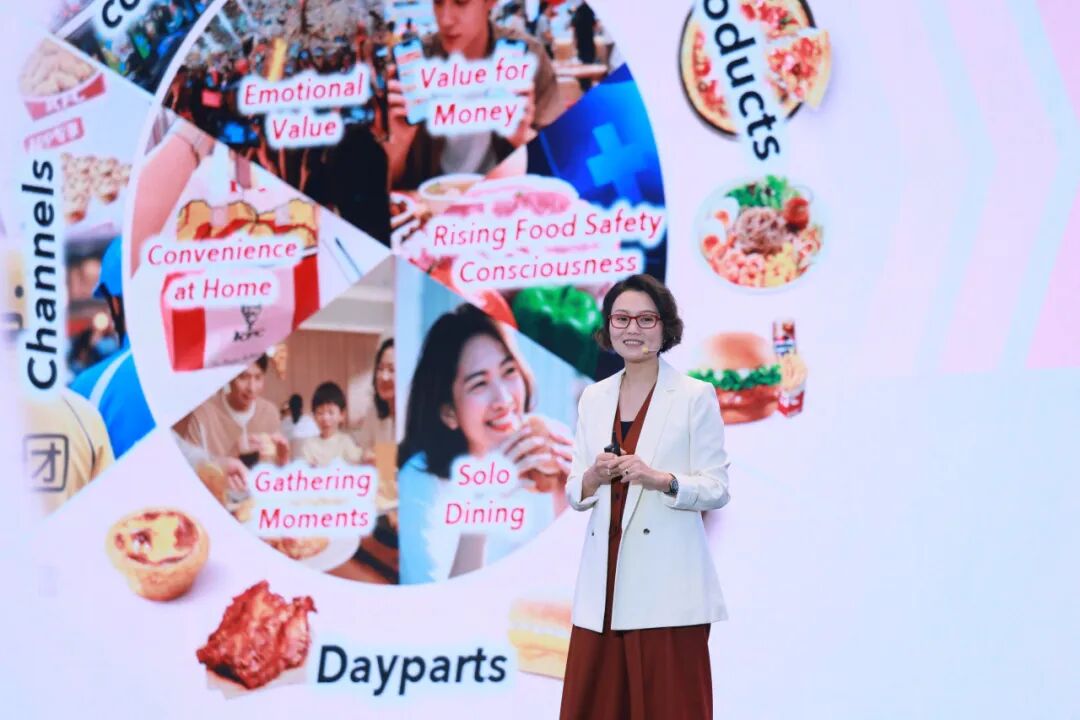
Core Insights - The article highlights the significant role of female leaders in the Chinese restaurant industry, showcasing their ability to navigate challenges and drive growth in major brands like KFC, Haidilao, Starbucks, and McDonald's [1][2][3] Group 1: Female Leadership in Crisis - The concept of "glass cliff" suggests that women are often appointed to leadership roles during crises, as seen with KFC's CEO, Su Cuirong, who took charge during a challenging period for the brand [3][4] - Su Cuirong implemented strategies to rejuvenate KFC, including brand modernization and the introduction of new products, which led to a significant revenue increase, with KFC China generating nearly $5 billion in revenue in 2015 [5][8] - Haidilao's former CEO, Yang Lijuan, also faced challenges during the pandemic, successfully turning the company around to achieve a net profit of 4.5 billion yuan in 2023, a 227.33% increase year-on-year [8][10] Group 2: Strategic Expansion and Digital Transformation - Starbucks China saw transformative growth under former CEO Wang Jingying, who accelerated store openings from 400 in over a decade to 204 in one year, establishing Starbucks as a leading coffee brand in China [10][11] - Current CEO Liu Wenjuan has continued this trend by implementing price reductions and expanding into lower-tier cities, resulting in positive same-store sales growth [14][19] - KFC's digital transformation under Su Cuirong has been pivotal, with digital orders contributing approximately 95% of restaurant revenue by 2025, showcasing the importance of digital strategy in the modern market [20][22] Group 3: Localization and Consumer Insights - KFC's approach to localization includes adapting its menu to Chinese tastes, offering items like dumplings and chicken rice, which resonate with local consumers [23][24] - McDonald's CEO Zhang Jiayin emphasizes the importance of understanding local markets, leading to product innovations that cater to regional preferences, such as spicy chicken wings and collaborations with popular franchises [27][28] - The article underscores the unique insights female leaders bring to the industry, enhancing customer experience and operational efficiency through empathy and attention to detail [34][35]