
粮食种植

Search documents
中原粮仓,力保秋粮收得上烘得干(秋收进行时)
Ren Min Ri Bao· 2025-10-14 22:12
Core Viewpoint - The heavy rainfall in Henan province since September has significantly impacted the harvest of autumn crops, particularly corn and peanuts, raising concerns about the overall grain yield for the year [1]. Group 1: Harvesting Challenges - The province has experienced eight significant rainfall events, leading to an average precipitation of 332.4 mm, which is 2.7 times higher than the historical average for this period [1]. - Farmers are utilizing tracked harvesters and modifying wheeled machinery to cope with muddy conditions, with nearly 8,000 tracked corn harvesters deployed to assist in the harvest [3][4]. - As of October 14, 84.8% of autumn crops and 85.6% of grain crops have been harvested [5]. Group 2: Drying and Storage Solutions - The high humidity and low temperatures have increased the risk of grain spoilage, necessitating rapid drying processes [6]. - Agricultural cooperatives are operating multiple drying towers, with a daily drying capacity of 800 tons, and have received over 1 million yuan in government subsidies for drying equipment [7]. - The province is promoting the use of wire mesh storage containers, which are cost-effective and improve ventilation for stored grains [8]. Group 3: Impact on Crop Yield and Insurance - Despite the adverse weather, the reduction in corn yield is considered manageable, with farmers employing various strategies to mitigate losses [9]. - The local government has processed insurance claims for 79,000 households covering 653,900 acres of corn, with compensation payments amounting to 64.45 million yuan [9]. - The ongoing rainfall has delayed the sowing of wheat, prompting the agricultural department to issue technical guidance for late planting [10]. Group 4: Overall Agricultural Response - The province is leveraging a cloud platform to coordinate the use of nearly 8,000 tracked harvesters and has introduced additional drying equipment to enhance processing capabilities [11]. - A total of 5,262 drying machines are operational, with a daily processing capacity of 375,000 tons, and efforts are being made to transport wet grain for drying in other provinces [11].
连阴雨袭扰秋收季 全国多地抢收保秋粮
Xin Hua Wang· 2025-10-14 08:15
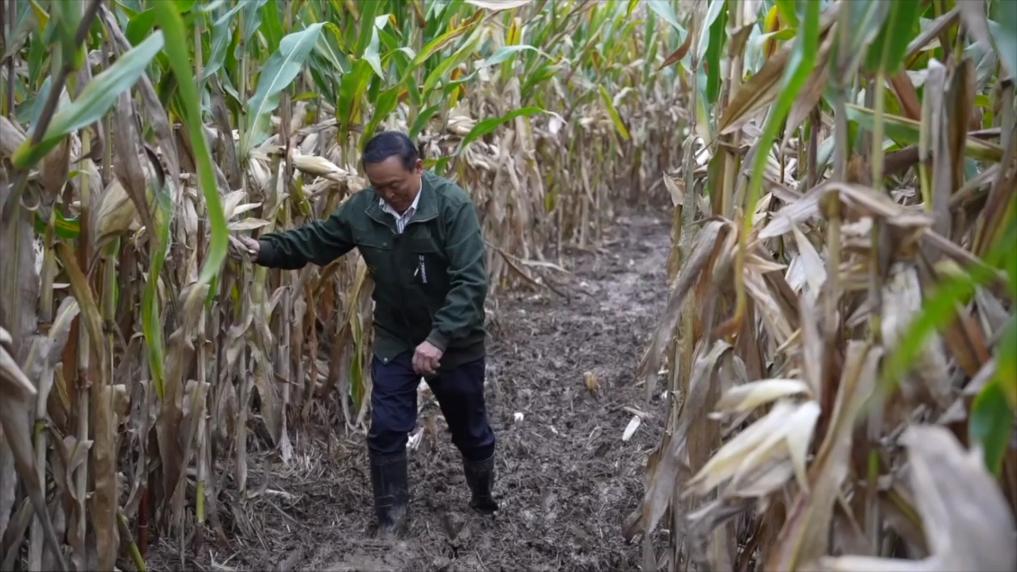
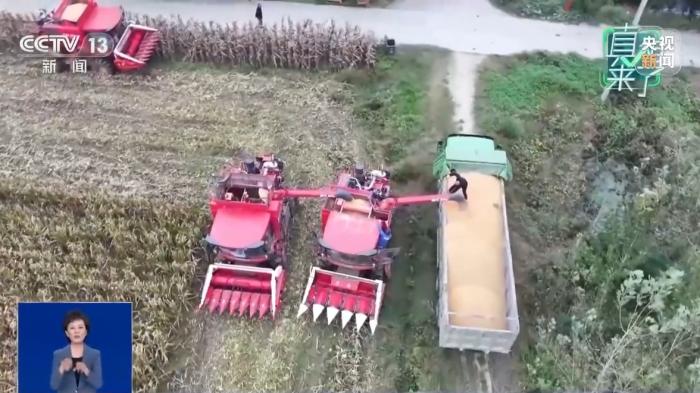
近期多地遭遇连阴雨天气,给秋粮收割带来挑战。山东、山西、河南、河北、安徽等地迅速行动,与阴雨赛跑、争分夺秒,全力保障秋粮安全, 筑牢粮食丰收底线。 ■山东 近日,持续的阴雨天气给山东菏泽曹县143万亩玉米收割带来严峻挑战。曹县上下正与时间赛跑,多措并举抢收玉米。在曹县一些村庄的玉米地 里,连绵的秋雨让田地变得泥泞不堪。面对不利天气,曹县迅速启动应急响应,农业部门及时调度农机参与抢收。 ■河南 在河南省新乡市卫辉市上乐村镇的农田中,履带式收割机正在玉米田间推进。为抢抓雨歇间隙,每台收割机都配备两三名机手,只要天气和墒情 允许,收割机就不间断进行收获作业。 从良种推广到机械收割、产后服务,曹县全力保障粮食产前、产中、产后全流程服务。目前,曹县玉米收割进度已过半,预计10月20日前全面完 成收割任务。 连续阴雨天,玉米收获后要及时晾晒,减少霉变风险。当地开放村委大院、文化广场等公共场所供农民晾晒,全市烘干塔全力运转,为湿度较大 的玉米提供烘干服务。 目前,河南省农业部门公布了2900个粮食烘干中心(点)、近5000台粮食烘干机的分布情况,以便群众就近联系,保障湿粮及时烘干,减少粮食 损失,守护粮食安全。 阴雨天气下 ...

凉山强“粮”技 粮仓添新粮
Si Chuan Ri Bao· 2025-10-14 06:45
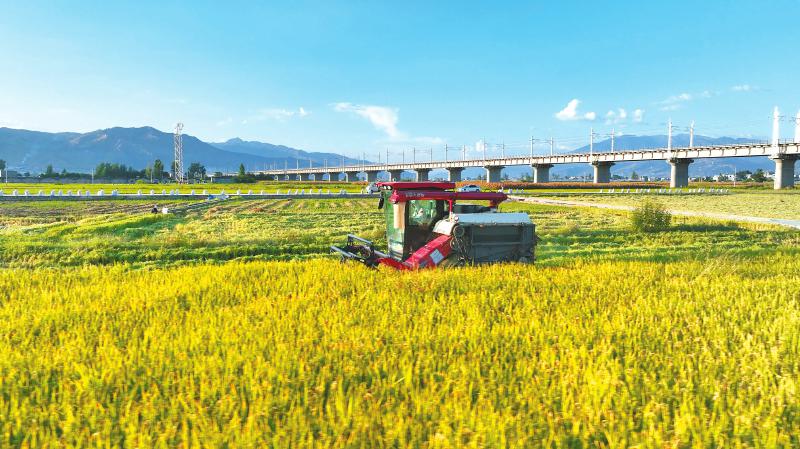
Agriculture Production - The total area for the small spring grain planting reached 1.337 million acres, with a total output of 322,600 tons, an increase of 6,400 tons compared to last year, representing a growth of over 2% [4] - The large spring grain planting task of 6.06 million acres has been fully implemented, including 815,000 acres of rice, 2.9 million acres of corn, and 196,200 acres of potatoes [4][5] - In the Anning River Valley, the average yield of the "Luoji Xiang No. 2" rice variety reached 597.19 kg per acre, an increase from 566.05 kg last year, while the hybrid rice "Dian He You 615" achieved a yield of 816 kg per acre [4] Fruit Production - The planting area for pomegranates in Huili reached 400,000 acres, with an annual output of 800,000 tons and a comprehensive annual output value exceeding 7 billion yuan [6][7] - The total area for apples in Yanyuan reached 432,000 acres, with an expected annual output of 750,000 tons and a comprehensive annual output value of 4 billion yuan [7][8] - The promotion of dwarfing and dense planting technology for apples is underway, with plans to complete the transformation and new planting of 80,000 acres within five years [8] Agricultural Development Initiatives - Liangshan has established 16 modern agricultural industrial parks, forming a "5+2+2+N" agricultural industry development system [3] - The region is focusing on enhancing agricultural productivity through policy support, technological empowerment, and project-driven initiatives [4]
“发霉玉米被端上餐桌”消息不实 毒素超标会被销毁
Yang Shi Xin Wen Ke Hu Duan· 2025-10-13 23:14
"饲料玉米"并非鲜食玉米 发霉的玉米会被端上餐桌吗?实际上,玉米虽是三大主粮之一,却不是主要口粮。2024年我国玉米产量 超2.9亿吨,主要供给饲料消费,其次供给工业需求,供应食用需求和其他需求的占比相对较少。 当前,正值黄淮海地区玉米集中收获的关键时节,持续的连阴雨天气却给秋收带来了严峻挑战。有网友 发帖表示,今年的玉米都不能吃了,因为发霉的玉米会上餐桌。这样的说法准确吗?玉米一旦发霉会流 向哪里?当前各地采取了哪些措施防止玉米发霉? 安徽省农业科学院作物研究所副研究员 刘泽:这时候都是"普通玉米",也叫"饲料玉米",和鲜食玉米 是两回事。 牲畜食用带有毒素的饲料仍然会间接对肉、蛋、奶产生影响,发霉玉米会被做成饲料吗? 河南省农科院粮食作物研究所玉米耕作与栽培室主任乔江方解释,玉米经色选脱霉工艺处理后,其中的 霉菌含量会大幅下降。此时,只要符合《饲料卫生标准》中各类霉菌毒素的限量规定,即可安全用于饲 料生产;如果毒素轻微超标,则可用于工业酒精制作。 河南省农科院粮食作物研究所玉米耕作与栽培室主任乔江方:目前大型的收购点都有筛选的机器,把杂 质以及霉变的籽粒去除,保证粮食安全。筛选过后的玉米其实可以安全进入饲 ...
时刻绷紧农业防灾减灾这根弦
Jing Ji Ri Bao· 2025-10-13 22:07
Core Viewpoint - Meteorological disasters are the most significant factors causing grain production reduction, and addressing climate change will be a constant in future agricultural production [1][4] Group 1: Agricultural Disaster Prevention and Mitigation - Continuous emphasis on agricultural disaster prevention and mitigation is essential, establishing multiple defenses for pre-disaster prevention, emergency response during disasters, and post-disaster compensation [1][2] - The recent continuous rainy weather in the Huanghuai region poses challenges for timely harvesting and drying of autumn grain and sowing of winter wheat [1][2] Group 2: Current Agricultural Production Status - Despite challenges from droughts and floods, the country has achieved stable summer grain production and increased early rice output, with autumn grain growth currently favorable [2] - The importance of effective disaster response during the critical harvesting period is highlighted, with efforts to modify harvesting machinery to adapt to wet conditions [2] Group 3: Post-Disaster Compensation and Insurance - Agricultural insurance plays a crucial role in post-disaster recovery, with the efficiency of claims affecting farmers' production funds and national food security [3] - Current challenges in claim processing in rain-affected areas include difficulties in damage assessment, necessitating a focus on timely and efficient claims processing [3] Group 4: Climate Change Adaptation Strategies - Adapting to climate change is essential for future agricultural practices, with a need for dynamic assessment of agricultural climate resources and adjustments in planting structures [4] - Improving agricultural infrastructure remains a priority, requiring increased diversified investment to address existing shortcomings in facilities and services [4]
荒地复耕、种粮补贴、转种补偿!《广东省粮食安全保障条例》修订了这些内容
Nan Fang Nong Cun Bao· 2025-10-13 10:32
Core Viewpoint - The revised "Guangdong Province Food Security Guarantee Regulations" aims to enhance food security through comprehensive measures including land protection, grain production, storage, circulation, emergency response, and supervision management, effective from January 1, 2026 [2][3][4]. Group 1: Land Protection and Management - The regulations emphasize the importance of protecting arable land, with specific requirements for compensation and verification of supplementary arable land [6][7][9]. - Local governments are mandated to implement a compensation system for occupied arable land and ensure the long-term stability of supplementary arable land usage [7][9]. - The regulations also call for the establishment of high-standard farmland and the optimization of construction layouts to improve land quality [11][12][14]. Group 2: Grain Production Enhancement - The regulations detail measures to support the breeding and promotion of quality grain varieties, ensuring the protection and development of seed resources [21][22]. - Specific provisions are made for improving irrigation infrastructure to address water supply issues in agricultural areas [23][25]. - The regulations encourage the use of agricultural mechanization and technology promotion to stabilize and enhance overall grain production capacity [27][28]. Group 3: Food Storage and Emergency Response - The regulations establish a three-tiered food storage system at the provincial, municipal, and county levels, enhancing macro-control capabilities for food security [35][44]. - Provisions are made for the supervision of food reserves, ensuring quality and safety through enhanced monitoring and information technology [82][88]. - The regulations outline the establishment of an emergency food supply network and encourage cross-regional cooperation to improve emergency response capabilities [70][72]. Group 4: Compensation and Support Mechanisms - The regulations include provisions for compensating farmers for losses incurred due to land use changes for grain production [95][105]. - Specific measures are outlined for the policy-based storage of key grain varieties to protect the interests of grain producers in the province [99][101]. - The regulations also detail the process for loss write-off in cases of force majeure affecting food reserves, ensuring the financial stability of storage entities [106][109].

抢收,与连阴雨赛跑!——各地各部门全力以赴保秋收秋种
Xin Hua She· 2025-10-13 10:21
Core Viewpoint - The government is actively addressing farmers' concerns regarding the impact of continuous rain on the autumn harvest, implementing various measures to ensure food security and support affected farmers [1][8]. Group 1: Government Response - The Ministry of Finance and the Ministry of Agriculture and Rural Affairs allocated 484 million yuan in disaster relief funds to support seven provinces in accelerating agricultural disaster recovery efforts [2]. - Agricultural Development Bank has arranged 200 billion yuan in credit for autumn grain purchases, ensuring financial support for farmers affected by adverse weather [2]. - Local governments are also contributing funds, with Henan province allocating 50 million yuan for disaster relief and support for drying machinery and harvest subsidies [2]. Group 2: Agricultural Machinery and Services - The Ministry of Agriculture and Rural Affairs has dispatched 246,300 tracked harvesters to meet the increased demand for harvesting due to adverse weather conditions [3]. - In addition, 400,000 agricultural machines are planned for deployment in Henan province during the autumn harvest, supported by 742 emergency service teams [4]. - The establishment of drying centers is crucial, with local initiatives ensuring that farmers can dry their crops promptly to prevent losses [4][7]. Group 3: Technical Support and Guidance - Agricultural technicians are actively providing on-site guidance to farmers, helping them manage crop conditions and mitigate the effects of continuous rain [5][6]. - Various provinces have issued technical guidance to assist farmers in harvesting and planting, emphasizing the importance of timely actions to ensure crop safety [6][8]. Group 4: Overall Harvest Progress - As of now, over 80% of autumn grain crops have been harvested in Henan, nearly 70% in Anhui, and over 60% in Shandong, indicating significant progress despite weather challenges [8].
河南:开足马力抢烘秋粮
Xin Hua She· 2025-10-12 14:02
Core Viewpoint - Continuous rainy weather in the Central Plains region is adversely affecting the autumn harvest and drying processes, posing risks of sprouting and mold for mature crops like corn and rice [1] Group 1: Impact on Agriculture - The rainy conditions are particularly challenging for grain production in Henan, a major agricultural province in China [1] - Local agricultural departments are responding by maximizing the operation of grain drying equipment to mitigate losses and ensure food security [1] Group 2: Measures Taken - Henan province has announced the distribution of 2,900 grain drying centers and nearly 5,000 grain dryers to facilitate timely drying of wet grains [1] - This initiative aims to help local farmers access drying services conveniently, thereby reducing grain losses and safeguarding food security [1]
吉林粮食以优质种质为“钥” 解锁产业提速“核心密码”
Ren Min Wang· 2025-10-12 01:40
Core Insights - The Jilin Province Fresh Corn Industry Development Conference aims to enhance the quality and efficiency of the fresh corn industry through the optimization and innovation of seed resources [1][3][5] Group 1: Event Overview - The conference took place from September 26 to 28 in Siping City, showcasing a wide platform for Jilin's fresh corn brands and promoting the optimization of seed resources [1] - Over a hundred innovative products in the fresh corn industry were displayed, including notable new varieties developed within the province [3] Group 2: Research and Development - The "Jilin Province Fresh Corn Science and Technology Enterprise Alliance" aims to establish a comprehensive technological support platform for the fresh corn industry, enhancing agricultural innovation and promoting the application of research results [3] - Since 2020, Jilin Province has independently cultivated 48 fresh corn varieties, with 8 passing national examination, covering various types such as glutinous and sweet corn [5] Group 3: Market Trends and Consumer Demand - The focus is on the main food, functional, and convenience consumption trends for corn, promoting a full-chain innovation from seed to product and service [6] - The industry is responding to market demands by developing high-yield and disease-resistant varieties, as well as products for various consumption scenarios, including snacks and deep-processing products [6] Group 4: Strategic Goals - The conference serves as a promotional platform to ensure that high-quality corn varieties are effectively marketed and sold, aiming for a comprehensive market coverage [8] - The initiative emphasizes the importance of quality seeds as the "chip" of agricultural production, crucial for enhancing the fresh corn industry's quality and revenue [8]

抢!多地连阴雨 争分夺秒保秋粮
Xin Hua She· 2025-10-11 21:40
Core Viewpoint - The recent continuous rainfall across multiple regions in China has significantly impacted the autumn grain harvest, creating challenges for both harvesting and subsequent planting efforts [2][3][16]. Group 1: Impact of Weather on Agriculture - Since mid-September, many areas have experienced persistent rain, leading to difficulties in harvesting autumn crops and risks in preparing for winter planting [2]. - In Henan, the average rainfall since September has been 2.7 times higher than the same period in previous years, resulting in waterlogged fields and operational challenges for agricultural machinery [3]. - As of October 10, over 50% of the autumn grain harvest has been completed nationwide, with regions like Henan reporting over 70% completion [2][9]. Group 2: Government and Local Responses - The Ministry of Agriculture and Rural Affairs has mobilized 246,300 harvesting machines and 2,231 mobile drying machines to assist in the harvest [6]. - Central government has allocated 484 million yuan in disaster relief funds to support agricultural production and disaster recovery efforts [6]. - Local governments are actively coordinating resources, such as deploying harvesting machines and providing real-time weather updates to farmers [6][12]. Group 3: Technological and Strategic Adaptations - Farmers are employing innovative methods, such as modifying machinery to improve efficiency in wet conditions, and utilizing drying facilities to ensure harvested grain is properly processed [10][12]. - The implementation of a "grain storage in the ground and technology" strategy is emphasized as crucial for enhancing agricultural resilience [2][16]. - Research and development of drought-resistant and disease-resistant crop varieties are being prioritized to mitigate the impact of extreme weather on future harvests [15][16]. Group 4: Community and Cooperative Efforts - Community initiatives, such as youth volunteer teams, are mobilizing to assist farmers in urgent harvesting tasks [14]. - In various regions, cooperative societies are enhancing their operational capacity, with some drying facilities running at full capacity to meet increased demand [9][14]. - Local agricultural departments are providing technical guidance to farmers to optimize harvesting and minimize losses [13][15].
