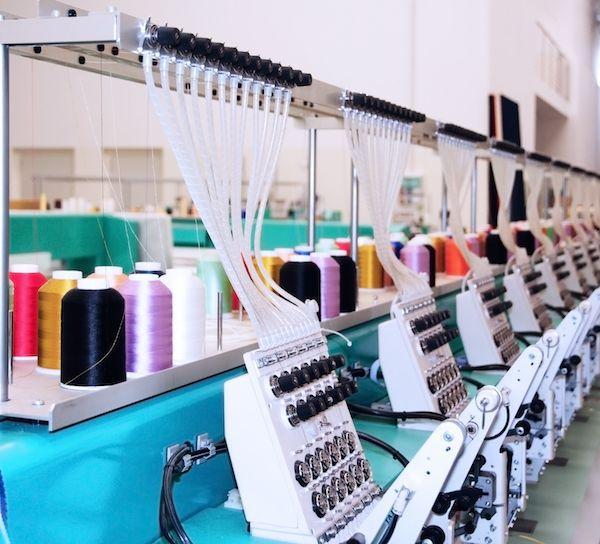
农副食品加工业

Search documents
CPI同比涨幅回落主要受春节错月影响,核心CPI保持温和上涨
Sou Hu Cai Jing· 2026-02-11 02:12
Group 1: CPI Analysis - The Consumer Price Index (CPI) increased by 0.2% month-on-month and year-on-year, with the core CPI (excluding food and energy) rising by 0.8% year-on-year [1][2] - The year-on-year CPI growth rate declined mainly due to the Spring Festival timing, with food prices decreasing by 0.7%, impacting the CPI by approximately -0.11 percentage points [1][2] - Energy prices fell by 5.0% in January, contributing to a year-on-year CPI decrease of about -0.34 percentage points, with gasoline prices down 11.4% [1][2] Group 2: Core CPI and Consumer Demand - The core CPI continued to rise, with a month-on-month increase of 0.3%, the highest in six months, driven by higher prices for air tickets and travel services [2] - Prices for household appliances and personal care products saw increases between 0.7% and 1.4%, indicating stable consumer demand for essential goods [2] Group 3: PPI Analysis - The Producer Price Index (PPI) rose by 0.4% month-on-month, marking the fourth consecutive month of increase, with a narrowing year-on-year decline of 1.4% [2][3] - The increase in PPI was influenced by the ongoing development of a unified national market, with prices in sectors like cement and lithium-ion batteries rising [2][3] - Input factors such as international metal prices led to significant increases in domestic metal mining and smelting prices, with silver smelting prices up by 38.2% [2][3] Group 4: Industry-Specific Trends - The prices in the non-metallic mineral products sector decreased by 5.4%, while the black metal smelting and rolling industry saw a decline of 3.7% [3][4] - Energy-related industries continued to experience price drops, with oil and gas extraction prices down by 16.7% [4]
国家统计局:1月CPI同比上涨0.2% PPI环比继续上涨 同比降幅收窄
Guo Jia Tong Ji Ju· 2026-02-11 01:47
Group 1: CPI Analysis - The Consumer Price Index (CPI) increased by 0.2% month-on-month and year-on-year, with the core CPI (excluding food and energy) rising by 0.8% year-on-year [2][3] - The decline in food prices by 0.7% contributed to a decrease in CPI, while fresh vegetable prices rose by 6.9% [3][4] - Energy prices fell by 5.0%, impacting the CPI negatively by approximately 0.34 percentage points [3][4] Group 2: PPI Analysis - The Producer Price Index (PPI) rose by 0.4% month-on-month, marking the fourth consecutive month of increase, with the year-on-year decline narrowing to 1.4% [2][5] - The increase in PPI was driven by the ongoing construction of a unified national market, leading to price rises in sectors such as cement and lithium-ion battery manufacturing [5][6] - The prices in the non-ferrous metal mining sector increased by 22.7%, while energy-related industries continued to see price declines [7]
国家统计局:2026年1月份CPI同比上涨 PPI同比降幅收窄
Yang Shi Wang· 2026-02-11 01:47
Group 1: CPI Analysis - The Consumer Price Index (CPI) increased by 0.2% month-on-month and year-on-year in January, with the core CPI (excluding food and energy) rising by 0.8% year-on-year [1] - The year-on-year CPI growth rate declined mainly due to the high base effect from the previous year's Spring Festival, with food prices decreasing by 0.7%, impacting the CPI by approximately 0.11 percentage points [2] - Energy prices fell by 5.0% in January, contributing to a 0.34 percentage point decrease in the year-on-year CPI [2] Group 2: Core CPI Trends - The core CPI (excluding food and energy) rose by 0.3% month-on-month, marking the highest increase in six months [3] - Prices for air tickets and travel agency services increased by 5.7% and 2.0% respectively, while prices for household appliances and personal care products saw increases between 0.7% and 1.4% [3] Group 3: PPI Analysis - The Producer Price Index (PPI) rose by 0.4% month-on-month, marking the fourth consecutive month of increase, with the growth rate expanding by 0.2 percentage points compared to the previous month [4] - The PPI year-on-year decline narrowed to 1.4%, with significant increases in the prices of non-ferrous metal mining (up 22.7%) and cultural and educational products (up 21.2%) [5] Group 4: Industry-Specific Insights - The construction of a unified national market has driven price increases in certain sectors, such as cement and lithium-ion battery manufacturing, both of which saw a 0.1% increase [4] - Input factors have caused price divergence in the domestic non-ferrous metal and petroleum-related industries, with international metal prices driving domestic increases while oil prices have led to declines in related sectors [4][5]
国家统计局城市司首席统计师董莉娟解读2026年1月份CPI和PPI数据
Guo Jia Tong Ji Ju· 2026-02-11 01:39
Group 1 - The Consumer Price Index (CPI) increased by 0.2% month-on-month and year-on-year in January, while the core CPI, excluding food and energy, rose by 0.8% year-on-year [1][2] - The decline in CPI year-on-year was primarily influenced by the timing of the Spring Festival, with food prices decreasing by 0.7%, impacting the CPI by approximately 0.11 percentage points [2][3] - Energy prices fell by 5.0% in January, contributing to a 0.34 percentage point decrease in the CPI year-on-year, with gasoline prices down 11.4% [2][3] Group 2 - The Producer Price Index (PPI) rose by 0.4% month-on-month, marking the fourth consecutive month of increase, with the year-on-year decline narrowing to 1.4% [1][4] - The increase in PPI was driven by the ongoing construction of a unified national market, leading to price rises in sectors such as cement and lithium-ion battery manufacturing [4][5] - The prices in the non-ferrous metal mining sector increased by 22.7%, while the prices in the petroleum and natural gas extraction sector decreased by 16.7% [5]
中国打造农业现代化大产业 八方面举措筑牢乡村全面振兴根基
Chang Jiang Shang Bao· 2026-02-09 01:55
Core Insights - The modernization of agriculture and rural areas is crucial for China's overall modernization, with 2026 marking the beginning of the "14th Five-Year Plan" and emphasizing the importance of "three rural issues" [2][3] Group 1: Policy Implementation - The Ministry of Agriculture and Rural Affairs has released the "Implementation Opinions" to execute the Central Document No. 1 for 2026, outlining 40 specific measures across eight key areas to promote new development in agriculture [2][3] - The 2026 Central Document No. 1 aims to establish agriculture as a modernized major industry, focusing on rural revitalization and leveraging the "Ten Thousand Projects" experience [2][3] Group 2: Agricultural Technology and Innovation - The implementation plan emphasizes enhancing agricultural technology and equipment support, proposing five specific measures to boost agricultural innovation and productivity [3][4] - The contribution rate of agricultural technology to production has increased from 54.5% in 2012 to over 64% in 2025, while the comprehensive mechanization rate of crop farming has risen from 57% to 76.7% in the same period [4] Group 3: Rural Industry Development - The document highlights the importance of cultivating and expanding county-level industries to promote rural prosperity, integrating technology, green practices, quality, and branding in agriculture [6][7] - The goal is to enhance the agricultural product processing and circulation industry, creating modern agricultural processing parks and improving the efficiency of agricultural value chains [6][7] Group 4: Enhancing Rural Livelihoods - The plan aims to increase farmers' income through stable employment opportunities and the development of new industries such as rural tourism and e-commerce, with rural residents' disposable income reaching 24,456 yuan in 2025, a 6% increase from the previous year [6][7] - The focus is on creating a fair mechanism for sharing the benefits of industrial development with farmers, ensuring a positive cycle of industry growth and income increase [7]

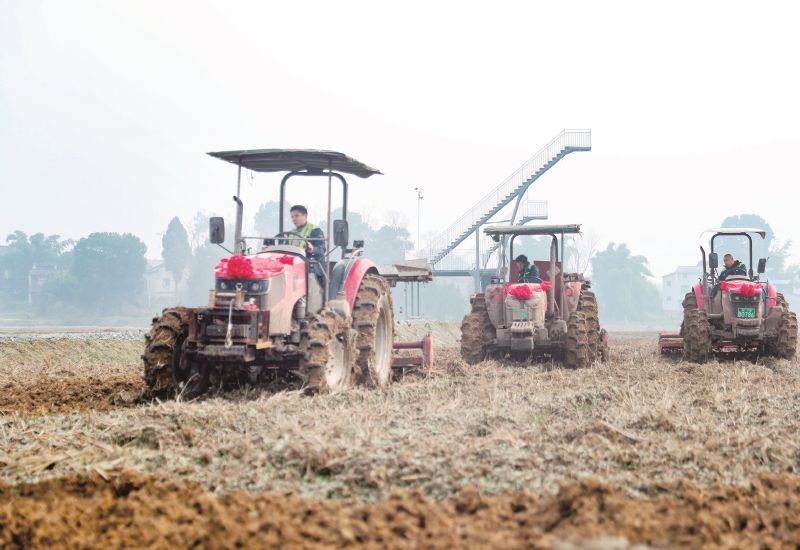
9957.22亿!徐州发布2025年经济运行情况
Xin Hua Ri Bao· 2026-02-02 14:24
Economic Overview - In 2025, Xuzhou is projected to achieve a GDP of 995.72 billion yuan, representing a year-on-year growth of 5.8% at constant prices [1] - The primary industry is expected to contribute 79.25 billion yuan, growing by 3.0%, while the secondary industry is projected to reach 365.63 billion yuan, with a growth of 3.5%. The tertiary industry is anticipated to grow by 8.0%, reaching 550.85 billion yuan [1] Agricultural Performance - Agricultural production remains stable, with a total output value of 142.76 billion yuan, reflecting a year-on-year increase of 4.0% [1] - Total grain production is estimated at 5.04 million tons, with summer grain at 2.14 million tons and autumn grain at 2.90 million tons. Vegetable and fruit production increased by 2.7% and 6.0%, respectively [1] Industrial Growth - The industrial sector shows robust performance, with an increase in industrial added value of 6.8% year-on-year [2] - Key industries such as chemical fiber manufacturing, agricultural and sideline food processing, and electrical machinery manufacturing saw significant growth rates of 10.5%, 13.1%, and 18.6%, respectively [2] - High-tech manufacturing added value grew by 9.0%, outpacing the overall industrial growth by 2.2 percentage points [2] Service Sector Expansion - The service sector is experiencing strong growth, with a year-on-year increase of 8.0% in added value [2] - Specific sectors such as wholesale and retail, transportation and warehousing, and information technology services reported growth rates of 9.1%, 10.8%, and 16.4%, respectively [2] Consumer Market Activity - The retail market remains active, with total retail sales of consumer goods increasing by 5.5% year-on-year [3] - Key categories such as grain and oil, clothing, and communication equipment saw retail sales growth of 18.5%, 15.5%, and 11.5%, respectively [3] - Online retail sales through public networks grew by 19.3% [3] Income Trends - Resident income continues to rise, with per capita disposable income reaching 42,230 yuan, a growth of 4.9% [2] - Urban residents' income is 48,978 yuan (4.3% growth), while rural residents' income is 30,639 yuan (5.6% growth) [2] Investment Landscape - Fixed asset investment is projected to decline by 11.9% year-on-year in 2025, with the primary industry down by 27.4%, secondary industry down by 11.5%, and tertiary industry down by 11.9% [3] - However, investments in key sectors such as textiles, automotive manufacturing, and furniture manufacturing are expected to grow by 36.5%, 18.4%, and 9.5%, respectively [3] Future Outlook - Xuzhou aims to maintain economic stability and growth momentum, focusing on practical measures to ensure a strong start for the 14th Five-Year Plan [4]
徐州未能晋级万亿GDP之城
2 1 Shi Ji Jing Ji Bao Dao· 2026-02-02 05:48
Core Insights - Xuzhou's GDP reached 953.7 billion yuan in 2024, nearing the trillion yuan target, generating high expectations for 2025 [2] - The government report indicated a GDP growth target of approximately 5.8% for 2025, without specifying a clear GDP figure [2][4] - Xuzhou's mayor emphasized the importance of focusing on development rather than being fixated on the trillion yuan milestone [4] Economic Performance - In 2025, Xuzhou's GDP is projected to be 995.72 billion yuan, reflecting a 5.8% increase year-on-year, which is below the 6% target but exceeds the national average growth rate of 5.0% [4][5] - The primary industry added value was 79.25 billion yuan, growing by 3.0%; the secondary industry reached 365.63 billion yuan, with a growth of 3.5%; and the tertiary industry achieved 550.85 billion yuan, growing by 8.0% [5] - Industrial production saw a 6.8% increase in the added value of large-scale industries, with significant growth in chemical fiber manufacturing (10.5%), agricultural and sideline food processing (13.1%), and electrical machinery manufacturing (18.6%) [5] Investment Trends - Fixed asset investment in Xuzhou decreased by 11.9% year-on-year, which is significantly lower than the national average decline of 3.8% [5] - Investment in the primary industry fell by 27.4%, the secondary industry by 11.5%, and the tertiary industry by 11.9% [5] - Notable growth in specific sectors included textile (36.5%), automotive manufacturing (18.4%), and furniture manufacturing (9.5%) [5] Consumer and Income Data - Retail sales of consumer goods in 2025 are expected to grow by 5.5%, with significant increases in food (18.5%), clothing (15.5%), and communication equipment (11.5%) [6] - The per capita disposable income in Xuzhou is projected to be 42,230 yuan, reflecting a 4.9% increase year-on-year, with urban residents earning 48,978 yuan (4.3% growth) and rural residents earning 30,639 yuan (5.6% growth) [6]

1月份制造业PMI为49.3% 高技术制造业持续领跑
Jin Rong Shi Bao· 2026-02-02 01:14
Group 1 - The manufacturing Purchasing Managers' Index (PMI) in January was 49.3%, a decrease of 0.8 percentage points from the previous month, indicating a decline in manufacturing activity due to seasonal factors and insufficient market demand [1] - The production index was at 50.6%, indicating continued expansion in manufacturing production, while the new orders index fell to 49.2%, reflecting a drop in market demand [1] - Industries such as agricultural processing and aerospace showed strong production and new orders indices above 56.0%, while sectors like petroleum and automotive experienced a slowdown with indices below the critical point [1] Group 2 - The price indices for major raw materials and factory prices rose to 56.1% and 50.6%, respectively, influenced by recent increases in commodity prices, marking an improvement in the overall price level in the manufacturing market [1] - The raw material inventory index decreased to 47.4%, indicating a continued reduction in the inventory of major raw materials in manufacturing [1] - High-tech manufacturing PMI was at 52.0%, maintaining a strong performance, while the equipment manufacturing PMI was at 50.1%, indicating expansion [2] Group 3 - Large enterprises maintained a PMI of 50.3%, indicating continued expansion, while small and medium-sized enterprises saw declines in their PMIs to 48.7% and 47.4%, respectively [2] - The production and business activity expectation index was at 52.6%, showing optimistic expectations among enterprises, particularly in the agricultural and food sectors [2] - Macroeconomic policies are expected to become more proactive, focusing on expanding domestic demand, with recent government initiatives aimed at stimulating consumption [3]

化工和农业,涨价乘风起
Orient Securities· 2026-02-01 12:42
Group 1 - The report emphasizes the importance of the chemical and agricultural sectors, highlighting their potential for price increases driven by geopolitical tensions and industrial transformation [2][5][12] - The macroeconomic logic behind the current commodity price increases is characterized by external factors rather than internal dynamics, with non-energy commodities benefiting the most [13][30] - The report identifies two main lines of price increase: the industrialization of emerging economies and the geopolitical turmoil affecting import prices [48][49] Group 2 - In agriculture, the report notes that upstream price transmission is expected to lead to a comprehensive upward trend in agricultural products, particularly in pigs, rubber, sugar, corn, and oilseeds [5][3][20] - The chemical sector is anticipated to undergo a transformation in supply expectations, with new export opportunities emerging, particularly due to the decline of chemical industries in Europe and Japan [5][4][20] - The report suggests that the current low allocation of funds to the agricultural sector presents a significant investment opportunity, with selected active equity funds and passive ETFs recommended for investors [5][22][36] Group 3 - The report outlines a shift in the investment landscape, with a focus on mid-cap blue-chip stocks as a key area of interest, particularly in the cyclical sectors of chemicals and agriculture [58][5][48] - It highlights that the current market environment favors a risk preference shift towards mid-risk characteristics, which aligns with the performance of mid-cap blue-chip stocks [58][5][48] - The report indicates that the cyclical nature of the chemical and agricultural sectors positions them well for future investment opportunities [5][58][48]
1月PMI为49.3%!传统淡季下企业生产仍继续扩张|快讯
Hua Xia Shi Bao· 2026-01-31 05:31
文/张智 从企业规模来看,大型企业PMI继续高于临界点。大型企业PMI为50.3%,仍位于扩张区间,大型企业 支撑作用持续显现;中、小型企业PMI分别为48.7%和47.4%,比上月下降1.1个和1.2个百分点,景气水 平有所回落。 一个亮点是,高技术制造业持续领跑。高技术制造业PMI为52.0%,连续两个月位于52.0%及以上较高水 平,相关行业发展态势持续向好。装备制造业PMI为50.1%,保持在扩张区间。消费品行业和高耗能行 业PMI分别为48.3%和47.9%,景气水平有所回落。 企业预期保持乐观。生产经营活动预期指数为52.6%,继续高于临界点。从行业看,农副食品加工、食 品及酒饮料精制茶等行业生产经营活动预期指数连续两个月位于56.0%以上较高景气区间,相关企业对 近期行业发展信心较强。 编辑:徐芸茜 1月份,制造业采购经理指数(PMI)为49.3%,比上月下降0.8个百分点,但传统淡季下企业生产仍继 续扩张。 具体来看,生产指数为50.6%,高于临界点,制造业生产保持扩张;新订单指数为49.2%,市场需求有 所回落。从行业看,农副食品加工、铁路船舶航空航天设备等行业生产指数和新订单指数均高于 5 ...