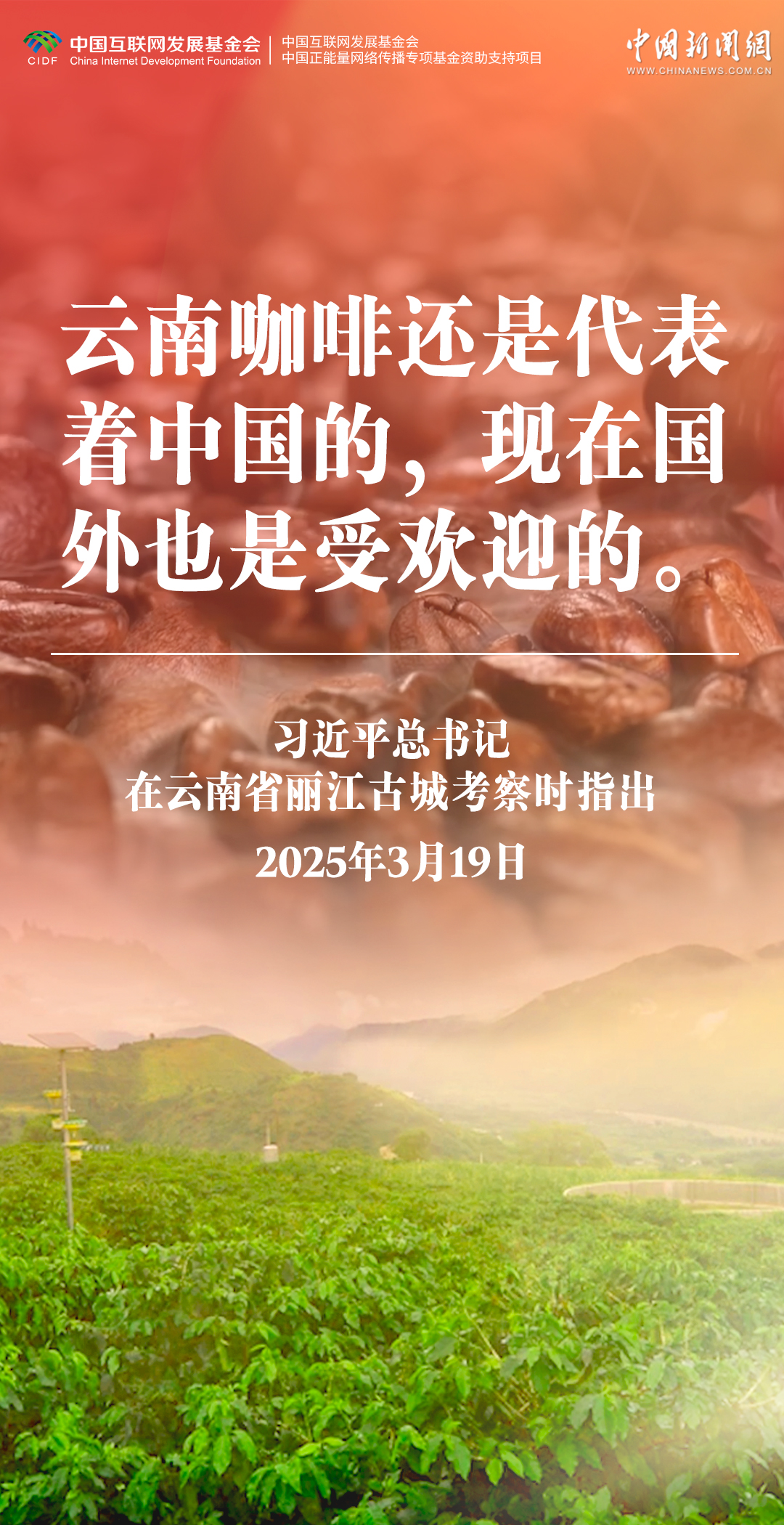
咖啡种植

Search documents
不掉队 赶上来|从过渡期到常态化 帮扶产业如何后劲更足
Ren Min Ri Bao· 2025-12-25 02:27
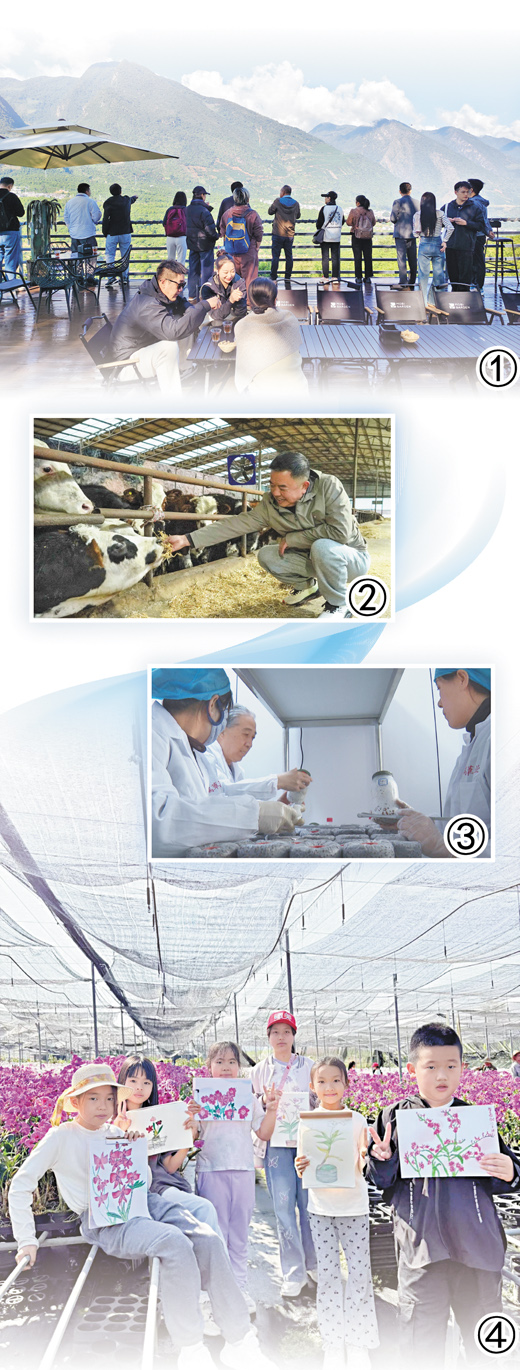
Core Viewpoint - The Central Economic Work Conference has outlined eight key tasks for economic work in the coming year, emphasizing the importance of maintaining and expanding the achievements of poverty alleviation while promoting rural revitalization [1] Group 1: Consolidation of Achievements - The development of supportive industries is crucial for enhancing the endogenous development capacity of poverty-stricken areas and continuously improving income-generating abilities [1] - In 2024, the coffee production in Xinzhai Village is expected to reach 4,300 tons, generating an agricultural output value of 170 million yuan, with per capita disposable income exceeding 40,000 yuan [3] Group 2: Upgrading Industries - In Huichang County, the focus has shifted to beef cattle breeding, leveraging local resources and transportation advantages to establish a comprehensive beef cattle industry chain [5][6] - The implementation of a "leading enterprise + cooperative + base + farmer" model has integrated over 200 farmers into the industry system, resulting in an annual income increase of over 5,000 yuan per farmer [6] Group 3: Revitalizing Idle Assets - In Xiji County, the transformation of an idle production facility into a modern mushroom production base has created over 100 job opportunities, with an average annual income of over 45,000 yuan for villagers [8] - The collaboration with a professional company has revitalized the production base, leading to an annual output value of over 14 million yuan [8] Group 4: Adjusting Strategies - In Leimei Village, the transition from unsuccessful black goat farming to the successful cultivation of orchid flowers has resulted in sales exceeding 150 million yuan and collective dividends of over 2.78 million yuan [10] - The establishment of a research and training base has attracted over 10,000 visitors and hosted numerous training activities, contributing to the village's economic development [10]
从过渡期到常态化 帮扶产业如何后劲更足
Ren Min Ri Bao· 2025-12-25 01:52
Core Insights - The central economic work conference has outlined eight key tasks for the upcoming year, emphasizing the importance of addressing "livelihood issues" and maintaining focus on rural revitalization and poverty alleviation efforts [1] Group 1: Poverty Alleviation and Rural Revitalization - The transition period for consolidating and expanding poverty alleviation achievements into rural revitalization is crucial, with a focus on the "three rural issues" [1] - The development of supportive industries is essential for enhancing the endogenous development capacity of impoverished areas and continuously improving income generation capabilities [1] - The "Four Batches" strategy for supportive industries aims to strengthen, upgrade, revitalize, and adjust existing industries to promote sustainable development [1] Group 2: Case Studies of Successful Initiatives - In Yunnan's Xinzhai Village, the introduction of coffee cultivation has transformed the local economy, with coffee bean prices reaching approximately 60 yuan per kilogram due to standardized farming practices [3][4] - In Jiangxi's Chitangxia Village, the establishment of a beef cattle industry has integrated over 200 farmers into a cooperative model, resulting in an annual income increase of over 5,000 yuan per farmer [6][7] - Ningxia's Murong Village has revitalized a previously idle production facility by partnering with a professional company, leading to an annual production capacity of over 600 million mushroom sticks and generating significant local employment [8][9] - Hainan's Lemei Village shifted from unsuccessful goat farming to successful orchid cultivation, achieving sales exceeding 15 million yuan and collective dividends of over 2.78 million yuan [10][11]
从过渡期到常态化 帮扶产业如何后劲更足(不掉队 赶上来)
Ren Min Ri Bao· 2025-12-24 22:32
Core Viewpoint - The article emphasizes the importance of developing supportive industries in poverty-stricken areas to enhance the internal development motivation of these regions and sustain income growth, linking the consolidation of poverty alleviation achievements with rural revitalization efforts [5]. Group 1: Consolidation of Industries - In Xinzai Village, Yunnan, the coffee industry has transformed from a struggling sector to a thriving one, with coffee bean prices reaching approximately 60 yuan per kilogram due to standardized cultivation practices and the establishment of cooperatives [7][8]. - The village's coffee production is projected to reach 4,300 tons in 2024, generating an agricultural output value of 170 million yuan and attracting over 210,000 tourists, leading to an increase in per capita disposable income exceeding 40,000 yuan [8]. Group 2: Upgrading Industries - In Chidangxia Village, Jiangxi, the focus has shifted to beef cattle farming, leveraging local resources and transportation advantages to establish a comprehensive beef production chain, resulting in an annual revenue exceeding 60 million yuan [9][10]. - The village's model integrates over 200 farmers into the industry, with each farmer earning an additional 8,000 yuan per acre from pasture cultivation and over 3,000 yuan monthly from working at the farm [10][11]. Group 3: Revitalizing Idle Assets - In Murong Village, Ningxia, a previously idle production facility has been revitalized through a partnership with a professional company, leading to the establishment of a modern mushroom production base capable of producing over 6 million mushroom sticks annually, generating an output value of over 14 million yuan [12][13]. - The new operational model has created hundreds of job opportunities, with villagers earning an average income of over 45,000 yuan, while the village collective benefits from an annual income of 230,000 yuan through participation in the industry [13]. Group 4: Adjusting Industries - In Lemei Village, Hainan, the transition from unsuccessful goat farming to the successful cultivation of orchids has been achieved by leveraging local climate advantages and establishing a cooperative, resulting in sales exceeding 15 million yuan and collective dividends of over 2.78 million yuan [15][16]. - The village has also developed a research and training base, hosting over 70 training sessions and receiving more than 100,000 visitors, further enhancing its economic prospects [16].

纽约阿拉比卡咖啡期货:印尼洪灾致其涨至12月17日以来新高
Sou Hu Cai Jing· 2025-12-23 14:31
Core Viewpoint - The article highlights a slight increase in New York Arabica coffee futures due to widespread flooding in Indonesia, which threatens the country's coffee exports for the upcoming year [1] Group 1: Market Impact - On December 23, New York Arabica coffee futures rose slightly, with the most active contract reaching a high of 351.85 cents per pound, marking a 1.3% increase and the highest level since December 17 [1] - The rise in coffee futures is attributed to concerns over potential production risks stemming from the flooding in Indonesia [1] Group 2: Production Risks - The chairman of the Indonesian coffee exporters and industry association reported that approximately one-third of the Arabica coffee plantations in North Sumatra have been affected by flooding in recent weeks [1] - The flooding poses a significant risk to future coffee production in Indonesia, which could impact global coffee supply [1]
中国咖啡主产区云南:司法“抓前端、治未病” 助推产业提质增效
Xin Lang Cai Jing· 2025-12-23 10:48
Core Viewpoint - The article emphasizes the importance of proactive measures in the coffee industry in Yunnan, China, to prevent disputes and enhance the quality and efficiency of the coffee sector, aligning with the traditional Chinese medical philosophy of "preventing disease before it occurs" [1] Group 1: Industry Development - Yunnan's coffee planting area exceeds 1.26 million acres, accounting for over 98% of China's annual coffee production [1] - The demand for Yunnan coffee beans has surged among domestic and international consumers, leading to rapid growth in the local coffee industry [1] Group 2: Dispute Resolution - In Menglian County, land disputes have arisen due to rising coffee prices, affecting over a hundred coffee farmers and their contractors [3] - The local court has adopted a tailored approach to resolve disputes by understanding the specific needs of land lessors, which has led to successful mediation and long-term cooperation between farmers and enterprises [3] Group 3: Legal Awareness and Education - Many local farmers previously relied on verbal agreements for transactions, which led to difficulties in proving disputes; thus, educating farmers about labor, contract, and intellectual property laws is crucial for preventing conflicts [3] - The court's outreach efforts have significantly reduced transaction disputes by guiding farmers in drafting contracts [3] Group 4: Integration of Industries - Yunnan is promoting the integration of coffee with agriculture, culture, and tourism, with numerous coffee estates attracting visitors [5] - The local court has provided legal assistance to coffee estates, emphasizing the importance of insurance for tourist safety [5] Group 5: Governance and Market Environment - The Yunnan Provincial Intermediate People's Court aims to resolve disputes through non-litigation methods to enhance grassroots governance and reduce the costs of rights protection for market entities and the public [5] - Timely resolution of disputes is seen as beneficial for the coffee industry, allowing market participants to operate and generate revenue more quickly [5]
视频|用好豆出好咖啡 “混搭”经营 云南“咖啡+”成消费新时尚
Yang Shi Xin Wen Ke Hu Duan· 2025-12-15 06:25
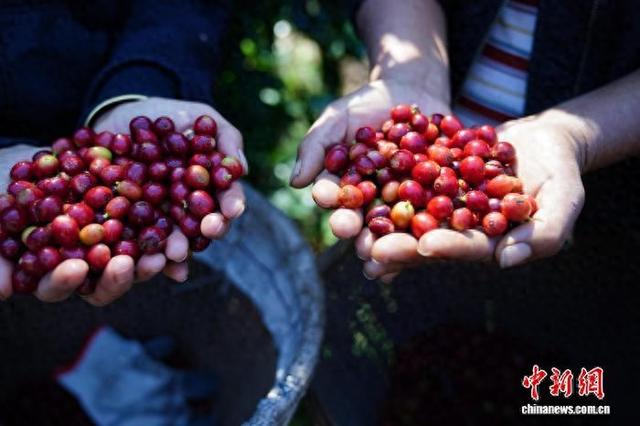
云南地处咖啡种植黄金带,目前,云南全省咖啡种植面积超过126万亩,年产量14.6万吨,均占全国的98%以上,是全国咖啡主产区。进入12月份,云 南咖啡也迎来了忙碌的采摘季。今年咖啡市场行情如何?呈现出哪些行业发展新趋势?我们首先跟随咖啡寻豆师,一起去源头看看。 0:00 / 2:07 云南省普洱市思茅区南屏镇南岛河村村民刘思玉玥,是一名95后新农人,有过海外留学经历的她,毕业后回到家乡,投入咖啡行业。冬日暖阳下,她带 着咖啡爱好者们一起上山,寻找采摘最好的咖啡果。 云南省普洱市思茅区南岛河村村民 刘思玉玥:以前我们采摘豆子是一串地撸下来的,不追求它是红果还是绿果还是黄果,还是浮壳豆、空壳豆。现在 不一样,自己家采摘的工人会比较精挑一些,我们只收全红果。 刘思玉玥告诉记者,经过多年的发展,消费者对咖啡豆子的品质提出了越来越高的要求,很多人会到源头寻豆、找豆、选豆,精准锁定自己的"心头 好"。消费端要求的不断提高,也带动了生产端的发展升级。近些年,咖啡源头价格在稳步上涨,好豆好价的趋势已经非常明显,对于豆子的需求逐渐 从"量"向"质"转变。 云南省普洱市思茅区南岛河村村民 刘思玉玥:去年刚开始收的时候,就已经是每 ...

用好豆出好咖啡 “混搭”经营 云南“咖啡+”成消费新时尚
Yang Shi Xin Wen· 2025-12-14 07:59
云南地处咖啡种植黄金带,目前,云南全省咖啡种植面积超过126万亩,年产量14.6万吨,均占全国的98%以上,是全国咖啡主产区。进入12月份,云南咖 啡也迎来了忙碌的采摘季。今年咖啡市场行情如何?呈现出哪些行业发展新趋势?我们首先跟随咖啡寻豆师,一起去源头看看。 云南省普洱市思茅区南屏镇南岛河村村民刘思玉玥,是一名95后新农人,有过海外留学经历的她,毕业后回到家乡,投入咖啡行业。冬日暖阳下,她带着咖 啡爱好者们一起上山,寻找采摘最好的咖啡果。 云南省普洱市思茅区南岛河村村民 刘思玉玥:以前我们采摘豆子是一串地撸下来的,不追求它是红果还是绿果还是黄果,还是浮壳豆、空壳豆。现在不一 样,自己家采摘的工人会比较精挑一些,我们只收全红果。 刘思玉玥告诉记者,经过多年的发展,消费者对咖啡豆子的品质提出了越来越高的要求,很多人会到源头寻豆、找豆、选豆,精准锁定自己的"心头好"。消 费端要求的不断提高,也带动了生产端的发展升级。近些年,咖啡源头价格在稳步上涨,好豆好价的趋势已经非常明显,对于豆子的需求逐渐 从"量"向"质"转变。 云南省普洱市思茅区南岛河村村民 刘思玉玥:去年刚开始收的时候,就已经是每公斤5块了,价格一直在涨 ...

云南史氏咖啡有限公司成立 注册资本100万人民币
Sou Hu Cai Jing· 2025-12-13 10:02
Core Insights - Yunnan Shishi Coffee Co., Ltd. has been established with a registered capital of 1 million RMB, indicating a new player in the coffee industry [1] Company Overview - The legal representative of Yunnan Shishi Coffee Co., Ltd. is Shi Yunping [1] - The company’s business scope includes various food-related activities such as internet sales, production, and sales of food and beverages, as well as coffee bean cultivation [1] Business Activities - The company is authorized to engage in licensed projects including food internet sales, food production, and beverage production [1] - General projects include coffee bean planting, collection of forest products, primary agricultural product acquisition, and initial processing of edible agricultural products [1] - Additional activities encompass wholesale and retail of edible agricultural products, storage services, and manufacturing of specialized equipment for food and beverage production [1] Technical and Consulting Services - The company will also provide technical services, development, consulting, and promotion related to its business [1] - It is involved in marketing planning and corporate image planning, indicating a focus on brand development [1] Import and Export Activities - Yunnan Shishi Coffee Co., Ltd. is permitted to conduct import and export activities related to food and technology, which may enhance its market reach [1]
云咖产业“出圈”冲进文旅赛道 “咖啡+”融合带动乡村体验“焕新”
Yang Shi Wang· 2025-12-08 04:17
Group 1 - The coffee harvesting season in Yunnan, China's largest coffee-producing region, is currently at its peak [1][3] - Yunnan has a coffee cultivation history of over 100 years, with planting area and production accounting for over 98% of the national total [5] - A 200-acre coffee estate can yield approximately 180 tons of coffee cherries annually, making coffee a significant source of income for farmers [5] Group 2 - Boutique coffee estates in Yunnan have become popular tourist destinations, with 14 estates recognized as "Yunnan Province Boutique Coffee Estates" by 2024 [7] - Daily visitor numbers to these estates can reach up to 3,000, with a diverse customer demographic engaging in various coffee-related experiences [7] - The introduction of new consumption scenarios, such as "coffee + education" and "coffee + cultural heritage," has significantly increased customer engagement [7] Group 3 - The initial processing of coffee involves methods such as sun-drying, washing, and honey processing, followed by drying, hulling, and grading to produce green coffee beans [8] - Recent investments in automation have increased processing capacity from an average of over 30 tons per day to between 100 and 150 tons [8] - The annual production capacity of certain enterprises has reached 20,000 tons due to equipment upgrades [8]
探寻新时代发展足迹|云南咖啡,何以“代表中国”?
Zhong Guo Xin Wen Wang· 2025-12-08 03:53
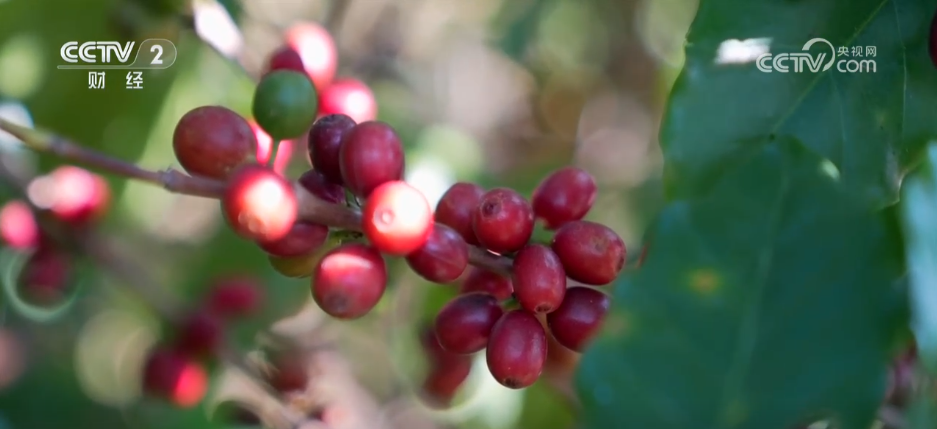
Core Viewpoint - Yunnan coffee is emerging as a significant player in the global coffee market, representing China's agricultural modernization and international cooperation [1]. Group 1: Yunnan Coffee's Global Position - China is increasingly recognized in the global coffee landscape, not only for its rising consumption but also as an important coffee-producing country [4]. - Yunnan has become a key region for high-quality Arabica coffee, with over one million acres of coffee plantations established [7]. Group 2: Production and Quality Improvement - In 2024, Yunnan's coffee planting area reached 1.267 million acres, with a production volume of 146,000 tons, accounting for over 98% of China's total coffee production [10]. - The province has promoted the upgrading of quality coffee varieties, designating 1.05 million acres for specialty coffee cultivation, and has increased the specialty coffee rate from 8% in 2021 to 31.6% in 2024 [13]. Group 3: Export Growth and International Recognition - Yunnan's coffee exports have shown significant growth, with an increase of 8.4%, making it the leading region in China for coffee exports to 34 countries, including the Netherlands, Germany, and Vietnam [16].