超市

Search documents
于东来反复踩踏民族情感红线,绑定他是永辉此次改革的最大败笔!
Xin Lang Cai Jing· 2025-11-22 07:25
作者声明:该文章由AI辅助创作 01、我为何敢预判:永辉的改革注定失败? 永辉超市——曾是我国零售行业的一面旗帜,近年来却深陷经营困局,出现巨额亏损。 为了扭转局势,永辉超市邀请"胖东来"创始人于东来及其团队加入,开始了一场企业改革。 今年10月,永辉超市CEO王守诚坦言,永辉目前的发展水平仅相当于10年前的胖东来。 他说,永辉会扎扎实实地往前走: 用2-3年的时间走出"生死线",再用3-5年的时间赢回信任,最后用5-10年,成为让人骄傲、感到幸福的 品牌。 可惜,我不得不泼个冷水——如果继续按现在这种方式搞下去,永辉超市的这次改革注定失败! 肯定会有网友质疑: 何医生,你是个大夫,又不懂超市经营,你凭什么在这里一本正经地胡说八道呢? 人家永辉超市的老板没招你没惹你,也没爆出有精神心理问题,你又没见过他,为什么要说这种话呢? 其实理由很简单: 第一,虽然我不认识永辉的老板,但无论他是谁,他只要是个人,就一定会有人性、三观以及内隐记 忆。 而这些正是我研究的范畴。 尤其我有过6次创业的人生经历,并率先打开了精准高效心理学的大门后,对于很多社会事件和人物, 我能从这3个维度进行深入的剖析,揭开事实背后的真相。 第 ...


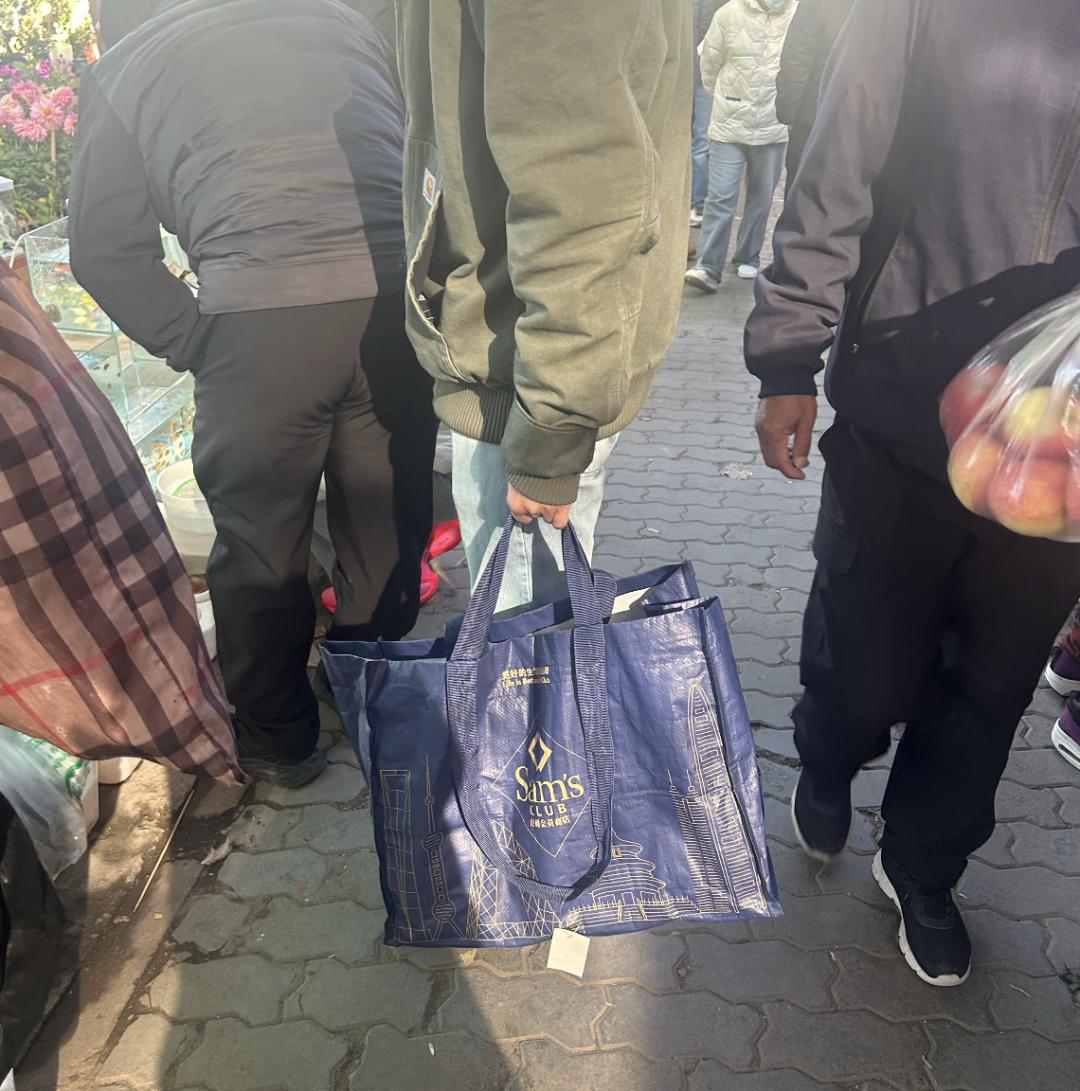
这届年轻人,背着山姆购物袋重返大集
3 6 Ke· 2025-11-22 05:44
Core Insights - The traditional market, or "大集," is experiencing a revival as younger generations engage in both shopping and selling, transforming the market dynamics through social media influence and innovative business models [1][10][14] Group 1: Market Dynamics - The traditional market is attracting younger consumers who prefer its unique offerings over conventional retail options like Sam's Club, highlighting a shift in shopping preferences [2][5] - Prices at the traditional market are significantly lower than those on fresh produce platforms, with examples such as onions priced at 8 yuan for a large bag and bananas at 20 yuan for 16 to 18 pieces, showcasing the cost-effectiveness of this shopping method [5][7] - The market's ability to quickly adapt to trending food items surpasses that of many e-commerce platforms, allowing for rapid introduction of popular products like Tiramisu and "奶皮子糖葫芦" [7][8] Group 2: Young Entrepreneurs - An increasing number of young individuals are starting their own stalls at traditional markets, often as a stepping stone to entrepreneurship, with many aiming to build their own brands [10][12] - Young stall owners are leveraging social media for marketing, sharing their experiences online, and creating private customer communities to enhance customer engagement [12][13] - The shift in consumer behavior reflects a blend of traditional and modern retail practices, where young entrepreneurs are learning from various markets to refine their offerings [10][12] Group 3: Consumer Behavior - The return to traditional markets is influenced by a cycle of consumption where consumers, after experiencing e-commerce, seek the tangible and immediate benefits of in-person shopping [14][15] - Social media plays a crucial role in shaping consumer perceptions, with younger shoppers being more aware of potential pitfalls in traditional market transactions, leading to a demand for transparency and quality [14][15] - The immediacy of traditional market shopping, such as purchasing warm hats for 30 yuan, highlights a preference for instant gratification that aligns with current consumer trends [15][16]
美国四分之一失业者拥有本科或以上学历,创纪录水平
Hua Er Jie Jian Wen· 2025-11-21 18:09
市场有风险,投资需谨慎。本文不构成个人投资建议,也未考虑到个别用户特殊的投资目标、财务状况或需要。用户应考虑本文中的任何 意见、观点或结论是否符合其特定状况。据此投资,责任自负。 风险提示及免责条款 9月,美国25岁及以上、拥有至少本科学历的失业人口超过190万人,占全美失业总人数的四分之一。自 1992年有数据记录以来,这一比例在2025年之前从未达到如此之高。摩根大通美国首席经济学家 Michael Feroli指出,受过大学教育的人群失业率上升"应该会进一步加剧对人工智能引发失业的担忧"。 与此同时,一系列大型企业宣布裁员,包括亚马逊、塔吉特和星巴克。就业服务公司Challenger, Gray & Christmas的最新报告显示,随着人工智能重塑行业格局以及成本削减加速,美国企业10月份宣布的裁 员规模是二十多年来同期最高水平。 ...
胖东来高管调整:于东来卸任总经理 五名董事退出
Xi Niu Cai Jing· 2025-11-21 08:27
在业绩方面,官网数据显示,截至11月上旬,胖东来2025年以来的销售额达205.75亿元,较去年全年的169亿元增长超过20%。这一成绩超出了于东来今年3 月设定的"全年销售额控制在200亿元以内"的"控速"目标。其中,超市业态以109.1亿元销售额领跑,许昌时代广场店以51.4亿元位居单店榜首。于东来曾表 示,控制销售规模是为避免员工因业绩增长过快而加班,保障企业价值观。 此外,胖东来近期投资成立了许昌市胖东来梦之城商贸有限公司,注册资本为1亿元,经营范围涵盖日用百货销售、电影放映、游艺娱乐活动等,冯延军担 任法定代表人、总经理。此举也标志着胖东来正式从零售业向文旅综合体领域拓展。 于东来目前持有胖东来69.96%的股份,于娟、房亚军和于东明均持有胖东来5.3%的股份,形成创始人加核心骨干共同持股的格局。 据悉,此次变动是胖东来持续推进"去个人化"管理的战略步骤。2025年5月,于东来曾在社交平台表示希望逐步脱离胖东来,将资产和管理权交给现有团 队。从2024年底起,胖东来董事会已多次召开闭门会议,专门讨论高层分工与接班人计划。新任总经理蔡长柱是加入胖东来25年的元老,曾在供应链管理、 门店运营和客户服务等 ...

步步高跌2.03%,成交额3.35亿元,主力资金净流出1412.94万元
Xin Lang Zheng Quan· 2025-11-21 02:26
Group 1 - The core viewpoint of the news is that Bubu Gao's stock has experienced fluctuations, with a recent decline of 2.03% and a year-to-date increase of 34.18% [1] - As of November 21, Bubu Gao's stock price is 5.30 yuan per share, with a total market capitalization of 14.25 billion yuan [1] - The company has seen a net outflow of main funds amounting to 14.13 million yuan, with significant trading activity reflected in the buying and selling of large orders [1] Group 2 - Bubu Gao operates in the general retail sector, specifically in supermarkets, and is involved in various concepts such as new retail and cold chain logistics [2] - For the period from January to September 2025, Bubu Gao reported a revenue of 3.20 billion yuan, representing a year-on-year growth of 26.45%, while the net profit attributable to shareholders decreased by 88.83% to 226 million yuan [2] - The company has not distributed any dividends in the last three years, with a total payout of 1.68 billion yuan since its A-share listing [3]

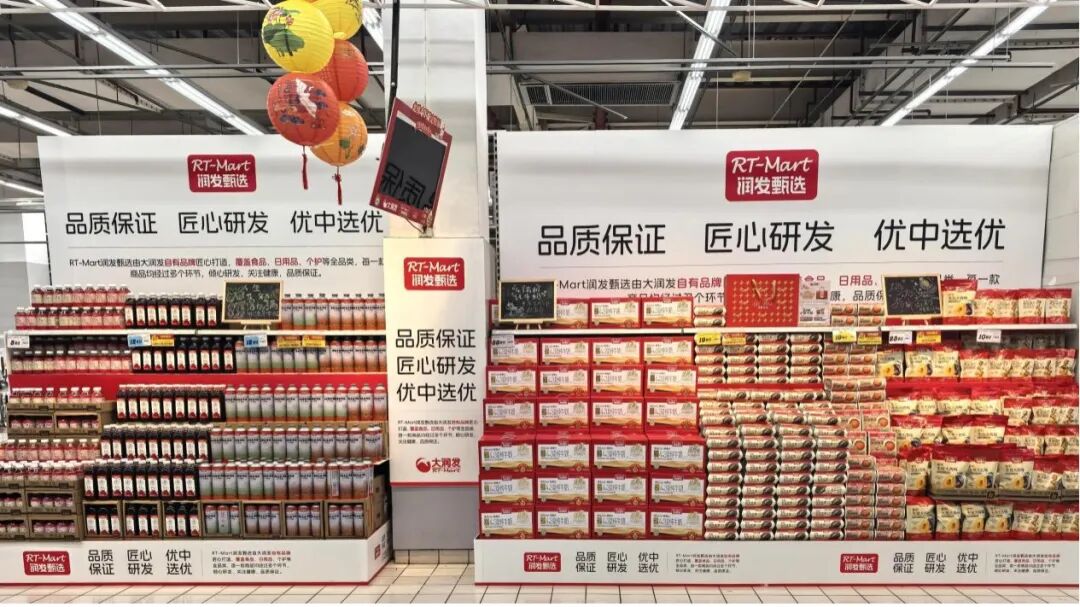
亏了1.27亿,大润发计划3年「调改」500店
3 6 Ke· 2025-11-20 03:36
Core Insights - The article discusses the transformation of RT-Mart, highlighting its position as the second-largest supermarket in China, facing challenges in adapting to market changes and consumer preferences [1][2] - Despite efforts to showcase confidence in its transformation, RT-Mart's financial performance remains under pressure, indicating a need for strategic adjustments [2][14] Group 1: Transformation Strategy - RT-Mart plans to accelerate the renovation of 500 stores over the next three years, focusing on a model that combines health products, enjoyable experiences, and attentive service [3][4] - The company aims to shift from a "destination hypermarket" to a "community center" model, requiring a complete restructuring of its product offerings and operational logic [3][11] - A key strategy involves reducing the size of stores from over 10,000 square meters to between 6,000 and 7,500 square meters, and halving the number of SKUs from 16,000-20,000 to streamline product offerings [8][9] Group 2: Financial Performance and Challenges - In the latest financial report, RT-Mart's parent company, Gao Xin Retail, reported a revenue of 30.502 billion yuan, a year-on-year decline of 12.1%, and a net loss of 127 million yuan [1][14] - The B2C business saw a same-store order growth of 7.4% and a sales increase of 2.1%, but a decline in average transaction value poses a challenge to profitability [14] - The company has a cash reserve of 11.958 billion yuan, providing a buffer for operational and strategic initiatives [13] Group 3: Innovations and Opportunities - RT-Mart has initiated a nationwide joint procurement project for pork, which has led to a nearly 20% increase in sales volume and a 4 percentage point rise in gross margin [10][11] - The company is also expanding its private label strategy, with nearly 500 SKUs across over 50 categories, although this currently represents less than 3% of total sales [17][18] - The establishment of front warehouses aims to enhance online sales, with plans to increase the proportion of online sales to 40%-50% over the next three years [14][15] Group 4: Market Position and Future Outlook - RT-Mart's strategic focus on low-tier cities, where 75.8% of its stores are located, provides a favorable environment for its transformation efforts [11][12] - The company faces significant challenges in overcoming the inertia of traditional hypermarket operations while addressing declining revenues and weak core product offerings [18] - The transformation journey is expected to be long and arduous, with the next three years serving as a critical starting point for RT-Mart's revival [18]
联华超市拟7828.60万元出售杨浦世纪联华的全部股权
Zhi Tong Cai Jing· 2025-11-19 13:52
联华超市(00980)公布,于2025年11月19日,公司直接全资附属公司世纪联华发展拟向百联集团间接全 资附属公司上海动燃出售杨浦世纪联华的全部股权,现金对价约为人民币7,828.60万元(主管国有资产监 督管理部门已经备案确认)。于出售事项交割完成后,杨浦世纪联华将不再为该公司的附属公司。 待出售事项完成后,公司拟与上海动燃订立委託管理协议,据此,公司同意向杨浦世纪联华提供经营管 理服务及资源配套服务,自委託管理协议生效之日起为期叁年。 据悉,杨浦世纪联华主要在上海市杨浦区和河南省经营大型综合超市。 ...
联华超市(00980)拟7828.60万元出售杨浦世纪联华的全部股权
智通财经网· 2025-11-19 13:42
Core Viewpoint - Lianhua Supermarket (00980) plans to sell its entire stake in Yangpu Lianhua to Shanghai Dongran for approximately RMB 78.286 million, with the transaction confirmed by the relevant state-owned asset supervision authority [1] Group 1 - The sale is expected to be completed by November 19, 2025, after which Yangpu Lianhua will no longer be a subsidiary of the company [1] - Following the completion of the sale, the company intends to enter into a management agreement with Shanghai Dongran, providing operational management and resource support services to Yangpu Lianhua for a period of three years [1] - Yangpu Lianhua primarily operates large-scale comprehensive supermarkets in Yangpu District of Shanghai and Henan Province [1]
宋九亮:警惕商超从一个同质化走向另一个同质化
3 6 Ke· 2025-11-19 10:50
Core Insights - The retail industry in China is facing a critical transformation challenge due to homogenization and online competition, leading to a situation where traditional supermarkets are struggling for survival rather than merely choosing a direction for transformation [1] - Many supermarkets are transitioning from one form of homogenization to another, resulting in a new wave of homogenized competition that fails to address the fundamental issues of the industry [1][9] Group 1: Homogenization Challenges - The homogenization in the supermarket sector has created a "thousand stores, one face" phenomenon, affecting all aspects from products to operations and services, which has weakened the industry's resilience against online competition [2] - Research indicates that over 80% of core product categories in national chain supermarkets overlap, leading to a lack of differentiation and a reliance on major brands, which diminishes the ability to cater to regional consumer needs [3] - The reliance on "channel fees" for profitability has become a common practice, with some supermarkets deriving 40%-50% of their income from these fees, which distorts the pricing system and places traditional supermarkets at a disadvantage against online platforms [4][5] Group 2: Operational and Design Homogenization - Supermarkets exhibit a standardized layout and design, making it difficult for consumers to distinguish between different brands, which detracts from the shopping experience [6][8] - The operational model focuses on maximizing product variety rather than enhancing consumer experience, leading to a lack of personalized service and community engagement [8] Group 3: Transformation and New Homogenization - The recent trend of "adjustment and reform" in supermarkets has led to a superficial imitation of successful models without addressing core issues, resulting in a new form of homogenization [9][10] - Many supermarkets are adopting similar product offerings and designs, leading to a resurgence of the "thousand stores, one face" phenomenon, which undermines the potential benefits of transformation [10][12] - The lack of core capabilities in product development and supply chain management has resulted in a reliance on imitation rather than innovation, further entrenching the cycle of homogenization [12] Group 4: Future Directions - The key to breaking the cycle of homogenization lies in focusing on consumer needs and fostering innovation, rather than merely copying successful models [13] - Successful examples of differentiation and innovation in the retail sector highlight the importance of local adaptation and unique value propositions [14] - The future of supermarket competition will hinge on uniqueness, value, and trust, rather than scale or price, necessitating a return to the essence of retail as a service-oriented industry [14]
图数室丨一年消失3037家,传统超市正在消亡
Xin Lang Cai Jing· 2025-11-19 08:12
Core Insights - In 2024, 62 major supermarket companies are set to close a total of 3,037 stores, indicating a significant industry downturn affecting giants like CP Lotus, Yonghui, and RT-Mart [2][3] - The traditional supermarket model is losing ground to e-commerce and specialized retail formats, as consumer shopping habits shift towards convenience and efficiency [2][9] Industry Overview - The transition from traditional markets to supermarkets began in the 1990s, but the landscape has drastically changed in just over three decades, with large supermarkets now facing collective closures [3] - According to the latest report from the China Chain Store & Franchise Association, only 25 out of the top 100 supermarkets in China are expanding, while the majority are reducing their store counts [3][6] Store Closures - The most significant closures are attributed to Jibai Holdings, which closed 1,009 stores, accounting for one-third of the total closures in the industry [5][6] - Other notable closures include CR Vanguard with 493 stores, Yonghui with 234 stores, and Lianhua with 205 stores, all reflecting a downward trend in store numbers [5][6] Revenue Trends - Major supermarkets are experiencing substantial revenue declines, with Yonghui's revenue dropping from 48.7 billion to 29.9 billion yuan, and Lianhua's revenue falling from 13.5 billion to 9.5 billion yuan [7][9] Market Share Dynamics - The market share of supermarkets has decreased from 34% to 32% between 2019 and 2024, while hypermarkets have seen a drop from 19% to 13%. In contrast, e-commerce has surged from 22% to 32% [9][11] - The rise of community group buying and specialized stores has further eroded the traditional supermarket's customer base, highlighting a shift in consumer preferences [9][11] Efficiency and Competition - Traditional supermarkets are struggling with high operational costs and inefficiencies compared to smaller, more agile formats like Hema and Costco, which offer better profit margins and customer experiences [11][13] - The traditional model lacks competitive advantages in key areas such as product differentiation, shopping experience, and social engagement, leading to a decline in consumer interest [13][15] Future Outlook - The current wave of store closures is seen as a necessary industry reshuffle rather than a sudden crisis, as the market adapts to new consumer demands for efficiency and value [15] - There remains potential for growth in specialized retail formats that offer unique value propositions, indicating that the retail story is far from over [15]