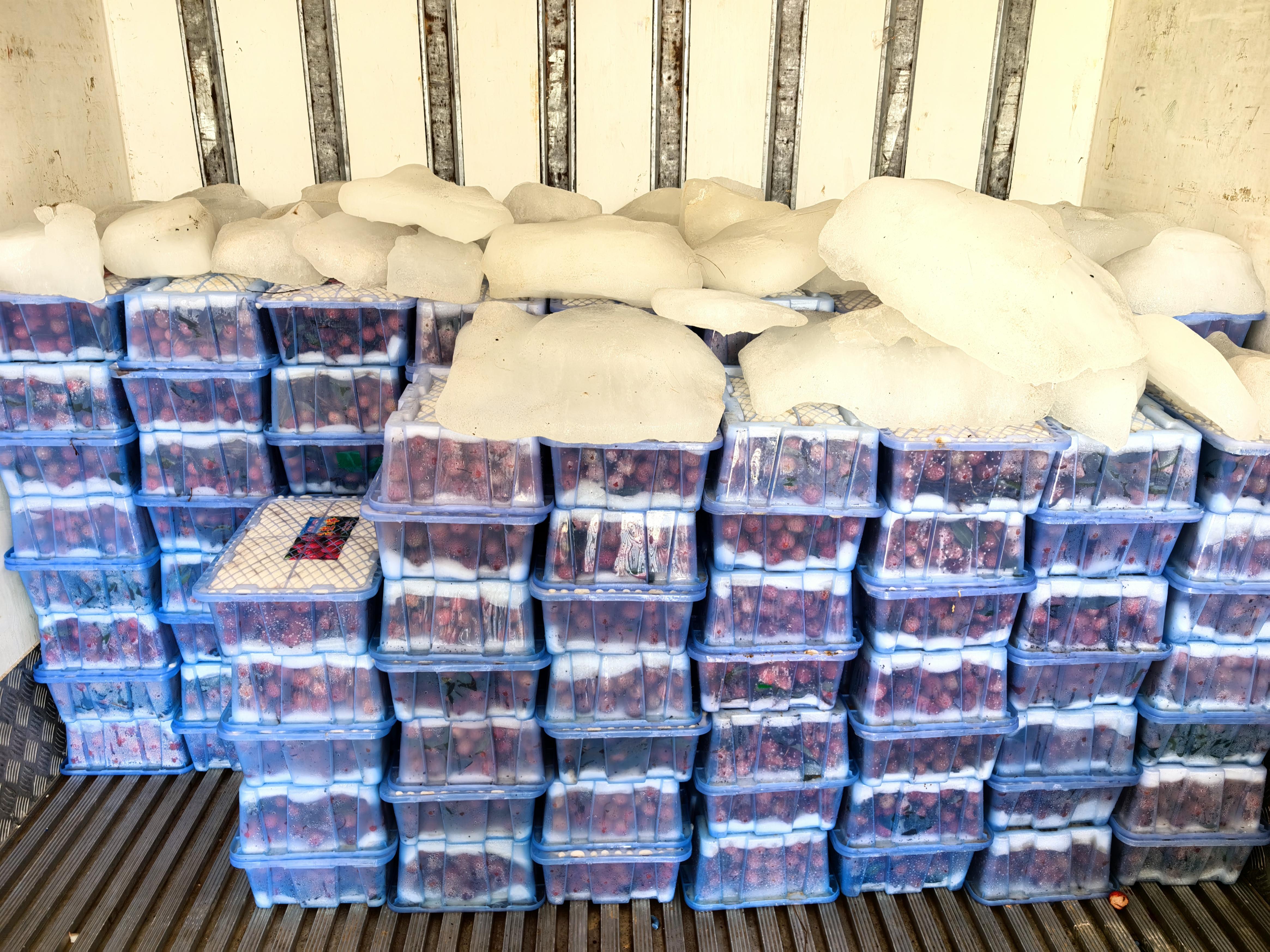
妃子笑荔枝

Search documents
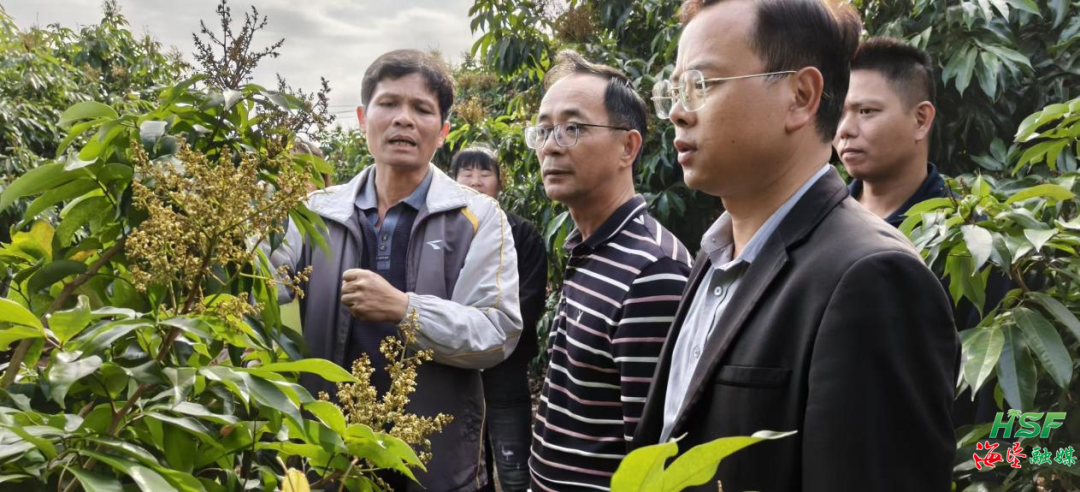
红明农场公司开展荔枝疏花保果技术培训
Xin Lang Cai Jing· 2026-02-11 03:39
Core Insights - The training session aimed to enhance the lychee planting techniques of employees and local farmers, aligning with the service requirements of Hainan Agricultural Group [1][4] - The training utilized a "theoretical explanation + practical demonstration" approach, addressing technical challenges in the lychee flower thinning and fruit retention process [1][4] Group 1 - The training was conducted on February 9 at the Lihai Shared Farm, leveraging the Hainan Qiongshan Lychee Technology Center platform [1][4] - Experts from the Haikou Agricultural Technology Promotion Center provided insights on the impact of this year's unique climatic conditions on lychee cultivation [3][6] - Recommendations included precise operations like "leaf cutting to preserve buds" to prevent nutrient competition between leaf buds and flowers, which could lead to insufficient flower quantity [3][6] Group 2 - The training broke away from traditional classroom settings, moving to the fields to make technology services more practical and effective [3][6] - The company is committed to "technology-driven agriculture and wealth creation for farmers," aiming to transition the lychee industry from "experience-based planting" to "scientific planting" [3][6] - The initiative seeks to convert technological benefits into tangible income for employees and local farmers [3][6]

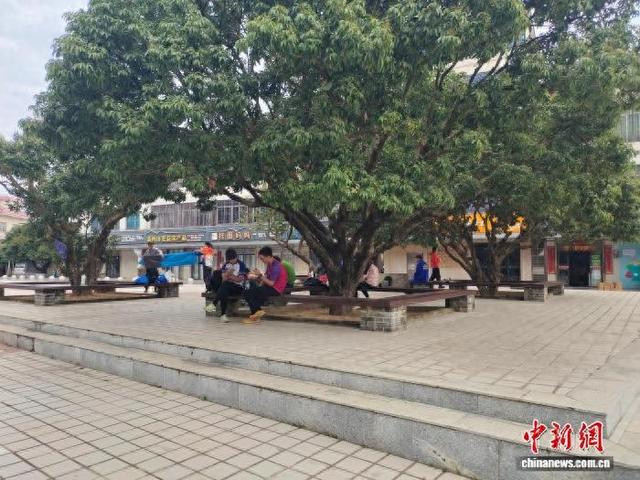
(新春走基层)荔花初绽报春信 “中国荔乡”广东高州产业新
Zhong Guo Xin Wen Wang· 2026-02-06 07:41
Core Insights - The article highlights the thriving lychee industry in Baqiao Village, Guangdong, showcasing its transformation into a cultural and economic hub for local residents [2][5]. Group 1: Lychee Cultivation and Economic Impact - Baqiao Village is recognized as a core area for lychee cultivation, with a planting area of 6,800 acres and a history of over 2,000 years [2]. - The lychee cooperative in the village has over 2,000 acres of planting area, generating sales exceeding 10 million yuan in fresh lychee last year [2]. - The village's collective economic income is projected to exceed 5 million yuan by 2025, with per capita income more than double that of rural residents in Maoming City [5]. Group 2: Innovation and New Business Models - The Baqiao Village Collective operates under a model of "fully owned by the village collective + professional managers," focusing on developing new lychee-related products such as lychee ice cream and coffee [5]. - The village has 52 e-commerce stores, 16 cooperatives, and 10 agricultural enterprises, indicating a robust entrepreneurial ecosystem [5]. - Young returnees, referred to as "farmers' second generation," are significantly contributing to the local economy by leveraging resources to create their own brands and products [5]. Group 3: Tourism and Cultural Integration - The Baqiao Lychee Museum and various cultural attractions are central to the village's tourism strategy, integrating agriculture, commerce, culture, and travel [7]. - The Baqiao service area on the Bao-Mao Expressway serves as a new cultural tourism landmark, offering diverse experiences such as Cantonese opera performances and local cuisine [7]. - The village's development strategy includes creating a closed-loop system for surrounding industries, enhancing the overall visitor experience and economic sustainability [7].
“妃子笑”与“千年道”(山河志)
Ren Min Wang· 2026-01-03 01:24
Core Viewpoint - The article explores the historical and cultural significance of lychee in the region of Fuling, China, highlighting its journey from ancient times to modern-day cultivation and distribution, particularly focusing on the "Feizi Xiao" variety of lychee [3][4][5]. Historical Context - Lychee has been cultivated in Fuling for centuries, with historical records dating back to the Eastern Jin Dynasty, indicating its importance in trade and tribute to the capital, Chang'an [3][4]. - The establishment of the "Lychee Road," a route specifically for transporting lychee to Chang'an, underscores the fruit's significance in ancient Chinese culture [4]. Cultural Significance - The lychee is associated with historical figures such as Yang Guifei, who favored the fruit, further embedding it in the cultural narrative of the region [3][4]. - The article reflects on personal memories and connections to lychee, illustrating its role in family traditions and local identity [5][6]. Modern Developments - The Fuling lychee industry has evolved, with modern techniques such as cold chain logistics ensuring the fresh delivery of lychee across the country [5]. - The "Feizi Xiao" variety, a product of grafting and improvement, continues to thrive, showcasing advancements in agricultural practices [5][6].

福建省三明市市场监督管理局2025年第5期食品安全监督抽检信息通告
Zhong Guo Zhi Liang Xin Wen Wang· 2025-12-17 07:34
Summary of Key Points Core Viewpoint - The announcement from the Sanming Market Supervision Administration highlights the results of the fifth round of food safety supervision and sampling inspections, indicating a high compliance rate with 237 out of 242 batches passing inspection, while 5 batches were found to be non-compliant [2]. Group 1: Inspection Results - A total of 242 batches of food products were inspected, which included both catering food (including dining utensils) and edible agricultural products [2]. - Out of the 242 batches, 237 were found to be compliant, resulting in a compliance rate of approximately 98% [2]. - The 5 non-compliant batches have prompted local market regulatory authorities to take action, including stopping sales, removing products from shelves, recalling items, and announcing the violations [2]. Group 2: Consumer Advisory - Consumers are advised to report any instances of the non-compliant products listed in the announcement by calling the complaint hotline 12315 [2]. - The announcement serves as a reminder for consumers to remain vigilant regarding food safety and to take action if they encounter the specified non-compliant products [2].
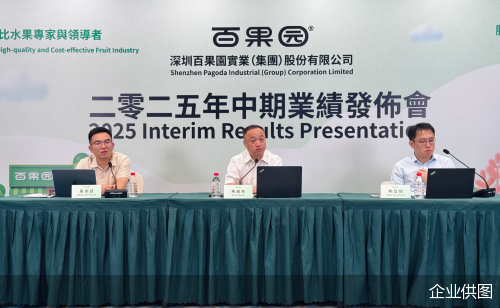
百果园业绩会:门店网络优化已完成 下半年净开店数有望达到百家
Zheng Quan Shi Bao Wang· 2025-08-23 05:17
Core Viewpoint - Baiguoyuan reported a significant decline in revenue and an increase in net loss for the first half of 2025, indicating challenges in its retail operations and store network optimization efforts [1][2] Group 1: Financial Performance - For the first half of 2025, Baiguoyuan achieved revenue of 4.376 billion yuan, a year-on-year decrease of 21.8%, and a net loss attributable to shareholders of 342 million yuan, with a gross margin dropping to 4.9% [1] - The number of Baiguoyuan stores decreased to 4,386, representing a net reduction of 1,639 stores, or 27% year-on-year [1] Group 2: Operational Strategies - The company is focusing on optimizing its retail store layout to enhance operational efficiency, encouraging franchisees to reassess store locations and close underperforming outlets [1] - In the first half of 2025, the average customer traffic per store increased by 12.6%, and single-store gross profit also saw a modest growth [1] Group 3: Marketing and Product Strategy - Baiguoyuan upgraded its store signage to enhance brand recognition and has opened seven stores in Indonesia, laying the groundwork for future international expansion [2] - The company introduced eight seasonal products, which significantly boosted customer traffic and sales, with store traffic for these products increasing by approximately 95% and total sales rising by about 63.8% compared to the same period in 2024 [2] Group 4: Online and Offline Integration - As of the end of the reporting period, Baiguoyuan had approximately 30,000 WeChat groups with a total of about 18 million followers, generating over 58 million yuan in sales through WeChat group purchases, a year-on-year increase of 12.9% [2] - The cumulative number of users utilizing the WeChat mini-program reached 78.58 million, reflecting a growth of approximately 13.24%, while sales through Douyin live streaming channels reached 53.49 million yuan, up about 29.32% year-on-year [2]
百果园中期业绩发布:亏损额环比收窄 正式迈入“减脂增肌”新周期
Bei Jing Shang Bao· 2025-08-22 11:33
Core Insights - The company reported a revenue of 4.376 billion yuan for the first half of 2025, a year-on-year decline of 21.8%, with a net loss of 342 million yuan and a gross margin of 4.9%. However, there are signs of improvement as the loss narrowed by 130 million yuan quarter-on-quarter, indicating a 28% reduction in losses [1][2][8]. Store Network Optimization - The number of stores decreased from 6,025 in June 2024 to 4,386 in June 2025, a reduction of 27%. This closure of inefficient stores is a strategic choice aimed at resource reallocation rather than mere contraction [2][4]. - The gross profit improved to 220 million yuan in the first half of 2025, with a gross margin increase of 1.8 percentage points compared to the second half of 2024 [2][4]. Pricing Strategy - The company is shifting from a price war to a value-based strategy, focusing on differentiated pricing through a combination of high-quality products and competitive pricing. This includes the introduction of flagship products to anchor prices and seasonal items to enhance consumer perception of value [5][6]. - The "Good Fruit Reward" series launched in the first half of 2025 saw a 63.8% increase in sales, significantly boosting store traffic and customer numbers [5][6]. Digital and Community Engagement - The company is enhancing its digital presence through a robust community strategy, leveraging 30,000 store communities and 17.94 million WeChat followers to create a closed-loop growth model [7]. - The "Daily Surprise" initiative has successfully increased community engagement and store traffic, with a 64.47% year-on-year growth in customers purchasing through Douyin [7]. Investment Perspective - The long-term growth potential of the company is significant, with the Chinese fruit retail market projected to grow at a CAGR of 7.6% over the next five years. The market remains fragmented, providing ample consolidation opportunities for leading players like the company [8]. - The company has shown signs of recovery in its operating model, with same-store sales and gross profit improving, which enhances the confidence of franchisees and sets a solid foundation for future expansion [8][9].
广东惠州大亚湾经济技术开发区管理委员会市场监督管理局2025年第三期(第四批)食品监督抽检结果公示
Zhong Guo Zhi Liang Xin Wen Wang· 2025-08-21 06:17
Core Points - The Huizhou Daya Bay Economic and Technological Development Zone Management Committee's Market Supervision Administration conducted food safety supervision and sampling inspections according to the provincial and municipal food sampling plan for 2025, resulting in 95 batches tested, with 3 batches found to be non-compliant [2][3]. Summary by Category - **Inspection Results** - A total of 95 batches of food were inspected, with 3 batches identified as non-compliant [2][3]. - **Public Disclosure** - The results of the food safety inspections have been made public in accordance with government information disclosure regulations [2][3]. - **Sampling Details** - The sampling included various food categories, and specific details about the products tested, including product names, specifications, and sampling dates, were provided [4][5][6][7][8].
千年荔枝红 星夜抢“鲜”忙
Si Chuan Ri Bao· 2025-07-21 00:29
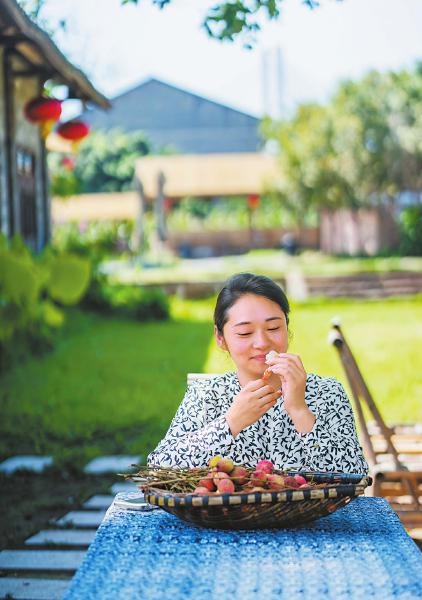
Core Insights - The article highlights the resurgence of the lychee industry in Hejiang County, driven by local farmers and entrepreneurs who are leveraging modern marketing techniques and tourism to promote lychee culture [2][11]. Industry Overview - Hejiang County has a long history of lychee cultivation, with over 2,000 years of history and more than 70 varieties currently grown, including the famous "Feizi Xiao" [12]. - The total planting area for lychee in the county is 306,000 acres, accounting for over 90% of the province's total production and value [12]. - The expected total production for this year is 120 million pounds, marking a historical high for the region [12]. Marketing and Sales Strategies - Local farmers are utilizing live streaming and social media to market their products, with significant engagement from consumers [4][11]. - The use of modern cold chain logistics allows fresh lychees to be shipped directly to major cities like Beijing, Shanghai, Guangzhou, and Shenzhen within 24 hours [10]. - The lychee market in Hejiang County is bustling, with thousands of pounds being sold daily, showcasing a vibrant trading environment [10]. Cultural Promotion - The popularity of the TV show "The Lychee of Chang'an" has helped to elevate the profile of Hejiang lychees, attracting tourists and increasing local interest [11]. - The establishment of ancient lychee tree parks serves both as a tourist attraction and a means to educate visitors about the history and significance of lychee cultivation in the region [11].
298元6颗荔枝:“仙果”还是“消费镰刀”?揭穿水果刺客的暴利江湖
Sou Hu Cai Jing· 2025-07-09 03:44
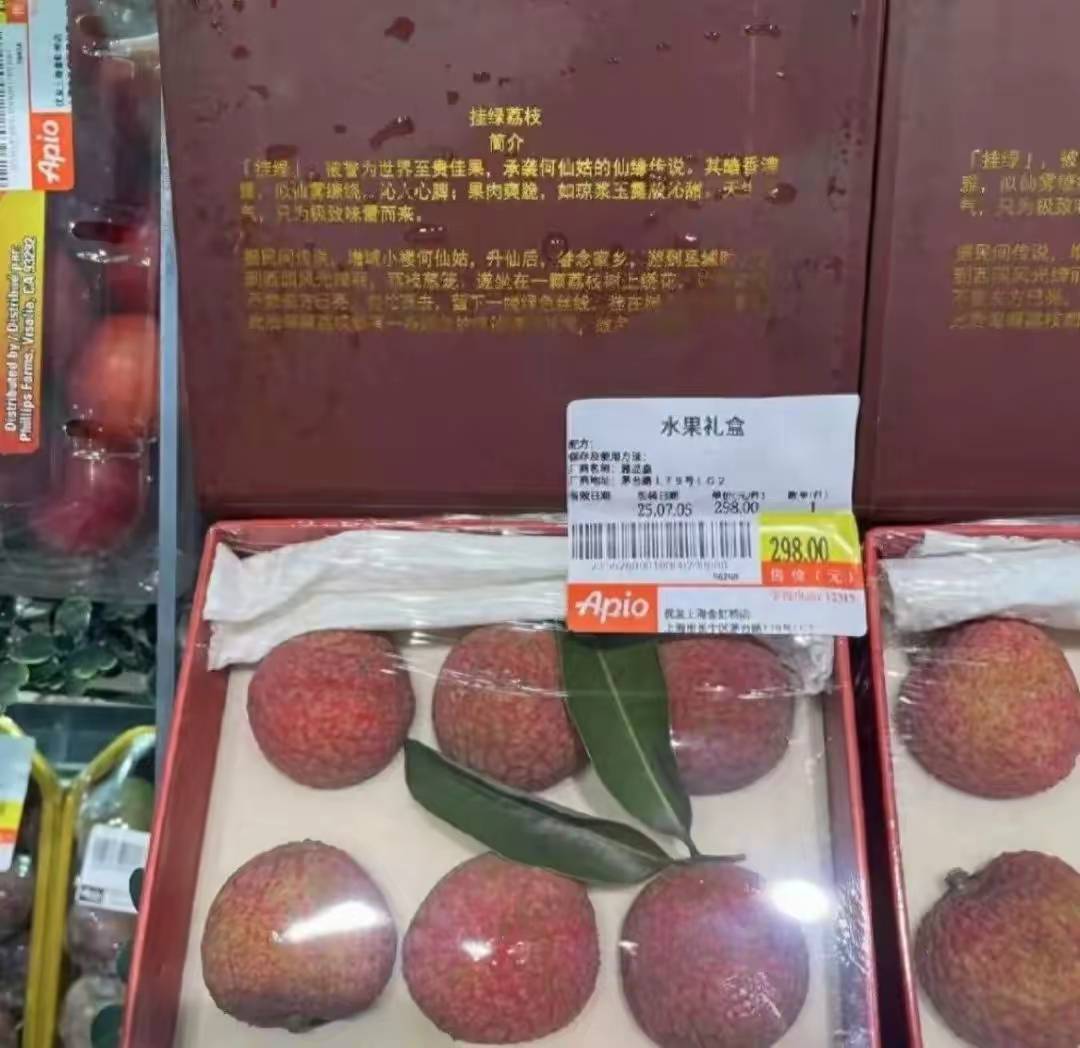
Core Viewpoint - The article discusses the inflated pricing and marketing strategies surrounding the "Hanging Green" lychee, revealing a disconnect between consumer perception and actual market dynamics, leading to consumer dissatisfaction and regulatory challenges [3][4][6]. Group 1: Pricing and Marketing Strategies - The "Hanging Green" lychee is marketed as a luxury item, with prices reaching 298 yuan for six pieces, while the actual procurement price for farmers only sees a 30%-50% increase compared to regular lychees [3][4]. - The marketing narrative surrounding the lychee includes historical references to a 400-year-old "mother tree" and extravagant claims about its taste and health benefits, which are often exaggerated [3][4]. - The cost of packaging and branding contributes significantly to the price inflation, with a wooden gift box costing around 18 yuan and a plush lining at 5 yuan, leading to a tenfold increase in retail price [4]. Group 2: Consumer Experience and Complaints - Consumers are increasingly frustrated with the disparity between the high prices and the quality of the products received, as evidenced by complaints on platforms like Black Cat Complaints [5]. - A notable incident involved a consumer's child accidentally ordering 26 boxes of lychees for over 10,000 yuan, only to receive a lower-quality product, highlighting the risks of online purchasing [5]. Group 3: Social and Economic Implications - The phenomenon of high-priced lychees reflects broader social issues, including the "Veblen effect," where higher prices enhance the perceived value of a product, leading to a divide between different socioeconomic classes [6]. - A survey indicated that 65% of young people are reducing their fruit intake due to "fruit anxiety," suggesting that the high prices of luxury fruits are impacting overall consumption patterns [6]. Group 4: Regulatory Challenges - The article points out failures in regulatory oversight, including a lack of standardized grading for agricultural products and weak enforcement of pricing regulations, allowing for misleading marketing practices [6][7]. - There are concerns about government complicity in promoting artificially scarce products, as seen in the case of a lychee auction that raised questions about legitimacy [7]. Group 5: Path Forward - The article suggests that a return to rational pricing and value-based marketing is necessary for the long-term sustainability of the lychee market, citing examples of successful agricultural branding that focus on quality and accessibility [8]. - The decline in prices for lychees in other regions, such as Sichuan, demonstrates that moving away from speculative pricing can lead to a more stable market [8].
今夏荔枝迎热销!丰产背后产业待升级
Bei Jing Ri Bao Ke Hu Duan· 2025-07-03 02:11
Core Insights - The popularity of Chinese lychee has surged both domestically and internationally, driven by effective cold chain logistics and cultural influences such as the TV drama "The Lychee of Chang'an" [1][6][11] - The current lychee harvest is abundant, leading to a significant drop in wholesale prices, making lychee more accessible to consumers [6][9][14] - The industry faces challenges in ensuring that increased production translates into sustainable profits for farmers, highlighting the need for deeper processing and diversification of products [12][14] Market Dynamics - The lychee market is experiencing a boom, with a single vendor reporting a daily sales volume of 70 tons, attributed to a bumper harvest and increased consumer interest [6] - The wholesale price of "Feizixiao" lychee has decreased to around 5 yuan per jin, approximately 50% lower than the previous year, indicating a shift from a premium to a more mass-market fruit [6][9] - Retail prices in supermarkets have also dropped by about 30%, with sales volume increasing by nearly 30% [9] Export Growth - Chinese lychee is making significant inroads into international markets, with exports to countries like the Netherlands, Spain, and Malaysia, facilitated by improved logistics and preservation technologies [11] - The efficiency of logistics has improved, allowing lychee to be transported from harvest to international markets within 48 hours [11] Industry Challenges - Despite the high production levels, not all farmers benefit equally, with reports of unsold lychee due to low purchase prices, leading some to abandon harvesting [13][14] - The processing rate of lychee remains low, with only about 5% of the total production being processed, indicating a need for development in this area [14] - Experts suggest a shift in focus from quantity to quality, advocating for the promotion of high-value varieties and the development of processed lychee products to mitigate the "high yield, low profit" dilemma [12][14]