
酒店业

Search documents
金陵饭店:公司将结合战略发展规划与实际经营情况,积极开展相关探索工作
Zheng Quan Ri Bao Wang· 2025-12-24 13:42
Group 1 - The company, Jinling Hotel (601007), is actively exploring related work in line with its strategic development plan and actual operating conditions [1]

百项跨年活动点燃申城 元旦假期酒店预订火爆
Xin Lang Cai Jing· 2025-12-24 11:38
下周将迎来元旦假期。从12月31日跨年夜到三天元旦小长假,上海将推出100多项跨年迎新活动。丰富 多元的节庆安排,也同步带动了本市宾馆酒店等住宿业的消费热度。 据了解,2026年元旦小长假期间,上海文旅系统将推出100多项跨年迎新活动和120多条都市旅游线路, 涵盖亲子、潮玩、"一江一河"、非遗体验等多种主题,持续释放节日消费潜力,营造热闹多元的迎新氛 围。 编辑: 周缇 责编: 张蕴昆 近年来,每到跨年夜,宝山区吴淞口国际邮轮港举办的滨江烟花秀都会吸引大量市民游客前来观赏。紧 邻码头的一家酒店凭借优越的区位优势,跨年夜客房价格接近3000元,依然早早售罄。酒店负责人表 示,烟花秀的观赏体验震撼、影响力强,跨年夜的客房在"十一"假期期间就已全部订满。 随着上海国际邮轮度假区不断成熟,周边的酒店、商业设施以及长滩观光塔等文旅载体日益丰富,来此 短途度假的游客明显增加。今年元旦假期,该区域酒店的整体预订率较去年同期翻了两番。酒店还结合 周边资源推出联票产品,住客可在入住期间体验潜水、冲浪以及博物馆等亲子友好型项目,进一步提升 度假体验。 在市中心,老牌酒店同样迎来"开门红"。新锦江大酒店介绍,12月31日当天客房 ...
IG :比特币涨势消退不确定性持续 目标价看向75000美元 Blackstone以超过10亿澳元价格收购昆州汉密尔顿岛
Sou Hu Cai Jing· 2025-12-24 11:22
Cryptocurrency Market - Bitcoin and Ethereum are facing ongoing pressure after a strong start in 2025, with Bitcoin down 5.25% to $88,480 and Ethereum down 9.8% to $3,005 [1] - Analyst Tony Sycamore indicates that Bitcoin's momentum is unstable unless it breaks resistance levels between $95,000 and $100,000, with a risk of falling back to $75,000 [1] - Ethereum may test $2,250 again if it fails to break through $3,500 or $3,600 [1] Education Sector - Parents of private school students in Sydney are expected to face an average tuition increase of 7%, more than double the overall inflation rate, with some schools' fees exceeding AUD 50,000 for the first time in 2026 [1] - The Scots College announced a 6.5% tuition increase due to various unavoidable internal and external factors, with fees for senior year exceeding AUD 52,770 [2] Real Estate and Hospitality - Blackstone has acquired Hamilton Island in Queensland for over AUD 1 billion, enhancing its position in the Australian hotel industry [4] - The island features five hotels and numerous restaurants and retail stores, with 70% of the land undeveloped [4] Mergers and Acquisitions - In 2025, Australia's M&A activity saw a total of AUD 151 billion, a 12.1% decline from the previous year, with 1,609 transactions, down 19.4% [5] - Key themes driving M&A activity include geopolitical uncertainty, energy transition, the rise of private capital, and digital transformation, with cross-border buyers remaining dominant [5] - The resource sector led in M&A value with USD 17.9 billion, followed by real estate at USD 14.8 billion and financial services at USD 14.3 billion [5][6] Energy Sector - The Albanese government plans to implement a domestic gas reserve policy, requiring exporters to reserve 15% to 25% of their gas production for the domestic market [6][7] - This policy aims to ensure more affordable gas supply for Australians and improve the negotiating position of industrial enterprises [6] Gold Market - Argonaut predicts gold prices will reach USD 5,000 per ounce in 2026, a 25% increase from previous forecasts, with expectations of significant revenue growth for major Australian gold producers [9] - Target prices for several gold stocks have been raised, with Westgold Resources' target up 30% to AUD 10.30 and Bellevue Gold's target up 20% to AUD 2.40 [10] Regulatory Issues - The Australian Federal Court has ordered ANZ to pay AUD 250 million in penalties for misconduct, marking the highest penalty ever imposed by ASIC on a single entity [10] - The court found ANZ guilty of widespread failures in bond trading management and customer handling, affecting thousands of customers [10]

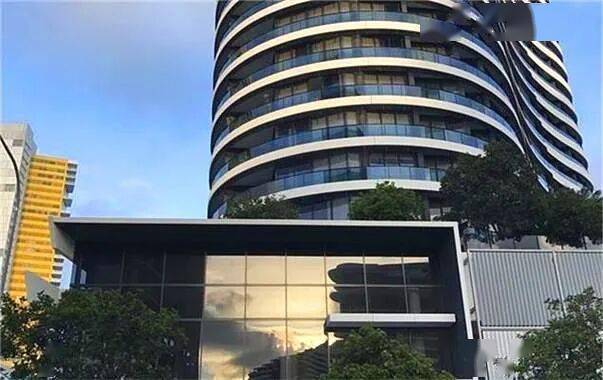
尚美数智旗下雷神电竞酒店签约门店突破200家
Bei Jing Shang Bao· 2025-12-24 10:16
截至目前,雷神电竞酒店在上海、北京、南京、西安、兰州、西宁、洛阳等高线城市签约首店。从业绩 上来看,雷神电竞酒店拉萨店首月月均房价超420元,上海华师大店月均入住率达98.28%,徐州邳州店 开业当天即满房。此外,雷神电竞酒店"90后""00后"客群占比高达91.4%,投资人同样呈现年轻化趋 势。 北京商报讯(记者吴其芸)12月24日,北京商报记者获悉,近日,尚美数智酒店集团旗下生活方式品牌雷 神电竞酒店全国签约总数已突破200家,实现了规模的翻倍增长。 ...
雅阁国际大酒店品牌焕新升级
Feng Huang Wang Cai Jing· 2025-12-24 07:53
Brand Renewal - The upgrade of the brand from "hotel" to "international luxury landmark" signifies a shift from providing quality accommodation to becoming a destination that embodies the spirit of the city and evokes emotional resonance [2][3] - The new positioning includes luxurious amenities such as comfortable guest rooms, a lobby bar, conference and banquet centers, and various dining options, all designed to engage with local culture [2][3] Core Philosophy - The slogan "One City, One Craft, Elegance in Harmony" encapsulates the brand's philosophy, emphasizing the uniqueness of each hotel as a crafted masterpiece that respects and interprets local culture [3] - The concept of "Elegance in Harmony" reflects a mutual resonance between the hotel and its guests, fostering a shared pursuit of beauty, culture, and quality living [3] First Store Launch - The Zhejiang Wenling International Hotel marks the first flagship store under the new brand, showcasing the brand's new philosophy in a city rich in marine culture and historical significance [4][5] - The hotel design integrates local cultural elements, such as marine culture and stone art, creating a unique brand story and experience for guests [4] Future Expansion - The launch of the Wenling project is seen as a grand beginning for the brand renewal, with plans to extend the "One City, One Craft" experience to more attractive domestic and international cities [5] - The company aims to create a new era of luxury travel that resonates with depth, warmth, and cultural connection, inviting guests to experience the elegance and harmony of the brand [5] Company Overview - The company operates a hotel management group with 13 brands, providing management services for hotels and resorts globally, with a brand value of 1.423 billion [6] - The group is ranked 35th among the top 215 global hotel groups, with projects spanning 200 cities [6]
东海之畔雅奢新章,温岭雅阁国际大酒店将盛大启幕
Feng Huang Wang Cai Jing· 2025-12-24 07:46
Core Insights - The opening of the Zhejiang Wenling Aegean International Hotel marks a significant milestone in the cultural and tourism development of Wenling, recognized as the "first ray of sunshine in mainland China" [1] Group 1: Hotel Overview - The Aegean International Hotel is located at the intersection of Wanchang North Road and Shuguang Road, covering an area of 114 acres, featuring European architectural style [2] - The hotel includes 279 luxury rooms, five multifunctional conference halls, and various dining options, aiming to provide a diverse experience for business and leisure travelers [2] - The hotel has been awarded the GBE Hotel Design Award for "Best Luxury Hotel" in 2025, highlighting its design philosophy and quality [2] Group 2: Strategic Importance - The opening of the hotel is a key move in the Aegean Hotel Group's "15th Five-Year Plan" brand strategy, positioning the Aegean International Hotel as a pinnacle for enhancing brand image and securing strategic projects [3] - The choice of Wenling, an economically vibrant coastal city with significant cultural tourism potential, reflects the group's understanding of the upgrading trends in China's emerging high-end tourism market [3] Group 3: Cultural Integration - The hotel aims to transcend traditional accommodation services by becoming a "city cultural living room," deeply integrating and showcasing local culture [4] - The design incorporates elements of Jiangnan bamboo culture and marine culture, creating a harmonious space that reflects local heritage [4] - The hotel plans to incorporate local intangible cultural heritage, such as stone carving and marine paper-cutting art, into guest activities, enhancing the cultural experience [4] Group 4: Future Prospects - The opening of the hotel represents a comprehensive presentation of local culture and international standards, signaling confidence in the future of China's high-end travel market [5] - The hotel is expected to play a crucial role in transforming cultural flow into economic growth, supporting Wenling's development as a national-level coastal tourism destination [5]
安逸酒店集团有限责任公司与深圳锦江酒店管理有限公司新设合营企业案
Zhong Guo Zhi Liang Xin Wen Wang· 2025-12-24 07:46
公示期:2025年12月23日至2026年1月1日 联系邮箱:jyzjz@samr.gov.cn 转自:市场监管总局网站 ...

2025酒店业十大热词
3 6 Ke· 2025-12-24 03:01
Core Insights - 2025 is characterized by a significant mismatch between investment and output in the hotel industry, leading to varied outcomes for different stakeholders [1][2] Group 1: Market Dynamics - The travel population is increasing, but consumer spending willingness remains weak, resulting in a saturated hotel supply with soft market demand [4] - Lower-tier markets continue to show growth potential, while high-tier cities face pressure from high supply and weak demand [5] Group 2: Capitalization Trends - The hotel industry is experiencing increased mergers and acquisitions, with head hotel groups engaging in strong alliances and resource integration [6] - The introduction of policies allowing four-star and above hotels to be included in REITs has opened new avenues for capital and securitization [6] Group 3: Scale and Quality Focus - Major hotel groups are becoming more cautious about aggressive expansion, focusing on the quality of new openings and overall product structure adjustments [8] - Some hotel brands, like Atour, have faced public relations issues due to rapid expansion and management challenges [9] Group 4: AI Integration - The consensus in the industry has shifted towards embracing AI and digitalization, which is fundamentally changing operational logic and lowering technical barriers for hotel investments [10] Group 5: Booking Channel Evolution - Traditional OTA platforms remain dominant, but new entrants like Douyin and JD are intensifying competition, leading to a complex relationship between hotels and OTAs [11] Group 6: Customer Relationship Redefinition - Traditional service principles are being challenged, with hotels adopting a more assertive stance against problematic consumer behavior [12] Group 7: Brand Matrix Renewal - The trend of renewing existing hotel brands is seen as a crucial opportunity for regional hotel groups to maintain competitiveness [13] - A ranking of hotel brands based on renovation and product quality is expected to emerge among investors [14] Group 8: Long and Short Stay Integration - Hotels are increasingly integrating long and short stay offerings, creating new market opportunities for investors and enhancing product matrices [15] Group 9: Innovation through Experimentation - Hotels are actively exploring new marketing strategies and business models, indicating a period of innovation amidst industry challenges [16] Group 10: Confidence in the Market - Confidence remains a key theme for the year, underscoring its importance in the industry [17]
22.6亿!三亚丽思卡尔顿酒店卖掉了
Xin Lang Cai Jing· 2025-12-24 02:55
Core Viewpoint - China Jinmao (00817.HK) announced the sale of 100% equity in Sanya Jinmao Tourism Co., Ltd. to Sanya Luanmao for a total consideration of RMB 2.2646 billion, aiming to optimize asset structure and improve capital efficiency [1][7]. Group 1: Transaction Details - The transaction involves the sale of Sanya Jinmao Tourism, which only holds the Ritz-Carlton Hotel in Sanya, marking the company's exit from this asset [1][7]. - The Ritz-Carlton Hotel in Sanya, opened in 2008, features 446 rooms and suites, including 51 executive rooms and suites, and 33 private villas [1][7]. - The sale price of RMB 2.2646 billion aligns with the previously set listing price of approximately RMB 2.265 billion for the equity transfer [2][9]. Group 2: Financial Performance - As of August 31, 2025, Sanya Jinmao (Tourism) Co., Ltd. reported revenues of approximately RMB 236 million and a net profit of RMB 37.7799 million [2][8]. - The sale is part of a broader strategy for asset securitization, which aims to convert heavy assets into tradable financial assets, thereby enhancing cash flow and reducing liabilities [3][9]. Group 3: Strategic Implications - The transaction reflects a "light asset" strategy, allowing China Jinmao to retain brand management while divesting property ownership, thus alleviating capital burdens and renovation costs [4][9]. - China Jinmao continues to hold other hotel properties, including the Grand Hyatt Shanghai and JW Marriott Shenzhen, indicating a focus on maintaining a diversified portfolio while optimizing asset management [4][9].
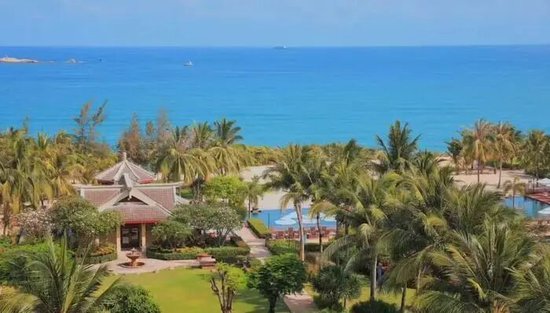
花果山酒店深耕品质 经营发展再上新台阶
Xin Lang Cai Jing· 2025-12-23 22:11
Group 1 - The core achievement of Huaguoshan Hotel is its successful evaluation as a five-star hotel in 2025, following its recognition as a "Golden Leaf Level Green Tourism Hotel" in 2023, marking significant progress in brand building and operational development [1][2] - The hotel has focused on quality and innovation, investing in hardware upgrades, optimizing room configurations, enhancing dining venues, and upgrading conference facilities to create a unique travel experience that combines cultural elements with international standards [1] - A professional training system has been established to enhance service skills and attention to detail among staff, leading to widespread market acclaim and multiple industry service awards [1] Group 2 - The hotel has actively adapted to market changes by optimizing marketing strategies, deepening local market engagement, expanding business collaborations, and enhancing online channels to meet customer needs [2] - It has implemented refined management practices to control operational costs and improve productivity, maximizing resource utilization [2] - The hotel successfully hosted major events such as the "China-Europe Railway International Cooperation Forum" and the "Global Public Safety Cooperation Forum," demonstrating its operational resilience and core competitiveness [2]