
电商平台

Search documents
正式破产!超10万人“一分钱都拿不回来”
新浪财经· 2025-11-12 10:11
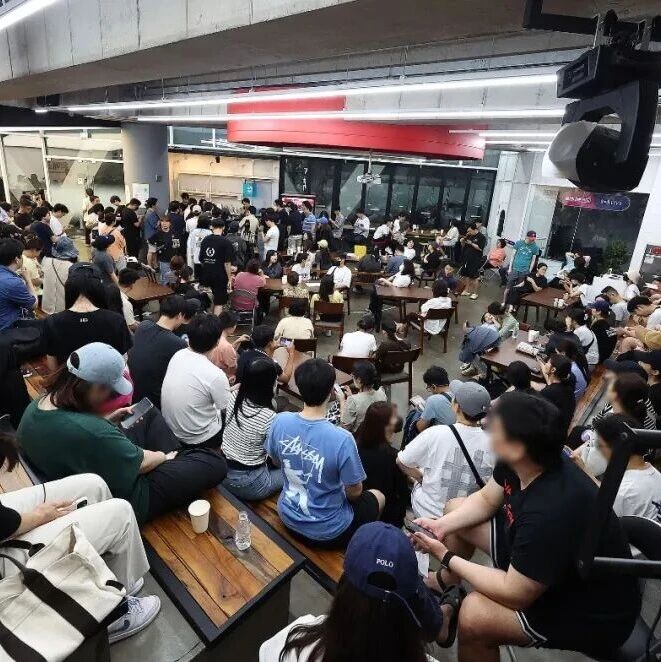
Group 1 - WeMakePrice, a South Korean e-commerce platform, has officially declared bankruptcy due to debt issues, as ruled by the Seoul Bankruptcy Court on November 10 [2] - The company filed for restructuring on July 25, 2024, and after 1 year and 4 months, it was declared bankrupt. The deadline for creditor claims is January 6, 2026, with a creditors' meeting scheduled for January 27 [4] - Approximately 108,000 victims are affected by WeMakePrice's debt, with total losses amounting to about 580 billion KRW (approximately 2.8 billion RMB). The company's total assets are reported at 48.6 billion KRW (approximately 2.4 million RMB), while total liabilities reach 4.462 trillion KRW (approximately 22 billion RMB) [6] Group 2 - A committee formed by the victims has stated that they will receive a "0% recovery rate," meaning they will not recover any funds. This situation highlights the inadequacies of South Korea's current legal system in addressing issues within the online commerce industry [6] - WeMakePrice and TMON, both subsidiaries of the Singapore-based Qoo10, were once the fourth and fifth largest e-commerce platforms in South Korea. Both companies faced operational difficulties and filed for restructuring due to unpaid merchant payments and delayed consumer refunds [6]

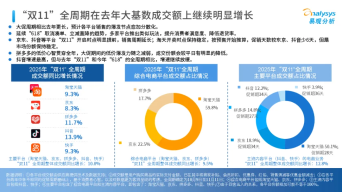
易观分析:2025年“双11”总成交额增长10%,淘宝天猫以50.1%份额稳居第一
Zheng Quan Shi Bao Wang· 2025-11-12 10:10
11月12日,易观分析发布《2025年"双11"大促全周期观察》,报告显示在新消费场景和新技术带动下, 2025年"双11"周期参与用户数显著提升,全国快递揽收量超206亿件,再创新高,包括淘宝天猫、京 东、拼多多、抖音、快手在内的主要电商平台总成交额增长10%,淘宝天猫继续稳居市场份额第一,全 网销量占比达50.1%。 易观分析认为,今年"双11"展现出一些新特征,大促周期继续拉长,规则更趋简化,即时零售深度融入 大促,特别是外卖等即时消费场景与电商深度融合,有效带动了今年"双11"周期的居民消费意愿,"双 11"平台增长和用户活跃双突破。10月15日天猫"双11"大促开始当日,DAU达6亿,创下历史纪录。 易观分析认为,扩内需系列政策作用于消费,提升了市场活跃度,今年2月以来核心CPI同比数值不断 增长,到10月同比增幅达近年峰值。消费信心增强,"双11"将从流量竞争转向用户价值深挖。(CIS) 易观分析根据交通运输部数据发现,在覆盖了主要电商平台"双11"周期的10月13日到11月9日的周期 内,每周全国快递业务揽收量均实现比去年同周期增长,高峰出现在10月20日至26日,揽收量日均峰值 近7亿件。这一 ...
加仓英伟达、新买进文远知行,私募巨头持仓曝光
Zheng Quan Shi Bao· 2025-11-12 07:33
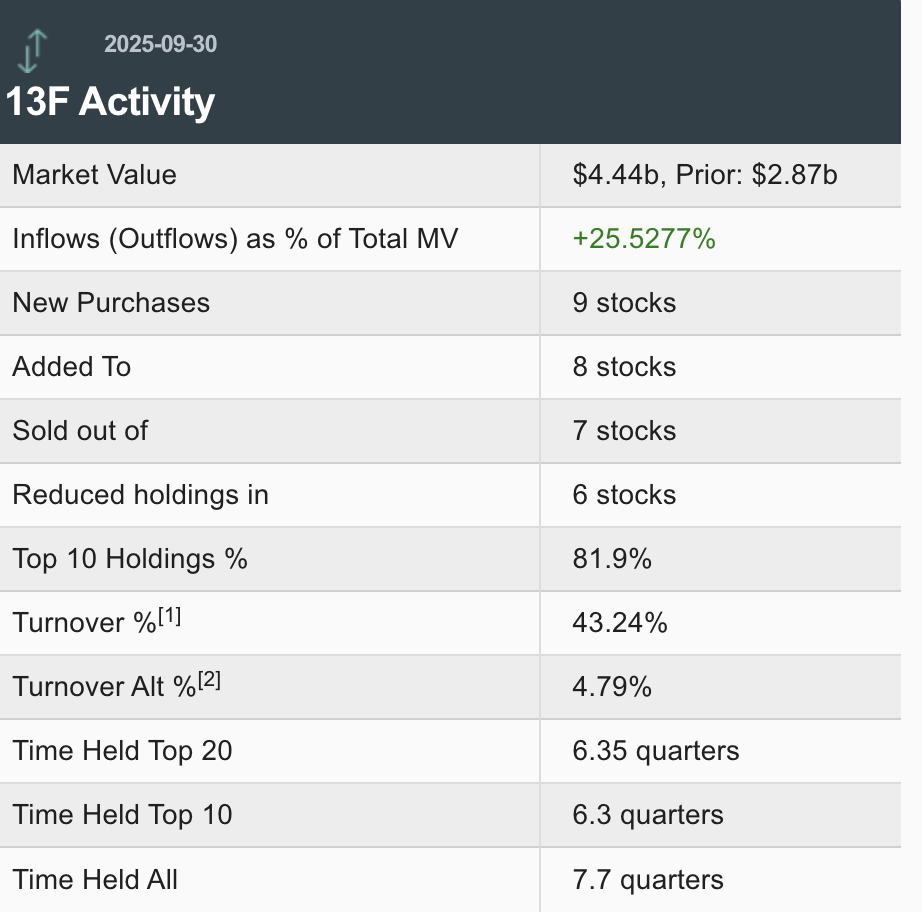
Core Viewpoint - Jinglin Asset Management Hong Kong Company has shown a significant increase in its US stock holdings, with a total market value of $4.44 billion as of September 30, 2025, representing a 54.52% increase from the previous quarter [1][2]. Summary by Category Portfolio Activity - The company held 30 securities in the US market at the end of Q3 2025, with a notable active adjustment in its portfolio [1][3]. - In Q3, Jinglin made 9 new purchases, added to 8 existing positions, sold out of 7 stocks, and reduced holdings in 6 stocks [3][6]. Key Holdings - The top ten holdings accounted for 81.9% of the total US stock portfolio, with a slight decrease in concentration compared to the previous quarter [2][3]. - Major increases included Meta (23.46 million shares), Nvidia (174.83 million shares), and significant stakes in Pinduoduo and Alibaba [4][5]. Sector Focus - The company has actively invested in the autonomous driving sector, acquiring 2.68 million shares of WeRide, a leading player in China's autonomous driving market [7]. - Continued investments were made in the hotel and e-commerce sectors, with increased stakes in Atour and Huazhu Group [3][4]. Market Outlook - Jinglin Asset Management maintains a positive outlook on quality Chinese assets, emphasizing structural "alpha" opportunities amid ongoing market fluctuations [9]. - The firm believes that China's competitive advantages, such as cost efficiency and talent reserves, will continue to attract overseas capital, with potential inflows into A-shares and Hong Kong stocks [9].


唯品会,传考虑香港上市
Sou Hu Cai Jing· 2025-11-12 06:28
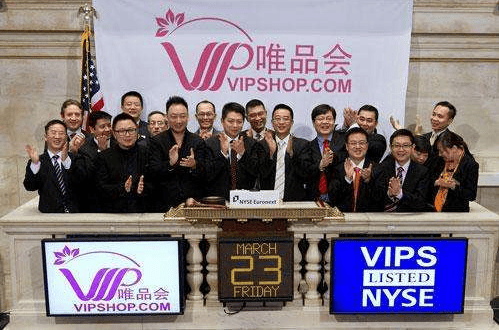
Group 1 - Vipshop (VIPS) is considering a potential listing in Hong Kong as early as next year, according to sources familiar with the matter [3] - The company is currently in discussions with advisors regarding the potential listing, and the final decision may not be confirmed [3] - Vipshop, founded in August 2008, is a leading discount e-commerce platform in China, focusing on brand discount products across various categories including fashion, beauty, and home goods [3] Group 2 - Vipshop was listed on the New York Stock Exchange on March 23, 2012, with an initial offering price of $6.50, raising $71.5 million [3] - As of November 11, 2025, Vipshop's stock closed at $19.85, giving it a total market capitalization of approximately $9.786 billion [3] - The company's stock has shown a weekly high of $21.08 and a low of $12.14, with a current price-to-earnings ratio (TTM) of 10.06 and a price-to-book ratio of 1.76 [5]

AI重构20亿商品,天猫双11密谋破局
Feng Huang Wang Cai Jing· 2025-11-12 06:11
Core Insights - The integration of AI into Alibaba's e-commerce ecosystem is set to transform the shopping experience, with a focus on addressing consumer pain points and driving merchant growth [1][15] - The 2025 Double 11 event is identified as a pivotal moment for the full incorporation of AI technology into the e-commerce landscape [1] Group 1: AI Enhancements and Efficiency - Alibaba has restructured its platform by utilizing AI to deeply understand and reorganize 20 billion products, marking a significant shift from traditional methods of product categorization [2][3] - The efficiency of traffic matching has seen double-digit growth, with a 20 percentage point increase in complex semantic search relevance, a 10% rise in recommendation click-through rates, and a 12% increase in merchant advertising ROI [4][6] - The AI-driven understanding of products has led to a 34% increase in the richness of semantic tags for pet products, enhancing the connection between consumers and products [4] Group 2: Merchant Support and AI Tools - The AI business manager has evolved from a supportive role to a key operational partner for merchants, providing real-time, personalized guidance during the Double 11 event [5][6] - This AI tool has assisted 5 million merchants by generating 500 million promotional strategies, reducing manual workload by 30% and increasing overall operational efficiency by 1.5 times [6][7] - Merchants have reported significant improvements in their ability to respond to market changes and optimize their strategies through AI-driven insights [6] Group 3: Consumer Interaction and Sales Conversion - The intelligent customer service tool, "Dianxiaomi 5.0," has become a crucial sales channel, handling 200 million consumer interactions during the Double 11 period and resolving over 90% of routine inquiries without human intervention [8][10] - This tool has contributed to 25% of total sales during the event, showcasing its effectiveness in converting potential customers into actual buyers [11] - The integration of AI in customer service has significantly improved response times and problem resolution rates, enhancing the overall shopping experience for consumers [10][11] Group 4: Comprehensive AI Ecosystem - The AI initiatives during the Double 11 event create a self-reinforcing cycle that enhances efficiency across all stages of the shopping experience, benefiting consumers, merchants, and the platform [12][14] - AI tools facilitate a seamless transition from traffic distribution to consumer engagement, ensuring that high-quality products receive optimal exposure [14] - The overall transformation signifies a new era in e-commerce, where AI not only drives efficiency but also fosters a collaborative environment for all stakeholders involved [15]
AI重构20亿商品,天猫双11密谋破局
凤凰网财经· 2025-11-12 06:02
Core Insights - The core viewpoint of the article emphasizes that AI is becoming a critical engine for growth in the e-commerce ecosystem, particularly in Alibaba's Taobao platform, which aims to address consumer pain points and enhance merchant growth through AI integration [1][4]. Group 1: AI Integration and Efficiency - Taobao has restructured its connection logic between 20 billion products and users through AI, leading to a double-digit increase in traffic matching efficiency, with search relevance improving by 20 percentage points and ad ROI increasing by 12% [3][7]. - The AI-driven understanding of products allows for a more nuanced connection between consumers and goods, enhancing the effectiveness of features like "You May Also Like" and "AI Universal Search" [3][4]. Group 2: Merchant Support and AI Tools - The AI Business Manager has evolved from a supportive role to a key operational partner for merchants, providing real-time, personalized guidance during the sales process, which has significantly improved operational efficiency [8][9]. - This year, the AI Business Manager has assisted 5 million merchants, generating 5 million promotional strategies and saving an average of 30% in workload, while increasing overall operational efficiency by 1.5 times [9][10]. Group 3: Consumer Interaction and Sales Conversion - The intelligent customer service tool, "Dianxiaomi 5.0," acts as a frontline sales representative, effectively handling over 90% of routine inquiries without human intervention, thus enhancing customer experience and reducing operational costs for merchants [11][14]. - During the Double 11 event, sales driven by recommendations from Dianxiaomi accounted for 25% of total sales, highlighting its role as a significant sales channel for merchants [15]. Group 4: AI-Driven Ecosystem and Future Outlook - The AI layout for Double 11 creates a self-reinforcing flywheel effect, enhancing efficiency across consumer experience, merchant operations, and traffic distribution, ultimately benefiting all parties involved [16][18]. - The integration of AI in e-commerce signifies a shift towards a more intelligent commercial entity capable of understanding and meeting individual consumer needs, marking the beginning of a new era in the industry [19].
“双11”,逻辑变了!不用再做“数学题”
Zhong Guo Zheng Quan Bao - Zhong Zheng Wang· 2025-11-11 15:33
Core Insights - The 2025 "Double 11" shopping festival showcases a vibrant consumer market with significant sales growth across major e-commerce platforms, indicating a recovery in overall consumption [1][2] - The competition among platforms has shifted from merely focusing on sales volume to enhancing user retention, merchant empowerment, and technological implementation [1][4] Group 1: Sales Performance - Taobao Tmall achieved over 1 billion yuan in sales from 80 brands within the first hour, while JD.com saw a 24.7% year-on-year increase in active users [1][2] - Douyin e-commerce reported a 500% year-on-year growth in live sales, with over 41,000 merchants participating [1][2] - Nearly 19,000 brands surpassed last year's total sales within the first hour, indicating a concentrated release of consumer demand [2] Group 2: Consumer Behavior Trends - The current "Double 11" reflects a trend towards rational purchasing, with consumers prioritizing experiences and services over physical goods [3][6] - Service-oriented consumption has surged, with travel products on Fliggy exceeding 1.6 million sales, indicating a shift from tangible goods to experiential services [3][6] - The demand for personalized and niche products is rising, with new brands and unique items gaining traction among consumers [6][7] Group 3: Technological Advancements - AI and instant retail capabilities are becoming core competitive advantages for platforms, enhancing user experience and operational efficiency [4][5] - Taobao Tmall is leveraging AI to optimize traffic distribution and improve search relevance, while JD.com is utilizing its "super supply chain" to enhance logistics [4] - Instant retail has emerged as a new focus, with platforms integrating local merchant orders and showcasing the potential for e-commerce and instant retail synergy [4] Group 4: E-commerce Ecosystem Evolution - The competition in the e-commerce industry is evolving from a single-dimensional focus to a comprehensive ecosystem approach, driven by technological empowerment [5][7] - Membership economies are gaining importance, with high-value users contributing significantly to platform growth and shifting operational strategies towards deeper user engagement [7] - The overall consumer landscape is becoming more rational, diverse, and quality-oriented, with a shift from price competition to value competition [7]

“双十一”全网控价,为什么应该被叫停?
Feng Huang Wang· 2025-11-11 14:31
Core Viewpoint - The article discusses the implications of price constraints imposed by e-commerce platforms on their merchants, particularly in the context of the upcoming "Double Eleven" shopping festival, emphasizing the need for legal compliance and fair treatment of all parties involved in the platform ecosystem [2][8]. Group 1: Price Constraints and Legal Implications - E-commerce platforms, such as JD.com, have reportedly enforced price constraints on brands, requiring them to maintain the lowest prices on their platform compared to other sales channels [2][3]. - This practice has sparked controversy and raises legal questions regarding its classification as "two-choice" behavior, which restricts merchants' ability to sell on other platforms [3][4]. - Platforms with market dominance face severe penalties under China's Anti-Monopoly Law for such practices, with past cases resulting in fines exceeding 18 billion [3][4]. Group 2: Economic and Competitive Concerns - Price constraints can lead to reduced competition and potentially harm consumer welfare by creating a scenario where prices are universally high rather than competitive [7][8]. - The article argues that even platforms without market dominance must adhere to the Electronic Commerce Law, which prohibits unreasonable restrictions on merchants, regardless of the platform's size [7][8]. Group 3: Fair Treatment and Sustainable Development - The article emphasizes the importance of respecting the interests of all parties in the platform ecosystem, including platforms, merchants, and consumers, to ensure sustainable development [1][8]. - The upcoming "Double Eleven" event should not compromise legal and ethical standards, as compliance is essential for maximizing social welfare and maintaining a healthy competitive environment [8].
从“忙到凌晨”到“AI减负”:电商人“双11”的AI进化论
Sou Hu Cai Jing· 2025-11-11 12:09
Core Insights - The 2025 "Double 11" event marks the first full implementation of AI in e-commerce, with platforms shifting from traditional competition based on traffic and pricing to a focus on AI technology and ecosystem empowerment [3][4][12] - AI applications are becoming standard tools for both consumers and merchants, enhancing the shopping experience and operational efficiency [4][10][11] Group 1: AI Implementation in E-commerce - Tmall is launching six AI shopping applications for the first time during "Double 11," including features like "AI Universal Search" and "AI Help Me Choose," which integrate into core shopping processes [4][5] - ByteDance's AI tool "Doubao" has introduced product link redirection capabilities, enhancing its e-commerce functionality by recommending products based on user inquiries [5][6] - JD.com has also developed its AI shopping assistant "Jingxi," which aims to serve as a comprehensive shopping and service entry point [8] Group 2: Merchant Experience and Tools - Merchants are experiencing reduced pressure during "Double 11" due to AI tools like "Promotional Assistant," which helps manage data and streamline operations [9][10] - AI tools not only reduce costs and improve efficiency but also uncover potential demand, providing merchants with new business opportunities [11][12] - The ability to launch new products has increased significantly for merchants, allowing them to better meet consumer demands [15] Group 3: Consumer Interaction with AI - A survey indicates that 24.65% of respondents occasionally use AI features on e-commerce platforms, while 23.80% use them frequently [16] - AI customer service tools have improved significantly, providing more contextually relevant interactions compared to previous versions [16] Group 4: Future Implications of AI in E-commerce - The integration of AI is seen as a step towards enhancing decision-making processes and improving conversion rates, although a complete restructuring of the "people, goods, and scene" framework is still a work in progress [16][17] - The competition for AI-driven shopping experiences is intensifying, with major players like OpenAI entering the market [17][18]
抖音电商开展酒水虚假营销治理专项,近三月共处置违规商家690个
Xin Lang Ke Ji· 2025-11-11 11:56
Core Viewpoint - Douyin E-commerce has initiated a special campaign to combat false marketing in the liquor sector, addressing a long-standing issue that has resulted in the disposal of over 2,000 non-compliant products and 690 non-compliant merchants in the past three months [1] Group 1: Industry Issues - The liquor false marketing problem is persistent and has strong concealment, becoming a chronic issue in the industry [1] - Consumers are often misled by "low-price gimmicks" and other marketing tactics, which creates opportunities for counterfeit and substandard products [1] Group 2: Company Actions - Douyin E-commerce has identified that some merchants and influencers are using well-known liquor brands like "Moutai" and "Guojiao" for false advertising and suspiciously low pricing, which severely harms consumer rights [1] - The platform adheres to principles of "authenticity, verifiability, and traceability" in its governance approach, focusing on combating exaggerated promises, low-price baiting, and lack of brand qualifications [1] - The company has conducted a special governance initiative, resulting in the disposal of over 2,000 non-compliant products and involving 690 non-compliant merchants in the last three months [1]