
花卉种植

Search documents
贵州威宁:万亩菊花助农增收
Ren Min Wang· 2025-07-31 02:10
Group 1 - The core viewpoint of the article highlights the positive impact of cultivating a large area of chrysanthemums in Guizhou Weining, which significantly contributes to farmers' income [1][2] - The initiative involves the planting of thousands of acres of chrysanthemums, which is expected to enhance local agricultural productivity and economic development [1][2] - The project aims to create a sustainable income source for local farmers, thereby improving their living standards and promoting rural revitalization [1][2]

9.9元一束的绣球花,拿捏“精致抠”
3 6 Ke· 2025-07-29 09:00
Core Insights - The article discusses the evolution of flower consumption in China, highlighting a shift from luxury imports to affordable everyday flowers, reflecting changing consumer attitudes towards floral purchases [1][13][18] Group 1: Market Trends - Ecuadorian roses gained popularity in 2013, with import volumes increasing by 300% and prices ranging from 80 to 150 RMB per stem [4][5] - The perception of flowers has transformed from luxury items to everyday emotional support, with consumers now prioritizing affordable options [17][18] - The rise of "super flowers" like hydrangeas and peonies, which are now available at prices as low as 9.9 RMB, indicates a democratization of flower consumption [18][20] Group 2: Consumer Behavior - Consumers are increasingly purchasing flowers for personal enjoyment rather than for gifting, with 63% of women citing mood regulation as their primary motivation [17][18] - The phenomenon of "Monday flowers" reflects a trend among young professionals who seek to enhance their daily lives with affordable floral arrangements [16][18] - The shift in consumer behavior is evident as individuals like Lin Na transition from extravagant purchases to more budget-conscious choices [14][15] Group 3: Supply Chain Innovations - The introduction of order agriculture has revolutionized the flower industry, allowing for price reductions and increased sales volumes [29][30] - The collaboration between flower growers and retailers has led to a more efficient supply chain, with farmers experiencing a 50% increase in income while providing stable low prices to consumers [30][31] - Instant retail has transformed the purchasing process, enabling consumers to buy flowers on impulse rather than through pre-orders [31][32] Group 4: Future Outlook - The flower market in China is projected to continue evolving, with a focus on personalized and customized offerings driven by AI technology [32][33] - The competitive landscape of the 220 billion RMB flower market is expected to intensify as companies explore innovative solutions and consumer preferences shift [33]

甘肃成县索池:党建“引”花开 铺就致富路
Zhong Guo Fa Zhan Wang· 2025-07-29 07:22
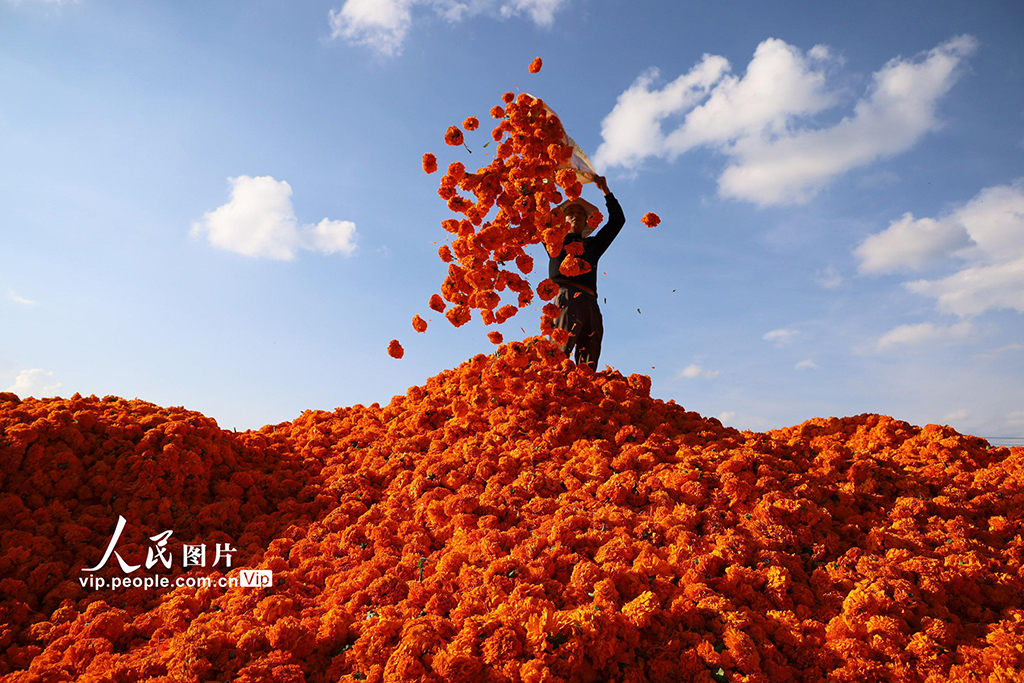
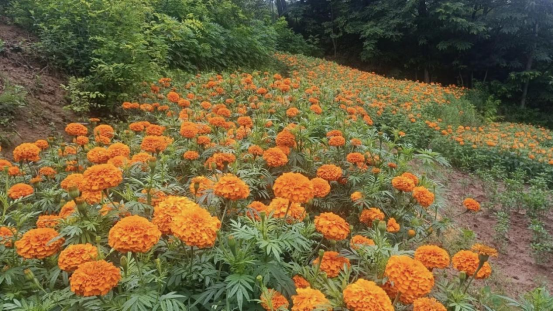
Group 1 - The core idea of the articles revolves around the successful implementation of a "Party Branch + Cooperative + Farmers" model in Gansu's Songchi Town, which has led to the establishment of a thriving marigold industry, significantly contributing to rural revitalization and increasing farmers' income [1][2][5]. Group 2 - The local Party Branch has taken the lead in identifying marigold planting as a key industry by conducting market research and assessing local conditions, which has transformed the previous reliance on trial and error into a structured approach [2][5]. - A service team was formed by the Party Branch in collaboration with cooperatives, incorporating agricultural experts to provide technical guidance throughout the planting process, resulting in a seedling survival rate exceeding 95% [2][5]. - The cooperative model has unified the provision of quality seeds and fertilizers, organized training sessions, and coordinated harvesting, which has alleviated farmers' concerns regarding what to plant, how to cultivate, and where to sell their produce [5][6]. Group 3 - The cooperative has facilitated the integration of small farmers into a larger industry framework, enhancing overall productivity and efficiency, with some farmers reporting nearly a 30% increase in yield compared to previous years [5][6]. - Continuous technical support during the harvesting phase has ensured high-quality standards for the marigolds, benefiting both the farmers and the buyers, and establishing a reliable supply chain to processing enterprises [6].
习近平总书记关切事|幸福生活像花儿一样——把地方特色产业做优做强之二
Xin Hua She· 2025-07-24 12:46
Core Insights - The article highlights the development and modernization of the flower industry in Yunnan, particularly in Lijiang, showcasing its potential to enhance local livelihoods and contribute to the economy [1][2][3]. Industry Overview - Yunnan is recognized as one of the most suitable regions for flower production globally, with an annual output of over 20 billion fresh-cut flowers, accounting for 70% of the national market [2]. - The flower industry in Yunnan has transformed from small-scale self-sustaining operations to a modern, full-chain agricultural model, driven by technological advancements and cooperative efforts [2][3]. Economic Impact - The flower industry has significantly improved the income of local farmers, with an average increase of over 50,000 yuan per household annually, benefiting around 190,000 households and creating over 1 million jobs [4]. - In 2024, the total output value of the flower industry chain is expected to exceed 140 billion yuan [4]. Technological Advancements - The use of smart greenhouse technology in flower cultivation enhances flower quality and consistency, demonstrating a shift towards modern agricultural practices [1]. - Research and development in flower breeding are crucial, with efforts to reduce reliance on imported varieties and promote indigenous species [5]. Market Dynamics - The Kunming International Flower Auction Center has become the largest flower auction center in Asia and the second largest globally, facilitating the sale of over 7 million fresh-cut flowers daily [4]. - New business models, including e-commerce and live streaming, are expanding market access for local farmers and enhancing profitability [4].
水果飘香、荷花盛放 特色农业绘“丰”景奏响乡村振兴“新乐章”
Yang Shi Wang· 2025-07-24 08:36
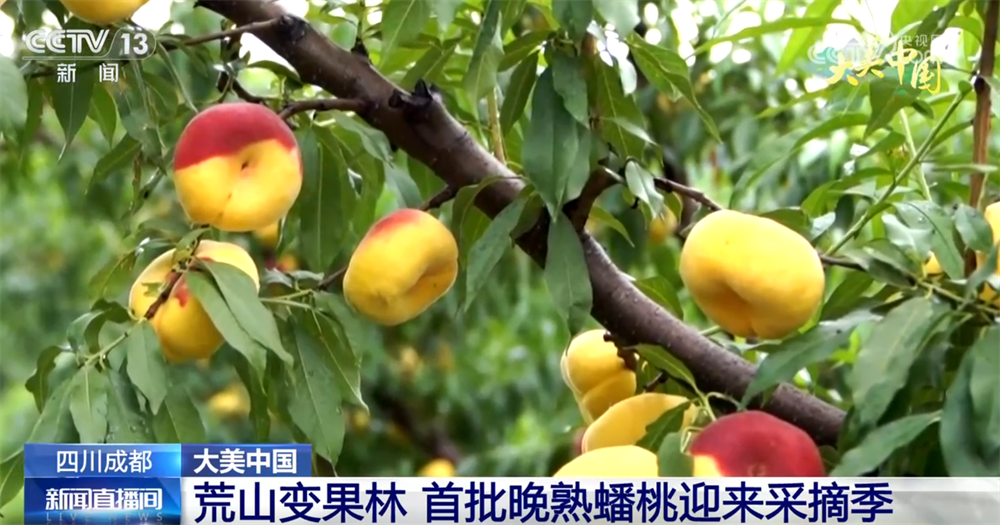
Group 1: Dragon Mountain Peach Industry - The Dragon Mountain area in Chengdu has transformed from abandoned land to a thriving peach orchard, with the first batch of late-ripening flat peaches ready for harvest [1][3] - Nearly 4,000 acres of water peaches have been planted, including various varieties such as "Late Lake View," indicating significant agricultural development since 2021 [3] - An ecological restoration project initiated in 2021 has converted barren hills into green orchards, supported by the construction of 46 water storage facilities to ensure irrigation [5][7] Group 2: Mango Industry in Tian Dong, Guangxi - In Tian Dong, Guangxi, 340,000 acres of mangoes are currently in the harvesting season, with a strong integration of e-commerce and specialty agriculture driving sales [8][12] - A local grower reported having over 60 acres of mango trees, with an estimated yield of 200,000 pounds, of which 30-40% is sold online [10] - The mango industry in Tian Dong has expanded significantly, with sales increasing from 20 million yuan in 2015 to an expected 700 million yuan in 2024, reflecting a 35-fold growth [12] Group 3: Lotus Flower Industry in Nanjing, Jiangsu - The lotus flower cultivation in Nanjing's Pukou District has developed into a significant agricultural and tourism attraction, with over 1,000 acres dedicated to various lotus species [13][15] - The area, previously a low-lying wetland, has undergone ecological restoration since 2013, leading to a thriving ecosystem that supports both flora and fauna [15][19] - The development of fresh-cut flower businesses has allowed local residents to increase their income, creating a closed-loop system that connects ecological protection with economic benefits [17][19]
金果繁花绘丰景 特色农业产销两旺拓宽致富路
Yang Shi Wang· 2025-07-22 09:14
Group 1: Eagle Beak Peach Industry in Xunwu County - The Eagle Beak Peach industry in Xunwu County has expanded significantly, with a current planting area of 23,000 acres and an annual production of 25,000 tons [2][5] - The geographical advantages of low altitude, long sunlight duration, and significant temperature differences between day and night contribute to the high quality and profitability of Eagle Beak Peaches, leading to an increasing willingness among locals to cultivate this fruit [3] - The establishment of a centralized trading center for Eagle Beak Peach products provides digital support for farmers' sales, enhancing the overall industry infrastructure [3] Group 2: Marigold Industry in Yunnan Wenshan - The marigold industry in Wenshan, Yunnan, has reached a peak flowering period, providing new income opportunities for local villagers [7] - Marigolds are an important raw material for extracting natural lutein, with a cultivation cycle that allows for multiple harvests throughout the year [9] - The total planting area for marigolds in Wenshan has exceeded 290,000 acres, generating an annual output value of approximately 550 million yuan [11]
白沙打安村发展集体经济与加强基层治理齐头并进
Hai Nan Ri Bao· 2025-07-22 01:41
Core Insights - The development of the orchid industry in Daan Village has significantly boosted the local economy and improved community governance, leading to increased collective income and enhanced living conditions for residents [2][3]. Group 1: Economic Development - Daan Village has established a key industry in the cultivation of Dendrobium orchids, with local workers packaging and shipping dozens of boxes weekly to various regions across the country [2]. - The village's collective operating income has seen continuous growth, surpassing 1 million yuan in 2023, driven by the participation of returning talents and local farmers in the orchid industry [2][3]. Group 2: Infrastructure and Community Improvement - The village has undergone significant infrastructure upgrades, including paved roads, lighting installations, and cultural facilities, contributing to both aesthetic and functional improvements [3]. - Community governance has been enhanced through the establishment of a village-level enterprise and a practice base for returning university students, which has created more job opportunities and income sources for villagers [2][3]. Group 3: Social Welfare and Governance - Daan Village emphasizes community participation in decision-making, with all matters related to collective asset management and project construction being voted on in village meetings [3]. - The village has achieved 100% enrollment in basic medical and pension insurance for residents, as well as a 100% enrollment rate for school-age children, reflecting a strong commitment to social welfare [3].
清风为伴产业兴丨山里开出“致富花”
Zhong Yang Ji Wei Guo Jia Jian Wei Wang Zhan· 2025-07-22 00:53
Core Insights - The article highlights the development of the Rhododendron flower industry in Yongfu Town, Fujian Province, which has become a significant economic driver, with a production area of 38,000 acres and accounting for approximately 80% of the national market share [1] - The local government is implementing a robust supervision mechanism to ensure the sustainable growth of the flower industry, focusing on project funding management and agricultural subsidies [1][2] - The Rhododendron Valley project, which has been under construction for over a year, aims to enhance tourism and provide an immersive experience for visitors, showcasing rare Rhododendron varieties [1][2] Industry Development - Yongfu Town is recognized as the "Hometown of Rhododendron" in China, with an industry output value exceeding 4 billion yuan, making it a vital source of income for local residents [1] - The integration of e-commerce has revitalized the Rhododendron industry, although challenges such as increased logistics costs have been identified, prompting local authorities to address these issues [3] - The local government is working to improve the logistics and delivery systems for rural e-commerce, aiming to reduce costs and enhance efficiency in the distribution of flowers [3] Supervision and Transparency - The Yongfu Town Discipline Inspection Commission has adopted a "sunshine live broadcast" approach to oversee key project phases, allowing community members to participate in monitoring [2] - Feedback mechanisms are in place to ensure that local officials respond to community concerns during live broadcasts, promoting transparency and accountability in project management [2] - The supervision efforts extend to the entire flower industry and its related sectors, addressing challenges in the integration of flower tourism and ensuring the industry's sustainable growth [4]
生态好、乡村美、产业兴……夏日里的神州大地铺展生机盎然旖旎画卷
Yang Shi Wang· 2025-07-21 08:41
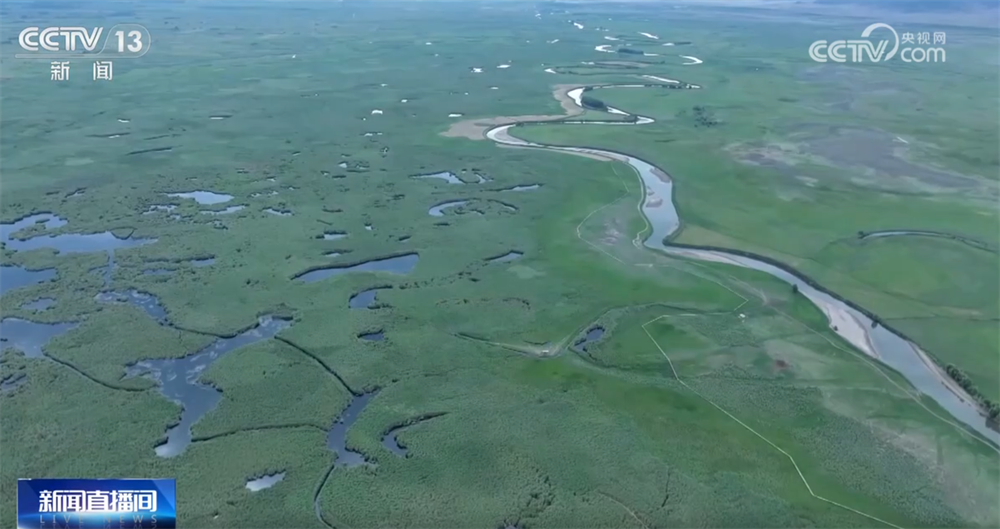
Group 1: Ecological and Agricultural Developments - The Nala Ti National Wetland Park in Xinjiang has entered its best viewing period, showcasing a vibrant ecosystem with various water birds [1] - Local ecological restoration and intelligent monitoring have led to a significant increase in bird populations and improved wetland ecological conditions [3] - In Yunnan's Wenshan, the marigold harvest season has begun, providing economic benefits to local villagers through large-scale cultivation [4][6] - The marigold, an annual herb, is a key source of natural lutein, with a cultivation area of over 290,000 acres and an annual output value of 550 million yuan [8] - In Jiangxi's Xunwu County, the eagle beak peach has entered its harvesting period, with a planting area of 23,000 acres and an annual output of 25,000 tons [9][13] - The eagle beak peach industry has expanded due to favorable geographical conditions, contributing to an increase in local income by over 5,000 yuan per person [11][13] Group 2: Tourism and Infrastructure Development - The development of transportation in Gansu's Longnan has enhanced accessibility to scenic areas, promoting a new model of integrated tourism and transportation [14] - The Tianchi Lake in Wenxian County, a national 4A scenic area, attracts tourists with its picturesque landscape and recreational activities [16] - In Tibet's Linzhi, the Yani National Wetland Park has become a popular tourist destination, with ongoing infrastructure improvements and ecological restoration enhancing visitor experiences [17][19] - The unique highland river wetland landscape in Yani National Wetland Park draws numerous visitors, contributing to local tourism growth [19]
“一双手”打开振兴门道
Jing Ji Ri Bao· 2025-07-18 00:04
Core Viewpoint - The article discusses the innovative approach of the Hezhuangping town in Shaanxi province, China, to develop an industrial alliance that integrates agriculture, culture, and tourism, aiming to enhance the economic viability of underdeveloped areas through resource sharing and collaboration [1][2][3] Group 1: Industrial Alliance Development - The industrial alliance in Hezhuangping includes 11 industry chains such as cave homestays, educational tourism, flower planting, fruit picking, and mushroom cultivation, each led by a leading enterprise [2] - This "chain leader system" is relatively rare at the township level, creating a complete closed loop that integrates agriculture, culture, and tourism, addressing the sales challenges faced by small farmers and enterprises [2] Group 2: Economic Stability and Growth - The alliance aims to transition from merely selling products to offering services, which is crucial for the stability of small farmers and enterprises, as traditional agricultural products are subject to price volatility [3] - Hezhuangping has attracted numerous training classes, allowing participants to learn from the model and contribute to local consumption, thus serving as a method for local service output [3] Group 3: Implications for Rural Revitalization - The exploration and practice in Hezhuangping may provide valuable insights and references for similar underdeveloped villages and towns, especially in the context of the 2024 Central Document No. 1, which emphasizes the deep integration of rural culture and tourism [3]