制造业

Search documents
霸菱:中资股今年仍有丰富投资机会 瞄准4大投资主题
Zhi Tong Cai Jing· 2026-02-09 07:48
Group 1 - The core viewpoint is that AH shares are approaching a critical moment, benefiting from strong capital inflows, policy support, and attractive valuations, with Chinese stocks expected to provide rich investment opportunities in 2026, focusing on themes such as technological innovation, industrial transformation, and consumer opportunities [1] - Despite a significant valuation re-rating in 2025, with the MSCI China Index's forward P/E ratio rising to 13.1 times, the market still shows a substantial discount, over 35% compared to developed markets, and lower than other emerging markets [1] - Domestic and international investors have a low holding ratio in Chinese stocks; if earnings visibility and investor confidence continue to improve, there is room for increasing allocation [1] Group 2 - The local AI models in China are rapidly closing the gap with their American counterparts, showing significant progress in natural language processing, image, and video analysis, which reflects the innovation wave in the local ecosystem supported by numerous large and specialized developers [2] - In manufacturing, factors such as automation, industrial AI, and the expected commercialization of humanoid robots by 2026 are accelerating the upgrade of the sector [2] - The Chinese government is shifting its policy focus towards energy storage solutions, advanced batteries, and system integration, providing a wide range of investment opportunities in the electrification value chain from battery materials to parts production [2] - The strategy is shifting from investment and export to consumption, with a focus on sectors like tourism, leisure, sports, and gaming, which are better positioned to withstand macroeconomic fluctuations and offer attractive long-term profit growth potential [2]
山清水秀与风清气正的双向奔赴
Zhong Guo Fa Zhan Wang· 2026-02-09 06:35
Core Viewpoint - Guangxi Zhuang Autonomous Region has made significant economic progress during the "14th Five-Year Plan" and is now focusing on the "AI+" strategy for the next five years, aiming for modernization and sustainable development [1][4]. Economic Growth - Guangxi's GDP grew at an average rate of 4.8% over the past five years, with an increase of over 740 billion yuan compared to 2020 [2] - The total industrial output value exceeded 800 billion yuan, with key industries like non-ferrous metals, steel, and food reaching over 100 billion yuan in output [2] - The region's infrastructure has improved significantly, with over 10,000 kilometers of expressways and extensive 5G network coverage [2] Technological Advancements - Guangxi is focusing on artificial intelligence, with the core AI industry in the industrial sector expected to exceed 89 billion yuan by 2025 [2] - Production of lithium batteries for automobiles, solar cells, and industrial robots has seen substantial growth, with increases of 54.5%, 43.1%, and 86.3% respectively [2] - New industries and products contributed over 50% to industrial growth, indicating a successful transition to future industries [2] Environmental and Ecological Progress - Guangxi has maintained a high air quality with over 95.1% of days rated as good, and over 98.2% of surface water quality rated as good [3] - The region has seen a recovery in rare species populations, highlighting its ecological advantages as a key asset [3] Future Development Plans - The "15th Five-Year Plan" aims for an average GDP growth of around 5% and the establishment of an AI cooperation hub with ASEAN [4] - Guangxi plans to integrate AI across various sectors, including manufacturing, agriculture, tourism, and governance [4] - The development of the Pinglu Canal Economic Belt is expected to reshape logistics and industrial layouts, enhancing high-quality development [5] Governance and Social Welfare - The region emphasizes the importance of both political and natural ecology for sustainable development, aiming for a harmonious balance [6] - Guangxi is committed to improving public services and ensuring that development benefits the population, with a focus on employment and social welfare [7] - The government aims to be accountable to the people, ensuring that all efforts are directed towards enhancing the quality of life for citizens [7]
沪深300股指期权 买入跨式策略正当时
Qi Huo Ri Bao Wang· 2026-02-09 01:20
Core Viewpoint - The expectation for consumer recovery is rising as the Chinese New Year approaches, suggesting potential upward momentum for the CSI 300 index, which may benefit from a "catch-up" rally [1][12]. Group 1: Market Indicators - The PCR (Put-Call Ratio) for CSI 300 options has decreased to 63.47%, indicating a weakening risk appetite among investors, with the current level at the 43.8th percentile for 2023 [2]. - The implied volatility for at-the-money options has dropped to 14.79%, positioned at the 39.9th percentile for 2023, reflecting a decline in the premium investors are willing to pay for volatility [3]. Group 2: Economic and Policy Context - The manufacturing PMI for January was reported at 49.3, down 0.8 percentage points from the previous month, indicating a contraction in market demand compared to production [5]. - The government is focusing on expanding domestic demand and supporting technology and consumption sectors to stabilize economic growth and improve market confidence [7][8]. Group 3: Investment Strategy - A straddle strategy, involving buying equal amounts of call and put options at the same strike price, is recommended to capitalize on potential market movements as consumer recovery expectations rise [12].

5%增长下的韧性与突破
Jing Ji Ri Bao· 2026-02-09 00:10
Economic Growth - In 2025, China's economy achieved a growth rate of 5%, maintaining this rate for three consecutive years, with the total economic output surpassing 140 trillion yuan [1] - Despite external uncertainties and domestic challenges, China's economy contributed approximately 30% to global economic growth, showcasing its stability and reliability [1] Production and Industry - The stable growth in production remains a crucial support for GDP growth, with industrial added value increasing by 5.9% and service sector added value rising by 5.4% in 2025 [2] - The contribution rate of industrial added value to economic growth reached 35%, with the manufacturing sector maintaining its position as the world's largest for 16 consecutive years [2] Foreign Trade - China's foreign trade exceeded expectations in 2025, with total import and export value surpassing 45 trillion yuan, achieving a growth rate of 3.8% [3] - This marks the ninth consecutive year of growth in foreign trade, supported by strong product competitiveness and supply chain advantages [3] Technological Innovation - The focus on technological development shifted towards new narratives, with significant growth in high-tech manufacturing and equipment manufacturing, boosting market confidence [4] - Final consumption expenditure contributed over 50% to economic growth, reinforcing the position of domestic demand as the main engine [4]
中国最大的支柱产业曝光,已经取代房地产,未来甚至会超越美国
Sou Hu Cai Jing· 2026-02-08 23:46
新王加冕,大势已定 曾经呼风唤雨的楼市"霸主",如今的情况真是惨不忍睹啊。烂尾楼的阴影没散去,断供潮的恐慌还在蔓延,房价一路阴跌犹如钝刀割肉,坏消息接连不断, 就像多米诺骨牌一样接踵而至。 那段只要闭着眼睛买房就能实现财富自由的黄金岁月,好像一夜之间已经藏进了泛黄的旧日历里。 最近这几年,房地产行业逐渐式微,中国的主要经济支柱也在发生转变,眼下看来,整个经济结构似乎在悄然改变。 而且,这个在潜移默化中影响人们生活方式的产业,将来很可能会让美国远远落在后面。 这个产业其实就是科技和数字经济,而它跟我们这些普通人关系挺大的。毕竟,从你我日常用的手机、网购,到工作、学习,都离不开它的支撑。 这些新兴的产业正在逐步改变我们的生活方式,有时候感觉像是在悄悄地把日子变得更方便、更智能。 很多国人仍旧陷在房产这片泥潭里,面对每个月的还贷账单,唉声叹气。有的人甚至发出感叹:"要不是靠房地产,又还能靠什么支撑中国这艘大船的经 济?" 可是,就在大家对着满目疮痍的楼市废墟感慨叹息的时候,一组令人震惊的数字却在暗潮中快速上升,不断冲击着人们的心理。 你以为经济引擎停摆了?其实,一位全新的万亿级"隐形巨头"早已经悄悄地接过接力棒了。 ...
欧洲突然倒戈,向俄罗斯抛出橄榄枝,北约结束之日进入倒计时?
Sou Hu Cai Jing· 2026-02-08 13:28
Group 1 - Europe's attitude towards Russia has shifted dramatically, moving from unified sanctions and support for Ukraine to internal divisions within NATO, with France and Italy advocating for direct talks with Russia [1][3] - Energy shortages have been a direct catalyst for Europe's shift, with natural gas prices skyrocketing and import costs doubling by 2025, leading to significant challenges for German manufacturing and Italian SMEs [3][9] - Macron and Meloni's push for dialogue has gained some support within the EU, although not all member states agree, particularly Poland and the Baltic countries, who fear it may weaken aid to Ukraine [3][9] Group 2 - The internal divisions within NATO are becoming more pronounced, with European countries feeling overshadowed by U.S. leadership, prompting discussions on increasing military spending and defense autonomy [7][11] - The ongoing conflict in Ukraine has led to a reevaluation of strategies, with European nations seeking to alleviate energy pressures through dialogue with Russia, despite concerns about undermining NATO unity [9][11] - The relationship between the U.S. and Europe is deteriorating, with European nations increasingly recognizing that their greatest threat may not be from Russia, but rather from U.S. ambitions [13]

“大财政”系列之四:日债“豪赌”:选举后“高市财政”的约束
Shenwan Hongyuan Securities· 2026-02-08 08:43
Election Context - The Japanese House of Representatives election on February 8, 2026, will significantly impact the political landscape and debt risk in Japan[1] - The ruling coalition, consisting of the Liberal Democratic Party (LDP) and the Japan Innovation Party, holds 233 seats, while the opposition coalition has 172 seats[2] - Current polls show Prime Minister Kishi's approval rating at 66%, with the LDP's support at 36%[2] Election Outcomes - Three potential scenarios exist for the election results: 1. LDP gains a solid majority (over 261 seats), reducing the need for aggressive fiscal stimulus[2] 2. LDP sees a marginal increase in seats, maintaining a need for cooperation with opposition parties, leading to moderate fiscal policies[2] 3. LDP loses seats, increasing political uncertainty and fiscal cliff risks[2] Fiscal Policy Post-Election - Post-election, Japan's macroeconomic policy will remain focused on expansionary fiscal measures, but with a more cautious approach to avoid a "Truss moment"[3] - Key commitments include a two-year suspension of food tax, which could create a fiscal gap of approximately 5 trillion yen annually, representing 17% of new bond issuance[4] Debt Risk Assessment - Japan's government debt is projected to reach 230% of GDP by 2025, with interest payments constituting 1.49% of GDP in 2024[4] - The fiscal deficit for 2025 is estimated at 40 trillion yen, with total revenues of 93 trillion yen and expenditures of 134 trillion yen[4] - Japan's net international investment position is strong, at 84% of GDP, indicating lower sovereign debt risk despite high debt levels[4] Market Implications - The election outcome will influence the external spillover risks associated with Japanese debt, particularly in terms of yen asset volatility and global liquidity[4] - The Bank of Japan's response to potential fiscal-driven yield increases will be crucial in managing market stability[4]
特朗普炫耀美国经济成绩,却偷偷给中国送了个“大礼包”?
Sou Hu Cai Jing· 2026-02-08 07:51
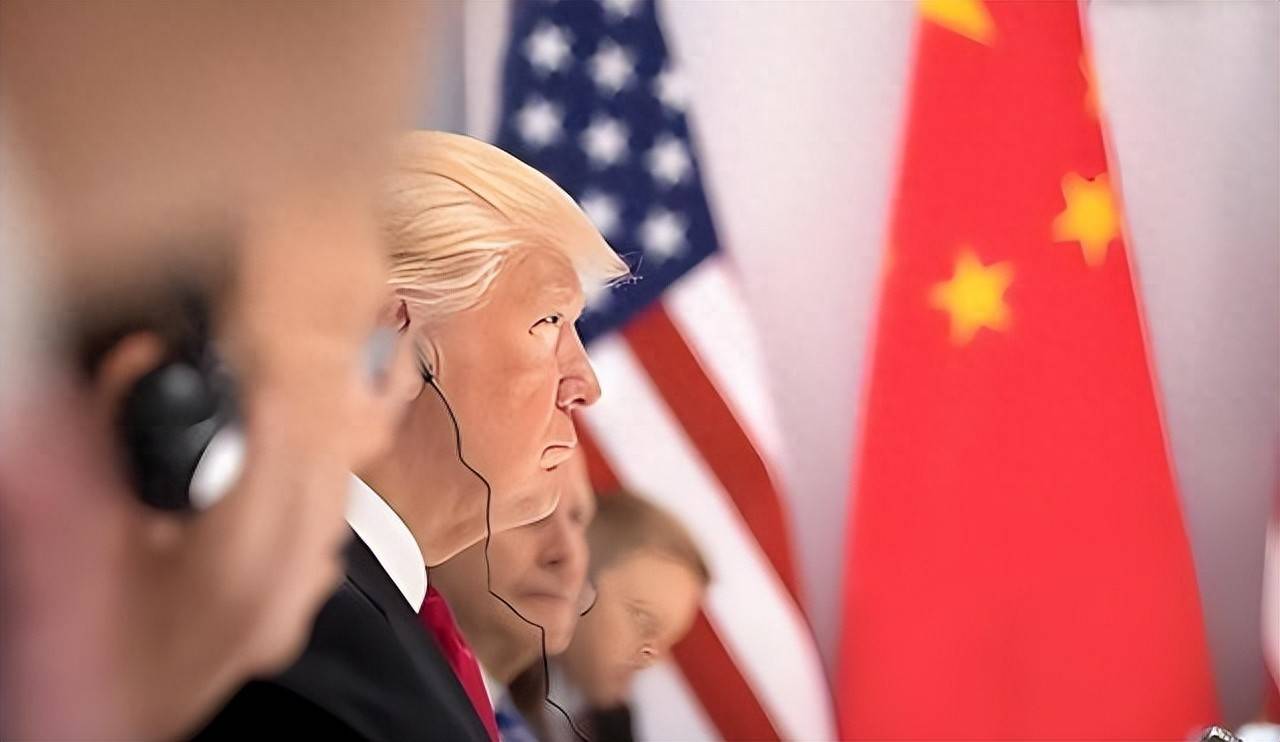
Core Viewpoint - The article discusses the impact of Trump's tariff policies on the U.S. economy and how these policies inadvertently provided opportunities for China to strengthen its market position and adapt its strategies [1][9]. Group 1: Economic Indicators and Tariff Impact - Trump claimed that tariffs led to significant economic improvements, including a rise in the stock market from 42,000 to 48,000 points and a decrease in inflation from 3.2% to 2.7% [3]. - Despite Trump's assertions, reports indicate that 96% of the additional costs from tariffs were borne by the U.S. itself, with only 4% passed on to foreign manufacturers [3][4]. - The imposition of tariffs resulted in a 0.5 percentage point reduction in U.S. economic growth expectations and a 1.9 percentage point increase in inflation [4]. Group 2: China's Response and Strategy - In response to U.S. tariffs, China accelerated its strategy to open up its economy, attracting $100 billion in foreign investment and enhancing its manufacturing capabilities [6]. - China's exports shifted focus from the U.S. to emerging markets, with record port throughput, indicating a successful adaptation to the changing trade landscape [6][7]. - The tariffs prompted China to diversify its trade relationships, strengthening ties with Europe, Japan, South Korea, ASEAN, and Latin America, while also enhancing its domestic consumption market [7][9]. Group 3: Global Trade Dynamics - The tariffs have led to a reconfiguration of global trade dynamics, with the OECD predicting a 0.2 percentage point slowdown in global growth due to the trade tensions [9]. - China's growing influence as a major trading partner for many countries has shifted geopolitical alignments, with nations increasingly favoring economic ties with China over the U.S. [9]. - The article suggests that the U.S. underestimates China's resilience and adaptability, as the trade conflict has provided China with opportunities to strengthen its position in the global market [9].
美国加息在即,所有资产承压后爆发?
Sou Hu Cai Jing· 2026-02-08 03:54
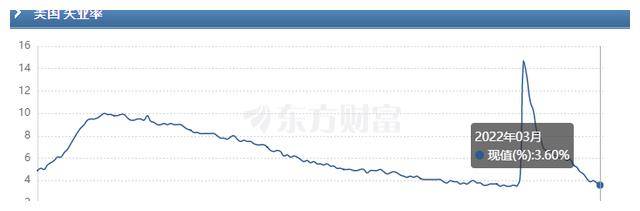
Economic Overview - The current unemployment rate in the U.S. stands at 3.6%, showing little change from 3.5% in February 2020, indicating a near full employment scenario where only about 4 out of 100 job seekers remain unemployed [1] - Despite low unemployment, the U.S. faces a high turnover rate, with 4.4 million people leaving their jobs in February, driven primarily by low wages [3] Wage and Inflation Dynamics - In February, the wage growth rate in the U.S. was 5.1%, while the Consumer Price Index (CPI) surged to 7.9%, indicating that real wage growth is negative [3] - Housing prices have increased significantly, with many areas seeing over a 20% rise, and rents have also risen by more than 15% [3] Labor Market Conditions - There are over 11 million job openings in the U.S., which supports the high turnover as employees seek better-paying positions [3] - Companies are under pressure to raise wages due to the high number of job vacancies, but their ability to do so is limited by rising production costs [3][6] Inflation Control Challenges - The U.S. government, including President Biden, faces challenges in controlling inflation without reducing wages, especially with midterm elections approaching [6] - The Federal Reserve's ability to manage inflation through interest rate hikes is critical, as failure to control inflation could lead to complex economic issues [6] Domestic Economic Sentiment - The domestic economic situation in China shows signs of distress, with declines in the A-share market and the renminbi's depreciation, indicating capital outflow [7] - The Chinese regulatory authorities are maintaining a patient approach, refraining from immediate stimulus measures despite market downturns, suggesting a wait-and-see strategy for economic stabilization [7]
久违!道指领跑三大指数,市场反弹能否延续?
Di Yi Cai Jing· 2026-02-08 03:47
科技股反弹能否持续? 6日美股迎来久违反弹,道指突破50000点历史关口。然而这背后板块轮动加剧,道指年内涨幅大幅跑赢纳指和标 普500指数,多家软件企业受利空冲击,市场担忧人工智能技术会加剧行业竞争、挤压企业利润,同时投资者也对 人工智能相关股票估值高企的问题感到焦虑。 未来一周,市场将迎来多项重磅数据,可能对风险偏好产生影响,权重科技股反弹能否持续悬念重重。 美联储内部继续分裂 本周公布的经济数据较少,对美联储政策预期的改变影响相对有限。 劳动力市场方面,多项信号显示美国劳动力市场走弱——ADP就业报告显示新增就业人数惨淡,职位空缺数降至 五年最低;职场咨询公司Challenger Gray & Christmas最新发布的《挑战者裁员报告》显示,1月美企宣布的裁员数 创下2009年以来新高,即便近期一直保持低位的周度首次申领失业金人数,也触及两个月高点。 不过市场也迎来积极信号:标普全球制造业采购经理人指数(PMI)显示,美国工厂产出录得2022年以来的最强 表现。密歇根大学的初步调查结果显示,美国本月消费者信心指数升至去年8月以来的最高水平。然而密歇根大学 消费者调查主管乔安妮·许表示:"高物价导致个 ...