
智能穿戴设备

Search documents
康冠科技(001308):AI眼镜热潮 康冠助推科技普惠
Xin Lang Cai Jing· 2025-08-19 04:36
Core Viewpoint - The company launched the KTC AI interactive glasses on August 18, 2025, featuring flagship-level specifications at a competitive price of 1499 yuan, significantly lower than competitors [1] Group 1: Product Features - The KTC AI glasses integrate the Doubao large model for functions such as encyclopedia Q&A, image recognition, and simultaneous translation, along with an AI flash memory feature for fragmented memory tasks like parking [1] - The glasses utilize the Qualcomm Snapdragon AR1 chip and Sony IMX 681 sensor, offering 12 million pixels, vertical photo capture (3024×4032), and video recording (1440×1920 at 30fps), with EIS stabilization and HDR shooting capabilities [1] Group 2: Market Potential - The AI glasses market is experiencing high growth, with global shipments expected to reach 2.34 million units in 2024, a year-on-year increase of 588%, and projected to reach 26 million units by 2028, with a CAGR of 82.6% from 2024 to 2028 [1] - The AI glasses industry is still in its early development stage, with significant market opportunities arising from product iteration and improvement [1] Group 3: Company’s AI Product Portfolio - In addition to the new AI glasses, the company offers several AI products, including a medical AI all-in-one machine for dynamic imaging and model training, an AI smart all-in-one machine, an AI companion machine with various functionalities, and an AI learning machine focused on educational applications [2] Group 4: Financial Projections - The company expects net profit attributable to shareholders to be 990 million, 1.19 billion, and 1.38 billion yuan for 2025-2027, with a CAGR of 18.3% from 2024 to 2027; EPS is projected to be 1.41, 1.69, and 1.97 yuan, with PE ratios of 17.4, 14.5, and 12.5 respectively [2]
中金 | ARVR系列#8:AI眼镜打造全新交互体验
中金点睛· 2025-08-18 23:36
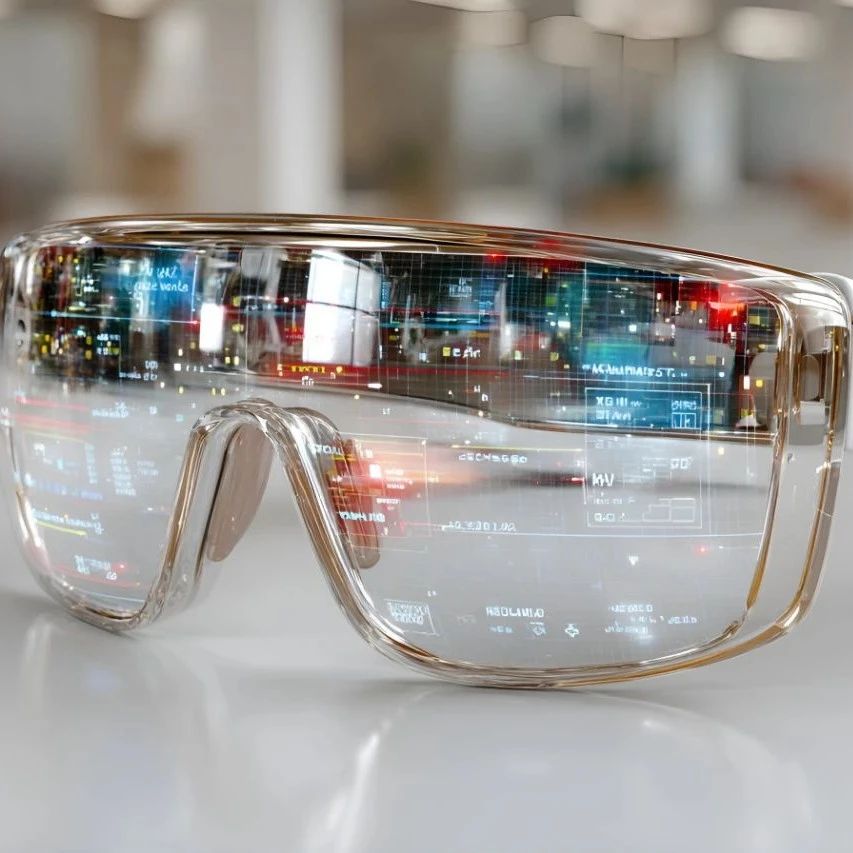
Core Viewpoint - The article emphasizes the growth potential of AI/AR glasses, driven by advancements in hardware and software, with a projected global shipment of 35 million units by 2028, reflecting a CAGR of approximately 119% from 2024 to 2028 [3][9][11]. Hardware Trends - The trend towards hardware upgrades is evident, particularly in SoC, interaction, and display technologies, with dual-chip architectures expected to enhance battery life and spatial computing capabilities [4][12]. - The dual-chip architecture is becoming mainstream, optimizing power consumption and improving user experience, as seen in products from Xiaomi and Alibaba [18][28]. - Display technologies are evolving, with near-eye displays expected to become standard in AI glasses, and single-color waveguides balancing cost and power consumption [19][20]. Software and Ecosystem Development - The integration of large models and diverse application scenarios is crucial for differentiating AI glasses in the market, with companies like Rokid adopting open platforms for enhanced user engagement [5][28]. - The combination of hardware and software ecosystems is anticipated to drive sales growth, with dual operating systems enhancing battery life and user experience [28][29]. Market Dynamics - Meta is leading the market, with a significant share of AI glasses shipments, and is expected to maintain a dominant position as new products are released [3][7]. - The competitive landscape is intensifying, with various tech giants entering the AI glasses market, contributing to increased industry attention and growth [7][9]. - The article notes that the global shipment of AI glasses is projected to reach approximately 1.52 million units in 2024, a year-on-year increase of 533%, primarily driven by the release of the Rayban Meta second-generation product [9][11].



AI眼镜在涨什么?
2025-08-18 15:10
Summary of AI Glasses Industry Conference Call Industry Overview - The AI glasses industry is positioned as an intelligent upgrade to traditional eyewear, with a global market of approximately 2 billion pairs of traditional glasses, including sunglasses and corrective lenses [6][8] - The market for AI glasses is expected to grow significantly, with projections of shipments reaching over 10 million units by 2026 and 30 million units by 2028, indicating a penetration rate of less than 5% [8] Key Insights and Arguments - **Technological Advancements**: AI glasses are designed to meet the high-frequency video image capture needs of large models, supported by advancements in voice assistants and interaction precision [3][4] - **Product Launches**: Meta is set to release two significant new glasses, including a high-end model priced between $800 and $1,000, featuring enhanced chip endurance and design [3][11] - **Display Technology**: The single-color waveguide display solution is cost-effective and significantly enhances user experience, with positive feedback on products from companies like Xiaomi and Alibaba [4][19] - **Interaction Innovations**: The new high-end glasses from Meta utilize electromechanical interaction, allowing for command execution through subtle hand movements, representing a future trend in user interaction [5][11] - **Software Ecosystem**: The importance of software ecosystems is increasing, with companies like Alibaba leveraging proprietary software to enhance user experience and shift the industry focus from hardware to software-defined products [12][24] Market Potential and Trends - The AI glasses market is seen as a new accessory category, with the potential for significant growth driven by technological advancements and the integration of AI capabilities [6][7] - The industry is expected to experience a 10-fold increase in shipments over the next two to three years, with a gradual rise in the proportion of glasses featuring display functions [14] - The competitive landscape is shifting, with companies focusing on software applications to enhance product competitiveness as hardware differentiation diminishes [12][24] Competitive Landscape - Major players like Meta, Google, and Apple are actively developing new products, with Apple’s entry anticipated to significantly impact the market [11] - Domestic companies such as Xiaomi and various startups are also innovating and iterating on their products, contributing to a dynamic competitive environment [11][32] Future Directions - The industry is expected to see advancements in interaction methods, display outputs, and overall user experience, with a focus on dual-chip architectures to improve power efficiency and performance [16][30] - The trend towards dual-system solutions and the integration of advanced SoC (System on Chip) technologies will be crucial for enhancing the functionality and competitiveness of AI glasses [25][30] Noteworthy Products - Recent notable products include Rocket glasses, which offer competitive pricing and features, and the collaboration between XR and Google on the Ora glasses, aimed at entertainment and office use [9][10] Conclusion - The AI glasses industry is on the cusp of significant transformation, driven by technological advancements, innovative product launches, and a growing emphasis on software ecosystems. The market presents substantial investment opportunities, particularly in companies that are well-positioned to capitalize on these trends [31][32]
第一批买AI眼镜的人,已退货
虎嗅APP· 2025-08-16 13:54
Core Viewpoint - The rapid rise and subsequent decline of AI glasses in the market highlight the gap between consumer expectations and actual product performance, leading to significant return rates and negative feedback from users [5][12][28]. Group 1: Market Performance - Xiaomi AI glasses sold nearly 50,000 units within three days of launch, indicating strong initial demand [14]. - The overall market for smart glasses in China is projected to reach 2.907 million units in 2023, with multiple brands entering the competition [14]. - Despite the initial sales success, a wave of returns has emerged due to poor user experiences, with some estimates suggesting return rates could be as high as 40% to 50% [28][30]. Group 2: User Experience Issues - Users reported significant issues with the AI glasses, including connectivity problems, subpar audio and video quality, and heavy weight, leading to discomfort [8][14][15]. - Specific complaints included delayed translation features, poor photo quality, and awkward design that caused discomfort during extended use [10][11][15]. - The AI glasses' functionality, such as smart recognition and translation, often failed to meet user expectations, resulting in frustration and dissatisfaction [11][15]. Group 3: Competitive Landscape - Major tech companies like Huawei, Alibaba, and Baidu are entering the AI glasses market, intensifying competition [12][22]. - The market has seen a surge in new products, with over ten new models launched in the first half of the year, but many have faced similar criticism regarding performance [12][14]. - The entry of companies like Flash Technology, which offered a lower-priced model, did not prevent negative feedback regarding product quality and functionality [22][23]. Group 4: Historical Context - The history of smart glasses dates back to Google's launch of Google Glass in 2012, which ultimately failed due to high costs and privacy concerns [18][20]. - The market saw a resurgence in 2023 with Meta's collaboration with Ray-Ban, which successfully integrated AI features while focusing on style and comfort [21][22]. - The current landscape is characterized by a rush of companies attempting to capitalize on the AI glasses trend, but many are struggling with product quality and consumer acceptance [28].

真不敢想!200多竟买到一块2000元的「华*平替」智能表
凤凰网财经· 2025-08-15 12:46
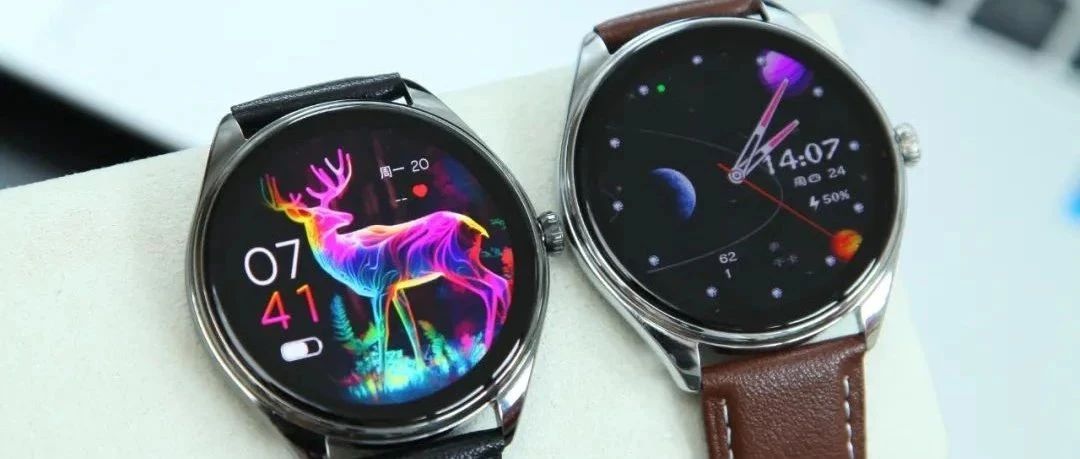
Core Viewpoint - The article highlights the launch of a new smartwatch, the Skwyorth Watch GT5 Pro, which offers advanced health monitoring features and competitive pricing compared to other high-end brands like Huawei. The product is positioned as a cost-effective alternative for consumers seeking quality and functionality in health management devices [1][58][135]. Group 1: Product Features - The Skwyorth Watch GT5 Pro includes health monitoring capabilities such as heart rate, blood oxygen, blood pressure, and sleep tracking, providing comprehensive health management [80][81][90]. - It features a 1.43-inch AMOLED display with high resolution, ensuring clear visuals and a smooth touch experience [26][70]. - The watch supports Bluetooth calling, allowing users to make and receive calls directly from the device, enhancing convenience during daily activities [92]. - It offers a variety of sports modes, with over 100 options available, enabling users to track their fitness activities effectively [101][106]. - The device has an IP68 waterproof rating, making it suitable for various environments and activities [16][121]. Group 2: Pricing and Promotions - The Skwyorth Watch GT5 Pro is priced at 299 yuan, significantly lower than the Huawei GT5, which retails for approximately 1988 yuan [6][60][131]. - The promotional offer includes two interchangeable watch bands, adding value to the purchase [62][124]. - The article emphasizes the limited-time nature of the promotional pricing, encouraging quick purchases to take advantage of the deal [67][135]. Group 3: Brand Background - Skwyorth is recognized as a leading brand in the home appliance industry, having been listed among China's top 500 companies for 15 consecutive years, ranking 272nd in 2024 [49][50]. - The company has a strong reputation for quality, supported by numerous awards in industrial design, showcasing its commitment to innovation and excellence [54][56].
对话Rokid邵华强:阿里、小米卷入“百镜大战”,Rokid如何应对?
Xin Lang Ke Ji· 2025-08-15 08:27
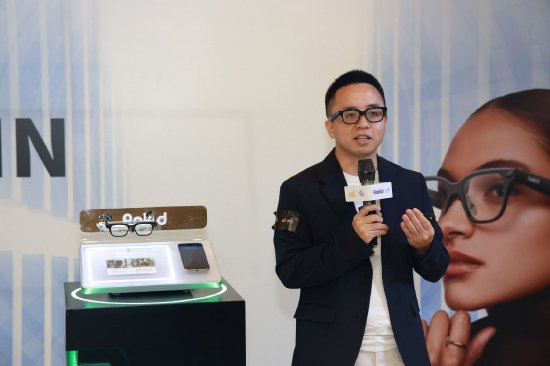
Core Insights - Rokid has launched the overseas version of Rokid Glasses that supports Cantonese and is now available in Hong Kong, aiming to deepen its presence in the Hong Kong and Asia-Pacific markets while promoting the adoption of AI and AR technologies [1] - The international business head of Rokid, Shao Huaqiang, views the entry of major companies like Alibaba and Xiaomi into the AI glasses market as a positive development that will enhance the industry's growth [1] - The AR/AI glasses industry has evolved significantly, moving from initial product failures due to an immature supply chain and high market education costs to a competitive landscape driven by major players investing heavily in the sector [1] - Despite Meta's substantial financial losses, estimated in the hundreds of millions of dollars, the company’s efforts have accelerated industry advancements, leading to a "hundred glasses battle" [1] - The complexity of developing AI glasses is highlighted, with current Shenzhen manufacturers facing challenges in delivering viable products, while Rokid claims to be the first to mass-produce lightweight, fully functional AI and AR glasses due to its decade-long experience [1]
看一下就可支付 支付宝联合雷鸟AR眼镜打造全彩眼镜支付
Shen Zhen Shang Bao· 2025-08-14 17:27
Core Insights - Thunderbird Innovation and Ant Group have announced a strategic partnership to develop innovative digital payment solutions for global markets, marking a significant breakthrough in the application of AI and AR glasses in mobile payment scenarios [1][2] - The collaboration aims to transition AI and AR glasses from "concept products" to "full-scenario service terminals," enhancing their practical utility in everyday life [1][3] Group 1: Product Features - The Thunderbird X3 Pro is the world's first AI glasses that support "pay by looking," integrating various functions such as Live AI, real-time translation, AR navigation, and local life services [2] - The glasses allow users to make payments seamlessly by simply looking at the Alipay "blue ring" or payment code, enabling a quick and smooth transaction process without needing to take out a phone [2][3] Group 2: Security Measures - Thunderbird Innovation has incorporated Alipay's multi-dimensional risk control system to ensure the security of each transaction, providing comprehensive protection for both the smart glasses and the user's payment process [2] - Alipay offers a "theft compensation" guarantee, adding an extra layer of security for users' funds [2] Group 3: Future Developments - The Thunderbird X3 Pro will leverage Alipay+'s global wallet payment partner ecosystem to provide a seamless payment experience for consumers and merchants worldwide, particularly in high-frequency cross-border consumption scenarios [3] - The integration of payment functionality completes the loop from "lifestyle services to mobile payments," enhancing the practical value and user engagement of AI glasses in real-life applications [3]
出货量倍增,智能眼镜市场需求强劲
Xuan Gu Bao· 2025-08-14 15:19
Group 1 - The global smart glasses market is expected to see a 110% year-on-year increase in shipment volume in the first half of 2025, with AI smart glasses accounting for 78% of this growth [1] - Strong demand for Ray-Ban Meta smart glasses, along with the entry of new brands like Xiaomi and RayNeo, has driven this growth, particularly in the AI glasses segment, which has experienced over 250% year-on-year growth [1] - Continuous technological advancements, price reductions, and expanding application scenarios position smart glasses as the next significant personal tech device after smartphones and smartwatches [1] Group 2 - The global AI glasses shipment volume is predicted to reach 140 million units by 2030, with the market size expected to exceed one trillion [2] - Relevant A-share concept stocks include companies like Jiahe Intelligent and Zhongjing Electronics [3]
AI眼镜行业深度:镜观万象,AI启新元
2025-08-14 14:48
Summary of AI Glasses Industry Research Industry Overview - The AI glasses market is projected to have significant growth, with global sales potentially exceeding 90 million units by 2030, and expected shipments nearing 10 million units in 2025, reaching 20 million units in 2026, indicating substantial market penetration potential [1][4] Key Insights and Arguments - AI glasses are positioned as an easy-to-promote, cost-effective end-device, with significant upgrades in internal components such as cameras, chips, and microphones, leading to high investment elasticity similar to the development path of TWS (True Wireless Stereo) headphones [1][5] - The current AI glasses market is likened to the TWS headphone market in 2015-2016, indicating it is in an early attention phase, with expectations of entering a rapid growth phase by 2025 and a potential explosion in 2026 [1][6] - The global eyewear market was valued at approximately $184.1 billion in 2023, comparable to the smartphone market in 2012, suggesting that AI glasses have significant potential to replace traditional eyewear [1][7] Catalysts for Industry Development - Key catalysts for the AI glasses industry include the launch of new products by manufacturers, increased market attention towards AI glasses, and existing product shipments exceeding expectations, all of which will drive sector growth [1][8] Market Dynamics and Supply Chain - The cost structure of Meta's AI glasses includes SoC assembly (34%), storage (21%), and cameras (7%), with Qualcomm being the largest supplier at 36% [1][9] - Notable suppliers in the AI glasses supply chain include GoerTek, Hengxuan, and other companies involved in the core and flexible segments of the industry, which are expected to see significant profit elasticity as sales reach 17 million units by 2027 [1][15] Technology and Product Development - Xiaomi's AI glasses utilize an MCU and SoC chip solution, with significant value in the assembly process, highlighting the importance of component suppliers like GoerTek and Longqi [1][10][11] - The optical display technology in AR glasses is evolving towards full-color displays, with Micro LED and diffraction waveguide technologies being the most promising, although still in development [1][14] Investment Perspective - From an investment standpoint, AI glasses are seen as a relatively simple and cost-effective device with significant future potential, following historical trends of major upgrades in consumer electronics [1][5] - The current stage of AI glasses is expected to yield greater market capitalization increases compared to profit growth during the industry explosion phase, indicating a potential for valuation enhancement [1][6] Conclusion - The AI glasses industry is at a pivotal moment, with substantial growth potential driven by technological advancements, market dynamics, and evolving consumer needs, making it a sector to watch for future investment opportunities [1][8][15]


上半年全球智能眼镜出货量同比激增110%,Meta占据70%以上的市场份额
Jing Ji Guan Cha Wang· 2025-08-14 07:41
Core Insights - The global smart glasses market experienced a significant year-on-year shipment growth of 110% in the first half of 2025, driven by strong demand for Ray-Ban Meta smart glasses and the entry of new players like Xiaomi and RayNeo [1] - AI smart glasses accounted for 78% of total shipments in the first half of 2025, a notable increase from 46% in the first half of 2024 and 66% in the second half of 2024, primarily due to the dominance of Ray-Ban Meta AI glasses [1] - The AI glasses segment saw an annual growth rate exceeding 250%, significantly outpacing the overall market growth [1]