
服装零售

Search documents
上海迪士尼乐园将调整票价结构;老铺黄金涨价;全国海关拦截183万件假冒LABUBU ︳消费早参
Mei Ri Jing Ji Xin Wen· 2025-08-25 23:21
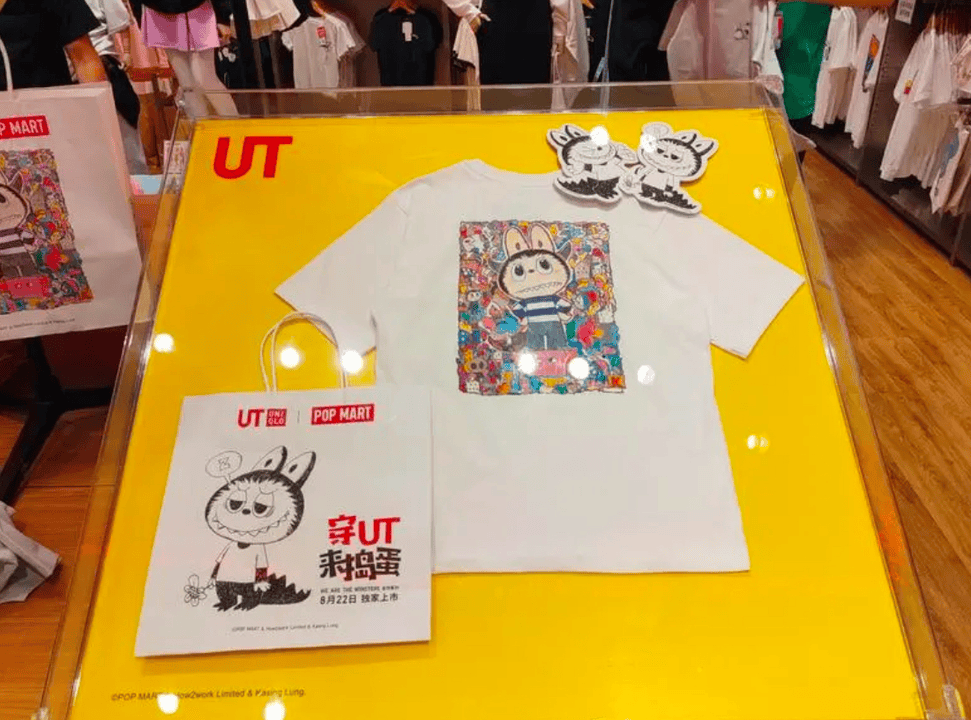
Group 1: Shanghai Disneyland Ticket Price Adjustment - Shanghai Disneyland Resort announced an adjustment to its ticket pricing structure, introducing more mid-tier price levels within the existing range of 475 to 799 yuan, effective from mid-October [1] - The highest and lowest ticket prices will remain unchanged, and the resort will continue to offer a rolling price calendar for tickets purchased 30 days in advance [1] - This strategy aims to cater to different consumer segments, reinforcing high-end customer retention while also appealing to the mid-market [1] Group 2: Uniqlo's Expansion into Men's Winter Market - Uniqlo has recently made several strategic moves, including appointing Oscar-winning actress Cate Blanchett as its global brand ambassador and launching a new collection featuring "9% cashmere blend" thermal wear for men [2] - The introduction of the "PUFFTECH" air cotton vest series reflects Uniqlo's commitment to expanding its product line to meet the needs of male consumers [2] - Uniqlo's diverse marketing strategies, including collaborations with brands like Pop Mart to engage Gen Z, demonstrate its focus on high-end market penetration and product innovation [2] Group 3: Price Increase of Lao Pu Gold - Lao Pu Gold has raised prices again, with most products in its JD and Tmall flagship stores seeing an increase of approximately 10% to 12% as of August 25 [3] - This price adjustment follows a previous increase six months ago and is part of a strategy to target high-net-worth customers by leveraging traditional craftsmanship and cultural IP [3] - The future growth of Lao Pu Gold will depend on its ability to convert "cultural scarcity" into sustainable brand assets rather than relying solely on periodic price increases [3] Group 4: Customs Interception of Counterfeit LABUBU Products - Chinese customs have intercepted 1.83 million counterfeit LABUBU products this year, highlighting efforts to maintain a fair and healthy international trade environment [4] - The customs authority has launched several initiatives, including "Dragon Action" and "Blue Network Action," to combat intellectual property infringement, resulting in the seizure of nearly 400 million suspected counterfeit items [4] - Protecting intellectual property is crucial for fostering innovation, and customs play a vital role in safeguarding this within the context of international trade [4]
Exploring Analyst Estimates for Gap (GAP) Q2 Earnings, Beyond Revenue and EPS
ZACKS· 2025-08-25 14:16
Core Insights - Analysts expect Gap (GAP) to report quarterly earnings of $0.55 per share, reflecting a year-over-year increase of 1.9% [1] - Revenue projections stand at $3.74 billion, indicating a 0.5% increase from the previous year [1] - There has been a 2.2% downward revision in the consensus EPS estimate over the last 30 days, suggesting a reassessment by analysts [1] Revenue and Sales Estimates - Analysts project 'Net Sales- Gap Global- Total' to reach $788.14 million, a 2.9% increase from the prior-year quarter [3] - 'Net Sales- Banana Republic Global- Total' is estimated at $471.65 million, reflecting a 1.5% decrease from the previous year [4] - 'Net Sales- Old Navy Global- Total' is expected to be $2.14 billion, indicating a 1% increase from the year-ago quarter [4] Store Locations and Comparable Sales - The estimated 'Number of Store Locations - Banana Republic - Total' is 408, down from 438 a year ago [5] - 'Number of Store Locations - Old Navy North America' is projected at 1,250, slightly up from 1,248 last year [5] - The consensus for 'Comparable Store Sales - Old Navy - YoY change' is 1.2%, down from 5.0% reported in the same quarter last year [5] Additional Metrics - The 'Number of Store Locations - Company-operated stores' is estimated at 2,492, down from 2,541 a year ago [6] - 'Comparable Store Sales - Gap - YoY change' is expected to be 4.0%, compared to 3.0% reported in the same quarter last year [6] - Analysts forecast 'Square Footage - Total' to reach 29 million square feet, down from 30 million square feet last year [7] Market Performance - Shares of Gap have increased by 3.7% over the past month, compared to a 2.7% increase in the Zacks S&P 500 composite [8] - Gap holds a Zacks Rank 5 (Strong Sell), indicating expectations of underperformance relative to the overall market [8]


出让控股权!继斯凯奇后,这家老牌美国服饰企业也将私有化
Di Yi Cai Jing· 2025-08-25 13:15
Group 1 - GUESS has announced a strategic partnership with Authentic Brands Group (ABG) for privatization, with ABG acquiring 51% of GUESS for an estimated total valuation of approximately $1.4 billion, including debt [1] - The deal is expected to be completed in the fourth quarter of this year, allowing GUESS to operate with more flexibility outside the public market [1][3] - ABG is the largest sports and entertainment licensing company globally, having acquired numerous well-known brands since its establishment in 2010 [1] Group 2 - GUESS reported a revenue increase to $2.995 billion for the last fiscal year, up from $2.777 billion the previous year, but net profit significantly decreased to $60.42 million from $198 million [2] - The company faces various risks in fiscal year 2025, including potential impacts from tariffs and trade relations, particularly between the U.S. and China [2] - GUESS is evaluating strategic acquisition and alliance opportunities to mitigate risks associated with its growth plans [2] Group 3 - The privatization of GUESS is viewed as a strategic restructuring rather than a traditional merger, aimed at enhancing brand positioning and supply chain strategies in response to market uncertainties [3] - Similar trends are observed in the industry, with Skechers also announcing plans for privatization amid challenges posed by trade policies [3]

“LABUBU穿身上”、“一元内城市漫游”……上海之夏火热进行,沪上消费描绘夏日生活新图景
Sou Hu Cai Jing· 2025-08-25 10:47
Group 1: Consumer Trends - The "Shanghai Summer" international consumption season is transforming consumer behavior from mere purchasing to a comprehensive urban lifestyle experience that includes wearing, shopping, and entertainment [1] - The collaboration between Uniqlo and the Chinese cultural brand Pop Mart has led to a surge in demand for the new UT series, with children's T-shirts selling out quickly on the first day of launch [2][4] Group 2: Transportation and Urban Mobility - Meituan's bike-sharing initiative has introduced a flat rate of 0.99 yuan for rides in over 40 cities, enhancing urban exploration and promoting low-carbon travel [5][7] - Approximately 23% of Meituan's bike users have replaced high-carbon transportation methods, contributing to the city's green development [7] Group 3: Experiential Retail - Shanghai's commercial landmarks are evolving from shopping centers to cultural and entertainment spaces, as exemplified by the immersive experiences offered at the "Bonus Track" event at Taikoo Li in Pudong [9][11] - The integration of art and culture into commercial spaces is becoming a norm, with events like the "She and Her Jewelry" exhibition and collaborations with various artists enhancing consumer engagement [11][12]
益民集团(600824) - 益民集团2025年上半年度经营数据简报
2025-08-25 08:00
一、2025 年上半年度公司所属主要子公司门店变动情况: 品牌 经营业态 本报告期新开门店 本报告期关闭门店 期末门店 门店 家数 建筑面积 (m 2) 门店 家数 建筑面积 (m 2) 门店 家数 建筑面积 (m 2) 古今 内衣 直营 15 745.75 37 1810.90 361 18554.50 加盟 8 330.00 2 65.00 434 23211.20 小计 23 1075.75 39 1875.90 795 41765.70 天宝 龙凤 直营 0 0.00 0 0.00 1 576.00 加盟 0 0.00 0 0.00 2 160.00 小计 0 0.00 0 0.00 3 736.00 合计 直营 15 745.75 37 1810.90 362 19130.50 加盟 8 330.00 2 65.00 436 23371.20 小计 23 1075.75 39 1875.90 798 42501.70 本公告的相关数据未经审计,在此提醒投资者审慎使用。 特此公告。 上海益民商业集团股份有限公司董事会 上海益民商业集团股份有限公司 2025 年上半年度经营数据简报 本公司及董事会全体成 ...

粉丝灯牌藏丝袜、电池塞内衣:我看不懂的时代少年团
首席商业评论· 2025-08-23 04:48
Core Viewpoint - The unprecedented popularity of the Times Youth League's concert in Shanghai highlights the evolving dynamics of fan culture and the economic impact of idol groups on local markets [2][19][24]. Group 1: Concert Attendance and Demographics - The concert from August 20 to 24 is expected to attract over 300,000 attendees, primarily young females, with over 80% under 25 years old [2][7]. - During ticket sales, 5 million people competed for 180,000 tickets, indicating the intense demand for the event [9]. Group 2: Security and Logistics - Strict real-name verification measures were implemented for ticket purchases and entry, ensuring safety and order during the event [11]. - Despite thorough preparations, significant traffic congestion occurred around the venue, surpassing previous events in terms of passenger flow [14][24]. Group 3: Economic Impact - The concert significantly boosted local hospitality and retail sectors, with hotel bookings around the venue increasing by 266% [24]. - The phenomenon of "ticket root economy" emerged, where businesses offered discounts to concert-goers, further stimulating local commerce [26]. Group 4: Fan Culture and Spending - The "cultivation" model of idol groups allows fans to engage deeply with their idols' growth, fostering a strong emotional connection [19][21]. - A survey indicated that 52.8% of teenagers spend over 100 yuan monthly on fan-related activities, often funded by allowances or part-time jobs [29][31]. Group 5: Social Responsibility and Future Considerations - The rapid growth of fan culture raises concerns about irrational spending and its impact on youth mental health and social behavior [37][38]. - Experts suggest that management companies should adopt a more responsible approach to avoid excessive commercialization and promote healthy fan engagement [38].

河间市环瑞建材有限公司成立 注册资本50万人民币
Sou Hu Cai Jing· 2025-08-22 22:51
Group 1 - A new company, Hejian City Huanrui Building Materials Co., Ltd., has been established with a registered capital of 500,000 RMB [1] - The legal representative of the company is Zhang Chaozhi [1] - The business scope includes sales of building materials, metal structures, plastic products, hardware products, agricultural machinery, and various other products [1] Group 2 - The company is involved in the wholesale of hardware products and sales of agricultural products, including seeds and fertilizers [1] - It also engages in internet sales, excluding items that require special licenses [1] - The company is permitted to operate in retail of clothing and accessories, as well as sales of horticultural and forestry products [1]
Buckle(BKE) - 2026 Q2 - Earnings Call Transcript
2025-08-22 15:02
Financial Data and Key Metrics Changes - Net income for the second quarter was $45 million or $0.89 per share, compared to $39.3 million or $0.78 per share in the prior year [4] - Year-to-date net income was $80.2 million or $1.59 per share, up from $74.1 million or $1.48 per share in the prior year [4] - Net sales for the second quarter increased by 8.3% to $305.7 million, compared to $282.4 million in the prior year [4] - Year-to-date net sales increased by 6.1% to $577.9 million, compared to $544.9 million in the prior year [4] Business Line Data and Key Metrics Changes - Women's merchandise sales increased by approximately 18.5%, representing about 47.5% of total sales, up from 43.5% last year [11] - Men's merchandise sales grew by about 1.5%, representing approximately 52.5% of total sales, down from 56.5% in the prior year [12] - Kids business increased approximately 23% year-over-year, growing to about 4.5% of total business for the quarter [14] - Overall average accessory sales increased by approximately 9.5%, while footwear sales were down about 0.5% [13] Market Data and Key Metrics Changes - Comparable store sales for the quarter increased by 7.3% compared to the same period last year [4] - Online sales increased by 17.7% to $43.6 million for the quarter [4] - Year-to-date comparable store sales increased by 5.2% compared to the same period last year [5] Company Strategy and Development Direction - The company continues to focus on customer-centric buying strategies, leading to double-digit growth in most categories [12] - There is an ongoing strategy to enhance the online shopping experience, with investments in digital commerce expected to continue benefiting future quarters [29] - The company plans to open four additional new stores and complete 12 more full remodeling projects for the remainder of the year [9] Management's Comments on Operating Environment and Future Outlook - Management noted that merchandise margin growth was strong, although the rate of growth decelerated compared to the previous quarter [20] - Tariff impacts on costs are currently low to mid-single digits, with some vendors experiencing higher costs [22] - The company is experiencing increased occupancy expenses due to new store openings and remodels, which is expected to continue [24] Other Important Information - Gross margin for the quarter was 47.4%, a 50 basis point increase from the previous year [5] - Selling, general, and administrative expenses for the quarter were 29% of sales, down from 29.8% in the prior year [6][7] - The company ended the quarter with $142.5 million in inventory, up 8.4% from the same time last year [8] Q&A Session Summary Question: Can you elaborate on the merchandise margin expansion? - Management indicated that the growth in merchandise margins was strong, but the rate of growth decelerated due to a decrease in private label mix [20][21] Question: What are the drivers behind the gross margin leverage? - The increase in occupancy expenses was identified as a key driver, with a 5.5% increase in Q2 compared to Q1 [24] Question: Is the 65 basis points from nonrecurring digital investments just for Q2? - Management confirmed that the impact of digital investments will also flow into Q3 [29]

巴克莱银行:将盖璞公司目标价下调至19美元
Ge Long Hui· 2025-08-22 04:52
Group 1 - Barclays has downgraded the rating of Gap Inc. from "Overweight" to "Hold" [1] - The target price for Gap Inc. has been reduced from $24 to $19 [1]
港股异动 | 思捷环球(00330)涨超30% 预计上半年扭亏为盈至约100万港元
智通财经网· 2025-08-22 02:48
Core Viewpoint - The company, Esprit Holdings (00330), has experienced a significant stock price increase of over 30% following the announcement of a positive earnings forecast, indicating a turnaround in its financial performance [1]. Financial Performance - Esprit Holdings anticipates an unaudited net profit attributable to shareholders of approximately HKD 1 million for the six months ending June 30, 2025, compared to an unaudited net loss of approximately HKD 56 million in the same period last year [1]. - The upcoming first half of 2025 marks a critical phase in the company's transformation journey, following extensive restructuring efforts implemented in 2024 [1]. Business Model Shift - The company has decisively shifted from a high-cost, capital-intensive direct retail business model to a light-asset, license-driven brand management model [1].