铁路建设

Search documents
雅万高铁勘探建设之路:让“世界级难题”变“金牌新字号”
Sou Hu Cai Jing· 2025-11-06 11:12
Core Insights - The construction of the Jakarta-Bandung High-Speed Railway (JKT-BDG) faces significant geological challenges in Indonesia's Java Island, with the project encountering various adverse geological conditions typical in domestic railway construction [1] Group 1: Project Overview - The JKT-BDG project features a unique underground structure, with the construction of Tunnel No. 1 showcasing China's advanced technological capabilities [1] - The project utilizes a domestically developed ultra-large diameter shield machine with a tunneling diameter of 13.23 meters, equivalent to the height of a five-story building, setting a record for engineering in Southeast Asia [1] Group 2: Operational Milestones - By October 17, 2025, the JKT-BDG is expected to celebrate its second anniversary of operation, having transported over 12 million passengers and achieved a safe operational mileage exceeding 5.65 million kilometers [1] - The railway has become the busiest rail transit line in Indonesia, highlighting its significance in the region's transportation infrastructure [1]
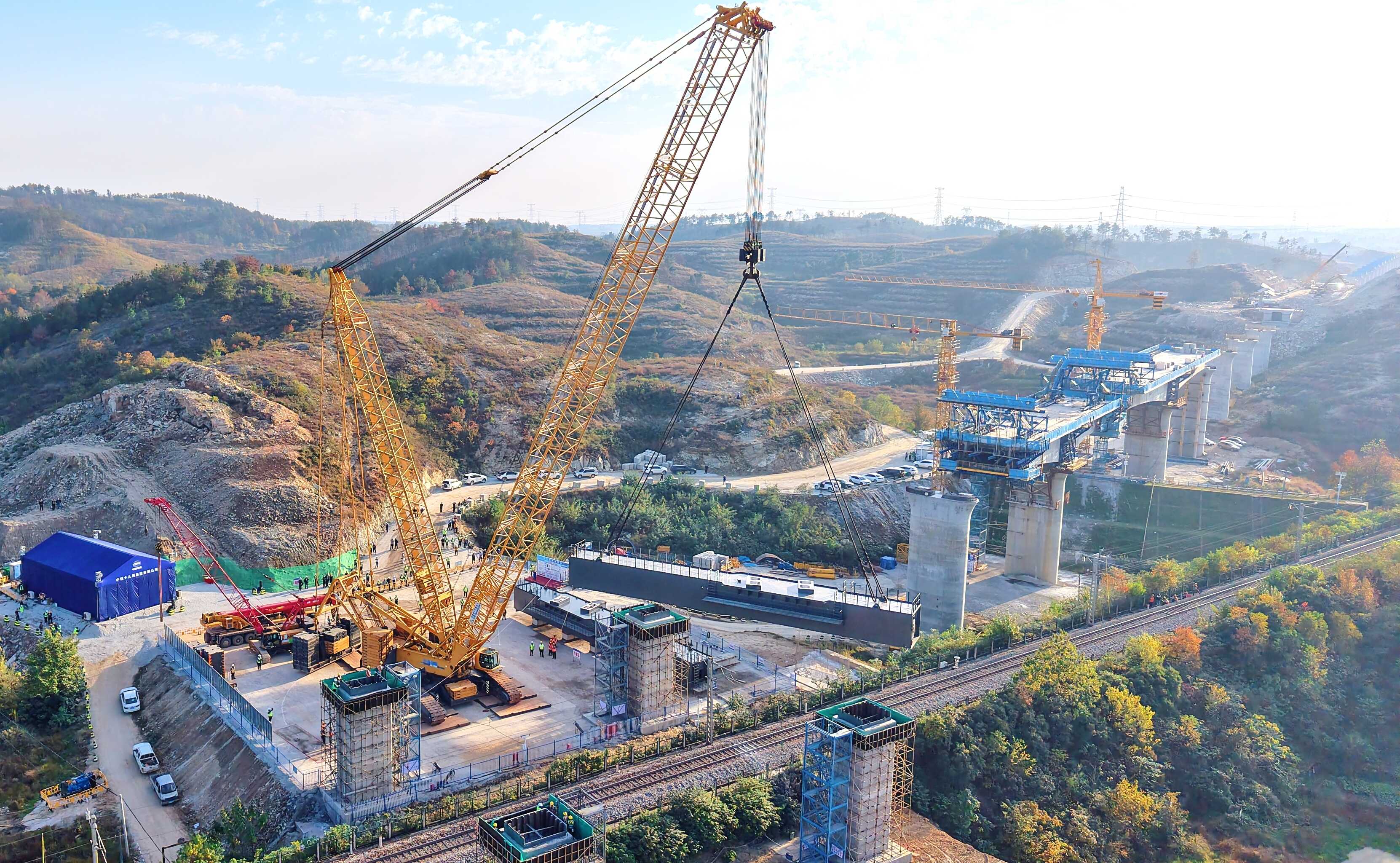
合武高铁跨麻武线特大桥钢盖梁完成吊装,武汉至合肥将“一小时通达”
Chang Jiang Ri Bao· 2025-11-06 10:35
Core Points - The completion of the steel cover beam installation at the Zhoujiatian Village Bridge marks a significant milestone in the construction of the new Hefei-Wuhan High-Speed Railway [1][3] - The bridge, located in Hong'an, Hubei, is a key control project of the Hefei-Wuhan High-Speed Railway, with a total length of 1195.375 meters and 32 spans [1][6] - The installation faced high technical demands and challenges due to its proximity to existing railway operations, requiring precise control and management [1][3] Construction Details - The steel cover beam installation involved two beams weighing 210.12 tons each, with a lifting span of 32 meters and strict rotation angle controls [1] - Advanced machinery and information management techniques, including BIM technology, were utilized to enhance construction efficiency and safety [3] - The successful completion of this installation lays a solid foundation for subsequent bridge erection and track construction, facilitating the timely completion of the Hefei-Wuhan High-Speed Railway [3] Industry Context - The Hefei-Wuhan Railway, operational since April 1, 2009, currently has a maximum speed of 250 km/h, but faces capacity constraints due to increasing passenger flow [6] - The Hefei-Wuhan High-Speed Railway is part of the national "Eight Vertical and Eight Horizontal" plan, designed for speeds of up to 350 km/h, significantly reducing travel times between major cities [6] - Future travel times from Wuhan to Hefei are expected to decrease from 2 hours to 1 hour, enhancing overall transportation efficiency in the region [6]

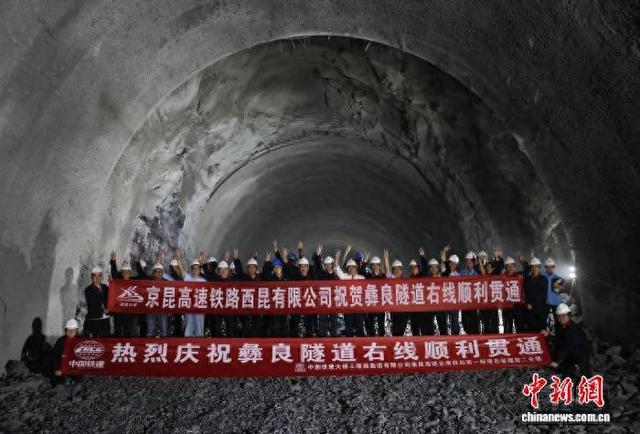
全长24.8公里 渝昆高铁全线最长隧道右线贯通
Zhong Guo Xin Wen Wang· 2025-11-06 09:21
Core Points - The Yiliang Tunnel right line of the Yukun High-speed Railway, constructed by China Railway Construction Bridge Bureau, has successfully completed its safe breakthrough after over 1460 days of continuous work [1][3] - The tunnel, located in Yunnan Province, spans 24.8 kilometers with a maximum depth of 920 meters, designed in a double-tunnel single-line format [1][3] Construction Progress - The breakthrough of the right line has accurately identified geological conditions, significantly improved ventilation and drainage, and effectively reduced geological risks, enhancing safety and efficiency for subsequent construction [3] - With the completion of the right line, 47 tunnels in the Yunnan section of the Yukun High-speed Railway have been completed, exceeding 85% of the total tunnel work [3] - The Yukun High-speed Railway, approximately 700 kilometers long with a Yunnan section of 388.6 kilometers, is designed for a speed of 350 kilometers per hour, marking it as the first high-speed railway in Yunnan to reach this speed [3] Economic Impact - Once completed, the railway will significantly reduce travel time between Chongqing and Kunming, playing a crucial role in constructing a new development pattern and promoting high-quality economic and social development in the surrounding areas [3]

绿色低碳点亮新生活
Bei Jing Ri Bao Ke Hu Duan· 2025-11-06 03:14
Core Viewpoint - The article emphasizes the importance of promoting a green and low-carbon lifestyle in China, highlighting the integration of these principles into various aspects of economic and social development, as well as the tangible actions taken by the society to achieve the "dual carbon" goals set by the government [1]. Group 1: Green Transportation - The opening of the Shenyang-White Mountain high-speed railway significantly reduces travel time from approximately 4 hours to 1 hour and 53 minutes, showcasing a commitment to eco-friendly infrastructure [2]. - The construction team prioritized ecological preservation by opting for tunnel excavation over deforestation, demonstrating a commitment to minimizing environmental impact [2]. - The promotion of electric buses and the introduction of a carbon points system for subway users reflect a broader shift towards sustainable urban transportation [4]. Group 2: Electric Vehicles - The number of electric vehicles in Liaoning Province reached approximately 673,000 by the end of July, with a projected carbon reduction of over 2,000 tons by 2025 [3]. - The increasing availability and affordability of electric vehicles, along with supportive government policies, have led to a significant rise in consumer adoption [3]. Group 3: Green Buildings - The development of green buildings in Qinghai Province, including solar-powered structures, illustrates the integration of renewable energy into residential areas, contributing to a "zero-carbon village" [6][8]. - The implementation of photovoltaic technology in construction has resulted in substantial reductions in carbon emissions, with one company reporting an annual reduction of 5,388 tons [7][8]. - By 2024, the area of newly constructed green buildings is expected to reach 1.69 billion square meters, accounting for 97.9% of all new urban construction [8]. Group 4: Waste Recycling and Green Consumption - The introduction of smart recycling bins in urban areas has facilitated waste recycling, with over 10,000 participants in the program [10][11]. - The "trade-in" programs for appliances and the growing popularity of green products indicate a shift in consumer behavior towards sustainability [14]. - By 2024, over 70 million units of green and smart products are expected to enter Chinese households, reflecting a significant trend towards eco-friendly consumption [14].

东南亚第一长隧!马东铁项目云顶隧道敞开式硬岩掘进完工
Zhong Guo Qing Nian Bao· 2025-11-06 03:11
Core Viewpoint - The completion of the TBM excavation for the Genting Tunnel marks a significant milestone in the Malaysia East Coast Rail Link (ECRL) project, which is a key infrastructure initiative under the Belt and Road Initiative, connecting the east and west coasts of Malaysia [1][3]. Group 1: Project Overview - The ECRL project spans a total length of 665 kilometers and is considered a "land bridge" connecting important towns on Malaysia's east coast with the economic center on the west coast [3]. - The Genting Tunnel, measuring 16.39 kilometers, is the longest railway tunnel in Malaysia and is designed with two parallel single-track tunnels [3]. Group 2: Construction Techniques and Achievements - The construction utilized both Tunnel Boring Machine (TBM) and drill-and-blast methods to minimize environmental impact during the excavation process [3]. - The project has set two national records in Malaysia for being the longest railway tunnel and the highest covered railway tunnel, located over 750 meters beneath the mountain [3]. Group 3: Challenges Overcome - The construction team successfully addressed several world-class challenges, including high ground stress, high temperatures, high water pressure, and long-distance ventilation [3]. Group 4: Economic Impact - Upon completion, the ECRL project is expected to inject new momentum into the balanced economic development of Malaysia by establishing a major railway transport corridor across the peninsula [3].

穿山破岭筑通途
Guang Xi Ri Bao· 2025-11-06 02:31
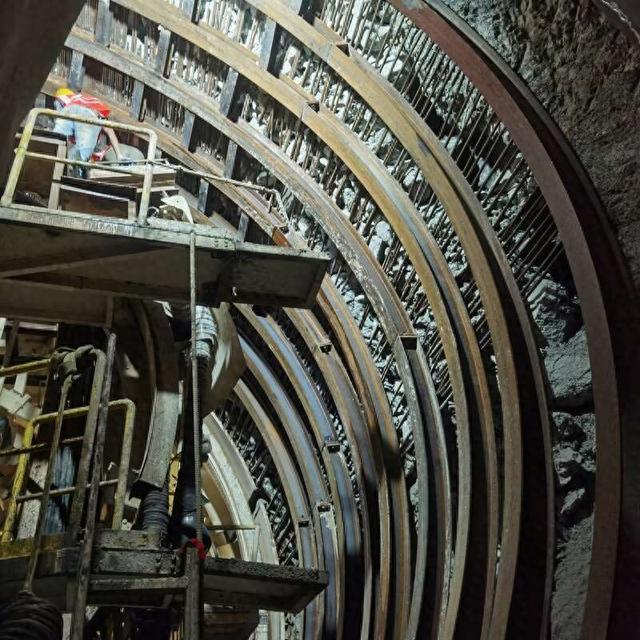
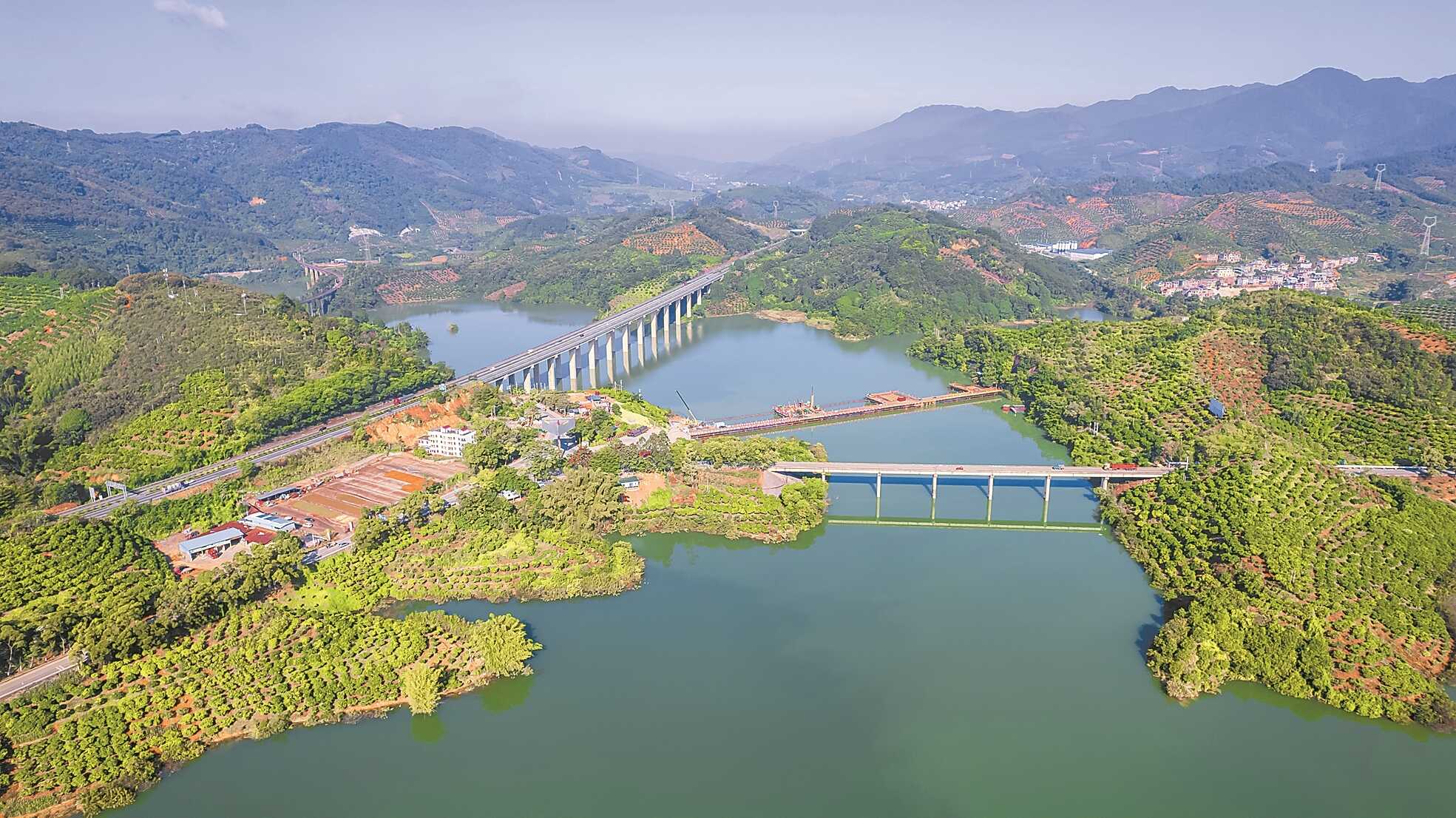
Core Insights - The Huangbai Railway is a significant infrastructure project aimed at enhancing transportation in the southwestern region of China, with a focus on overcoming geological challenges and ensuring ecological protection [5][6][7]. Construction Progress - The construction of the Huangbai Railway includes the longest tunnel in Guangxi, the Shili Tunnel, which spans 17,276 meters and faces complex geological conditions [5]. - As of now, 5,460 meters of excavation, 4,477 meters of arching, and 3,736 meters of secondary lining have been completed in the Shili Tunnel, demonstrating strong progress [5][8]. - The project has completed a total investment of 4.57 billion yuan, accounting for 31.4% of the initial design estimate [8]. Engineering Challenges - The Huangbai Railway faces a high bridge-tunnel ratio of 90.6%, with 33 new tunnels primarily located in challenging terrains [6]. - Innovative construction techniques, including the use of advanced imaging and monitoring technologies, are being employed to address these challenges [5][7]. Environmental Considerations - The construction of the Nameng Chengbihhe Grand Bridge, a key component of the railway, emphasizes strict ecological protection measures to safeguard local water sources and wildlife habitats [7]. - Environmental monitoring systems and protective measures, such as the use of double-walled steel cofferdams, are in place to prevent pollution during construction [7]. Economic Impact - Once completed, the Huangbai Railway will fill gaps in the regional railway network, enhancing connectivity between southwestern regions and the Beibu Gulf area, thus reducing logistics costs significantly [9]. - The railway is expected to serve as a major freight corridor, improving transportation efficiency for goods moving between Sichuan, Guizhou, and Guangxi [9].
习近平总书记关切事丨绿色低碳点亮新生活——“双碳”目标在行动(下篇)
Xin Hua She· 2025-11-05 04:46
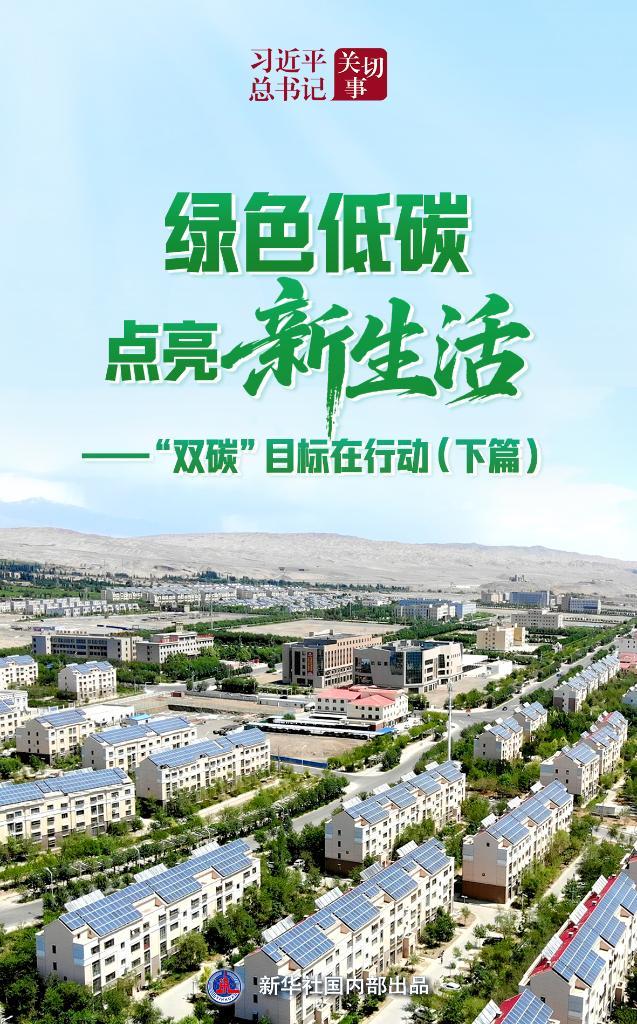
Group 1: Green Development Initiatives - The Chinese government emphasizes the importance of advocating for green and low-carbon production and lifestyle, integrating these principles into economic and social development [2] - The "dual carbon" goals have transitioned from a national commitment to tangible actions across society, promoting a green lifestyle [2] Group 2: Green Transportation - The opening of the Shenyang-Baicheng high-speed railway significantly reduces travel time between Shenyang and Changbai Mountain from approximately 4 hours to 1 hour and 53 minutes, showcasing a commitment to eco-friendly infrastructure [4] - The construction of the railway prioritized minimal ecological disruption, opting for tunnel excavation to protect over 1,500 mature pine trees [4][5] - Shenyang has seen a rise in electric public transportation, with over 4,000 electric buses making up more than 70% of the total bus fleet [5] - As of July 2023, Liaoning Province has approximately 673,000 electric vehicles, with a projected carbon reduction of over 2,000 tons by 2025 [5] Group 3: Green Buildings - The development of green buildings in Qinghai Province, such as those equipped with photovoltaic panels, demonstrates a shift towards sustainable energy solutions [10][12] - The village of Banjian has become the first "zero-carbon village" in Qinghai, achieving self-sufficiency in electricity and generating surplus green energy for sale [12] - By 2024, the area of newly constructed green buildings in urban areas is expected to reach 1.69 billion square meters, accounting for 97.9% of all new urban construction [16] Group 4: Green Consumption Trends - The introduction of smart recycling bins in Kurle City has engaged over 100,000 residents in waste recycling, transforming waste into resources [19][20] - The "old-for-new" appliance exchange program in Shenyang has expanded significantly, with subsidies covering a wider range of products [23] - By 2024, over 70 million green and smart products are expected to enter Chinese households, reflecting a growing trend towards sustainable consumption [24]
习近平总书记关切事|绿色低碳点亮新生活——“双碳”目标在行动(下篇)
Xin Hua She· 2025-11-05 04:29
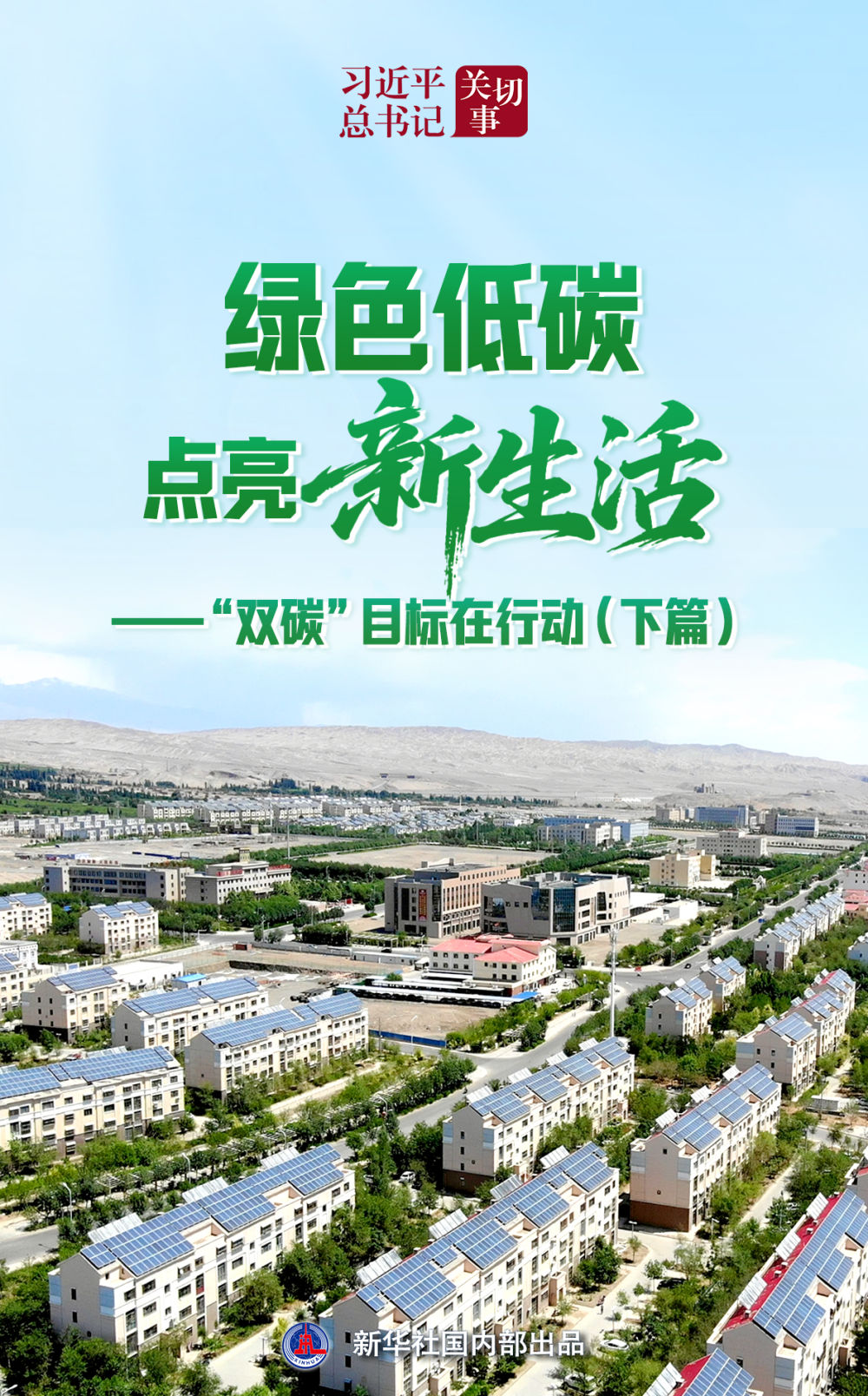
Core Viewpoint - The articles highlight China's commitment to green and low-carbon development, showcasing various initiatives and projects that promote sustainable living and transportation, as well as the integration of green practices into everyday life and infrastructure [3][6][18]. Group 1: Green Transportation Initiatives - The opening of the Shenyang-Baicheng high-speed railway significantly reduces travel time between Shenyang and Changbai Mountain from approximately 4 hours to 1 hour and 53 minutes, exemplifying a "green artery" in transportation [4][6]. - The construction of the railway prioritized minimal ecological disruption, opting for tunnel excavation to protect over 1,500 mature pine trees [4]. - Shenyang has seen a rise in electric public transport, with over 4,000 electric buses making up more than 70% of the total bus fleet, and the city is enhancing its electric vehicle charging infrastructure [7][9]. Group 2: Green Building and Energy - In Qinghai Province, the Ban Yan New Village has become China's first high-altitude "zero-carbon village," utilizing distributed photovoltaic systems to achieve self-sufficiency in electricity and reduce carbon emissions by 258 tons in 2024 [10][12]. - The Yellow River Hydropower Development Company has implemented various green building technologies, generating approximately 5.4 million kilowatt-hours of electricity annually and reducing carbon emissions by 5,388 tons [13][14]. - By 2024, the area of newly constructed green buildings in urban areas is expected to reach 1.69 billion square meters, accounting for 97.9% of the total new construction area [14]. Group 3: Green Consumption Practices - The introduction of smart recycling cabinets in Kurle City allows residents to convert waste into resources, with over 287 cabinets deployed and participation from more than 100,000 residents [16][17]. - The "old for new" appliance replacement program in Shenyang has expanded significantly, with subsidies now covering 35 categories of products, encouraging consumers to adopt energy-efficient appliances [20][23]. - By 2024, over 70 million green smart products, including vehicles and home appliances, are projected to enter Chinese households, reflecting a shift towards sustainable consumption [24].
织密钢铁动脉 长三角铁路建设跑出“加速度”
Zhong Guo Xin Wen Wang· 2025-11-03 17:05
多条高铁通道建成投用,区域经济地理版图重塑 "十四五"以来,长三角高铁建设成果密集释放,多条战略通道相继开通,深刻重塑区域经济新版图。 2021年2月,徐连高铁投入运营,贯通"八纵八横"中最长的陆桥通道,首年即运送旅客超660万人次,为 苏北振兴注入强劲引擎。2022年9月,合杭高铁湖杭段与杭州西站同步启用,将杭州至湖州的通行时间 压缩至半小时。三年来,累计发送旅客超2100万人次,显著增强核心区对浙西、皖南地区的辐射带动能 力。 2024年,池黄高铁、宣绩高铁、沪苏湖高铁相继投入运营。其中,沪苏湖高铁作为长三角首条跨省高 铁,跨越243条河流,创新采用"水中造陆"技术,在高效建设的同时守护水乡生态。6月15日,长三角超 级环线高铁正式开行,串联41座城市,实现"一日行遍长三角",让"小城"融入"大网",成为区域联动的 重要交通纽带。 在建项目稳步推进,夯实一体化发展根基 "十四五"期间,长三角铁路建设投资持续保持高位运行,投资规模从2021年的约900亿元攀升至2024年 的1423.8亿元,2025年预计将超1400亿元。一批关乎长远发展的重大工程相继开工,为未来发展布局蓄 能。 2023年3月,东方枢纽 ...
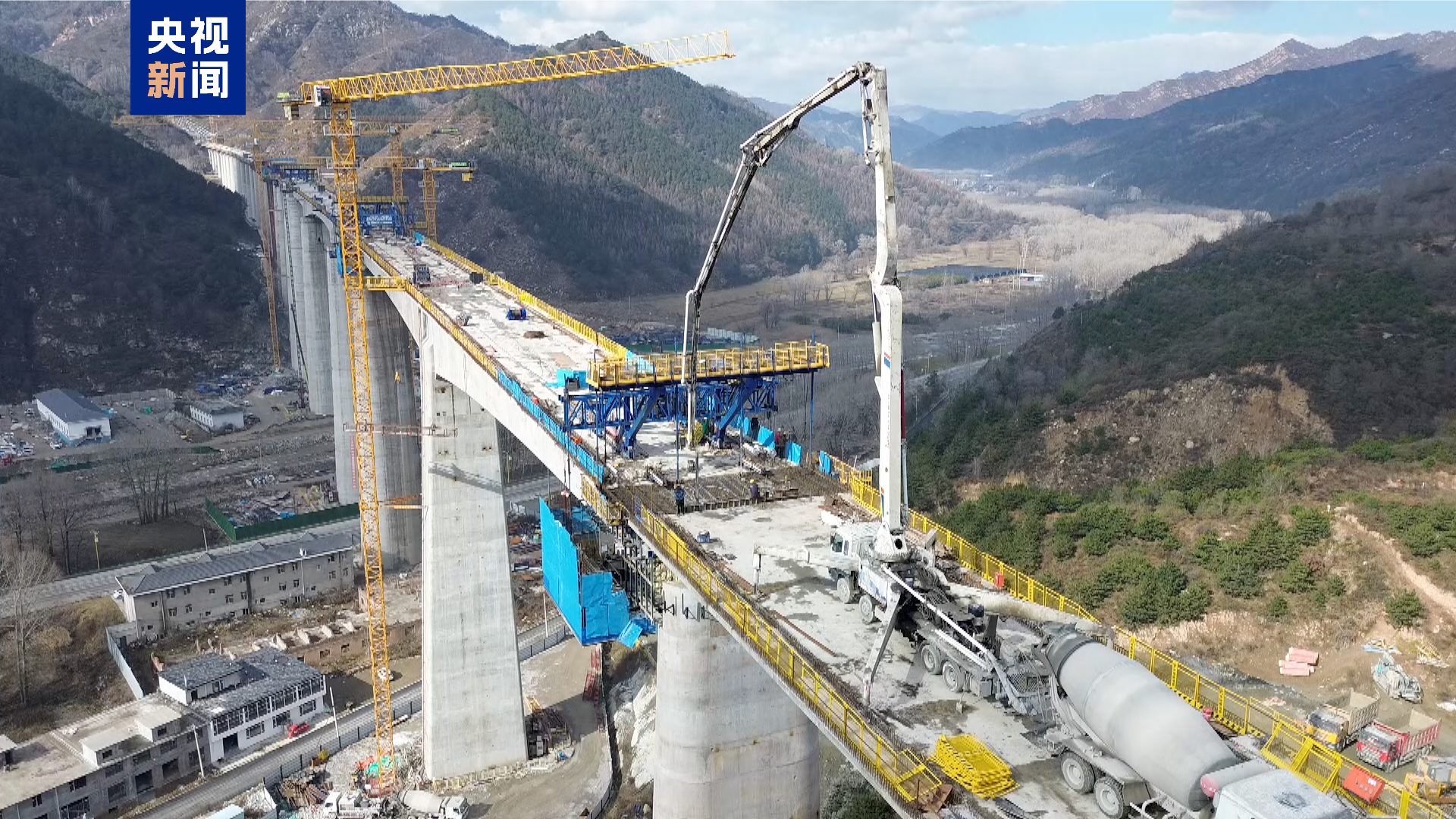
清水河特大桥顺利合龙 雄忻高铁建设迎关键性突破
Yang Shi Xin Wen Ke Hu Duan· 2025-11-03 07:15
Core Points - The successful completion of the Qing Shui He Grand Bridge marks a significant breakthrough in the construction of the Xiongxin High-Speed Railway, laying a solid foundation for the timely completion and operation of the entire line [1][3]. Group 1: Project Details - The Qing Shui He Grand Bridge is located in the Wutai Mountain Scenic Area of Xinzhou City, with a total length of approximately 1.4 kilometers and 36 piers, the highest of which reaches 75.5 meters [3]. - The bridge's superstructure employs various construction techniques, including cast-in-situ methods, cantilever casting, moving formwork, and continuous beam formwork [3]. - To protect the ecological environment of the Wutai Mountain Scenic Area, automatic sprinkler systems and firewalls have been installed on both sides of the bridge, ensuring a harmonious balance between construction and ecological protection [3]. Group 2: Railway Significance - The Xiongxin High-Speed Railway connects Xiong'an New Area in Hebei Province with Xinzhou City in Shanxi Province, with a total length of approximately 342 kilometers [5]. - It is the first high-speed railway in Shanxi Province designed for a speed of 350 kilometers per hour, expected to be completed and operational by 2027 [5]. - Once completed, the railway will establish the third high-speed rail corridor connecting Shanxi and Beijing, reducing travel time from Taiyuan to Beijing to one and a half hours [5].