
具身智能

Search documents
具身智能行业又一只百亿级“独角兽”来了
Sou Hu Cai Jing· 2026-02-11 05:04
做产业"六边形战士" 星海图成立于2023年9月,定位为具身智能基座公司,打造"大脑-身体-工具链"全栈能力。 其创始团队为"90后清华系",创始人兼CEO高继扬,本科毕业于清华大学,联合创始团队成员同样兼具 清华学术背景。此外,高瓴投资人罗天奇已加入星海图,任合伙人、CFO。 在接受上海证券报等媒体采访时,罗天奇进一步阐述了公司定位。在他看来,真正的具身智能并非只 做"大脑"(模型),而必须同时定义"身体"(本体)并构建连接场景的"工具链",三者结合形成完整的 基座能力。 "我们的目标是提供'三件套',让客户像培训新员工一样,在任何具体场景中采集数据、进行模型后 训,最终实现高效、准确的自动化作业。"罗天奇说。 2月11日,具身智能创业企业星海图完成10亿元B轮融资。截至本轮,星海图累计融资额近30亿元,估 值超百亿元。 通常而言,百亿估值被视为进入具身智能行业"第一梯队"的门槛。星海图成为了继宇树、智元、银河通 用之后,具身智能行业最新一只百亿"独角兽"。 本轮的投资方,包括一线产业资本金鼎资本、北汽产投、碧鸿投资,顶尖PE基金正心谷资本、前海方 舟和国际化基金毅峰资本。与此同时,五位主要老股东凯辉基金、 ...
新年首只百亿具身独角兽诞生!星海图完成10亿元B轮融资
Xin Lang Cai Jing· 2026-02-11 03:39
(来源:具身研习社) 出品:具身研习社 2026年2月11日,星海图完成10亿元B轮融资,本轮投资方包括一线产业资本金鼎资本、北汽产投、碧鸿投资,顶尖PE基金正心谷资本、前海方舟和国际 化基金毅峰资本,五位主要老股东凯辉基金、美团龙珠、今日资本、襄禾资本和高瓴创投联手超额或满额追加。由此成为中国具身智能企业中老股东持续 加注比例和频次最高的公司。 此轮融资不仅是市场对星海图技术路线与商业化进展的双重认可,更标志着具身智能正从技术突破迈向规模落地的价值拐点。截至本轮,星海图累计融资 额近30亿元,估值百亿元,成为继宇树、智元、银河通用之外具身智能行业又一只百亿独角兽,也是这四家中成立时间最短的企业。 本轮融资结构呈现鲜明的产业与战略特征,反映出市场对具身智能产业的关注重点,已从早期的技术验证转向对产业协同与商业化落地的深度考量。 •产业资本入局:金鼎资本、北汽产投、碧鸿投资等产业资本的加入,将加速星海图在智能制造、汽车工业等核心场景的技术融合与战略协同。这也与星 海图重点发力的落地场景息息相关。 •顶级PE基金青睐:正心谷资本、前海母基金的青睐,代表着从全周期视角的长期价值投资者对长坡厚雪的赛道和公司的认可。 ...

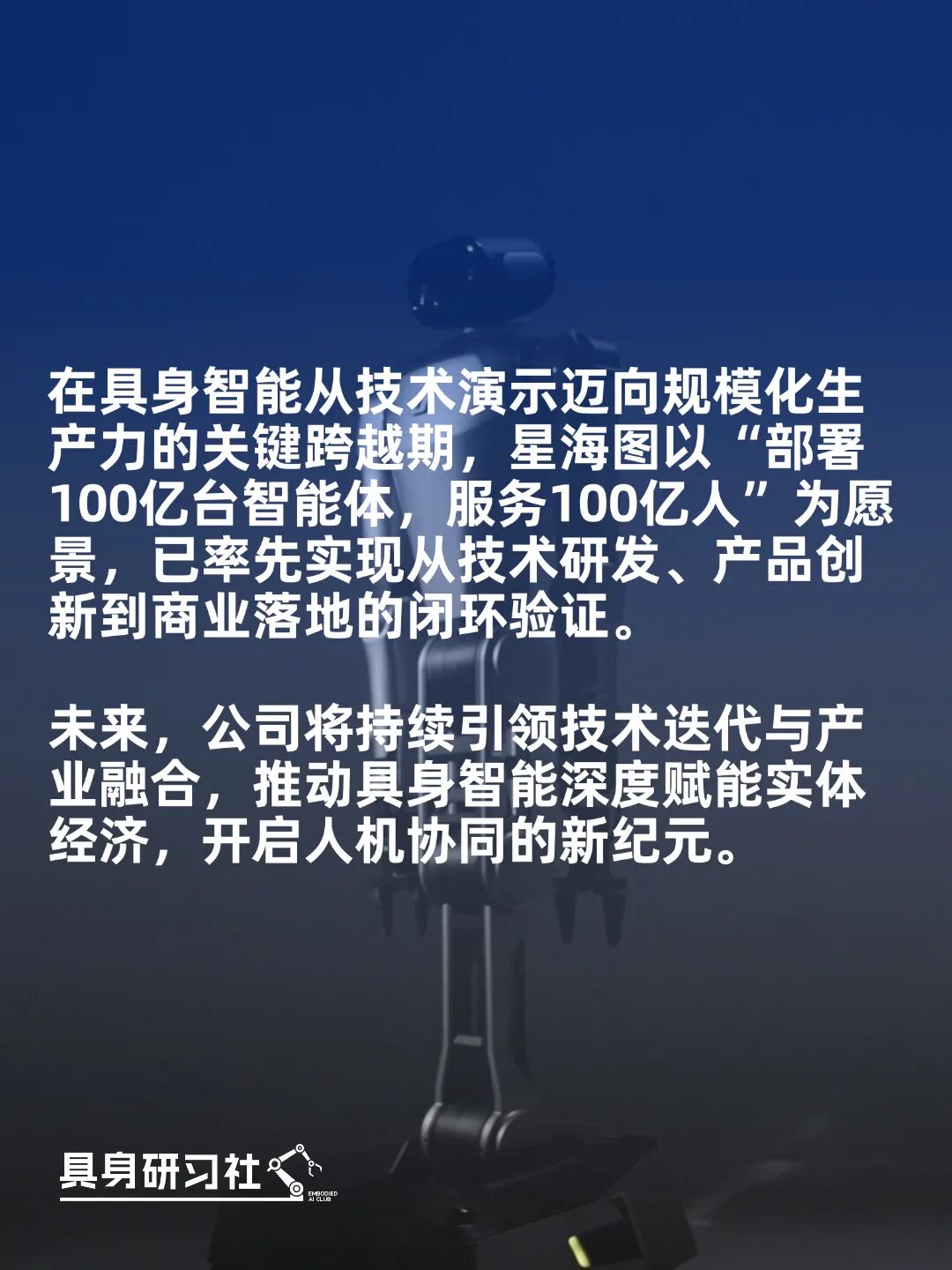
星海图完成10亿元B轮融资:「百亿具身智能独角兽」中成立时间最短的一家
IPO早知道· 2026-02-11 01:36
Core Viewpoint - Xinghaitu has completed a B-round financing of 1 billion yuan, becoming a unicorn in the embodied intelligence sector with a valuation of 10 billion yuan, and has the highest proportion and frequency of continued investment from existing shareholders among its peers [2][4]. Group 1: Financing and Valuation - Xinghaitu has raised nearly 3 billion yuan in total financing, making it one of the few unicorns in the embodied intelligence industry alongside Yushu, Zhiyuan, and Yinhe General, and it is the youngest among them [2]. - The company has received investments from top-tier industry capital and private equity funds, indicating strong market confidence [2]. Group 2: Efficiency and Strategy - Xinghaitu is recognized as the most efficient spender among leading companies in the embodied intelligence sector for 2025, emphasizing a cautious approach to spending in anticipation of future data growth and model training demands [4]. - The company views the industry as a marathon rather than a sprint, focusing on long-term development rather than short-term gains [4]. Group 3: Technological Development - Xinghaitu is committed to an end-to-end visual-language-action (VLA) foundational model technology route, with plans to release a state-of-the-art G0 model in August 2025 and its upgraded version G0 Plus in January 2026 [5]. - The company has achieved over 500,000 downloads of its open-source dataset, making it the most widely adopted dataset in the field [5]. Group 4: Data Collection and Model Training - Xinghaitu has established a high-efficiency data collection and model training base, incorporating innovative data collection methods to enhance the efficiency and accuracy of data gathering [7]. - By 2026, the company aims to enter a phase of large-scale training with hundreds of thousands of hours of high-quality data [7]. Group 5: Commercialization and Market Position - Xinghaitu has secured thousands of orders and has a strong customer base that includes top universities and industry leaders, demonstrating its market competitiveness [11]. - The company leads in the developer market, with its platforms covering over 90% of top global developers, indicating a strong market presence [11]. Group 6: Vision and Future Goals - Xinghaitu aims to redefine its mission beyond manufacturing single robots, focusing on building foundational infrastructure for the intelligent transformation of the physical world [15]. - The company envisions deploying 10 billion intelligent agents to serve 10 billion people, aiming to lead technological iterations and industry integration [16].
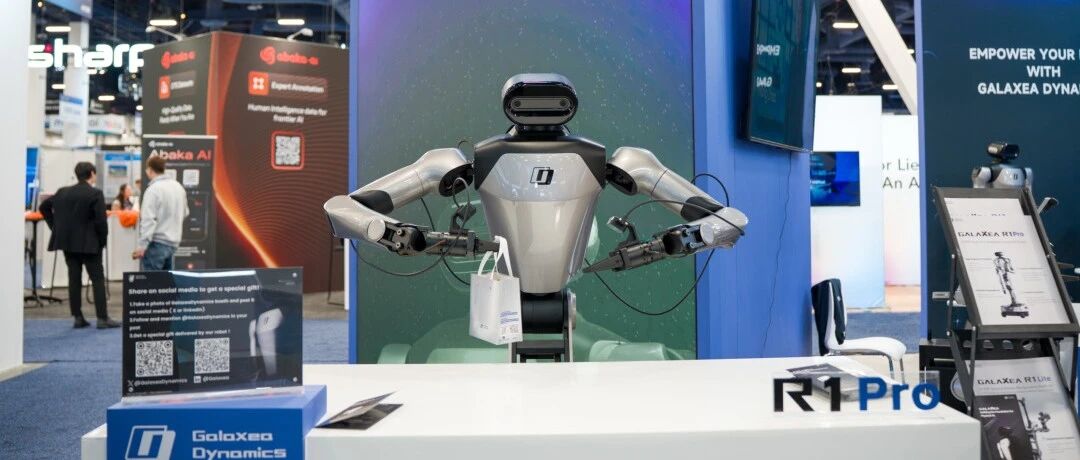
清华90后,刚刚又融10亿
投资界· 2026-02-11 01:00
新年首只百亿具身独角兽诞生了。 投 资 界 获 悉 , 今 日 ( 2 月 11 日 ) , 星 海 图 宣 布 完 成 1 0 亿 元 B 轮 融 资 , 投 资 方 阵 容 豪 华 ——包括金鼎资本、北汽产投、碧鸿投资等一线产业资本;正心谷资本、前海方舟和国 际化基金毅峰资本等PE基金 ; 另外五位主要老股东凯辉基金、美团龙珠、今日资本、 襄禾资本和高瓴创投联手超额或满额追加。 至 此 , 星 海 图 累 计 融 资 额 近 3 0 亿 元 , 估 值 百 亿 人 民 币 , 成 为 继 宇 树 科 技 、 智 元 机 器 人、银河通用后具身智能行业又一只百亿独角兽。 清华90后带队 估值百亿。 作者/ 杨继云 吴琼 报道/投资界PEdaily 三年累计融资近30亿 星海图身后,一支年轻团队浮现出来。 先从创始人兼CEO 高继扬 说起。他出生于1 9 9 2年,本科毕业于清华大学电子工程系, 后 在 南 加 州 大 学 计 算 机 视 觉 读 博 士 , 用 3 年 半 时 间 完 成 学 业 , 创 下 实 验 室 最 短 毕 业 纪 录。此后,他曾就职于自动驾驶公司Wa ymo、Mome n t a。 ...

加快建设人才荟萃之岛、技术创新之岛
Ke Ji Ri Bao· 2026-02-10 07:32
Group 1: Core Perspectives - The emphasis on technology as the primary productivity force, talent as the primary resource, and innovation as the primary driving force is highlighted, with a focus on aligning with national strategic technology initiatives and enhancing international cooperation [1] - The goal is to build a distinctive highland for technological innovation, reform, and open cooperation, aiming to create a regional technology innovation center [8] Group 2: Technological Innovation Highland - Hainan is focusing on creating a globally influential technology innovation center by developing regional innovation systems that support high-quality local development [2] - The province has seen a significant increase in R&D funding, with a growth rate that has been the highest in the country for three consecutive years, and the number of national-level innovation platforms has doubled to 25 [2] - Hainan's comprehensive technology innovation index has improved, moving up six places to rank in the second tier nationally [2] Group 3: Integration of Technology and Industry - The strategy includes deep integration of technological innovation with industrial innovation, focusing on five key areas: agriculture, marine, aerospace, green technology, and digital technology [3] - The aim is to enhance the role of enterprises in technological innovation, fostering high-tech companies and unicorns through organized research and development [3] Group 4: Reforming the Technology System - Hainan is advancing reforms in the technology system, including optimizing management mechanisms and enhancing the collaborative innovation between government, industry, academia, and finance [4][5] - The province is implementing a series of institutional innovations to improve the efficiency of technology transfer and commercialization [5] Group 5: Open Cooperation in Technology - Hainan is actively engaging in international technology cooperation, establishing partnerships with 54 countries and regions, and hosting various international technology exchange events [6][7] - The province aims to leverage its unique advantages as a free trade port to attract innovative resources and enhance the internationalization of its technology work [7] Group 6: Talent Development - The construction of a "talent-rich island" and "technology innovation island" is a strategic task for the high-standard development of Hainan Free Trade Port, emphasizing the importance of talent in achieving these goals [8]
独家丨具身智能,诞生一笔豪华天使轮
投中网· 2026-02-10 03:33
Core Viewpoint - The article discusses the recent angel round financing of DaXiao Robotics, which is expected to set a record in China's embodied intelligence sector, highlighting the increasing competition and investment in this emerging industry [3][4]. Group 1: Financing and Investment - DaXiao Robotics recently completed an angel round financing led by Ant Group, with participation from several prominent investors, indicating strong market interest and confidence in the company [3][11]. - The financing amount has not been disclosed, but it is anticipated to break records in the Chinese embodied intelligence sector [4]. - The investment landscape shows a significant head effect, with leading players like Zhiyuan and Yushu entering mass production and pursuing IPOs, while less competitive companies face bankruptcy [4][6]. Group 2: Company Background and Leadership - DaXiao Robotics is founded by Wang Xiaogang, a key figure from SenseTime, who has a strong academic and professional background in AI and robotics [7][9]. - Wang Xiaogang has notable achievements, including developing the DeepID facial recognition technology and winning the ImageNet competition, showcasing his expertise in the field [8][9]. - The company operates independently and boasts a high talent density, with two of the top five Chinese computer scientists on its team, indicating a strong foundation for innovation [10]. Group 3: Technological Advancements - DaXiao Robotics has introduced the ACE embodied R&D paradigm, which aims to address data collection challenges in the industry through a comprehensive technical system [12]. - The ACE paradigm allows for extensive data collection, potentially resolving the "data scarcity" issue that has hindered the development of embodied intelligence [13]. - The company has established strategic partnerships with various industry players, enhancing its capabilities and market reach [14]. Group 4: Market Position and Commercialization - DaXiao Robotics is positioned to capitalize on existing market demands due to its affiliation with SenseTime, which has established customer and channel resources across various sectors [14]. - The company has already validated its products in diverse applications such as inspection and cultural tourism, indicating a successful path toward commercialization [14].

上海制造业新蓝图:三年瞄准百家“10亿+”企业,加速布局航天智能新赛道
Jin Rong Jie· 2026-02-09 15:30
一份刚刚发布的三年行动方案,将重塑这座城市的产业版图,并将触角伸向近地轨道。 2025年,上海规上工业总产值跨越4万亿元大关,创下历史新高。在这个制造业强势复苏的基础上,上 海并未停下脚步。近日,上海市经济和信息化委员会牵头编制的《上海市支持先进制造业转型升级三年 行动方案(2026—2028年)》(下称《行动方案》)正式发布,设定了明确目标:到2028年,新增年产 值10亿元以上制造业企业100家,累计超过600家,并带动产业链新增规上工业企业500家。这个被称 为"10亿+"的企业集群,是上海工业经济的核心力量。 01 产业投资的强劲势头 强劲的投资为未来增长注入了信心。数据显示,2025年,上海工业投资同比增长20.0%。其中,作为核 心的制造业投资表现尤为亮眼,同比增长22.8%。这不仅体现了市场主体的预期,也为《行动方案》提 出的三年目标提供了坚实基础。 02 多路径的产业结构调优 《行动方案》提出了以四大行动、17条举措为核心的完整路径。其中,"结构调优升级行动"对不同能级 的产业给出了差异化方案。对于传统优势产业,方案强调"优化提升"。例如,推动石化企业向"去油增 化"转型,布局新型功能材料;钢 ...
未来产业周报第 9 期(2026/2/1-2026/2/7):量子互联网可扩展性进步;侵入式脑机迈入商业化阶段-20260209
Shenwan Hongyuan Securities· 2026-02-09 09:52
Quantum Technology - The team from the University of Science and Technology of China achieved significant breakthroughs in scalable quantum networks, including the construction of a basic module for scalable quantum repeaters, which realized an entanglement lifetime of 550 milliseconds, surpassing the establishment time of 450 milliseconds, thus overcoming a core bottleneck in quantum network expansion [4][5] - The team also achieved device-independent quantum key distribution (DI-QKD) over a 100-kilometer fiber link, improving the distance by over 100 times compared to previous best experimental levels, marking a milestone in quantum communication and expanding China's international leading position in this field [4][5] Biomanufacturing - The Shenzhen Advanced Institute of Technology developed a programmable integration platform for functional molecules, enabling applications in biomanufacturing, biosensing, and flexible electronics. This platform combines metabolic sugar engineering with click chemistry, allowing for precise covalent integration of various functional molecules [6][7] - OpenAI partnered with Ginkgo Bioworks to create an AI-driven automated experimental system that reduced the production cost of cell-free protein synthesis (CFPS) by approximately 40% and reagent costs by 57% [8] Hydrogen Energy and Nuclear Fusion - The Zhongneng Construction's Songyuan Hydrogen Energy Industrial Park project has produced over 10,000 tons of green ammonia and received EU certification, validating the integrated commercial loop of green electricity, green hydrogen, and green ammonia [9][10] - Shenzhen University's team achieved important breakthroughs in the preparation of key materials and components for fusion reactors, mastering mature technology for the first wall of fusion reactors, which will support domestic fusion reactor construction and development [10] Brain-Computer Interface - Borui Kang initiated the listing guidance process, marking a shift from research investment to market expansion for brain-computer interface technology. The company’s NEO product has completed over 32 implant surgeries with no adverse reactions, demonstrating the safety and feasibility of its minimally invasive implantation method [12][14] - Research from the Chinese Academy of Sciences established a new optogenetic technology for visual brain-computer interfaces, allowing for high-precision, long-term optical stimulation of the visual cortex, representing a significant advancement in sensory information input technology [15][17] Embodied Intelligence - Microsoft Research released a new robot model, Rho-alpha, which integrates multimodal perception capabilities, including visual, language, and tactile data, aimed at enhancing the application of embodied intelligence in unstructured environments [19] 6G and Commercial Space - The Beijing University of Posts and Telecommunications made significant progress in 6G channel modeling, with their model being included in the international 6G standard system by 3GPP [20] - The FCC accepted SpaceX's application for an orbital data center, which aims to create a satellite constellation of up to 1 million satellites to support advanced AI models and applications, indicating rapid regulatory progress [22]


长三角议事厅·周报|超越赛事,“苏超”有了新使命
Xin Lang Cai Jing· 2026-02-09 07:58
Core Insights - The Jiangsu Super League (苏超) has transitioned from a popular event to a sustainable "service consumption infrastructure" as outlined in the Jiangsu provincial government work report for 2026, emphasizing its role in promoting cultural, tourism, and commercial integration [1] - The league's first season attracted significant attention, with 243.3 million live spectators and 22.2 billion online views, demonstrating its potential for economic impact [1] - The league's operational strategy is shifting from merely attracting viewers to retaining them, focusing on deepening engagement and expanding its influence beyond Jiangsu [1] Micro Activation - The 2026 season introduces a "green channel" for small and micro enterprises to participate, allowing them to sponsor the league at a low cost of 50,000 yuan, with potential market value benefits of around 3 million yuan [3][4] - The league aims to create a distributed sponsorship network that includes local businesses, enhancing the economic impact on community-level consumption [4] Mid-level Restructuring - The 2026 season's schedule is designed to enhance audience flow, with a focus on regular matches and a "home and away" system to balance visitor distribution across cities [5][6] - The league's structure encourages local tourism and consumption, with data showing significant increases in visitor numbers and spending during match days [5][6] Macro Anchoring - The introduction of U22 regulations aims to develop a talent supply chain by mandating the participation of younger players, thus transforming the league into a platform for nurturing future football talent [7][8] - This long-term strategy is expected to attract investment in youth training and related sectors, fostering a sustainable ecosystem around the league [9] Institutional Spillover - The Jiangsu model is positioned to serve as a replicable framework for regional integration in the Yangtze River Delta, focusing on collaborative governance and cross-province consumer engagement [10][11] - Key mechanisms for this spillover include mutual recognition of rules, regional consumption integration, and a closed-loop industry model that connects youth training with league operations [10][11]

未来产业周报第9期(2026、2、1-2026、2、7):量子互联网可扩展性进步,侵入式脑机迈入商业化阶段-20260209
Shenwan Hongyuan Securities· 2026-02-09 05:30
Group 1: Quantum Technology - The team from the University of Science and Technology of China achieved significant breakthroughs in scalable quantum networks, including the construction of a basic module for scalable quantum repeaters and the realization of device-independent quantum key distribution (DI-QKD) over a distance of 100 kilometers, improving previous international experimental levels by over two orders of magnitude [4][5]. - The successful implementation of a quantum repeater with an entanglement lifetime of 550 milliseconds, exceeding the entanglement establishment time of 450 milliseconds, marks a critical advancement in quantum communication, enabling the construction of a kilometer-scale quantum internet [5]. Group 2: Biomanufacturing - The Shenzhen Advanced Institute of Technology developed a programmable integration platform for functional molecules, which opens up new applications in biomanufacturing, biosensing, and flexible electronics [6][7]. - OpenAI partnered with Ginkgo Bioworks to create an AI-driven automated experimental system that significantly reduces the production costs of cell-free protein synthesis (CFPS) by approximately 40% and reagent costs by 57% [8]. Group 3: Hydrogen Energy and Nuclear Fusion - The China Energy Construction Group's Songyuan hydrogen energy industrial park project has produced over 10,000 tons of green ammonia and received EU certification, validating the integrated commercial model of "green electricity - green hydrogen - green ammonia" [9][10]. - Shenzhen Energy signed a contract for a 505MW wind-solar hydrogen project with a total investment of approximately 8 billion, covering both upstream and downstream sectors [12]. Group 4: Brain-Computer Interfaces - The company Borui Kang has initiated the process for its initial public offering (IPO), marking a transition of invasive brain-computer interface technology from research to commercialization [13][15]. - A research team from the Chinese Academy of Sciences developed a novel optogenetic technique for visual brain-computer interfaces, enabling high-precision, long-term optical stimulation of the visual cortex, representing a significant advancement in sensory information input [16][18]. Group 5: Embodied Intelligence - Microsoft Research introduced a new robot model, Rho-alpha, which integrates multimodal perception capabilities, including visual, language, and tactile data, aimed at enhancing the application of embodied intelligence in unstructured environments [21]. Group 6: 6G and Commercial Space - A research team from Beijing University of Posts and Telecommunications made significant progress in 6G channel modeling, with their work being included in the international 6G standard framework by 3GPP [22]. - The U.S. Federal Communications Commission (FCC) accepted SpaceX's application for an orbital data center, which aims to establish a satellite constellation of up to 1 million satellites to support advanced AI models and applications [25]. Group 7: Future Industry Catalysts - A table summarizing key catalytic events for six future industries in 2026 was provided, highlighting important milestones and conferences that investors should track [26][27].