
卫星制造与发射

Search documents
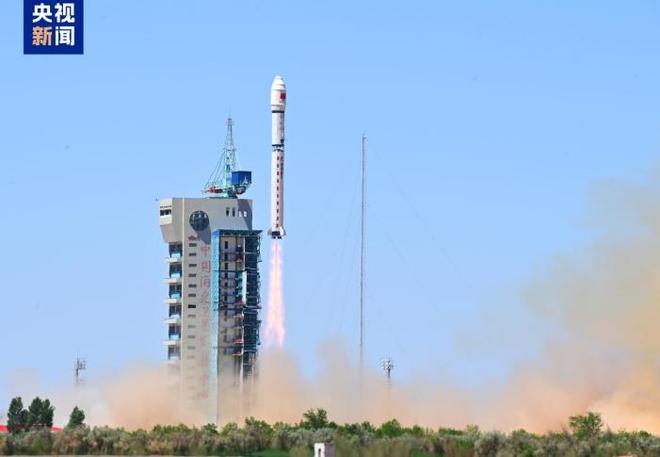
我国卫星互联网低轨06组卫星发射成功,下半年发射节奏有望提速
Xuan Gu Bao· 2025-07-30 14:59
Group 1: Industry Developments - China's successful launch of the low Earth orbit (LEO) satellite internet constellation with the Long March 8 rocket marks a significant advancement in commercial space endeavors, showcasing multiple technological innovations such as full-process automation and active drift control during takeoff [1] - The LEO satellite internet aims to reduce power attenuation and communication latency while simplifying terminal design, although it requires a multi-satellite network for coverage [1] - The competition for satellite resources is intensifying due to the scarcity of LEO orbital and frequency resources, with operators needing to deploy satellites within specified timeframes to secure their resources [1] Group 2: Company Insights - A光科技's products, including microwave components and semiconductor devices, are primarily aimed at domestic integration units and are widely used in radar, aerospace communication, and electronic countermeasures, with a focus on the low Earth orbit satellite internet as a key application area [3] - 陕西华达 produces electrical connectors and interconnect products that are applicable across various aerospace sectors, including high and low orbit satellites, manned spacecraft, cargo spacecraft, space stations, rockets, and deep space exploration [3] Group 3: Future Projections - The domestic low Earth orbit satellite launch phase is expected to accelerate between 2025 and 2030, with significant satellite constellation plans in place, including "国网" (12,992 satellites), "千帆" (over 15,000 satellites), and "鸿鹄-3" (10,000 satellites), all of which have phased launch plans [1]

电动车模式上太空?“中美太空竞争发生重大转变”
Guan Cha Zhe Wang· 2025-07-10 14:09
Core Viewpoint - The successful launch of China's first space computing satellite constellation marks a significant advancement in its space capabilities, contrasting with the turmoil faced by NASA due to budget cuts and leadership changes [1][3][5]. Group 1: Satellite Launch and Technology - The launch of 12 satellites under the Space Computing Constellation 021 mission was conducted by Guoxing Aerospace at the Jiuquan Satellite Launch Center, establishing the world's first space computing satellite constellation [1][3]. - Each satellite is equipped with an onboard intelligent computing system and inter-satellite communication system, enabling in-orbit computing capabilities and the formation of a global space computing infrastructure [3][5]. - The "Star Computing Plan" aims to deploy a total of 2,800 satellites, creating a comprehensive terrestrial and space-integrated computing network, positioning China as a leader in space computing technology [3][5]. Group 2: Strategic Implications and Global Competition - Analysts suggest that the development of this satellite constellation could provide China with a strategic advantage in military and intelligence operations, as it allows for data processing in space without relying on terrestrial data centers [5][6][7]. - The initiative is seen as part of China's broader strategy to establish leadership in emerging technologies, similar to its approach in the electric vehicle sector [5][6]. - The U.S. response to China's advancements includes budget cuts to NASA and increased military rhetoric regarding space threats, indicating a heightened competitive atmosphere in space exploration and technology [9][10].

【建筑建材】国内低轨星座建设加速,钙钛矿或成为降本突破口——低轨卫星行业研究系列之一(孙伟风)
光大证券研究· 2025-06-19 14:06
Core Viewpoint - The global low Earth orbit (LEO) satellite industry is rapidly expanding, with significant investments and plans from leading companies across various countries, particularly led by SpaceX, which has established itself as a dominant player in satellite deployment efficiency [3][4]. Group 1: Global Satellite Deployment - Major countries including the US, UK, Canada, Germany, Russia, South Korea, and China are launching large-scale satellite constellation plans, anticipating a peak in satellite launches in the coming years [3]. - SpaceX has achieved a production capacity of 5,000 user terminals per week and 120 satellites per month, with an average launch frequency of every 9 days [3]. Group 2: Domestic Satellite Initiatives - China's satellite constellation projects, such as the "Guowang" and "Qianfan" constellations, are progressing rapidly, with the "Guowang" constellation planning to deploy 12,992 satellites and having already launched 46 [4]. - The "Qianfan" constellation aims to deploy over 15,000 satellites, with 90 currently in orbit and plans for 648 satellites to be launched by the end of 2025 [4]. Group 3: Industry Trends and Cost Challenges - The trend towards miniaturization and modular manufacturing of satellites is crucial for meeting the demands of dense launches and rapid network replenishment [5]. - There is a significant cost disparity between domestic satellite manufacturing and SpaceX's standards, with domestic satellites costing approximately 30 million RMB each, compared to SpaceX's 3.5 million RMB [5]. - The launch cost per kilogram for domestic rockets remains significantly higher, ranging from 80,000 to 110,000 RMB, compared to SpaceX's approximately 2,700 USD [5]. Group 4: Energy System Innovations - Perovskite solar cells are emerging as a potential cost-reduction solution for satellite energy systems, which currently face high costs due to reliance on gallium arsenide batteries [6]. - The weight efficiency of perovskite solar cells is significantly higher, with a power-to-weight ratio of up to 23 W/g, compared to gallium arsenide's 0.4 W/g, leading to a weight reduction of over 98% for equivalent power output [6].

马斯克钱包大幅缩水,星链大规模坠毁,是意外还是另有隐情?
Sou Hu Cai Jing· 2025-06-16 11:41
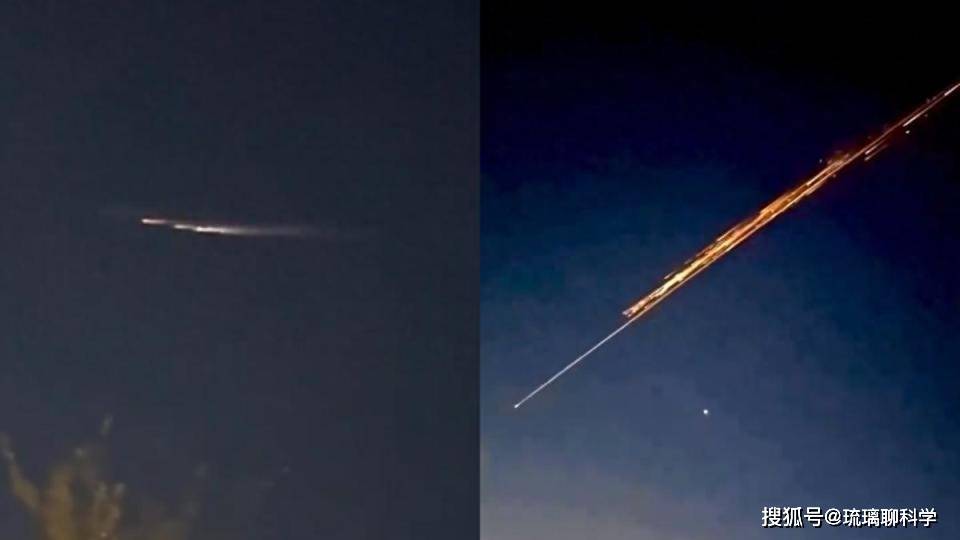
Core Viewpoint - The recent issue of SpaceX's Starlink satellites experiencing significant falls has raised concerns about operational reliability and financial implications for the company [1][3]. Group 1: Satellite Failures - Since January, over 120 Starlink satellites have reportedly fallen, averaging about four per day, creating visible fireballs in the sky [1]. - The cost of manufacturing these satellites ranges from $300,000 to $500,000 each, leading to substantial financial losses for SpaceX given the number of satellites involved [3]. - The reasons for the satellite failures include both intentional deorbiting after mission completion and potential loss of control due to external factors [3][5]. Group 2: External Influences - The current peak of the 25th solar activity cycle is affecting satellite operations, with solar storms causing rapid deceleration and orbital deviations, leading to uncontrolled falls [5]. - Similar incidents occurred in 2022, where 40 Starlink satellites fell due to solar storm impacts, indicating a recurring issue [6]. Group 3: Mitigation Strategies - SpaceX's proactive approach to deorbiting aging satellites is commendable as it helps reduce space debris, which has been increasing in recent years [8]. - The company must ensure that deorbiting occurs in safe locations to prevent potential hazards from falling debris, especially in populated or sensitive areas [8]. Group 4: Future Considerations - SpaceX needs to conduct a comprehensive evaluation and improvement of the Starlink program, focusing on enhancing satellite resilience against natural disturbances [10]. - There is a broader need for all countries involved in satellite operations to address interference and collision risks to ensure the sustainable development of space as a shared domain [10].
甘肃张掖“太空信使”划破苍穹
Huan Qiu Wang Zi Xun· 2025-05-17 12:45
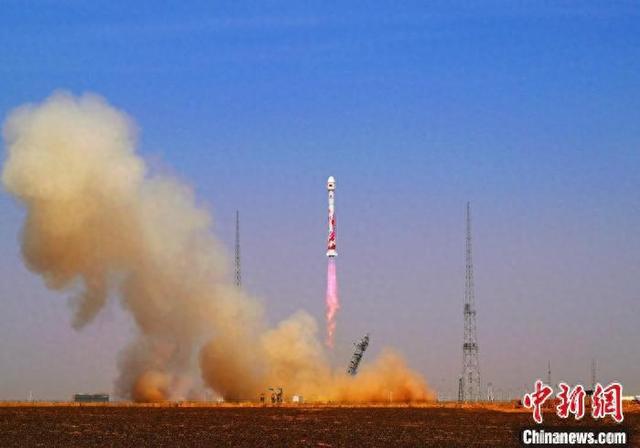
Core Viewpoint - The successful launch of the "Shenqi No. 02" satellite marks a significant advancement in China's commercial space capabilities, particularly in the field of C-band synthetic aperture radar (SAR) technology, enabling high-resolution earth observation and monitoring services. Group 1: Satellite Launch and Technology - The "Shenqi No. 02" satellite was launched on May 17, 2023, using the Zhuque-2 modified rocket from the Jiuquan Satellite Launch Center, successfully entering its designated orbit [1][3] - This satellite is a lightweight, low-cost, high-performance C-band SAR satellite, representing the second commercial SAR satellite launched by Gansu Zhangye Satellite Technology Co., Ltd. after "Shenqi No. 01" [1][3] Group 2: Technical Capabilities and Applications - The satellite is equipped with a new generation of synthetic aperture radar payload, achieving internationally advanced key technical indicators, and is capable of all-weather, all-time earth observation [3] - It features business-oriented interferometric measurement capabilities, allowing for millimeter-level ground deformation monitoring, with applications in natural resource management, water conservancy, electricity, infrastructure monitoring, marine and coastal monitoring, and disaster emergency management [3][5] Group 3: Industry Impact and Future Plans - The launch of "Shenqi No. 02" establishes the Zhangye SAR constellation as China's first commercial C-band interferometric measurement technology satellite constellation, enhancing the constellation's scale and operational capabilities [3][5] - The company aims to accelerate the construction of a high temporal and spatial resolution global disaster prevention and mitigation interferometric measurement technology satellite constellation, promoting data localization and reducing reliance on foreign data [5]
天仪研究院完成第20次太空任务 累计将37颗卫星送上太空
Huan Qiu Wang Zi Xun· 2025-05-17 11:40
Core Viewpoint - The successful launch of six commercial satellites by Changsha Tianyi Space Technology Research Institute marks a significant milestone in the company's development and the advancement of China's commercial space industry [1][5]. Group 1: Satellite Launch Details - On May 17, six commercial satellites were launched aboard the Zhuque-2 modified Yao-2 rocket from the Dongfeng Commercial Space Innovation Experimental Zone [1][3]. - The satellites include one commercial SAR satellite "Tianyi 42," two optical remote sensing satellites "Tianyi 29" and "Tianyi 35," and three space science experimental satellites "Tianyi 34," "Tianyi 45," and "Tianyi 46" [3][4]. Group 2: Satellite Specifications and Capabilities - "Tianyi 42" is a lightweight, low-cost, high-performance C-band SAR satellite, capable of all-weather, all-time Earth observation and millimeter-level surface deformation monitoring [3][4]. - "Tianyi 29" is a hyperspectral geological remote sensing satellite developed by China University of Geosciences (Wuhan), focusing on high reliability and advanced optical systems [4]. - "Tianyi 35" features a multi-spectral camera with an advanced off-axis three-mirror optical system, enhancing imaging performance for water environment monitoring [4]. Group 3: Technological Advancements - "Tianyi 45" and "Tianyi 46" are part of the second batch of satellites in the Tianyi constellation, equipped with advanced devices for in-orbit verification of cutting-edge space information technologies, including 6G intelligent semantic communication [4]. - The successful deployment of these satellites demonstrates the company's transition from single satellite validation to batch production, establishing a complete industrial ecosystem for C-band commercial SAR satellites [5].
刚刚,武汉这所高校成功发射卫星,可探测地质矿藏
Chang Jiang Ri Bao· 2025-05-17 07:24
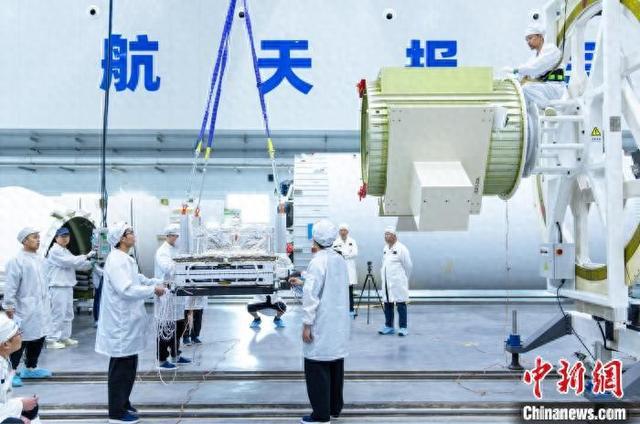
Core Viewpoint - The successful launch of the "Geological No. 1" satellite marks a significant advancement in China's geological industry, enhancing capabilities in resource exploration, mineral monitoring, and natural resource investigation [1][2]. Group 1: Satellite Overview - "Geological No. 1" is China's first small satellite dedicated to the geological industry, developed by a collaboration of institutions including China University of Geosciences (Wuhan) and the China Natural Resources Aviation Geophysical Remote Sensing Center [2]. - The satellite features advanced remote sensing capabilities, focusing on detecting water, soil, minerals, and vegetation within the visible to near-infrared wavelength range [2]. Group 2: Technical Innovations - The satellite addresses challenges faced by traditional hyperspectral payload systems, such as large size, heavy weight, low energy efficiency, and unstable imaging in certain spectral bands [3]. - "Geological No. 1" is among fewer than 10 satellites globally capable of capturing hyperspectral data above 1000 nanometers, achieving international leading standards in multiple technical indicators [3]. Group 3: Future Developments - The development of "Geological No. 1" took nearly three years, with plans for the research team to advance the development of "Geological No. 2" to establish a constellation for hyperspectral geological environmental resources [3].
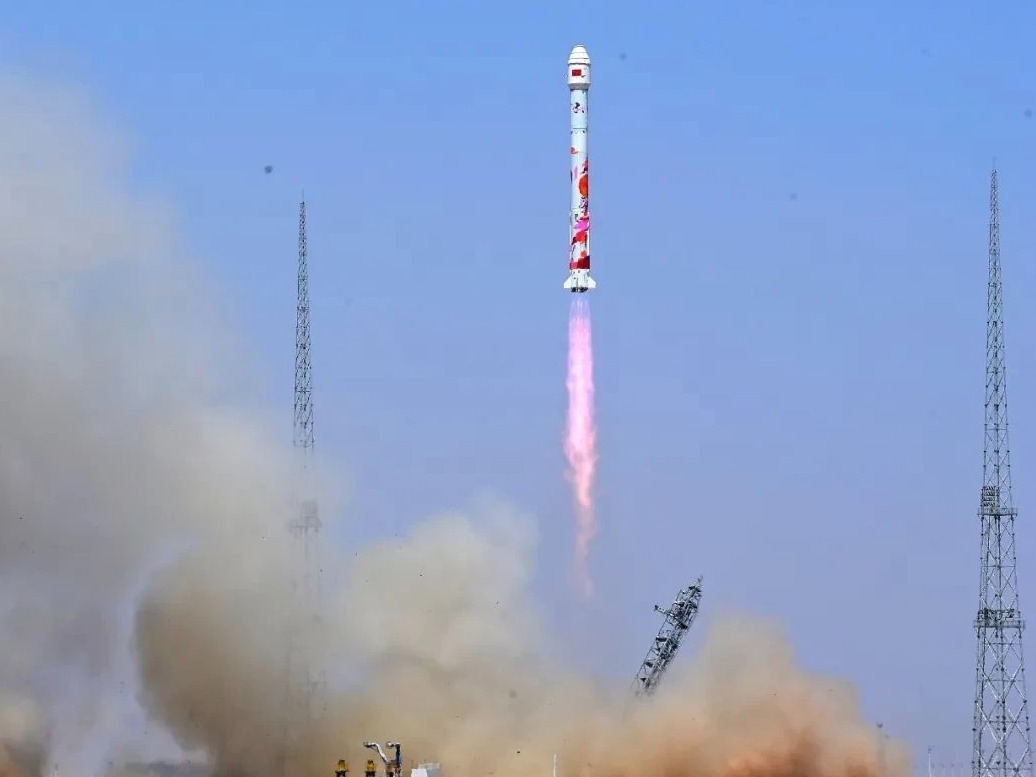
将AI送上太空 我国成功发射全球首个太空计算卫星星座
Yang Shi Xin Wen· 2025-05-14 08:25
Core Viewpoint - The successful launch of the first space computing satellite constellation by Guoxing Aerospace marks the beginning of a new era in global space computing, enabling advanced computational capabilities in space [1][8]. Group 1: Launch Details - Guoxing Aerospace successfully launched 12 satellites for the Space Computing Constellation 021 mission using the Long March 2D rocket from the Jiuquan Satellite Launch Center on May 14, 2025 [1]. - This mission is part of the "Xing-Suan" plan initiated by Guoxing Aerospace and represents the first launch of the Zhijiang Laboratory's "Three-Body Computing Constellation" [8]. Group 2: Technical Capabilities - The constellation utilizes inter-satellite laser communication for high-speed interconnectivity, stable networking, and distributed computing, establishing an open and shared space computing system [10]. - Each satellite in the constellation has a maximum computing power of 744 TOPS, contributing to a total space computing capability of 5 PLOPS for the constellation [11]. - The inter-satellite laser communication can achieve a maximum data transfer rate of 100 Gbps, positioning the constellation as the strongest in global space computing capabilities [11]. Group 3: Applications and Innovations - The satellites are equipped with an AI payload developed by Guoxing Aerospace and a space-based intelligent computer from Zhijiang Laboratory, enabling on-orbit computing and networking [11]. - The constellation will perform real-time data processing for astronomical observations and other tasks, enhancing data processing efficiency and reducing transmission costs and delays [11]. - The satellites also carry a cosmic X-ray polarization detector developed by Guangxi University and the National Astronomical Observatories of China, which will facilitate rapid detection and classification of transient sources like gamma-ray bursts with high accuracy [12].
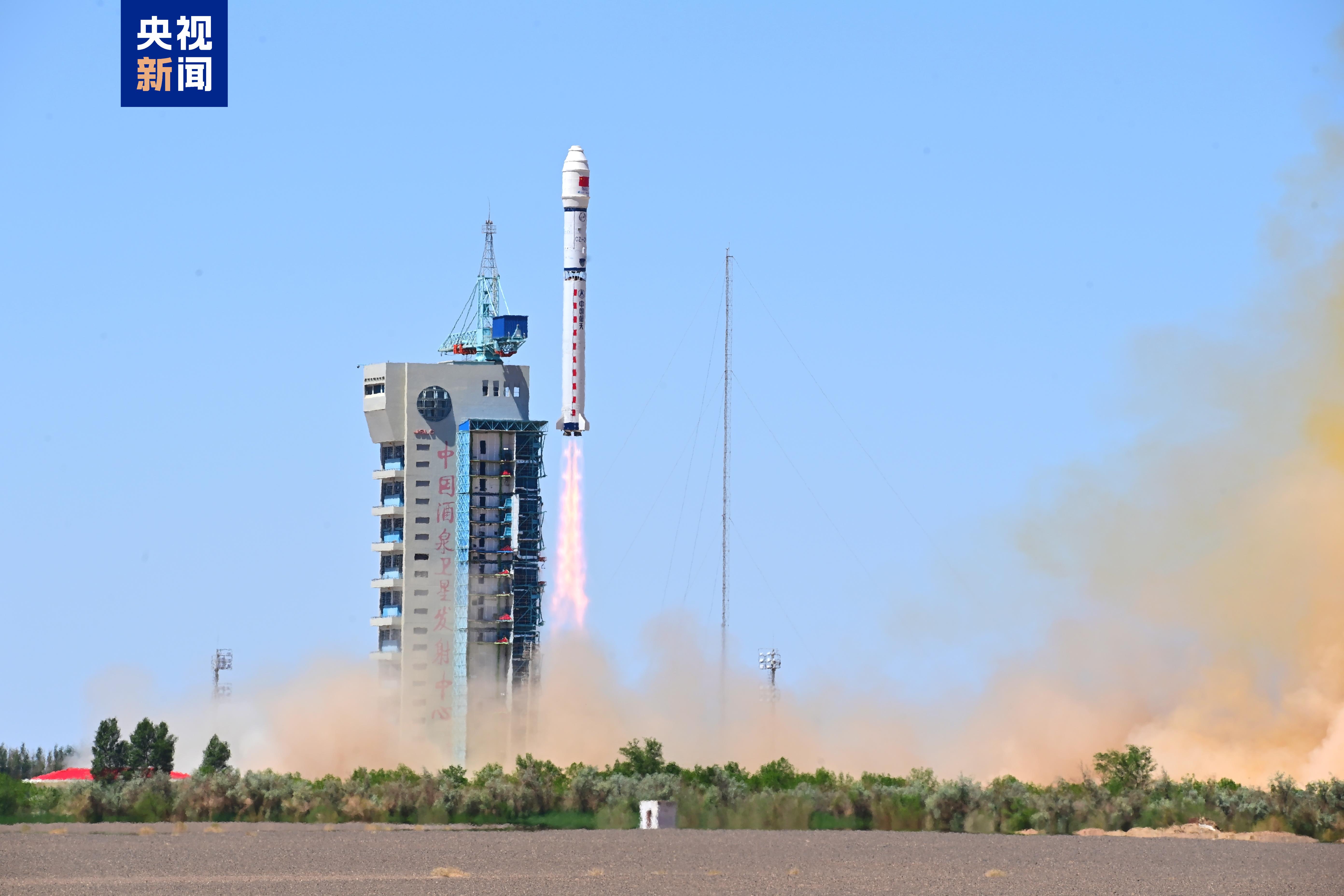
具备太空在轨计算能力 我国太空计算卫星星座发射看点解析
news flash· 2025-05-14 07:24
Core Insights - The launch of the "Trinity Computing Constellation" marks a significant advancement in space-based computing capabilities, enabling real-time processing of Earth observation data in orbit [1][2] - The constellation aims to overcome limitations of traditional ground-based data processing, which often results in less than 10% of effective satellite data being transmitted back to Earth [1] Group 1: Launch and Capabilities - The first launch of the "Trinity Computing Constellation" successfully deployed 12 satellites, each with a maximum computing power of 744 TOPS, contributing to an overall in-orbit computing capability of 5 POPS and 30 TB of storage [1][2] - The constellation is designed to achieve a total computing power of 1000 POPS upon completion, representing a substantial leap in space computing infrastructure [1] Group 2: Technological Innovations - Each satellite is equipped with onboard intelligent computing systems and inter-satellite communication systems, facilitating a fully interconnected space network [2] - The satellites carry a space-based model with 8 billion parameters, enabling in-orbit processing of satellite data across various levels [2] Group 3: Strategic Importance - The establishment of the "Trinity Computing Constellation" is viewed as a complex system engineering project that requires organized research and innovation for effective results [2] - The project is expected to significantly expand the boundaries of space applications and has profound implications for the aerospace industry [2]