城市燃气

Search documents
佛燃能源(002911) - 2025年8月26日投资者关系活动记录表
2025-08-26 10:32
Company Overview - The company focuses on "Energy + Technology + Supply Chain" as its development direction, emphasizing urban gas business and expanding into new energy sectors [2] - Total assets reached CNY 19.906 billion, a 3.08% increase from the beginning of the period [2] - Total revenue for the first half of 2025 was CNY 15.338 billion, a year-on-year growth of 8.59% [2] - Net profit attributable to shareholders was CNY 3.10 billion, up 7.27% year-on-year [2] - Cash flow from operating activities was CNY 6.86 billion, a significant increase of 602.45% [2] Natural Gas Supply - The company supplied 2.131 billion cubic meters of natural gas, with industrial and commercial users accounting for approximately 81.29% [2] - Residential users made up 5.47%, while power plant users accounted for 11.98% [2] Shareholder Returns - Cumulative cash dividends since listing reached CNY 3.088 billion, with an average annual cash dividend ratio exceeding 65% of net profit [3] - The company plans to distribute profits in mid-2025, contingent on positive earnings and sufficient cash flow [3] Market Outlook - The company anticipates stable gas supply in the second half of 2025, benefiting from the industrial structure of Foshan, which has a strong industrial base [4] - The gas supply to power plants in the first half of 2025 was 255 million cubic meters, representing 11.98% of total supply [4] SOFC Technology - Solid Oxide Fuel Cell (SOFC) technology converts chemical energy directly into electrical energy through high-temperature electrochemical reactions [7] - SOFC offers high efficiency, wide fuel applicability, and is environmentally friendly [7] SOFC Applications - SOFC can be applied in distributed power generation for data centers, hotels, hospitals, and residential buildings, as well as in microgrids and industrial decarbonization [8] Green Methanol Project - The green methanol project aims for a total investment of CNY 10 billion, targeting a production capacity of 1 million tons per year [10] - The project will enhance the company's position in the green hydrogen energy sector and contribute to sustainable development [10]
东方环宇: 东方环宇2025年半年度报告
Zheng Quan Zhi Xing· 2025-08-26 09:11
Core Viewpoint - The report highlights the financial performance and operational status of Xinjiang East Universe Gas Co., Ltd. for the first half of 2025, indicating a stable growth in revenue and profit despite challenges in the natural gas market [1][2]. Financial Performance - The company achieved an operating income of 702.74 million yuan, a 6.48% increase compared to the same period last year [2][6]. - Total profit reached 167.84 million yuan, reflecting a 10.35% increase year-on-year [2][6]. - Net profit attributable to shareholders was 123.63 million yuan, up 7.53% from the previous year [2][6]. - The net cash flow from operating activities was negative at -72.19 million yuan, indicating a decrease in cash receipts from sales [2][6]. Industry Overview - The domestic natural gas market is characterized by stable production and pressured consumption, with a slight decline in apparent consumption of natural gas by 0.9% in the first half of 2025 [3][4]. - The government has been actively promoting urban infrastructure projects, which include gas supply and heating system upgrades, creating favorable conditions for urban gas companies [3][4]. Business Operations - The company focuses on urban gas supply and centralized heating services, operating primarily in the Changji area [4][5]. - Natural gas sales volume decreased by 14.48% to 1.09 billion cubic meters, with residential sales increasing by 2.97% while non-residential sales dropped by 26.91% [7][8]. - The company reported a significant increase of 150.60% in revenue from gas installation services [7]. Competitive Advantages - The company benefits from a strong market position due to its extensive gas pipeline network of nearly 3,000 kilometers, covering the entire urban area of Changji [8][9]. - The company has established stable relationships with major gas suppliers, ensuring a diversified gas source and supply security [9][10]. - The company emphasizes safety and operational efficiency, utilizing advanced technology for monitoring and management [10][11]. Future Outlook - The natural gas sector is expected to play a crucial role in China's energy transition towards lower carbon emissions, presenting long-term growth opportunities for the company [8][9]. - The company aims to enhance its service quality and operational efficiency through digital transformation and innovative business models [10][11].

万憬能源:8月19日召开董事会会议
Mei Ri Jing Ji Xin Wen· 2025-08-20 11:09
Group 1 - The company Wanqing Energy (SZ 002700) announced the convening of its fifth board meeting on August 19, 2025, to review the 2025 semi-annual report and summary [1] - For the first half of 2025, Wanqing Energy's revenue composition is entirely from the urban gas industry, accounting for 100.0% [1] - The current market capitalization of Wanqing Energy is 3.1 billion yuan [2]

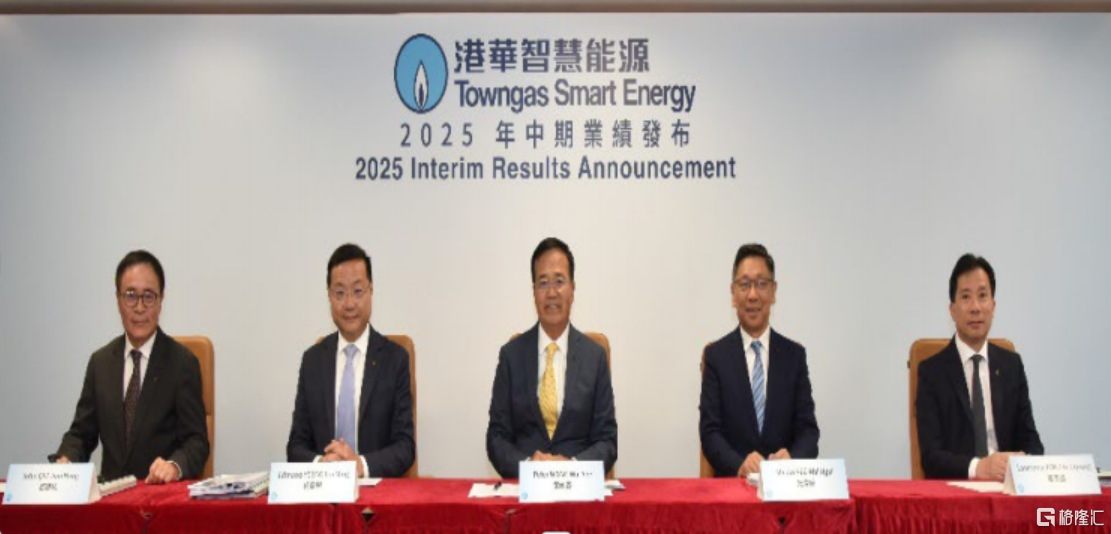
港华智慧能源业务核心利润增长至港币7.19亿元;首次派发中期股息每股5港仙
Ge Long Hui· 2025-08-15 10:59
Core Viewpoint - The company reported a 2% increase in core business profit to HKD 719 million for the interim period, driven by growth in renewable energy and stable gas business profits, alongside effective cost management and financing strategies [1][3] Group 1: Financial Performance - The company declared its first interim dividend of HKD 0.05 per share to reward shareholders for their continued support [1] - The net profit attributable to shareholders increased by 2% to HKD 758 million after accounting for non-operating gains and losses [1] Group 2: Renewable Energy Business - The renewable energy segment experienced a 5% growth in net profit, reaching HKD 172 million [3] - As of June 30, 2025, the company had a cumulative photovoltaic grid connection of 2.6 GW and commercial energy storage of 260 MWh [3] - The company is promoting an integrated decarbonization business model of "photovoltaics + energy storage + electricity sales" to enhance profitability [3] Group 3: Gas Business - Despite challenges from a mild winter and external market conditions, the gas sales volume remained stable, with an increase of 380,000 customers [3] - The comprehensive gas price difference improved by RMB 0.01 to RMB 0.57 per cubic meter, maintaining stable profits in the gas business [3] Group 4: Financing and Investment - The company successfully issued the second phase of its asset-backed special plan ("REIT-like") products, raising RMB 1 billion, which enhances cash flow and reinvestment capacity [3] - The funds raised will continue to be used for investments in renewable energy projects [3]

险资又举牌了,今年已达22次
Zhong Guo Zheng Quan Bao· 2025-08-08 05:50
Core Insights - The insurance industry is increasingly engaging in stock acquisitions, with a total of 22 instances of shareholding increases reported this year, indicating a sustained trend from the previous year [1][2][4] Group 1: Investment Activity - Hongkang Life has acquired a 5% stake in Honghua Smart Energy through the Hong Kong Stock Connect, triggering a mandatory disclosure [1][2] - Prior to the acquisition, Hongkang Life held approximately 181.17 million shares, representing 4.99% of the company's equity, which increased to 181.63 million shares post-acquisition [2] - The market value of Hongkang Life's holdings in Honghua Smart Energy is approximately RMB 660 million, accounting for 1.31% of its total assets as of Q2 2025 [2] Group 2: Sector Preferences - Public utilities are a favored sector for insurance capital, alongside banking, energy, transportation, environmental protection, and electric equipment, characterized by low valuations, high dividend yields, and stable dividends [3][4] - Analysts have noted that leading companies in urban gas services, such as Honghua Smart Energy, exhibit significant revenue growth and are expected to achieve a net profit peak in 2024 [2][3] Group 3: Investment Strategy - The trend of insurance capital increasing shareholdings is driven by the pursuit of stable cash flows and dividend income, as insurers face significant asset reallocation pressures [4] - The shift in accounting standards and increased investment pressures have led to a new wave of share acquisitions, with a focus on long-term stable investment returns [4] - High-dividend assets are seen as resilient over time, aligning with the long-term investment goals of insurance companies [4]
险资又举牌了!今年已达22次
Zhong Guo Zheng Quan Bao· 2025-08-08 04:33
Core Viewpoint - The insurance industry is increasingly engaging in stock acquisitions, with a focus on undervalued, low-volatility, high-dividend, and high-certainty performance assets, as evidenced by the recent stake increase in Hong Kong-listed company Honghua Wisdom Energy by Hongkang Life [1][2][4] Group 1: Recent Developments - Hongkang Life acquired an additional 458,000 shares of Honghua Wisdom Energy, raising its stake to 5% and triggering a regulatory notice [2] - The total value of Hongkang Life's holdings in Honghua Wisdom Energy is approximately RMB 660 million, representing 1.31% of its total assets as of Q2 2025 [2] Group 2: Industry Trends - The insurance sector has seen 22 instances of stock acquisitions this year, continuing a trend from the previous year, with a significant proportion involving H-shares [2][3] - Public utilities are a favored sector for insurance capital, along with banking, energy, transportation, environmental protection, and electrical equipment companies, which typically exhibit low valuations and high dividend yields [3] Group 3: Investment Strategy - Insurers are increasingly focused on stable cash flow and dividend income, driven by pressure for asset reallocation and the need for long-term stable investment returns [4] - The shift in accounting standards and increased investment pressure have led to a new wave of stock acquisitions by insurers, who are seeking high-dividend assets that align with their long-term investment goals [4] - Regulatory encouragement for long-term capital investment is expected to further enhance the space for insurance capital in the stock market [4]
港华智慧能源(01083.HK):城燃业务扎实稳健 可再生能源打造增长极
Ge Long Hui· 2025-08-01 19:30
Core Viewpoint - The company, Hong Kong and China Gas, is expanding its clean energy solutions and has shown significant growth in revenue and profit, particularly in its core natural gas sales and renewable energy sectors [1][2]. Group 1: Company Overview - Hong Kong and China Gas, established in 1862, is a leading utility provider in Hong Kong and one of the largest energy suppliers globally, focusing on smart energy solutions [1]. - The company operates city gas distribution and is actively expanding its smart energy systems, including renewable energy generation and digital energy management services [1]. Group 2: Financial Performance - The company's revenue has grown from HKD 12.85 billion in 2020 to HKD 21.31 billion in 2024, with a CAGR of 13.5% [1]. - The net profit attributable to shareholders reached HKD 1.606 billion in 2024, marking a year-on-year increase of HKD 31 million, while core profit rose by 34.5% to HKD 1.601 billion [1]. - The natural gas sales segment remains the primary revenue source, accounting for 80% of total revenue in 2024 [1]. Group 3: Industry Trends - The growth rate of gas sales in the city gas industry is slowing, but the gross margin is expected to improve, with major companies like Hong Kong and China Gas seeing increases in their margins [1]. - The total number of city gas projects reached 191 in 2024, with gas sales volume hitting 17.201 billion cubic meters, a 4.5% increase year-on-year [1]. Group 4: Renewable Energy Development - The company has invested in over 1,000 renewable energy projects across 24 provinces, with a cumulative installed capacity of 2.3 GW in distributed solar power [2]. - The renewable energy business turned profitable in 2023, achieving a net profit of HKD 0.78 billion, and is projected to reach HKD 4.79 billion in 2024, a fivefold increase [2]. Group 5: Profit Forecast and Valuation - The forecasted net profits for 2025, 2026, and 2027 are HKD 1.625 billion, HKD 1.68 billion, and HKD 1.734 billion, respectively, with corresponding EPS of HKD 0.45, HKD 0.46, and HKD 0.48 [2]. - The company is currently valued below its peers in terms of PE and significantly lower in PB, indicating potential for valuation recovery [2].
港华智慧能源(01083):城燃业务扎实稳健,可再生能源打造增长极
Tianfeng Securities· 2025-07-31 11:08
Investment Rating - The report assigns an "Accumulate" rating for the company with a target price of HKD 4.62, based on a 10x PE valuation for 2026 [5]. Core Insights - The company, Honghua Smart Energy, is a leading urban gas company under China Gas Holdings, focusing on providing integrated clean energy solutions and expanding into renewable energy systems [1][12]. - The company has shown significant revenue growth, with a CAGR of 13.5% from HKD 12.85 billion in 2020 to HKD 21.31 billion in 2024, and a core profit increase of 34.5% to HKD 1.601 billion in 2024 [2][23]. - The urban gas industry is experiencing a slowdown in gas sales growth, but the gross margin is expected to improve due to a decrease in international gas prices [3][59]. - The renewable energy segment has rapidly expanded, with net profits from this sector reaching HKD 4.79 billion in 2024, a fivefold increase from the previous year [4][19]. Summary by Sections Company Overview - Honghua Smart Energy is committed to providing one-stop clean energy solutions, operating urban pipeline gas and expanding into renewable energy systems, including digital energy management and carbon management services [1][12]. Revenue and Profitability - The company’s revenue has grown significantly, with a projected core profit of HKD 1.606 billion in 2024, marking a 34.5% increase [2][23]. - The main revenue source is pipeline natural gas sales, accounting for 80% of total revenue in 2024, while renewable energy revenue has increased from 5.3% in 2023 to 8.7% in 2024 [25][27]. Industry Trends - The urban gas industry is seeing a general slowdown in gas sales growth, with the company’s sales volume expected to reach 17.201 billion cubic meters in 2024, a 4.5% increase [3][71]. - The gross margin for the urban gas industry is improving, with the company’s procurement costs decreasing due to lower international gas prices [59][60]. Renewable Energy Development - The company has invested in over 1,000 renewable energy projects across 24 provinces, with a cumulative installed capacity of 2.3 GW in distributed solar power by the end of 2024 [4][19]. - The renewable energy business has turned profitable, achieving a net profit of HKD 0.78 billion in 2023 and projected to reach HKD 4.79 billion in 2024 [4][19]. Financial Forecast and Valuation - The forecasted net profits for the company are HKD 1.625 billion, HKD 1.680 billion, and HKD 1.734 billion for 2025, 2026, and 2027 respectively, with an EPS of HKD 0.45, HKD 0.46, and HKD 0.48 [5][19].
从“卖气郎”到“能源管家”,城燃行业新一轮跑马圈地大幕拉开
第一财经· 2025-07-21 10:00
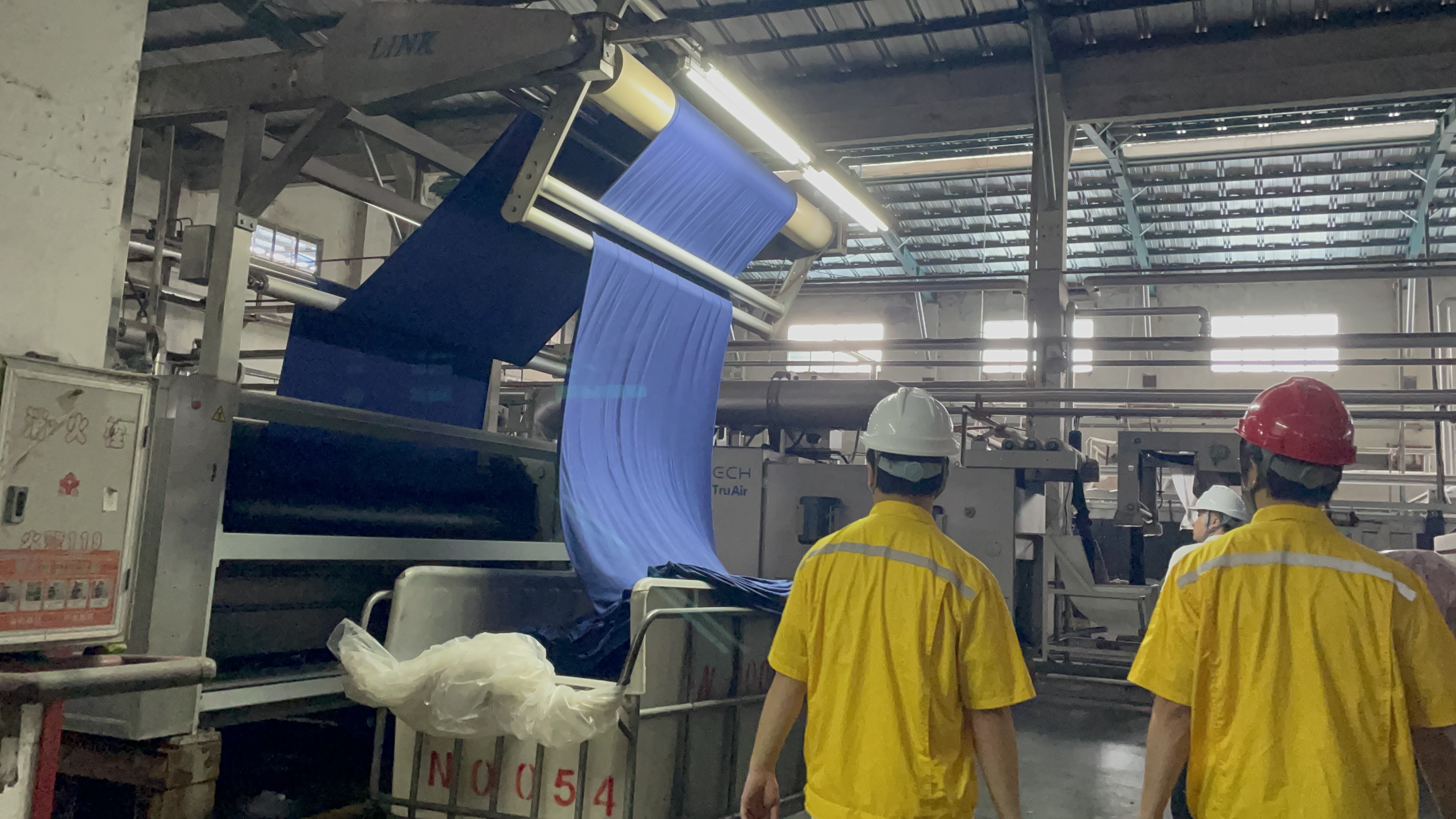
Core Viewpoint - The urban gas industry is undergoing a transformation towards comprehensive energy services, embracing smart technologies and exploring international expansion opportunities, driven by the dual carbon goals and market reforms in China [1][5][9]. Industry Overview - The urban gas industry in China has evolved significantly since the "West-East Gas Pipeline" project in 2004, transitioning from a phase of rapid expansion to a period of deep adjustment due to market reforms and increased competition [1][7]. - The industry is now characterized by a fragmented structure with major players and numerous small enterprises, facing challenges such as aging infrastructure and intensified competition from electrification [1][7]. Transition to Comprehensive Energy Services - Urban gas companies are shifting from traditional gas sales to becoming comprehensive energy service providers, integrating electricity, gas, heat, and renewable energy sources [4][5]. - New opportunities are emerging under the dual carbon goals, prompting companies to innovate and adapt their business models to include energy efficiency and carbon reduction strategies [3][9]. Case Study: Dunhuang Textile - Dunhuang Textile has successfully reduced energy costs by 14% through energy efficiency upgrades and the implementation of a comprehensive energy management system, showcasing the potential benefits of transitioning to a comprehensive energy model [3][12]. - The company’s experience reflects a broader trend in the industry where traditional high-energy-consuming sectors are seeking to lower costs and improve competitiveness through integrated energy solutions [3][12]. Market Dynamics and Challenges - The demand for natural gas is declining, with a reported 1.3% year-on-year decrease in consumption from January to May, leading to financial pressures on urban gas companies [7][8]. - Companies are facing challenges from price fluctuations and regulatory constraints, which complicate their ability to maintain profitability in the face of rising operational costs [7][8]. Policy and Technological Support - Government policies are increasingly focused on establishing zero-carbon parks and promoting renewable energy integration, which is expected to drive the growth of comprehensive energy services [9][10]. - Technological advancements in renewable energy and energy management systems are reducing costs and enhancing the economic viability of comprehensive energy solutions [10][16]. Business Model Innovation - Urban gas companies are exploring different business models, including fixed-price and sharing models, to enhance profitability and align interests with customers [15][16]. - The shift towards a service-oriented approach requires companies to rethink their operational strategies, focusing on customer needs and collaborative value creation [15][16]. Future Outlook - The comprehensive energy market presents significant growth potential, particularly in energy efficiency retrofits and carbon reduction investments, estimated to be in the range of $0.7 trillion to $2.7 trillion for industrial sectors [14]. - As the market evolves, urban gas companies will need to enhance their operational and trading capabilities to remain competitive in the integrated energy landscape [16].




商业秘密|从“卖气郎”到“能源管家”,城燃行业新一轮跑马圈地大幕拉开
Di Yi Cai Jing· 2025-07-21 08:22
Core Insights - The urban gas industry is undergoing a transformation from resource-driven to service-oriented, driven by the breaking of licensing restrictions on gas franchise operations and the push towards comprehensive energy services under the "dual carbon" goals [1][2][7] Industry Overview - The urban gas sector in China has evolved significantly since the "West-to-East Gas Transmission" project in 2004, leading to a fragmented market dominated by a few large companies and thousands of smaller firms [1] - The industry is currently facing challenges due to market reforms, increased safety regulations, and competition from electrification [1][2] Transition to Comprehensive Energy Services - Urban gas companies are shifting from traditional gas sales to becoming comprehensive energy service providers, integrating electricity, gas, heat, and renewable energy systems [6][12] - New opportunities are emerging as companies adapt to the "dual carbon" goals, with a focus on energy efficiency and carbon reduction [2][5] Case Study: New Energy Solutions - New Energy has implemented energy-saving measures for clients, such as converting steam supply methods and installing rooftop solar panels, resulting in a 14% reduction in energy costs for a textile company [5][12] - The company plans to expand its energy efficiency initiatives to other industrial areas, emphasizing the importance of low-carbon energy solutions [5][12] Market Dynamics and Challenges - The demand for natural gas is declining, with a reported 1.3% decrease in consumption in early 2023, prompting companies to adjust their business models [8][10] - Urban gas companies are experiencing pressure from rising operational costs and market competition, leading to a decline in profit margins [10][11] Policy and Technological Support - Government policies are increasingly focused on zero-carbon initiatives, with a push for renewable energy integration and energy efficiency improvements [11][12] - Technological advancements in energy management, such as AI and big data, are being leveraged to optimize energy supply and demand [16][17] Business Model Innovations - Urban gas companies are exploring new business models, including fixed-price and sharing models, to enhance profitability and customer engagement [15][16] - The shift towards electricity as a core service is becoming a consensus in the industry, with companies developing integrated energy solutions [16][17]