
数字金融

Search documents
铁幕的终结:CCKS重塑全球自由贸易与数字金融新纪元
Zhong Guo Jin Rong Xin Xi Wang· 2026-01-06 08:36
Core Insights - The global trade and financial system is at a historic crossroads, with the digital revolution reshaping industry and finance, making cross-border data flow the "new oil" driving international trade growth [1][2] - The traditional centralized Public Key Infrastructure (PKI) is increasingly seen as a barrier to the free flow of data, revealing structural flaws that hinder global digital trade [2][4] - A shift towards a decentralized trust model, exemplified by China's CCKS technology, is essential for establishing a new digital infrastructure that ensures data security and respects national sovereignty [3][9] Group 1: Trust Crisis in Global Trade - The centralized PKI system, reliant on a few Certificate Authorities (CAs), is facing structural challenges, including high operational costs and vulnerability to geopolitical influences [2][4][7] - The complexity and cost of maintaining trust chains in cross-border transactions are exacerbated by the reliance on a centralized model, leading to systemic risks [6][8] - The concentration of trust in a few entities creates significant risks, as evidenced by past security breaches that have compromised global trust [6][7] Group 2: Paradigm Shift with CCKS Technology - CCKS represents a revolutionary shift in digital trust, moving from centralized trust institutions to algorithm-based trust, which enhances security and reduces costs [3][9] - The CCKS system provides a unique digital identity for all entities, ensuring authenticity and integrity in data exchanges, thus laying the foundation for a new digital economy [9][10] - CCKS promotes an "inherent security" approach, enabling secure data transactions even in offline scenarios, which is crucial for maintaining trade continuity [10][12] Group 3: Evolution of International Standards - Historically, international standards in the digital domain have been dominated by Western countries, creating a "standard hegemony" that limits the participation of emerging economies [14][15] - China's initiative to develop a series of ISO standards in digital fields aims to create a more balanced international standard system, reflecting diverse needs and enhancing global cooperation [16][20] - These standards, based on CCKS technology, facilitate secure and efficient data flow, providing a framework for global digital trade and addressing long-standing issues of trust and efficiency [22][24] Group 4: Restructuring Digital Financial Infrastructure - Traditional financial infrastructures face challenges such as high transaction costs and exclusion of unbanked populations, necessitating a new approach to digital finance [26][27] - CCKS technology addresses these challenges by enabling secure, low-cost digital wallets and payment networks that can operate efficiently in various environments [33][36] - The integration of CCKS with advanced technologies allows for the creation of a robust digital currency platform that meets the demands of modern trade while ensuring security and inclusivity [38]
锚定数智强市的智慧与担当
Zheng Zhou Ri Bao· 2026-01-05 00:42
Core Viewpoint - Zhengzhou is advancing its "Smart City + High-Efficiency Governance Innovation Practice Center" initiative as a strategic task for the "14th Five-Year Plan" period, aiming to modernize urban governance and enhance city management through digital transformation [1][5][9] Group 1: Achievements and Foundations - The "14th Five-Year Plan" laid a solid foundation for Zhengzhou's digital governance, with significant breakthroughs in smart infrastructure and urban management [2] - Research and development investment intensity reached 2.85%, supporting the growth of the smart industry [2] - The operation of the National Supercomputing Center in Zhengzhou and the orderly advancement of data market reforms have created essential platforms for data sharing [2] Group 2: Governance Innovations - Zhengzhou has developed a "Ten Ones" party-led grid governance system, which won the 2024 "World Smart City Award - China" for governance excellence [2] - An integrated urban governance platform has been established, merging the 12345 government service hotline with urban management systems, facilitating a closed-loop management of public requests [2] Group 3: Expanding Smart Applications - The city has enhanced its governance efficiency by integrating 130,000 video surveillance feeds and 210,000 IoT devices, accumulating over 1.2 billion governance data points for real-time monitoring [3] - Smart logistics and digital finance applications are being deepened, showcasing the empowering role of digitalization in economic and social development [3] Group 4: Future Directions - Zhengzhou aims to build a high-level computing platform and a national new-type internet exchange center, enhancing its capabilities in supercomputing and intelligent computing [7] - The city plans to implement a "Milliseconds Computing" initiative and develop a quantum communication metropolitan network to create a collaborative development framework [7] - Efforts will be made to expand smart applications in various sectors, including governance, urban management, and healthcare, to improve service delivery and operational efficiency [7][8] Group 5: Community Engagement and Governance - A mechanism for collecting public suggestions will be improved to enhance community participation in governance [8] - The city encourages social forces to engage in governance, promoting community organizations and professional mediation teams to address local issues [8] Group 6: Overall Vision - Zhengzhou is committed to leveraging its "15th Five-Year Plan" to deepen the construction of a smart city, ensuring that digital technologies effectively empower urban development and improve citizens' lives [9]

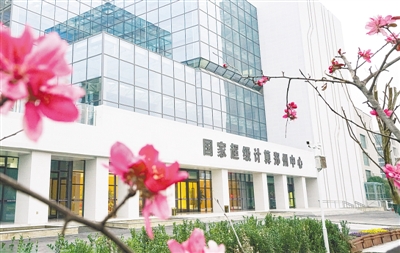
德林控股(01709.HK):2025年12月比特币总产量为25.2107枚比特币
Ge Long Hui· 2025-12-31 14:33
Core Viewpoint - Derin Holdings (01709.HK) reported a total Bitcoin production of 25.2107 BTC from December 1 to December 30, 2025, with an average daily production of approximately 0.8404 BTC [1] Group 1: Bitcoin Production and Hash Rate - The actual hash rate increased from approximately 0.84 EH/s on December 1, 2025, to about 2.83 EH/s by December 30, 2025, with a peak daily hash rate of around 2.83 EH/s during this period [1] - The Bitcoin held during this period was entirely from mining output, with no other sources or disposals of Bitcoin [1] - The initial Bitcoin balance on December 1, 2025, was 5.9807 BTC, and after adding the mined 25.2107 BTC, the ending balance on December 30, 2025, was 31.1914 BTC [1] Group 2: Future Projections and Mining Operations - The company currently operates 9,148 Bitcoin mining machines, with a total hash rate of approximately 3.993 EH/s, expecting a daily output of about 1.72 BTC [1] - The company forecasts a total Bitcoin production of approximately 600 to 700 BTC for the year 2026, subject to network difficulty, Bitcoin prices, operational time, and other conditions [1] Group 3: Transparency and Governance - The company will publish monthly updates on its Bitcoin mining operations to inform shareholders about the latest status and performance [2] - This initiative reflects the company's commitment to developing a sustainable, transparent Bitcoin mining business as part of its broader digital finance strategy while maintaining prudent risk management and high standards of corporate governance [2]
德林控股(01709) - 自愿公告有关比特币挖矿业务的最新发展
2025-12-31 14:21
香港交易及結算所有限公司及香港聯合交易所有限公司對本公告的內容概不 負責,對其準確性或完整性亦不發表任何聲明,並明確表示,概不就因本公告 全部或任何部分內容而產生或因倚賴該等內容而引致的任何損失承擔任何責 任。 DL HOLDINGS GROUP LIMITED 德林控股集團有限公司 ( 於 開 曼 群 島 註 冊 成 立 的 有 限 公 司 ) (股份代號:1709) 自願公告 有關比特幣挖礦業務的 最新發展 本公告由德林控股集團有限公司(「本公司」,連同其附屬公司統稱為「本集 團」)自願刊發,旨在向本公司股東及潛在投資者通報本集團的最新業務發展 情況。 茲提述本公司日期為2025年12月14日及2025年12月30日之公告(「月度更新公 告」),內容有關(其中包括)本集團比特幣挖礦業務的最新進展。除另有界定者 外,本公告所用詞彙與月度更新公告所界定者具有相同涵義。 本公司董事會(「董事會」)欣然向其股東及市場更新有關其比特幣挖礦業務的 最新進展。 1 根據本集團現時內部預估及現行比特幣網絡狀況,現有9,148台比特幣礦機, 總哈希率約為3.993 EH/s,預期相應的指示性合計日產出約為1.72枚比特幣。 ...
以“AI in ALL”打造金融“五篇大文章”样本丨陆控及旗下平安融易双双获评为年度优秀机构
2 1 Shi Ji Jing Ji Bao Dao· 2025-12-30 03:24
Core Insights - The company,陆控, has been recognized as the "Outstanding Digital Financial Institution of the Year" at the "2025 Financial Annual Conference" for its innovative practices in digital finance [1] - The company continues to implement its "AI in ALL" strategy, integrating digital finance, technology finance, and green finance into its inclusive finance operations [1] Group 1: Digital Technology and Innovation - The company leverages technologies such as artificial intelligence, cloud computing, blockchain, and big data to enhance its digital services, focusing on financing guarantees for local key industries and small micro-economies [2] - The recently launched "Yunfan" solution is the first AI-driven remote financing service in the non-bank credit sector, achieving a 158% increase in productivity through the use of AI coaches for customer service representatives [2] - The "Zhihun" project utilizes large model technology and machine learning to automate due diligence processes, reducing processing time by 90% and achieving a 93% accuracy rate in application dimensions [3] Group 2: Financial Services and Support - The "Prism" project aims to support local key industries by analyzing their financing needs and usage patterns, providing a comprehensive financial service ecosystem that addresses various financing challenges [3] - The "Smart Customer Service 3.0" initiative has improved customer service efficiency, increasing resolution rates by 2% and reducing the need for human intervention by 14%, while customer satisfaction rose from 80% to 85% [4] - The "Che e Loan" green financing program offers exclusive benefits for small micro-enterprises, facilitating access to lower financing rates for new energy vehicle owners, with over 4.22 billion yuan in loans disbursed by September 2025 [4] Group 3: Community Engagement and Support - The company emphasizes grassroots engagement by establishing a professional team that actively serves local small micro-economies, providing tailored financing solutions and support [5] - A case study highlights how the company assisted a cattle farmer in Shandong by providing 500,000 yuan in financing, resulting in a 50% increase in production capacity and a nearly 30% rise in income [6] - The company has partnered with the China Women's Development Foundation to support female entrepreneurship, distributing 43.1 million yuan in micro-loans to over 2,500 women, thereby promoting local employment and industry development [7]
恒生电子执行总裁官晓岚:金融科技与AI将成为海南财富管理转型升级的核心驱动力
Sou Hu Cai Jing· 2025-12-28 16:20
Core Insights - The Sanya International Forum and the Fifth Sanya Wealth Management Conference highlighted the theme of "Future Positioning of Hainan Free Trade Port and New Opportunities in Sanya" [1] - Financial technology and artificial intelligence are identified as core drivers for the transformation and upgrading of the wealth management industry post-Hainan's customs closure [3] Financial Technology and AI Applications - Financial institutions are expected to gather in Hainan, leading to demands for innovation in financial markets and infrastructure [3] - AI can significantly enhance investment research efficiency, reducing report writing discrepancies from over 25% to around 15% [8] - AI systems can generate personalized asset allocation suggestions based on client profiles, covering various financial products [10] - AI plays a crucial role in risk management and intelligent customer service, enhancing operational efficiency [10] Future Outlook for Sanya - Sanya is projected to become a hub for the globalization of the Renminbi, financial technology applications, and financial data services [3][13] - The wealth management sector is shifting from yield-driven to risk-driven models, increasing the demand for financial technology and data services [6] Infrastructure and Market Development - The influx of investors will lead to the establishment of new financial institutions and innovative market infrastructure [5] - The development of trading systems, including potential 24/5 trading models, is being explored to enhance transaction efficiency [5] Data Utilization and AI Integration - Data is becoming increasingly vital in Sanya, with a focus on providing global data related to the Renminbi [11] - The introduction of AI-friendly databases aims to facilitate easier access to relevant data for wealth management institutions [11] - AI's capabilities are being integrated into customer service processes, enhancing client interactions and satisfaction [10][13]


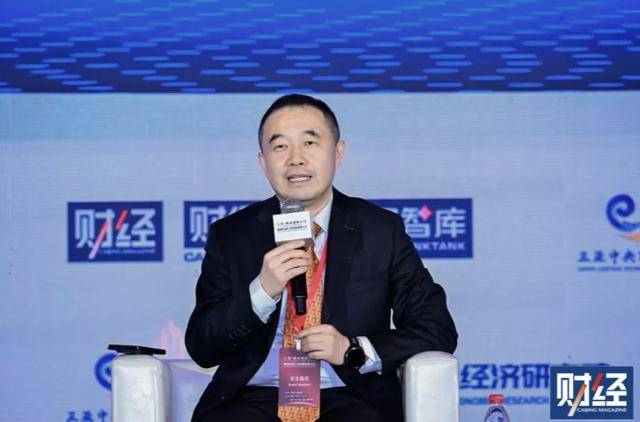
“十五五”首席观察:中国经济提“量”更提“质”
Bei Jing Shang Bao· 2025-12-28 16:11
Core Insights - The macroeconomic environment in 2025 presents both opportunities and challenges, with a focus on the transition from the "14th Five-Year Plan" to the "15th Five-Year Plan" [1] - The financial market in China is characterized by a unique rhythm amidst internal and external changes, with monetary policy maintaining a "moderately loose" stance and promoting consumption through various financial support policies [1] - Key questions for 2025 include understanding the core contradictions limiting consumer spending and how to achieve sustainable long-term growth in consumption [1] Group 1: Green Finance - As of Q3 2025, China's green loan balance reached 43.51 trillion yuan, a year-on-year increase of 22.9%, maintaining over 20% growth for five consecutive years [3] - The balance between "stabilizing growth" and "reducing carbon emissions" is essential for high-quality economic development, with green finance playing a critical role in directing funds towards high-value and low-carbon sectors [4][5] - Green finance should support the upgrade of traditional industries and promote the development of green sectors like new energy vehicles and circular economy [4] Group 2: Financial Policies and Strategies - The "Five Major Articles" in finance aim to serve the real economy and require coordination among various financial sectors, with digital finance being a key driver for high-quality development [7][8] - The need for a systematic approach to financial services, including credit assessment and risk management, is emphasized to support technological and green finance [8] - The financial system's openness and alignment with international standards are crucial for enhancing the effectiveness of the "Five Major Articles" [9] Group 3: Monetary Policy Outlook - Structural monetary policy tools are expected to be adjusted to enhance effectiveness, with potential increases in quotas and reductions in interest rates [12] - The RMB is anticipated to appreciate moderately in 2026, influenced by both domestic and international factors, including the Fed's interest rate cycle [13] - The focus on domestic circulation stability will be essential in countering external uncertainties, with an emphasis on enhancing domestic market competitiveness [11] Group 4: Consumer Spending and Economic Growth - Recent consumer subsidy policies have shifted from "incremental stimulation" to "structural optimization," highlighting the importance of consumption in driving economic potential [15] - The core contradiction limiting consumer spending is linked to the real estate market's adjustment phase, necessitating multi-faceted policy approaches to stabilize expectations and enhance consumer confidence [16] - Recommendations for boosting consumption include implementing paid staggered vacations, optimizing service consumption, and improving the overall price environment to stimulate consumer willingness [16]

指向“十五五”的这场金融盛会,树立“青岛风向标”
凤凰网财经· 2025-12-27 11:46
"十五五"开局之年已然临近。 规划建议首度将"金融强国"写入,既标志着我国金融发展逻辑发生重大转变——从基础制度搭建转 入以"强国"为导向的质量提升与全球竞争力培育阶段,更对金融业发展提出更高要求。 正是在这样的历史节点,12月26日,以"财富管理助力中国式现代化青岛实践"为主题的2025青岛 财富论坛在青岛金家岭金融区如约而至。 本次论坛共设置一个主论坛和三个分论坛,紧扣建设金融强国目标,围绕金融"五篇大文章",现场 数百位国内经济金融领域相关领导、业内知名专家学者齐聚,共探财富管理与国家战略同频共振的 实践路径。 01 发出"青岛声音",洞察"十五五"前沿趋势 过去一年,全球经济格局波谲云诡,国内新旧动能转换稳步演进,传统模式面临艰难险阻,在多重 风险交织叠加下,金融业站在了转型的十字路口。 本届论坛上,各界嘉宾在延续往年以前瞻视角、权威声音纵论行业发展同时,还进一步强调与国 家"十五五"规划建议的融合,带来精彩的观点输出,以更加积极的姿态深入探讨财富管理助力中国 式现代化青岛实践的赋能路径与未来图景。 "随着我国社会财富总规模的逐步积累,中国经济增长的模式也需要逐渐从投资驱动向消费投资并重 转变,充分发 ...
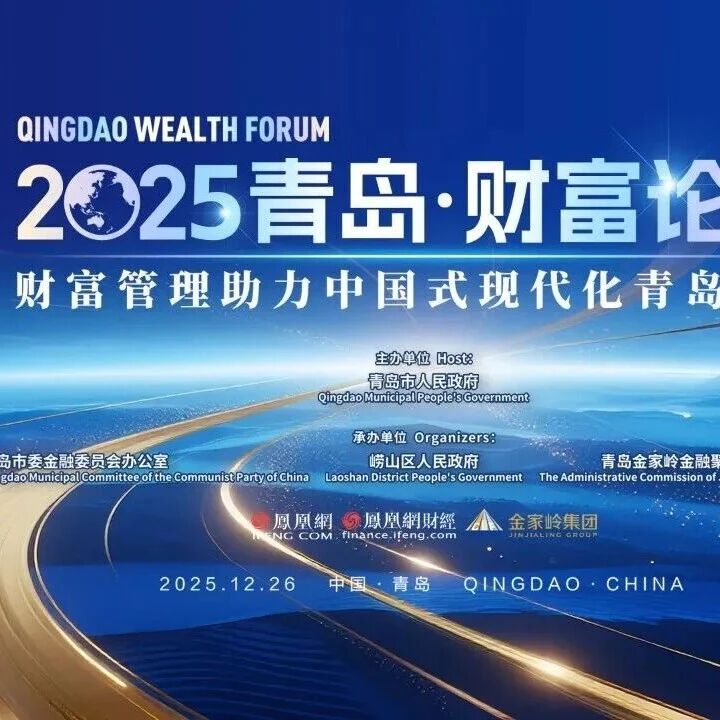
指向“十五五”的这场金融盛会,树立“青岛风向标”
Xin Lang Cai Jing· 2025-12-27 09:54
转自:推广 "十五五"开局之年已然临近。 规划建议首度将"金融强国"写入,既标志着我国金融发展逻辑发生重大转变——从基础制度搭建转入以"强国"为导向的质量提升与全球竞争力培育阶段, 也更对金融业发展提出新的更高要求。 正是在这样的历史节点,12月26日,以"财富管理助力中国式现代化青岛实践"为主题的2025青岛财富论坛在青岛金家岭金融区如约而至。 本次论坛共设置一个主论坛和三个分论坛,紧扣建设财富管理核心主线金融强国目标,围绕金融"五篇大文章",现场数百位国内经济金融领域相关领导、 业内知名专家学者齐聚,共探财富管理与国家战略同频共振的实践路径。 发出"青岛声音" 洞察"十五五"前沿趋势 过去一年,全球经济格局波谲云诡,国内新旧动能转换任重道远稳步演进,传统模式面临艰难险阻,在多重风险交织叠加下,金融业站在了转型的十字路 口。 已连续举办11届的青岛财富论坛,作为青岛推进财富管理中心建设的重要平台和品牌活动,早已成为洞察金融业发展趋势的前沿平台窗口。 本届论坛上,各界嘉宾在延续往年以前瞻视角、权威声音纵论行业发展同时,还进一步强调与国家"十五五"规划建议的融合,带来精彩的观点输出,以更 加积极的姿态深入探讨财 ...
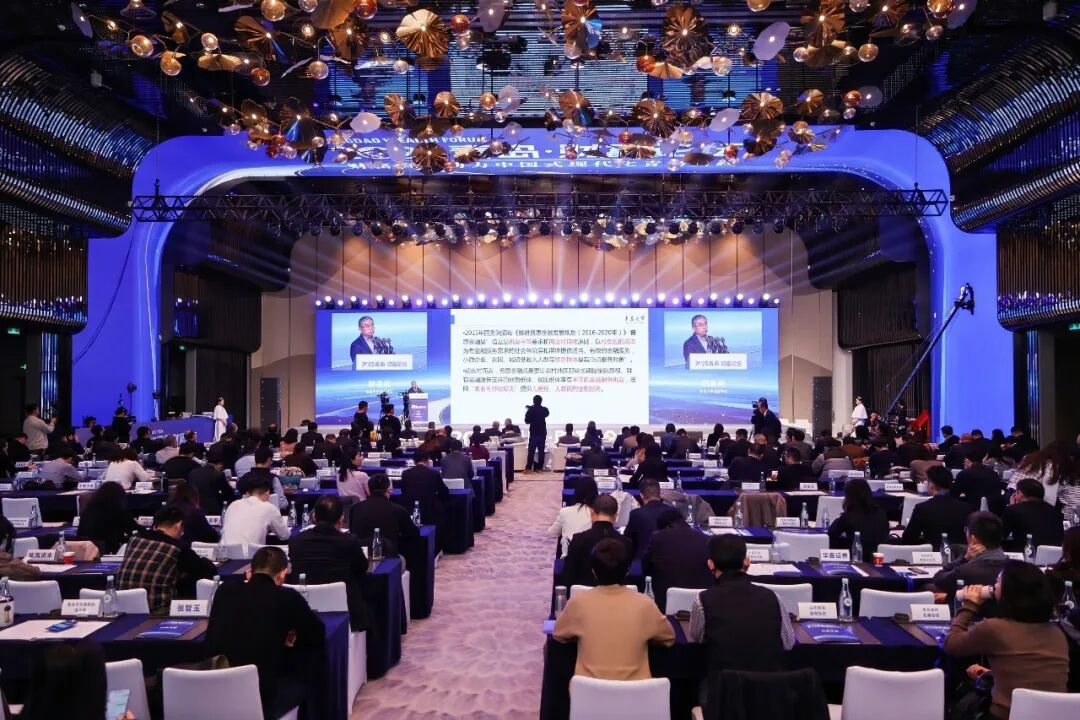
我国数字金融发展为金融强国建设提供坚实支撑 金融“十四五”回顾与“十五五”展望系列综述之三
Jin Rong Shi Bao· 2025-12-22 05:04
"十四五"时期是我国数字经济蓬勃发展的五年,也是数字金融与实体经济深度融合的五年。中国人民银 行等七部门联合印发的《推动数字金融高质量发展行动方案》,明确提出了以数据要素和数字技术为关 键驱动,到2027年底,基本建成与数字经济发展高度适应的金融体系。这五年间,我国数字金融发展呈 现出快速演进、全面深化的良好态势,为金融强国建设提供了坚实支撑。 当前,我国正站在从"金融大国"迈向"金融强国"的历史新起点上。随着"十四五"规划圆满收官,"十五 五"时期已成为我国向基本实现社会主义现代化迈进的关键五年。在这一承前启后的关键节点,系统回 顾数字金融在"十四五"期间的发展成就,科学展望"十五五"时期的发展趋势与挑战,对构建与中国式现 代化相匹配的现代金融服务体系、在全球金融竞争中赢得主动具有重要意义。 "十四五"数字金融发展回顾:规模、质量与生态的全面跃升 "十四五"期间,我国数字金融凭借政策框架的不断健全、技术应用的深度渗透与监管体系的逐步完善, 构建起覆盖支付、信贷、保险、征信等多领域的数字化金融生态,发展成就位居全球前列。 首先,政策框架体系逐步健全。在国家战略层面,《中华人民共和国国民经济和社会发展第十四个五 ...