
新材料产业

Search documents
第九届企业高质量发展与管理创新论坛在杭州举行
Zhong Zheng Wang· 2025-11-21 12:25
Core Insights - The 9th Forum on High-Quality Development and Management Innovation was held at Zhejiang University, focusing on the integration of internal control and financial intelligence in enterprises [1] - The "Zhihai-Dayu" financial model 2.0 and the "2025 Zhejiang Listed Companies Internal Control Index Report" were released, highlighting the importance of management innovation [1] Group 1: Internal Control Rankings - The 2023 Internal Control Top 30 list includes 20 companies that have been consistently ranked for five years, such as Ningbo Port and Zhejiang Energy Power [2] - Six new entrants to the list include Top Group and Bull Group, with some companies returning after previous rankings [2] Group 2: Internal Control Index Trends - Since 2021, the average internal control index in Zhejiang has exceeded 65 points, indicating a gradual improvement in internal control quality among listed companies [3] - The number of Zhejiang companies in the national top 100 for internal control has decreased by two compared to last year, totaling seven [3] Group 3: Industry and Regional Distribution - Over half of the companies in the Internal Control Top 30 are from emerging industries, with the most represented sectors being new materials and new energy [3] - The top three cities for internal control levels in Zhejiang are Hangzhou, Taizhou, and Shaoxing, with nine cities producing top companies, indicating progress in internal control construction [3] Group 4: Research Significance - The "Zhejiang Listed Companies Internal Control Index Report" is a significant research outcome in the field of internal control evaluation, published annually since 2017 [4] - The report employs a stable research methodology with 144 indicators based on five internal control elements, gaining attention from regulatory bodies and the media [4]


“博士看禅城”:高层次人才与佛山产业互抛“橄榄枝”
2 1 Shi Ji Jing Ji Bao Dao· 2025-11-10 13:26
Core Insights - Foshan is increasingly attractive for young entrepreneurs due to its high cost-performance ratio and government talent introduction policies [1][2] - The city has established a comprehensive talent cultivation model, with over 100 postdoctoral researchers and more than 500 patents applied [2] - Foshan's manufacturing sector is undergoing a digital transformation, with significant advancements in the semiconductor and new materials industries [2][3] Group 1: Talent Development - Foshan has built 26 postdoctoral research platforms and has attracted over 100 postdoctoral researchers, leading to a robust talent cultivation ecosystem [2] - The number of PhDs in Foshan has increased from approximately 300 to nearly 8000 over the past 15 years, indicating a significant growth in high-level talent [2] - The city has a total talent pool exceeding 2.48 million, including over 7600 PhDs and 149.6 million skilled workers [3] Group 2: Industry and Innovation - Foshan's innovation incubation platforms focus on high-end equipment, new materials, digital information, intelligent manufacturing, electronic information, and biomedicine [1][2] - The Guangdong Academy of Sciences' Foshan Industrial Technology Research Institute has facilitated technology connections for over 100 tech companies, resulting in the establishment of 37 technology-based SMEs [1] - Companies like Guoxing Optoelectronics and Foshan Plastics Technology Group are actively engaging with high-level talent to foster collaboration in the semiconductor and new materials sectors [2][3] Group 3: Government Support and Environment - The local government provides substantial support in terms of office space, funding, and talent introduction, enhancing the business environment for high-level talent [3] - Foshan has been recognized as a "National Talent-Friendly City" and "Best Talent Introduction City," reflecting its growing appeal to high-level professionals [3]


东莞发布措施支持新材料产业,一次性最高给予300万元奖励
Sou Hu Cai Jing· 2025-11-06 12:11
Core Viewpoint - The new materials industry is a crucial support for new industrialization, playing a significant role in accelerating the development of new productivity and promoting high-quality development [2] Group 1: Policy Overview - Dongguan Municipal Science and Technology Bureau released a policy interpretation titled "Several Measures to Support the Development of the New Materials Industry" [2] - The policy is expected to enhance the supply of resources and innovation in the new materials industry, with an average of 10 to 20 new materials innovation enterprises recognized and supported each year [2] - The policy will be effective from October 30, 2025, to December 31, 2028, focusing on key support areas and building an innovation platform system [2] Group 2: Key Support Areas - The policy emphasizes support for industrialization projects in key new materials fields, including electronic information materials, polymer materials, advanced metal materials, new energy materials, and biomedical materials [2] - It aims to accelerate the research and development of frontier new materials such as superconducting materials, nanomaterials, photonic materials, and amorphous materials in collaboration with universities and research institutions [2] Group 3: Major Support Measures - The policy includes support for "chain leader" enterprises, providing a one-time reward of up to 3 million yuan for those recognized as provincial key industrial chain "chain leaders" [2] - For each innovation enterprise nurtured by a "chain leader" enterprise, a reward of 100,000 yuan will be given, with a maximum annual reward of 500,000 yuan [2] Group 4: Innovation and Infrastructure Support - The policy also offers rewards for innovation enterprises that update and upgrade equipment, improve research and production environments, increase R&D investment, and promote new product applications [3] - It encourages the establishment of industrial parks by towns and districts, leveraging "chain leader" enterprises and major innovation platforms to foster industrial cluster development [3] - Annual rewards of up to 2 million yuan will be provided to operational units of industrial parks that demonstrate significant results based on the number of resident enterprises and platforms [3]

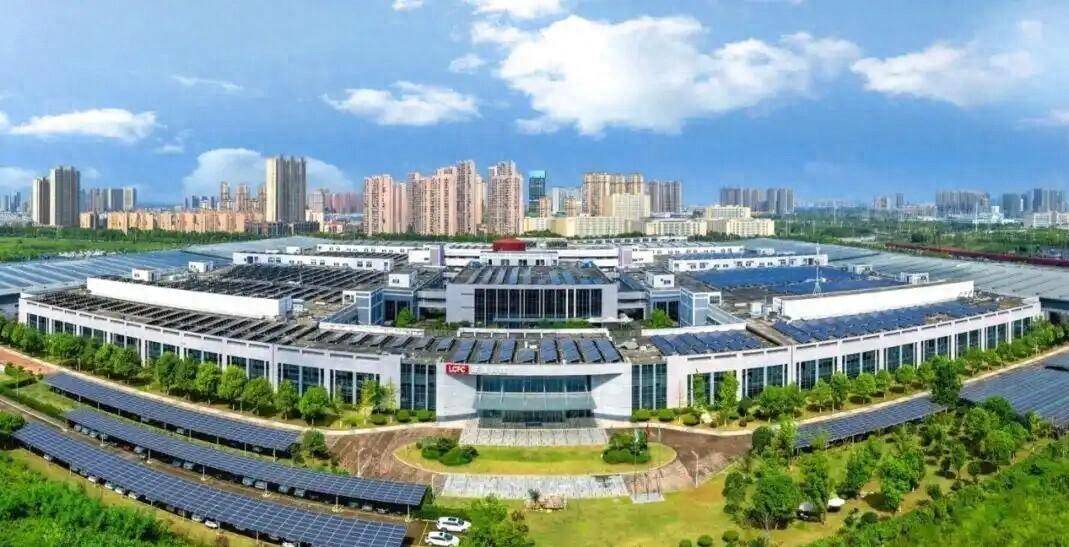
中央重磅文件点题四大新兴支柱产业,这些城市已领跑→
第一财经· 2025-10-24 14:33
Core Viewpoint - The article discusses the development of strategic emerging industries in China, including new energy, new materials, aerospace, and low-altitude economy, highlighting the leading cities and regional clusters that are shaping the future economic landscape [3][4]. New Energy - The top cities in the new energy sector are Beijing, Shanghai, Guangzhou, and Shenzhen, with Beijing leading in overall competitiveness due to its strong enterprises and innovation capabilities [6][7]. - Shenzhen ranks first in the production of new energy vehicles, with an output of 2.935 million units in 2024, while West Xi'an excels in photovoltaic and aerospace technologies [7]. - The East China region dominates the new energy city competitiveness list, with 25 cities featured in the top 50 [7]. New Materials - Suzhou ranks first in the new materials industry, supported by significant advancements in advanced metal materials and nanomaterials, contributing to a trillion-yuan industry cluster [9][10]. - The Yangtze River Delta and Pearl River Delta regions are recognized for their innovative applications in new materials, with notable companies in electronic chemicals and automotive materials [10]. Aerospace - Beijing is the leading city in the aerospace sector, benefiting from a concentration of enterprises and financial resources, with 160 commercial aerospace companies receiving funding from 2014 to early 2025 [11][13]. - Other cities like Shanghai, Xi'an, and Chengdu are also emerging as strong competitors in the aerospace industry, forming regional clusters [13][14]. Low-altitude Economy - The low-altitude economy is gaining traction, with Shenzhen, Beijing, and Chengdu leading in development levels, supported by a robust industrial chain [15][16]. - Shenzhen has over 1,900 companies in the low-altitude economy sector, with an expected annual output value exceeding 90 billion yuan in 2024 [17]. - Shanghai focuses on high-end manufacturing and modern services in the low-altitude economy, aiming for a core industry scale of over 50 billion yuan by 2027 [17].

中共中央新闻发布会
Zheng Quan Shi Bao· 2025-10-24 03:23
Core Viewpoint - The 20th Central Committee of the Communist Party of China has approved the "15th Five-Year Plan" which outlines significant economic and social development strategies for the upcoming period, emphasizing the importance of innovation, market integration, and sustainable growth. Group 1: Economic Development Strategies - The "15th Five-Year Plan" consists of 15 parts and 61 articles, divided into three main sections: general principles, specific strategies, and tasks to strengthen centralized leadership and promote democratic governance [2] - The plan identifies the long-term positive conditions and trends for China's economy, highlighting its strong foundation and resilience [3] Group 2: Industry and Technological Advancements - The plan aims to create new pillar industries and accelerate the development of strategic emerging industries such as new energy, new materials, and aerospace, potentially generating several trillion-level markets [4] - It emphasizes the need for forward-looking layouts in future industries, including quantum technology and sixth-generation mobile communications, which could equate to recreating a new high-tech industry in China over the next decade [4] Group 3: Market Integration and Competition - The plan proposes measures to unify market rules and eliminate local protectionism, which will help unlock the benefits of China's vast market [5] - It is projected that over 700,000 kilometers of underground pipelines will be constructed or renovated during the "15th Five-Year Plan," with an investment demand exceeding 5 trillion yuan [6] Group 4: Marine Economy and Environmental Protection - The total volume of China's marine economy has surpassed 10 trillion yuan, with initiatives aimed at enhancing marine development and ecological protection [7] Group 5: Service Sector and Trade - The plan focuses on expanding market access and opening up service sectors, aligning with international trade standards [8] Group 6: Population and Family Support - The plan includes initiatives to create a family-friendly society, optimizing support and incentive policies for childbirth and child-rearing [10] Group 7: Technological Modernization - The plan outlines a comprehensive approach to technological modernization, emphasizing the integration of education, technology, and talent development to enhance innovation capabilities [11] - It includes the implementation of the "Artificial Intelligence+" initiative to empower various industries [11]
构建创新链,德州“材料智造”发力升级
Qi Lu Wan Bao Wang· 2025-10-20 15:35
Core Insights - The recent conference in Dezhou focused on the collaboration of technology talents and the development of the new materials industry, emphasizing the importance of innovation and resource integration for high-quality industrial growth [1][2]. Group 1: Industry Development - The new materials industry is identified as a strategic emerging industry leading future development, with Dezhou aiming to build an innovation chain system and promote deep integration of production, education, and research [1][6]. - Dezhou's new materials industry includes 246 enterprises, generating revenue of 16.38 billion yuan from January to July 2025, reflecting a year-on-year growth of 19.5% [2][6]. - The industry is characterized by a diverse layout and innovation-driven growth, with key players like Youyan Yijin leading in high-end target materials for chip manufacturing [2][3]. Group 2: Innovation and Collaboration - Dezhou has established a comprehensive database to support precise decision-making and trend analysis in the industry, facilitating the activation of innovation engines [3][6]. - The city has fostered over 739 collaborative projects between more than 500 enterprises and 287 universities and research institutions, enhancing the integration of industry and academia [6][7]. - The implementation of policies such as "Science and Technology Ten Articles" and a comprehensive support system has been crucial in nurturing technology-driven enterprises [6][7]. Group 3: Specific Company Initiatives - Dezhou Yingkai Mould Metal Net Co., Ltd. has developed a stainless steel printing net that breaks Japan's monopoly, significantly reducing costs and enhancing competitiveness for domestic enterprises [4][5]. - The company has invested in R&D, leading to the establishment of national standards and numerous patents, positioning itself as a high-tech enterprise [5][6]. Group 4: Future Directions - Dezhou aims to transition from "material manufacturing" to "intelligent material manufacturing," focusing on integrating technological and industrial innovation [7][8]. - The city plans to enhance financial support for innovation and technology transfer, while also promoting specialized industrial parks to foster resource integration and industry clustering [7][8]. - Continued investment in research and attracting high-end talent are key strategies for improving the core competitiveness of the new materials industry [8].
安徽第一大民营企业,营收达到1186.97亿元,合肥比亚迪强势崛起
Sou Hu Cai Jing· 2025-10-20 06:45
Core Insights - The 2025 list of the top 100 private enterprises in Anhui Province was released, showing total revenue exceeding 1.7 trillion yuan, a year-on-year increase of 2.64% [1] - The revenue threshold for inclusion in the list has risen to 6.17 billion yuan, setting a new record [1] Group 1: Top Companies - Lenovo's joint venture, Legend Technology, topped the list for the fifth consecutive year with a revenue of 118.7 billion yuan, becoming the first private enterprise in Anhui to surpass 100 billion yuan in revenue [3] - BYD in Hefei ranked second with a revenue of 101.9 billion yuan, marking a significant rise from third place last year [3] - Sunshine Power maintained third place with a revenue of 77.9 billion yuan, while its asset scale of 115.1 billion yuan was the highest among the top 100 companies [5] Group 2: Industry Contributions - The manufacturing sector accounted for 74.34% of the total revenue of the top 100 companies, amounting to 1.28 trillion yuan, with a compound annual growth rate of 7.20% since the 14th Five-Year Plan [7] - The automotive manufacturing sector saw a revenue growth of 26.71%, while the new generation information technology and new materials industries grew by 15.46% and 20.86%, respectively [7] Group 3: Research and Development - Total R&D investment reached 48.3 billion yuan, with a year-on-year increase of 4.27%, and an R&D intensity of 2.81% [9] - The top 100 companies employed 74,700 R&D personnel, a growth of 6.04%, and held 21,604 domestic valid invention patents [9] Group 4: Employment and Profitability - The total tax contribution of the top 100 companies was 38.5 billion yuan, creating 672,900 jobs, a year-on-year increase of 4.57% [13] - The net profit of the top 100 companies totaled 37.5 billion yuan, with 90 companies reporting profits and 54 companies experiencing year-on-year profit growth [13]



经纬江苏——方寸球衣上的产业制造密码
Zhong Guo Zheng Quan Bao· 2025-10-15 00:03
Core Viewpoint - The evolution of sports jerseys in Jiangsu reflects the province's industrial transformation, showcasing the shift from traditional manufacturing to high-tech industries, and highlighting regional economic balance and collaboration within the industrial chain [1][5]. Group 1: Material Innovation - The transition from cotton to synthetic materials in sports jerseys represents a history of material technology innovation, with polyester and nylon becoming mainstream [2]. - Jiangsu's textile industry has transformed into a high-tech sector, capable of meeting international orders with a complete industrial chain and functional data [2]. - The introduction of smart polyester fibers that adjust to environmental conditions marks a significant advancement in fabric technology, enhancing comfort and performance [3]. Group 2: Regional Economic Development - Jiangsu's economic strategy emphasizes systematic and coordinated development across regions, with Suzhou leading in innovation and high-quality breakthroughs [6][8]. - The central region (Su Zhong) acts as a "midfield engine," focusing on rising industries such as marine engineering and biomedicine [9][10]. - The northern region (Su Bei) is emerging as a new force in industrial development, with significant contributions from sectors like engineering machinery and offshore wind energy [10]. Group 3: Industrial Integration and Collaboration - Jiangsu's industrial strength lies in its ability to create a resilient and beautiful industrial network through deep collaboration between innovation and supply chains [12]. - The electric vehicle industry in Jiangsu exemplifies this collaborative model, with over 3,000 enterprises forming a tightly-knit supply chain [12][13]. - Traditional industries are revitalizing through partnerships with high-tech firms, demonstrating a successful integration of old and new manufacturing practices [13][14]. Group 4: High-Quality Development - The evolution of sports jerseys symbolizes Jiangsu's journey from manufacturing to intelligent manufacturing, reflecting a broader narrative of high-quality economic development [5][14]. - The province's commitment to innovation and collaboration is evident in its diverse industrial clusters, which enhance competitiveness and efficiency [14].
材料科技创新与产业发展的关系
Xin Hua Ri Bao· 2025-09-17 00:30
Group 1 - The historical development of human civilization is closely tied to materials, with significant industrial revolutions relying on specific materials such as steel, non-ferrous metals, and silicon [1] - The materials industry in China had an output value of approximately 8 trillion yuan last year, highlighting its importance as a strategic emerging industry [1] - New materials are considered the driving force behind the development of strategic emerging industries [1] Group 2 - There is a consensus in the industry that "one generation of materials leads to one generation of equipment," emphasizing the foundational role of materials in high-end equipment manufacturing [2] - The performance of battery materials is crucial for the development of the new energy vehicle industry, as it directly impacts driving range [2] - The cost of photovoltaic power generation has decreased by 85% over the past decade, primarily due to advancements in battery materials [2] Group 3 - Future dominant industries such as energy, information, and health are closely related to materials, with challenges like nuclear fusion requiring innovative materials to contain high-energy particles [3] - The development of low-energy consumption artificial intelligence technologies relies on breakthroughs in efficient ion transport materials [3] - Material science innovation must be prioritized in the overall strategy for industrial development to drive transformative changes [3]
2025湖北省百强镇名单发布在京发布
Sou Hu Cai Jing· 2025-09-12 02:27
Core Insights - The report highlights the strong economic performance and competitiveness of towns in Hubei Province, with a focus on the top 100 towns by comprehensive competitiveness for 2025, led by Dongshi Town in Zhijiang City [1] Economic Performance - Hubei's town economies are showing steady growth, with significant increases in key economic indicators. The average general public budget revenue for the top 100 towns is 347 million yuan, up 22.9% year-on-year, and the average industrial output value is 10.853 billion yuan, up 19.2% [1] - The number of market entities is increasing, with an average of 1,653 registered enterprises, an increase of 61 from the previous year, and 45 large-scale industrial enterprises, an increase of 6 [1] - Retail sales are also on the rise, with an average social retail sales total of 2.243 billion yuan, up 21.5%, and an increase in the number of comprehensive stores or supermarkets [1] New Production Capacity - The development of new quality production capacity is driving economic upgrades in Hubei's top towns, with traditional industries undergoing technological upgrades and new industries being cultivated [2] - Traditional manufacturing is evolving towards high-end, intelligent, and green development, while resource-based industries are extending into high-value sectors [2] - The number of specialized and innovative small and medium-sized enterprises is steadily increasing, reflecting a shift towards high-tech and high-quality characteristics [2] Industrial Development - The leading industries in Hubei's top towns are becoming more robust, with a focus on 1-2 competitive industries that are being strengthened [2] - The report indicates a 58.2% increase in total fixed asset investment for the top towns, showcasing the initial effects of industrial clustering [2] Regional Integration - Many towns are deeply integrating into regional development, supporting urban agglomeration construction and providing components for key industries such as automotive and electronics [3] - Nearly 60% of Hubei's top towns are located in key urban agglomeration areas, enhancing industrial collaboration [3] Development Environment - The development environment is continuously improving, with significant enhancements in infrastructure and governance capabilities [3] - Initiatives like "Four Good Rural Roads" and digital rural construction are strengthening the foundational support for industrial growth and talent attraction [3] Strategic Importance - Hubei Province plays a crucial role in the strategic development of central China, with county economies being fundamental to this strategy, and towns serving as essential components for high-quality development [4] - The report evaluates the comprehensive competitiveness of 922 towns based on economic scale, vitality, and per capita levels, using data from 2024 [4]