时尚与奢侈品

Search documents
Gucci母公司,净利润暴跌46%
21世纪经济报道· 2025-07-30 08:05
Core Viewpoint - Kering Group's financial performance in the first half of 2025 shows a significant decline, with a 46% drop in net profit to €474 million and a 16% decrease in sales to €7.6 billion, indicating ongoing struggles in the luxury goods market [2][3]. Financial Performance - Kering's net profit for the first half of 2025 is €474 million, down from €878 million in the same period of 2024 [2]. - Sales decreased by 16% to €7.6 billion in the first half of 2025 [2]. - The core brand Gucci experienced a 26% decline in sales, amounting to €3 billion, compared to over €4 billion a year earlier [3]. Brand Performance - Gucci's prolonged underperformance is a major concern, with its appeal diminishing across all regions [3]. - Other brands within Kering, such as Yves Saint Laurent and Balenciaga, also reported revenue declines of 11% and 15%, respectively [2]. - Bottega Veneta is an exception, showing a 1% revenue increase to €846 million, now accounting for 11% of the group's total revenue [2]. Market Conditions - The luxury goods market is experiencing a slowdown, attributed to weak consumer confidence and adverse currency fluctuations affecting tourism [3]. - The Asia-Pacific region (excluding Japan) and Japan have seen the most significant declines in sales [3]. - The strong euro has negatively impacted Kering's revenue growth by nearly 1% [3]. Strategic Changes - Kering has appointed Demna, formerly of Balenciaga, as the creative director for Gucci, hoping to revitalize the brand [3]. - Gucci's planned spring/summer fashion show has been postponed to March next year, with a new collection set to be unveiled in September [3]. Tariff Impact - A new agreement between the US and EU will impose a 15% tariff on European products exported to the US, where North America accounts for 24% of Kering's sales [4]. - Kering's CFO stated that the impact of tariffs is manageable and may lead to price adjustments in the fall [4].

古驰上半年收入回到2017年水平,拖累集团净利润跌近一半
Nan Fang Du Shi Bao· 2025-07-30 06:42
Core Viewpoint - Kering Group reported a significant decline in sales and profits for Q2 and the first half of 2025, exceeding market expectations, indicating a more severe struggle than anticipated in the luxury goods sector amid ongoing weak global demand for high-end consumer products [2][4]. Financial Performance - Q2 revenue was €3.7 billion, down 18% year-on-year, worsening from a 14% decline in Q1, leading to a 16% drop in total revenue for the first half to €7.59 billion [4][7]. - Operating profit fell by 38.7% to €969 million, while net profit plummeted 46% to €474 million [4]. - Gucci, Kering's core brand, experienced a dramatic revenue drop of 25% in Q2, with first-half revenue down 26% to €3.03 billion, marking a return to 2017 revenue levels [4][6]. Brand Performance - Other brands under Kering, such as Bottega Veneta, Balenciaga, and Saint Laurent, also faced declines, with Bottega Veneta being the only brand to show growth, up 1% in Q2 to €441 million [6][9]. - Saint Laurent's Q2 revenue decreased by 13% to €609 million, while the "Other Houses" segment saw a 16% decline in Q2 revenue to €726 million [6][7]. Market Trends - Kering's eyewear and beauty segments showed resilience, with eyewear revenue up 1% in Q2 to €534 million, driven by the acquisition of Creed [9][10]. - The luxury market is shifting towards more affordable, entry-level luxury products, with brands like LV entering the beauty sector to capitalize on this trend [10]. Geographic Performance - Retail sales across major markets recorded double-digit declines, with Japan seeing a 29% drop in Q2 revenue and a 20% decline in the first half [13]. - The Asia-Pacific market, including China, experienced a 19% decline in Q2 revenue, while Western Europe and North America also reported significant drops [13]. Financial Health - Kering's net debt rose to €10.5 billion, nearly half of the company's market value, prompting asset sales to reduce debt from €10.5 billion to €9.5 billion [13]. - The company is expected to face additional costs due to new tariffs on EU goods, with potential price adjustments planned for the fall [13]. Leadership Changes - Kering has undergone significant management changes, with a new CEO expected to bring clearer strategies for brand revitalization and growth [14][16]. - Key promotions within the company include the elevation of executives from Gucci and Balenciaga to lead other brands, indicating a strategic reshuffle [14].

开云集团2025年上半年收入约76亿欧元
Cai Jing Wang· 2025-07-30 03:40
Core Insights - Kering Group reported a 16% year-on-year decline in revenue for the first half of 2025, totaling €7.587 billion, with a net income of €474 million attributed to the group [1] - The second quarter revenue also saw a 15% decrease, amounting to €3.7 billion [1] Brand Performance - Gucci experienced a significant revenue drop of 26% in the first half of 2025, generating €3 billion, with a 25% decline in the second quarter to €1.46 billion [1] - Yves Saint Laurent's revenue fell by 11% in the first half of 2025 to €1.3 billion, with a 10% decrease in comparable sales for the second quarter [1] - Bottega Veneta reported a slight revenue increase of 1% in the first half of 2025, reaching €846 million, with the same growth rate in the second quarter [1] Other Business Segments - The corporate business segment, including Kering Beauty and Kering Eyewear, saw a 2% year-on-year revenue growth in the first half of 2025, totaling €1.1 billion [1]
LVMH集团洽谈出售Marc Jacobs。(华尔街日报)
news flash· 2025-07-25 18:39
Core Viewpoint - LVMH Group is in discussions to sell the Marc Jacobs brand, indicating a strategic shift in its portfolio management [1] Group 1: Company Strategy - The potential sale of Marc Jacobs reflects LVMH's ongoing strategy to optimize its brand portfolio and focus on more profitable segments [1] - This move may also be influenced by the performance of Marc Jacobs, which has faced challenges in recent years [1] Group 2: Market Implications - The sale could impact the luxury fashion market, as LVMH is a significant player, and changes in its brand ownership may alter competitive dynamics [1] - Investors may view this as a signal of LVMH's commitment to maintaining high standards in its brand offerings [1]

品牌价值大分离
3 6 Ke· 2025-07-16 11:20
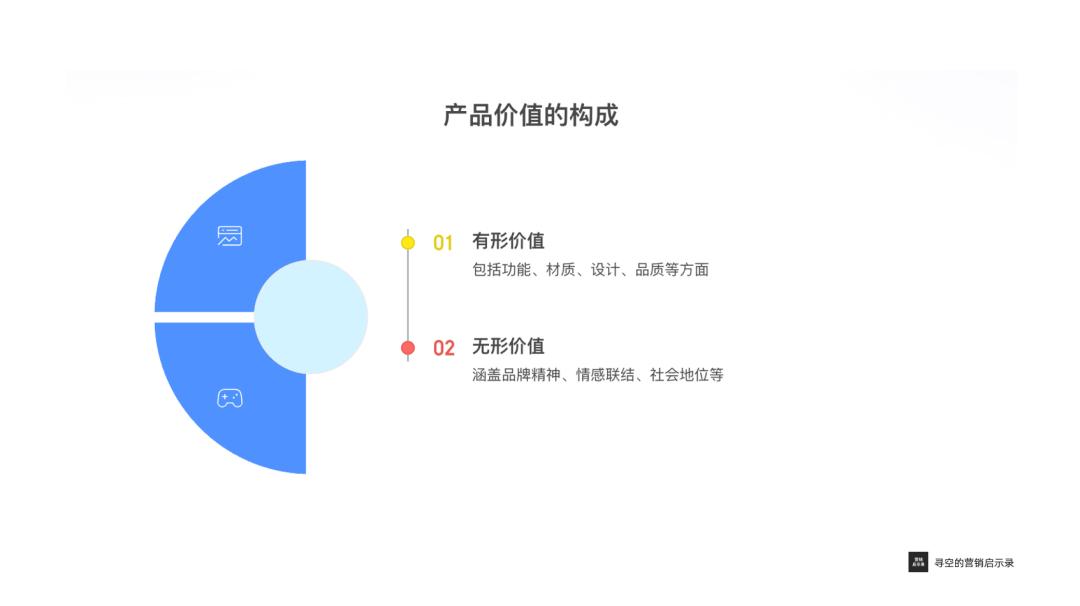
Group 1 - The core viewpoint of the article is the emergence of a new trend called "brand value separation," where consumers are increasingly distinguishing between the tangible and intangible values of products, leading to a shift in purchasing behavior [1][3] - The article discusses how traditional brand value, which combines both tangible (functionality, material, design) and intangible (brand spirit, emotional connection, social status) aspects, is being challenged by the rise of "value-for-money" alternatives [3][4] - The phenomenon of "Dupe culture" is highlighted, where consumers are opting for cheaper alternatives that replicate the tangible aspects of high-end brands while disregarding the associated emotional and social values [3][4][10] Group 2 - Three driving factors behind brand value separation are identified: the demystification and openness of supply chains, the breakdown of information barriers through social media, and the maturation of consumer mindsets [4][7][10] - The article notes that the global supply chain has become more accessible, allowing new brands to offer similar quality products at lower prices by eliminating brand premiums [4][5] - Social media platforms like TikTok have played a significant role in revealing the actual costs of luxury items, leading consumers to question the value of high-priced products and seek out more affordable alternatives [7][8] Group 3 - The changing economic environment and the evolving identity of younger consumers are contributing to a more pragmatic approach to spending, with a focus on value rather than brand prestige [10][12] - The article emphasizes that consumers are increasingly aware of the hidden costs associated with brand premiums, leading to a decline in the willingness to pay for brand identity [12][13] - The article suggests that brands must adapt to this new landscape by creating deeper value propositions that cannot be easily replicated by cheaper alternatives [14][24] Group 4 - Brands are encouraged to rebuild their value barriers by focusing on extreme product quality, technological advantages, and creating ecosystems that enhance user engagement [15][21] - The article highlights that successful brands will need to offer unique experiences and emotional connections that go beyond mere product functionality [24][27] - The future of branding is framed as a shift from defining consumer identity to providing tailored services that meet specific consumer needs, emphasizing the importance of understanding human desires [27][28]

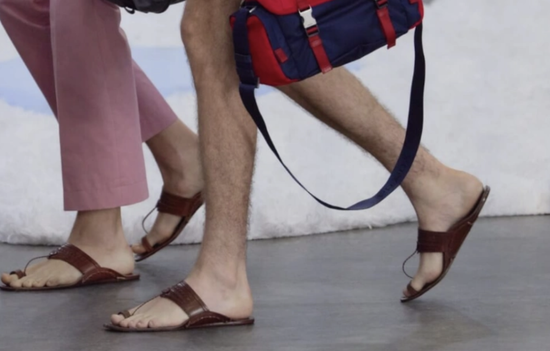
844美元的凉鞋,让Prada低头道歉 | 贵圈
Xin Lang Ke Ji· 2025-07-14 00:05
Core Viewpoint - Prada faces cultural appropriation controversy over its new sandal design inspired by traditional Indian footwear, leading to public backlash and a subsequent apology from the brand [2][6] Group 1: Cultural Appropriation Controversy - The Kolhapuri sandals, which Prada showcased, are traditional Indian footwear with a history dating back to the 12th century, often used in weddings and special occasions [3] - Indian artisans and media criticized Prada for "stealing traditional craftsmanship," prompting a significant public outcry [2][3] - Prada's heir, Lorenzo Bertelli, acknowledged the design's inspiration from Indian traditional shoes and expressed a willingness to engage in dialogue with local artisans [6] Group 2: Financial Performance - Prada's revenue growth for the full year 2024 was only 4%, with the first quarter of 2025 showing zero growth, which was below market expectations and significantly lower than the growth of its subsidiary Miu Miu [2][8] - Miu Miu achieved a remarkable 93.2% growth in 2024 and continued with a 60% year-over-year sales increase in the first quarter of 2025, contrasting sharply with Prada's stagnation [8] Group 3: Management Changes - Prada announced that CEO Gianfranco D'Attis will leave the company on June 30, 2025, with Andrea Guerra temporarily taking over management of the Prada brand until a new CEO is appointed [9] - The departure of D'Attis is speculated to be linked to the slowdown in Prada's performance, highlighting the need for new leadership to revitalize the brand [9]
“大船”开进南京西路!“首发经济”带热商圈
Guo Ji Jin Rong Bao· 2025-06-30 13:01
Group 1 - The core concept of the article revolves around the launch of Louis Vuitton's (LV) unique concept space "Louis Ship" in Shanghai, which has become a popular new landmark attracting large crowds [1][3] - "Louis Ship" is designed as a metal cruise ship, measuring 114.5 meters in length and 30 meters in height, with a total area of 1,600 square meters, showcasing LV's brand heritage and Shanghai's port culture [3][8] - The space features a three-level experience area, including an exhibition titled "Extraordinary Journey," a boutique selling LV products, and a café, creating a blend of exhibition, retail, and dining experiences [8][9] Group 2 - The "Louis Ship" project reflects the rapid development capabilities of Shanghai's Jing'an District, with the entire process from concept to completion taking only three months, highlighting the district's efficient business environment [9][10] - The project is part of a broader trend in Shanghai's "first launch economy," which emphasizes the importance of premier brand experiences and has seen significant growth in new store openings, with 364 new stores established in the first five months of the year [10][14] - LV's investment in this unique space indicates the brand's confidence in the Chinese market's potential, particularly in the context of evolving consumer preferences among younger generations [14][18] Group 3 - The article highlights the competitive advantage of Shanghai as a retail hub, with a projected retail sales total of 1.79 trillion yuan in 2024, supported by a high concentration of international brands in the Jing'an District [15][18] - Shanghai's "first launch economy" strategy includes innovative customs policies and financial incentives for new store openings, further enhancing the city's attractiveness to global brands [15][18] - The establishment of "Louis Ship" is seen as a significant step in reinforcing Shanghai's position as a global trendsetter in fashion and luxury retail, contributing to the city's international influence [18]
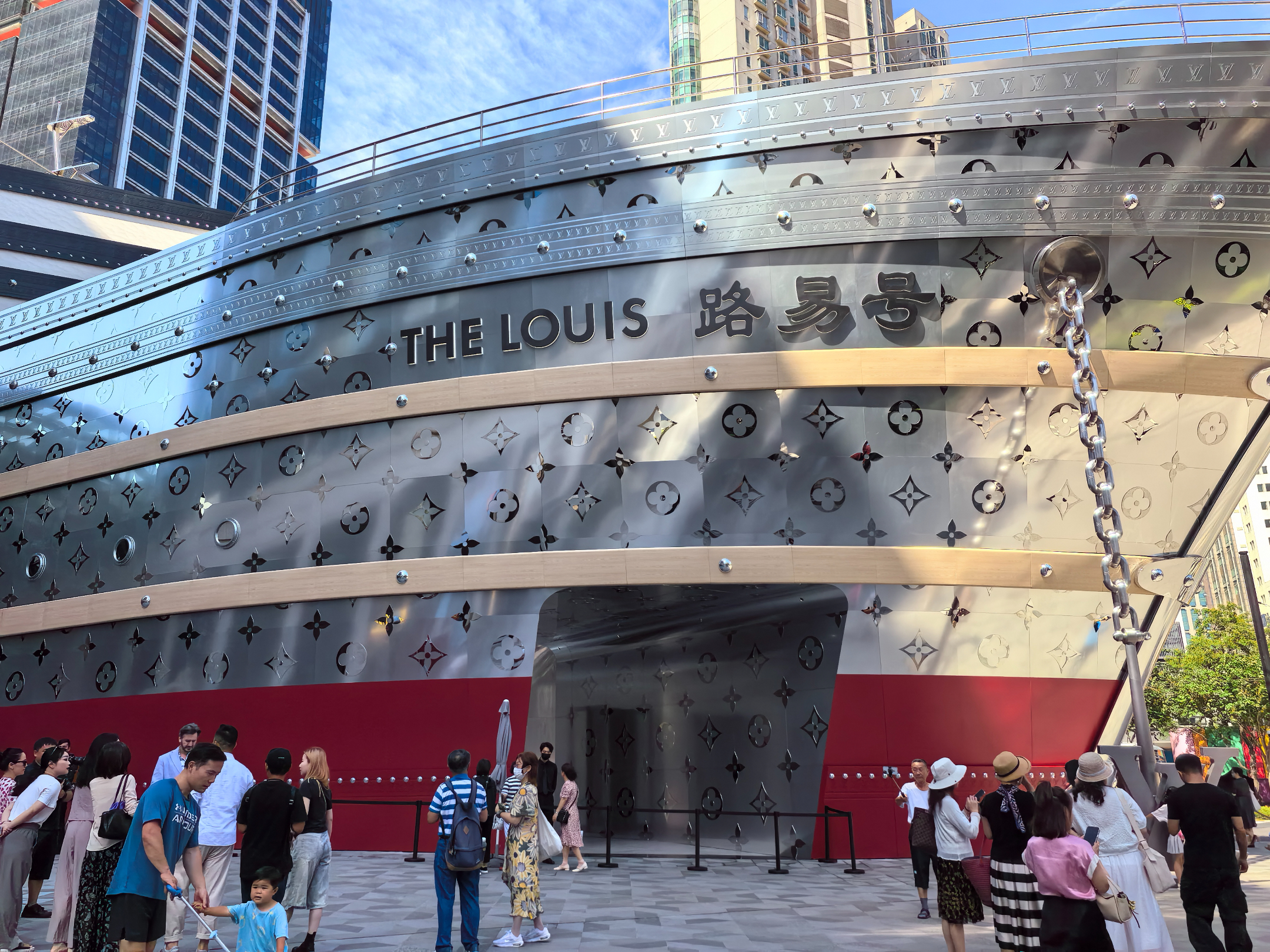
内部空间曝光!LV巨轮今日开幕,从项目接触到建成仅3个月
第一财经· 2025-06-26 09:32
Group 1 - The core concept of the article is the launch of Louis Vuitton's new landmark project "Louis Ship" in Shanghai, which combines exhibition, coffee, and retail experiences [1][4] - The project has a significant investment scale, covering a total area of 1,600 square meters, with a length of 114.5 meters and a height of 30 meters [1] - The internal structure consists of three levels, with the first and second floors hosting a new exhibition titled "Extraordinary Journey," while the third floor features a Louis Vuitton café [1] Group 2 - The "Louis Ship" project officially opened on June 26 and began public access on June 28 [4] - The entire process from project initiation to construction completion took only three months [4]

上海便利通关政策落地,全场景服务助力首发经济“加速跑”
Guo Ji Jin Rong Bao· 2025-06-04 12:01
Core Viewpoint - Shanghai is enhancing its "first release economy" by implementing a series of new customs facilitation policies, establishing itself as a popular choice for global product launches [1][3]. Customs Facilitation Measures - The Shanghai Customs has introduced a pioneering "white list + differentiated qualification assessment" inspection model to expedite the customs process for first-release imported consumer goods, aiming for an 80% improvement in average customs clearance time [3][6]. - The "First Release Shanghai 3.0" support policy emphasizes the facilitation of customs for new imported products as a key initiative [3][6]. Market Response and Brand Engagement - The new facilitation measures have received a positive market response, with 14 multinational brands applying for inclusion in the "white list," bringing over 20,000 global or regional first-release products to Shanghai [3][4]. - Adidas has opened its first global flagship store in Shanghai, attributing its decision to the city's convenient customs policies, which allow for weekly new product launches and exclusive regional offerings [4][5]. Economic Impact and Growth - From January to April this year, Shanghai added 301 new stores, including 7 global and Asian first stores, indicating a strong influx of brands and significant consumer engagement [7]. - The city is hosting various high-profile first-release events, further solidifying its status as a hub for international brands [7][8]. Future Prospects - Industry experts believe that the ongoing facilitation policies will lead to broader development prospects for the first-release economy, positioning Shanghai as the preferred location for global product launches [8].

6月全球十大富豪:扎克伯格超越贝索斯
Sou Hu Cai Jing· 2025-06-04 09:41
Group 1 - Elon Musk's net worth increased by $36 billion after stepping down as head of the Department of Government Efficiency (DOGE) and Tesla's stock price surged by 23% in the past month [2] - Mark Zuckerberg's wealth rose by $34 billion, surpassing Jeff Bezos to become the second richest person globally, aided by an 18% increase in Meta's stock price [2] - The Nasdaq and S&P 500 indices rebounded strongly in May, rising by 10% and 6% respectively, driven by better-than-expected corporate earnings and improved consumer confidence [3] Group 2 - Steve Ballmer's wealth increased by $15 billion due to a 16% rise in Microsoft's stock, moving him from tenth to ninth place among the world's richest [3] - Warren Buffett's net worth decreased by $9 billion following a 5% drop in Berkshire Hathaway's stock after he announced plans to step down as CEO [4] - The total wealth of the top ten billionaires increased by $140 billion, reaching $1.9 trillion at the beginning of the month [5] Group 3 - As of June 1, 2025, the world's richest man is Elon Musk with a net worth of $423 billion, while the richest woman is Alice Walton with an estimated wealth of $108 billion [30]