
机器人出租车

Search documents
Uber主导自动驾驶投资布局,Waabi获7.5亿美元融资扩张出租车业务
Sou Hu Cai Jing· 2026-02-02 15:19
Group 1 - Waabi has secured a $1 billion funding round, which includes $750 million in upfront capital and an additional $250 million from Uber tied to deployment milestones. This funding will be used to expand its robotaxi business, with plans to deploy over 25,000 robotaxis [2][3] - Uber currently has over 20 autonomous driving partners globally, employing a comprehensive betting strategy in the autonomous driving sector [3] - Waabi utilizes a "simulation-first" approach in developing its autonomous driving technology, which may differ from the technical routes of other autonomous driving companies, although specific technical details are not provided [3] Group 2 - The funding round signifies Waabi's significant move into the robotaxi space, indicating that Uber is placing another bet on autonomous vehicles [2] - The success of Waabi's deployment plan and Uber's overall betting strategy in the autonomous driving market remains to be seen [2]


科技巨头集体发榜
Di Yi Cai Jing Zi Xun· 2026-01-29 01:20
Group 1: Meta - Meta's Q4 revenue reached $59.89 billion, a 24% year-over-year increase, surpassing market expectations of $58.59 billion [3] - Adjusted EPS for Meta was $8.88, exceeding the forecast of $8.23 [3] - Meta projects Q1 revenue between $53.5 billion and $56.5 billion, higher than the analyst expectation of $51.41 billion [3] - The company plans to increase total expenditures for 2026 to between $162 billion and $169 billion, with capital expenditures for AI expected to be between $115 billion and $135 billion, nearly double the previous year's spending [3] Group 2: Microsoft - Microsoft's Q2 revenue was $81.27 billion, a 17% year-over-year increase, exceeding market expectations of $80.27 billion [4] - Net profit for Microsoft was $38.46 billion, with an EPS of $5.16, significantly up from $24.11 billion (EPS of $3.23) in the same quarter last year [4] - The Intelligent Cloud segment, including Azure, generated $32.91 billion, a nearly 29% year-over-year increase, but Azure's growth rate slowed to 39% from 40% in the previous quarter [5] - Microsoft's commercial remaining performance obligations reached $625 billion, a year-over-year increase of approximately 110% [5] Group 3: Tesla - Tesla's Q4 revenue was $24.9 billion, down 3% from $25.7 billion in the same quarter last year, marking the first annual revenue decline in the company's history [6] - The automotive segment revenue fell 11% year-over-year, while energy generation and storage revenue grew 25% to $3.84 billion [6][7] - Tesla's Q4 net profit dropped 61% to $840 million (EPS of $0.24) from $2.1 billion (EPS of $0.60) in the same quarter last year, primarily due to a 39% increase in operating expenses [6] - The company plans to invest in a new robotaxi service and has begun pilot operations in Austin, Texas, with plans to expand to seven additional cities [7] - Tesla signed an agreement to invest approximately $2 billion in AI startup xAI, aiming to enhance its capabilities in AI product development and deployment [8]



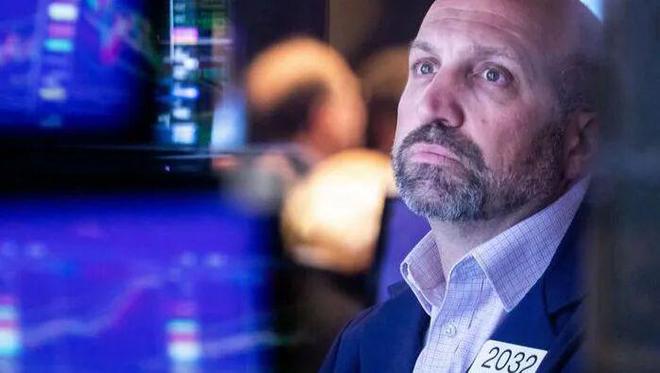
科技巨头集体发榜
第一财经· 2026-01-29 01:14
Core Viewpoint - The article discusses the recent earnings reports from major tech companies Meta, Microsoft, and Tesla, highlighting the impact of artificial intelligence on their business models and the ongoing divergence within the tech sector as investors assess capital expenditure trends and performance metrics [3]. Group 1: Meta - Meta's fourth-quarter revenue reached $59.89 billion, a 24% year-over-year increase, surpassing market expectations of $58.59 billion [6]. - The adjusted earnings per share (EPS) for Meta was $8.88, exceeding the anticipated $8.23 [6]. - For the first quarter, Meta forecasts revenue between $53.5 billion and $56.5 billion, above the analyst expectation of $51.41 billion [7]. - The company plans total expenditures for 2026 to be between $162 billion and $169 billion, with capital expenditures for AI initiatives projected between $115 billion and $135 billion, nearly double the previous year's spending [7][8]. Group 2: Microsoft - Microsoft's second-quarter revenue was $81.27 billion, a 17% year-over-year increase, exceeding the market expectation of $80.27 billion [10]. - The net profit for Microsoft was $38.46 billion, with an EPS of $5.16, significantly up from $24.11 billion (EPS of $3.23) in the same quarter last year [10]. - The growth of Microsoft's cloud business, including Azure, was 29%, slightly above expectations, but the growth rate has slowed compared to the previous quarter [10]. - The company's remaining performance obligations reached $625 billion, a 110% year-over-year increase, largely due to a $250 billion cloud services agreement with OpenAI [10]. Group 3: Tesla - Tesla's fourth-quarter revenue was $24.9 billion, a 3% decline from $25.7 billion year-over-year, marking the first annual revenue drop in the company's history [12]. - The automotive segment revenue fell 11%, contributing to a total annual revenue drop to $94.8 billion from $97.7 billion in 2024 [12]. - Tesla's net profit for the fourth quarter dropped 61% to $840 million (EPS of $0.24) from $2.1 billion (EPS of $0.60) the previous year, primarily due to a 39% increase in operating expenses [12]. - The company plans to invest in new business areas, including a robotaxi service and humanoid robot projects, with a capital expenditure of $2.39 billion in the fourth quarter, down 14% from the previous year [13][14].
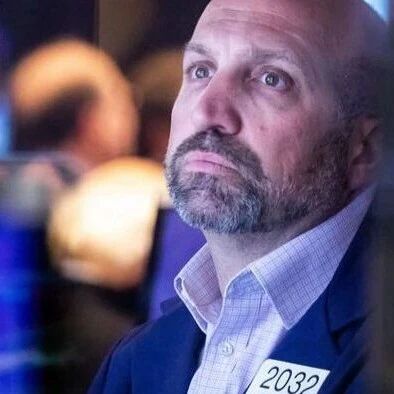
科技巨头集体发榜:特斯拉Meta盘后跳涨 微软跳水
Di Yi Cai Jing· 2026-01-29 00:24
Core Insights - Major tech companies Meta, Microsoft, and Tesla released their latest earnings reports, highlighting the ongoing divergence within the tech sector as investors assess the impact of artificial intelligence on traditional business models [1] Meta - Meta's stock rose over 7% after exceeding market expectations with a revenue forecast. Q4 revenue reached $59.89 billion, a 24% year-over-year increase, surpassing the expected $58.59 billion. Adjusted EPS was $8.88, above the anticipated $8.23 [2] - For Q1, Meta expects revenue between $53.5 billion and $56.5 billion, exceeding analyst expectations of $51.41 billion. Total expenditures for 2026 are projected between $162 billion and $169 billion, with capital expenditures for AI estimated at $115 billion to $135 billion, nearly double the previous year's spending [2] Microsoft - Microsoft's stock fell nearly 3% after reporting slower-than-expected growth in its cloud business. Q2 revenue was $81.27 billion, a 17% year-over-year increase, exceeding the forecast of $80.27 billion. Net income was $38.46 billion, with an EPS of $5.16, significantly up from $24.11 billion (EPS of $3.23) a year earlier [3] - The Intelligent Cloud segment, including Azure, generated $32.91 billion, a nearly 29% increase, slightly above expectations. However, Azure's growth rate slowed to 39% from 40% in the previous quarter. The Productivity and Business Processes segment grew by approximately 16%, while the Personal Computing segment saw a 3% decline [3] - Microsoft's remaining performance obligations reached $625 billion, a significant 110% year-over-year increase, driven by a $250 billion cloud services agreement with OpenAI [3] Tesla - Tesla's earnings exceeded market expectations, but the company reported a 3% decline in annual revenue, marking its first annual revenue drop. Q4 revenue was $24.9 billion, down from $25.7 billion a year earlier, with automotive revenue falling 11% [4] - The decline in revenue was attributed to reduced vehicle deliveries and lower regulatory credit income. Q4 vehicle deliveries dropped 16% year-over-year, with annual deliveries down 8.6% [4] - Tesla's operating expenses surged by 39%, leading to a 61% drop in Q4 net income to $840 million (EPS of $0.24), down from $2.1 billion (EPS of $0.60) a year earlier. Capital expenditures for Q4 were $2.39 billion, a 14% decrease from $2.78 billion in the previous year [4] - Tesla is focusing on new business areas, including a robotaxi service and humanoid robot projects, with plans to expand robotaxi pilot operations to seven additional U.S. cities [5] - The company invested approximately $2 billion in xAI, an AI startup, to enhance its capabilities in developing and deploying AI products and services [5]
科技巨头集体发榜:特斯拉Meta盘后跳涨,微软跳水
Di Yi Cai Jing· 2026-01-29 00:15
Core Insights - Major tech companies including Meta, Microsoft, and Tesla have recently reported their earnings, highlighting a divergence in performance amid investor focus on the impact of artificial intelligence on traditional business models [2] Group 1: Meta - Meta's fourth-quarter revenue reached $59.89 billion, a 24% year-over-year increase, surpassing market expectations of $58.59 billion [3] - Adjusted EPS was $8.88, exceeding the forecast of $8.23 [3] - For Q1, Meta expects revenue between $53.5 billion and $56.5 billion, above analyst expectations of $51.41 billion [3] - Total expenditures for 2026 are projected to be between $162 billion and $169 billion, with capital expenditures for AI initiatives expected to be between $115 billion and $135 billion, nearly double the previous year's spending [3] Group 2: Microsoft - Microsoft's Q2 revenue was $81.27 billion, a 17% year-over-year increase, exceeding market expectations of $80.27 billion [4] - Net profit was $38.46 billion, with an EPS of $5.16, significantly up from $24.11 billion (EPS of $3.23) in the same quarter last year [4] - The Intelligent Cloud segment generated $32.91 billion, a nearly 29% year-over-year increase, but the growth rate has slowed compared to previous quarters [4] - The company's remaining performance obligations reached $625 billion, a 110% year-over-year increase, driven by a $250 billion cloud services agreement with OpenAI [4] Group 3: Tesla - Tesla's Q4 revenue was $24.9 billion, down 3% from $25.7 billion year-over-year, marking the first annual revenue decline in the company's history [5] - The automotive segment revenue fell 11%, while energy generation and storage revenue grew 25% to $3.84 billion [5] - Q4 net profit dropped 61% to $840 million (EPS of $0.24) from $2.1 billion (EPS of $0.60) a year earlier, impacted by a 39% increase in operating expenses [5] - Capital expenditures for Q4 were $2.39 billion, a 14% decrease from $2.78 billion in the same quarter last year [6] - Tesla is focusing on new business areas, including a robotaxi service and humanoid robot projects, with plans to expand robotaxi pilot operations to seven additional U.S. cities [6] - The company has invested approximately $2 billion in AI startup xAI to enhance its capabilities in developing and deploying AI products and services [7]
SpaceX IPO悬念压过特斯拉业绩,财报电话会成“多线叙事”?
Jin Shi Shu Ju· 2026-01-27 05:23
Group 1 - Tesla's upcoming earnings call may be overshadowed by questions regarding SpaceX, particularly about potential IPO considerations for long-term Tesla shareholders [1] - Approximately 1.4 million shares of Tesla are held by investors curious about their position if SpaceX goes public, with SpaceX's valuation potentially reaching $1.5 trillion [1] - Experts suggest that a targeted allocation plan could be a way for SpaceX to prioritize Tesla shareholders, although details remain unclear [1] Group 2 - Investors are keen on Tesla's plans in artificial intelligence and robotics, with the company recently starting to deploy driverless vehicles in Austin, marking a significant milestone [2] - Tesla's vast data resources are seen as a competitive advantage in the robotaxi market, and there is optimism about the company's ability to scale operations [2] - The company plans to begin production of the Cybercab, a vehicle without pedals or a steering wheel, in April [2] Group 3 - Tesla will discontinue the one-time purchase option for its Full Self-Driving (FSD) feature, shifting to a subscription model priced at $99 per month, with future price increases expected [3] - Investors are also interested in the humanoid robot Optimus, which is expected to start external sales by the end of 2027, currently being used for simple tasks in Tesla's factories [3] - The company plans to showcase the next generation of Optimus this quarter and aims to start mass production by the end of the year, though challenges in design and scaling remain [3] Group 4 - Tesla aims to introduce more affordable models, with plans for the Cybercab priced around $25,000, making it one of the few electric vehicles under $35,000 in the U.S. market [4] - Regulatory challenges may arise due to the design of the Cybercab, which is envisioned without a steering wheel or pedals [4] - The last new model launched was the Cybertruck in 2023, which has not met previous sales expectations, with projected sales for 2025 down 48% from the previous year [4]
别管Q4业绩了,特斯拉下周财报的最大看点是机器人和自动驾驶
Hua Er Jie Jian Wen· 2026-01-22 07:41
Core Insights - The focus of investors is shifting from traditional financial metrics to advancements in Tesla's cutting-edge technologies such as robotaxi, unsupervised autonomous driving, the Optimus humanoid robot, and AI5 chips ahead of the upcoming Q4 earnings report on the 29th [1][2] Financial Projections - Morgan Stanley's report indicates a significant divergence in market expectations for Tesla's key financial metrics in 2026, forecasting deliveries of 1.6 million vehicles, which is 9% lower than market consensus and a 2.5% year-over-year decline [1] - The firm predicts a cash flow consumption of $1.5 billion for Tesla in 2026, contrasting sharply with the market consensus of a positive $3.1 billion [1] - The anticipated increase in capital expenditures for 2026 is not fully reflected in market expectations, leading to a forecasted automotive gross margin (excluding carbon credits) of 14.2%, below the market's 15.0% expectation [1] Technological Developments - Tesla's launch of an unsupervised robotaxi service in Austin, Texas, is seen as a critical catalyst for validating its autonomous driving technology and safety [2][3] - The Cybercab production is set to begin in April 2026, with updates on its production timeline being closely monitored as it represents a key product in Tesla's transition from traditional automotive manufacturing to mobility services [3] Autonomous Driving Progress - The cumulative mileage of Tesla's Full Self-Driving (FSD) system has surged from approximately 90 million miles in 2022 to around 7.4 billion miles currently, indicating significant improvements in product quality [4] - The next major breakthrough is expected with the rollout of a more robust "eyes-off" experience (unsupervised FSD), anticipated to be phased in throughout 2026 [4] - The decision to convert FSD to a subscription service may signal the introduction of tiered FSD products and pricing strategies, with global subscription rates projected to rise from 12% to 17.5% by year-end [4] AI and Robotics Updates - Anticipation surrounds updates on Tesla's AI5 chip design and its projects like AI6+ and Dojo during the earnings call [5] - The third-generation Optimus humanoid robot is expected to debut in February or March 2026, becoming an increasingly important aspect of Tesla's narrative and valuation [5] - Morgan Stanley assigns a valuation of $60 per share for the Optimus business under a baseline scenario, with a potential bull case valuation of $225 per share [5] Synergies within Musk's Empire - The report highlights the clearer integration of Elon Musk's other ventures with Tesla, with market expectations for updates on how these businesses will achieve synergies in the future [6] - Morgan Stanley maintains a "hold" rating on Tesla with a target price of $425, based on various components including core automotive business, network services, mobility services, energy business, and humanoid robots [6] Valuation Scenarios - In a bear market scenario, Morgan Stanley sets a target price of $145, while in a bull market scenario, the target could reach $860, reflecting the uncertainties Tesla faces in its transition from a traditional automaker to an AI and robotics company [9]

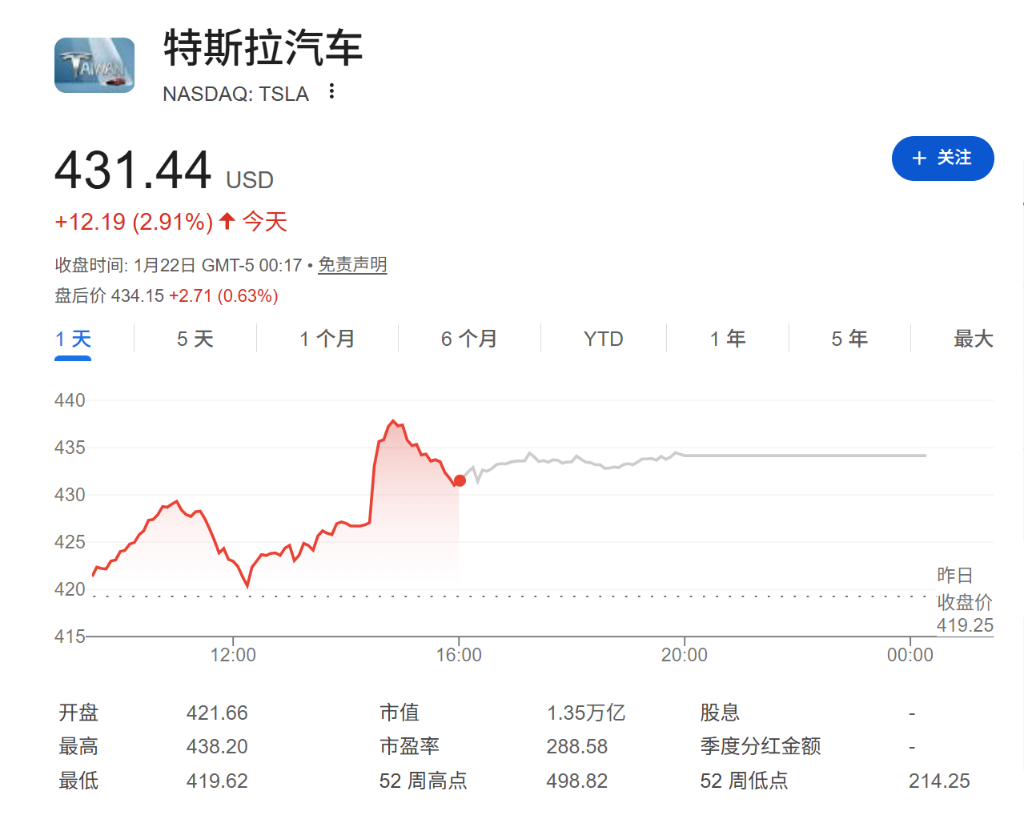
未知机构:①近1个月来化工行业迎来一场全球性涨价潮巴斯夫陶氏亨斯迈等-20260121
未知机构· 2026-01-21 02:00
Summary of Key Points from Conference Call Records Industry Overview - The chemical industry has experienced a "global price surge" in the past month, with major companies like BASF, Dow, and Huntsman implementing price increases across Europe, Asia, and the Middle East [1][1][1] - Significant price increases have been noted for certain chemical products, with propylene oxide prices rising by 7.9% week-over-week [2][2][2] Companies Mentioned - Companies involved in the chemical sector include: - Xinxiang Chemical Fiber - Cangzhou Dahua - Weiyuan Co. - Shandong Heda - Hongbaoli - Hongbai New Materials - Red Wall Co. - Zhongyida - Zanyu Technology - China National Chemical - Jiangtian Chemical - Meibang Technology [2][2][2] Core Insights and Arguments - The recent price increases in the chemical market are attributed to a combination of supply chain pressures and increased demand for chemical products globally [1][1][1] - The government has introduced new policies to support urban renewal and stimulate the economy, which may further impact the demand for chemical products [2][2][2] Additional Important Information - The National Energy Administration reported that national electricity load has reached a historical winter high, exceeding 1.4 billion kilowatts for the first time, indicating strong energy demand [2][2][2] - The investment in new power systems is expected to grow significantly, with a projected 40% increase in investment during the 14th Five-Year Plan period [2][2][2] - The chemical industry is likely to benefit from these macroeconomic trends, as increased urban development and energy demands will drive further consumption of chemical products [1][1][1]



当AI走出屏幕:CES 2026与物理智能时代的来临
Jing Ji Guan Cha Wang· 2026-01-15 11:22
Core Insights - CES 2026 highlights the intersection of technology, geopolitics, and business strategy, showcasing emerging trends that shape the future of consumer technology and economic competition [1][2] Group 1: Artificial Intelligence as a Foundation - Artificial intelligence (AI) has become the cornerstone of innovations at CES 2026, driving advancements in various technologies and products [3] - New devices like laptops, smartphones, and wearables are increasingly integrating AI capabilities, enabling them to perform tasks independently without relying on cloud services [3] - Edge AI is emphasized, allowing AI algorithms to process data locally on devices, enhancing efficiency and privacy [4] - AI is evolving into a "digital agent" role, coordinating tasks across multiple devices and applications, with a focus on continuous, context-aware workflows [4] Group 2: Physical Artificial Intelligence Takes Center Stage - The concept of "physical AI" is introduced, referring to intelligent systems that perceive, decide, and execute actions in real environments [6] - Robotics is a key pillar of physical AI, with robots transitioning from conceptual designs to practical tools for collaboration in various sectors [7] - The integration of AI and robotics is evident in products like Boston Dynamics' Atlas, which showcases advanced capabilities for industrial applications [7][8] Group 3: Automotive Industry as AI Technology Pioneer - The automotive sector is increasingly merging with AI, with companies positioning themselves as technology leaders in the field [12] - Significant market opportunities are projected in the automotive industry, with a potential market value of $123 billion by 2032, reflecting an 85% growth from 2023 [12] - Companies like Ford and Nvidia are unveiling advanced autonomous driving systems, emphasizing the need for robust onboard computing resources [13][14] Group 4: Transition from Consumer Electronics to Social Infrastructure - AI is moving beyond traditional consumer electronics boundaries, becoming integral to social infrastructure, including transportation, energy systems, and smart homes [17] - The narrative at CES 2026 indicates a shift from novelty consumer products to large-scale industrial deployments of AI [17] - Collaboration among various systems and platforms is essential for effective AI implementation in real-world environments [18]
韩股今年强势开局之际 韩国交易所计划延长交易时间
Xin Lang Cai Jing· 2026-01-13 03:43
Core Viewpoint - The South Korean stock index is approaching the 5000-point target set by President Lee Jae-myung, prompting the main securities exchange to extend trading hours [1][2]. Group 1: Trading Hours Extension - The Korea Exchange plans to increase pre-market and after-hours trading starting in June, extending daily trading time from 6.5 hours to 12 hours [1][2]. - This proposal aligns with global trends and follows the introduction of pre-market and after-hours trading on the smaller platform Nextrade in March [1][2]. Group 2: Market Performance - The Kospi index has risen approximately 11% year-to-date, with daily increases observed, potentially marking the best New Year start since 2001 if the trend continues [1][2]. - As of Tuesday noon, the index rose by 0.8%, now just about 7% away from the 5000-point milestone [1][2]. Group 3: Key Drivers of Market Rally - The current market rally is primarily driven by demand related to artificial intelligence, leading to a shortage of memory chips [1][2]. - Rising chip prices have significantly boosted the stock prices of major memory producers, Samsung Electronics and SK Hynix, which are key components of the Kospi index [1][2]. - Optimism surrounding Hyundai Motor Group's humanoid robots and robot taxi business has also contributed to the surge in stock prices [1][2].