稀土行业

Search documents
稀土领域 “南北双雄”相继披露三季报,央企现代能源ETF(561790)小幅上涨
Sou Hu Cai Jing· 2025-10-30 05:41
Core Insights - The China Rare Earth sector is experiencing significant growth, with both China Rare Earth and Northern Rare Earth reporting substantial increases in revenue and net profit for the first three quarters of 2025, indicating a strong industry recovery [3][4]. Group 1: Market Performance - The China National New State-Owned Enterprises Modern Energy Index decreased by 0.08% as of October 30, 2025, with mixed performance among constituent stocks [3]. - China Rare Earth led the gains with a rise of 5.35%, while Tian Di Technology saw the largest decline at 4.21% [3]. - The China National New State-Owned Enterprises Modern Energy ETF (561790) increased by 0.08%, with a recent price of 1.27 yuan, and has seen a cumulative increase of 4.87% over the past week [3]. Group 2: Financial Performance - China Rare Earth reported a revenue of 2.494 billion yuan for the first three quarters of 2025, a year-on-year increase of 27.73%, and a net profit of 192 million yuan, up 194.67% [3][4]. - Northern Rare Earth achieved a revenue of 30.292 billion yuan, reflecting a year-on-year growth of 40.50%, and a net profit of 1.541 billion yuan, which is an increase of 280.27% [4]. Group 3: Industry Dynamics - The rare earth sector is positioned as a core resource for high-end manufacturing and strategic emerging industries, with supply and demand dynamics showing a resonant pattern [4]. - China's quota management and export controls are enhancing strategic control over the industry, ensuring resources are directed towards high-end applications [4]. - The global green transition and dual carbon goals are driving demand for key elements like praseodymium and neodymium, facilitating rapid expansion in new applications such as permanent magnetic materials [4]. Group 4: ETF Metrics - The latest scale of the China National New State-Owned Enterprises Modern Energy ETF reached 50.7361 million yuan, marking a three-month high [4]. - The ETF's latest share count is 39.934 million shares, achieving a one-month high [4]. - The ETF closely tracks the China National New State-Owned Enterprises Modern Energy Index, which includes 50 listed companies involved in modern energy industries [4][5].


中国稀土:10月29日召开董事会会议
Mei Ri Jing Ji Xin Wen· 2025-10-29 11:04
Core Viewpoint - China Rare Earth announced the convening of its 9th Board of Directors meeting on October 29, 2025, to review the Q3 2025 report and other documents [1] Company Summary - For the first half of 2025, China Rare Earth's revenue composition was entirely from the rare earth industry, accounting for 100% [1] - As of the report date, the market capitalization of China Rare Earth is 58.3 billion yuan [1] Industry Summary - The A-share market has surpassed 4000 points, marking a significant resurgence after a decade of stagnation, with technology leading the market's new "slow bull" pattern [1]
潘功胜、吴清等重磅发声;油价年内第九次下调|南财早新闻
2 1 Shi Ji Jing Ji Bao Dao· 2025-10-27 23:25
Macro Economy - In the first nine months of 2025, the total profit of large-scale industrial enterprises in China reached 53,732 billion yuan, a year-on-year increase of 3.2%. In September alone, profits grew by 21.6% year-on-year [4] - The People's Bank of China plans to introduce nine new policy measures to expand the high-level opening of cross-border trade and optimize foreign exchange fund settlement for new trade formats [4] - The Financial Regulatory Bureau emphasizes the need to strengthen funding supply for major projects to boost consumption and ensure the stability of the financial system [4] - As of October 27, domestic gasoline and diesel prices were reduced by 265 yuan and 255 yuan per ton, respectively [4] - The average interest rate for three-year fixed deposits in September 2025 was 1.688%, while the five-year average was 1.519%, indicating a continued inversion [4] Investment News - The China Securities Regulatory Commission (CSRC) issued new guidelines to enhance the protection of small investors, addressing concerns over high pricing in new stock issuances [6] - The CSRC officially released a plan to optimize the Qualified Foreign Institutional Investor (QFII) system, allowing foreign public funds to have the same short-term trading rules as domestic funds [6] - On October 27, the Shanghai Stock Exchange announced the appointment of new members to its third Technology Innovation Advisory Committee [6] - The A-share market experienced a significant rise, with the Shanghai Composite Index increasing by over 1%, reaching a ten-year high [6] Company Movements - Guizhou Moutai announced the resignation of its chairman Zhang Deqin due to work adjustments, with Chen Hua being recommended as the new chairman [7] - Tongfu Microelectronics reported third-quarter revenue of 7.078 billion yuan, a year-on-year increase of 17.94%, and a net profit of 448 million yuan, up 95.08% [7] - Northern Rare Earth's revenue for the first three quarters was 30.292 billion yuan, a 40.50% increase year-on-year, with net profit rising by 280.27% [7] - He Yuan Bio, Xi'an Yicai, and Bibete will be listed on the Sci-Tech Innovation Board on October 28, marking the first batch of new stocks in the Sci-Tech growth sector [8]


北方稀土(600111.SH)前三季度净利润15.41亿元,同比增长280.27%
Ge Long Hui A P P· 2025-10-27 13:58
Core Viewpoint - Northern Rare Earth (600111.SH) reported a significant increase in revenue and net profit for the first three quarters of 2025, indicating strong business performance and growth potential [1] Financial Performance - The company achieved total operating revenue of 30.292 billion yuan, representing a year-on-year growth of 40.5% [1] - The net profit attributable to shareholders reached 1.541 billion yuan, showing a remarkable year-on-year increase of 280.27% [1] - Basic earnings per share were reported at 0.4264 yuan [1]
北方稀土:10月27日召开董事会会议
Mei Ri Jing Ji Xin Wen· 2025-10-27 11:05
Group 1 - The core point of the article is that Northern Rare Earth (SH 600111) held its seventh meeting of the ninth board of directors on October 27, 2025, via telecommunication, where it reviewed the Q3 2025 report and other documents [1] - For the year 2024, the revenue composition of Northern Rare Earth is as follows: industrial sector accounts for 73.61%, commercial sector for 21.39%, environmental protection sector for 4.51%, and other businesses for 0.49% [1] - As of the report, the market capitalization of Northern Rare Earth is 192.7 billion yuan [2]
北方稀土:2025年前三季度净利润约15.41亿元
Mei Ri Jing Ji Xin Wen· 2025-10-27 10:57
Core Viewpoint - Northern Rare Earth (SH 600111) reported significant growth in its third-quarter performance, with substantial increases in revenue and net profit compared to the previous year [1]. Financial Performance - For the first three quarters of 2025, the company achieved a revenue of approximately 30.292 billion yuan, representing a year-on-year increase of 40.5% [1]. - The net profit attributable to shareholders was around 1.541 billion yuan, showing a remarkable year-on-year increase of 280.27% [1]. - The basic earnings per share reached 0.4264 yuan, also reflecting a year-on-year increase of 280.27% [1]. Market Capitalization - As of the report date, Northern Rare Earth's market capitalization stood at 192.7 billion yuan [2].
北方稀土:第三季度净利润为6.1亿元,同比增长69.48%
Xin Lang Cai Jing· 2025-10-27 10:34
Core Insights - The company reported a third-quarter revenue of 11.425 billion, representing a year-on-year increase of 33.32% [1] - The net profit for the third quarter was 610 million, showing a year-on-year growth of 69.48% [1] - For the first three quarters, the total revenue reached 30.292 billion, reflecting a year-on-year increase of 40.50% [1] - The net profit for the first three quarters was 1.541 billion, which is a significant year-on-year increase of 280.27% [1]
为获得稀土出口许可,德国企业已向中国提交供应链数据
Sou Hu Cai Jing· 2025-10-26 18:35
Core Insights - German companies are submitting sensitive supply chain data to the Chinese government to obtain rare earth export licenses due to China's expanded export controls [2] - The Chinese government requires detailed supply chain information, including production flow charts and customer details, for the approval of rare earth export licenses [2] - 95% of Germany's rare earth demand is sourced from China, leading companies to comply with stringent requirements to expedite the approval process [2] Group 1 - German companies are applying for six-month rare earth mineral export licenses by providing supply chain data to the Chinese government [2] - The submission of supply chain data may allow China to gain insights into which companies rely solely on Chinese suppliers and their rare earth inventory levels [2] - The German Embassy in China is assisting companies by providing a priority list to facilitate the licensing process [2] Group 2 - All German companies, regardless of size, have abandoned emergency reserves of relevant raw materials to avoid suspicion of smuggling to the U.S. [2] - The German Ministry of Economy expressed concerns over China's ongoing expansion of rare earth controls and is utilizing all available channels to respond [2]
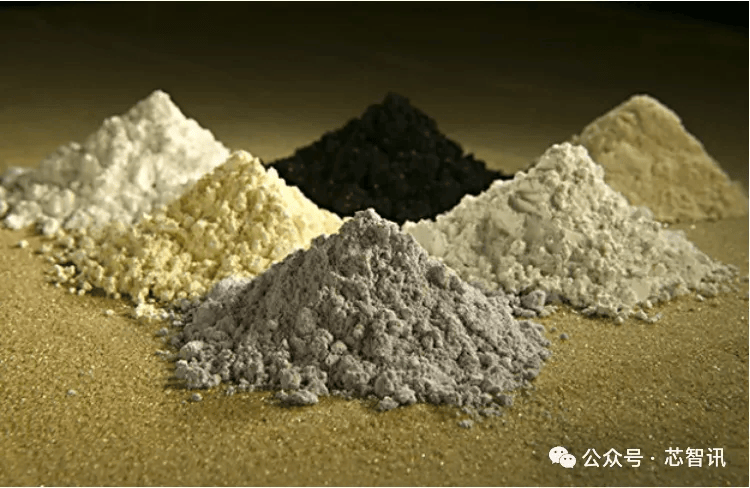
美澳达成30亿美元稀土协议,不建矿山只兜底,却还是怕拼不过中国
Sou Hu Cai Jing· 2025-10-25 19:01
Core Points - The U.S. and Australia announced a $3 billion agreement to invest in critical minerals, but experts view it as more of a political statement than a genuine industrial solution [1][3] - The funds are primarily allocated for price guarantees and government purchasing rights rather than direct investment in new mining projects [3][12] - The mining industry faces significant challenges, including reliance on Chinese supply chains and price competition, which complicates the viability of Western mining companies [6][7][14] Investment and Market Dynamics - The demand for critical minerals has surged, with electric vehicles requiring six times more minerals than traditional cars, and wind turbines needing nine times more than gas power plants [3] - The agreement's structure suggests that the U.S. government is stepping in to support mining companies against price pressures from China, which dominates the market [3][6] - Arafura's Nolans project exemplifies the difficulties faced by Western mining companies, requiring substantial financing and time to become operational [3][9] Competitive Landscape - China holds a dominant position in the critical minerals market, controlling 60% of global rare earth production and 90% of refining capacity, which poses a significant challenge for Western companies [6][11] - The technological gap between Chinese and Western companies in mineral processing and production is substantial, with Chinese firms achieving higher purity and lower costs [6][11][14] - The Western mining sector is hindered by strict environmental regulations and high labor costs, making it difficult to compete effectively [7][11] Long-term Outlook - The $3 billion investment is seen as insufficient to build a complete supply chain, with estimates suggesting that several billion more would be needed to establish a competitive position against China [12][14] - The political and geological timelines for mining projects are misaligned, with significant delays expected before any substantial production can occur [9][11] - The ongoing reliance on Chinese supply chains indicates that Western consumers may face higher prices for electric vehicles and renewable energy solutions due to the need for "supply chain security" premiums [14]

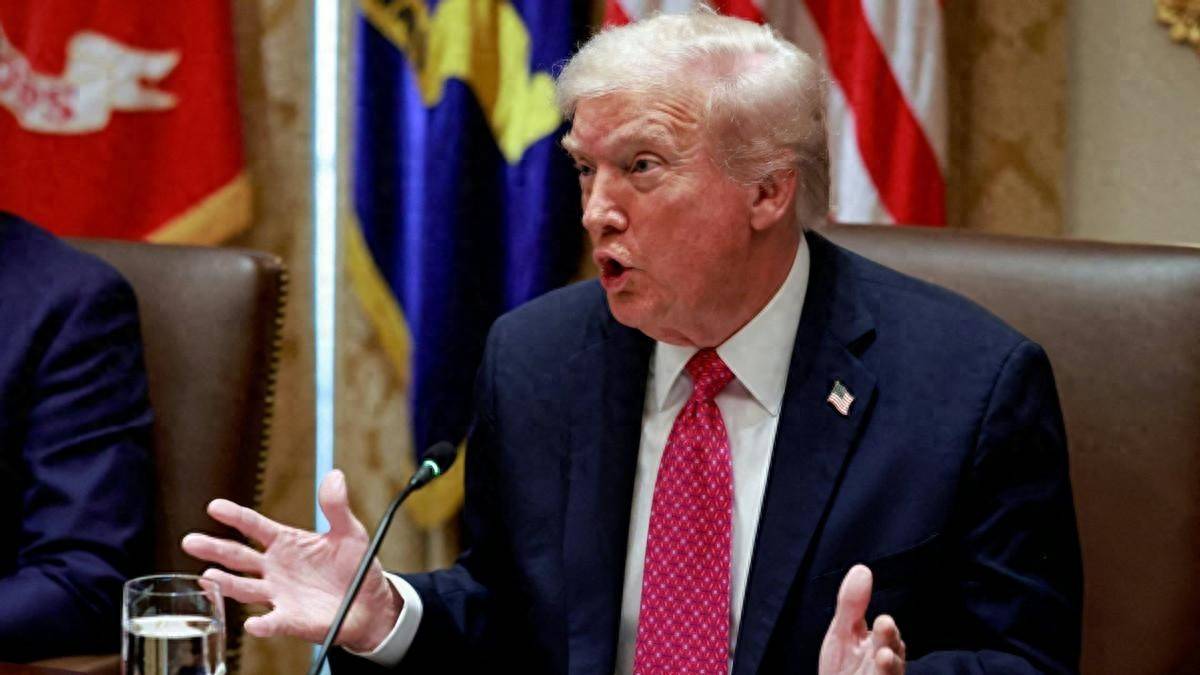
特朗普通告全球,不想摧毁中国,若中方作出让步,美或降低关税
Sou Hu Cai Jing· 2025-10-23 08:36
Group 1 - The core message of the article highlights the strategic maneuvering of the U.S. in its trade relations with China, particularly in the context of upcoming high-level talks and the pressures faced by American farmers due to declining soybean exports [2][4][5] - Trump's statement of not wanting to destroy China is seen as a tactical move to ease domestic pressures while simultaneously threatening to impose significant tariffs on Chinese goods, indicating a dual approach of soft and hard tactics [3][4] - The U.S. is facing challenges with its military supply chain due to China's export controls on rare earth elements, which are critical for advanced military technology, showcasing the strategic implications of trade relations [4][7] Group 2 - China is diversifying its soybean supply sources, with Brazil and Argentina becoming major suppliers, which undermines U.S. leverage in the agricultural sector [5][8] - The article discusses China's strategic responses, including legalizing export controls on rare earths and enhancing cooperation with ASEAN and African nations, indicating a shift from being a resource-dependent economy to a technology-exporting one [7][9] - The geopolitical landscape is evolving, with countries increasingly opting for multipolar cooperation rather than aligning solely with U.S. interests, reflecting a significant shift in global trade dynamics [8][9]