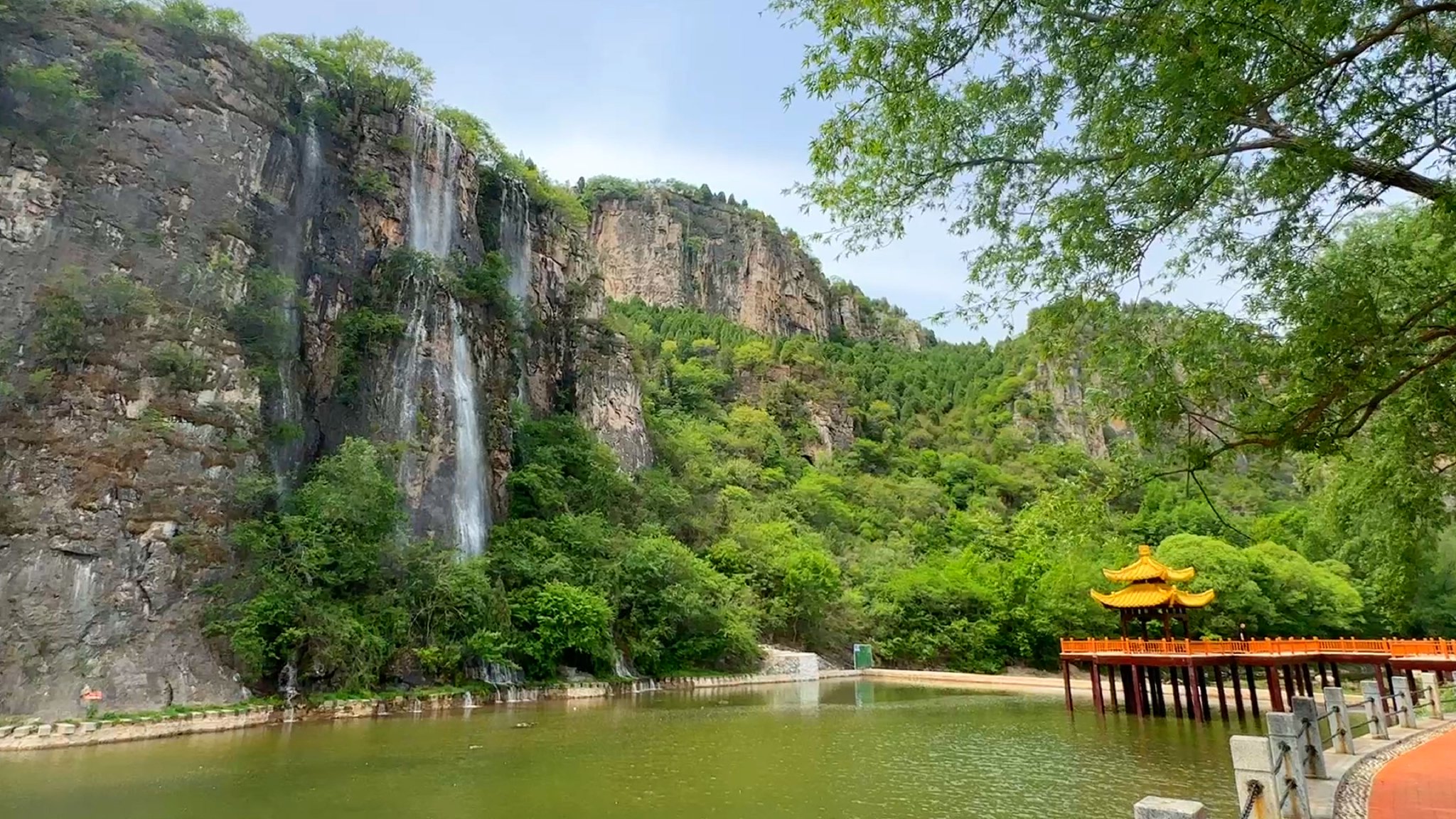
乡村旅游

Search documents
扎堆“有风的地方”,这八大田园经济崛起
3 6 Ke· 2025-10-28 05:14
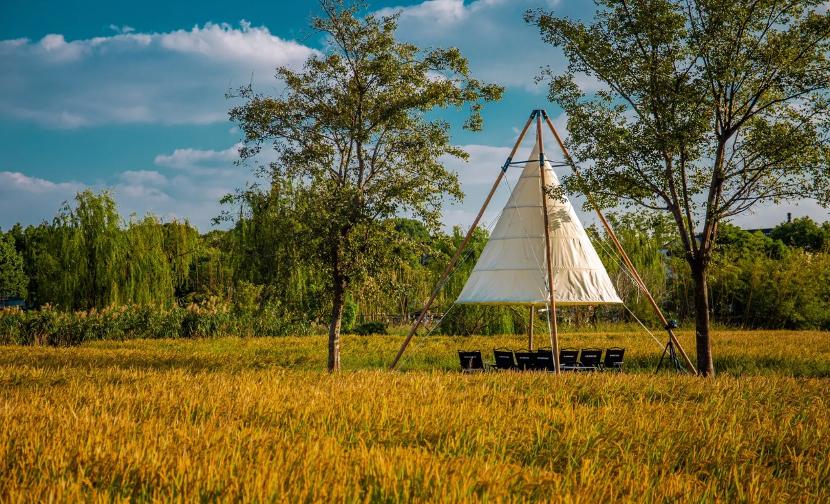
Group 1: Rural Economy Trends - The "rural economy" is emerging as a new consumption force driven by urban youth's desire for nature and freedom [1] - In the first three quarters of 2024, over 4.35 trillion yuan was spent on tourism, with rural tourism seeing significant growth, receiving nearly 800 million visitors in the first quarter alone [1] - The rise in rural tourism reflects a longing for rural experiences and provides new development ideas for rural areas [1] Group 2: Innovative Consumption Models - "Rice field coffee" has gained popularity in the Yangtze River Delta, with prices 30-40 yuan per cup, attracting urban consumers despite being more expensive than city chains [2][4] - The appeal of rice field coffee lies in its immersive consumption experience, merging urban coffee culture with rural landscapes [2] - This new model of rural economy is changing traditional perceptions of urban-rural relationships, moving beyond superficial interactions to deeper engagements [4] Group 3: Pet-Friendly Rural Spaces - The pet consumption market in China has surpassed 300 billion yuan in 2024, leading to the emergence of rural pet theme parks to address urban space constraints [6] - Rural pet parks utilize idle land to create "pet-friendly" environments, fulfilling urban pet owners' needs for open spaces [7] - The rise of pet parks is also driving upgrades in surrounding businesses, such as pet-friendly accommodations and local shops offering pet products [8] Group 4: Astronomy Education in Rural Areas - Rural areas are being rediscovered for their clear night skies, leading to the development of astronomy education programs that offer immersive experiences [9] - Successful models have been established in various regions, transforming geographical disadvantages into unique advantages for stargazing [9] - This trend reflects a shift in family education towards deeper, exploratory experiences rather than superficial entertainment [12] Group 5: Youth Retreats in Rural Areas - "Youth retirement homes" are emerging as a response to urban stress, offering a transitional space for young people seeking relief from city life [13] - These facilities provide not only accommodation but also activities like farming and yoga, redefining the concept of living [15] - The model opens new pathways for rural development by repurposing idle farmhouses into therapeutic spaces [15] Group 6: Rural Homestays - Rural homestays are evolving from mere lodging to experiential hubs that connect urban consumers with local resources [16] - Successful homestays leverage local architectural styles and cultural activities to create unique experiences, enhancing their economic value [18] - The economic essence of homestays lies in offering customized lifestyle solutions, driving local product sales and creating jobs [19] Group 7: Agricultural Adoption Programs - "Adoption agriculture" allows urban consumers to connect with nature by pre-paying for the right to harvest crops from designated plots [20] - This model promotes healthy eating and provides a hands-on experience of farming, benefiting both consumers and producers [22] - The approach shifts rural industries from merely selling products to offering services and experiences, fostering long-term interactions [23] Group 8: Creative Renovation of Idle Buildings - The transformation of idle rural buildings into creative spaces helps preserve cultural heritage while activating local economies [24] - Renovated spaces become cultural landmarks, attracting new creative professionals and fostering a vibrant community [26] - This process creates a sustainable economic ecosystem that balances cultural preservation with industrial revitalization [26] Group 9: Online and Offline Market Integration - Rural markets are evolving into integrated online and offline platforms, enhancing the shopping experience beyond simple transactions [27] - The integration allows for continuous operation and engagement, driving brand development and consumption upgrades [29] - This model transforms rural markets into vital engines for economic growth, expanding the potential for rural development [29] Conclusion - The emergence of new business models in rural areas signifies a redefined urban-rural relationship, where rural regions actively contribute value and engage with urban consumers [30] - As innovative models take root, rural areas are poised to become desirable living choices, fostering a symbiotic relationship with cities [30]

变化的是阵地 不变的是冲锋姿态(青春日记)
Ren Min Ri Bao· 2025-10-27 22:33
Group 1 - The village of Shilaoshan is facing demographic challenges, with only 22 out of 82 households remaining, and 60% of residents being over 60 years old [1] - The village is known for its peaches, but sales have declined due to a lack of variety and poor management; a new strategy was implemented to introduce early-maturing peach varieties [1] - Over 70% of peach farmers in the village updated their orchards, introducing eight new varieties to improve quality and market timing [1] Group 2 - In 2024, the village formed a cross-village cooperative with neighboring villages to enhance resource utilization and strengthen the collective economy [2] - The cooperative successfully launched a tourism company, integrating local attractions and services, resulting in a net profit of nearly 20,000 yuan during the first holiday test [2] - The cooperative's operations generated over 900,000 yuan in revenue, with the village's collective income exceeding 100,000 yuan; the number of permanent residents increased from 22 to 61 [2]
乡村振兴的宁夏答卷:六大“宁字号”品牌矩阵释放强劲动能
Zhong Guo Xin Wen Wang· 2025-10-27 11:58
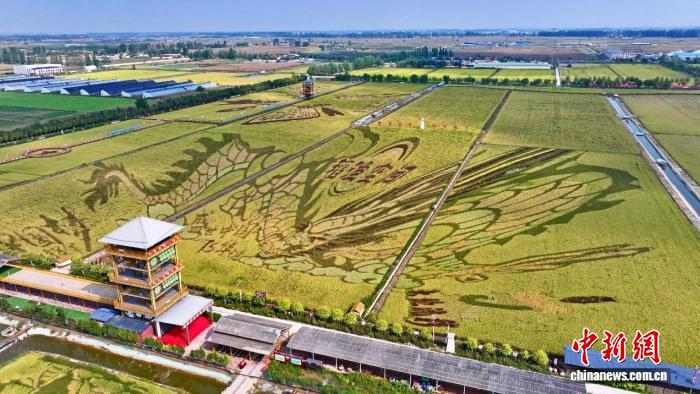
乡村振兴的宁夏答卷:六大"宁字号"品牌矩阵释放强劲动能 中新网银川10月27日电 题:乡村振兴的宁夏答卷:六大"宁字号"品牌矩阵释放强劲动能 中新网记者 李佩珊 沉睡的乡村资源被唤醒,传统的农耕文化被激活……今年,宁夏文化和旅游厅打造实施六大"宁字号"乡 村文旅品牌——宁景百村、宁味千碗、宁选好礼、宁韵百宿、宁遗百坊、宁艺好戏,深入挖掘乡村特色 资源,构建起全方位、多层次的全域乡村文旅宣传矩阵,在塞上大地绘就产业旺、生态美、文化兴的乡 村振兴新图景。 航拍银川稻渔空间乡村生态观光园的稻田画。 宁夏文旅厅供图 景:百村换装 一步一景 "宁景百村"以自然村落与生态资源为核心,串联起贺兰山脚下的古朴村落、黄河岸边的湿地风光、六盘 山深处的红色记忆,打造出"绿水青山+文化体验"为主题的精品旅游线路,让生态肌理成为振兴底色。 银川市贺兰县四十里店村是"宁景百村"串珠成链理念的鲜活实践。依托黄河水灌溉优势,村里将闲置农 田改造成"稻渔空间",作物勾勒出传统纹样,实现"远观成画、近赏有景"。村民庭院则统一规划为"前 庭植绿、后院设景",推门可见青瓦白墙映碧水。昔日普通村落变身"一步一江南"的生态打卡地,让田 园风光成为乡村 ...
“田园风光+潮流玩法”成文旅融合新亮点 乡村旅游新消费活力十足
Yang Shi Wang· 2025-10-27 06:44
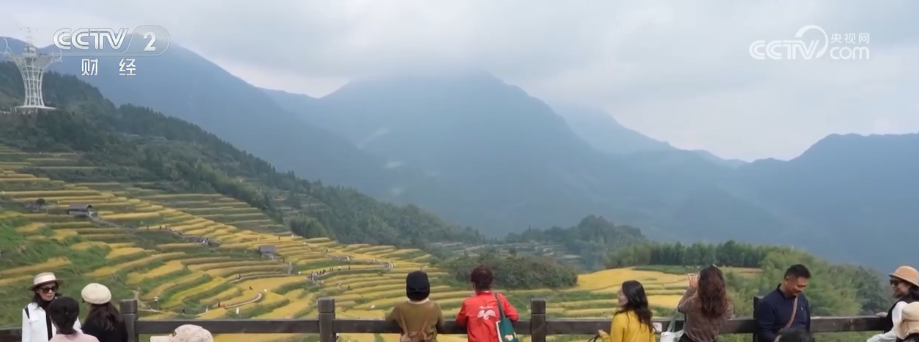
Core Viewpoint - The article highlights the transformation of rural areas into attractive tourist destinations, emphasizing the integration of agriculture, culture, and tourism, particularly in Zhejiang province, where scenic rice terraces and local agricultural activities draw visitors. Group 1: Scenic Attractions - The Yunhe Terraces in Lishui, Zhejiang, are currently in their best viewing period, showcasing golden rice fields against a backdrop of mountains and villages, attracting numerous tourists [2][3] - The best viewing period for the Yunhe Terraces typically occurs around October, with an extension to November in 2025 due to late rice planting [5] Group 2: Agricultural Tourism Activities - The scenic area plans to organize regular activities for tourists, such as rice harvesting, to enhance the rural tourism experience [7] - In Xinchang County, Zhejiang, the village of Huanshilin has become a popular destination for visitors to enjoy the autumn harvest of persimmons, with over 80,000 tourists attracted since October 2025 [8] Group 3: Local Culinary Experiences - In Nantong, Jiangsu, villagers have developed a homestay industry based on the cultivation of fresh lotus roots, offering unique seasonal culinary experiences [10] - The integration of local food culture, such as dishes made from freshly harvested ingredients, enhances the rural tourism experience [10] Group 4: Cultural Integration - The "Xilou Coffee" in Anji, Zhejiang, combines historical architecture with modern coffee culture, representing a new highlight in cultural tourism integration [12] - The article emphasizes the trend of merging agricultural activities with cultural experiences, creating engaging tourist attractions [14] Group 5: Economic Impact - The integration of agriculture and tourism is expanding new avenues for local economies, focusing on high-value-added services and branding [14]
赵一德参观第32届杨凌农高会陕西特色现代农业展
Shan Xi Ri Bao· 2025-10-26 00:17
Core Insights - The 32nd Yangling Agricultural High-tech Fair focuses on "New Quality Productivity, New Future for Agriculture" and showcases the achievements of Shaanxi in developing rural characteristic industries and promoting comprehensive rural revitalization [1][2] Group 1: Agricultural Development - The fair features various agricultural products from regions like Baoji, Yan'an, Hanzhong, Ankang, and Shangluo, including specialties such as Meixian kiwifruit, Luochuan apples, and selenium-rich foods [1] - Emphasis on promoting the scale, standardization, and branding of characteristic industries to enhance the agricultural modern industry chain and value chain [1] Group 2: Agricultural Technology and Infrastructure - Focus on the application of agricultural technology and the progress of water-saving agriculture in arid regions, with a call for strengthening core agricultural technology research [1] - Importance of building and managing high-standard farmland to ensure stable production of grains and key agricultural products [1] Group 3: Rural Tourism and Handicrafts - Integration of agricultural resources, natural endowments, and cultural heritage to empower rural revitalization through deep integration of agriculture, culture, and tourism [2] - Promotion of women's participation in rural characteristic industry development through skill training and project support, highlighted by the display of traditional handicrafts [2] Group 4: Policy and Infrastructure Support - Call for the implementation of policies to enhance agricultural efficiency, rural vitality, and farmer income, while improving agricultural infrastructure and resource management [2]
2025第三届乡村休闲产业博览会在宁启幕 双展同办赋能乡村振兴
Yang Zi Wan Bao Wang· 2025-10-24 13:40
Core Insights - The 2025 Third Rural Leisure Industry Expo, held in Nanjing, aims to support rural revitalization through a multi-faceted platform that integrates various sectors and promotes high-quality development in the rural leisure economy [1][5] Group 1: Event Overview - The expo runs from October 24 to 26, featuring over 300 quality enterprises from more than 20 provinces, covering a total exhibition area of 30,000 square meters [2] - The event showcases a complete industry chain from smart agriculture to rural tourism, addressing the challenges faced by rural industries [2] Group 2: Exhibition Features - Eight specialized exhibition areas are designed to connect demand and supply across various sectors, including smart agriculture, rural e-commerce, and outdoor equipment [2] - The design aims to create a complete ecological chain that facilitates one-stop supply and demand interactions, promoting collaborative advantages among regional industries [2] Group 3: Forums and Discussions - Multiple professional forums are held during the expo, focusing on key areas of rural revitalization, including high-quality county and town economic development and the integration of AI in rural education [3] - The event provides opportunities for policy interpretation, case sharing, and resource matching, fostering collaboration among government, industry, academia, and research [3] Group 4: Interactive Activities - The expo features immersive activities, such as a rural gourmet festival and hands-on workshops, to enhance urban-rural dialogue and showcase local culture [4][5] - Special projects like bamboo weaving and DIY landscape gardening allow attendees to engage with rural traditions and crafts, promoting cultural exchange [5] Group 5: Future Directions - The expo has evolved into a multi-dimensional development model, integrating rural leisure with health, education, and technology sectors, offering new opportunities for urban-rural integration [5] - The concurrent Rural Revitalization Expo highlights achievements from the 14th Five-Year Plan, providing valuable experiences to prevent poverty and enhance rural development [5]
乡村振兴背景下农村电商赋能县域经济高质量发展的路径与效应研究
Sou Hu Cai Jing· 2025-10-24 13:02
Core Viewpoint - Rural e-commerce is becoming a crucial link between small farmers and large markets, driving the transformation of county economies from "resource-dependent" to "digitally-driven" [2][3] Group 1: Rural E-commerce and County Economy - In 2024, the national rural online retail sales are expected to exceed 2.8 trillion yuan, with a year-on-year growth of 16.3%, and county e-commerce transactions accounting for over 65% [3] - Rural e-commerce faces challenges such as high logistics costs (over 25% in some counties), low brand recognition of specialty products, and a talent gap of 1.2 million [3][4] - The integration of rural e-commerce with county economies is essential for rural industrial revitalization and reducing urban-rural disparities [3][4] Group 2: Empowerment Paths of Rural E-commerce - Rural e-commerce promotes the transformation of county specialty industries by extending the industrial chain and enhancing added value, such as the integration of over 120 wooden toy manufacturers in Zhejiang Suichang, achieving an annual output value exceeding 5 billion yuan [6] - E-commerce creates job opportunities and encourages return entrepreneurship, with over 40% of rural e-commerce entrepreneurs being returnees, leading to significant income increases for local farmers [7] - E-commerce facilitates the flow of talent, capital, and technology back to counties, addressing urban-rural development imbalances [8] Group 3: Core Effects and Mechanisms of Rural E-commerce - Rural e-commerce activates niche resources by connecting county specialty products to the national long-tail market, significantly increasing sales for local products [9] - A collaborative system among farmers, cooperatives, e-commerce companies, and platforms is established, ensuring shared benefits and improved profitability [10] - The development of e-commerce drives the upgrade of county logistics and digital infrastructure, creating a positive cycle of economic growth [11] Group 4: Conclusions and Recommendations - Rural e-commerce is a key driver for the transformation of county economies from "resource reliance" to "digital empowerment," with core mechanisms including scale effects, collaborative effects, and upgrade effects [12] - Different counties should adopt differentiated development strategies based on their resource endowments, focusing on branding and logistics for agricultural counties and e-commerce for industrial counties [13] - Recommendations include enhancing collaboration between e-commerce companies and cooperatives, establishing county e-commerce industry alliances, and increasing government investment in logistics and digital infrastructure [14]

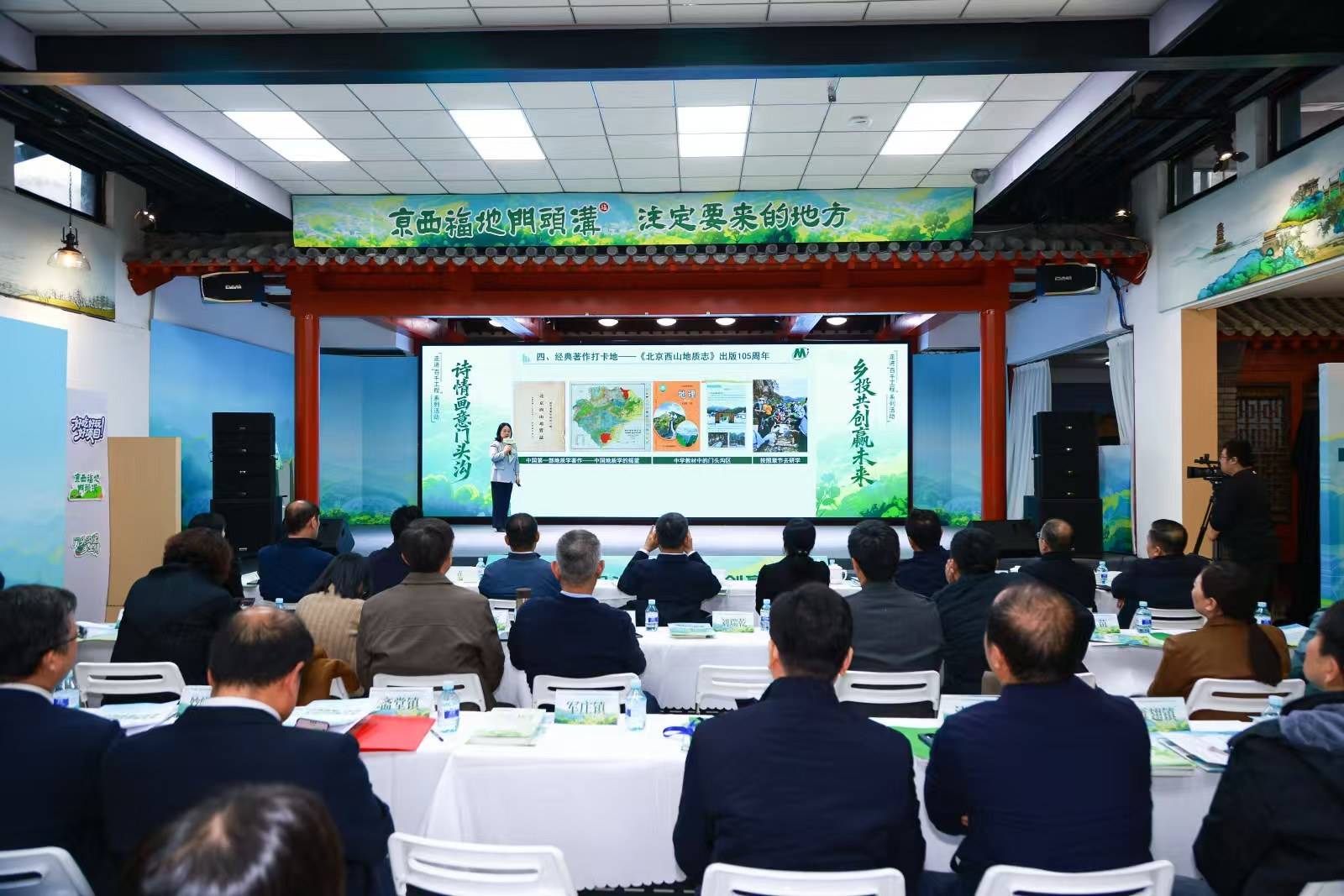
门头沟区乡村经营招商推介会激发乡村发展新动能
Sou Hu Cai Jing· 2025-10-24 11:53
Core Insights - The event "Poetic and Picturesque Mentougou: Rural Investment Co-creation for a Win-Win Future" was held in Mentougou District, showcasing rural revitalization achievements and development opportunities [1][3] - The event attracted 200 representatives from 70 organizations, emphasizing the importance of social participation in rural development [1][3] Group 1: Event Structure and Features - The promotional event utilized an integrated model of "exhibition, conference, negotiation, and field investigation," providing a comprehensive investment experience [3] - Six thematic exhibition areas were set up, covering agricultural products, cultural creative products, photography works, and rural tourism routes, highlighting 52 key projects and 9 support policies in Mentougou District [3] Group 2: Regional Development and Investment Opportunities - The event served as a critical part of the 2025 "Entering the 'Hundred-Thousand Project' Demonstration Area Series Activities," showcasing Mentougou's cultural charm, ecological resources, and development prospects [3] - Mentougou District officials indicated a commitment to optimizing the business environment, enhancing key resource guarantees, and establishing project tracking service mechanisms to attract quality resources to rural areas [3]
和音:向世界展现中国乡村发展的和美画卷
Ren Min Ri Bao· 2025-10-24 08:26
Group 1 - The core viewpoint of the articles highlights China's successful inclusion of 19 villages in the UN's "Best Tourism Villages" list, showcasing the country's commitment to ecological civilization and rural revitalization [1][2] - The "Two Mountains" concept, emphasizing ecological priority and sustainable development, is a guiding principle for the selected villages, which exhibit unique natural landscapes and cultural characteristics [1][3] - The development of rural tourism, ecological agriculture, and cultural creativity is crucial for revitalizing rural industries, leading to increased income and improved living standards for villagers [2][3] Group 2 - The integration of traditional Chinese aesthetic wisdom into rural development enhances the living environment and public services, making ancient villages more vibrant and culturally rich [3] - The articles emphasize the harmonious relationship between ecological protection and economic development, as well as the blending of traditional culture with modern civilization in Chinese rural areas [3] - China's commitment to prioritizing agricultural and rural development during the "14th Five-Year Plan" period aims to achieve significant historical progress in rural revitalization and contribute to global sustainable development [3]
泉眼·视界丨青山绿水间,文化何以振兴?济南南部山区交出“南山样本”
Xin Lang Cai Jing· 2025-10-24 08:18
Core Perspective - The South Mountain area is leveraging its rich cultural heritage and ecological resources to drive rural revitalization through a model that integrates culture, ecology, and industry, creating a sustainable development path that transforms natural assets into economic benefits [1][19]. Cultural Revitalization - The South Mountain region is focusing on "creative transformation and innovative development" to activate its cultural resources, turning them into soft power for regional development [3][4]. - Traditional crafts and customs, such as tofu making and mountain embroidery, are being integrated into modern life through projects like "intangible cultural heritage into scenic areas" [3][4]. Tourism and Experience - Tourists can engage in hands-on experiences like making tofu and enjoying traditional banquets, shifting from passive observation to active participation in cultural experiences [4][9]. - The region has developed a "cultural + agriculture + tourism" brand system, enhancing the value of local products and creating a cohesive tourism experience [4][6]. Economic Impact - The introduction of cultural elements has significantly increased the added value of agricultural products, with a reported 30% year-on-year growth in agricultural sales revenue in 2023 [7]. - The "Starry Book House," a community reading space, has attracted over 60,000 visitors since its opening, exemplifying the integration of culture into daily life [7]. Integration of Culture and Tourism - The South Mountain area is breaking down the barriers between isolated attractions and fragmented industries, creating a comprehensive tourism experience that includes historical and cultural education [9][11]. - New business models, such as the "cultural tourism +" approach, are being developed to create multi-industry integration projects that enhance visitor experiences [11][12]. Supportive Mechanisms - The local government has implemented supportive policies for cultural industries, providing financial and tax incentives to promote the growth of cultural enterprises and projects [14][15]. - Collaborative efforts with surrounding districts to form a cultural tourism promotion alliance are enhancing regional influence and resource sharing [16]. Community Benefits - The ultimate goal of cultural and tourism integration is to improve the quality of life for local residents, with significant investments in healthcare, education, and infrastructure benefiting the community [19]. - The South Mountain area is committed to ecological preservation while promoting economic development, achieving a balance between environmental sustainability and economic growth [17][19].