养老服务

Search documents
党建赋能适老化 贴心改造暖夕阳——汉阴县城东社区为行动不便老人打造“安全港湾”
Xin Lang Cai Jing· 2025-12-27 08:21
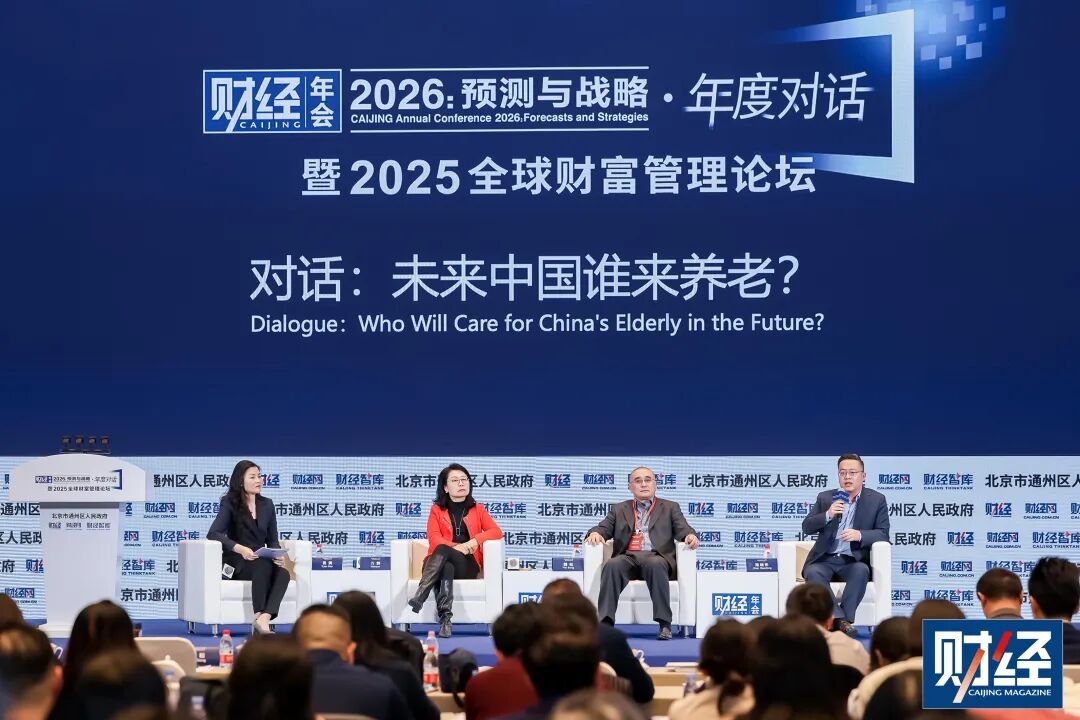
Core Viewpoint - The community party branch prioritizes the well-being of residents, focusing on the safety challenges faced by elderly individuals with mobility issues, and is implementing home modifications as a key initiative to enhance grassroots governance through party leadership [2][3]. Group 1: Community Initiatives - The community party branch organizes volunteers and grid members to visit elderly households, assessing their physical conditions, living environments, and modification needs to create a detailed renovation list [3]. - Key safety concerns such as slip prevention, fall protection, and mobility assistance are addressed through collaboration with professional teams to develop renovation plans [3]. - Modifications include installing handrails in bathrooms, laying non-slip tiles, adding bed rails in bedrooms, and optimizing kitchen counter heights, along with providing mobility aids and emergency call devices to eliminate safety hazards [3]. Group 2: Community Feedback and Future Plans - Feedback from residents, such as an elderly woman expressing gratitude for the installation of handrails, highlights the positive impact of the renovation efforts [3]. - The community party branch plans to continue focusing on the urgent needs of the elderly, enhancing the quality of elderly care services under the guidance of party leadership, and ensuring that community services are more effective and compassionate [3].

包头市创新方式开辟促消费新路径
Xin Lang Cai Jing· 2025-12-26 17:58
Core Insights - The "Cross-Year Consumption · Discount in Deer City" campaign was officially launched in Baotou City on December 26, aiming to stimulate the consumption market at the end of the year and beginning of the next [1][2] - The campaign features an innovative "1+10+N" comprehensive system that integrates resources from various sectors including industry, agriculture, technology, culture, tourism, sports, and elderly care, breaking down industry boundaries [1] Group 1: Campaign Highlights - The campaign's standout feature is "boundaryless integration," moving beyond traditional commercial consumption promotion to weave elements from multiple sectors into a consumption network [1] - In the industrial sector, Baotou's Ministry of Industry and Information Technology opened "transparent factories," allowing citizens to visit production lines of companies like Yili and Yanjing Snow Deer, creating a closed loop of industrial tourism and direct product purchase [1] - In agriculture, local agricultural and pastoral departments organized "field direct purchases" and "New Year goods fairs," promoting high-quality agricultural products from rural areas to urban markets [1] Group 2: Policy and Experience Integration - Baotou City allocated 21 million yuan in fiscal funds to distribute consumption vouchers and introduced an innovative "voucher reuse" mechanism, allowing consumers to enjoy secondary discounts with tickets from concerts or sports events at designated merchants [2] - Financial institutions launched multi-scenario payment discounts and consumer credit benefits, enhancing payment convenience, particularly at Donghe International Airport, which is developing a payment service demonstration area for overseas guests [2] - The campaign targets all age groups, featuring events like esports competitions and family-friendly activities, with special services for the elderly, including "warm short-term care" and free trial stays in collaboration with elderly care institutions [2] Group 3: Overall Objectives - The consumption season will span New Year's Day, the Spring Festival, and winter vacation, aiming to create a consumption promotion ecosystem through multi-industry collaboration, policy integration, and broad demographic coverage [2] - Baotou City is exploring a new path for consumption promotion that stimulates domestic demand potential through deep integration and enhances residents' happiness through precise services [2]
家门口的幸福晚年:贵州探索社区养老新模式
Xin Lang Cai Jing· 2025-12-26 09:51
贵阳市观山湖区围绕"住得安心、吃得放心、养得舒心"目标,持续推进"颐养观山湖"品牌建设。区内既 有金华园街道养老服务中心这样医养结合的一体化服务点,也有为失能、半失能老人提供24小时照护的 康园老年公寓。 近年来,贵州积极应对农村老龄化趋势,在各地探索养老服务新模式,让更多老人实现家门口的幸福养 老。 在遵义市桐梓县,社区幸福院和养老驿站成为老年人日常休闲的好去处。燎原镇大关社区幸福院设有活 动室、书屋等,老人们可以唱歌、下棋、阅读;海校街道武胜社区养老驿站则开设了声乐、舞蹈等免费 课程,成为社区老人的日常"打卡点"。 目前,桐梓县已建成9家幸福院和2家养老驿站,累计服务超1800人次。 全区现有养老机构14家,养老床位1553张。此外,当地还通过"陪驻"监管、建立应急救援圈、试点智慧 养老平台等举措,不断提升养老服务的安全与品质。 来源:遵义台 桐梓融媒 杜瑶 贵阳台 卢迅 吴绍桐 ...

泰康之家十年磨一剑,定义银发经济新范式
Xin Lang Cai Jing· 2025-12-26 06:43
Core Insights - The aging population in China is projected to reach 310 million by the end of 2024, accounting for 22% of the total population, leading to an increasing demand for high-quality elderly care services [1] - The 20th National Congress of the Communist Party of China emphasizes the need to actively address population aging and improve policies for the development of elderly care services and industries [1] Industry Overview - The elderly care service supply is transitioning from basic support to inclusive and high-quality services, with a growing demand for specialized, multi-level, and full-cycle service models [1] - The "medical and nursing integration" policy is being promoted by the government, aiming to enhance service supply and quality, which aligns with the practices of companies like Taikang [5] Company Strategy - Taikang's elderly care initiatives began in 2007, focusing on transforming the elderly care model to high-quality, localized services, with over 20,000 residents currently living in their communities [4] - The company has established a nationwide network of 47 longevity community projects across 37 cities, with over 60,000 planned elderly care units and 5,000 medical beds, effectively implementing the "elderly care + medical care" concept [5] Service Model - Taikang's "one community, one hospital" model exemplifies the integration of medical and elderly care, shifting the focus from disease-centered to health-centered services [6] - The company has developed a comprehensive health management network that includes various health services, aiming to extend not just lifespan but also healthy lifespan for the elderly [5][6] Industry Impact - Taikang is redefining industry standards by promoting a "joyful aging" lifestyle, which has led to a 40% reduction in fall incidents among residents and improved health metrics [6] - The company is also contributing to the professionalization and modernization of the elderly care workforce, with an average team age of 31.8 years and 75% holding higher education degrees [7] Future Outlook - In the next decade, Taikang plans to evolve from "elderly care services" to a broader "health industry" focus, implementing a "city medical and nursing integration" model to enhance service accessibility [8] - The company aims to create a three-tiered service model that integrates flagship communities, urban institutions, and home/community services, aligning with national policies to improve basic elderly care services [9]

养老床位增至万余张 新增9家长者食堂 崇明养老服务提质升级
Jie Fang Ri Bao· 2025-12-26 01:47
Group 1: Institutional Elderly Care - The establishment of Changxing Second Elderly Care Home has significantly improved local elderly care services, with a total area of over 16,000 square meters and nearly 400 beds, addressing the previous shortage of facilities in Changxing Town [1] - During the "14th Five-Year Plan" period, the number of elderly care beds in Chongming District increased from over 8,000 to more than 10,000, with multiple public elderly care institutions built across various towns [1] Group 2: Community Elderly Care - Chongming District has focused on enhancing elderly meal assistance services, adding 9 community dining facilities, which now provide comprehensive meal services to the elderly, with the Yongyi Community dining facility serving over 350 seniors and reaching a peak of 500 meals per day [2] - A total of 60 "doorstep" elderly service stations have been established across the district, offering various activities and essential health services to local seniors [2] Group 3: Home-Based Elderly Care - The district has implemented aging-friendly home modifications for over 5,000 elderly households, allowing seniors to live more comfortably at home, with subsidies available for eligible families [3] - The "Old Partners" project has recruited nearly 3,000 younger seniors to assist over 14,000 older, isolated seniors, fostering community support and engagement [3]
平湖市广陈康养中心迎来首位上海户籍老人
Xin Lang Cai Jing· 2025-12-25 23:32
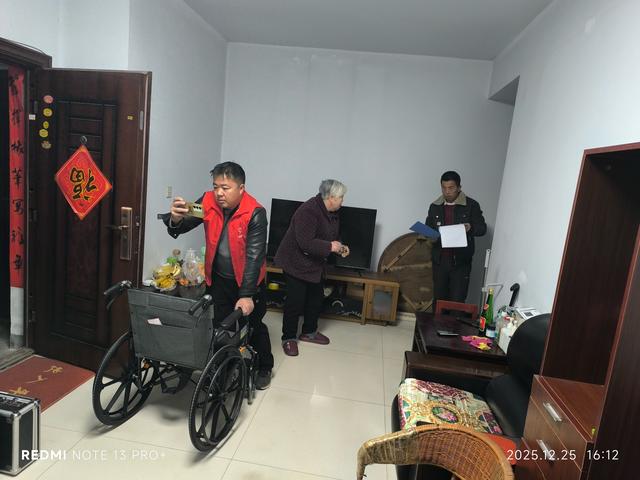
Core Insights - The article highlights the successful establishment of the Guangchen Nursing Center, which has attracted its first Shanghai resident, showcasing the center's quality and appeal beyond its local area [3][4]. Group 1: Facility and Services - The Guangchen Nursing Center was inaugurated with an investment of 32 million yuan and spans 3,700 square meters, focusing on high-quality care [4]. - The center is equipped with 80 beds and various functional areas, including a nursing station, rehabilitation training room, and recreational activity room, ensuring comprehensive facilities for residents [4]. - Safety features include age-friendly handrails, easily accessible emergency call buttons, and 24-hour hot water availability, enhancing the comfort and security of elderly residents [4]. Group 2: Activities and Community Engagement - The center offers a variety of daily activities aimed at enriching the residents' spiritual lives, such as morning exercises, singing, and weekly themed events, fostering a lively community atmosphere [4]. - Many residents have become active participants in these activities, contributing to a vibrant and joyful environment within the center [4]. Group 3: Broader Impact and Future Plans - The arrival of the first Shanghai resident signifies a recognition of Guangchen's evolving elderly care services, reflecting the town's commitment to improving its elderly care system [5]. - Guangchen Town has developed a comprehensive elderly care network, including 13 home care service centers and 3 elderly stations, aiming to provide quality services to all elderly residents [5]. - The town plans to continue refining its elderly care services based on community needs, aspiring to set a new standard for elderly care in the Yangtze River Delta region [5].
养老服务师:他们在一线书写银发生活“新解法”
Xin Lang Cai Jing· 2025-12-25 20:24
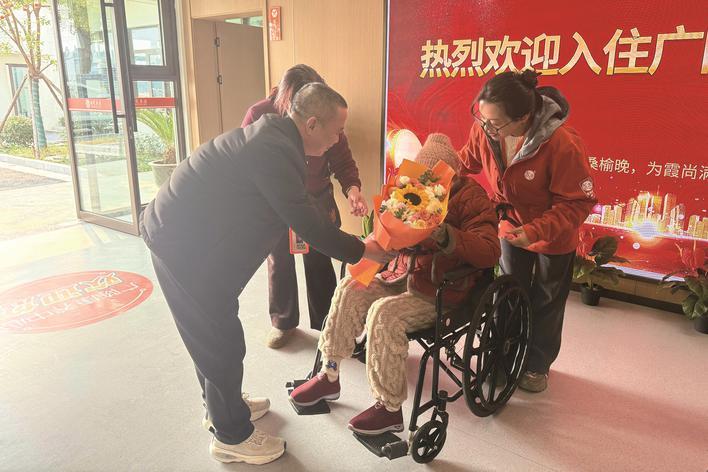
Core Insights - The article highlights the evolution and professionalization of elderly care services in China, particularly focusing on dementia care and the role of specialized caregivers [1][2][3] Group 1: Precision Care - Elderly care is not merely about basic needs but ensuring dignity and quality of life for seniors [2] - Caregivers, such as Li Qinggang, develop personalized care plans for dementia patients, addressing their unique needs and behaviors [2][3] - Successful interventions have been implemented, such as non-pharmaceutical approaches to reduce excessive bathroom visits, showcasing the effectiveness of tailored care strategies [2][3] Group 2: Professional Advancement - The transition of caregivers to training roles reflects the industry's growth and the increasing importance of professional development in elderly care [4][5] - A comprehensive training system has been established, covering various aspects of elderly care, which is crucial for building a strong foundation in the profession [5][6] - The demand for skilled caregivers is rising, with more young people showing interest in pursuing careers as elderly care specialists [5][6] Group 3: Policy Empowerment - The Chinese government is actively supporting the development of a high-quality elderly care workforce through various policy initiatives [7] - The emergence of the caregiver profession addresses the mismatch between professional supply and diverse elderly care needs [7][8] - The industry is evolving with new roles such as companion caregivers and elderly consultants, contributing to a multi-layered elderly care service network [7][8] Group 4: Future Aspirations - The goal is to promote effective care models and enhance team training to benefit more dementia patients [8] - The vision for an ideal elderly care society emphasizes comfort and health for seniors, reflecting the core mission of caregivers [8]
政策护航 服务提质 幸福加码
Xin Lang Cai Jing· 2025-12-25 12:14
Core Viewpoint - The year 2025 is pivotal for the construction of China's elderly care service system, focusing on deepening reforms, improving service quality, strengthening talent, and fostering industry innovation to achieve high-quality development [1] Policy Framework - In 2025, China's elderly care service policy system will continue to optimize, with a focus on building a supply system that covers urban and rural areas, prioritizing services for the disabled and cognitively impaired elderly [2] - The Ministry of Civil Affairs, in collaboration with multiple departments, will issue guidelines for planning elderly care facilities and measures to promote high-quality inclusive elderly care services [2] - A long-term care insurance system will be accelerated, providing long-term care security for disabled elderly individuals [2] - A comprehensive standard system for elderly care services will be established, covering management, service quality, and safety standards [2] Safety Management - The Ministry of Civil Affairs and the National Fire Rescue Administration will implement safety management measures for elderly care institutions, including a collaboration checklist and emergency response plans [3] - Financial safety measures will be established to protect the rights of the elderly regarding pre-paid fees [3] Focus on Key Groups - The Ministry of Civil Affairs will implement concentrated care for economically disadvantaged disabled elderly individuals, supported by central financial resources [4] - Pilot programs for providing consumption subsidies to disabled elderly individuals will be launched in several provinces [4] - The government will support the renovation of homes for the elderly, with nearly 1 billion yuan allocated for subsidies to improve living conditions [4] Talent Development - A new "Eight-Level Worker" system will be fully implemented to enhance the professional skills of elderly care workers [6] - The profession of elderly care worker will be officially recognized, providing a clear career development path for practitioners [6] - Training programs for elderly care skills will be developed, aiming to train 1.5 million skilled workers within three years [6][7] Industry Growth - The potential for elderly care service consumption is significant, with diverse needs across various sectors [8] - A nationwide "Elderly Care Service Consumption Season" will be launched to stimulate market activity and promote consumption [8] - Technological advancements will drive the development of smart elderly care products, enhancing service quality and improving the quality of life for the elderly [9]
金昌:织密医养结合服务网 托起幸福“夕阳红”
Xin Lang Cai Jing· 2025-12-25 10:11
来源:新甘肃客户端 编辑:王学香责编:朱旺 校审:祁晴 面对养老与医疗服务的双重需求,金昌市创新构建了协议管理、居家签约、社区服务、内设机构、共融共建五种模式,系统推广"社区 +居家+机构"三位一体、"医疗+康复+照护+居家"四位一体等综合服务,实现了城乡社区"15分钟养老服务圈"的全覆盖。 在医疗服务支撑方面,金昌市持续加强老年健康服务能力建设。全市6家二级以上综合医院已全部设立老年病科,组建的110个家庭医生 团队,为老年人提供包括健康管理、上门巡诊、转诊协调在内的连续性服务,努力做到"慢病有管理、小病能处理、大病易转诊",老年 人健康管理率超过80%。同时,中医药在医养结合中的作用得到充分发挥,基层医疗卫生机构普遍设立中医科和中药房,广泛推广适宜 技术与食疗保健方法。作为全国安宁疗护试点地区,金昌已初步建立起以市属医院为核心的服务网络,相关工作获得省级认可。 人才队伍建设与信息化应用为服务体系提供了坚实保障。"十四五"期间,金昌市通过实施专项培训计划,累计培训各类养老人才超过 3500人次,本地职业院校开设相关专业,年均培养专业人才200余人。在智慧养老方面,依托全民健康信息平台,建立了统一的医养结合 ...
求解14亿国人养老:如何共担?花费多少?
3 6 Ke· 2025-12-25 09:55
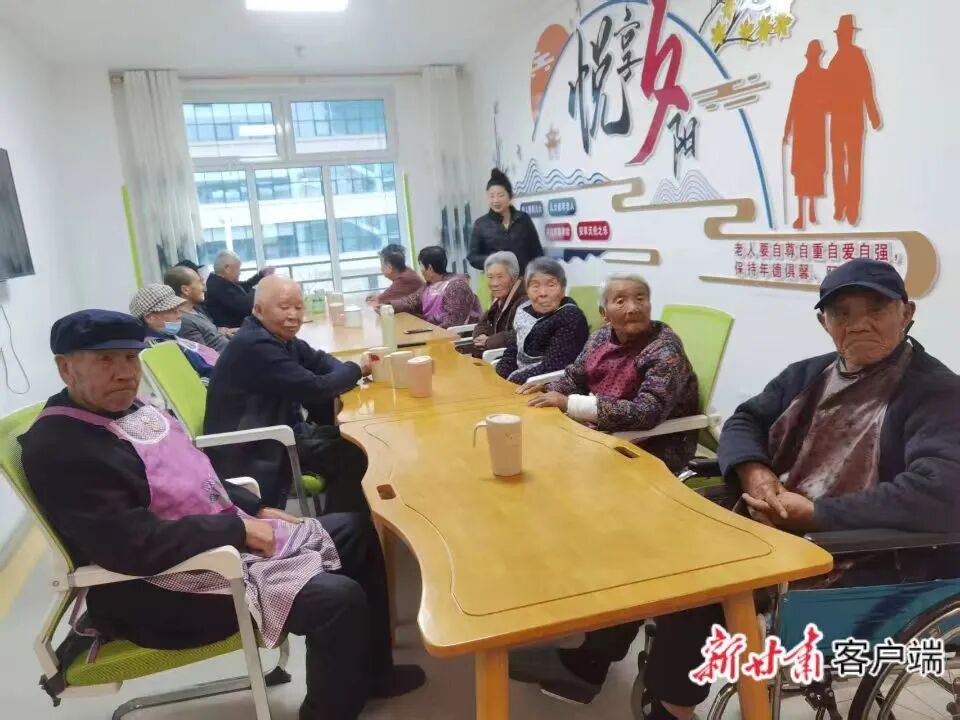
Core Viewpoint - The increasing attention on elderly care in China highlights the need for a dignified aging process as the population ages, necessitating a multi-tiered pension system to address the growing demands for elderly care and medical services [1][4]. Group 1: Roles in Pension System - The government is seen as the "safety net" and "navigator," responsible for ensuring basic pensions for all and gradually reducing the pension gap between urban and rural areas [3][4]. - The market is expected to act as the "provider" and "enabler," offering diverse financial products to meet varying income and risk preferences [5][6]. - Individuals must cultivate a proper understanding of retirement planning and actively participate in their pension investments [5][6]. Group 2: Pension System Structure - China's pension system consists of three pillars: the first pillar is the basic pension insurance initiated by the state, the second pillar includes enterprise and occupational annuities, and the third pillar comprises personal pensions and other commercial pension financial products [5][6]. - The second and third pillars serve as effective supplements to the first pillar, which is primarily government-funded [5]. Group 3: Market Demand and Service Innovation - The aging population and diverse needs are driving new demands for pension services, as evidenced by the success of integrated medical and elderly care facilities in urban areas [6]. - There is a prediction that the pension service market will undergo several iterations in the next 30 years to adapt to changing elderly consumer needs [6]. Group 4: Personal Pension Development - The personal pension system, launched in November 2022, is gradually expanding, with over 150 million accounts opened by June 2025 [7]. - However, the actual contribution levels remain low compared to the annual contribution limit of 12,000 yuan, indicating a need for improvement in participation [8]. Group 5: Tax Incentives and Policy Recommendations - Tax incentives play a crucial role in the development of the pension system, with suggestions to enhance tax support for the second and third pillars to encourage more savings [9][11]. - Recommendations include increasing the annual contribution limit for personal pensions to better meet long-term savings needs [11]. Group 6: Retirement Planning Strategies - Various strategies for retirement planning were discussed, including the "4% rule" for annual spending and the "25 times rule" for asset accumulation to cover retirement shortfalls [12][13]. - The importance of using scientific tools for retirement calculations and considering different living arrangements based on financial conditions was emphasized [12][13].