健康老龄化

Search documents
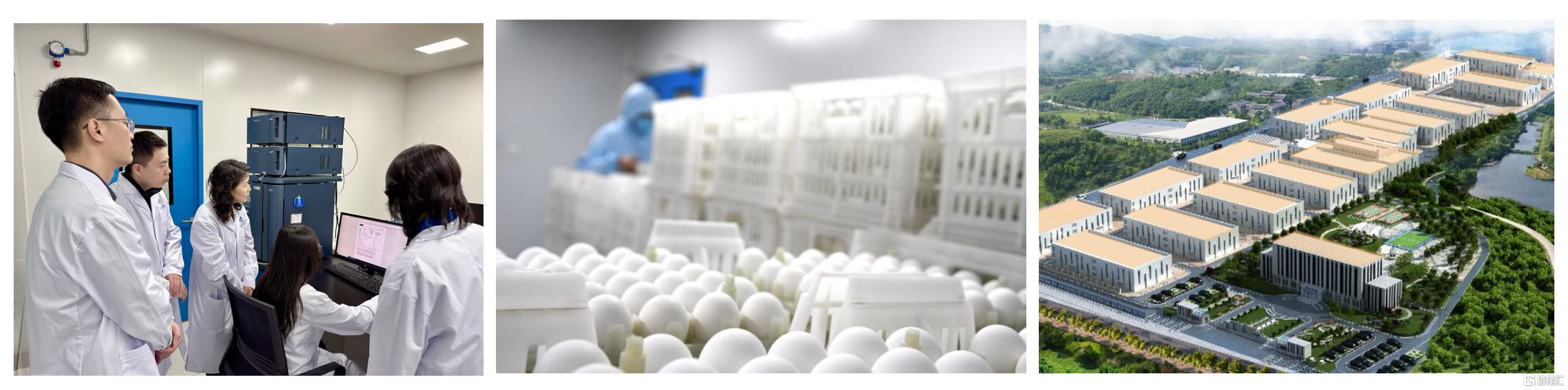
成大生物(本溪)有限公司高剂量流感疫苗获批开展临床试验
Ge Long Hui· 2026-02-12 11:13
Core Viewpoint - The approval of a high-dose influenza virus split vaccine by Chengda Biological's subsidiary marks a significant step in addressing the growing demand for influenza prevention among the aging population in China [1][2] Group 1: Vaccine Approval and Characteristics - Chengda Biological's high-dose influenza virus split vaccine has received approval from the National Medical Products Administration to conduct clinical trials [1] - The vaccine is developed using WHO-recommended strains and has an antigen content four times that of standard-dose influenza vaccines, targeting individuals aged 60 and above [1] Group 2: Market Context and Implications - The aging population in China is increasing, leading to a heightened demand for effective influenza prevention strategies among the elderly [2] - Currently, there are no high-dose influenza vaccines approved for sale in China, making this clinical trial approval a crucial step for the company in responding to health aging strategies [2] Group 3: Future Development and Strategic Goals - Chengda Biological aims to continue its innovation-driven development strategy, enhancing its technological platform and the ability to translate research outcomes into products [2] - The company plans to advance the research and development of influenza vaccines and other key projects to improve public health and contribute to the high-quality development of China's biopharmaceutical industry [2]


老年“健身热”解锁银发经济新赛道
Xin Lang Cai Jing· 2026-01-23 15:50
Core Viewpoint - The aging population in China is increasingly engaging in fitness activities, leading to the emergence of a significant market for elderly fitness, driven by the concept of healthy aging and the demand for tailored fitness solutions [1][2]. Group 1: Market Demand and Trends - The proportion of elderly individuals aged 60-79 who exercise regularly has reached 26.1%, while the participation rate for those over 80 is 14.7%, both showing an increase of over 10% since 2014 [2]. - The elderly fitness market is transitioning from sporadic participation to a rigid demand, influenced by the deepening of proactive health concepts and diverse market supply [2][3]. - The elderly fitness consumption market has developed three core structures: a combination of basic equipment and smart devices, collaborative growth of product and service consumption, and an increase in consumption across home, community, and institutional settings [2]. Group 2: Industry Innovation and Growth - The elderly fitness industry is witnessing innovation in various segments, including age-appropriate products, integrated health services, and smart fitness environments [4]. - There are over 10,000 companies related to elderly fitness in China, with approximately 73.56% established within the last 5 to 10 years [4]. - The market for elderly fitness equipment is projected to reach 9.34 billion yuan in 2024, with a year-on-year growth of 13.6%, outpacing the overall fitness equipment market by 2 percentage points [4]. Group 3: Challenges and Opportunities - Despite the promising growth of the elderly fitness market, challenges such as inadequate design of age-appropriate products, a shortage of professional talent, and lagging integration of services remain [6][7]. - The average profit margin in the elderly fitness industry is around 8%, significantly lower than other segments like rehabilitation aids [6]. - There is a pressing need for a standardized system for age-appropriate fitness products, as many current offerings do not adequately consider the physiological changes in the elderly [7]. Group 4: Future Outlook - The transition of the elderly fitness industry from scale growth to quality and efficiency growth requires collaborative efforts across various sectors [8]. - Recommendations include enhancing product innovation for age-appropriateness, improving service professionalism, optimizing industry ecosystem collaboration, and strengthening policy guidance [8]. - The integration of technology, innovative models, and policy improvements is expected to drive higher quality development in the elderly fitness sector, with smart wearable devices and AI fitness coaching playing a significant role [8].
我市成立预防医学会老年医学专业委员会
Xin Lang Cai Jing· 2026-01-22 04:44
Group 1 - The establishment of the Geriatric Medicine Professional Committee and the Quality Monitoring Center for Geriatric Medicine in Langfang marks a significant step in enhancing the management and quality of geriatric healthcare in the region [1][3] - The committee aims to focus on key clinical issues such as management of comorbidities in the elderly, functional maintenance, disability prevention, and palliative care, contributing to the national strategy for healthy aging [1][2] - The event included a learning session on new advancements in the diagnosis and treatment of geriatric chronic diseases, featuring renowned experts from the Beijing-Tianjin-Hebei region [2] Group 2 - The initiative is seen as a response to the increasing aging population in China, with projections indicating that the country will enter a deeply aging society by 2030, making elderly health a critical social concern [2] - The establishment of the committee and monitoring center is expected to foster collaboration and resource sharing among geriatric medicine professionals in the region, enhancing the overall quality of geriatric healthcare services [3]
湖北襄阳人大代表建言深化医养结合筑牢健康防线
Zhong Guo Xin Wen Wang· 2026-01-16 06:03
Core Viewpoint - The ongoing discussions at the Hubei Xiangyang Two Sessions emphasize the need for enhanced integration of medical and elderly care services to strengthen health defenses in the region [1][2]. Group 1: Healthcare System Improvements - The Xiangyang government report indicates that during the 14th Five-Year Plan period, disease prevention and control capabilities will be significantly improved, with the average life expectancy reaching 79.2 years [1]. - By 2025, outpatient and inpatient average costs in public hospitals are projected to decrease by 6.7% and 4.6% respectively [1]. Group 2: Recommendations from Representatives - There is a recognized issue of an imbalance in healthcare resources, with a focus on treatment over rehabilitation, leading to weak grassroots rehabilitation service capabilities [2]. - Suggestions include strengthening grassroots medical institutions and chronic disease management, expanding free screening for hypertension and diabetes in communities, and promoting health education [2]. - The aging population in Xiangzhou District necessitates urgent integration of medical, elderly, and rehabilitation services to support healthy aging [2]. - Proposals include extending elderly care services in public hospitals and establishing "medical care-type elderly beds" in pilot projects [2]. Group 3: Digital Transformation in Healthcare - The promotion of a "smart medical care" model is suggested, leveraging digital pathology platforms for elderly chronic disease management and remote monitoring to reduce medical risks in elderly care institutions [3]. - A unified health information platform for the entire city is recommended, incorporating AI technology for automatic risk alerts to enhance management continuity [3]. Group 4: Future Development Plans - Xiangyang plans to leverage national public hospital reforms and high-quality development pilot projects to advance the construction of tightly-knit urban medical groups and strengthen healthcare infrastructure [5].
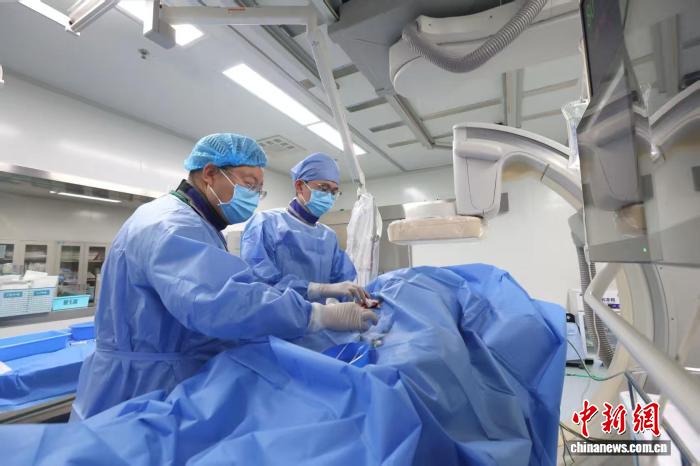
2025年度10大营养热词发布
Xin Lang Cai Jing· 2026-01-12 19:03
Core Insights - The article discusses the release of the top ten nutrition buzzwords for 2025, reflecting public interest and trends in nutrition and health [2] Group 1: Pre-prepared Meals - "Pre-prepared meals" are defined as factory-processed, pre-packaged dishes, and should be evaluated based on safety and nutritional value rather than labeled as simply "good" or "bad" [3] - Consumer concerns about pre-prepared meals include poor ingredient quality, use of additives, unsatisfactory taste, and low nutritional value, most of which can be addressed through scientific processes and strict management [3] - Consumers are advised to pay attention to ingredient lists and nutritional labels, particularly sodium and fat content, and to complement pre-prepared meals with fresh fruits and quality staples for balanced nutrition [4] Group 2: Anti-inflammatory Diet - Chronic inflammation is linked to various diseases, and public interest has shifted from "beauty and anti-inflammation" to "disease prevention and anti-inflammation" [5] - An anti-inflammatory diet emphasizes the consumption of fresh plant-based foods, healthy fats, and high-antioxidant ingredients while reducing processed foods and certain meats [6] Group 3: Anti-aging - Anti-aging focuses on delaying the aging process and improving quality of life, with a shift towards proactive health management across all age groups [7] - Research indicates that a high-quality diet is associated with reduced risks of functional decline and improved metabolic and cognitive health [7] Group 4: Smart Canteens - Smart canteens utilize information technology to enhance food safety, nutrition management, and operational efficiency, catering to various settings like schools and communities [8] Group 5: Gut Health - Gut microbiota plays a crucial role in health, influencing immune function and chronic inflammation, which can be disrupted by poor diet and lifestyle [9] - A diet rich in dietary fiber and low in processed foods is essential for maintaining a healthy gut microbiome [10] Group 6: Sleep Health - Sleep quality is critical for overall health, with a significant portion of the population experiencing sleep disorders, which can lead to increased inflammation and health risks [11] - Certain foods can aid sleep, while lifestyle changes are necessary for improving sleep quality [11] Group 7: Microplastics - Microplastics are prevalent in the environment and food supply, but their health impacts remain unclear due to a lack of reliable detection methods [12] Group 8: Healthy Aging - Healthy aging emphasizes the importance of nutrition throughout the life cycle to extend healthy life expectancy and reduce disease burden [13] Group 9: Weight Management - Public interest in weight management is increasing, with a focus on maintaining a healthy weight through balanced diets and regular physical activity [14] Group 10: Immunity - The understanding of immunity is evolving, with a focus on maintaining immune homeostasis through balanced nutrition and lifestyle choices [15]

二〇二五年度十大营养热词发布
Ren Min Ri Bao Hai Wai Ban· 2026-01-08 22:55
Group 1: Nutrition Trends and Innovations - Sichuan Province is accelerating the construction of rural elderly canteens to provide lunch services for local seniors [2] - In Guizhou Province, students are enjoying free nutritious meals as part of a local initiative [4] - Fujian Province's abalone processing companies are integrating traditional culinary techniques with modern food processing to create various export products [6] Group 2: Pre-prepared Meals - Pre-prepared meals are defined as factory-processed, pre-packaged finished or semi-finished dishes, which should not be labeled as inherently good or bad [9] - Consumer concerns about pre-prepared meals include poor ingredient quality, use of additives, unsatisfactory taste, and low nutritional value, which can be addressed through scientific processes and strict management [10] - Consumers are advised to pay attention to ingredient lists and nutritional labels, particularly sodium and fat content, when selecting pre-prepared meals [10] Group 3: Health and Dietary Trends - Anti-inflammatory diets focus on selecting foods that lower chronic inflammation levels, emphasizing fresh plant-based foods and healthy fats while reducing processed foods [11] - Anti-aging strategies are shifting towards proactive health management across all life stages, emphasizing balanced nutrition to delay functional decline and reduce chronic disease risks [12] - Smart canteens utilize information technology to enhance food safety, nutrition management, and operational efficiency, aligning with industry digital transformation trends [13] Group 4: Gut Health - Gut microbiota plays a crucial role in health, with imbalances linked to various diseases; dietary choices significantly influence gut health [15][16] - A diet rich in dietary fiber and polyphenols supports beneficial gut bacteria, while avoiding processed foods and excessive sugars is essential for maintaining gut health [16] Group 5: Sleep Health - Poor sleep quality is linked to increased inflammation and various health risks, with a significant portion of the population experiencing sleep disorders [17] - Certain foods can aid sleep, while lifestyle changes such as regular sleep patterns and stress management are crucial for improving sleep quality [17] Group 6: Healthy Aging - Healthy aging strategies focus on extending healthy life expectancy and reducing the time spent with illness, emphasizing nutritional interventions [19][20] - The development of senior meal services and smart nutrition technologies is advancing to improve the quality of life for the elderly [20] Group 7: Weight Management - Public interest in scientific weight management is increasing, with a focus on maintaining a healthy weight through balanced diets and regular physical activity [21] Group 8: Immune Health - Understanding of immunity is evolving towards maintaining immune homeostasis, with nutrition playing a vital role in supporting immune function [22]
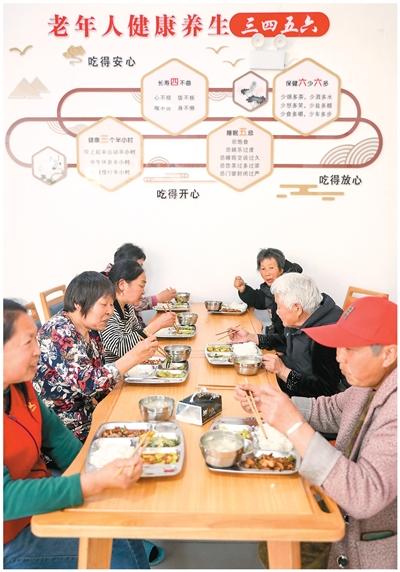
青春激扬启智慧 课堂聚力践担当
Xin Lang Cai Jing· 2026-01-06 19:29
Core Insights - The "Youth Classroom" initiative launched by the National Development and Reform Commission's Social Development Department aims to cultivate and empower young cadres, enhancing their theoretical understanding and practical skills in social development [3][20] - The program has successfully conducted 13 sessions since its inception in July 2025, providing a platform for young cadres to share research and engage in discussions [4][20] Group 1: Youth Classroom Initiative - The "Youth Classroom" serves as a stage for young talents to showcase their abilities and exchange ideas, contributing to the collective wisdom and development of the department [3][4] - The initiative was initially designed to prepare young cadres for the 15th National Economic Seminar, but it has evolved to strengthen theoretical training and encourage proactive thinking around major social issues [3][4][20] - The program emphasizes the importance of cultural and economic integration, with young cadres analyzing successful and unsuccessful cultural projects to derive lessons for future initiatives [4][5] Group 2: Economic and Cultural Insights - Young cadre Wang Da highlighted the role of cultural industries as a driving force for economic development, emphasizing the need for strategic recognition of their significance [5] - The analysis of cultural projects in cities like Harbin and Zibo reveals that successful cultural initiatives can lead to sustained economic growth, while poorly executed projects may result in empty urban spaces [4][5] - Young cadre Xia Fengyang discussed the potential of sports events as a new economic driver, particularly in expanding domestic demand through models like the "Su Super" football league [6][8] Group 3: Policy Recommendations and Future Directions - Young cadre Bao Wenhan proposed a comprehensive approach to integrate education, technology, and talent development, emphasizing the need for systemic reforms to address current challenges in these areas [10] - The discussions in the "Youth Classroom" have led to actionable insights for improving public service delivery and addressing pressing social issues, aligning with the goals of the 15th Five-Year Plan [19][20] - The initiative aims to foster a new generation of capable and responsible young leaders who can contribute to high-quality social development and policy implementation [20]
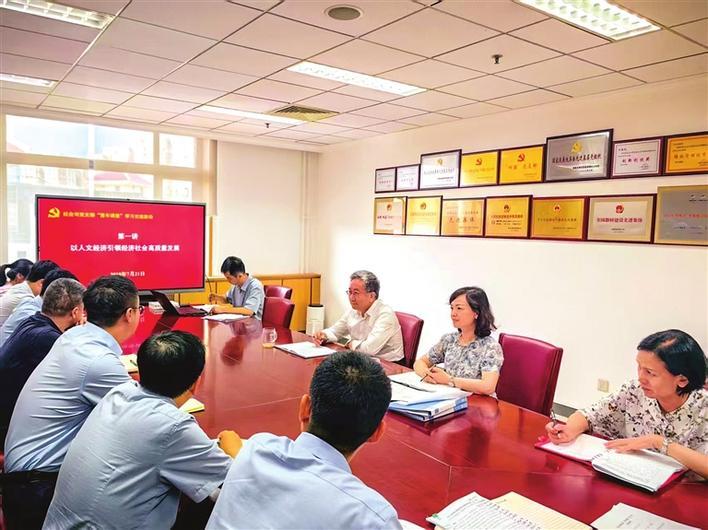
昆药集团高管大换血,“80后”喻翔接任董事长
Jing Ji Guan Cha Wang· 2026-01-06 08:58
Core Viewpoint - Yunnan Kun Pharmaceutical Group has undergone significant management changes, with a new chairman and president appointed as the company aims to deepen its integration with China Resources Sanjiu and focus on the "healthy aging" sector [1][2]. Management Changes - The company announced the resignation of Chairman Wu Wendo, President Yan Wei, and Vice President Li Lichun, with Yu Xiang appointed as the new chairman and Zhong Jiang as the new president [1][2]. - Yu Xiang, aged 45, has extensive experience in various leadership roles within China Resources Sanjiu, while Zhong Jiang, aged 50, has held significant positions in financial management within the company [2]. Business Performance - Kun Pharmaceutical Group's overall performance has shown a downward trend, with a revenue decline in 2024 and a net profit increase. In 2025, the first three quarters also saw revenue and net profit declines, with a significant loss in the third quarter [3]. - In 2024, the company reported a revenue of 8.4 billion yuan, a decrease of 0.34% year-on-year, while net profit reached 648 million yuan, an increase of 19.86% [3]. - For the first three quarters of 2025, revenue was 4.751 billion yuan, down 18.08%, and net profit was 269 million yuan, down 39.42% [3]. Strategic Focus - The company aims to leverage its 70 years of drug research tradition and global marketing network to become a leader in the "silver health industry" and chronic disease management [1][4]. - Future development will focus on three core areas: cardiovascular products centered around Xuesaitong, emotional health products based on Shugan Granules, and products for mental health and pain management [4].


一项为期25年的研究发现,超级长寿者都具备这一共同行为
3 6 Ke· 2026-01-04 04:08
Core Insights - The article emphasizes that high-quality interpersonal relationships are a key trait shared by "super centenarians," who maintain good health and cognitive function into their 80s and beyond [2][3]. Group 1: Brain Structure of Super Centenarians - Super centenarians exhibit significant differences in brain structure compared to the average population, with fewer Alzheimer's-related plaques and tangles [4]. - Their brain cortex remains thicker with age, and they possess unique cellular combinations that contribute to superior memory retention [4]. - These findings suggest potential avenues for developing interventions to delay cognitive decline in aging [4]. Group 2: Social Life of Super Centenarians - Despite varied lifestyles, super centenarians share a strong social engagement, being more extroverted and positively evaluating their interpersonal relationships [5]. - Research indicates that social quality is a more significant predictor of healthy aging than biological factors, highlighting the importance of maintaining social connections [7]. Group 3: Recommendations for Longevity - To emulate super centenarians, individuals should focus on nurturing interpersonal relationships and staying mentally active [8]. - The "5-3-1 principle" suggests engaging with five different people weekly, maintaining three close relationships, and aiming for one hour of social interaction daily [10].
泰康之家十年磨一剑,定义银发经济新范式
Xin Lang Cai Jing· 2025-12-26 06:43
Core Insights - The aging population in China is projected to reach 310 million by the end of 2024, accounting for 22% of the total population, leading to an increasing demand for high-quality elderly care services [1] - The 20th National Congress of the Communist Party of China emphasizes the need to actively address population aging and improve policies for the development of elderly care services and industries [1] Industry Overview - The elderly care service supply is transitioning from basic support to inclusive and high-quality services, with a growing demand for specialized, multi-level, and full-cycle service models [1] - The "medical and nursing integration" policy is being promoted by the government, aiming to enhance service supply and quality, which aligns with the practices of companies like Taikang [5] Company Strategy - Taikang's elderly care initiatives began in 2007, focusing on transforming the elderly care model to high-quality, localized services, with over 20,000 residents currently living in their communities [4] - The company has established a nationwide network of 47 longevity community projects across 37 cities, with over 60,000 planned elderly care units and 5,000 medical beds, effectively implementing the "elderly care + medical care" concept [5] Service Model - Taikang's "one community, one hospital" model exemplifies the integration of medical and elderly care, shifting the focus from disease-centered to health-centered services [6] - The company has developed a comprehensive health management network that includes various health services, aiming to extend not just lifespan but also healthy lifespan for the elderly [5][6] Industry Impact - Taikang is redefining industry standards by promoting a "joyful aging" lifestyle, which has led to a 40% reduction in fall incidents among residents and improved health metrics [6] - The company is also contributing to the professionalization and modernization of the elderly care workforce, with an average team age of 31.8 years and 75% holding higher education degrees [7] Future Outlook - In the next decade, Taikang plans to evolve from "elderly care services" to a broader "health industry" focus, implementing a "city medical and nursing integration" model to enhance service accessibility [8] - The company aims to create a three-tiered service model that integrates flagship communities, urban institutions, and home/community services, aligning with national policies to improve basic elderly care services [9]