
农业机器人

Search documents
极飞科技递表港交所 在世界农业机器人行业排名第二
Zhi Tong Cai Jing· 2025-09-25 13:36
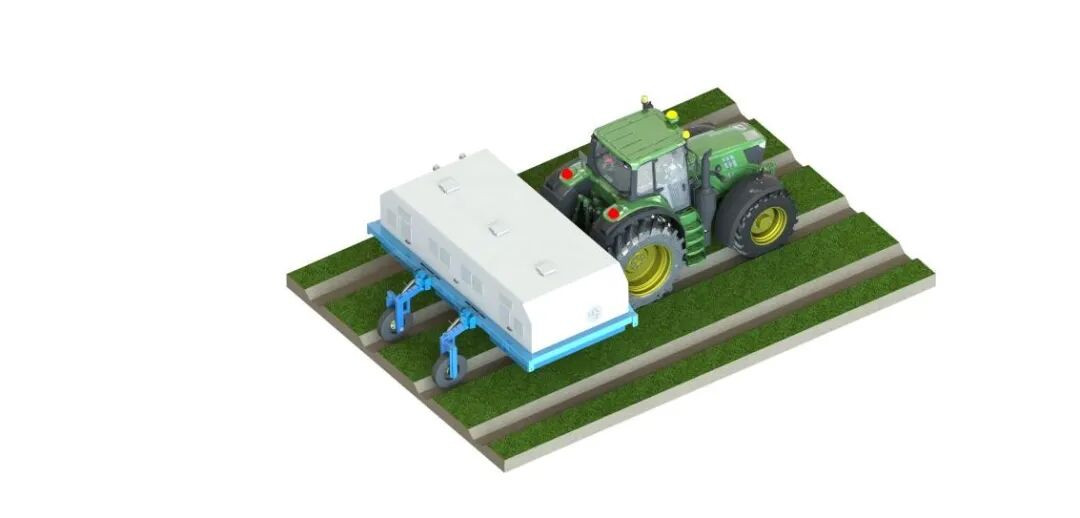
Core Viewpoint - Guangzhou XAG Technology Co., Ltd. has submitted a listing application to the Hong Kong Stock Exchange, with Huatai International as its sole sponsor [1]. Company Overview - XAG Technology is a leading global agricultural robotics company focused on enhancing agricultural productivity. It ranks second in the global agricultural robot and agricultural drone markets with market shares of 10.7% and 17.1% respectively for the year 2024, according to Frost & Sullivan [3]. - The company has developed a range of intelligent agricultural robots that integrate advanced robotics, smart technology, and renewable energy, addressing the significant global agricultural challenge of labor shortages [3]. Product Development - In less than a decade, agricultural drones have become essential in Chinese agriculture. XAG Technology has expanded its product offerings to include agricultural unmanned vehicles, autonomous farming devices, and smart farm IoT products [9]. - The agricultural drones developed by the company can perform precise spraying, intelligent sowing, and field monitoring, even in complex terrains such as paddy fields, orchards, and hilly areas, providing efficient, flexible, and environmentally friendly solutions [9]. - The agricultural unmanned vehicles complement the drones by meeting diverse farming needs in economic crop planting scenarios, featuring functions like precise pesticide spraying and agricultural material transportation [10]. - The company has also developed autonomous driving devices for tractors, transplanters, and harvesters, allowing for automated and precise agricultural operations [11]. Financial Performance - The company reported revenues of approximately RMB 605 million, RMB 614 million, RMB 1.066 billion, and RMB 745 million for the years 2022, 2023, 2024, and the first half of 2025 respectively. The profit and total comprehensive income for the same periods were approximately -RMB 254 million, -RMB 133 million, RMB 70.4 million, and RMB 130 million [11][12].


新股消息 | 极飞科技递表港交所 在世界农业机器人行业排名第二
智通财经网· 2025-09-25 13:36
Core Viewpoint - Guangzhou XAG Technology Co., Ltd. has submitted a listing application to the Hong Kong Stock Exchange, with Huatai International as its sole sponsor [1]. Company Overview - XAG Technology is a global leader in agricultural robotics, aiming to enhance agricultural productivity. According to Frost & Sullivan, the company ranks second in the global agricultural robot and agricultural drone markets with market shares of 10.7% and 17.1% respectively for the year 2024 [3]. - The company has developed a range of intelligent agricultural robots that integrate advanced robotics, smart technology, and renewable energy, addressing the significant global agricultural challenge of labor shortages [3]. Product Development - Agricultural drones have become essential in Chinese agriculture within a decade. The company has expanded its product matrix to include agricultural unmanned vehicles, autonomous farming devices, and smart farm IoT products [9]. - The agricultural drones can perform precise spraying, intelligent sowing, and field monitoring, capable of operating in various terrains such as paddy fields, dry fields, orchards, and hilly areas, providing efficient, flexible, and cost-effective solutions [9]. - The agricultural unmanned vehicles complement the drones by meeting diverse farming needs in economic crop planting scenarios, featuring functions like precise pesticide spraying and agricultural material transportation [10]. - The company has developed autonomous driving devices for tractors, transplanters, and harvesters, allowing for automated and precise agricultural operations [11]. Financial Performance - The company reported revenues of approximately RMB 605 million, RMB 614 million, RMB 1.066 billion, and RMB 745 million for the years 2022, 2023, 2024, and the first half of 2025 respectively. The profit and total comprehensive income for the same periods were approximately -RMB 254 million, -RMB 133 million, RMB 70.4 million, and RMB 130 million [11][12].
Guangzhou Xaircraft Technology Co., Ltd.(H0068) - Application Proof (1st submission)
2025-09-24 16:00
The Stock Exchange of Hong Kong Limited and the Securities and Futures Commission take no responsibility for the contents of this Application Proof, make no representation as to its accuracy or completeness and expressly disclaim any liability whatsoever for any loss howsoever arising from or in reliance upon the whole or any part of the contents of this Application Proof. Application Proof of Guangzhou Xaircraft Technology Co., Ltd. 廣州極飛科技股份有限公司 (A joint stock company incorporated in the People's Republic ...
人工智能+ 职教何为
Zhong Guo Qing Nian Bao· 2025-09-07 22:38
Core Viewpoint - The State Council has issued the "Opinions on Deepening the Implementation of 'Artificial Intelligence+' Action," which aims to integrate artificial intelligence into various sectors of the economy and society, promoting industrial upgrades, improving consumption quality, enhancing people's livelihoods, and modernizing governance [1][2]. Group 1: Opportunities and Challenges in Vocational Education - Artificial intelligence is reshaping business models and creating new job opportunities, with a 214% increase in demand for AI development skills and a 189% increase for data analysis skills, while the importance of manual flexibility skills has decreased by 37% [2]. - The integration of AI into various industries provides vocational education with more employment opportunities, necessitating a new talent cultivation system that aligns with intelligent industrial ecosystems [2][3]. - The existing standardized skill training system in vocational education faces challenges due to the structural changes in job markets caused by AI, requiring a shift towards AI skills training and innovative educational models [3]. Group 2: New Standards for High-Skill Talent Development - The Ministry of Education has introduced new standards for talent cultivation in the intelligent era, emphasizing foundational abilities, advanced thinking, and future competencies [4]. - The "AI Application Guidelines" require vocational schools to cultivate students who not only master AI technologies but can also apply them flexibly in complex job scenarios [5]. Group 3: Curriculum and Assessment Innovations - The "AI Application Guidelines" mandate the development of AI literacy standards for vocational students, focusing on general literacy, professional skills, and industry capabilities, while incorporating ethical education [5][6]. - Vocational institutions are encouraged to conduct regular assessments of students' AI literacy, integrating results into comprehensive quality profiles [6]. Group 4: Enhancing Teacher Competence in AI Education - The Ministry of Education has initiated training programs for teachers to enhance their AI teaching competencies, categorizing them into three levels: basic, advanced, and research [9]. - A dual-teacher model is promoted, combining general literacy, professional skills, and industry capabilities to foster innovative AI education [9]. Group 5: Infrastructure and Governance in AI Education - The "Opinions" emphasize the need for robust digital infrastructure and governance capabilities in vocational education, ensuring the safe and ethical use of AI technologies [10]. - Institutions are encouraged to adopt AI resources for teaching and management while adhering to legal and ethical standards [10].
以激光方案替代人工和除草剂,农业机器人企业蔚蓝引擎获司南导航天使投资|硬氪首发
3 6 Ke· 2025-09-02 01:29
Core Viewpoint - The company "蔚蓝引擎" has completed its angel round financing, with funds aimed at product development, mass production, and market expansion for its laser weeding robots in agriculture [1] Company Overview - "蔚蓝引擎" is the first company in China focused on the research and development of laser weeding robots, established in 2022 [1] - The company has developed two products: "large field laser weeding robot" and "small laser weeding robot," which are set to launch in November 2023 [1][5] - The technology targets crops with strict weeding requirements, such as medicinal herbs and organic vegetables [1] Market Opportunity - The green agricultural equipment market is projected to reach a trillion-level development opportunity, with domestic demand for weeding robots at 299,000 units valued at 89.59 billion yuan [5] - The overseas market potential is also significant, with a demand scale of approximately 204,000 units valued at about 102 billion USD [5] Industry Challenges - The agriculture weeding industry faces challenges such as high labor costs, low efficiency, and over-reliance on herbicides that damage soil ecology [5][6] - Existing weeding equipment often damages crops and requires high standards for sowing [5] Technological Advantages - Laser technology is chosen for its precision and efficiency, with the ability to destroy weeds without contact with the soil [6] - The robots can operate continuously, using AI algorithms to identify weeds within milliseconds and can eliminate over 120,000 weeds per hour [7] Cost Efficiency - Current manual weeding costs range from 200 to 300 yuan per mu, while laser weeding costs are expected to drop to 40-60 yuan per mu, representing 20% to 30% of manual costs [9] Future Plans - The company aims to expand its product line for laser weeding and explore other areas in precision agriculture robotics [9] - The sales target for the next year is approximately 20 million yuan, with existing interest from large farms and agricultural cooperatives [9] Investor Perspective - The investor, 司南导航, views agricultural robots as a key area in smart agriculture, driven by both policy and market demand [10] - "蔚蓝引擎" is recognized for its early commercialization efforts in precision agricultural robots and is expected to establish a competitive edge in the laser weeding market [10]

重磅政策来袭,AI+农业机器人有望突围?
机器人大讲堂· 2025-08-28 10:34
Core Viewpoint - The recent policy from the State Council on August 27 emphasizes the acceleration of digital transformation in agriculture, particularly through the integration of artificial intelligence (AI) in agricultural practices, which is expected to significantly boost the development of agricultural robots [1][3]. Policy Background - The new agricultural robot policy builds on previous initiatives, such as the Ministry of Agriculture and Rural Affairs' guidance on developing smart agriculture, which highlights the need for advancements in key technologies like agricultural sensors, specialized chips, and core algorithms [3]. - The "National Smart Agriculture Action Plan (2024-2028)" aims for 80% of towns in China to achieve 5G coverage by 2025 and establish 100 AI agricultural demonstration parks, providing a solid technological foundation for the integration of AI and agricultural robotics [3]. Market Potential - According to Verified Market Research, the global agricultural sector is at a critical juncture for smart transformation, with its value projected to grow from $3.43 billion in 2019 to $36.86 billion by 2027, reflecting a compound annual growth rate (CAGR) of 34.5% [4]. - The Chinese market for agricultural robots is expected to exceed 100 billion yuan by 2030, indicating significant growth potential [4]. Company Developments - Major companies in the agricultural robotics sector include: - **Zoomlion**: A leader in agricultural machinery, offering over 100 high-end intelligent agricultural equipment and solutions, including partnerships with AI firms to enhance product development [6]. - **Muyuan Foods**: Focused on livestock robotics, developing various automated solutions for pig farming, which enhance efficiency and disease prevention [8][9]. - **Fujia**: Recently launched the world's first intelligent grain leveling robot, marking its entry into the special robotics sector and addressing food security challenges [11][12]. - **China Yituo**: Actively upgrading its tractor technology to include smart features, aiming to enhance operational efficiency and expand into international markets [14]. - **Topcloud**: Specializes in smart agriculture, integrating IoT and AI technologies to provide comprehensive solutions for agricultural management [16]. - **Fubon Technology**: Focuses on soil detection and crop harvesting robots, enhancing automation in agriculture [18]. - **Weichai Lovol**: Offers a complete range of smart agricultural machinery, integrating satellite sensing and AI for comprehensive agricultural solutions [21]. Future Outlook - AI agricultural robots are seen as crucial for addressing global food security and labor shortages in agriculture, with their ability to perform high-intensity tasks and optimize resource use [23]. - Despite challenges such as high development costs and the need for technological advancements, the potential for AI agricultural robots to transform the industry remains significant, with expectations for breakthroughs through technological iteration and policy support [24].
不输“老把式” 机器人重构农业DNA
Bei Jing Shang Bao· 2025-08-10 16:34
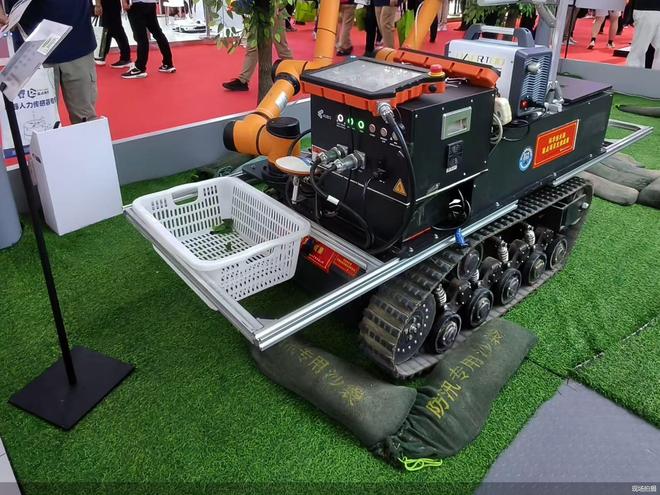
Core Insights - The agricultural robotics market in China is projected to reach 12.8 billion yuan in 2024, with a year-on-year growth of 67%, and is expected to exceed 20 billion yuan by 2025 [1] - The integration of technology in agriculture is transforming traditional farming practices, allowing for more efficient and precise operations [1][6] Industry Developments - New agricultural robots, such as crop inspection robots, can autonomously identify diseases and pests, improving efficiency by 75% compared to manual inspections and covering up to 500 acres [2] - The "pollination robot," developed by a collaboration between the Beijing Academy of Agriculture and the Haidian District Agricultural Bureau, boasts a fruit set rate greater than 98% and reduces pollination costs by 30% compared to traditional methods [4][6] - A new apple-picking robot can harvest 1,600 apples per hour, with development costs exceeding 1 million yuan but expected to drop below 100,000 yuan with wider adoption [6] Policy and Market Trends - The penetration rate of agricultural robots in China has increased from 3.2% in 2020 to 15.7% in 2024, with a target of 30% by 2026 as outlined in the national smart agriculture action plan [6][7] - The Chinese government has allocated 4.5 billion yuan in special funds for agricultural robot research, with subsidies for individual devices reaching up to 40% [6] - The agricultural robotics sector saw a financing amount of 4.7 billion yuan in 2024, with leading companies like XAG and Fengjiang Intelligence valued over 10 billion yuan [6] Future Outlook - The agricultural robotics market in China is expected to surpass 100 billion yuan by 2030, driven by factors such as an aging population and accelerated land transfer [7] - The vision for future agriculture includes a shift from traditional farming to data-driven practices, with real-time data collection and analysis becoming standard [7]
2025世界机器人大会|不输“老把式” 机器人重构农业DNA
Bei Jing Shang Bao· 2025-08-10 13:47
Core Insights - The agricultural robotics market in China is projected to reach 12.8 billion yuan in 2024, with a year-on-year growth of 67%, and is expected to exceed 20 billion yuan by 2025 [1] - The penetration rate of agricultural robots in China has increased from 3.2% in 2020 to 15.7% in 2024, but still lags behind countries like the Netherlands and Japan [7] Group 1: Agricultural Robotics Innovations - A dual-arm robot showcased at the World Robot Conference can pick apples in under 5 seconds, demonstrating advanced automation in agriculture [1] - New inspection robots can autonomously identify and analyze crop diseases, improving efficiency by 75% compared to manual inspections and covering up to 500 acres [3] - A visual perception and diagnosis system for pests and diseases is being developed, capable of processing over 50 frames per second to accurately identify issues [5] Group 2: Pollination and Harvesting Technologies - The "Greenhouse Bumblebee" robot, designed for pollination, achieves a fruit set rate greater than 98% and reduces costs by 30% compared to traditional bumblebee pollination [6] - An apple-picking robot can harvest 1,600 apples per hour, with expectations to reduce its market price from over 1 million yuan to below 100,000 yuan as it becomes more widely adopted [6] Group 3: Policy and Market Dynamics - The Chinese government has allocated 4.5 billion yuan in special funds for agricultural robot research, with various provinces offering subsidies of up to 40% for equipment [7] - The agricultural robotics sector saw a financing amount of 4.7 billion yuan in 2024, with leading companies achieving valuations exceeding 10 billion yuan [7] - Projections indicate that the agricultural robotics market in China could surpass 100 billion yuan by 2030 due to factors like population aging and land transfer [7]
深圳30岁以下创业先锋青年都在干什么?最年轻的仅26岁“二代”已接任董事长,深圳高校又跑出一个领军人物!深圳未来一个大趋势来了!
Sou Hu Cai Jing· 2025-05-11 15:46
Group 1 - Shenzhen's Zhao Xintong won the 2025 Snooker World Championship, marking him as the first champion from China and Asia, inspiring a new generation of young entrepreneurs [1] - The "Hurun U30 China Entrepreneur Pioneers" list features 131 young entrepreneurs aged 30 and below, with 18 from Shenzhen, surpassing Beijing, Shanghai, and Guangzhou for the first time [1][41] - The average age of the entrepreneurs on the list is 28, with 95 being first-generation entrepreneurs and 36 being second-generation successors [1][43] Group 2 - The top three sectors favored by U30 entrepreneurs are software and services (including AI+Energy data services), education and training (such as online vocational education), and consumer goods (like VR and MR headsets) [1][41] - The average startup capital for these entrepreneurs is 12 million yuan, with an average company valuation of 280 million yuan [1][43] - 63% of startup funding comes from personal or family sources, while 54% comes from venture capital [1] Group 3 - The Shenzhen government supports young entrepreneurs with initiatives like "1 yuan innovation workshops" and "zero-rent acceleration camps," promoting a "only dreams, no rent" policy [2] - Shenzhen has established a talent innovation and entrepreneurship fund of 30 billion yuan, investing in 926 projects [2] - The city offers 15 days of free accommodation for recent graduates, extending support for job-seeking [2] Group 4 - The average number of employees in the listed companies is 250, with some companies employing over 2000 people [41] - 35% of first-generation entrepreneurs have overseas study backgrounds, with the US, UK, and Australia being the most popular destinations [41][43] - 36 second-generation successors are involved in family business strategic decisions, with 70% having studied abroad [43] Group 5 - Cheng Tian International, founded by Feng Lingju, has grown to an annual revenue of over 700 million yuan within six years, focusing on cross-border logistics [5][6] - The company has developed a supply chain management service system that integrates big data, AI, and blockchain technology, improving customs efficiency by 40% and reducing logistics costs by 20% [5][6] - Wei Er Technology, established in 2021, focuses on agricultural AI robots and has received significant funding for product development and commercialization [16][19] Group 6 - The company "Because of Skin" focuses on dermatology and has rapidly expanded its operations, achieving a monthly revenue of 15 million yuan [21][26] - Linglu Education specializes in developing and promoting educational products, successfully serving over 2000 mid-to-high-end clients [27] - Xingtian Guangnian, led by CEO Wei Dehao, focuses on hardware design for robotics, emphasizing the integration of AI algorithms with hardware [28][29]


5月攻坚正当时:盐城盐南新河街道全力冲刺经济发展“双过半”
Yang Zi Wan Bao Wang· 2025-05-09 04:45
Group 1 - The street is focusing on key economic indicators, enhancing data analysis and communication with enterprises to ensure accurate reporting and tracking of businesses [1][2] - The street aims to establish a dynamic management mechanism for tracking enterprises, ensuring compliance and timely reporting [1] - The street is actively engaging in investment attraction, with plans to complete new project signings and start construction on new projects [2] Group 2 - Various investment promotion units are signing agreements with companies, including technology and agricultural projects, to boost local economic development [2] - The street is committed to providing precise services to enterprises by understanding their operational status and offering policy guidance [2]