电动自行车

Search documents
泽普县:“国补”“厂补”实惠多 元旦消费市场暖意浓
Sou Hu Cai Jing· 2026-01-06 08:50
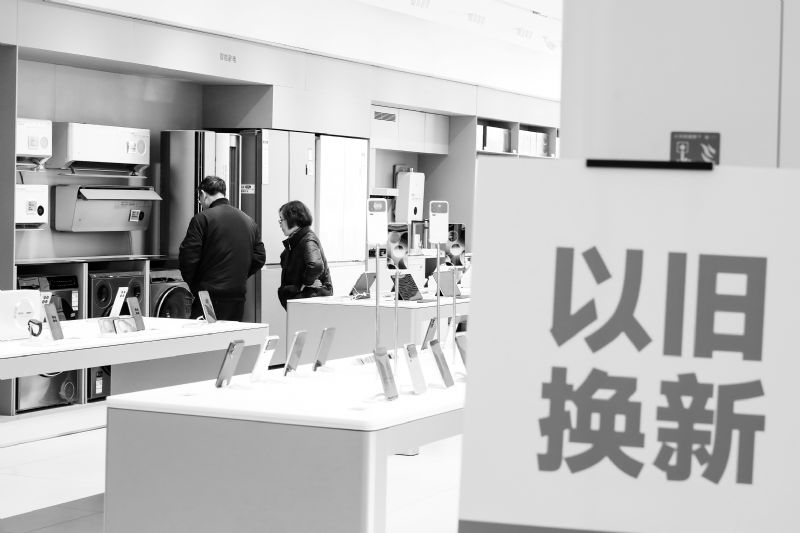
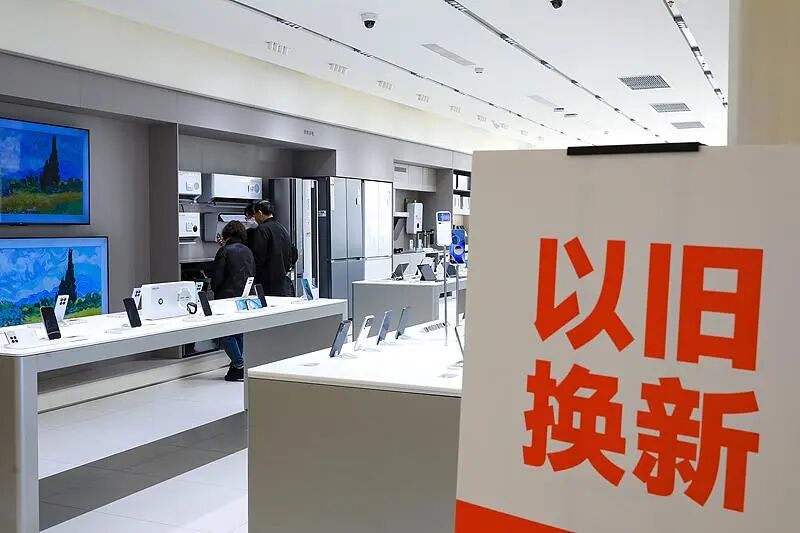
图尔荪古丽•阿布来提说:"我一直想给父母换一台保鲜效果比较好的冰箱。这几天休息我就过来买冰 箱,我看中的那款冰箱原价一万多,优惠下来八千多就能买到。" 泽普县某电器专卖店经理丁宽说:"元旦期间,我们的各类家电优惠力度比较大,'厂家补贴'加'国家补 贴'能优惠到百分之二十五左右。所以这几天购买电器的顾客也比较多,比起去年销售量增长了百分之 十。" 元旦假期期间,泽普县各大商场、门店人头攒动,各类大宗消费品市场迎来购销热潮。国家大规模设备 更新和消费品以旧换新政策持续发力,叠加制造企业补贴,不仅让消费者享受到真金白银的实惠,更激 活了县域消费市场的内生动力。 1月1日,在泽普县某电器专卖店内,保鲜冰箱、高清电视、节能空调等产品整齐陈列。不少消费者专门 进店咨询"国补"政策,购买心仪的家电。导购员忙着为顾客讲解政策内容与产品性能,现场一派热火朝 天的景象。家住赛力乡的图尔荪古丽•阿布来提了解完补贴政策后,很快就订购了一台全空间保鲜冰 箱。 虽然今年电动自行车已移出国家大规模设备更新和消费品以旧换新政策目录,但是制造企业推出的"工 厂补贴"同样吸引了不少消费者的目光。在泽普县某电动自行车旗舰店内,安全性能更好、续航时 ...
福建泉州晋江市内坑市场监管所三维发力推进电动自行车新国标落地 筑牢全链条安全防线
Xin Lang Cai Jing· 2026-01-06 08:07
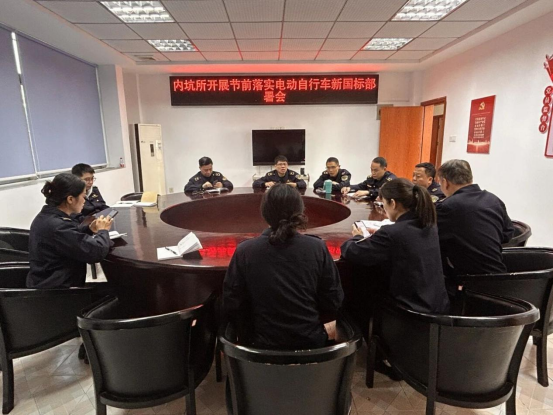
Core Viewpoint - The implementation of the new national standard for electric bicycles (GB17761-2024) is crucial for ensuring safety and preventing risks associated with electric bicycles in Fujian Quanzhou Jinjiang City, with a comprehensive management system being established to support this initiative [1] Group 1: Regulatory Measures - The Jinjiang Market Supervision Bureau has initiated a three-dimensional approach to implement the new national standard, focusing on "source control, comprehensive promotion, and precise dissemination" [1] - A deployment meeting was held to clarify the policy background and core significance of the new standard, emphasizing the prohibition of selling non-compliant vehicles without CCC certification [1] - A work plan was developed that includes "promotion, source supervision, and law enforcement," establishing a mechanism for information sharing and joint law enforcement [1] Group 2: Industry Engagement - Over 20 electric bicycle sales units participated in a specialized meeting to understand the core changes of the new standard, including adjustments in vehicle quality classification and new fire resistance regulations [3] - The bureau addressed merchants' concerns regarding old inventory handling and CCC certification processes, ensuring clarity on their responsibilities in compliance [3] - Merchants were required to sign a compliance commitment to avoid selling non-compliant vehicles and illegal modifications, with over 30 promotional materials distributed to guide compliance [3] Group 3: Community Outreach - The bureau extended its outreach to the public by setting up a promotional base in a busy market, conducting face-to-face promotional activities [5] - Various methods were used to engage the public, including LED displays and safety warning videos, to raise awareness about the new standard [5] - The event successfully attracted over 80 public inquiries and distributed 80 safety riding guides, enhancing public understanding of compliance requirements [5] Group 4: Future Plans - The bureau plans to continue deepening the implementation of the new standard through comprehensive inspections and strict enforcement against illegal sales and modifications [7] - Ongoing promotional activities will be conducted in communities, schools, and commercial areas to expand the reach and impact of the new standard [7] - The goal is to create a collaborative governance structure involving regulatory departments, industry self-discipline, and public awareness to ensure a safe and orderly travel environment for the community [7]

一图读懂:2025年上海市消费品以旧换新取得积极成效
Xin Hua Cai Jing· 2026-01-05 13:53
Core Viewpoint - Since 2025, Shanghai has effectively implemented the "old for new" consumption policy, resulting in significant sales and consumer engagement in various sectors [3][4]. Group 1: Sales Performance - The sales revenue from "old for new" products in Shanghai exceeded 121.23 billion yuan, benefiting over 21.95 million people [4]. - The retail sales of social consumer goods in Shanghai increased by 5% year-on-year from January to November, surpassing the national average by 1 percentage point and accelerating by 8.1% compared to the same period last year [6]. Group 2: Product Categories - The "old for new" program included over 320,000 vehicles, more than 4.5 million digital products, and over 4.9 million home appliances [5]. - The program also facilitated the replacement of over 1.19 million kitchen and bathroom items and more than 330,000 electric bicycles [5]. Group 3: Environmental Impact - The "old for new" initiative contributed to a 2.7 percentage point increase in the total retail sales, promoting green transformation and upgrading of industries [6]. - The proportion of new energy vehicles in the "old for new" car replacement program reached 64%, exceeding the national average, and led to a 21.6% year-on-year increase in new energy vehicle retail sales from January to November [6]. Group 4: Recycling and Consumer Engagement - From January to November 2025, the sales of second-hand cars grew by 36%, and the recycling volume of scrapped vehicles increased by over 80% [7]. - The offline participation in home appliance and furniture exchanges reached 4.65 million people, with 2,105 offline merchants and nearly 7,500 stores, generating sales of 21.2 billion yuan [7].

中国2025年以旧换新政策取得显著成效 带动相关商品销售额超2.6万亿
Chang Jiang Shang Bao· 2026-01-05 00:04
Core Insights - The consumption upgrade policy in China has significantly boosted sales, with over 2.6 trillion yuan in sales related to the old-for-new program in 2025, benefiting more than 360 million people [2][3] Group 1: Policy Implementation and Impact - The old-for-new policy has been effective since its full implementation in September 2024, with over 480 million direct subsidies issued to consumers [5][6] - The policy has led to substantial sales in various categories: over 11.5 million cars, 129 million home appliances, 91 million digital products, and 12 million home renovation items were sold under this initiative [2][3] - The retail sales of consumer goods increased by 4.0% year-on-year in the first 11 months of 2025, with the old-for-new program contributing over 1 percentage point to this growth [4] Group 2: Product Categories and Consumer Behavior - In the automotive sector, nearly 60% of the old-for-new vehicles were new energy vehicles, with their market share exceeding 50% for nine consecutive months [4] - In home appliances, over 90% of the products sold under the old-for-new program were of first-level energy efficiency [4] - The program has encouraged consumers to experience shopping in stores, leading to a 30% increase in sales for nearby businesses in areas with concentrated old-for-new appliance stores [6] Group 3: Future Developments - In 2026, the subsidy structure will be optimized, transitioning from fixed subsidies to a percentage of the vehicle price, with maximum subsidies of 20,000 yuan for scrapping and 15,000 yuan for replacement [7] - The scope of supported appliances will expand to include six major categories, enhancing the effectiveness of the subsidies [7] - New categories such as smart glasses will be added to the subsidy program, targeting fast-growing consumer technology sectors [7]
2025年以旧换新相关商品 销售额超2.6万亿元
Xin Lang Cai Jing· 2026-01-02 23:43
Core Insights - The sales of products related to the "trade-in for new" policy are expected to exceed 2.6 trillion yuan by 2025, benefiting over 360 million people [1][2] Group 1: Sales Projections - By 2025, the trade-in for new policy is projected to result in the following sales: over 11.5 million cars, 129 million home appliances, 9.1 million digital products, 120 million home renovation items, and 1.25 million electric bicycles [1] - The retail sales of consumer goods from January to November increased by 4.0% year-on-year, with the trade-in policy contributing over 1 percentage point to this growth [1] Group 2: Industry Upgrades - In the automotive sector, nearly 60% of trade-ins involve new energy vehicles, leading to a retail market share for new energy passenger cars exceeding 50% for nine consecutive months, reaching 59.4% in November [1] - In the home appliance sector, over 90% of traded-in products are first-class energy efficiency (water efficiency) products [1] - Sales of communication equipment have shown continuous growth for 11 months [1] Group 3: Economic and Environmental Impact - By 2025, the volume of scrapped cars is expected to increase by 24.5%, resulting in the recycling of approximately 9.6 million tons of steel and 1.3 million tons of non-ferrous metals, thereby reducing carbon emissions by about 24.5 million tons [1] - Since the full implementation of the policy in September 2024, over 480 million direct subsidies have been issued to consumers, facilitating the entry of numerous green, low-carbon, and smart products into daily life [2] - For every two new household cars sold, one will benefit from the trade-in subsidy, and the number of old electric bicycles being replaced has exceeded nine times that of 2024 [2]
电动车充电时起火致8人死亡,云南通报:区政府等10个单位和25名责任人被建议移交纪委监委追责问责
Mei Ri Jing Ji Xin Wen· 2026-01-02 08:40
Core Viewpoint - The investigation report on the fire incident in Kunming highlights significant safety violations related to the use and modification of electric bicycles, leading to a tragic outcome with eight fatalities and substantial economic losses [1][4][9]. Group 1: Incident Overview - The fire occurred on April 12, 2025, at a motorcycle parts shop in Kunming, resulting in eight deaths and direct economic losses of 530,400 yuan [1][4]. - The building involved was a two-story structure, with the second floor illegally converted into a living area, housing nine individuals at the time of the incident [2][4]. Group 2: Causes of the Fire - The fire was initiated by an electric bicycle being charged inside the shop, which had been improperly modified and was surrounded by flammable materials [5][6]. - The owner of the shop had made unauthorized modifications to the electric bicycle, including the installation of oversized batteries, which compromised safety standards [8][10]. Group 3: Regulatory and Legal Implications - The investigation identified multiple parties responsible for the incident, including the shop owner, who is facing criminal charges for negligence leading to the fire [11]. - Recommendations for accountability have been made against ten government units and 25 individuals for their failure to enforce safety regulations and oversight [12][13]. Group 4: Systemic Issues in Electric Bicycle Safety - The report indicates that the risks associated with electric bicycles are systemic, involving failures across production, sales, maintenance, and regulatory oversight [13][14]. - The investigation underscores the need for stricter enforcement of safety standards and regulations in the electric bicycle industry to prevent future incidents [14].

每卖两辆新车,就有一辆享受补贴!2025年“以旧换新”惠及超3.6亿人次
Yang Zi Wan Bao Wang· 2026-01-02 08:35
Core Insights - The "old-for-new" policy in China is projected to generate over 2.6 trillion yuan in sales by 2025, benefiting more than 360 million consumers and serving as a significant driver for consumption growth and industrial upgrading [1][2] Group 1: Policy Impact on Sales - By 2025, the "old-for-new" policy will lead to the replacement of over 11.5 million vehicles, 129 million home appliances, 9.1 million digital products, 12 million home renovation items, and 1.25 million electric bicycles [1] - From January to November 2025, the total retail sales of consumer goods are expected to grow by 4.0% year-on-year, with the "old-for-new" policy contributing over 1 percentage point to this growth [1] Group 2: Industrial Upgrading - The policy has significantly enhanced industrial quality, with nearly 60% of replaced vehicles being new energy vehicles, and over 90% of replaced home appliances being high-efficiency products [1] - The recycling of scrapped vehicles is projected to increase by 24.5% in 2025, leading to the recycling of approximately 9.6 million tons of steel and 1.3 million tons of non-ferrous metals, while reducing carbon emissions by about 24.5 million tons [1] Group 3: Consumer Safety and Experience - Over 4.8 billion subsidies have been issued directly to consumers since the policy's implementation, with a significant number of new green, low-carbon, and smart products entering the market [2] - The replacement of old electric bicycles has exceeded nine times that of 2024, with 90% of new bicycles meeting national safety standards [2] Group 4: Economic Revitalization - The "old-for-new" policy has revitalized offline retail, with consumers increasingly opting for in-store experiences, leading to over 30% growth in surrounding merchant consumption in areas with concentrated home appliance replacement stores [2] - The Ministry of Commerce indicates that the policy will continue to evolve, further stimulating consumption potential and promoting green and low-carbon transitions for high-quality economic development [2]
2026“国补”继续!几类补贴有变化,一文看懂
Yang Shi Xin Wen· 2026-01-02 07:54
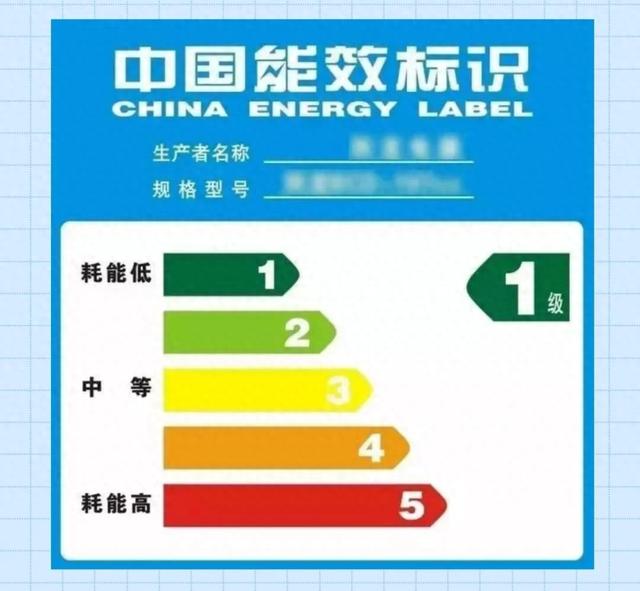
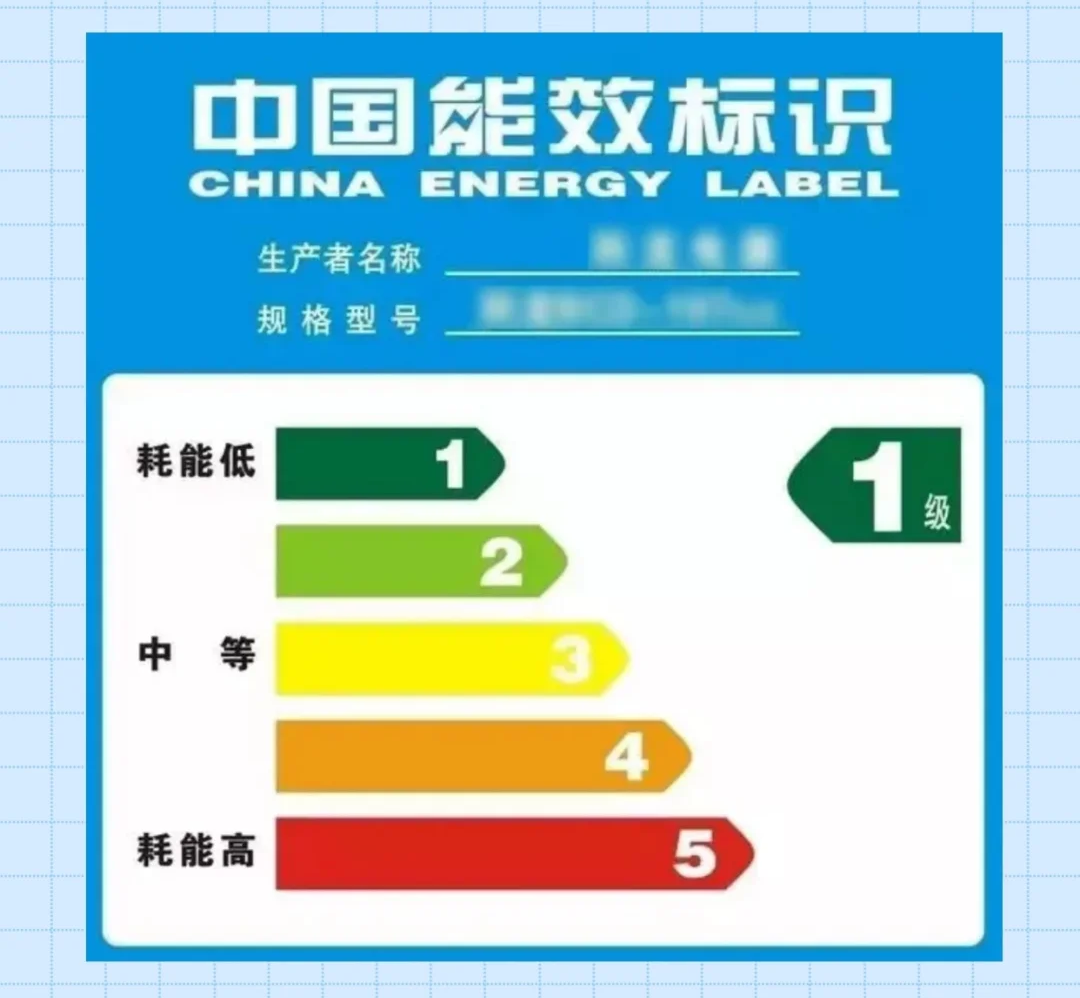
最近,不少人在关心 "2026年以旧换新补贴,还有没有?" 答案是:有! 1月1日,新一轮"国补"正式开始! 2026年首批625亿元国补资金已下达 延续消费品以旧换新 并加大对设备更新的支持力度 新一轮"国补"有哪些看点和变化? 一次梳理清楚 01 数码和智能产品继续享受 家电产品只补贴1级能效 或水效标准产品 除了数码产品,家电补贴在2026年也继续推进,条件更聚焦于高能效产品。家电以旧换新只补贴1级能效或水效标准产品,不再补贴2级能效或水效标准的 产品。 补贴品类:包括冰箱、洗衣机、电视、空调、电脑、热水器等6类产品。 15%国补 单件最高500元 数码和智能产品的补贴标准基本与2025年保持一致。但补贴品类进一步扩大:在延续手机、平板、智能手表(手环)和智能家居产品(含适老家居)的基 础上,新增了智能眼镜这一品类。 补贴规则:单件产品销售价格不超过6000元,按销售价格的15%给予补贴。单件补贴最高不超过500元(每位消费者每一类产品限补1件)。 02 补贴规则:补贴条件是达到1级能效或水效标准。每位消费者每类产品可补贴1件,每件补贴不超过1500元。 03 汽车调整为按价格比例补贴 最高补贴2万元 ...
2026“国补”继续!几类补贴有变化→
Xin Lang Cai Jing· 2026-01-02 03:05
Core Viewpoint - The new round of "National Subsidy" for 2026 has officially started, with a total of 62.5 billion yuan allocated to support the replacement of old products and enhance equipment updates [3][9]. Group 1: Digital and Smart Products - Digital and smart products will continue to receive a 15% subsidy, with a maximum of 500 yuan per item, maintaining the same standards as in 2025. The product categories have been expanded to include smart glasses in addition to smartphones, tablets, smartwatches, and smart home products [3][5]. - The subsidy applies to products priced up to 6,000 yuan, with each consumer limited to one subsidized item per category [5]. Group 2: Home Appliances - The subsidy for home appliances will focus on products that meet the 1st-level energy efficiency or water efficiency standards, excluding those that meet only the 2nd-level standards. Eligible products include refrigerators, washing machines, televisions, air conditioners, computers, and water heaters [5]. - Each consumer can receive a subsidy of up to 1,500 yuan for one item per category [5]. Group 3: Automotive Subsidies - The automotive subsidy has been adjusted to a fixed percentage of the new car sales price, with a maximum subsidy of 20,000 yuan for eligible vehicles. The eligibility criteria for scrapping old vehicles have been expanded compared to 2025 [6][8]. - For scrapped gasoline vehicles, the registration date must be before June 30, 2013, while for diesel and other fuel vehicles, it must be before June 30, 2015. For new energy vehicles, the registration date must be before December 31, 2019 [6][12]. Group 4: Support for Community and Infrastructure - The new round of subsidies addresses public concerns by increasing support for the installation of elevators in old residential areas, updating equipment in elderly care facilities, and enhancing commercial infrastructure such as shopping centers and supermarkets [11][13]. - The subsidy program aims to improve consumer access and increase the effectiveness of the subsidy distribution [19].
2026“国补”有何变化?一文看懂→
Xin Lang Cai Jing· 2026-01-02 02:58
Core Viewpoint - The new round of "National Subsidy" (国补) has officially started on January 1, 2026, with a total of 62.5 billion yuan allocated for various consumer products and equipment upgrades, continuing the "trade-in" policy for old products [1] Group 1: Digital and Smart Products - Digital and smart products will continue to receive a 15% subsidy, with a maximum of 500 yuan per item, maintaining the same subsidy standards as in 2025 [1] - The subsidy categories have expanded to include smart glasses, in addition to mobile phones, tablets, smartwatches, and smart home products [1] - The subsidy applies to products priced up to 6,000 yuan, with each consumer limited to one subsidy per product category [1] Group 2: Home Appliances - Home appliance subsidies will focus on products that meet 1st-level energy efficiency or water efficiency standards, with no subsidies for 2nd-level products [2] - Subsidy categories include refrigerators, washing machines, televisions, air conditioners, computers, and water heaters [3] - Each consumer can receive a subsidy of up to 1,500 yuan per product category [5] Group 3: Automotive Subsidies - The automotive subsidy program has been adjusted to provide a percentage-based subsidy, with a maximum of 20,000 yuan for eligible new energy vehicles [5][6] - For scrapped gasoline vehicles, the subsidy is 10% of the new car price, capped at 15,000 yuan, while for scrapped diesel vehicles, the same percentage applies [6] - The program also includes a subsidy of 8% for purchasing new energy vehicles when replacing old ones, with a maximum of 15,000 yuan, and 6% for fuel vehicles, capped at 13,000 yuan [7] Group 4: Support for Public Welfare - The new round of subsidies addresses public concerns by increasing support for upgrading equipment in old residential areas, elderly care facilities, and safety equipment [8] - The subsidy program will also support the upgrade of commercial infrastructure, including shopping centers and supermarkets [8] Group 5: Application Process - Consumers can apply for subsidies through designated platforms for automobiles, home appliances, and digital products [9][11] - A special focus will be placed on preventing fraud and ensuring that the subsidy benefits reach a wide range of consumers [13]