算力产业

Search documents
工业和信息化部:到2026年底,实现全国31个省(自治区、直辖市)及重点算力企业算力资源数据的自动化监测
Xin Lang Cai Jing· 2026-01-21 10:24
来源:上海证券报·中国证券网 来源:上海证券报·中国证券网 上证报中国证券网讯 据工业和信息化部1月21日消息,为深入贯彻落实党中央、国务院决策部署,加快 形成全国算力资源"一本账",全面提升我国算力资源管理效能,工业和信息化部办公厅近日印发《关于 全面开展算力态势感知自动化监测工作的通知》(以下简称《通知》)。 《通知》要求,在前期试点工作基础上,分两批组织全国各地区、重点算力企业依托中国算力平台体系 开展算力态势感知自动化监测,通过全面提升自动化监测能力、健全数据质量核查机制、提高数据智能 分析水平等重点任务,全面提升算力监测能力,推动算力供给结构动态优化,为算力资源高效配置、产 业高质量发展奠定坚实基础。 《通知》提出,到2026年底,实现全国31个省(自治区、直辖市)及重点算力企业算力资源数据的自动 化监测,基本建成覆盖全国、标准统一、智能高效的算力态势感知自动化监测体系,监测数据质量、智 能分析能力、监测结果应用水平有效提升。 算力态势感知自动化监测工作将有助于各单位依托监测和分析结果,动态优化本地区、本企业算力部署 供给结构,引导算力高效应用,提升算力赋能中小企业创新发展以及在各行业的普惠易用水平 ...
工信部:到2026年底,实现全国31个省及重点算力企业算力资源数据的自动化监测
Zheng Quan Shi Bao Wang· 2026-01-21 09:18
Core Viewpoint - The Ministry of Industry and Information Technology has issued a notice to enhance automated monitoring of computing power status across the country, aiming for a unified and efficient system by the end of 2026 [1][2] Group 1: Key Objectives - The notice outlines the goal to establish an automated monitoring system for computing power resources across all 31 provinces and key enterprises by the end of 2026 [1] - It emphasizes improving automated monitoring capabilities, data quality verification mechanisms, and intelligent data analysis levels [1] Group 2: Expected Outcomes - The automated monitoring work is expected to help optimize the supply structure of computing power deployment in various regions and enterprises [1] - It aims to enhance the application of computing power in supporting innovation for small and medium-sized enterprises and improve accessibility across industries [1] Group 3: Future Actions - The Ministry will strengthen the dissemination and interpretation of the notice to guide regions and enterprises in advancing the automated monitoring work [2] - There will be a focus on optimizing the reasonable deployment of computing resources and constructing a high-speed, agile computing support network [2]
工信部:到2026年底,实现全国31个省(自治区、直辖市)及重点算力企业算力资源数据的自动化监测
Xin Lang Cai Jing· 2026-01-21 09:16
《通知》要求,在前期试点工作基础上,分两批组织全国各地区、重点算力企业依托中国算力平台体系 开展算力态势感知自动化监测,通过全面提升自动化监测能力、健全数据质量核查机制、提高数据智能 分析水平等重点任务,全面提升算力监测能力,推动算力供给结构动态优化,为算力资源高效配置、产 业高质量发展奠定坚实基础。 为深入贯彻落实党中央、国务院决策部署,加快形成全国算力资源"一本账",全面提升我国算力资源管 理效能,工业和信息化部办公厅近日印发《关于全面开展算力态势感知自动化监测工作的通知》(以下 简称《通知》)。 《通知》提出,到2026年底,实现全国31个省(自治区、直辖市)及重点算力企业算力资源数据的自动 化监测,基本建成覆盖全国、标准统一、智能高效的算力态势感知自动化监测体系,监测数据质量、智 能分析能力、监测结果应用水平有效提升。 下一步,工业和信息化部将加强《通知》的宣贯解读,指导各地区、各企业稳妥推进算力态势感知自动 化监测工作,持续推动优化算力资源合理部署,构建高速敏捷算力支撑网络,推进算力资源精细化、智 能化、高效化供需匹配,不断提升算力资源配置效率。 算力态势感知自动化监测工作将有助于各单位依托监测和分 ...
中国年用电量首破10万亿千瓦时 新质生产力驱动用电新增量
Yang Shi Xin Wen· 2026-01-20 23:57
Core Insights - In 2025, China's total electricity consumption will exceed 10 trillion kilowatt-hours for the first time, which is more than double the annual electricity consumption of the United States and higher than the combined total of the EU, Russia, India, and Japan [1] Group 1: Electricity Consumption Growth Drivers - The high-end manufacturing sector is a new driver of electricity consumption growth, with a motorcycle smart factory in Hangzhou projected to achieve revenues exceeding 15 billion yuan in 2025, with over 70% of its sales coming from overseas markets [3] - A new materials company in Hangzhou anticipates electricity consumption exceeding 25 million kilowatt-hours in 2025, driven by the demand for semiconductor high-purity equipment and new energy storage electrode production [5] - The electricity consumption in Hangzhou is expected to surpass 110 billion kilowatt-hours in 2025, with a year-on-year growth rate of 6.5%, particularly in the automotive, computer, communication, and other electronic device manufacturing sectors [7] Group 2: Impact of New Technologies - The rapid penetration of new information technologies, such as artificial intelligence, is driving significant growth in electricity consumption in the internet and related service industries, with a smart elderly care service company experiencing a 25% year-on-year increase in electricity consumption due to model training and new product testing [9] - In Jiaxing, the first "10,000 Card" computing power cluster in Zhejiang is under construction, with electricity consumption in the computing power industry exceeding 790 million kilowatt-hours in 2025, marking a 287% year-on-year increase [11] Group 3: Electric Vehicle Charging Services - The electric vehicle charging service industry is projected to see a consumption growth rate of 48.8% in 2025, making it a significant contributor to the growth of the tertiary sector's electricity consumption [17] - The charging service industry is expected to provide services for nearly 30 million pure electric vehicles in 2025, with electricity consumption exceeding 102 billion kilowatt-hours [19] Group 4: Power Supply and Renewable Energy - China's power supply capacity is steadily improving, with total installed power generation capacity exceeding 3.8 billion kilowatts, and the proportion of green electricity continues to rise, with one-third of electricity consumption coming from renewable energy sources [21] - The establishment of a national unified electricity market is underway to provide cross-regional power support for the anticipated 10 trillion kilowatt-hours of electricity consumption [19][21] - The resilience and development vitality of China's large-scale economy are highlighted by its leading position in electricity consumption, supported by the active construction of a new energy system [23]

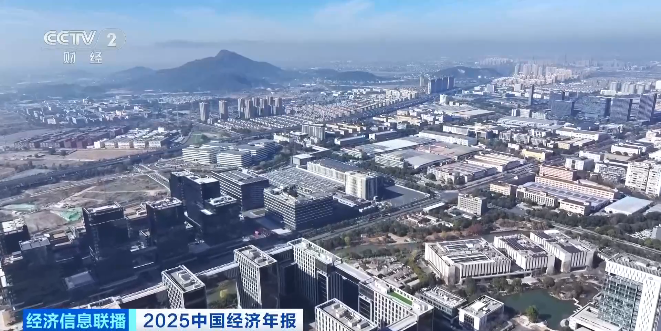
中国经济年报丨中国年用电量首破10万亿千瓦时 新质生产力驱动用电新增量
Sou Hu Cai Jing· 2026-01-20 15:16
Core Insights - By 2025, China's total electricity consumption is expected to exceed 10 trillion kilowatt-hours, marking a first globally and surpassing the annual consumption of the US by more than double, as well as the combined total of the EU, Russia, India, and Japan [1] Group 1: Electricity Consumption Growth Drivers - The booming high-end manufacturing sector is a new driver of electricity consumption growth, with a motorcycle smart factory in Hangzhou projected to achieve revenues exceeding 15 billion yuan in 2025, with over 70% of its sales coming from overseas markets [3] - A new materials company in Hangzhou anticipates electricity consumption exceeding 25 million kilowatt-hours in 2025, driven by the demand for semiconductor high-purity equipment and new energy storage electrode production [5] - The electricity consumption in Hangzhou is projected to surpass 110 billion kilowatt-hours in 2025, with a year-on-year growth rate of 6.5%, particularly in the automotive, computer, communication, and electronic device manufacturing sectors [7] Group 2: Impact of New Technologies - The rapid development of artificial intelligence and new information technologies is driving significant growth in electricity consumption in the internet and related service industries, with a smart elderly care service company experiencing a 25% year-on-year increase in electricity consumption due to model training and new product testing [9] - In Jiaxing, the first "10,000 Card" computing power cluster in Zhejiang is under construction, with electricity consumption in the computing power industry expected to exceed 790 million kilowatt-hours in 2025, reflecting a 287% year-on-year increase [11] Group 3: Electric Vehicle Charging and Services - The "light-storage charging and swapping" energy station in Zhaoqing is operational, with a 600-kilowatt supercharging pile capable of fully charging new energy vehicles in just ten minutes [13] - The total charging volume from charging piles operated by Guangdong Electric Vehicle Service Company is expected to reach nearly 800 million kilowatt-hours in 2025, with supercharging stations seeing a 167% year-on-year increase in total charging volume [15] - The electricity consumption in the charging and swapping service industry is projected to grow by 48.8% in 2025, making it a significant contributor to the growth of the tertiary sector's electricity consumption [17] Group 4: Energy Supply and Market Structure - By 2025, the electricity consumption from the charging and swapping service industry is expected to exceed 102 billion kilowatt-hours, supporting nearly 30 million pure electric vehicles nationwide [19] - A preliminary national unified electricity market will be established by 2025 to provide cross-regional electricity support for the anticipated 10 trillion kilowatt-hours of electricity consumption [21] - China's electricity supply capacity is steadily improving, with total installed power generation capacity exceeding 3.8 billion kilowatts, and renewable energy accounting for one-third of total electricity consumption by 2025 [24]
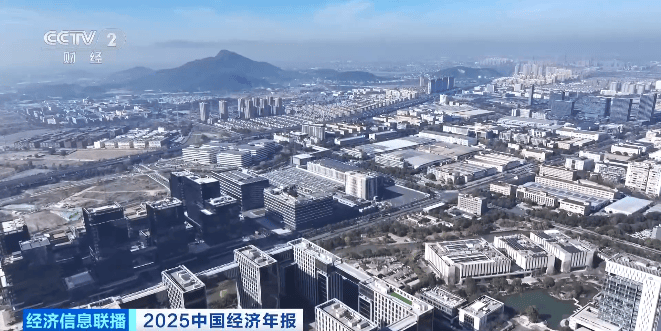
政策解读《“人工智能+制造”专项行动实施意见》实施对算力产业链未来发展趋势的影响分析
Lian He Zi Xin· 2026-01-20 11:06
Policy Impact - The implementation of the "Artificial Intelligence + Manufacturing" policy will provide clear guidance and development opportunities for the computing power industry chain[4] - In the short term, the policy is expected to stimulate market confidence and direct funds towards computing infrastructure, increasing demand for computing hardware and intelligent computing center construction[5] - In the long term, the policy aims to address structural imbalances, core technology bottlenecks, and insufficient application scenarios in the computing power industry[15] Current Market Analysis - As of September 2025, the total scale of computing power centers in China has grown from 5.2 million racks to 12.5 million racks, with an annual growth rate of 30%[6] - There is a structural imbalance in the computing power market, with general computing power being relatively surplus while intelligent computing power is in short supply[6] - The geographical mismatch in computing power resources is evident, with high demand in the eastern regions and underutilization in the western regions[7] Core Technology Challenges - Domestic manufacturers hold a low market share in high-end AI training chips, with major markets dominated by foreign companies like NVIDIA and AMD[8] - The software ecosystem is monopolized by international standards like CUDA, creating barriers for domestic chip manufacturers to gain market acceptance[9] Application and Development Opportunities - The policy encourages the construction of high-level intelligent computing facilities and the deployment of computing resources in industrial scenarios, which will benefit related enterprises[5] - The expected market expansion will create a trillion-level incremental market as computing demand shifts from the internet to broader industrial applications[15] - The policy will promote the development of domestic high-end computing hardware and software ecosystems, enhancing the competitiveness of the computing power industry[13][14]
280 亿收购落定!东阳光集团携手秦淮数据激活产业协同新生态
Feng Huang Wang Cai Jing· 2026-01-19 14:11
Core Insights - The acquisition of Qinhuai Data's China operations by Dongyangguang Group for 28 billion yuan marks a significant milestone in the computing power industry, being one of the largest transactions in Asia in recent years [1] - This acquisition is not merely a financial integration but represents a deep industrial collaboration focused on technological complementarity, resource synergy, and scenario empowerment, setting a new benchmark for industry integration in the digital economy era [1] Technical Collaboration - The acquisition addresses the long-standing disconnect between core component manufacturing and actual application scenarios in the computing power infrastructure sector, facilitating seamless technical integration between Dongyangguang Group and Qinhuai Data [2] - Dongyangguang has extensive expertise in electronic materials, particularly in liquid cooling core materials and key electronic components, which enhances efficiency and aligns with green development principles [2] Regional Collaboration - Dongyangguang Group and Qinhuai Data are leveraging regional resources to establish a "production-computing-electricity" integrated ecosystem across three locations: Shaoguan, Ulanqab, and Yichang [4][5] - In Shaoguan, a large-scale green intelligent computing center is planned, while in Ulanqab, a zero-carbon intelligent computing park is being developed, utilizing local renewable energy resources [4][5] Green Collaboration - The partnership emphasizes low-carbon development and aligns with the dual carbon strategy, with Dongyangguang providing clean energy to Qinhuai Data's data centers, significantly reducing operational costs [6] - The collaboration integrates green development principles throughout the entire industry chain, from resource-efficient production processes to optimized resource allocation [6] Ecological Collaboration - The acquisition fosters cross-enterprise and cross-field ecological synergy, creating a complete industrial collaboration system that integrates materials, energy, computing power, and services [7] - This collaboration is expected to stimulate regional industrial upgrades and attract upstream and downstream enterprises, contributing to the development of large-scale electronic information and big data industry clusters [7] Future Outlook - The successful completion of the 28 billion yuan acquisition is seen as the starting point for ongoing collaboration between Dongyangguang Group and Qinhuai Data, aiming to deepen the integration of materials and computing power scenarios [8] - The partnership is positioned to contribute significantly to the national "East Data West Computing" strategy and the construction of a digital China, unlocking substantial value in the computing power industry [8]

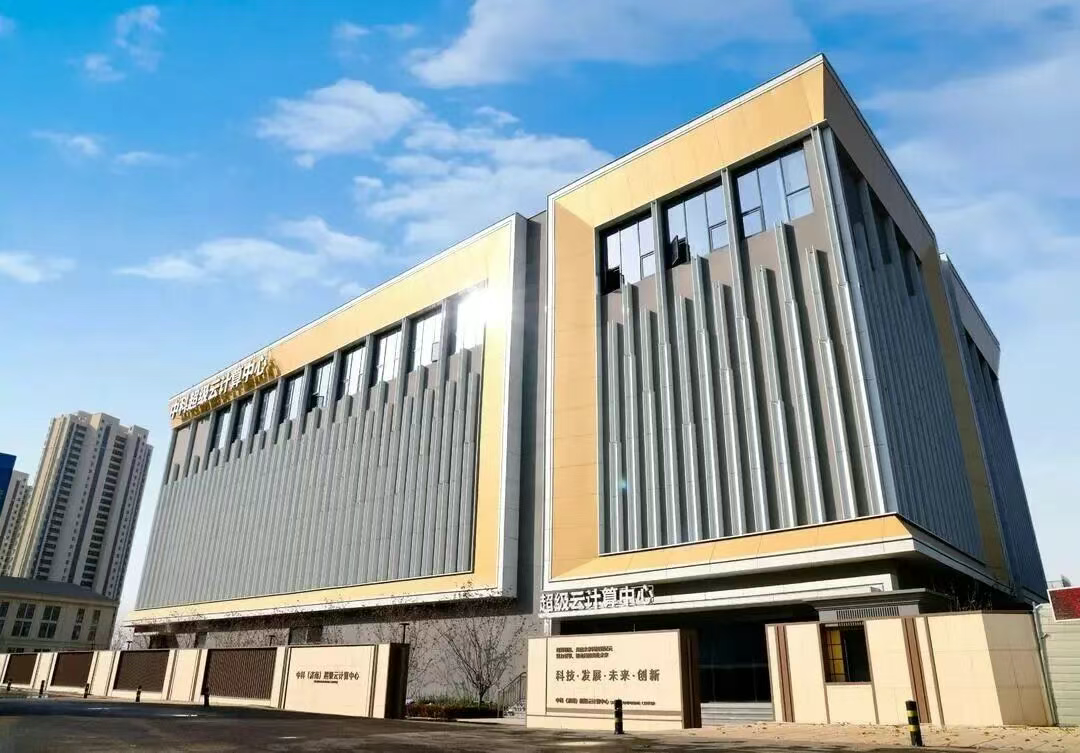
济南今年将抓好中科(济南)超级云等重点项目建设
Qi Lu Wan Bao· 2026-01-19 03:02
Group 1 - Jinan will focus on key projects such as the Super Cloud of China Science and Technology (Jinan) and the Intelligent Computing Center of China Telecom (Jinan) to integrate into the national unified computing power network, aiming to build a computing power hub that serves the entire province and the nation [3] - The city plans to enhance the capabilities of the Inspur AI Model Factory and develop commercially valuable vertical models, with the goal of registering 5 new generative AI large models and creating 5 benchmark large model products [3] - Jinan aims to accelerate the construction of key digital industrialization projects, including the Shandong Autonomous and Controllable Information Equipment Industrial Park, and improve the functionality of various innovation and research institutes [3] Group 2 - The city will expand the functionality of the "Love Shandong" Jinan branch platform, upgrading 70 key livelihood services, and enhancing platforms like "Quan Yibao" and Haiyou Talent Employment [4] - Jinan is set to improve the grassroots intelligent governance system and accelerate the construction of a digital social operation scheduling platform, integrating various digital systems for better urban management [4] - The city will innovate urban governance units by utilizing resources from smart communities, smart policing, and digital rural areas, and will actively conduct pilot projects for digital blocks [4]

“人工智能+”与数字经济知名上市公司 企业家河南行活动在郑举行
Zheng Zhou Ri Bao· 2026-01-19 00:53
Group 1 - The event "Artificial Intelligence + Digital Economy" held in Zhengzhou gathered key figures from various sectors, including artificial intelligence, new materials, and finance, to explore new economic opportunities and collaborative efforts [1] - Zhengzhou is positioned as a central hub in the national "East Data West Computing" strategy, enhancing its role in the digital economy and infrastructure development [1] - The city has made significant progress in digital transformation and computing power infrastructure, laying a solid foundation for the integration of artificial intelligence and the digital economy [1] Group 2 - The Yangtze River Delta region is recognized as a highly active and innovative area in China's economic development, making it a crucial partner for Zhengzhou [2] - Recent collaborative activities between Zhengzhou and the Yangtze River Delta have yielded mutual benefits, enhancing economic exchanges [2] - The current event serves as a platform for deeper integration of industrial, innovation, and capital chains between Zhengzhou and the Yangtze River Delta, promoting high-quality regional development [2]
立足禀赋 创新打法:浙江县域高质量发展何以开新局?
Xin Lang Cai Jing· 2026-01-17 09:28
Group 1 - The article emphasizes the unique development vitality and innovative practices of county-level regions in China, highlighting their role in achieving high-quality development and modernization [1][4] - The Zhejiang provincial government has prioritized the establishment of an artificial intelligence innovation development hub as part of its key work for the 14th Five-Year Plan, indicating a strategic focus on AI technologies [1][3] - The Huangyan District is leveraging the Southeast Zhejiang Intelligent Computing Center to explore various applications of AI, aiming to enhance local industries and support their transformation [1][3] Group 2 - The article discusses the "blue circular" model for marine plastic waste management developed in the Jiaojiang District, which has gained national recognition and aims to enhance ecological governance and economic collaboration [4] - The local government plans to utilize the surrounding marine space for developing offshore wind power, marine tourism, and biomedicine, indicating a strategic shift towards a sustainable marine economy [4] - The article highlights the success of Songyang County in preserving traditional villages while promoting modern tourism and cultural industries, showcasing a model for rural revitalization [5][7] Group 3 - The article outlines the goals for the 14th Five-Year Plan in Zhejiang, focusing on high-quality development and the establishment of a common prosperity demonstration zone, with county regions as key areas for progress [4][8] - The emphasis on new urbanization centered around county towns aims to enhance urban-rural integration and improve infrastructure, indicating a comprehensive approach to regional development [8]