金融数据服务

Search documents
将定价与参考数据迁移至云端,重塑交易生命周期
Refinitiv路孚特· 2025-09-25 06:03
Core Viewpoint - Financial services institutions are increasingly recognizing the diverse application value of migrating pricing and reference data to the cloud, which includes modeling, process automation, and AI-driven innovation projects [2][4]. Group 1: Cloud Migration Benefits - The DataScope Warehouse enables enterprises to quickly and conveniently access necessary pricing and reference data in the cloud, enhancing efficiency across the trading lifecycle [4][5]. - A recent global survey by LSEG revealed that 47% of respondents are already using market and pricing data in the cloud, while 38% are utilizing cloud-based reference data, indicating that cloud data is becoming a core driver of fintech transformation and business agility [2][4]. Group 2: DataScope Warehouse Features - DataScope Warehouse was officially launched in September 2024, allowing enterprises to access LSEG's complete pricing and reference data globally, with new customers able to connect within 24 hours, significantly speeding up deployment compared to traditional on-premises solutions [5][6]. - The platform is continuously optimized, with new features, cloud distribution interfaces, and additional datasets set to be released over the next 18 months [4][8]. Group 3: Cost Efficiency and Management - DataScope Warehouse significantly reduces total ownership costs by providing a solution that allows enterprises to efficiently maintain and manage their data needs [6][7]. - The service is natively deployed on Snowflake and Google Big Query platforms, facilitating rapid and secure data sharing across various jurisdictions, thus enhancing global operations and data management efficiency [7]. Group 4: Future Developments - Upcoming features for DataScope Warehouse include "Change Tracking," which will help enterprises manage data deployment and governance more effectively by notifying users of data changes [8]. - Additional content, including corporate actions data, will be introduced in the coming months to support financial institutions' evolving business needs [9].


FactSet to Report Q4 Earnings: What's in Store for the Stock?
ZACKS· 2025-09-16 17:11
Core Insights - FactSet Research Systems Inc. (FDS) is scheduled to report its fourth-quarter fiscal 2025 results on September 18, before market open [1][8] - The company has consistently surpassed the Zacks Consensus Estimate in the past four quarters, achieving an average surprise of 1.7% [1] Revenue Expectations - The consensus estimate for FDS's fiscal fourth-quarter revenues is $592.6 million, reflecting a 5.6% increase from the same quarter last year [2][8] - Revenues from the Americas are projected to be $381.2 million, indicating a 5.2% year-over-year growth, driven by strong demand in banking, asset management, wealth, hedge funds, and corporate sectors [2] - EMEA revenues are expected to rise by 3.1% to $147.5 million, supported by retention in banking and wealth [3] - Asia Pacific revenues are anticipated to reach $60.2 million, marking a 6.4% year-over-year increase, bolstered by higher retention in the banking sector [3] Earnings Projections - The consensus estimate for earnings per share (EPS) is set at $4.15, suggesting an 11% increase compared to the prior year [3][8] - The company's Earnings ESP is 2.07%, but it holds a Zacks Rank of 4 (Sell), indicating uncertainty regarding an earnings beat this quarter [4]

推动金融投研“技术平权” 煜马数据发布AgentBull金融智能体
Zheng Quan Shi Bao Wang· 2025-09-16 09:44
Core Insights - The article discusses the emergence of the "intelligent agent swarm" era in artificial intelligence, particularly in the financial sector, driven by the launch of "AgentBull Financial Intelligent Agent" by Yuma Data [1] - It highlights the limitations of relying solely on large language models in finance, where precision, timeliness, and cost-effectiveness are critical [1] - The introduction of a "multi-agent interaction framework" by AgentBull aims to address common challenges faced by the industry [1] Industry Overview - The financial AI landscape is transitioning from "secretary-level" information aggregation to "expert-level" decision support, indicating a shift towards technological equity in financial research [1] - The framework proposed by AgentBull is designed to create a collaborative team of specialized agents rather than a single omniscient entity [1] - The interaction among numerous agents is expected to form an "agent economy," which will significantly reshape enterprise processes [1] Product Development - AgentBull breaks down complex investment research tasks into specialized functions such as data collection, industry chain logic, quantitative analysis, and risk warning, allowing for collaborative completion [1] - The product signifies a structural transformation in the financial sector, where the combination of "super individuals" and agents will lead to substantial changes [1]
如何优化AI金融数据:工具、技术和用例
Refinitiv路孚特· 2025-09-16 09:05
Core Viewpoint - Artificial Intelligence (AI) is rapidly transforming the financial services landscape, with a strong emphasis on the importance of data quality for the success of AI models [3][4][62]. Group 1: Importance of Data in AI - The performance of AI models is entirely dependent on the quality of the data they absorb, as highlighted by LSEG's CEO David Schwimmer [3]. - Financial data is complex, fragmented, and often subject to regulatory constraints, encompassing both structured and unstructured formats [3][4]. - Optimizing financial data for AI requires domain expertise, robust infrastructure, and meticulous governance [3][4]. Group 2: Challenges in Financial AI - Up to 85% of financial AI projects fail due to data quality issues, talent shortages, and strategic misalignment [4]. - Gartner predicts that 30% of generative AI projects will be abandoned after the proof-of-concept phase due to poor data quality [4]. Group 3: Data Categories and Optimization Techniques - **Macroeconomic Data**: Includes indicators like CPI, GDP, and unemployment rates, crucial for predictive models and trading signals [9]. - Optimization techniques involve using point-in-time (PIT) and real-time data to avoid biases from historical corrections [11]. - **Pricing Data**: Forms the basis for security valuation, including real-time quotes and historical prices [14]. - Risks include misleading models due to lagged and revised data [15]. - **Reference Data**: Provides descriptive details about securities and entities, essential for filtering trading eligibility and detecting anomalies [20]. - Optimization techniques include creating master mapping tables and tracking data lineage [24]. - **Symbol Mapping**: Involves using identifiers like ISIN and CUSIP to map and stitch datasets together [27]. - Risks include identifier changes due to corporate actions [29]. - **Unstructured Text**: Comprises news, research reports, and records, rich in insights but challenging to process [35]. - Techniques include using natural language processing for summarization and sentiment analysis [38]. - **Company Data**: Includes structured financial data and unstructured disclosures, vital for valuation and ESG analysis [42]. - Risks involve misinformation and misinterpretation [43]. - **Risk Intelligence Data**: Encompasses sanctions, politically exposed persons, and negative news, critical for compliance and fraud detection [49]. - Optimization techniques focus on standardizing names and addresses [51]. - **Analysis**: Used for valuation, hedging, and risk metrics, potentially involving local or cloud-based computing engines [57]. - Techniques include automating anti-money laundering and fraud detection [59]. Group 4: Conclusion on AI Readiness - The success of AI in financial institutions hinges not only on sophisticated algorithms but also on the integrity and readiness of the underlying data [62]. - Optimizing financial data is an ongoing task requiring collaboration among data engineers, domain experts, and AI practitioners [62].

彭博推出绿色债券新数据栏目 助投资者配合香港保监局规定
彭博Bloomberg· 2025-09-11 07:05
Core Viewpoint - Bloomberg has launched a new green bond data column to help insurance companies and financial institutions comply with sustainable investment regulations set by the Hong Kong Insurance Authority (HKIA) [1] Group 1: New Data Column - The new "HKIA_Sustainable_Indicator" data column provides clear and independent classification for green bonds that meet HKIA's latest regulatory guidelines [1] - The HKIA's regulatory guidelines utilize a Risk-based Capital regime (RBC) to assess the compliance of green assets [1] - The data column is now available on Bloomberg terminals and Bloomberg Enterprise Data Services, supporting portfolio construction, regulatory reporting, and risk analysis [1] Group 2: Market Need and Commitment - Joshua Kendall, Bloomberg's Head of Sustainable Fixed Income Products, emphasized the need for transparent and reliable financial tools as Hong Kong solidifies its position as a green finance hub in Asia [1] - The new HKIA data column assists insurance companies in integrating the latest valuation and capital guidelines into their workflows [1] - This initiative reflects Bloomberg's commitment to providing sustainable finance and regulatory solutions to help clients make informed decisions and comply with regulations [1] Group 3: Data Support and Features - The data column is supported by Bloomberg's extensive sustainable bond database, which includes detailed information on bond use of proceeds, third-party certifications, issuer disclosures, and classification correspondences [1] - Users can filter and monitor green bonds that comply with HKIA and other global standards based on publicly disclosed data [1] - This column serves as a complement to Bloomberg's broader fixed income product offerings [1]
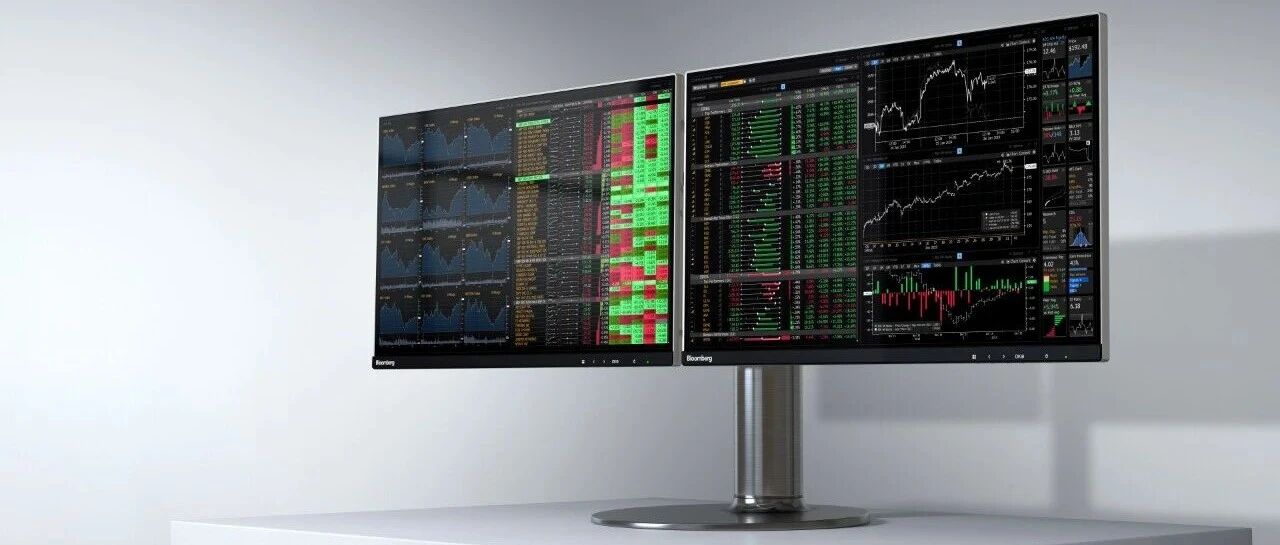
华为三折屏 Why只请了三家公司:Wind、腾讯(00700)、飞书
智通财经网· 2025-09-04 23:42
Core Viewpoint - The launch of Huawei Mate XTs "Extraordinary Master" folding phone signifies a strategic collaboration with three leading companies: Wind, Tencent, and Feishu, highlighting the development of a comprehensive smart interconnectivity ecosystem based on HarmonyOS [1][3]. Group 1: Strategic Partnerships - The inclusion of Tencent represents immersive experiences in entertainment and social interaction [3]. - Feishu symbolizes new productivity in enterprise office and collaboration [3]. - Wind opens up possibilities for professional-grade industry applications, covering the entire user journey in work, life, and investment [3]. Group 2: Wind's Role - Wind's participation is particularly notable as it compresses a complete PC-level financial terminal into a mobile device, addressing the complex needs of financial professionals [4][10]. - The Mate XTs features a 10.2-inch display that allows users to access vast amounts of global data seamlessly [6]. - Multi-tasking capabilities enable users to view financial reports on one screen while accessing databases and market sentiment on another [7]. Group 3: AI Integration - Wind is revolutionizing the work of financial professionals with AI Agents that provide 24/7 assistance [11]. - The AI Briefing Agent delivers global market updates and stock alerts every morning [11]. - The Investment Morning Report Agent monitors global markets overnight and presents results at dawn [11]. Group 4: Future Vision - The collaboration of these three companies at the launch not only supports the Mate XTs but also points towards a future of cross-industry and cross-scenario smart interconnectivity [12]. - For Huawei, this initiative represents both a product and a strategic direction, while for Wind, it is an opportunity to showcase its capabilities [12]. - Users can expect smart devices to evolve from mere tools to integral ecological partners in their daily lives [12]. Group 5: Industry Impact - The Mate XTs folding phone is perceived as a new possibility for financial professionals, investors, and office workers [13]. - Wind's technology allows financial tasks to be performed on-the-go, effectively putting a PC in the user's pocket [13]. - Tencent enhances the immersive experience for entertainment, while Feishu facilitates efficient collaboration across different scenarios [13].

华为三折屏,Why只请了三家公司:Wind、腾讯、飞书
Wind万得· 2025-09-04 22:36
Core Viewpoint - Huawei has invited three strategic partners: Wind, Tencent, and Feishu, representing finance, entertainment, and collaboration, respectively, signaling the construction of a comprehensive smart interconnection ecosystem with the HarmonyOS [1][4]. Group 1: Why These Three Companies? - Tencent's involvement signifies an immersive experience in entertainment and social interaction [4]. - Feishu represents new productivity in enterprise office and collaboration [4]. - Wind opens up possibilities for professional-grade industry applications [4]. Group 2: Wind's Role - Wind's introduction is notable as it compresses a complete PC-level financial terminal into a smartphone, utilizing Huawei's Mate XTs foldable screen [8][10]. - The device features a 10.2-inch large screen for browsing vast data and multi-tasking capabilities, allowing simultaneous viewing of financial reports and databases [9]. - Instant generation of reports and data extraction is facilitated by the Alice series functions, enabling a seamless workflow for finance professionals [10]. Group 3: The Agent Revolution - Wind is transforming the work style of finance professionals with AI Agents that provide 24/7 assistance [11]. - Various agents are designed to deliver market updates, generate reports, and analyze performance, acting as personal research assistants [12]. - The future is envisioned as an era dominated by these agents, enhancing productivity and efficiency for finance professionals [12]. Group 4: Cross-Industry Innovation - Huawei's choice of these three companies reflects their leadership in finance, entertainment, and office collaboration, supporting the application of the foldable screen [14]. - The collaboration indicates a strategic move towards creating a cross-industry, all-scenario smart interconnection ecosystem [14]. - For users, this signifies a shift from tools to smart ecological partners in their daily lives [14]. Group 5: Future Implications - The Mate XTs foldable screen is positioned as a new possibility for finance, entertainment, and office collaboration sectors [15]. - Wind enables finance professionals to carry a PC in their pocket, while Tencent enhances immersive experiences, and Feishu facilitates efficient collaboration [15]. - The foldable device and its capabilities represent a significant advancement in how professionals interact with technology [15].
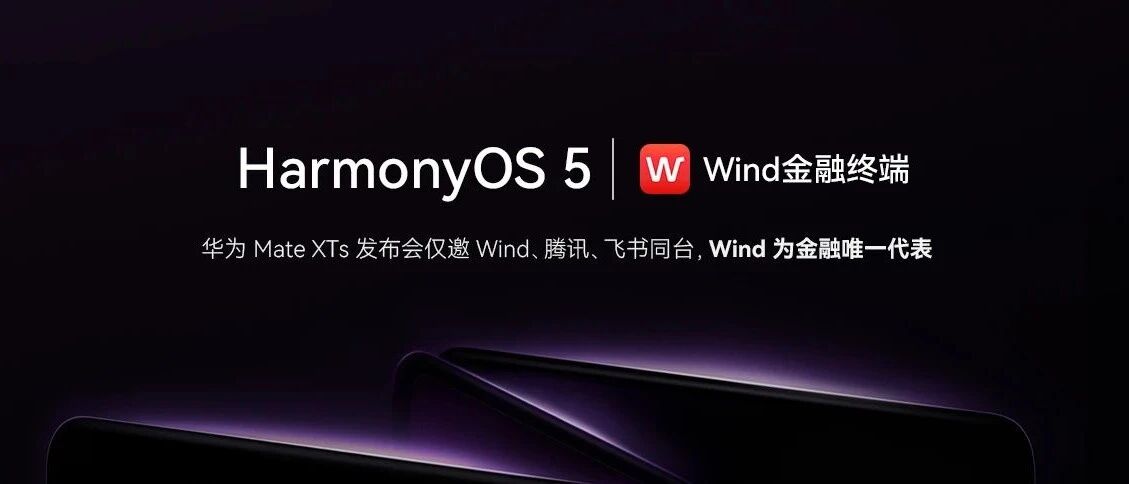
华为三折屏,Why只请了三家公司:Wind、腾讯、飞书
Wind万得· 2025-09-04 13:32
Core Viewpoint - The collaboration between Huawei and three strategic partners—Wind, Tencent, and Feishu—highlights the development of a comprehensive smart interconnectivity ecosystem, emphasizing the integration of finance, entertainment, and collaboration in the future of technology [3][17]. Group 1: Strategic Partnerships - Huawei's choice of Wind, Tencent, and Feishu as partners represents the pinnacle of their respective fields: finance, entertainment, and office collaboration [3][17]. - The presence of these companies at the launch signifies a commitment to creating a cross-industry, cross-scenario smart interconnectivity ecosystem, moving beyond just mobile devices [17]. Group 2: Wind's Role in Finance - Wind's integration with Huawei Mate XTs allows for a complete PC-level financial terminal experience within a mobile device, catering to the complex and high-frequency needs of finance professionals [8][19]. - The device features a 10.2-inch display for browsing vast amounts of data, multi-tasking capabilities for simultaneous tasks, and instant data generation through the Alice series, enhancing productivity [9][10]. Group 3: AI Agent Revolution - Wind is introducing AI Agents that transform the work processes of finance professionals, acting as personal research assistants and report generators available 24/7 [12][14]. - The future is envisioned as an era dominated by these Agents, with each finance professional potentially utilizing multiple Wind Agents for various tasks [15]. Group 4: Cross-Industry Innovation - The collaboration aims to enhance user experiences across different sectors: Wind makes finance portable, Tencent elevates immersive entertainment experiences, and Feishu facilitates efficient cross-scenario collaboration [19]. - The launch of the Mate XTs is positioned not just as a technological advancement but as a strategic move towards a future where smart devices serve as ecological partners rather than mere tools [17][19].
美国预算赤字和贸易逆差:收益率曲线陡峭化和信用评级下调的催化剂
Refinitiv路孚特· 2025-08-29 06:04
Core Viewpoint - The article highlights the increasing pressure on the US economy due to expanding trade and budget deficits, which are leading to a steeper yield curve and weakening credit conditions [1][4]. Economic Indicators - The US GDP is projected to contract by 0.3% in Q1 2025, driven by increased imports and reduced government spending, although this is partially offset by rising consumer spending and exports [1][2]. - In the first quarter of 2025, imports surged by 41.3% before tariffs were fully implemented, with March imports reaching $346 billion and the trade deficit widening to $163 billion [1][3]. Employment and Consumer Confidence - The consumer confidence index fell by 9% from March to April 2025, yet job creation exceeded expectations and the unemployment rate remained stable at 4.2% [2]. - Despite the resilience of the job market, the implementation of tariffs is expected to negatively impact employment conditions [2]. Trade Deficit Dynamics - The overall trade deficit has increased since the implementation of tariffs, despite a reduction in the trade deficit with China during Trump's first term [2][4]. - Countries like Vietnam and Thailand have benefited from supply chain shifts, increasing their trade surplus with the US [2]. Credit and Fiscal Concerns - Moody's downgraded the US credit rating from Aaa to Aa1 due to rising fiscal deficits and increasing federal debt, with the five-year credit default swap (CDS) spread widening by 20 basis points [3][4]. - The yield curve has steepened, with the 30-year Treasury yield reaching a 19-month high amid concerns over fiscal sustainability and trade tensions [3][5]. Future Projections - The tax reform bill passed by the House is expected to add $3.1 trillion to the national debt over the next decade, potentially pushing the budget deficit close to 7% of GDP in the coming years [5]. - The debt-to-GDP ratio is projected to increase by 8% to 10% over the four-year term, with long-term bond yields expected to rise significantly, potentially exceeding 6% in the coming years [6].
独家洞察 | 殊途同归:北美资产正迎来一场中期“溢价狂欢”
慧甚FactSet· 2025-08-29 02:25
Core Viewpoint - The article examines the performance of private credit in light of the Federal Reserve's decision to maintain interest rates and Moody's downgrade of U.S. government debt, questioning why private credit consistently performs well [1][3]. Group 1: Analysis of Interest Rates and Private Credit - The analysis shifts from the effective federal funds rate to the "10-year minus 2-year Treasury yield" to compare the cost differences between public and private funding in terms of mid-term premiums [3]. - Historical data shows significant volatility in U.S. Treasury yields, particularly in years like 2000, 2003, 2007, 2020, and 2021, alongside a long-term trend from 2009 to 2019, indicating that declines in Treasury yields often coincide with declines in credit fund returns [4]. - There is a limited correlation between private credit returns and mid-term Treasury yields, with notable volatility in private credit returns during economic downturns when Treasury yields typically rise [5]. Group 2: Trends and Future Outlook - In the years following economic recessions, private credit returns tend to be significantly higher than average, aligning with historical deep value investment returns during such periods [5]. - The 2010s saw a gradual decline in U.S. Treasury yields without economic recessions, leading to a similar decline in private credit returns, although there was a rebound after volatility in 2017 [5]. - The future outlook suggests that private credit may experience short-term volatility in 2025, but could benefit from deep investments once the market stabilizes, despite potential early impacts from the downgrade of U.S. Treasury credit ratings [6].