
预制菜

Search documents
餐厅预制菜需要明示!预制菜国标草案过审即将公开征求意见
Ge Long Hui· 2025-09-13 07:14
Core Viewpoint - The draft of the "National Standard for Food Safety of Prepared Dishes," led by the National Health Commission, has passed expert review and will soon be open for public consultation, marking a significant shift for the prepared dish industry from unregulated growth to compliance [1] Industry Summary - The prepared dish industry is set to have a unified definition and regulations regarding the use of prepared dishes in restaurants, which will now be subject to mandatory information disclosure [1] - The recent controversy involving Luo Yonghao questioning the use of prepared dishes by Xibei, which Xibei has denied, highlights the growing scrutiny and attention on the prepared dish sector [1]
独家 | 餐厅预制菜需要明示!国标草案已过审即将公开征求意见
Di Yi Cai Jing· 2025-09-13 07:11
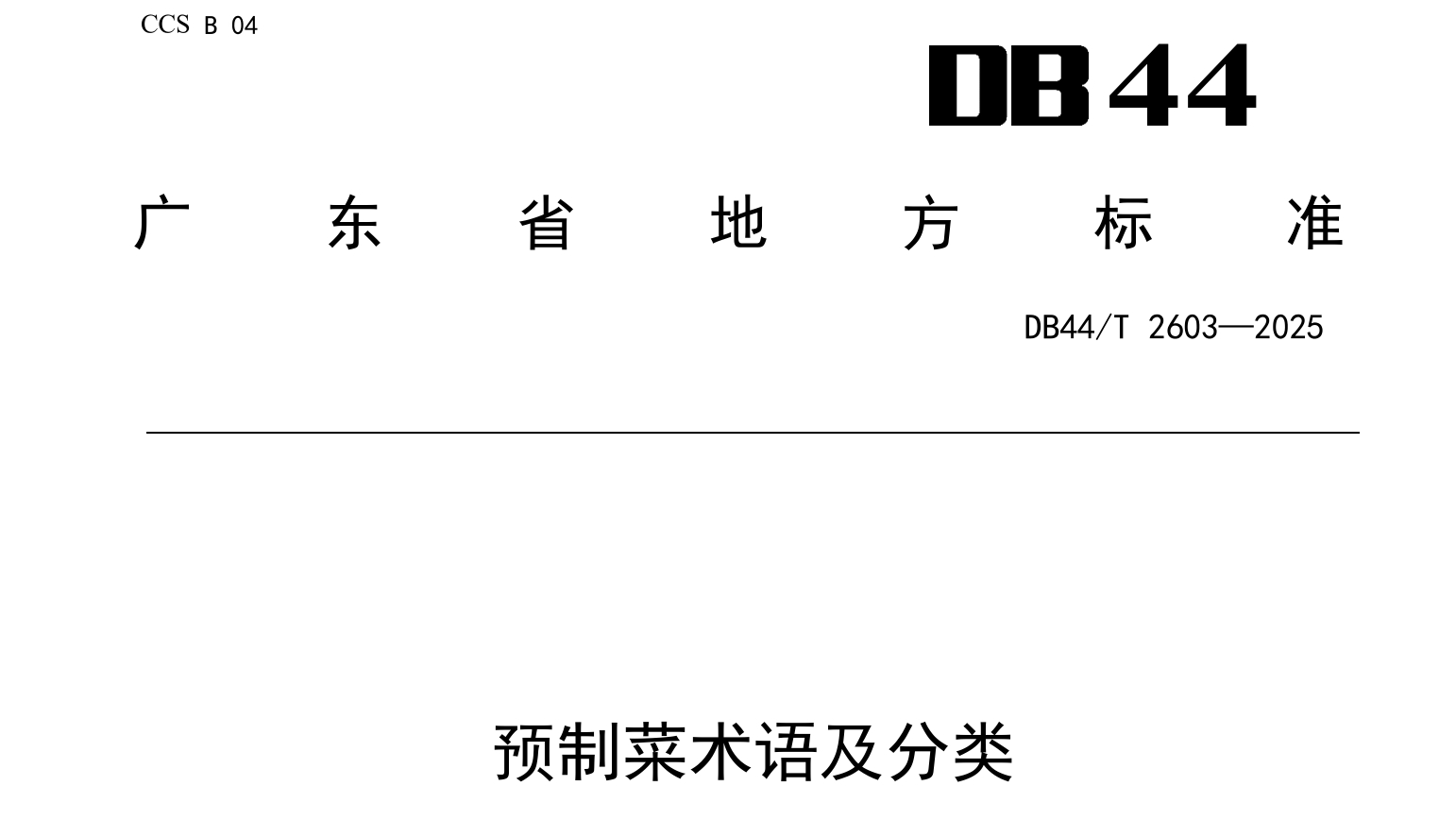
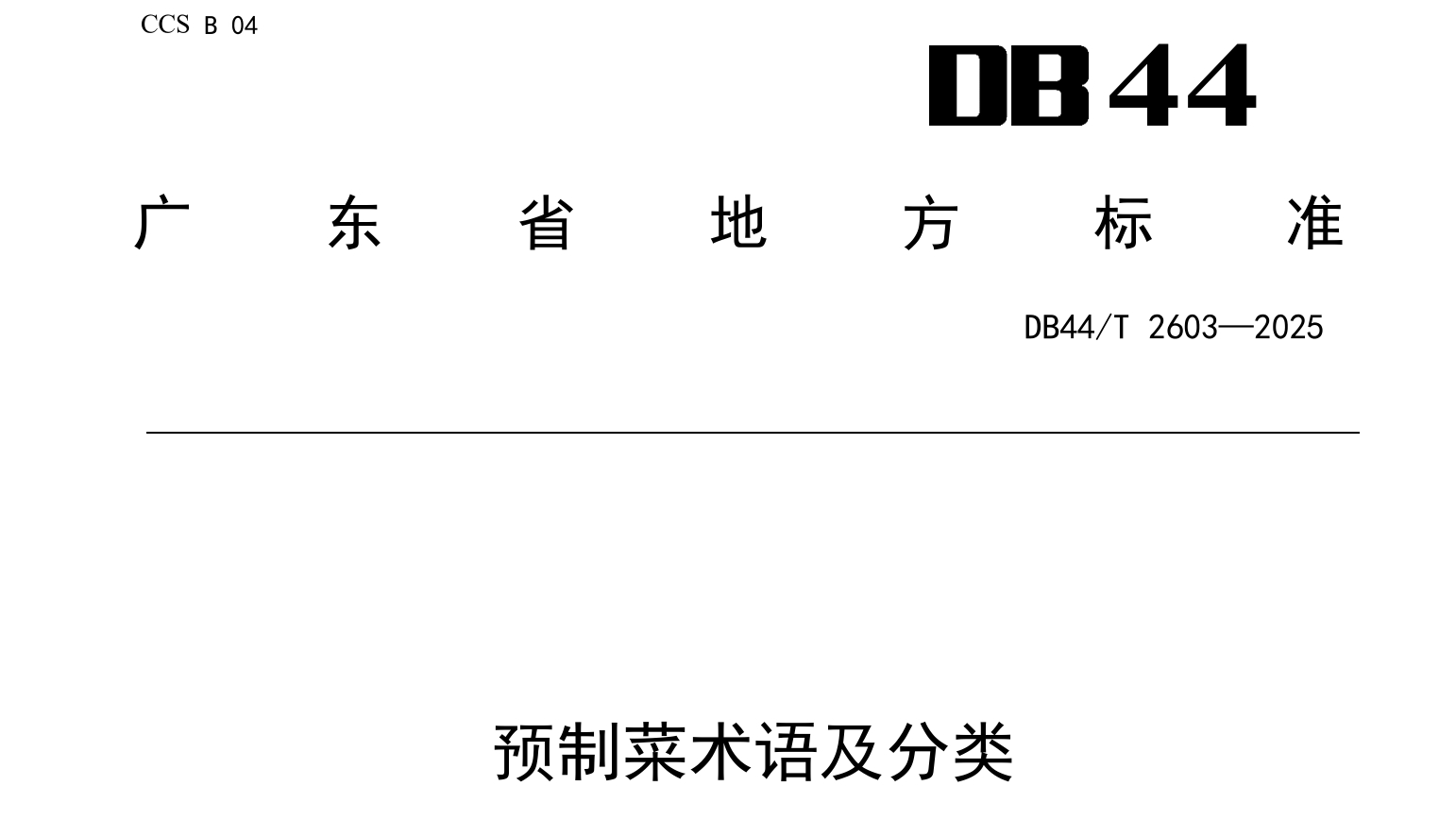
届时,预制菜"身份"将有统一说法,餐饮门店是否使用、如何使用预制菜,也将首次纳入强制信息披露范畴。 作为全国预制菜产值第一大省,广东已出台8项省级地方标准,并上线全国首个"预制菜"相关标准。 2025年1月份,广东省市场监督管理局批准发布了两项广东省地方标准:《预制菜术语及分类》(标准号为DB44/T 2603—2025)及《粤菜预制菜包装标识 通用要求》(标准号为DB44/T 2602—2025)。 国家卫健委主导的《预制菜食品安全国家标准》草案已通过审查,即将向社会公开征求意见。 这将是预制菜行业从"野蛮生长"走向"合规时代"的关键节点。在罗永浩质疑西贝部分餐品为预制菜,而西贝断然否认引发广泛关注的当下,也倍受瞩目。 国标过审:先定"定义",再立"安全线" "该标准主要是规定定义和食品安全指标要求。"据一位参与起草的专家透露,草案对预制菜的分类、原料、加工工艺、贮存运输及检验方法作出了统一规 定,并首次提出"不添加防腐剂"等强制性指标。与现行141项团体、地方标准相比,国标条款更聚焦"安全底线",为监管执法提供直接依据。 广东经验先行:地方标准+智慧监管 2025年7月份,湖南省市场监管局在答复政协提案时 ...

餐厅预制菜需要明示!国标草案已过审即将公开征求意见 | 独家
第一财经· 2025-09-13 07:11
2025.09. 13 本文字数:1873,阅读时长大约3分钟 作者 | 第一财经 马晓华 国家卫健委主导的《预制菜食品安全国家标准》草案已通过审查,即将向社会公开征求意见。 届时,预制菜"身份"将有统一说法,餐饮门店是否使用、如何使用预制菜,也将首次纳入强制信息披露范 畴。 这将是预制菜行业从"野蛮生长"走向"合规时代"的关键节点。在罗永浩质疑西贝部分餐品为预制菜,而西 贝断然否认引发广泛关注的当下,也倍受瞩目。 国标过审:先定"定义",再立"安全线" "该标准主要是规定定义和食品安全指标要求。"据一位参与起草的专家透露,草案对预制菜的分类、原 料、加工工艺、贮存运输及检验方法作出了统一规定,并首次提出"不添加防腐剂"等强制性指标。与现行 141项团体、地方标准相比,国标条款更聚焦"安全底线",为监管执法提供直接依据。 广东经验先行:地方标准+智慧监管 作为全国预制菜产值第一大省,广东已出台8项省级地方标准,并上线全国首个"预制菜"相关标准。 2025年1月份,广东省市场监督管理局批准发布了两项广东省地方标准:《预制菜术语及分类》(标准号 为DB44/T 2603—2025)及《粤菜预制菜包装标识通用要求》 ...
餐厅预制菜需要明示!国标草案已过审即将公开征求意见
Di Yi Cai Jing· 2025-09-13 07:10
国家卫健委主导的《预制菜食品安全国家标准》草案已通过审查,即将向社会公开征求意见。 届时,预制菜"身份"将有统一说法,餐饮门店是否使用、如何使用预制菜,也将首次纳入强制信息披露范畴。 这将是预制菜行业从"野蛮生长"走向"合规时代"的关键节点。在罗永浩质疑西贝部分餐品为预制菜,而西贝断然否认引发广泛关注的当下,也倍受瞩目。 国标过审:先定"定义",再立"安全线" "该标准主要是规定定义和食品安全指标要求。"据一位参与起草的专家透露,草案对预制菜的分类、原料、加工工艺、贮存运输及检验方法作出了统一规 定,并首次提出"不添加防腐剂"等强制性指标。与现行141项团体、地方标准相比,国标条款更聚焦"安全底线",为监管执法提供直接依据。 广东经验先行:地方标准+智慧监管 作为全国预制菜产值第一大省,广东已出台8项省级地方标准,并上线全国首个"预制菜"相关标准。 2025年1月份,广东省市场监督管理局批准发布了两项广东省地方标准:《预制菜术语及分类》(标准号为DB44/T 2603—2025)及《粤菜预制菜包装标识 通用要求》(标准号为DB44/T 2602—2025)。 该文件中的预制菜定义,不仅涵盖了主要原料和预加工方 ...
西贝的当务之急:贾国龙大战罗永浩,老乡鸡反而成了最大赢家
Mei Ri Jing Ji Xin Wen· 2025-09-13 06:04
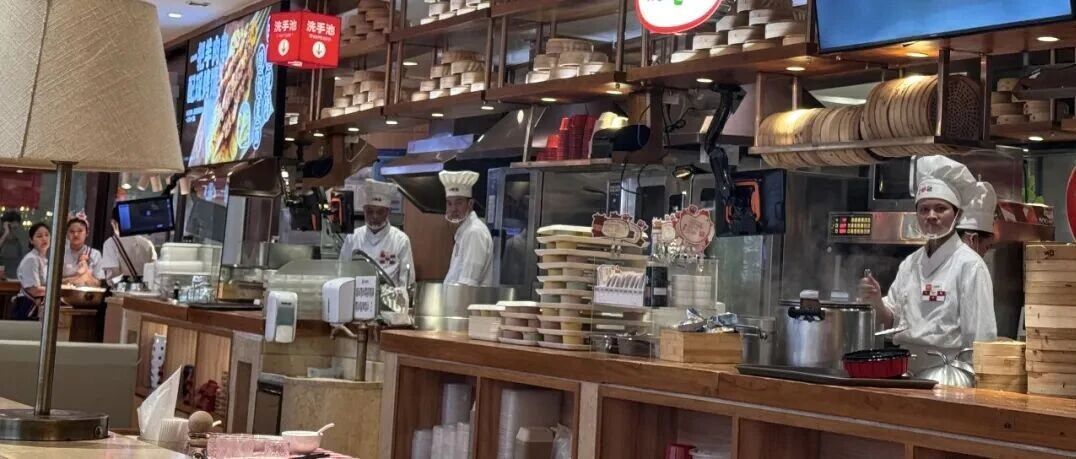
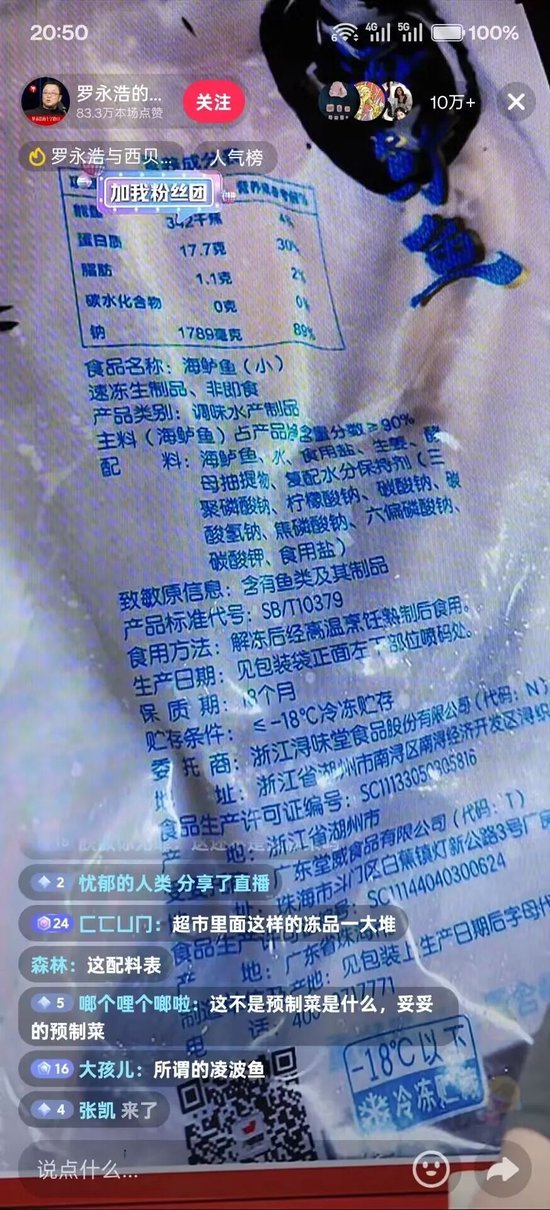
Core Viewpoint - The ongoing dispute between Luo Yonghao and Jia Guolong over prepared dishes has escalated into a public discussion about transparency in the prepared food industry, with Luo successfully shifting the narrative to consumer rights and industry transparency [1][6]. Group 1: Industry Dynamics - Luo Yonghao's live broadcast received overwhelming support, with 90% of viewers backing his call for transparency in the prepared food sector [1]. - West B's live kitchen broadcast revealed the use of numerous prepared products, including sea bass with an 18-month shelf life and lamb leg meat produced in 2024, leading to public backlash [1][6]. - The controversy highlights a significant disconnect between industry standards and consumer perceptions, as many consumers equate long shelf-life products with prepared dishes [3][4]. Group 2: Company Strategies - West B's approach of live broadcasting their kitchen operations was intended to demonstrate transparency but backfired due to the discovery of prepared products [1][6]. - Luo Yonghao's strategy focuses on not opposing prepared dishes but advocating for their transparency, effectively controlling the narrative [6]. - The need for West B to redefine its product classifications and align with consumer understanding is emphasized, suggesting a model similar to that of Laoxiangji, which categorizes dishes into freshly made, semi-prepared, and fully prepared [6][7]. Group 3: Consumer Engagement - Jia Guolong's insistence on differentiating between "prepared technology" and "prepared dishes" has not resonated with consumers, who are more concerned with the nature of the products they consume [3][4]. - The industry must recognize that consumer perceptions often differ from established standards, necessitating a shift in how companies communicate their offerings [7][8]. - The challenge for West B lies in converting negative attention into brand recognition and trust, emphasizing the importance of genuine actions over mere transparency [8].
朱丹蓬:做餐饮要尊重消费者知情权,标明是否是预制菜,吃不吃是我的事
Feng Huang Wang Cai Jing· 2025-09-13 04:32
Core Viewpoint - The pre-prepared food industry faces consumer skepticism regarding safety and nutrition, despite its long-standing presence in daily life, such as in train and airline meals [1] Group 1: Industry Insights - Pre-prepared meals have been part of daily life, exemplified by green train, high-speed rail, and airline meals [1] - There is a growing concern among consumers about the safety and nutritional value of pre-prepared meals [1] Group 2: Consumer Rights - From a consumer rights perspective, dining companies should respect consumers' right to know and choose, ensuring that products are clearly labeled as pre-prepared meals [1] - Consumers should have the autonomy to decide whether to consume pre-prepared meals [1]
罗永浩开播谈西贝,称其公关团队特别不专业|首席资讯日报
首席商业评论· 2025-09-13 03:58
Group 1 - Luo Yonghao criticized the public relations team of Xibei for being unprofessional during a live broadcast, emphasizing the need for transparency in the prepared food market to protect consumer rights [2] - Xibei's founder, Jia Guolong, provided details of Luo's dining experience, highlighting that Luo's group had a positive feedback during the meal, contradicting his later negative comments [4][5] Group 2 - The Haikou Housing and Urban-Rural Development Bureau temporarily closed the "second-hand housing listing" module on its real estate information website for system optimization due to complaints about price discrepancies and slow updates [2] - Citic Securities maintained its prediction that the Federal Reserve will cut interest rates three times by 25 basis points each before the end of the year, citing stable inflation and price conditions [8] Group 3 - Huaren Group denied rumors of acquiring Evergrande Property, stating that the reports were untrue [3] - The founder of Zhaimi Technology, Yu Hao, addressed bankruptcy rumors, asserting that the company has sufficient cash flow and has repurchased shares to increase ownership [10] Group 4 - OpenAI and Nvidia are expected to announce a multi-billion dollar investment in a UK data center project, coinciding with a visit from US President Trump [7] - BlackRock's Bitcoin ETF, IBIT, has seen its holdings exceed 850 billion USD, with a total of 754,163 Bitcoins [13]

西贝“预制菜”争议引爆行业 消费者为何“谈虎色变”?
Di Yi Cai Jing· 2025-09-12 23:11
Core Viewpoint - The ongoing dispute between entrepreneur Luo Yonghao and the restaurant brand Xibei highlights the debate over the transparency of pre-prepared dishes in the food industry, raising questions about consumer rights and industry standards [1][2][6]. Group 1: Industry Standards and Consumer Rights - Luo Yonghao criticized Xibei for serving pre-prepared dishes without clear labeling, emphasizing the importance of consumer rights to know what they are purchasing [2][6]. - Xibei's founder, Jia Guolong, responded by stating that the accusations were unfounded and announced plans to take legal action against Luo Yonghao [2][3]. - The lack of national standards for pre-prepared dishes in China has led to confusion among consumers regarding what constitutes a pre-prepared dish [4][5]. Group 2: Market Dynamics and Growth - The pre-prepared food industry in China has been growing for over 20 years, with significant growth occurring around 2014 due to rising operational costs in the restaurant sector [4]. - The market is projected to reach a scale of 10 trillion yuan by 2030, with a potential penetration rate of 15% to 20% for pre-prepared dishes, indicating a compound annual growth rate of 13% [4]. - Despite the growth, increased competition has led to declining profits for some companies, such as Weizhi Xiang, which has seen a decrease in net profits in recent years [4]. Group 3: Regulatory Developments - In 2024, several government departments will promote the clear labeling of pre-prepared dishes to enhance consumer rights and choices, although no specific law currently mandates this [7][8]. - The Consumer Rights Protection Law in China affirms consumers' rights to know the true nature of the products they purchase [7]. - Comparisons are drawn with Japan's mature pre-prepared food industry, which benefits from strict regulations and standards, ensuring higher consumer trust and food safety [7][8]. Group 4: Understanding of Pre-prepared Dishes - There is a discrepancy between consumer and brand perceptions of what constitutes a pre-prepared dish, leading to misunderstandings [8][9]. - The central kitchen model is widely adopted in the restaurant industry, allowing for standardized production and improved food safety, which is crucial for scaling operations [9].
罗永浩与西贝的预制菜争议引爆行业,消费者为何“谈虎色变”
第一财经· 2025-09-12 15:55
Core Viewpoint - The ongoing dispute between entrepreneur Luo Yonghao and the restaurant brand Xibei highlights the debate over whether pre-prepared dishes represent progress in the industrialization of dining or a disregard for consumer rights. This controversy reveals the lack of standards and clear definitions in the pre-prepared food industry, as well as the disconnect between consumer perceptions and industry practices [3][5][9]. Group 1: Dispute Overview - Luo Yonghao criticized Xibei for serving mostly pre-prepared dishes at high prices, emphasizing the importance of consumer rights to know what they are purchasing [5][6]. - Xibei's founder, Jia Guolong, responded by stating that Luo's claims were false and announced plans to take legal action against him. Xibei also committed to transparency by publishing detailed preparation processes for their dishes and allowing customers to tour their kitchens [6][8]. Group 2: Industry Context - The pre-prepared food industry in China has been developing for over 20 years, primarily known to B-end operators before gaining consumer awareness around 2014. The COVID-19 pandemic accelerated this trend, leading to significant growth in the sector [8][9]. - The industry is projected to grow, with estimates suggesting that by 2030, the restaurant sector could exceed 10 trillion yuan, with pre-prepared food penetration rates reaching 15% to 20%, resulting in a B-end market size of 500 billion yuan and a C-end market size of 700 billion yuan, with a compound annual growth rate of 13% [8][9]. Group 3: Regulatory Environment - Currently, there are no national standards for pre-prepared foods in China, leading to inconsistencies across regions. However, recent government initiatives are promoting transparency regarding the use of pre-prepared foods in restaurants to protect consumer rights [10][11]. - The 2024 joint notice from various government departments emphasizes the need for restaurants to disclose the use of pre-prepared foods, aligning with consumer rights laws that grant consumers the right to know the true nature of the products they purchase [10][11]. Group 4: Consumer Perception and Industry Practices - There is a significant gap in understanding between consumers and brands regarding what constitutes pre-prepared food. Many consumers mistakenly believe that simply using pre-cut or cleaned ingredients qualifies as pre-prepared food [11][12]. - The central kitchen model is widely adopted in the restaurant industry, allowing for standardized production and distribution, which enhances food safety and operational efficiency. This model is seen as a key advancement in the industry, addressing issues of food safety and consistency across locations [13][14].
罗永浩与西贝的预制菜争议引爆行业 消费者为何“谈虎色变”
Di Yi Cai Jing· 2025-09-12 15:00
Core Viewpoint - The controversy surrounding pre-prepared dishes (pre-made meals) highlights the tension between consumer rights to information and the industry's practices, as exemplified by the dispute between entrepreneur Luo Yonghao and the restaurant brand Xibei [1][2]. Group 1: Industry Standards and Consumer Rights - Luo Yonghao criticized Xibei for serving pre-prepared dishes without clear labeling, emphasizing the importance of consumer knowledge regarding the food they purchase [2][6]. - Xibei responded by denying the allegations and announced plans to publicly disclose the preparation processes of their dishes, aiming to enhance transparency [2][3]. - The lack of national standards for pre-prepared dishes in China has led to confusion among consumers regarding what constitutes a pre-prepared dish, with varying interpretations between consumers and brands [4][8]. Group 2: Market Dynamics and Growth - The pre-prepared food industry in China has been growing for over 20 years, with significant acceleration due to the COVID-19 pandemic, which increased consumer demand for convenience [4]. - The market is projected to reach a scale of 10 trillion yuan by 2030, with a potential penetration rate of 15% to 20% for pre-prepared dishes, indicating a compound annual growth rate of 13% [4]. - Despite growth, the market is becoming increasingly fragmented, leading to declining profits for some companies, such as Weizhi Xiang, which has seen a decrease in net profits in recent years [4]. Group 3: Regulatory Developments - Regulatory bodies are beginning to address the need for clearer labeling of pre-prepared dishes, promoting consumer rights and transparency in the food service industry [7]. - The recent joint notice from multiple government departments encourages restaurants to disclose the use of pre-prepared dishes, although no specific law mandates this yet [7]. - Comparisons are drawn with Japan's mature pre-prepared food industry, which benefits from strict regulations and standards, ensuring higher consumer trust and food safety [7]. Group 4: Central Kitchen Model - The central kitchen model is widely adopted in the restaurant industry, allowing for standardized production and distribution, which reduces food waste and operational costs [9]. - This model enhances food safety by controlling the entire process from ingredient sourcing to final product storage, thus minimizing risks associated with traditional kitchen operations [9].