乡村旅游

Search documents
(走进中国乡村)从荒滩到“打卡地” 拉萨神秘树林带火乡村经济
Zhong Guo Xin Wen Wang· 2025-09-22 05:06
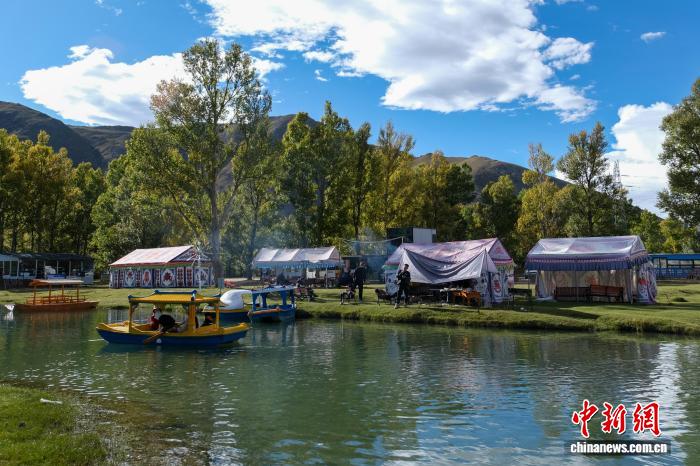
Core Viewpoint - The transformation of a barren area into a popular tourist destination, known as the "Mysterious Forest," has significantly boosted the local economy in Lhasa, generating substantial income for villagers [1][3]. Group 1: Economic Impact - The Mysterious Forest has become a hotspot for both locals and tourists, contributing over one million RMB annually to the villagers' income [1]. - The village of Dangjie has 520 households and 2,021 residents, with over 6,700 acres of farmland, showcasing its typical highland agricultural characteristics [3]. - The village has seen a diversification of business activities, including horse riding, boat rentals, and tent leasing, leading to increased economic opportunities for the community [5]. Group 2: Development History - The area was originally barren land, and large-scale tree planting began in the 1990s as part of a riverbank greening project initiated by the Tibet Autonomous Region [3][5]. - The completion of the Najin Mountain Tunnel in 2020 significantly reduced travel time to the Mysterious Forest, enhancing its popularity [3]. Group 3: Community Involvement - Currently, 52 households are involved in the Mysterious Forest's operations, with 30 households participating in the horse riding business, providing local employment opportunities [5]. - The village plans to distribute 760,000 RMB in dividends to participating households in 2024, reflecting the community's commitment to shared economic benefits [5]. Group 4: Future Prospects - Anticipation of increased visitor numbers during the upcoming National Day holiday, as the foliage will change color, indicating a peak season for tourism [7].

农文旅融合 激活新疆乡村振兴新活力
Yang Shi Xin Wen· 2025-09-19 14:06
Core Insights - The article highlights the successful rural revitalization efforts in Xinjiang, particularly in villages like Dingjige and Aliwongbai, showcasing how community initiatives and tourism integration have led to significant economic improvements [1][3][4] Group 1: Rural Revitalization Initiatives - Dingjige village has implemented a "Beautiful Courtyard Competition" to encourage residents to organize their living spaces, leading to improved aesthetics and functionality [1] - The village's employment rate has reached 95%, with an average income exceeding 30,000 yuan per person, indicating a successful shift towards self-sustaining local economies [2] Group 2: Tourism and Economic Growth - Aliwongbai village has transformed into a popular tourist destination by integrating agriculture with cultural tourism, resulting in the establishment of unique accommodations and attractions [3] - The village has created eight distinctive tourist spots and over 70 family-run restaurants, generating an average daily tourism revenue exceeding 150,000 yuan [3] - Xinjiang's overall rural tourism has seen significant growth, with 4.466 million visitors and over 3.7 billion yuan in revenue in the first half of the year [4]
“红色+农旅”融合发展放大强村富民新动能
Xin Hua Ri Bao· 2025-09-19 13:36
Core Viewpoint - The article highlights the integration of red culture and green development in Zhu Town, Nanjing, showcasing how historical resources and ecological initiatives are driving rural revitalization and economic growth [1][2][6]. Group 1: Red Culture Integration - Zhu Town has been recognized as a "National Red Beautiful Village" and has revitalized historical sites like the Anti-Japanese Democratic Government Memorial Hall, enhancing the cultural atmosphere and attracting over 100,000 annual visitors [2]. - The activation of red resources has significantly boosted the local economy, with the "Winter Radiant Vegetable Cooperative" generating over 2 million yuan in sales for 2024, expanding from 5 acres to nearly 200 acres of cultivation [2]. - The cooperative model involving "Party branch + cooperative + base + farmers" has created over 20 job opportunities and increased the average annual income of participating farmers by over 20,000 yuan [2]. Group 2: Green Development Initiatives - In Houqiao Village, the introduction of a 320-acre honeysuckle plantation has become a successful model for increasing farmer income, with 304 households benefiting from the initiative [3]. - The Daqin Rain Flower Tea Garden project has established a thousand-acre tea plantation, contributing significantly to the local economy and tourism, with tea sales becoming a vital source of income for Daqin Village [4]. - The development of themed accommodations around local culture and agriculture is enhancing rural tourism, with the first phase of the Daqin homestay project already operational [4]. Group 3: Synergy of Red and Green - The "Red + Green" tourism strategy combines red cultural assets with green ecological foundations, creating a comprehensive tourism model that has attracted over 4,000 visitors since 2024 [6]. - The establishment of a "one point, one core, one line" tourism framework aims to connect various red sites and promote rural revitalization through high-quality accommodations and agricultural parks [6]. - The integration of red cultural narratives with green industries is transforming ecological advantages into economic growth, with local leaders emphasizing the importance of this synergy for future development [6].
民间工艺、地方特产皆可成展!山东特色“村博”拉动文旅消费
Sou Hu Cai Jing· 2025-09-19 08:46
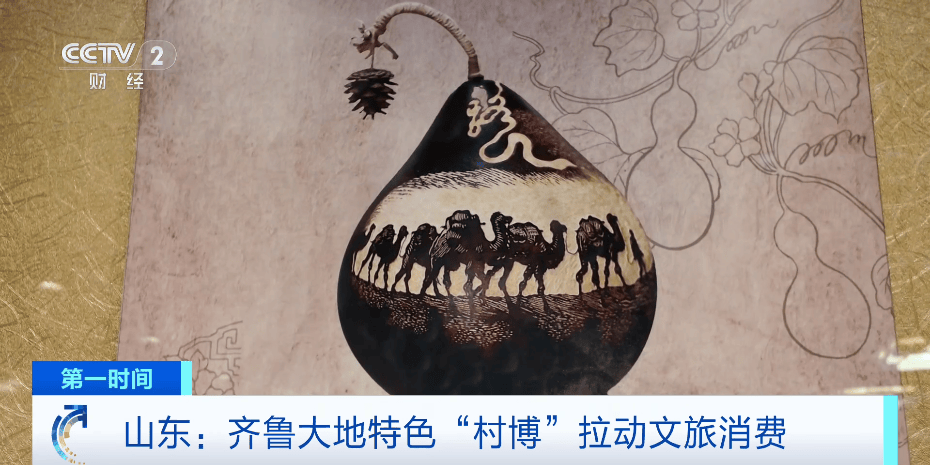
Core Insights - The article highlights the role of local museums in Shandong province as a means to boost employment and promote cultural tourism consumption [1] Group 1: Local Museums and Employment - Local specialty museums are becoming a key driver for job creation among villagers [1] - These museums leverage regional crafts and local products to enhance tourism [1] Group 2: Specific Examples of Museums - The HuLu Museum in Jinan showcases a variety of gourds, from ordinary to exquisite art pieces, with culinary uses and artistic creations appealing to visitors [3] - In Weihai's Rushan, an oyster-themed museum educates visitors on oyster varieties and selection, creating an engaging experience akin to a theme park [5]
广东省庆祝2025年中国农民丰收节主会场活动将在肇庆高要举行
Nan Fang Nong Cun Bao· 2025-09-19 06:36
Core Viewpoint - The main celebration for the 2025 China Farmers' Harvest Festival will be held in Zhaoqing, Guangdong Province, emphasizing agricultural achievements and rural revitalization [2][3][10]. Group 1: Event Details - The main event will take place in the Tiegang community of Jin Du Town, Gao Yao District, Zhaoqing City [3][10]. - The theme for this year's celebration is "Celebrating Agricultural Harvest, Enjoying a Better Life" [6][10]. - The event will feature local cultural performances and exhibitions, showcasing the unique agricultural products of the region [15][22]. Group 2: Agricultural Development - Gao Yao District is recognized as an agricultural hub and a national rural revitalization demonstration county, implementing the "Hundred Counties, Thousand Towns, and Ten Thousand Villages" project [10][12]. - The district focuses on modern agricultural development through industrialization and a complete industry chain, aiming to create five billion-level full industry chains [11][12]. - The Tiegang community serves as a model for innovative rural construction and operation, contributing to the vibrant development of rural areas in Guangdong [12][13]. Group 3: Activities and Engagement - The celebration will include performances by the national village football champion team and local intangible cultural heritage art groups [16][17]. - Creative programs will highlight local specialties, such as the Gao Yao high-quality shrimp, and feature a promotional campaign for local agricultural products [18][20]. - A "Celebrating Harvest, Promoting Consumption" campaign will be launched, showcasing agricultural products from all 21 cities in the province [21][22].

砥砺奋进七十载 天山南北谱华章丨农文旅融合 激活新疆乡村振兴新活力
Yang Shi Xin Wen Ke Hu Duan· 2025-09-19 02:47
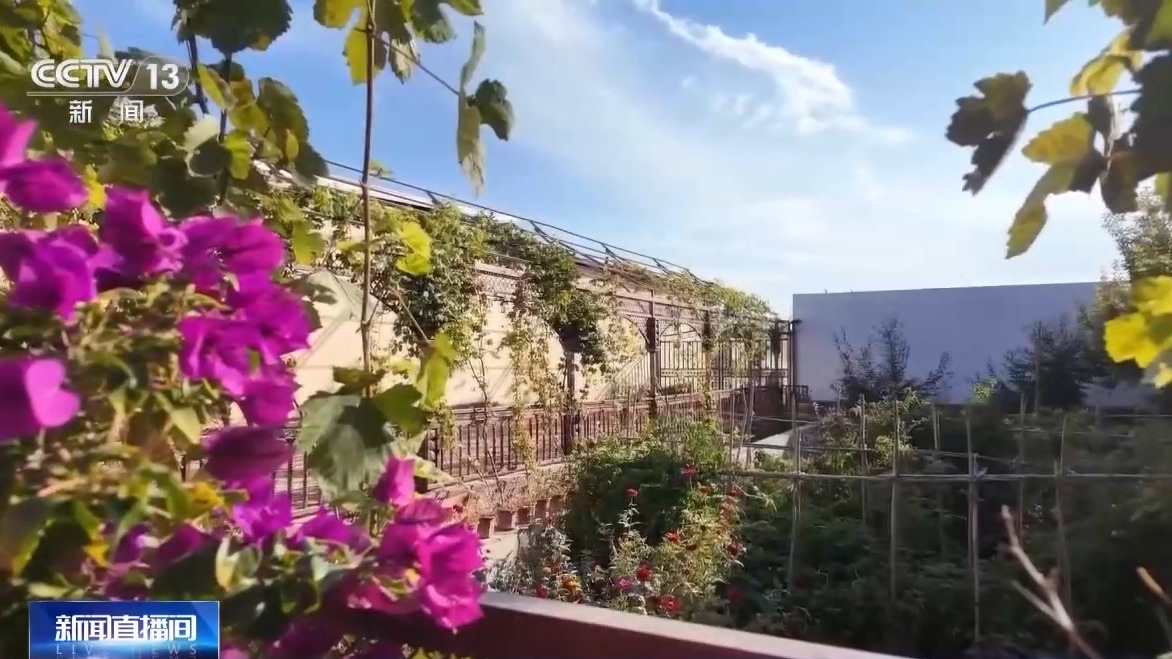
Core Viewpoint - The article highlights the successful rural revitalization efforts in Xinjiang, particularly in villages like Dingjige and Aliwengbai, showcasing how community engagement, tourism, and local industries have transformed these areas into thriving economic hubs. Group 1: Rural Revitalization Initiatives - Dingjige village has attracted numerous visiting groups annually, indicating its successful rural revitalization model [1] - The village has implemented a "Beautiful Courtyard Competition" to encourage residents to organize their living spaces into distinct areas for living, planting, and raising animals, leading to improved aesthetics and productivity [3] - The employment rate in Dingjige village has reached 95%, ensuring that nearly every resident has a job and income [9] Group 2: Economic Development through Local Industries - A micro-industry park in Dingjige village spans over 30 acres, housing dozens of businesses, allowing residents to work close to home [5] - Local women have gained employment in various businesses, such as a cake shop, earning over 3,000 yuan per month, significantly improving their family's financial situation [7] Group 3: Tourism Integration - Aliwengbai village has successfully integrated agriculture with tourism, transforming into a popular "internet celebrity tourist village" with unique accommodations and attractions [11] - The village has developed eight distinctive tourist spots and over 70 family-run restaurants, generating daily tourism revenue exceeding 150,000 yuan [15] - Xinjiang's overall rural tourism has seen significant growth, with 4.466 million visitors and over 3.7 billion yuan in revenue in the first half of the year [22]
让农文旅“拧成一股绳”
Jing Ji Ri Bao· 2025-09-18 21:58
Core Viewpoint - The integration of agriculture, culture, and tourism is essential for expanding agricultural product consumption and revitalizing rural tourism markets, requiring collaboration among various government levels and industry sectors [1][3]. Group 1: Market Performance - In the first three quarters of 2024, rural tourism received 2.248 billion visitors, a year-on-year increase of 15.5%, with total revenue reaching 1.32 trillion yuan, up 9.8% [2]. - By the end of 2024, rural tourism visitor numbers are expected to exceed 20% growth compared to the same period in 2023 [2]. - In the first quarter of 2024, rural tourism recorded 707 million visitors, a growth of 8.9%, generating revenue of 412 billion yuan, an increase of 5.6% [2]. Group 2: Policy and Strategic Framework - The 2022 Central Document No. 1 emphasized the need for deep integration of agriculture, culture, and tourism to support rural industry diversification and value chain extension [3]. - The 2024-2035 Agricultural Power Construction Plan aims to establish a modern rural industrial system that integrates agriculture, forestry, animal husbandry, fishery, and tourism [3]. - Current policies serve as guidance for various departments and stakeholders in executing the integration of agriculture, culture, and tourism [3]. Group 3: Challenges and Solutions - Existing challenges in the integration process include single industry fusion, insufficient participation from villagers, lack of cultural depth in products, and outdated infrastructure [3]. - To address these issues, collaboration among government levels, industry sectors, and rural communities is necessary to innovate business models and optimize operational strategies [3][4]. Group 4: Service and Operational Enhancements - Strengthening financial support and enhancing infrastructure such as water, electricity, and digital services are crucial for improving rural tourism and agricultural product consumption [4]. - The focus should be on elevating the management and operational standards of related industries, including non-heritage workshops, homestays, and rural markets [4]. Group 5: Consumption Model Optimization - Leveraging local agricultural resources to create attractive tourism experiences can transform agricultural products into tourism highlights [5]. - Establishing sustainable mechanisms that allow farmers to benefit from both agricultural sales and participation in rural tourism services is essential for shared prosperity [5].
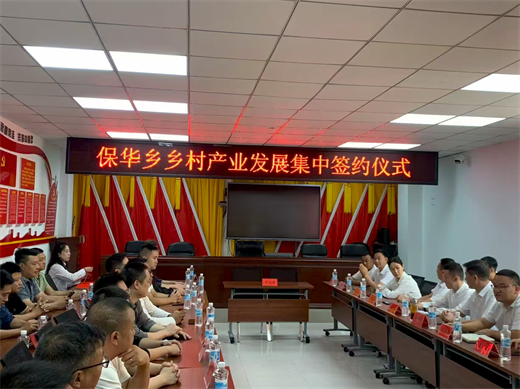
九寨沟保华乡和美乡居盛大开业 乡村振兴再添新引擎
Jin Tou Wang· 2025-09-17 08:42
Core Insights - The opening of He Mei Xiang Ju and the simultaneous signing ceremony for rural industry development mark a significant step in revitalizing the local economy in Jiuzhaigou County [1][9] Group 1: Event Overview - The opening ceremony was attended by key local officials and representatives from various villages, highlighting community involvement and support for the initiative [3] - The signing ceremony focused on cooperation in areas such as agricultural tourism integration, specialty agricultural product marketing, and upgrading rural tourism services [5] Group 2: He Mei Xiang Ju - He Mei Xiang Ju, located in Linghua Village, is positioned as a core project for agricultural tourism integration, offering high-quality accommodation and showcasing local agricultural products and cultural resources [7] - The establishment of He Mei Xiang Ju is expected to create a new landmark for rural tourism, combining leisure, sightseeing, and experiential activities [7] Group 3: Future Prospects - Jiuzhaigou County is committed to enhancing infrastructure and developing specialty industries as part of its response to the rural revitalization strategy [9] - The recent developments are seen as a milestone in the county's efforts to create a model for rural revitalization, aiming to improve the quality of life for local residents [11]
“十四五”农业农村发展“成绩单”:稳粮增收创佳绩,科创水平跻身第一方阵
Zheng Quan Shi Bao Wang· 2025-09-16 09:13
Core Insights - The "14th Five-Year Plan" has led to steady progress in agricultural and rural development in China, with significant improvements in grain production, income growth, and technological innovation [1][2][4] Agricultural Production - China's grain production is projected to reach 1.4 trillion jin in 2024, supported by stable planting areas and increased yields [2][3] - The national grain planting area reached 1.79 billion mu in 2024, an increase of over 3.8 million mu since 2020, laying a solid foundation for food security [2] - Grain yield per mu increased to 394.7 kg in 2024, up by 12.5 kg from the end of the "13th Five-Year Plan," with single yield contributing over 60% to grain production growth [2][3] Income Growth - Rural residents' per capita disposable income reached 23,119 yuan in 2023, with the urban-rural income ratio decreasing from 2.56:1 in 2020 to 2.34:1 in 2024 [4][5] - The government has enhanced support policies for grain production, including comprehensive cost and income insurance for major grain crops [4][5] Technological Innovation - China's agricultural technology innovation has entered the world's top tier, with significant breakthroughs in key technologies and a focus on integrating industry, academia, and research [6][7] - The country has developed over 50 modern agricultural industry technology systems, providing comprehensive technological services across the entire industry chain [7] Food Supply and Nutritional Quality - The total output of livestock products and aquatic products increased by 18.8% and 12.3%, respectively, compared to 2020, contributing to a diversified food supply system [3] - The nutritional intake of urban and rural residents is approaching that of developed countries, indicating improved food quality and health [3]
宁夏泾源:农文旅融合“多点开花” 绘就振兴好“钱”景
Zhong Guo Xin Wen Wang· 2025-09-16 07:37
Core Insights - The integration of agriculture, culture, and tourism in Jingyuan County is significantly boosting local economic development and enhancing residents' incomes [1][3][6] Group 1: Economic Impact - The occupancy rate of local homestays has surged, with one homestay owner reporting revenue exceeding 1 million yuan for the first time [1] - The tourism sector in Jingyuan County has seen a substantial increase, with 192.53 million visitors recorded by the end of August, representing a 47.6% year-on-year growth [6] - Total tourism expenditure reached 1.084 billion yuan, marking a 41.3% increase compared to the previous year [6] Group 2: Employment and Income Generation - Over 8,500 farming households are now involved in the agricultural and cultural tourism industry, creating job opportunities for 36,800 people [6] - The income model for farmers has evolved from traditional farming to a diversified approach that includes employment, business operations, and profit sharing [6] Group 3: Infrastructure and Services - The establishment of a tourism association in Yejia Village has led to improved service quality and the upgrading of homestays and farm stays [5] - The local government is actively supporting the tourism sector through incentives and structured management, resulting in a collective income of over 13 million yuan for the village in the first eight months of the year [5] Group 4: Seasonal and Diverse Offerings - Jingyuan County has diversified its tourism offerings by introducing various seasonal events and activities, such as ice and snow festivals, flower festivals, and health runs, to attract visitors year-round [6] - The county aims to break the "one-season tourism" limitation, ensuring continuous income generation throughout the year [6]