
化肥

Search documents
股市必读:四川美丰(000731)12月22日董秘有最新回复
Sou Hu Cai Jing· 2025-12-22 20:04
截至2025年12月22日收盘,四川美丰(000731)报收于6.62元,下跌0.3%,换手率0.59%,成交量3.24万 手,成交额2147.11万元。 董秘最新回复 投资者: 作为化肥企业,公司采用天然气作为原料,遭遇着"气涨价、产品降价"的双重打击,在2025 年与煤化工企业,成本端有非常严峻,产品端又在同一层次,长期下去,公司如何破局? 董秘: 投资者您好!公司主营产品均是高度市场化的产品,市场价格受宏观政策、行业趋势、供求关 系等多种因素影响,部分产品具有较强的周期性特征。为积极应对行业变化,努力克服市场波动带来的 风险挑战,公司将在成本管控、市场拓展、管理优化、技术研发、安全环保等方面持续发力,同时加快 技术升级和产业转型步伐,努力实现在市场竞争中破局突围。谢谢! 投资者: 公司采购的天然气,是否主要来自大股东,大股东能否低于市场价供气?如国家能源集团控 股的中国神华和国电电力,在2022年作用,煤价疯涨的时候,神华向国电供煤就低于市场,使国电当年 亏损额远低于大唐发电、华能国际等同行,四川美丰实控人是否会有此担当? 董秘: 投资者您好!公司原料天然气价格以国家政策法规或指导性文件为依据,执行市场 ...

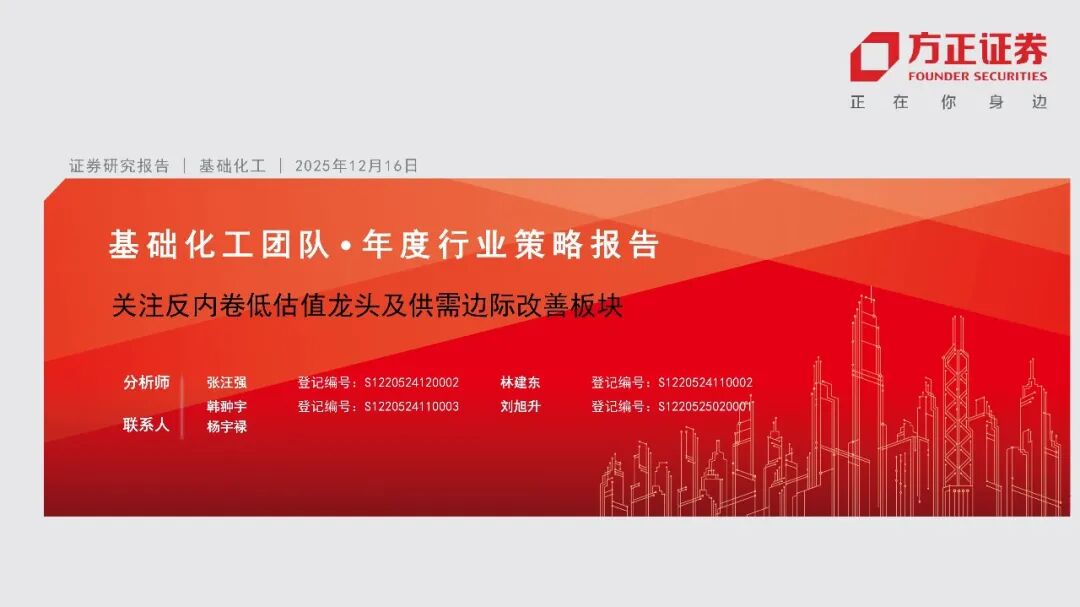
【方正化工】关注反内卷低估值龙头及供需边际改善板块
Xin Lang Cai Jing· 2025-12-22 11:19
Core Viewpoints - The chemical industry is at the bottom of the cycle in 2025, with both investment in cyclical sectors and thematic trends progressing simultaneously. Since Q3 2025, global manufacturing has shown signs of recovery, but demand growth is slowing, leading to a decline in the PPI of chemical products year-on-year [1][65] - On the demand side, the domestic real estate market is at a cyclical low, while sales of new energy vehicles continue to grow significantly. Retail sales are stabilizing, supported by ongoing consumption promotion policies [1][65] - On the supply side, China has become a global leader in the chemical industry, while the manufacturing and chemical production capacity utilization rates in the EU have been declining, particularly in Germany, where the production of basic chemicals has been continuously decreasing [1][65] Group 1: Chemical Industry Overview - The chemical industry is experiencing a prolonged bottoming phase, with a three-year duration already observed. The potential for a turnaround may be approaching [1][65] - The PPI of chemical products has been under pressure, with year-on-year declines noted in major economies, including China, the EU, and Japan [9][74] - The domestic chemical industry is facing a situation of excess supply, which is exerting short-term pressure on prices, while the inventory cycle is still in a passive replenishment phase [1][65] Group 2: Demand Side Analysis - The domestic real estate market is at a cyclical low, with significant declines in new construction and sales figures. The cumulative sales area of new commercial housing in major cities has decreased by 11% year-on-year [18][25] - Sales of new energy vehicles in China have maintained high growth, with a year-on-year increase of 19% in the first eleven months of 2025, indicating strong market demand [25][28] - Retail sales in China have shown a steady improvement, with a growth rate of 4% year-on-year for the first eleven months of 2025, supported by consumption promotion initiatives [28][29] Group 3: Supply Side Analysis - China has replaced Europe and the US as the global leader in chemical production, with a year-on-year increase of 8% in output, while the EU and Germany have seen declines [30][36] - The production capacity in the EU has been declining, particularly in Germany, where the output of various basic chemicals has dropped significantly compared to 2019 levels [36][37] - The investment in basic chemical projects in China has turned negative, indicating a potential shift in the supply landscape as excess capacity begins to face clearing risks [1][65] Group 4: Investment Recommendations - The report suggests focusing on low-valuation leading companies and sectors with improving supply-demand dynamics, including major players in the chemical industry such as Wanhua Chemical, Hualu Hengsheng, and others [3][67] - The fertilizer sector is expected to benefit from slowing capacity growth and increasing overseas demand, which may support price increases [66] - The tire market is showing signs of recovery, with domestic leading companies expanding their global production bases, indicating a positive outlook for the sector [66]

【财经分析】2026年尿素市场展望:供需宽松格局难改 迎反转需借“反内卷”东风
Xin Hua Cai Jing· 2025-12-22 07:18
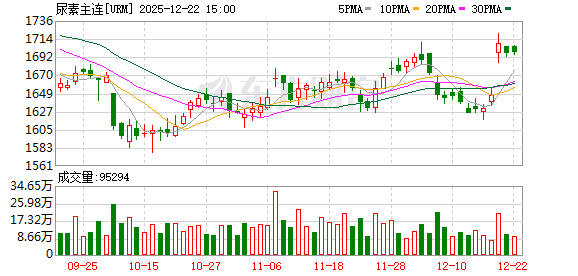
Core Viewpoint - The domestic urea market is experiencing a weak trend due to supply growth significantly outpacing demand growth, leading to low prices and high inventory levels [2][3][4]. Supply and Demand Dynamics - Urea prices in the domestic market are expected to decline in 2025, with a "V" shaped trend observed, peaking at 1931 CNY/ton in the first half and dropping to a five-year low of 1577 CNY/ton in the second half [3]. - The average price of domestic urea as of December 18 is 1712.58 CNY/ton, reflecting a year-on-year decrease of 5.88% [3]. - The supply growth rate is projected to exceed demand growth, with urea production capacity expected to reach 80.8 million tons in 2025, a 4.65% increase from 2024 [3][4]. Inventory Levels - Urea production companies' inventory levels have increased, with a total of 979,000 tons reported as of December 18, marking a 0.72% increase from the previous period [4]. - The average annual inventory level is expected to rise to 1.11 million tons, a 76% increase compared to 2024 [4]. Future Production and Consumption - Urea production is forecasted to reach approximately 71.71 million tons in 2025, a year-on-year increase of 10.88%, while consumption is expected to grow by 9.06% to 62.2 million tons [4][6]. - Agricultural consumption is anticipated to be the main driver for urea demand, supported by increased planting areas and agricultural projects [6]. Price Trends and Market Outlook - The urea market is expected to remain in a low-price range in early 2026, with prices projected to fluctuate around 1650 ± 200 CNY/ton [7]. - Initial price suppression is expected at the beginning of 2026, followed by a potential rebound due to downstream purchasing activities for spring farming [7]. Policy Impact and Export Dynamics - Recent policies aimed at stabilizing supply and prices have shown positive effects, with urea exports increasing significantly, reaching 4.62 million tons in the first 11 months of the year, a year-on-year increase of 1687.3% [8][9]. - The 2026 urea export quota is set at 3.3 million tons, but exports are crucial for alleviating domestic supply pressure, with estimates suggesting a potential increase to 5-6 million tons under conservative scenarios [9].
第二代高效低耗尿素工艺通过鉴定
Zhong Guo Hua Gong Bao· 2025-12-22 03:55
Core Viewpoint - The second-generation high-efficiency synthesis and low-energy consumption urea process technology developed by China Five Ring Engineering Co., Ltd. has been recognized as internationally leading and innovative, with complete independent intellectual property rights [1] Group 1: Technology Innovation - The new generation of full condensation reactor and high-pressure loop process has achieved the synthesis of urea through two-step reactions under optimal conditions, significantly improving conversion rates and reducing steam and circulating water consumption [1] - The technology has fundamentally broken the energy consumption bottleneck of traditional urea plants [1] Group 2: Performance and Achievements - The urea plant of Anhui Haoyuan Chemical Group Co., Ltd., based on this technology, has demonstrated operational indicators exceeding design values during a 72-hour on-site assessment, with steam consumption reduced to 562.9 kg per unit of urea product at 2.5 MPaG, reaching advanced industry levels [1] - The second-generation technology has been promoted in over 30 sets domestically and internationally, with a production capacity exceeding 25 million tons per year [1] - The technology has received multiple awards, including the Hubei Provincial Patent Gold Award and the First Prize for Technological Progress from the Nitrogen Fertilizer Industry Association, along with 22 national authorized patents, including 7 invention patents [1]
欧盟碳关税草案扩围,180种下游产品纳入CBAM
Xin Lang Cai Jing· 2025-12-22 02:14
Group 1 - The European Commission released a new draft of the Carbon Border Adjustment Mechanism (CBAM) on December 17, which will include 180 types of steel and aluminum-intensive downstream products starting in 2028 to prevent foreign manufacturers from evading carbon taxes through product assembly exports [1][7] - The draft expands the coverage of CBAM to include machinery, electrical appliances, and specialized industrial equipment, expected to affect 7,000 new importers, with 94% being industrial supply chain products and an average steel and aluminum content of 79% [7][8] - Future expansions of the CBAM may include sectors such as cement, fertilizers, and hydrogen [7] Group 2 - Emission indicators will include both default and actual values, with default emission values set to increase, particularly affecting major exporting markets like Indonesia, India, and China [7][8] - By 2026, a 10% surcharge will be added to default values, increasing to 20% in 2027 and 30% in 2028, while fertilizer importers will face a 1% annual surcharge [7][8] Group 3 - Significant cost impacts are anticipated, particularly for imports from Indonesia, China, and India, with additional costs for hot-rolled steel from China projected to be €189 per ton in 2026 and increasing to €302 per ton by 2028 [8] - The draft clarifies the operation of CBAM, but companies face uncertainties as emission values will be further reviewed in 2026 and 2027, and details regarding foreign carbon price deductions remain undecided, complicating cost planning [2][8]
【新华财经】机构年会:绿色电力将改变工业生产底层逻辑
Xin Hua Cai Jing· 2025-12-21 17:27
Group 1 - China's position in global commodity production is significant, and the underlying logic of industrial production is undergoing fundamental changes, emphasizing the importance of identifying and utilizing growth advantages in the new economic landscape [1] - The traditional high-energy and high-material consumption development model is nearing its growth limit, necessitating industry transformation, with energy transition presenting a historic opportunity for breakthroughs [1] - By 2035, China's total installed capacity for wind and solar power is expected to reach 3.6 billion kilowatts, with an additional potential of 1.9 billion kilowatts over the next decade, leading to electricity becoming a plentiful and low marginal cost production factor [1] Group 2 - Hydrogen is expected to serve as a reducing agent and chemical raw material, driving production method transformations across various industries, including steel and fertilizers, with green hydrogen being crucial for ammonia synthesis [2] - The integration of energy revolution, industrial revolution, and artificial intelligence will lead industries into a new era of green industrial development characterized by resource creation, zero-carbon growth, and intelligent innovation [2] - The main contradiction in China's economic growth has shifted from supply constraints to demand constraints, highlighting the need for structural reforms to enhance household income and consumption rates [2] Group 3 - China's three major advantages include catch-up potential, a new technological revolution focused on digital and green technologies, and the advantages of a super-large market economy [3] - There is a need to promote the synergy of these advantages with the strategies of becoming a manufacturing powerhouse, a consumption powerhouse, and a financial powerhouse, forming a foundational triangular structure for modernizing the nation [3]

机构年会:绿色电力将改变工业生产底层逻辑
Xin Hua Cai Jing· 2025-12-21 03:05
Group 1 - China's significant position in global commodity production is emphasized, with a shift in the underlying logic of industrial production occurring, highlighting the importance of identifying and utilizing growth advantages in the new economic landscape [1][2] - The traditional high-energy and high-material consumption development model is nearing its growth limit, necessitating industry transformation, with energy transition presenting a historic opportunity for the industry [1][2] - By 2035, China's total installed capacity for wind and solar power is expected to reach 3.6 billion kilowatts, with an additional potential of 1.9 billion kilowatts over the next decade, leading to electricity becoming a plentiful and low marginal cost production factor [1] Group 2 - Hydrogen is identified as a key industrial reducing agent and chemical raw material, driving production method transformations across various industries, including steel and fertilizers [2] - The integration of energy revolution, industrial revolution, and artificial intelligence is expected to lead industries into a new era of green industrial development characterized by resource creation, zero-carbon growth, and intelligent innovation [2] - The current economic growth in China has shifted from supply constraints to demand constraints, with a focus on increasing household income and consumption rates to enhance terminal demand [2][3] Group 3 - China's three major advantages include catch-up potential, a new technological revolution focused on digital and green technologies, and the advantage of a super-large market economy [3] - There is a call to align these advantages with the strategies of becoming a manufacturing powerhouse, a consumption powerhouse, and a financial powerhouse, forming a foundational triangular structure for modernizing the nation [3]
欧盟CBAM 2026年实施 全球贸易或迎历史转折
Zhong Guo Jing Ying Bao· 2025-12-20 06:04
Group 1 - The EU Carbon Border Adjustment Mechanism (CBAM) will enter its mandatory phase on January 1, 2026, marking the world's first cross-border carbon tax system [1] - CBAM aims to price the "embedded carbon" in imported goods, ensuring that non-EU producers bear the same carbon costs as EU companies [1] - Importers of six high-energy-consuming product categories, including steel, cement, aluminum, fertilizers, electricity, and hydrogen, must report carbon emissions quarterly and purchase CBAM certificates based on the EU Emissions Trading System (ETS) auction prices [1] Group 2 - During the transition period, which began in October 2023, importers are not required to purchase CBAM certificates but must fulfill basic carbon emission reporting obligations [2] - As the implementation date approaches, companies, especially in the steel and aluminum sectors, are preparing for the new requirements, which include providing comprehensive carbon emission data [2] - The EU plans to extend CBAM coverage to downstream products, including 180 new categories such as machinery and household appliances, further broadening its impact [3] Group 3 - The Chinese Ministry of Ecology and Environment is actively monitoring the developments of the EU CBAM and will guide companies in adapting to the new regulations [4] - China is expanding its national carbon emissions trading market, with plans to include the steel industry in 2025, which will help align with international carbon pricing mechanisms [4] - Although the actual procurement and submission of CBAM certificates will be delayed until February 2027, companies must still account for these costs in their 2026 business decisions [5]
硫磺价格狂飙,下游行业急了
Xin Lang Cai Jing· 2025-12-20 00:09
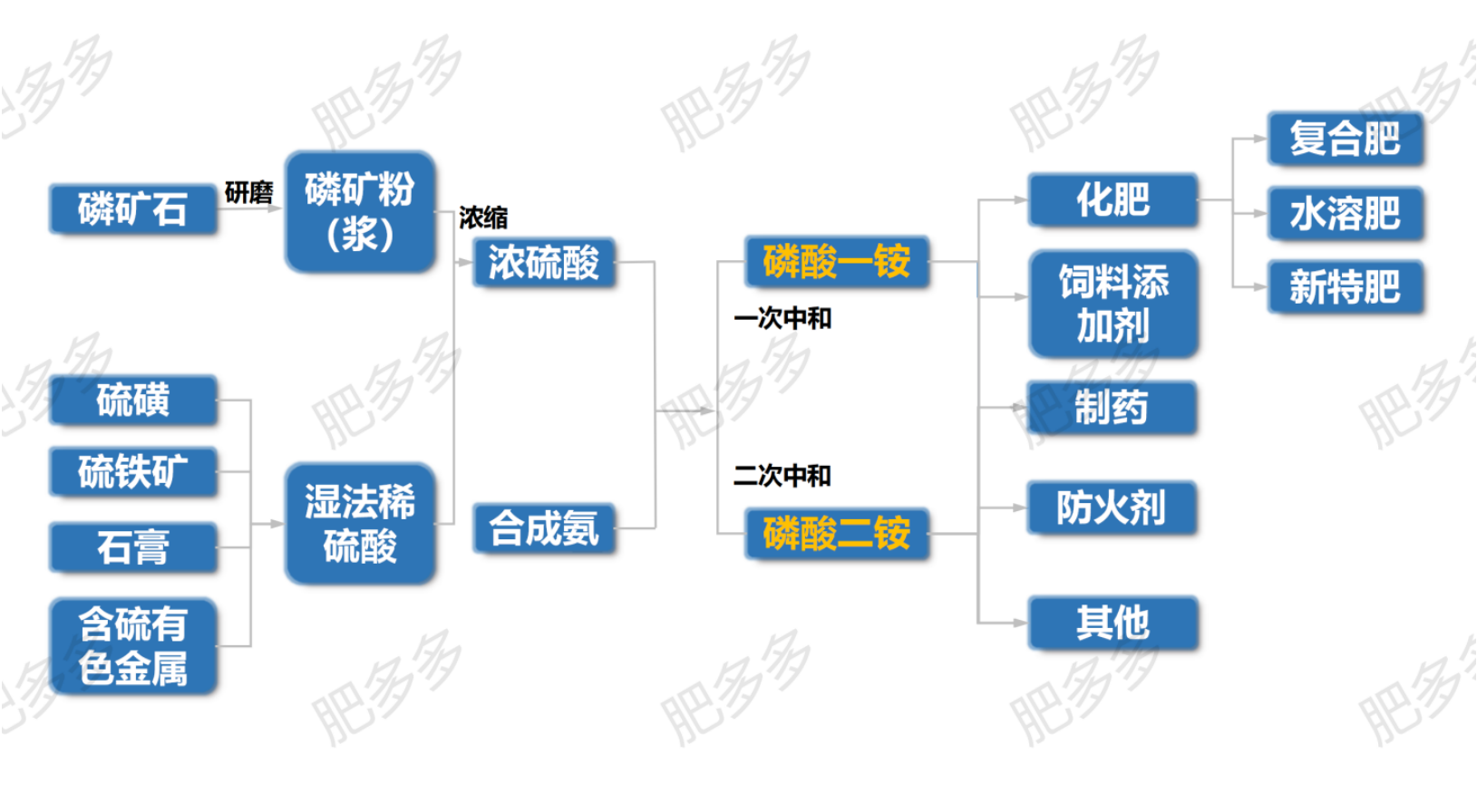
Core Viewpoint - The sulfur price surge has prompted the phosphate fertilizer and sulfuric acid industries to collaborate on supply stabilization and price control in preparation for the upcoming spring farming season [1][2]. Group 1: Industry Response - On December 18, a special meeting was held by the China Sulfuric Acid Industry Association and the China Phosphate Fertilizer Industry Association to stabilize the fertilizer supply chain [2]. - The meeting called for sulfuric acid export companies to reduce export volumes and set export prices no lower than domestic prices [2]. - The meeting was guided by the National Development and Reform Commission and involved all sulfuric acid, sulfur, sulfur iron ore production companies, and phosphate fertilizer producers [2]. Group 2: Price Trends - As of December 11, the domestic prices for sulfuric acid ranged from 850 to 1000 CNY/ton in Central China, 820 to 880 CNY/ton in Southwest China, and 940 to 1010 CNY/ton in East China [2]. - Following the meeting, some sulfuric acid producers began to lower their prices, with Shandong Shenchi Chemical Co. reducing its price by 10 CNY/ton to 913 CNY/ton [3]. - The price of sulfur has recently exceeded 4000 CNY/ton, marking a historical high compared to a low of less than 1000 CNY/ton in the second half of last year [4]. Group 3: Cost Implications - The rising sulfur prices have significantly increased production costs for phosphate fertilizers, with estimates indicating that every 100 CNY/ton increase in sulfur price raises phosphate fertilizer production costs by approximately 45 CNY/ton [8]. - Leading phosphate fertilizer company Yuntianhua reported that the cost of producing one ton of phosphate fertilizer has risen by around 1000 CNY due to the increase in sulfur prices, leading to thin profits or even losses for some companies [8]. Group 4: Supply Chain Dynamics - China relies on imports for over 50% of its sulfur, making domestic prices closely tied to international market trends [7]. - The global supply of sulfur is tightening due to production cuts in major oil-producing regions and a shift of Russia from an exporter to a net importer of sulfur [10]. - The Chinese government is implementing policies to prioritize domestic supply of sulfuric acid to support the phosphate fertilizer industry, which is crucial for agricultural stability [14]. Group 5: Industry Initiatives - Several phosphate fertilizer companies, including Yuntianhua and Xiangyun Co., have initiated supply and price stabilization proposals since December 9 [16]. - The China Agricultural Production Materials Circulation Association and the China Phosphate Fertilizer Industry Association have recommended maintaining high operating rates for phosphate fertilizer producers and have advised against exports until August 2026 [16]. - China accounts for 30% of global phosphate fertilizer production, maintaining its position as the largest producer [16].

供需偏紧景气高企 钾肥龙头加速海外布局
Shang Hai Zheng Quan Bao· 2025-12-19 19:40
Group 1: Market Overview - The average domestic price of potassium chloride reached 3274 yuan/ton on December 18, marking a 30% increase from the beginning of the year and a 29% year-on-year growth [1][2] - The potassium fertilizer import volume for 2024 is projected to be 12.63 million tons, representing a 9.07% increase year-on-year, with an import dependency exceeding 60% [1][6] - The potassium fertilizer market is experiencing tight supply, with prices remaining high due to stable demand and limited production capacity [2][4] Group 2: Supply Dynamics - There has been no new production capacity added in the potassium fertilizer supply chain this year, and the only expected new capacity will come from international players in 2026-2027 [1][4] - Seasonal factors, such as winter temperatures, are affecting the mining efficiency of potassium resources, leading to planned production halts [2][6] - The recent accident at a North American potassium mine may tighten global supply, potentially benefiting potassium prices [4] Group 3: Strategic Developments - Major companies are actively pursuing overseas potassium resource development to mitigate domestic resource constraints [6][7] - Salt Lake Co., the largest potassium fertilizer producer in China, is implementing a "going out" strategy, with ongoing exploration activities in the Republic of Congo [6][7] - The company aims to achieve a production capacity of 10 million tons of potassium fertilizer by 2030 as part of its strategic plan [6] Group 4: Price Trends and Projections - Analysts expect potassium chloride prices to remain elevated, with a central price level around 3000 yuan/ton, reflecting a shift upward from previous levels [5][6] - The market is anticipated to maintain a tight balance between supply and demand, with potential for prices to test previous highs [4][5]

