
智能网联汽车

Search documents
“人工智能+交通运输”实施意见即将发布
Zhong Guo Zheng Quan Bao· 2025-09-23 20:16
Core Viewpoint - The Ministry of Transport of China is advancing the "Artificial Intelligence + Transportation" initiative, focusing on large-scale innovative applications of AI in the transportation sector, with an implementation plan set to be released soon [1][2]. Group 1: Key Initiatives - The Ministry will issue the "Implementation Opinions on Artificial Intelligence + Transportation" shortly [2]. - A comprehensive transportation model will be established by collaborating with industry and social forces, accelerating the application of intelligent systems [2]. - The Ministry plans to adopt a "Technology + Engineering" model to implement innovative projects in areas such as autonomous driving for trucks and intelligent disaster management [2]. Group 2: Industry Development - The scale of the intelligent connected vehicle industry is rapidly increasing, with 7.76 million new passenger cars equipped with Level 2 driving assistance sold from January to July 2025, achieving a penetration rate of 62.58% [3]. - Key technologies have made significant breakthroughs, establishing a complete industrial chain that includes intelligent cockpits and autonomous driving, with AI models being deployed in vehicles [3]. - A total of 88 national and industry standards have been published, focusing on urgent standards for driving assistance and autonomous systems [3]. Group 3: Future Plans - The Ministry of Industry and Information Technology will compile a new development plan for the intelligent connected vehicle industry, supporting key technologies such as automotive AI and intelligent chassis systems [3]. - Efforts will continue to improve the automotive technology standard system and promote pilot projects for intelligent connected vehicles [3].
2025世界智能网联汽车大会将全面升级“3+3+6+N”框构
Xin Hua Cai Jing· 2025-09-23 14:19
Core Viewpoint - The 2025 World Intelligent Connected Vehicles Conference will be held in Beijing from October 16 to 18, focusing on the theme "Gathering Wisdom and Energy for Unlimited Connectivity" [1] Group 1: Conference Structure and Activities - The conference will upgrade its framework to "3+3+6+N," including three main meetings (opening, general assembly, and closing) and three special activities (policy roundtable, international cooperation meeting, and regional development meeting) [3] - Six thematic forums will be set up focusing on policy, technology, safety, artificial intelligence, applications, and data [3] - Over 200 domestic and international policymakers, representatives from international organizations, academicians, and entrepreneurs will participate to discuss cutting-edge technologies and industry trends in the intelligent connected vehicle sector [3] Group 2: Government Initiatives and Industry Development - The Ministry of Industry and Information Technology (MIIT) will develop a new plan for the intelligent connected new energy vehicle industry, supporting key technologies such as automotive artificial intelligence and intelligent control chassis [4] - The Ministry of Transport is promoting the "Artificial Intelligence + Transportation" initiative, focusing on large-scale innovative applications of AI in the transportation sector [5] - Beijing has achieved a penetration rate of 68.3% for new passenger cars with Level 2 driving assistance features in the first half of the year, and has issued over 1,100 testing licenses for autonomous vehicles [6]

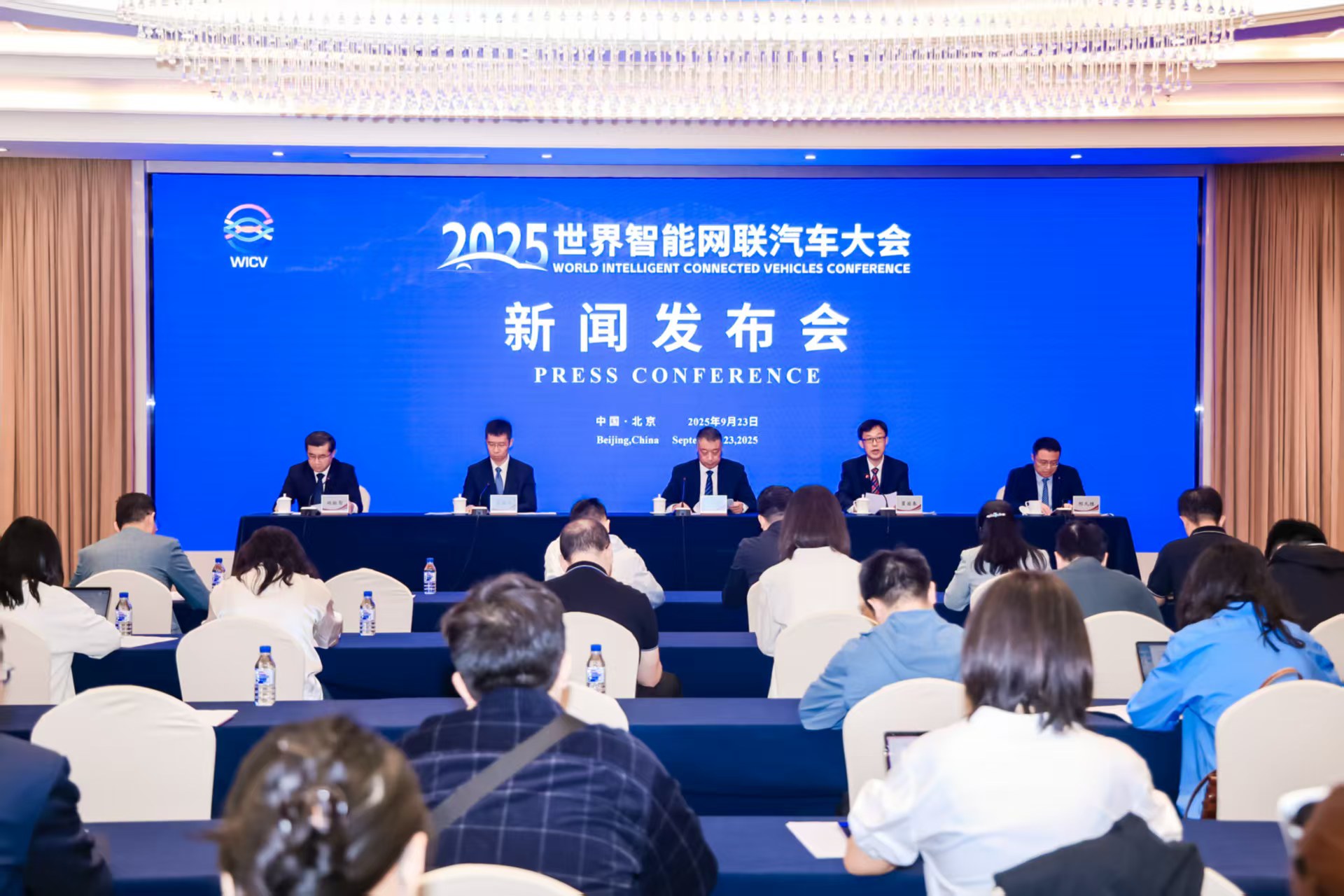
我国正加快推进20个“车路云一体化”试点城市建设
Xin Hua She· 2025-09-23 13:27
Core Viewpoint - The development of China's intelligent connected vehicle industry has achieved positive results, with significant progress in demonstration scale and infrastructure [1] Group 1: Industry Development - China has established 17 national-level testing demonstration zones and is accelerating the construction of 20 pilot cities for "vehicle-road-cloud integration" [1] - Over 35,000 kilometers of testing demonstration roads have been opened, and more than 10,000 testing demonstration licenses have been issued [1] - The sales of new passenger cars equipped with Level 2 driving assistance functions reached 7.7599 million units from January to July 2025, with a penetration rate of 62.58% [1] Group 2: Technological Integration - The installation of 5G and Cellular Vehicle-to-Everything (C-V2X) systems has exceeded 3 million units [1] - A complete industrial chain system has been established, covering smart cockpits, autonomous driving, and connected cloud control [1] - A total of 88 national and industry standards have been released, with efforts to accelerate the development of urgently needed standards for driving assistance systems [1] Group 3: Future Plans - The Ministry of Industry and Information Technology will expedite the formulation of a new development plan for the intelligent connected new energy vehicle industry [1] - The upcoming "14th Five-Year Plan" aims to enhance the digitalization, networking, and intelligence levels in transportation [1] - The "Artificial Intelligence + Transportation" implementation plan is set to be released soon, focusing on large-scale innovative applications of AI in the transportation sector [1] Group 4: Event Information - The 2025 World Intelligent Connected Vehicle Conference will be held from October 16 to 18 in Beijing, focusing on the latest technological breakthroughs and industry trends in the intelligent connected vehicle field [1] - The conference serves as an important platform for leading technological innovation, promoting international exchanges, and consolidating consensus in the global automotive industry [1]
新职业故事丨竞技!看新职业英才如何“逐鹿中原”
Xin Hua She· 2025-09-23 12:49
Core Viewpoint - The third National Skills Competition, the largest and most comprehensive vocational skills event in China, was held in Zhengzhou, Henan, featuring 3,420 contestants competing in 106 projects, with a significant focus on new technologies and skills [2][4]. Group 1: Event Overview - The competition took place from September 19 to 23, showcasing the highest standards and the widest range of competition projects in the country [2]. - Over 50% of the competition projects were related to new fields such as intelligent manufacturing, industrial internet, and artificial intelligence [4]. Group 2: Robotics and New Professions - The event included various robotics-related projects, such as "autonomous mobile robots," which are capable of navigation and task execution [4][10]. - New professions like "service robot application technician" and "robot engineering technician" were introduced in recent years, reflecting the growing importance of robotics in various sectors [10][34]. Group 3: Additive Manufacturing - The competition featured an "additive manufacturing" project, also known as 3D printing, where contestants completed tasks like design, scanning, and printing [12][14]. - The profession of "additive manufacturing engineering technician" was recognized as a new occupation in 2022, applicable in fields like automotive design, aerospace, and medical applications [17]. Group 4: Intelligent Connected Vehicles - The "intelligent connected vehicle assembly and maintenance" project highlighted the integration of vehicles with communication technology for smarter transportation solutions [20][22]. - The profession of "intelligent connected vehicle assembly and maintenance technician" will officially be recognized in 2024, indicating a shift towards more automated and intelligent transport systems [34]. Group 5: Industrial Internet - The "industrial internet engineering technology" project involved contestants applying various technologies for system implementation and maintenance, showcasing the digital transformation of traditional industries [35][40]. - The profession of "industrial internet technician" was introduced in 2020, with "industrial internet operator" set to be recognized in 2024, emphasizing the role of industrial internet across 49 economic sectors [40]. Group 6: Overall Impact - The competition encompassed a wide range of new technologies and skills, reflecting the dynamic nature of China's economic development and the emergence of new professions [43][54]. - The event served as a platform for national talent to compete and exchange ideas, further empowering the workforce with new skills and opportunities [43][54].
我国智能网联汽车产业规模快速提升 人工智能大模型实现批量上车
Xin Hua Cai Jing· 2025-09-23 09:07
Core Insights - The Ministry of Industry and Information Technology emphasizes the development of the intelligent connected vehicle industry, focusing on technological breakthroughs, standard formulation, and application promotion [1] Industry Development - The industry scale is rapidly increasing, with cumulative sales of new passenger cars equipped with Level 2 driving assistance functions reaching 7.76 million units from January to July 2025, achieving a penetration rate of 62.58%. Additionally, over 3 million vehicles are equipped with 5G and C-V2X technology [1] - Key technologies have made significant breakthroughs, establishing a complete industrial chain that includes smart cockpits, autonomous driving, and connected cloud control. AI models have been mass-produced for vehicles, and perception devices and C-V2X technologies have reached international leading levels [1] Demonstration and Testing - The scale of demonstrations is steadily expanding, with 17 national-level testing demonstration zones established. The construction of 20 integrated vehicle-road-cloud pilot cities is accelerating, with over 35,000 kilometers of testing demonstration roads opened and more than 10,000 testing demonstration licenses issued [1] Standardization Efforts - The standard system is continuously improving, with a total of 88 national and industry standards published. The focus is on accelerating the formulation of urgently needed standards for combined driving assistance systems, autonomous driving systems, and automatic emergency braking systems, while actively participating in the formulation and coordination of international standards and regulations related to autonomous driving [1]
“人工智能+交通运输”实施意见即将印发实施
Di Yi Cai Jing· 2025-09-23 08:44
Group 1 - The transportation industry is actively embracing a new wave of technological revolution and industrial transformation represented by artificial intelligence, focusing on developing smart transportation and logistics industries [1] - The Ministry of Transport is advancing the "Artificial Intelligence + Transportation" initiative, aiming for large-scale innovative applications of AI in the transportation sector as a primary focus [1] - The "Artificial Intelligence + Transportation" implementation opinions are being jointly issued by various ministries and will be implemented subsequently [1] Group 2 - Smart connected vehicles are key carriers for the integration of automotive technology with AI, information communication, cloud computing, and big data, becoming an important strategic direction for global automotive transformation [4] - From January to July this year, the cumulative sales of new passenger cars with combined driving assistance functions (L2 level) reached 7.76 million units, with a penetration rate of 62.58%, and over 3 million units equipped with 5G and C-V2X technology [4] - The Ministry of Industry and Information Technology is preparing a new development plan for the smart connected new energy vehicle industry, supporting key technology breakthroughs in automotive AI, operating systems, and intelligent control chassis [4] Group 3 - A total of 17 national-level testing demonstration zones have been established, with 20 "vehicle-road-cloud integration" pilot cities under construction, opening over 35,000 kilometers of testing roads and issuing more than 10,000 testing licenses [5] - 88 national and industry standards have been released, accelerating the development of urgently needed standards for combined driving assistance systems, autonomous driving systems, and automatic emergency braking systems [5] - The 2025 World Intelligent Connected Vehicle Conference will be held from October 16 to 18 in Beijing, focusing on cutting-edge technologies, industry trends, application practices, and innovative achievements in the smart connected vehicle field [5]
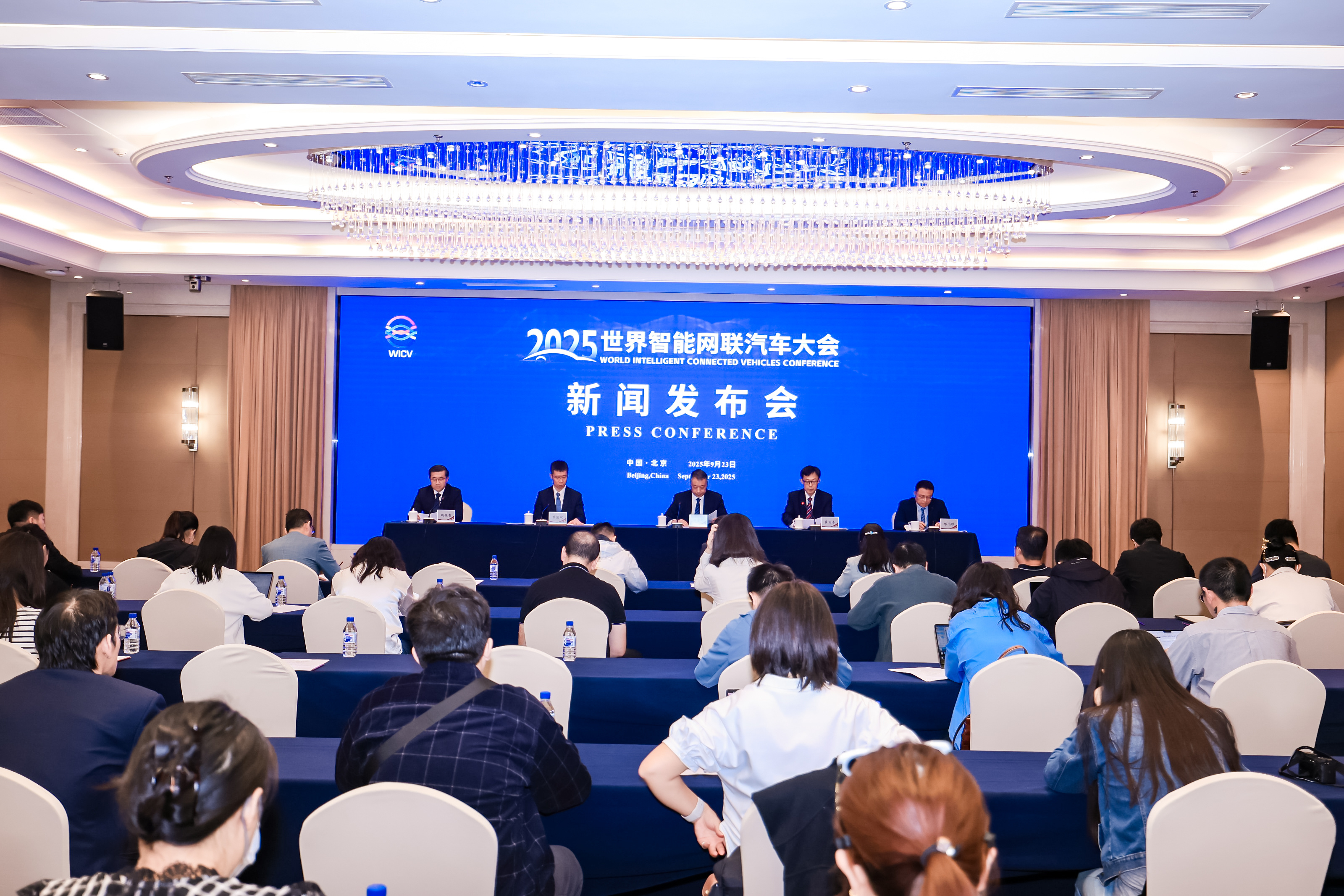
北京:持续推进“车路云一体化”基础设施在更大范围、更广区域实现覆盖
Jing Ji Guan Cha Wang· 2025-09-23 05:55
Core Insights - The automotive industry is experiencing steady growth, with accelerated transformation towards electrification, intelligence, and connectivity [1] - Beijing aims to solidify its position as a hub for the intelligent connected vehicle industry by implementing national strategies [1] Industry Development - The city will continue to promote high-standard construction of "dual intelligence" cities, focusing on the 4.0 phase of development [1] - Efforts will be made to expand the coverage of "vehicle-road-cloud integration" infrastructure to support large-scale operation of high-level autonomous vehicles and the development of connected vehicles with assisted driving capabilities [1] Technological Focus - There will be an emphasis on overcoming core technological challenges, particularly in vehicle-grade chips, complex environmental perception, and intelligent operating systems [1] - Continuous innovation efforts will be undertaken to enhance self-controllability in key technologies for intelligent connected vehicles [1]
“人工智能+交通运输”实施意见即将发布,交通运输部答中证报记者问
Zhong Guo Zheng Quan Bao· 2025-09-23 04:23
Core Insights - The Ministry of Transport is advancing the "Artificial Intelligence + Transportation" initiative, focusing on large-scale innovative applications in the transportation sector as a primary direction for the 14th Five-Year Plan [1][5][6] - The 2025 World Intelligent Connected Vehicles Conference will be held from October 16 to 18 in Beijing, co-hosted by the Ministry of Industry and Information Technology, the Ministry of Transport, and the Beijing Municipal Government [3] Group 1: AI and Transportation - The Ministry of Transport plans to release the "Implementation Opinions on Artificial Intelligence + Transportation" soon, which will guide the integration of AI in transportation [5][6] - The ministry aims to build a comprehensive transportation model and accelerate the application of intelligent systems in the sector [5][6] - Key projects include autonomous driving for freight trucks, autonomous navigation for inland cargo ships, and high-speed maglev systems [5] Group 2: Intelligent Connected Vehicles - The sales of new passenger cars with Level 2 driving assistance features reached 7.76 million units from January to July 2025, with a penetration rate of 62.6% [7] - The sales of new passenger cars equipped with Navigation On Autopilot (NOA) reached 2.67 million units, with a penetration rate of 21.5% [7] - The Ministry of Industry and Information Technology is working on a new development plan for the intelligent connected vehicle industry, focusing on key technologies and standards [8][9]
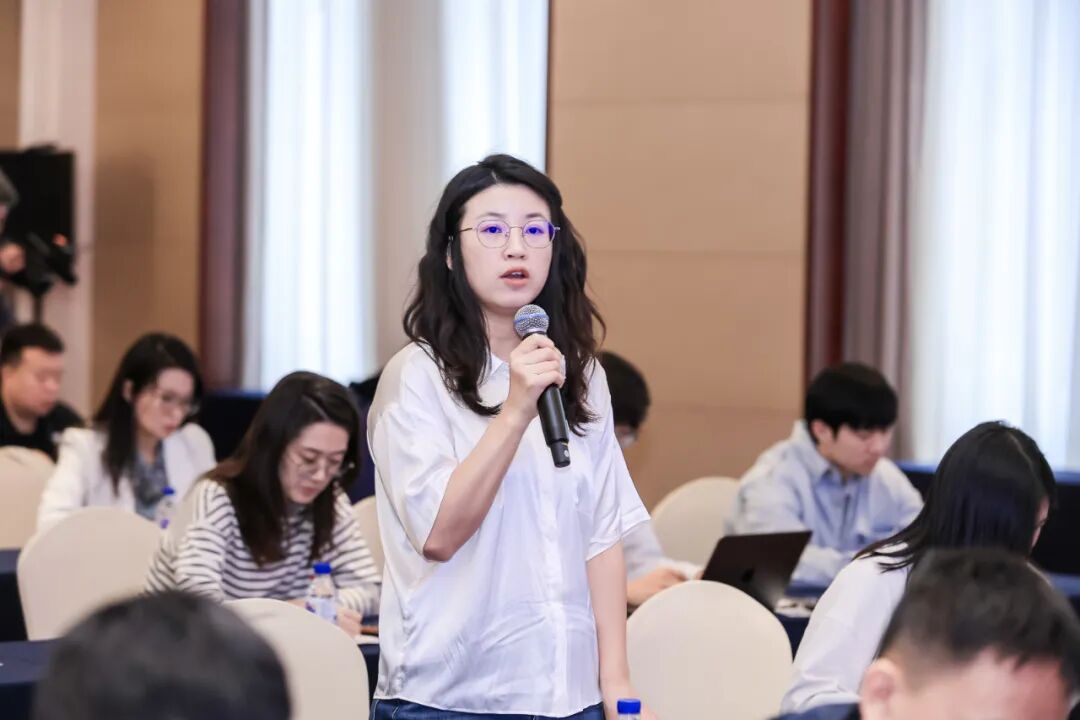
今年世界智能网联汽车大会将发布“人工智能+汽车”等多项报告
Xin Jing Bao· 2025-09-23 03:35
瞿国春介绍,总的来看,本届大会具有以下特点: 新京报贝壳财经讯(记者陈维城)9月23日,在2025世界智能网联汽车大会新闻发布会上,工业和信息化 部装备工业发展中心主任、世界智能网联汽车大会组委会秘书长瞿国春介绍,2025世界智能网联汽车大 会继续由工业和信息化部、交通运输部、北京市人民政府联合主办。本届大会将于10月16日—18日在北 京亦庄北人亦创国际会展中心举办。 三是汇聚多元智慧成果。大会议题紧扣产业创新、政策优化与协同发展主线,组织发布"车路云一体 化"建设成效、网络技术、可信数据空间、"人工智能+汽车"等热点领域的多项报告,呈现"十四五"期间 智能网联汽车发展成果,全面展示新技术、新产品、新模式、新生态。 瞿国春介绍,2025世界智能网联汽车大会将以"汇智聚能网联无限"为主题,升级"3+3+6+N"框架结构。 一是聚焦"洞见前沿风向、创新体验形式、深化国际合作、推动交流互鉴"四大亮点,设置开幕式、全体 大会、闭幕式3场全体会议。二是围绕产业政策、国际合作、京津冀协同发展等方向举办3场圆桌会。三 是围绕政策、技术、安全、人工智能、应用、数据等方向,设置6场主题论坛。四是召开基础设施、芯 片、通信、生 ...
去年北京实现汽车产量114.5万辆,同比增长13%
Xin Jing Bao· 2025-09-23 03:12
2025世界智能网联汽车大会新闻发布会9月23日举行,记者从会上获悉,2024年,北京实现汽车产量 114.5万辆,同比增长13%。今年上半年,北京具备智能辅助驾驶功能(L2级)的乘用车新车渗透率达到 68.3%,超全国平均水平(62.1%)。 上半年,北京具备智能辅助驾驶功能乘用车新车渗透率达到68.3% 加快完善智能网联汽车产业生态。协同天津、河北,建设京津冀智能网联新能源汽车科技生态港,推进 产业链强链补链、科技创新和产业创新融合,合力打造智能时代先进的产业生态。 积极落实国家试点任务。支持企业加快推进试点车型公告准入,做好试点车辆安全运行保障。协同天 津、河北方面,加强"车路云一体化"基础设施建设,创新跨域场景,促进智能网联汽车推广应用。 据北京市经济和信息化局副局长苏国斌介绍,北京汽车产业整体规模稳步提升,电动化、智能化、网联 化加速转型。2024年,北京实现汽车产量114.5万辆,同比增长13%。今年上半年,北京具备智能辅助 驾驶功能(L2级)的乘用车新车渗透率达到68.3%,超全国平均水平(62.1%)。"双智"城市建设实现全市600 平方公里"车路云一体化"基础设施连片覆盖,累计发放测试牌照超 ...