
咖啡

Search documents
瑞幸咖啡亮相进博会 入驻巴西、印尼等多个国家馆
Xin Jing Bao· 2025-11-06 11:55
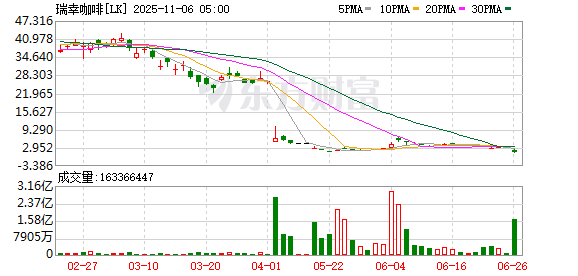
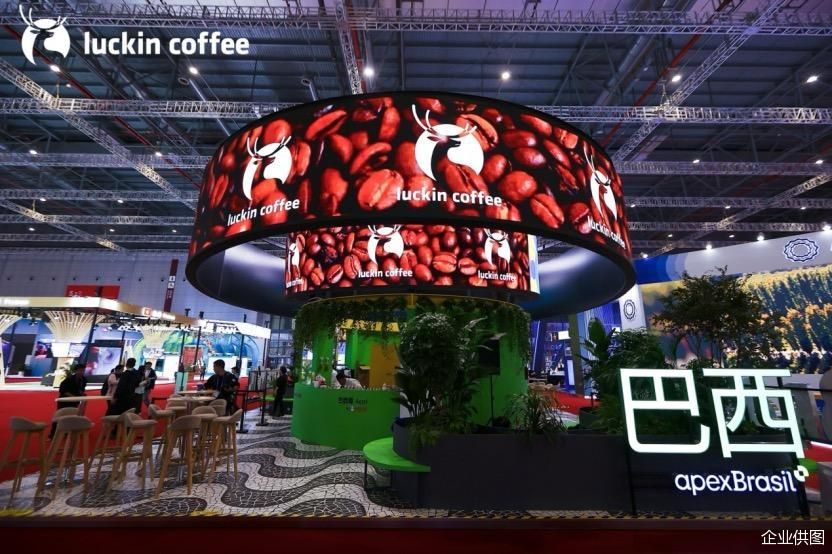
Core Insights - Luckin Coffee is actively participating in the global coffee trade by entering multiple national pavilions at the 8th China International Import Expo, showcasing its innovative vitality in the coffee industry [2] - The global coffee consumption is on the rise, particularly in emerging markets like China, presenting new development opportunities for the industry [2] - Luckin Coffee has significantly expanded its supply chain and upstream sourcing, establishing a direct procurement and industry collaboration system across multiple countries [2] Company Developments - In November 2024, Luckin Coffee signed a five-year memorandum to purchase 240,000 tons of coffee beans from Brazil, valued at 10 billion yuan, making it the largest buyer of Brazilian coffee beans in China [2] - In 2024, Luckin Coffee's procurement accounted for approximately 60% of Brazil's coffee bean exports to China [2] - Luckin Coffee plans to establish a "Luckin Coffee Exclusive Fresh Coconut Island" in Indonesia, aiming to procure 1 million tons of high-standard fresh coconuts over the next five years [2] Local Initiatives - In 2024, Luckin Coffee will establish its first coffee fresh fruit processing plant in Yunnan, China, providing training for local coffee farmers to promote sustainable development in the domestic coffee industry [3] - The procurement volume of coffee beans from Yunnan has been rapidly increasing, especially after 2023, with significant growth in the purchase of espresso blend coffee beans and fresh coffee fruits [3] Strategic Vision - At the Import Expo, Luckin Coffee's Public Relations Manager emphasized the company's vision of deepening connections with global core production areas, leveraging a large consumer market to drive multilateral trade cooperation [3] - The theme of the Import Expo, "New Era, Shared Future," aligns with Luckin Coffee's commitment to sharing development opportunities with upstream producers [3]


每120人就有1家咖啡店!“中国咖啡第一镇”,在海南万宁
Sou Hu Cai Jing· 2025-11-06 11:12
Core Viewpoint - Hainan Wanning Xinglong is recognized as "China's Coffee Capital," with a rich history of coffee cultivation and unique processing techniques that have developed since the 1950s [1] Group 1: Historical Background - The coffee story in Xinglong began in the 1950s when over 10,000 returnees from 21 countries settled in the area, bringing coffee seeds, cultivation techniques, and drinking habits from Southeast Asia [1] - The establishment of China's first coffee factory occurred in Xinglong, marking a significant milestone in the local coffee industry [1] Group 2: Unique Processing Techniques - Returnees introduced distinctive coffee processing methods, creatively incorporating butter and sugar during the roasting process, resulting in a unique flavor profile described as "fragrant but not strong, rich but not bitter" [1] - This processing technique blends Southeast Asian methods with Hainan's local characteristics, leading to the creation of "Xinglong Overseas Chinese Traditional Flavor Coffee" [1] Group 3: Current Industry Landscape - Today, the small town of approximately 36,000 residents boasts nearly 300 coffee shops, indicating a thriving coffee culture and industry [1]
瑞幸咖啡入驻进博会多个国家馆
Bei Jing Shang Bao· 2025-11-06 10:45
Core Insights - Luckin Coffee is expanding its international presence by entering multiple national pavilions at the 8th China International Import Expo, showcasing coffee trade and cultural cooperation with global core production areas [1][3] - China is becoming a growth engine for the global coffee industry, with local coffee brands like Luckin Coffee acting as a bridge between global production areas and domestic consumption [3] Group 1: International Expansion - Luckin Coffee has signed a five-year memorandum of understanding with Brazil for the procurement of 240,000 tons of coffee beans, valued at 10 billion yuan [3] - The company has become the largest buyer of Brazilian coffee beans in China, accounting for approximately 60% of Brazil's coffee bean exports to China in 2024 [3] Group 2: Local Development - In March 2024, Luckin Coffee established a "Luckin Coffee Exclusive Coconut Island" in Indonesia, planning to procure 1 million tons of high-standard raw coconuts over the next five years [3] - The establishment of a coffee fresh fruit processing plant in Yunnan in 2024 marks Luckin's commitment to deepening its local operations [3]
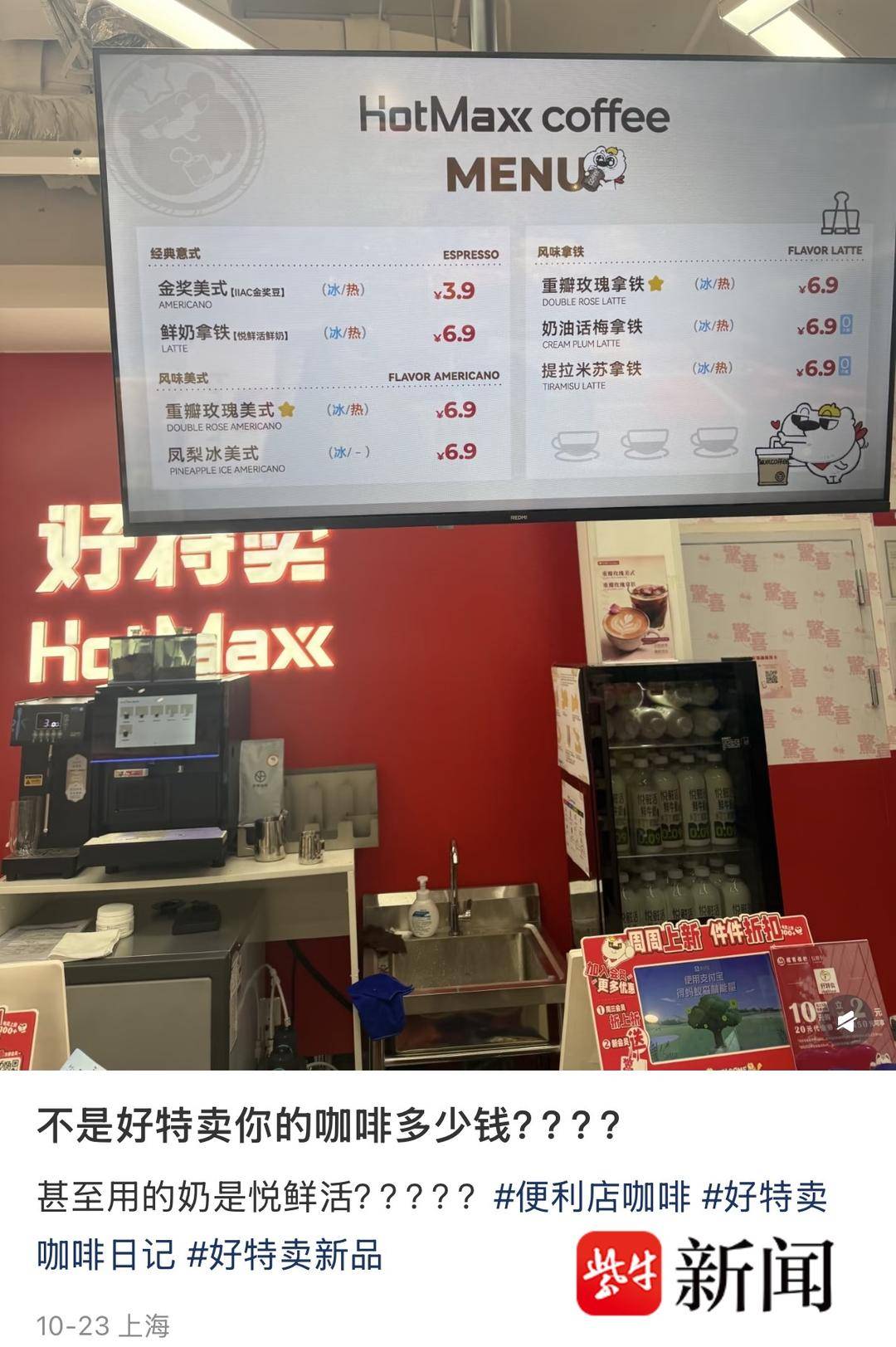
好特卖、老乡鸡跨界入局卖咖啡,一杯美式的价格已经卷到3.9元了?
Yang Zi Wan Bao Wang· 2025-11-06 09:58
Core Insights - Starbucks has officially announced a strategic partnership with Boyu Capital to jointly operate its retail business in China, managing 8,000 stores with plans to expand to 20,000 stores in the future [1] - The Chinese coffee market is experiencing intense price competition, with many brands offering significantly lower prices, raising concerns about Starbucks' competitive edge [1][3] - The number of coffee-related enterprises in China has reached 257,600, with a notable increase in registrations, indicating a growing market [5][6] Group 1: Market Dynamics - The coffee market in China is shifting towards lower prices, with brands like Luckin and CoCo offering coffee at prices as low as 2.9 yuan [1][3] - The average annual coffee consumption per person is projected to rise from 16 cups in 2023 to 22.24 cups in 2024, reflecting a transition of coffee from a luxury item to a daily staple [6] - The coffee industry is expected to reach a market size of 313.3 billion yuan in 2024, growing at a rate of 18.1% [6] Group 2: Competitive Landscape - New entrants from various sectors, including fast food and discount retail, are entering the coffee market, further intensifying competition [3][5] - The current low pricing strategy is attributed to brand subsidies, platform support, and local consumption promotion policies, which may not be sustainable in the long term [6] - Established brands may not feel immediate threats from low-priced competitors, as maintaining market share without engaging in price wars is seen as a safer strategy [6]


博裕40亿美元拿下星巴克中国60%股权!跨国巨头为何纷纷“交出方向盘”?
Zhong Guo Jing Ji Wang· 2025-11-06 07:51
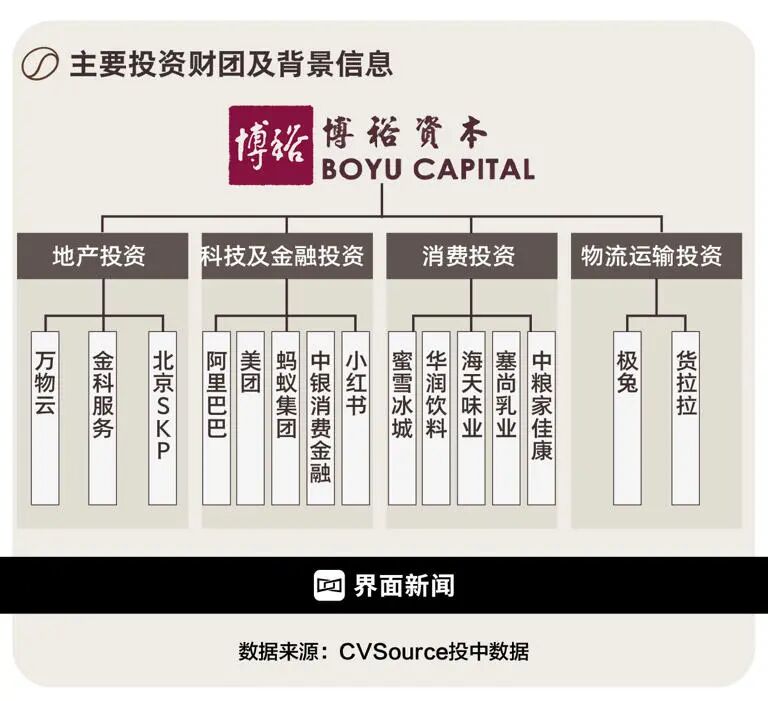
Core Insights - Starbucks has entered a strategic partnership with Chinese investment firm Boyu Capital to establish a joint venture for its retail operations in China, with Boyu holding up to 60% equity and Starbucks retaining 40% [1][2] - The deal is based on an enterprise value of approximately $4 billion, and Starbucks anticipates its retail business in China to exceed $13 billion in total value [1] Group 1: Boyu Capital - Boyu Capital, founded in 2011, is known for its "top-tier allocation and long-term thinking" and has a strong founding team including former executives from major firms like Ping An and Goldman Sachs [2][3] - The firm has a diversified investment portfolio covering sectors such as consumer retail, technology innovation, healthcare, and renewable energy, with notable investments in companies like Kuaishou and Haidilao [4] Group 2: Market Dynamics - Starbucks reported a 6% year-over-year revenue growth for Q4 FY2025, with total annual revenue reaching $3.105 billion, yet faces increasing competition from local brands like Luckin Coffee, which has over 27,000 stores in China [9][11] - The competitive landscape has shifted, with local brands expanding rapidly and offering lower prices, challenging Starbucks' pricing strategy and market share [10][12] Group 3: Strategic Shift - The partnership reflects a broader trend where foreign food and beverage giants are adapting to the Chinese market by collaborating with local capital and management [16][19] - Starbucks aims to expand its store count in China from 8,000 to 20,000, indicating a significant growth target that will require adjustments in local operations and supply chain management [21][22] Group 4: Operational Strategy - Starbucks retains control over its brand and intellectual property, allowing for potential future franchising while adapting to local market needs [25][27] - The company faces challenges in the lower-tier markets where consumer preferences lean towards lower-priced options, necessitating a reevaluation of its store formats and operational strategies [24][31] Group 5: Future Outlook - The coffee market in China is experiencing intense price competition, with some brands offering coffee as low as $2.9 per cup, posing a challenge for Starbucks to maintain its brand identity while innovating locally [30][31] - Achieving a balance between brand value, profitability, and expansion will be crucial for Starbucks as it navigates this evolving market landscape [31]
王振东:星巴克在中国的一场“求生式”合作
Guan Cha Zhe Wang· 2025-11-06 06:52
Core Viewpoint - Starbucks' strategic partnership with local asset management company Boyu Capital is seen as a significant shift in its approach to the Chinese market, reflecting the changing dynamics of consumer behavior and competition in China [1][2]. Group 1: Strategic Partnership - The partnership involves Boyu holding up to 60% of the joint venture, while Starbucks retains 40% and continues to own the brand and intellectual property [1]. - This move is interpreted as a "defensive collaboration," aimed at addressing the challenges Starbucks faces in the increasingly competitive Chinese coffee market [2][4]. - The collaboration is viewed as a necessary step for Starbucks to leverage local resources and overcome growth bottlenecks, especially as it aims to expand to 20,000 stores in China [2][8]. Group 2: Market Dynamics - The Chinese coffee market has entered a "local brand era," with Starbucks facing multiple challenges such as product innovation stagnation and digitalization lag [2][12]. - The partnership with Boyu is seen as a way for Starbucks to adapt to the local market and enhance its competitive edge against domestic brands like Luckin Coffee, which have been more innovative in product offerings [12][13]. - The transaction is also viewed as a means for Starbucks to secure its past investments in China amid a backdrop of geopolitical tensions and market uncertainties [5][6]. Group 3: Operational Insights - Starbucks' previous operational model relied heavily on a direct ownership approach, but the current market saturation necessitates a shift towards a more localized and flexible operational strategy [8][9]. - The potential for a "betting agreement" tied to future performance metrics, such as the ambitious store expansion goal, is considered likely, indicating a strategic commitment to growth [10][11]. - The internal challenges faced by Starbucks, including a rigid corporate structure and a lack of competitive pressure, have hindered its ability to innovate and respond swiftly to market demands [13][14].

星巴克在中国的一场“求生式”合作
Guan Cha Zhe Wang· 2025-11-06 06:45
Core Viewpoint - Starbucks' strategic partnership with local asset management company Boyu Capital is seen as a significant shift in its approach to the Chinese market, reflecting the changing dynamics of consumer behavior and competition in China [1][2]. Group 1: Strategic Partnership - The partnership involves Boyu holding up to 60% of the joint venture, while Starbucks retains 40%, maintaining ownership of the brand and intellectual property [1]. - This move is interpreted as a "defensive collaboration" aimed at addressing the declining influence of foreign brands in China and realizing value amid increasing competition [2][4]. - The collaboration is expected to provide Starbucks with local resources to overcome growth challenges and achieve its ambitious goal of expanding to 20,000 stores in China [2][8]. Group 2: Market Dynamics - The Chinese coffee market has entered a "local brand era," with domestic brands gaining market dominance through superior business models and digital capabilities [2][24]. - Starbucks faces multiple challenges, including product innovation stagnation and difficulties in penetrating lower-tier markets [2][10]. - The partnership with Boyu is seen as a necessary step for Starbucks to adapt to the evolving market landscape and enhance its competitive position [4][24]. Group 3: Operational Challenges - Starbucks' traditional operational model, heavily reliant on direct ownership, is becoming less viable in a saturated market, necessitating a shift towards a franchise model and deeper market penetration [8][16]. - The company has been criticized for its slow product innovation compared to competitors like Luckin Coffee, which has successfully launched popular products through a more agile development process [10][11]. - The need for a comprehensive transformation in product development, digital strategy, and consumer engagement is emphasized for Starbucks to remain relevant in the rapidly changing market [24]. Group 4: Future Outlook - The partnership is viewed as a stabilizing move rather than a disruptive innovation, with Starbucks likely to adopt a gradual approach to optimize its store model and explore new product lines [23]. - The changing landscape indicates that foreign brands must rethink their strategies in China, focusing on local partnerships and adapting to consumer preferences to survive [24]. - The future of Starbucks in China hinges on its ability to innovate and localize effectively, moving beyond superficial adaptations to a deeper cultural and operational integration [24].
星巴克“易主”:2万门店野心下,咖啡巨头能否真正“下沉”?
Di Yi Cai Jing· 2025-11-06 06:17
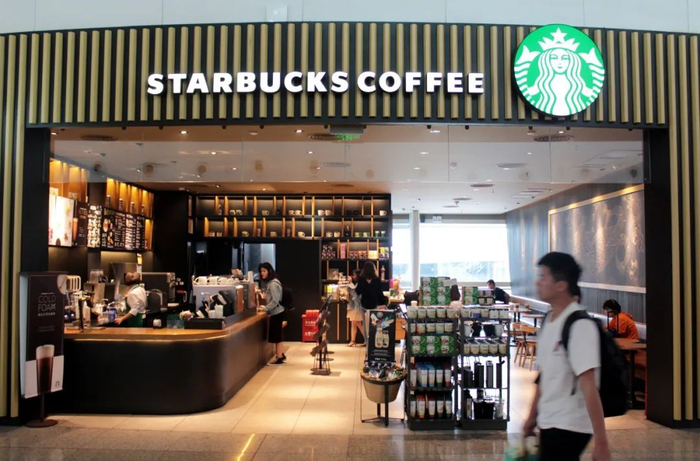
Core Insights - Starbucks has transitioned from "sole control" to "joint operation" in China, partnering with Boyu Capital to form a joint venture, marking the first time in 26 years that it has relinquished control of its core business in the Chinese market [1][6] - The competitive landscape in China's coffee market has dramatically changed, with Luckin Coffee surpassing Starbucks in both store count and revenue, becoming the leading coffee company in China [3][8] - The partnership with Boyu Capital is seen as a strategic move to enhance Starbucks' market position and accelerate its expansion in China, particularly in lower-tier cities [7][8] Competitive Landscape - Luckin Coffee's revenue exceeded Starbucks for the first time in Q2 2023, with Luckin reporting 21.2 billion yuan in revenue and nearly 1.8 billion yuan in net profit for the first half of 2025, compared to Starbucks' 18.2 billion yuan in revenue and approximately 1.2 billion yuan in net profit [3][4] - Other local brands, such as Kudi Coffee, have also emerged rapidly, with Kudi opening over 14,000 stores since its establishment in 2022, intensifying the competition for Starbucks [3][4] Strategic Response - In response to competitive pressures, Starbucks has implemented regular discounts and promotions, particularly on non-coffee products, and has collaborated with platforms to offer lower prices, sometimes as low as 25 yuan per cup [4][9] - Starbucks' revenue in China showed signs of recovery in Q4 2025, achieving 831.6 million USD, a 6% year-on-year increase [4] Joint Venture with Boyu Capital - Boyu Capital acquired a 60% stake in the joint venture for 4 billion USD, valuing Starbucks' Chinese operations at over 13 billion USD [6][7] - Boyu Capital's extensive local resources and experience in the retail sector are expected to facilitate Starbucks' expansion and operational efficiency in China [7][8] Future Expansion Plans - The new joint venture aims to manage approximately 8,000 existing Starbucks stores in China and plans to expand to 20,000 stores, surpassing the total number of Starbucks locations in North America [8][9] - Starbucks CEO Brian Niccol emphasized that Boyu's local expertise will significantly accelerate Starbucks' growth in smaller cities and emerging regions [8] Balancing Act - Starbucks faces the challenge of balancing rapid expansion with maintaining its premium brand image, as it aims to penetrate lower-tier markets while ensuring service quality [10][11] - The company must navigate the complexities of scaling operations while preserving the "third place" experience that defines its brand, which may require adjustments to its traditional direct management model [10][11]
星巴克“易主”:2万门店野心下,咖啡巨头能否真正“下沉”?
第一财经· 2025-11-06 06:16
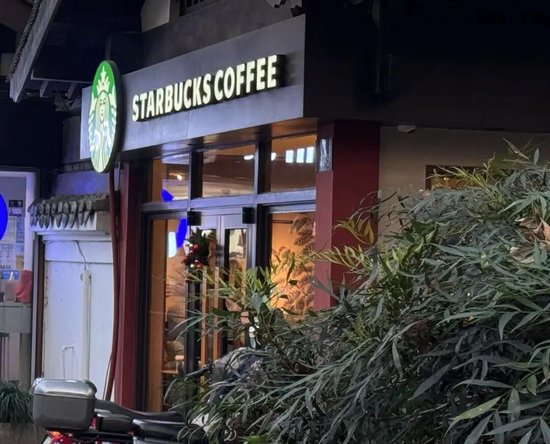
Core Viewpoint - Starbucks has transitioned from "independent control" to "joint operation" in China, partnering with Boyu Capital to form a joint venture, marking the first time it has relinquished control of its core business in China after 26 years of operation [3][4]. Group 1: Market Competition - The competitive landscape of the Chinese coffee market has dramatically changed, with Luckin Coffee surpassing Starbucks in both store count and revenue, becoming the new market leader [5][7]. - In Q2 2023, Luckin's revenue exceeded Starbucks for the first time, with Luckin reporting 21.2 billion yuan in revenue and nearly 1.8 billion yuan in net profit for the first half of 2025, while Starbucks reported 18.2 billion yuan in revenue and approximately 1.2 billion yuan in net profit [7]. - Other local brands, such as Kudi Coffee, have also emerged rapidly, with Kudi opening over 14,000 stores since its establishment in 2022, intensifying the competitive pressure on Starbucks [5][7]. Group 2: Strategic Changes - In response to fierce competition, Starbucks has lowered prices on non-coffee products and enhanced promotions, with some drinks being offered at prices as low as 25 yuan, significantly below the original price of 35-40 yuan [8]. - Starbucks' performance showed signs of recovery in 2025, achieving a revenue of $831.6 million in Q4, a 6% year-on-year increase [8]. Group 3: Partnership with Boyu Capital - Boyu Capital acquired a 60% stake in Starbucks China for $4 billion, valuing the business at over $13 billion, indicating a strategic shift for Starbucks amid increasing competition [11]. - Boyu Capital is recognized for its extensive local resources and investment experience, particularly in the retail sector, which could accelerate Starbucks' expansion in China [12]. - The partnership is expected to lead to three major changes for Starbucks: accelerated store openings, more precise local operations, and improved supply chain efficiency [12]. Group 4: Expansion Plans - The new joint venture will manage approximately 8,000 existing Starbucks stores in China and aims to expand to 20,000 stores, surpassing the total number of Starbucks locations in North America [14]. - Starbucks plans to leverage Boyu's local market expertise to enhance its presence in smaller cities and emerging regions, with 183 new stores opened in Q4 2025 and entry into 47 new county-level markets [14]. Group 5: Balancing Act - Starbucks faces the challenge of balancing expansion with maintaining its premium brand image, as it aims to achieve the ambitious goal of 20,000 stores while ensuring quality service [15][16]. - The company must navigate the complexities of scaling operations while preserving the customer experience associated with its "third place" concept, which has traditionally relied on a direct ownership model [16]. - To achieve this balance, Starbucks is considering a multi-format approach, optimizing supply chain efficiency, and introducing localized products while maintaining brand integrity [16].
深度|星巴克“易主”博裕:2万门店野心下,星巴克能真正下沉吗?
Xin Lang Cai Jing· 2025-11-06 04:49
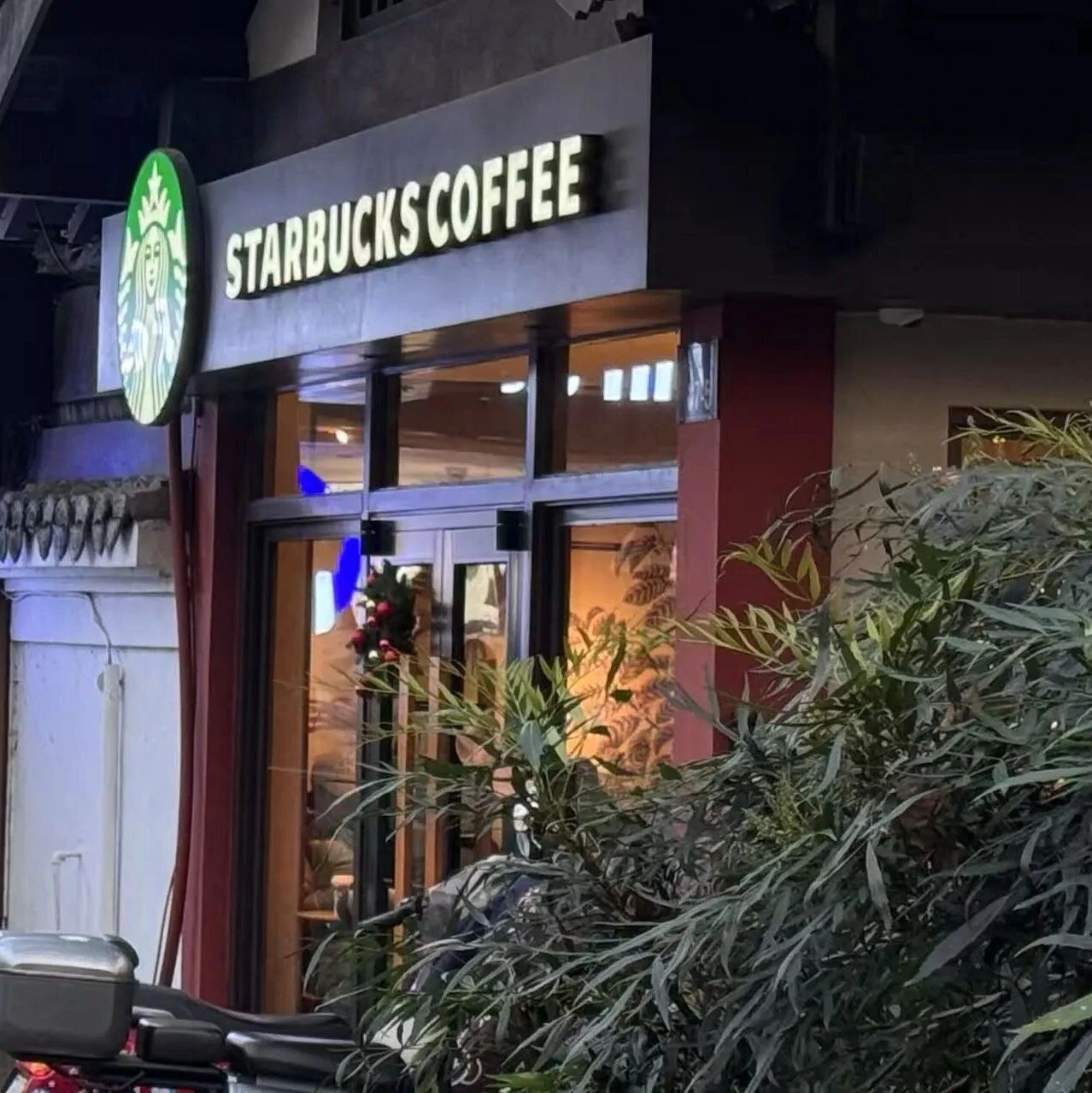
Core Insights - Starbucks has entered a strategic partnership with Boyu Capital, marking a significant shift in its operational strategy in China, where it will now share control of its retail business for the first time in 26 years [1] - The partnership allows Boyu Capital to hold up to 60% of the joint venture, while Starbucks retains 40%, reflecting the intense competition and strategic challenges faced by international coffee giants in the Chinese market [1] Industry Dynamics - The competitive landscape of the Chinese coffee market has dramatically changed, with Luckin Coffee surpassing Starbucks in both store count and revenue, establishing itself as the new market leader [1] - Other local brands, such as Kudidi Coffee, have also emerged rapidly, with Kudidi opening over 14,000 stores since its establishment in 2022, further intensifying the competition for Starbucks [1] Strategic Implications - Analysts suggest that Starbucks' collaboration with Boyu Capital is driven by the latter's expertise in retail investment and integration, particularly its experience in operating in lower-tier markets through investments like that in Mixue Ice City [2] - The partnership is expected to bolster Starbucks' presence in lower-tier markets, enhancing its high-end coffee positioning and potentially leading to a more localized strategy that could influence the overall landscape of high-end coffee brands in China [2]