太妃榛果拿铁

Search documents
一杯咖啡只卖6元,到底能不能赚钱?
3 6 Ke· 2025-12-24 03:19
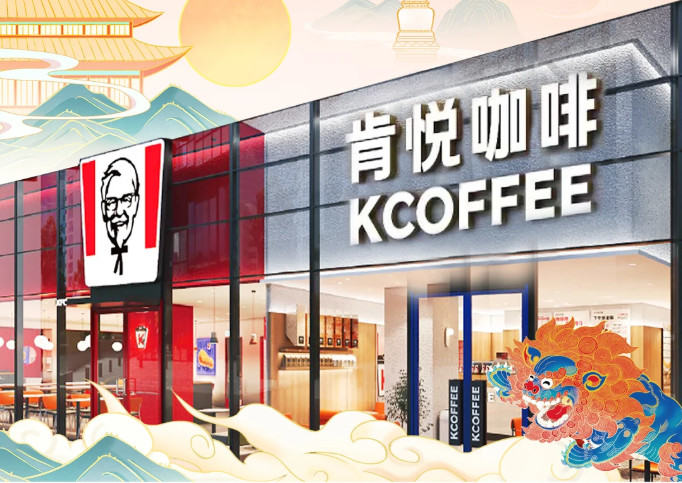
Core Insights - Yum China CEO Qu Cui Rong stated that the 6 yuan KFC coffee can still be profitable, which has drawn industry attention [1] - The low price strategy is supported by extreme cost control and a unique store opening strategy called "shoulder-to-shoulder" [1][2] Group 1: Business Strategy - The "shoulder-to-shoulder" strategy involves renting out idle space in existing KFC locations to reduce labor and rental costs while managing both chicken and coffee operations [1] - This strategy has been identified as a key factor in KFC coffee's profitability [1] Group 2: Store Expansion - KFC coffee has accelerated its store expansion, adding approximately 300 new stores in the first two quarters of 2023, with plans to exceed 1,500 stores by year-end [2] - The target for store growth was raised to 1,700 in Q2, and by Q3, the number of stores surpassed 1,800, with expectations to exceed 5,000 by 2029 [2] Group 3: Pricing Strategy - KFC coffee continues to implement a low-price strategy, offering coffee at 6 yuan with monthly cards and various promotional activities [2] - CEO Qu Cui Rong emphasized the importance of maintaining a balance between resilience, growth, and a competitive edge without resorting to excessive spending [2] Group 4: Industry Trends - Other coffee brands are also engaging in aggressive pricing strategies, with some offering coffee for as low as 3.9 yuan [4] - The increasing prevalence of low-priced coffee has led to a price war in the industry, raising concerns about quality degradation and market sustainability [7] Group 5: Market Dynamics - Some brands, like Luckin Coffee, have started to increase prices, indicating a shift towards establishing a higher price point to differentiate from competitors [8] - Analysts suggest that a cautious consumer trend is emerging, where customers prefer better quality products at acceptable price points, necessitating a focus on quality alongside price increases [8]



11月茶饮上新30款,咖啡上新34款
3 6 Ke· 2025-12-12 03:49
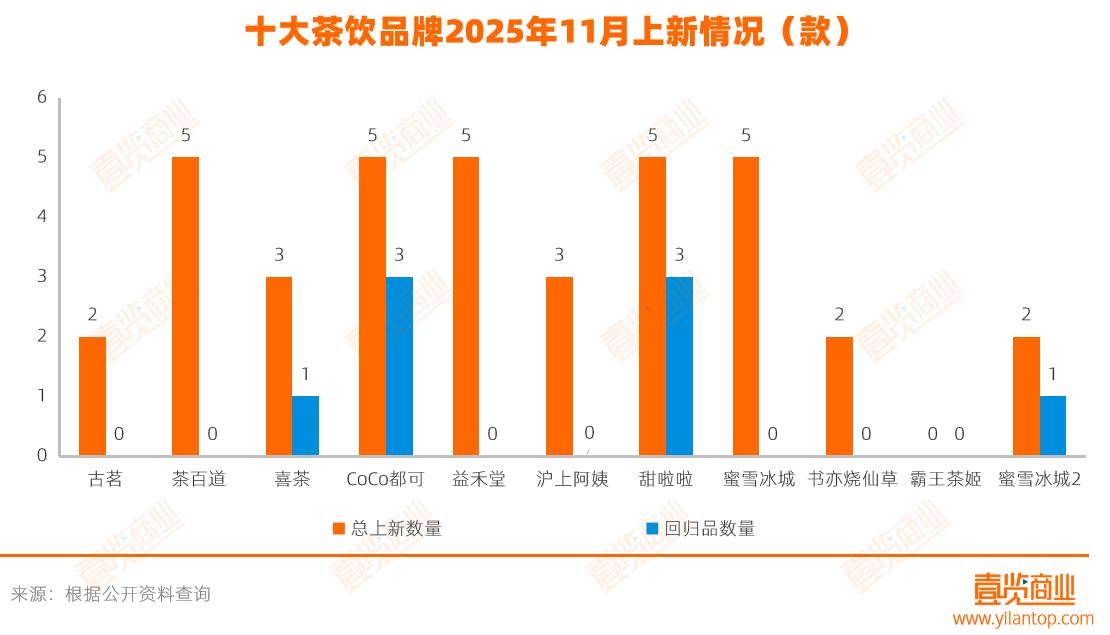
Core Insights - In November, the top ten tea and coffee brands in China launched a total of 76 new products, with tea brands introducing 37 new items and coffee brands 39 new items [1] Tea Brands - Major tea brands such as CoCo, Tea Baidao, and others each launched 5 new products, while Heytea introduced 3 new items [4] - The trend in the tea market is towards "nourishing" and "light fruit" flavors, with 20 new milk tea products accounting for 54.05% of all new tea products [4] - Traditional Chinese sweet soups are gaining popularity, with 8 new products launched, representing 21.62% of the new tea offerings [4] Coffee Brands - Leading coffee brands like Luckin, Starbucks, and others each released 7 new products, while Times and Kudi followed with 5 new items [4] - The coffee sector saw 18 new milk coffee products, making up 46.15% of all new coffee offerings, with fruit coffee products also increasing [7] Product Trends - In tea, flower tea is the most frequently used base, appearing in 10 products, while oolong and black tea are used in 9 products each [10] - Milk remains the dominant base for tea products, accounting for 86.11% of the offerings, with various types of milk being utilized [10] - Health-focused ingredients like peach gum and seasonal fruits are being incorporated into new products by brands such as CoCo and Heytea [10] Seasonal Strategies - Tea brands are focusing on health and wellness themes, with CoCo launching a series featuring peach gum, while Tea Baidao introduced a warming tea series [11] - Coffee brands are emphasizing warm flavors for winter, with Starbucks returning to its toffee hazelnut offerings and introducing cheese latte series [11]
食品饮料行业周度市场观察-20251205
Ai Rui Zi Xun· 2025-12-05 05:39
Investment Rating - The report does not explicitly provide an investment rating for the food and beverage industry Core Insights - The sports nutrition sector is experiencing rapid growth, with the global market expected to increase from 188.13 billion yuan in 2025 to 306.47 billion yuan by 2032, reflecting a compound annual growth rate (CAGR) of 7.22%. In China, the market is projected to reach 20.93 billion yuan by 2030, with a CAGR of 11.56% [2] - The beverage market in China is witnessing a trend of "market position certification," where non-first-tier brands obtain certifications like "sales leader" and "category pioneer" to differentiate themselves in a saturated market [2] - The Japanese ready-to-drink coffee market is shifting from canned to PET bottle packaging, with PET bottles increasing from 30% in 2017 to over 40% in 2023, reflecting changing consumer preferences towards convenience and emotional connection [5] Industry Trends - The sports nutrition industry is a rapidly growing segment of the health supplement market, with a focus on serving active individuals. The market is highly concentrated in China, with the top three companies holding a 70% market share [2] - The beverage market is seeing a rise in "market position certification," which is a strategy for non-first-tier brands to establish credibility and differentiate themselves amid intense competition [2] - The dairy industry is focusing on deep processing technologies to enhance the nutritional value of milk, aiming for a transformation from quantity accumulation to quality improvement [5] - The ready-to-drink coffee market in Japan is experiencing a shift towards PET packaging, driven by consumer demand for convenience and a more leisurely drinking experience [5] - The health beverage sector is rapidly evolving, with products like birch sap showing a compound annual growth rate of over 300% in the past three years, indicating a strong consumer preference for natural and functional drinks [8] - The no-sugar tea market is transitioning from growth to maturity, with established brands gaining market share while new entrants face significant competition [8] - The sports drink market is rapidly expanding, with brands like Dongpeng's "Bushi La" gaining significant market share through competitive pricing and promotional activities [12] Top Brand News - Starbucks has launched a themed marketing campaign featuring classic millennium songs to enhance customer experience and promote seasonal products [14] - The ready-to-drink yogurt market is seeing significant growth, with brands like "Mo Yoghurt" leveraging celebrity endorsements to enhance brand visibility and consumer engagement [14] - Sanyuan Foods reported a 124.84% increase in net profit, driven by its low-temperature milk segment, showcasing the potential for growth in the dairy market [17] - JD.com has established a dedicated department for prepared food, indicating a strategic focus on the growing market for convenience foods [19] - Farmers Spring has introduced new ready-to-drink coffee products, aiming to capture market share in a competitive landscape dominated by established brands [20]

分拆、合资、放权......入华二十多年的洋快餐为何都要“独立”?
Xin Lang Cai Jing· 2025-11-17 08:12
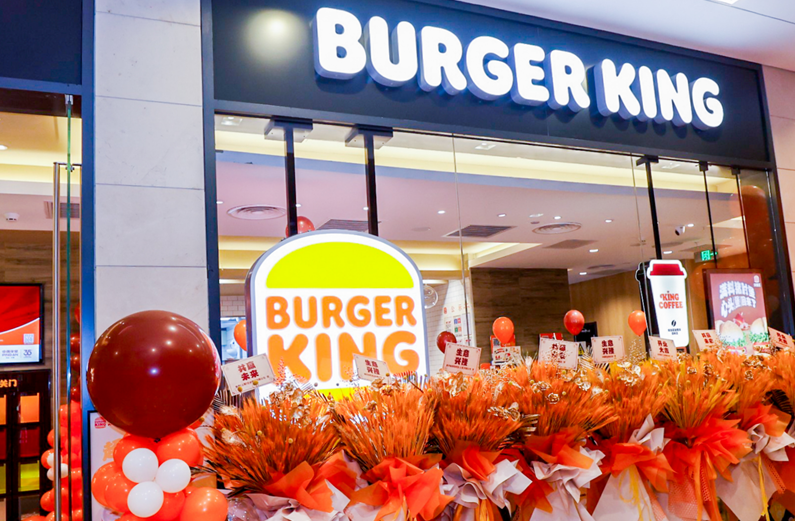
Core Insights - The article highlights a trend of multinational companies, particularly in the food and beverage sector, increasingly opting for joint ventures and local partnerships in China to enhance growth and localization strategies [1][10][15]. Group 1: Joint Ventures and Partnerships - Starbucks announced a joint venture with Boyu Capital, selling up to 60% of its Chinese operations for an estimated valuation of $4 billion (approximately 284.84 billion RMB) [3][10]. - CPE Yuanfeng has formed a joint venture with Restaurant Brands International (RBI) to take over Burger King's operations in China, with CPE holding approximately 83% and RBI retaining about 17% [1][10]. - The trend of forming joint ventures is not new; McDonald's previously sold 80% of its China operations to a consortium led by CITIC and Carlyle in 2017, while Yum China was spun off from Yum Brands in 2016 [3][11][15]. Group 2: Growth and Localization Strategies - Starbucks aims to expand its store count in China from 8,000 to 20,000, leveraging Boyu's local expertise to penetrate smaller cities and emerging regions [3][10]. - Burger King plans to increase its store count from 1,250 to over 4,000 with the support of CPE Yuanfeng, focusing on product upgrades and digital transformation [3][10]. - McDonald's set a goal to grow its store count from 2,500 to 4,500 within five years after partnering with CITIC and Carlyle, emphasizing delivery and digital trends [3][10]. Group 3: Market Dynamics and Competition - The Chinese market is significant, with McDonald's identifying it as its second-largest and fastest-growing market globally, contributing about 8% to Starbucks' revenue [5][6]. - The competitive landscape is shifting, with local players like Luckin Coffee and Wallace rapidly gaining market share, prompting international brands to rethink their strategies [7][19]. - Starbucks' market share in China has declined from 42% in 2017 to an estimated 14% in 2024, indicating increasing competition from local brands [6][19]. Group 4: The Role of Local Partners - The introduction of local partners is seen as a crucial strategy for navigating the complexities of the Chinese market, as evidenced by the success of brands like Luckin Coffee and Heytea [9][29]. - The partnership model allows foreign brands to maintain brand ownership while leveraging local expertise for operational execution, enhancing their adaptability in a competitive environment [29][30]. - The article emphasizes that successful localization does not mean abandoning brand values but rather adapting to local consumer preferences and market dynamics [34][36].


星巴克土味歌单,是不是为了驱赶顾客?
Ge Long Hui· 2025-11-14 12:47
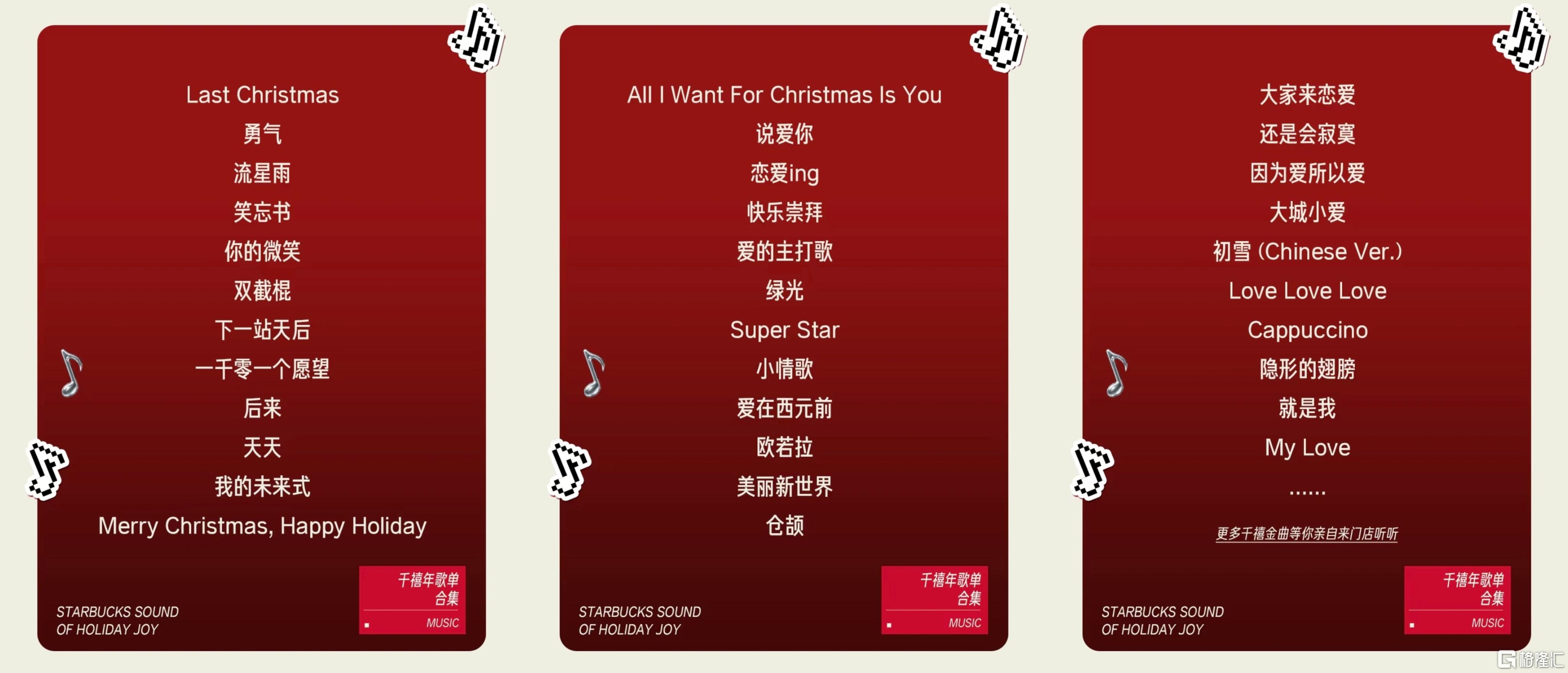
Core Insights - Starbucks China has recently sold 60% of its business to Boyu Capital for $4 billion, leading to immediate changes in the store environment, particularly in background music [5][6] - The new music selection features nostalgic Chinese pop songs from the 80s and 90s, which has received mixed reactions from customers, with some finding it disruptive [3][9] - The shift in music and atmosphere reflects broader challenges Starbucks faces in the Chinese market, including increased competition and changing consumer behavior [4][18] Business Changes - The sale of 60% of Starbucks China to Boyu Capital for $4 billion marks a significant shift in ownership and strategy [5] - The introduction of Chinese pop songs aims to create a more localized experience, although it has led to complaints about noise and disruption [9][10] - The music change is part of a limited-time promotion to celebrate the 25th anniversary of a specific product, indicating a strategic marketing effort [10] Market Competition - Starbucks is facing intense competition from local brands like Bawang Chaji and discount coffee chains such as Luckin Coffee, which are eroding its market share [18][20] - Financial reports indicate that Starbucks China achieved revenue of $832 million in Q4 of fiscal year 2025, a 6% year-over-year increase, while Luckin Coffee reported a revenue of 10.18 billion yuan, a 41.4% increase [20] - The competitive landscape is forcing Starbucks to reconsider its positioning and customer engagement strategies in China [17][20] Customer Experience - The change in background music has led to a decline in the quality of the customer experience, with some patrons feeling that the atmosphere has become less sophisticated [4][9] - The store environment has been affected by disruptive behaviors from certain customer groups, prompting Starbucks to adapt its approach to maintain a desirable atmosphere [10][16] - The concept of "third space," which was central to Starbucks' brand identity, is being challenged as the company navigates these changes in customer behavior and market dynamics [17][18]
早报|胖东来“柴怼怼”诋毁案宣判,获赔260万元;常州小米汽车拖下高速后起火;软银清仓英伟达套现58.3亿;巴菲特发表“谢幕信”
虎嗅APP· 2025-11-11 23:53
Group 1 - The U.S. Navy's Ford aircraft carrier strike group has entered the Caribbean Sea, marking a significant military deployment in the region [2] - Meta's Chief AI Scientist Yann LeCun plans to leave the company to start his own venture, coinciding with a major restructuring of Meta's AI operations [3] - SoftBank has fully divested from NVIDIA, raising $5.83 billion, and has also reduced its stake in T-Mobile, generating $9.17 billion [4] Group 2 - Apple has decided to delay the release of the next-generation iPhone Air due to lower-than-expected sales, impacting its supply chain [7][8] - Foxconn has dismantled a significant portion of its production lines in response to Apple's decision, with plans to cease operations by the end of the month [8] - The next iPhone Air is now expected to be redesigned and potentially launched in spring 2027 alongside other new models [9] Group 3 - The "Chai Dui Dui" defamation case against Pang Donglai resulted in a court ruling that ordered the defendants to pay a total of 2.6 million yuan in damages [10][12] - The court found that the defendants had spread false information about Pang Donglai's business practices, which misled the public and disrupted market order [12] Group 4 - Berkshire Hathaway's CEO Warren Buffett announced he will step down by the end of the year and accelerate his philanthropic efforts [13][14] - Buffett's departure marks a significant transition for the company, as he has been a key figure in its management for decades [14] Group 5 - The 2025 World Power Battery Conference will take place in Yibin, Sichuan, focusing on new opportunities in the battery industry [35] - The Shanghai Stock Exchange will host its International Investor Conference, providing a platform for foreign investors to engage with domestic entities [36]



星巴克全国门店限时播放千禧金曲歌单
Xin Lang Ke Ji· 2025-11-11 11:37
Core Viewpoint - Starbucks has responded to the recent discussions regarding the playing of Chinese songs in its stores, announcing a special music playlist to enhance customer experience during a specific period [1] Group 1: Music Playlist Announcement - From November 4 to November 17, Starbucks will play a limited "Millennium Golden Songs" playlist in all stores across the country during the hours of 1-3 PM and 5-7 PM [1] - The playlist includes many popular Chinese songs, aiming to evoke nostalgia and share beautiful memories since the millennium [1] Group 2: Seasonal Beverage Connection - The announcement coincides with the promotion of Starbucks' classic seasonal beverage, the Toffee Nut Latte, which originated in the year 2000 and has become an essential part of the year-end festivities [1] - The company hopes to connect the classic music with customers, enhancing the overall experience during the holiday season [1]
星巴克卖出中国业务60%股权;SHEIN首店落地巴黎遭抗议;金佰利并购科赴丨品牌周报
36氪未来消费· 2025-11-09 02:06
Group 1: Starbucks China Business Sale - Starbucks announced the sale of 60% of its China business to private equity firm Boyu Capital for an estimated valuation of $4 billion, bringing the overall valuation of Starbucks China to over $13 billion [2][3] - The partnership with Boyu Capital will focus on expanding the number of stores in China from nearly 8,000 to 20,000, targeting smaller cities and emerging regions [3] - Starbucks will retain its brand and intellectual property while Boyu Capital will lead local operations, digital transformation, and market expansion [4] Group 2: Kimberly-Clark Acquisition of Kenvue - Kimberly-Clark announced the acquisition of Kenvue for a total valuation of $48.7 billion, combining two companies with similar revenue sizes [5][6] - The merger is expected to reshape the global beauty and personal care market, creating a company with a comprehensive product line across various consumer health segments [6] - Kenvue has faced challenges since its spin-off from Johnson & Johnson, with a significant decline in net profit and sales [6] Group 3: SHEIN's Paris Store Opening - SHEIN opened its first physical store in Paris, attracting both shoppers and protesters, highlighting the brand's controversial presence in the market [7][8] - The French government has called for an investigation into SHEIN due to concerns over illegal products being sold on its platform [9][10] Group 4: Financial Performance of Brands - Coach reported a 22% increase in sales, solidifying its position in the high-end market, while Kate Spade experienced an 8% decline [23] - Estée Lauder's sales rebounded with a 3% organic growth, driven by recovery in the Chinese market and tourism retail [25] - Ralph Lauren's revenue reached $2.01 billion, with a notable 30% increase in the Chinese market despite price hikes [29]


咖啡和空间,谁才是130亿美元星巴克中国的原点?
Xin Lang Cai Jing· 2025-11-07 03:36
Core Insights - Starbucks has finalized a strategic partnership with Boyu Capital to establish a joint venture in China, with a valuation of $4 billion, where Boyu will hold up to 60% equity and Starbucks will retain 40% [1] - The average store valuation for Starbucks in China is approximately $500,000, significantly lower than the global average of $2.24 million, indicating underutilization of store value [1] - Starbucks aims to expand its store count in China to 20,000, with a projected retail business value exceeding $13 billion [4] Financial Performance - Starbucks China reported a revenue of $3.105 billion for the fiscal year 2025, a 5% year-on-year increase, with same-store sales growing by 2% [4] - Despite growth in same-store transactions by 9%, the average transaction value has declined for 12 consecutive quarters, with a 7% drop in Q4 2025 [5][9] - The overall same-store sales for fiscal year 2025 saw a 1% decline, attributed to a 5% decrease in average transaction value [9][10] Market Dynamics - The competitive landscape in China's coffee market has intensified, with local brands like Luckin and Manner outperforming Starbucks in product innovation and cost control [6][7] - Coffee has transitioned into a low-margin retail business in China, challenging Starbucks' traditional high-margin model [7][11] - The shift in consumer behavior towards affordable coffee options has diminished Starbucks' competitive edge in the coffee segment [12][13] Strategic Focus - Starbucks' core business model revolves around creating a "third space" experience, emphasizing the importance of store ambiance over just coffee sales [12][14] - The company is exploring new themes for its stores, such as community spaces focused on interests like pets and outdoor activities, to enhance customer engagement [16] - Starbucks needs to redefine its value proposition in high-tier cities, where consumer perception of its space and experience has weakened [15][17]
需求收缩,乳业价格战加剧?丨消费参考
2 1 Shi Ji Jing Ji Bao Dao· 2025-11-06 09:57
Group 1: Dairy Industry Overview - The dairy market has experienced a significant decline in demand, with overall sales down 16.8% year-on-year in September, and offline sales down 21.3% [1] - Major dairy companies reported revenue declines in Q3, with Yili's revenue down 1.70% to 28.631 billion yuan, Bright Dairy's liquid milk revenue down 8.44% to 3.54 billion yuan, and San Yuan Dairy's liquid milk revenue down 4.42% to 2.917 billion yuan [1] - A price war is ongoing in the dairy industry, with significant price reductions observed in various milk products [1] Group 2: Yili's Strategy and Market Position - Yili has adopted a light inventory management strategy to maintain channel health and mitigate risks for distributors, leading to cautious stocking behavior among distributors [2] - Yili aims to avoid exacerbating the price war while focusing on product innovation and marketing strategies to meet consumer demand [2] Group 3: Market Conditions and Future Outlook - The macroeconomic environment remains weak, contributing to intense price competition in the dairy sector due to ample raw milk supply [1][2]