种植业

Search documents
一粒起源于中国的种子,让塞内加尔草原飘稻香
Di Yi Cai Jing· 2025-12-21 13:52
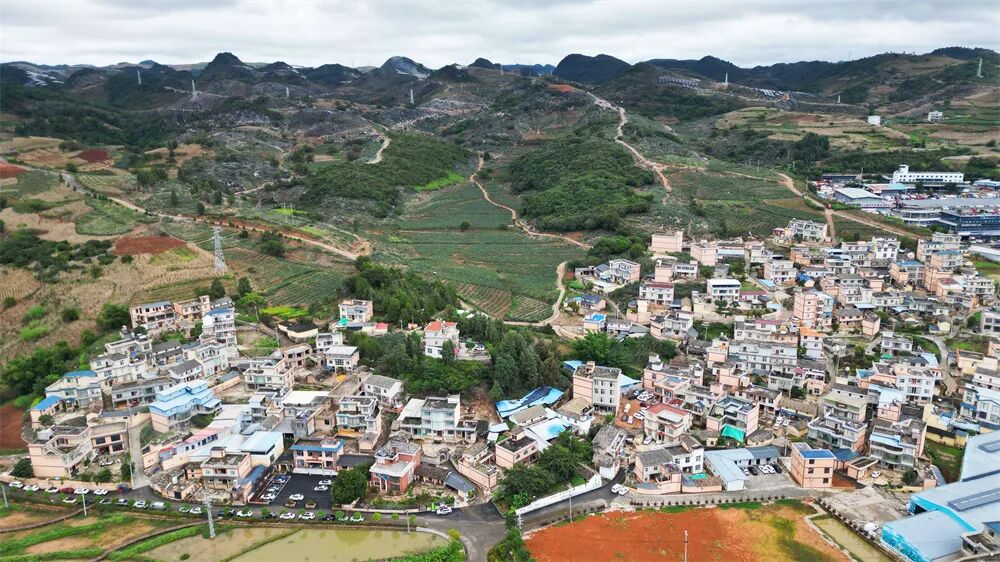
绿色超级稻在从未种植过水稻的塞内加尔内陆农村结出硕果。 一粒源自中国的稻米种子,正在作为"西非门户"的塞内加尔乡村掀起"轩然大波",革命性地颠覆了很多 村民从祖祖辈辈那继承来的农业经验。 时至年末,怀抱着孩童的恩姜达村(Ndianda)妇女,再也不用担心来年能否凑够钱买大米了。大米是 很多塞内加尔人的主食,但由于国内适宜种稻米的土地并不多,所以像恩姜达村村民,以前往往要靠卖 掉自己的农作物,才能凑钱买大米,生活充满了不确定性。 不过随着从首都达喀尔来的女性企业家阿瓦(Awa Diop)和她带来的神奇的ISRIZ-12稻种的出现,村民 世代以来"艰难吃米"的模式被打破。在雨季,哪怕是热带草原上也能结出沉甸甸的稻穗,这一"奇景"不 仅让恩姜达村村民欢欣鼓舞,更吸引了周边十里八乡的乡亲前来围观,他们也跃跃欲试。 在国家层面,这为塞内加尔实现稻米自主带来了希望。塞内加尔如今每年进口约100万吨大米,占到国 内消费需求的70%,成为非洲第三大大米进口国。由于消费能力有限,进口的大多是碎米和陈米,口感 并不好,但依然需要花费大量本可以用来发展本国经济的宝贵资金。 在塞内加尔投资农业的利润并不高,且充满不确定性。对于为何要 ...

冬闲变“冬忙”,齐鲁田野跃动新生机
Xin Lang Cai Jing· 2025-12-21 10:24
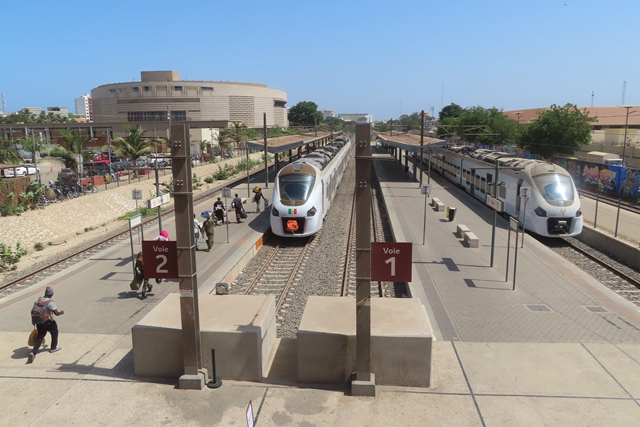
Core Viewpoint - The article highlights the innovative agricultural practices in Shandong Province, particularly focusing on the use of container-based plant factories that significantly enhance vegetable production efficiency and quality [1][3]. Group 1: Container Plant Factory - The container plant factory in Shouguang City utilizes a controlled environment to grow vegetables, achieving a production capacity five times greater than traditional farming methods within a 30-square-meter space [3]. - This system has become a key export product for Shouguang's vegetable technology, reaching countries like the UAE, Canada, and the Netherlands, and is capable of withstanding extreme temperatures [3]. Group 2: Local Agricultural Practices - In Jiaozhou, the local cabbage, known as "Jiaobai," has a stable planting area of 65,000 acres and an annual production exceeding 350,000 tons, supported by a standardized production system involving over 80 certified bases [5]. - The region's unique soil and water conditions contribute to the exceptional taste and quality of Jiaobai, which is characterized by its tight leaves and high moisture content [5]. Group 3: Seasonal Agricultural Activity - Despite winter being traditionally seen as a downtime for agriculture, Shandong's winter production showcases a variety of crops, including scallions, winter jujubes, oysters, and crabs, indicating a shift towards facility-based agriculture and market demand [5].
解码“二十二连丰”之良制篇丨制度深耕 丰景如峰
Xin Hua Wang· 2025-12-21 04:14
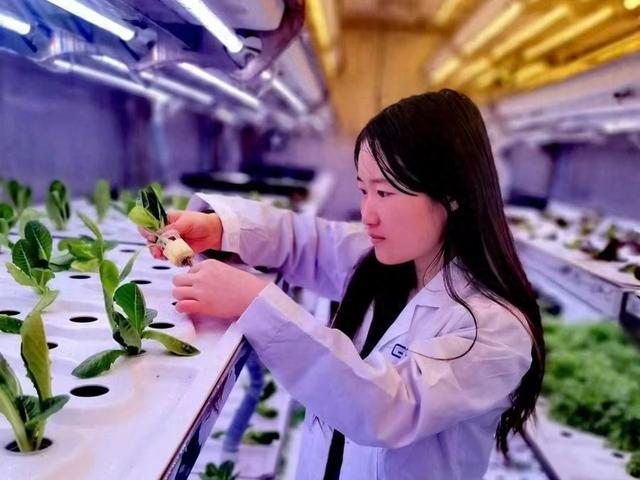
Core Viewpoint - The North China Agricultural Group aims to achieve a total grain production of 46.314 billion jin by 2025, driven by a modern agricultural management revolution centered on "good systems" [1] Group 1: Agricultural Management Innovations - The "six unifications" management model focuses on large-scale operations to ensure balanced high yields across all planting areas and processes [2] - The integration of fragmented land into large-scale planting units allows for efficient use of modern agricultural equipment and standardized production [2][3] - A three-tiered supervision system has been established to ensure precise implementation of agricultural practices, achieving both cost reduction and yield enhancement [3] Group 2: Mechanism Innovations - The North China Agricultural Group has implemented a competitive mechanism to motivate farmers, including monthly evaluations based on key performance indicators [6] - Directly linking service payments to final grain yields encourages accurate execution of agricultural measures [6] - Professional technical service teams provide comprehensive guidance, while demonstration teams facilitate peer-to-peer learning of new technologies [6] Group 3: Standardization and Technical Integration - The "good systems" approach has transformed traditional agricultural practices into standardized, replicable processes, laying a solid foundation for balanced yield increases [4][7] - The establishment of a comprehensive responsibility system ensures that agricultural standards are effectively implemented throughout the production cycle [7][8] - The North China Agricultural Group has created numerous high-yield demonstration fields and tailored local production strategies to enhance overall productivity [8]

苍茫的戈壁 希望的田野——河西走廊发展现代寒旱特色农业纪实
Bei Jing Ri Bao Ke Hu Duan· 2025-12-21 04:03
Core Insights - The Hexi Corridor is transforming from a barren landscape into a vibrant area for modern cold and arid agriculture, driven by government initiatives and technological advancements [2][4][6] Group 1: Agricultural Development - The Hexi Corridor has seen a shift from traditional agriculture to modern facility agriculture, with over 4,000 greenhouses established on 32,000 acres of land [4][6] - The region's agricultural practices are evolving, utilizing advanced techniques such as substrate soilless cultivation and efficient irrigation methods, which have reduced water usage by over 35% and fertilizer use by 40% [6][9] - By 2025, the area dedicated to facility agriculture is expected to grow from 240,000 acres in 2020 to 503,000 acres, with over 80% of new projects funded by enterprises [6][16] Group 2: Seed Production - The Hexi Corridor is recognized as a "golden corridor" for seed breeding due to its favorable climate conditions, which enhance seed growth and reduce pest issues [7][9] - The region has developed a robust seed production industry, with significant advancements in breeding techniques, including molecular markers and gene editing, leading to improved crop resilience [11][13] - The production of high-quality seeds, such as corn, has increased significantly, with an expected yield of over 12,000 tons from 20,000 acres in 2025 [11][19] Group 3: Livestock and Dairy Industry - The livestock sector in the Hexi Corridor has expanded, with cattle and sheep populations increasing by 24.7% and 28.7% respectively since 2020, alongside a significant rise in vegetable production [16][21] - The dairy industry is experiencing a transformation, with the number of dairy cows exceeding 270,000 and milk production reaching nearly 810,000 tons, marking increases of 101% and 312% since 2020 [21][22] - Modern dairy farms equipped with advanced management systems are enhancing production efficiency and contributing to the region's agricultural modernization [21]
经济大省挑大梁 | “齐鲁粮仓”的“稳”与“进”
Xin Hua Wang· 2025-12-21 01:42
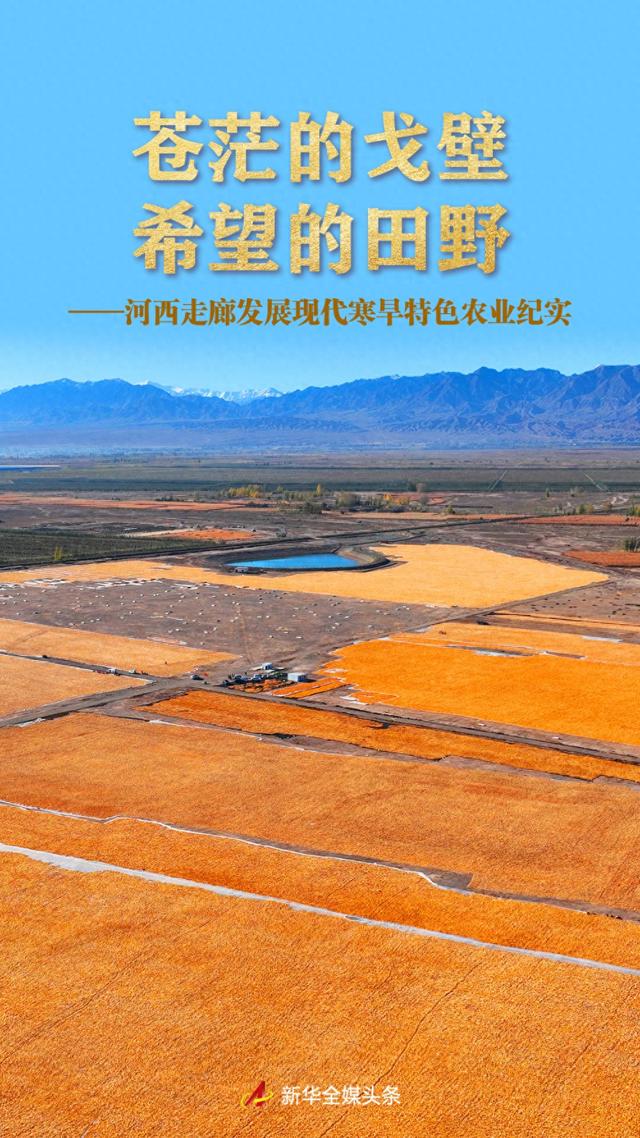
Core Viewpoint - Shandong Province is advancing agricultural modernization through industry integration, technological empowerment, and supportive policies, ensuring food security while building a diversified food supply system [1][2]. Group 1: Food Security and Agricultural Production - Shandong, as a major agricultural province, plays a crucial role in national food security, producing 8% of the country's grain, 10% of meat, eggs, and milk, 11% of vegetables, and 13% of aquatic products with only 6% of the arable land and 1% of freshwater resources [3][2]. - The province's grain output has remained stable at over 110 billion jin for five consecutive years, contributing significantly to national food supply stability [3]. - Shandong's agricultural production strategy includes enhancing grain yield through a "Five Good" approach (good land, good seeds, good opportunities, good methods, and good systems) and promoting various crops like wheat, corn, soybeans, and peanuts [3][4]. Group 2: Agricultural Infrastructure and Technology - Shandong has built 77.59 million acres of high-standard farmland, enhancing agricultural productivity [5]. - The province has established 139 marine ranches, with 71 at the national level, contributing to a projected 8.25 million tons of marine product output in 2024, with a value exceeding 100 billion yuan [7]. - Technological advancements in agriculture are evident with the introduction of autonomous tractors, seeders, and drones, leading to a significant increase in mechanization rates and agricultural technology contributions [8][11]. Group 3: Industry Development and Economic Impact - Shandong is focusing on extending the agricultural value chain, with over 151 national leading enterprises and more than 11,600 agricultural processing companies, leading the nation in scale and processing capacity [14]. - The province has developed 13 advantageous specialty industries and established a comprehensive industry cultivation system, enhancing rural e-commerce and new business models to benefit local farmers [15]. - In 2024, Shandong's agricultural exports are expected to reach 164.82 billion yuan, accounting for 22.5% of the national total, maintaining its position as the top exporter for 26 consecutive years [15].
新一轮寒潮天气来袭 各地开展冬季田管和防寒抗冻准备工作
Yang Guang Wang· 2025-12-21 01:38
Group 1 - A new cold wave is impacting agricultural practices in regions such as Shandong, Anhui, and Jiangxi, prompting enhanced agricultural technical services and winter management preparations to ensure future crop yields [1][2] - In Shandong, significant temperature drops have been recorded, with agricultural technicians actively monitoring the growth of hydroponic vegetables and advising farmers on temperature and humidity management within greenhouses [1] - In Anhui, average temperatures have decreased by 7 to 10 degrees Celsius, with localized drops exceeding 11 degrees Celsius, leading to expert guidance on oilseed rape cultivation and soil conditions [2] Group 2 - In Jiangxi, weak precipitation and strong winds have contributed to a temperature decline of 5 to 7 degrees Celsius, prompting farmers to prepare for cold weather by marking frost-sensitive vegetables and stockpiling protective materials [2] - In Xinyu City, technical personnel are advising farmers on pruning and shaping citrus trees to enhance fruit production for the following year [3]
莆田市大洋乡:“跨村联建”唤醒千亩共富田
Xin Lang Cai Jing· 2025-12-20 23:09
Core Viewpoint - The development of Dayang Township in Putian City, Fujian Province, has transformed from a fragmented agricultural area to a thriving community through innovative governance and the integration of technology in agriculture, leading to significant economic growth and community engagement [1][2][5]. Group 1: Governance and Economic Growth - The establishment of the Party Committee in the car口 area has successfully revitalized 1,000 acres of idle land, with collective economic income expected to exceed 1 million yuan, marking a doubling of growth [1]. - The "area-based" development model aims to enhance the motivation for development across multiple villages by integrating party organizations with the industrial chain [1]. Group 2: Technological Empowerment - The integration of smart irrigation systems and agricultural technology support from institutions like Fujian Agriculture and Forestry University has modernized agricultural practices, promoting efficiency and productivity [2]. - The "Flower Fragrance Blueberry" project, with a total investment of 12 million yuan, has developed deep-processing products and secured three patents recognized across the Taiwan Strait, showcasing a successful model of industry-academia collaboration [2]. Group 3: Diverse Business Models - Dayang Township is exploring a "Agriculture+" model, introducing high-value crops and enhancing the agricultural value chain through projects like a joint cold storage and processing facility with an investment of 800,000 yuan [3]. - The establishment of an e-commerce town and a research and study base with an investment of 16 million yuan aims to create a comprehensive online and offline sales system [3]. Group 4: Brand Development and Community Engagement - The creation of the public brand "I Have an Acre of Land in Dayang" fosters urban-rural interaction and benefits sharing, attracting new industries and technologies [5]. - The income of the village collective in Yaoshan is projected to rise from over 100,000 yuan in 2021 to nearly 500,000 yuan, demonstrating the effectiveness of innovative business models [5].
高原农业播撒希望
Xin Lang Cai Jing· 2025-12-20 22:07
Group 1 - The core viewpoint of the articles highlights the successful implementation of innovative agricultural techniques and policies in Minhe Hui and Tu Autonomous County, leading to increased crop yields and enhanced market competitiveness [1][2][3] Group 2 - The introduction of the "wheat membrane side strip sowing" technology has resulted in an average yield increase of 150 kilograms per mu compared to traditional methods, with trial fields achieving an average yield of 370 kilograms per mu [1] - The county has rapidly expanded the adoption of this technology across 13 townships, covering a total area of 12,000 mu, driven by over a hundred cooperative farming organizations [1] - The county's vegetable planting area has steadily increased to 48,300 mu, with an annual output of 120,000 tons, supported by significant financial investments exceeding 140 million yuan by 2025 [3] - The establishment of over 2,341 greenhouses and the development of a 2,000 mu vegetable base for export have enhanced the competitiveness and brand influence of local agricultural products [2][3] - New agricultural entities, such as the Nuojiang planting cooperative, are playing a crucial role in connecting small farmers with larger markets, promoting the integration of production, processing, and sales [3]
云南省擘画乡村共富新蓝图—— 产业旺 乡村美 百姓富
Xin Lang Cai Jing· 2025-12-20 21:05
Core Insights - The article emphasizes the importance of consolidating and expanding the achievements of poverty alleviation while effectively connecting it with rural revitalization, marking 2025 as the final year of a five-year transition period [1] Group 1: Poverty Alleviation and Income Growth - In the first three quarters of this year, the per capita disposable income of rural residents in poverty-stricken counties in Yunnan reached 11,421 yuan, a year-on-year increase of 6.6%, which is 0.5 percentage points higher than the overall rural disposable income growth in the province [1] - The income gap between rural residents in poverty-stricken counties and the overall rural population in Yunnan has further narrowed [1] Group 2: Agricultural Cooperation and Income Mechanisms - The establishment of a nut planting cooperative in Tianba Village has significantly increased farmers' income, with an average income of 66,000 yuan per household and total nut production value exceeding 70 million yuan [2] - The cooperative's "464" benefit-sharing mechanism has led to a substantial increase in membership from 197 to 967 households, ensuring stable raw material supply for enterprises while enhancing farmers' income [2][3] Group 3: Employment and Economic Development - The establishment of the "China Hardware City" industrial park in Zhenxiong County has created over 100 direct jobs and nearly 2,000 indirect jobs, showcasing the return of talent and the revitalization of local industries [4] - The province has maintained a stable employment scale of over 3.2 million among the poverty-stricken population, with an average urban unemployment rate of 5.2%, aligning with the national average [5] - The growth rates of various income sources for residents include wage income at 3.4%, operating net income at 9.1%, property net income at 3.7%, and transfer net income at 5.9% [5]
石旮旯里种出“金疙瘩”,省委书记点赞!
Xin Lang Cai Jing· 2025-12-20 15:58
Core Insights - Zhuangzitian Village has transformed from a stone desert with over 80% rocky land to a thriving community through the innovative cultivation of edible cacti, leading to an average annual income increase of over 30,000 yuan per person [2][4][12] Group 1: Economic Transformation - The village has planted over 5,000 acres of edible cacti, significantly improving the local economy and turning previously barren land into productive agricultural space [2][9] - The local government has implemented a model combining party leadership, cooperatives, and community involvement to enhance agricultural productivity and sustainability [4][12] Group 2: Community Engagement - All 106 households in the village have invested in over 3,000 acres of land, with 100% of residents becoming shareholders, ensuring that everyone benefits from the economic growth [12][14] - The return of migrant workers has addressed the issue of "hollow villages," with many choosing to invest in local agriculture [14][16] Group 3: Sustainable Practices - The village has adopted a "three 100%" model, ensuring full participation in resource management and employment opportunities for all residents [12][14] - A comprehensive approach to cactus cultivation has been established, including unified planning, seedling management, and profit-sharing, creating a community-based economic model [16][17] Group 4: Future Projections - The cactus industry is projected to generate over 15 million yuan in sales by 2025, with a significant portion of the revenue benefiting the local community [17][18] - The village's success serves as a model for other regions facing similar ecological challenges, demonstrating that sustainable practices can lead to economic prosperity [18][19]