农产品种植与加工

Search documents
四年攻关培育兼顾产量与口感的良种——旱碱麦的逆袭
Jing Ji Ri Bao· 2026-01-13 22:08
Core Viewpoint - Drought-resistant and saline-alkali wheat (drought-alkali wheat) is a unique wheat variety that thrives in saline-alkali soils, offering significant potential for enhancing food security in China by utilizing approximately 500 million acres of developable saline-alkali land [1][5]. Group 1: Agricultural Significance - The area of saline-alkali land in China is about 1.5 billion acres, with around 500 million acres having development potential, making the promotion of drought-alkali wheat cultivation strategically important for food security [1]. - Continuous research since 2022 by the National Wheat Industry Technology System has led to the successful breeding of multiple high-quality drought-alkali wheat varieties suitable for saline-alkali land, enhancing both yield and flavor [1][4]. Group 2: Consumer Acceptance and Market Growth - Drought-alkali wheat is gaining popularity as consumer dietary preferences shift from merely filling hunger to seeking quality and health, with products made from this wheat receiving positive feedback for their unique flavor [2][3]. - The protein content of drought-alkali wheat ranges from 13% to 16%, with wet gluten content exceeding 35%, and it is rich in essential trace elements, making it a competitive product in the market [3]. Group 3: Research and Development - Ongoing research is focused on understanding the mechanisms behind the accumulation of aromatic compounds in drought-alkali wheat, which will aid in breeding varieties with enhanced flavor profiles [4]. - The integration of research, production, and application is expected to lead to breakthroughs in breeding, cultivation, and processing technologies, enhancing both yield and quality [5]. Group 4: Industry Outlook - Companies are optimistic about the future of drought-alkali wheat, with plans to expand into southern markets and increase production capacity through enhanced cooperation and sourcing of quality raw materials [4]. - The development of high-end and convenient products from drought-alkali wheat is anticipated to enrich the product matrix and improve the overall value of the industry [5].
巨鹿高油酸花生亮相省级品牌发布会,诠释产业富民新实践
Zhong Guo Shi Pin Wang· 2026-01-13 07:57
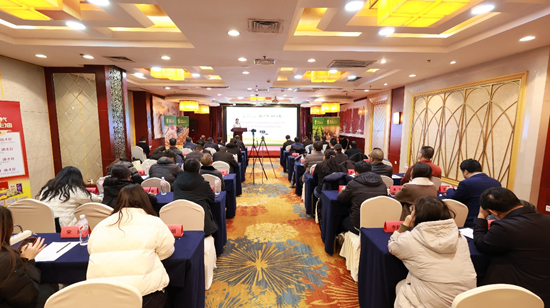
Core Viewpoint - The development of the high oleic peanut industry in Julu County represents a significant transformation from traditional farming to a modern industrial cluster, contributing to the establishment of a "Golden Industrial Belt" for high oleic peanuts in Hebei Province [1][6]. Group 1: Seed Quality and Agricultural Technology - The success of the high oleic peanut industry in Julu County is attributed to the promotion of the "Jihua 572" high oleic peanut variety, which has an oil acid content of 81.5% and demonstrates excellent resistance and high yield potential [2]. - In 2025, a demonstration area established in Julu achieved a yield of 602 kg per mu, showcasing the effectiveness of scientific breeding [2]. Group 2: Smart Agriculture and Standardization - Julu County is advancing peanut cultivation through smart and standardized practices, replacing traditional farming methods with technologies such as "Beidou navigation automatic driving sowing" and "drip irrigation" [3]. - The integration of high-quality varieties, intelligent management, and green prevention techniques has ensured over 60,000 mu of high oleic peanuts are cultivated with high quality [3]. Group 3: Full-Chain Development and Economic Impact - The county is building a complete industry chain that includes seed breeding, large-scale planting, deep processing, and brand marketing, with leading enterprises like Beibeixiang Food Co., Ltd. [6]. - The annual output value of the high oleic peanut industry in Julu County has reached 525 million yuan, with participating farmers experiencing an average income increase of 5,200 yuan per household [6]. Group 4: Future Development Plans - The launch of the provincial cluster brand presents new strategic opportunities for the high oleic peanut industry in Julu County, aiming to stabilize planting areas at over 100,000 mu in the next 3 to 5 years [6]. - The county plans to push for deep processing and integration of the tertiary industry, targeting an annual output value exceeding 1 billion yuan for the entire industry chain [6].

河南鲁山:特色农产品从“种得好”迈向“卖得好”
Zhong Guo Jing Ji Wang· 2026-01-13 06:40
Group 1 - The core viewpoint of the articles highlights the significant progress in the development of specialty agriculture in Lushan County, focusing on the successful transformation of agricultural products from production to branding and sales [1][2][3] Group 2 - Lushan County has established a strong foundation for specialty agriculture by leveraging its mountainous resources and focusing on distinctive agricultural development, leading to a robust industrial momentum for rural revitalization [1] - The county has registered over 80 agricultural brands and trademarks, cultivated 10 national specialty products, and achieved a production standardization coverage rate of 85% [2] - The introduction of technology in agriculture has significantly improved production efficiency, with a 95% reduction in mushroom stick production time and a 30% decrease in energy consumption [1][2] Group 3 - The edible mushroom industry in Lushan County has an annual output value exceeding 4.6 billion yuan, creating employment for over 45,000 people [3] - The deep processing industry related to agricultural products has an annual output value of 680 million yuan, with an average increase of over 30% in product added value [2][3] - Future plans include enhancing agricultural branding and converting resource advantages into economic benefits to further promote rural revitalization [3]

黄土高原上,她们解锁乡村振兴新范式
Xin Lang Cai Jing· 2026-01-12 21:03
Core Viewpoint - The article highlights the transformative impact of agricultural innovation and e-commerce on women's empowerment and rural revitalization in Gansu Province, China, showcasing successful case studies of local women who have improved their livelihoods through modern agricultural practices and online sales channels [1][4]. Group 1: Agricultural Innovation - In Wuyang Town, Kezhai Village, the introduction of greenhouse technology has significantly changed the life trajectory of local farmers like Li Laihua, who now operates four greenhouses and achieves stable yields of over 4,000 pounds per acre of leeks [2][3]. - The village has a total leek planting area of 950 acres and over 1,100 greenhouses, producing approximately 520 tons of high-quality leeks annually, benefiting 530 households [2]. Group 2: E-commerce Development - Dacaitai Town has empowered local women through e-commerce initiatives, including comprehensive training programs that have enabled them to sell traditional medicinal herbs and handicrafts online, generating significant income [4][5]. - The establishment of a local e-commerce platform has led to 63 women actively participating in online sales, creating 135 jobs and generating an economic income of 5.38 million yuan [4]. Group 3: Industry Chain Development - Bao Jiewen, a local entrepreneur, has established a honey production cooperative and a modern potato noodle production line, enhancing the local agricultural value chain and ensuring fair pricing for farmers [6][7]. - The new production line for "Dingxi Wide Noodles" features advanced technology and aims to elevate the entire production process from raw material cultivation to brand marketing, contributing to the local economy [6][7].
我省新增53个全国名特优新农产品
Xin Lang Cai Jing· 2026-01-11 23:24
Core Viewpoint - The Ministry of Agriculture and Rural Affairs has announced the third batch of national special quality agricultural products for 2025, with 53 products from the province included in the list [1] Group 1: National Special Quality Agricultural Products - National special quality agricultural products are defined as those produced in specific regions, with significant regional characteristics, unique nutritional qualities, stable supply, and high public recognition [1] - The province has focused on leveraging local agricultural resources to promote distinctive green and high-quality agricultural products for inclusion in this national list [1] Group 2: Special Agricultural Products - The third batch of special agricultural products for 2025 includes four products from the province: Jian Green Peach, Green Tian Tongxin White Lotus, Mentou Village Koufu Dehua Pear, and Lanjia Datu Wine [1]
从种优质小麦到卖爆品面包,科技小院农学生如何串起“地头-舌尖”全产业链?
Xin Lang Cai Jing· 2026-01-10 09:09
Core Viewpoint - The article highlights the innovative approach of the Liu Zhuang Technology Courtyard in Hebei, where agricultural students are extending the agricultural industry chain by creating value-added products like bread from high-quality wheat, addressing the issue of low prices for good wheat [1][10]. Group 1: Technology and Innovation in Agriculture - The Liu Zhuang Technology Courtyard aims to not only teach farmers how to cultivate crops but also to explore new pathways for extending the agricultural industry chain [1]. - The courtyard's team, led by graduate student Yuan Cong, has focused on creating a stable sales channel for high-quality wheat, which local farmers are hesitant to grow due to the lack of reliable buyers [2]. - The team discovered that simply selling flour was not sufficient for increasing farmer income, leading them to develop a brand and a final product, specifically bread, to enhance value [2][4]. Group 2: Market Development and Sales Strategy - The students calculated that the price of high-quality wheat could increase by 15%, and once processed into flour, its value could multiply several times [4]. - The team faced challenges in gaining acceptance from local bakeries, which typically use imported wheat, but eventually found a local bakery willing to collaborate [4][8]. - The "Technology Courtyard Bread" has successfully launched on e-commerce platforms, achieving significant sales and even topping sales charts in the province [8]. Group 3: Community Impact and Future Plans - The initiative has not only sold over 30,000 bags of flour and 20,000 pieces of bread but has also created local job opportunities through packaging and shipping [8][10]. - The project has begun to change local farmers' perceptions, leading them to trust the students and consider growing high-quality wheat [9]. - The long-term goal is to integrate farmers into the entire production and sales process, allowing them to benefit directly from the value chain [12][13].

宝应荷藕”迈向“全国标杆
Xin Hua Ri Bao· 2026-01-09 22:22
Core Insights - "Baoying Lotus" has been selected for the 2025 Agricultural Brand Boutique Cultivation Plan by the Ministry of Agriculture and Rural Affairs, marking its transition from a regional product to a national benchmark brand [1] - Baoying County has a 1300-year history of lotus cultivation, producing high-quality lotus roots that have been recognized as a tribute to the imperial court since the Ming and Qing dynasties [1] - The region has established a leading national full industry chain system, with over 100,000 acres of core planting base yielding more than 200,000 tons of lotus roots annually, generating an output value of 5.13 billion yuan [1] Industry Overview - The "Baoying Lotus" brand has consistently pursued a brand strategy that integrates regional, enterprise, and product branding [2] - The brand has achieved significant milestones, including being approved for geographical indication protection in 2004, entering the top 100 Chinese agricultural regional public brands in 2011, and surpassing a brand value of 3 billion yuan in 2019 [2] - The brand's online and offline sales strategy has led to an annual online sales revenue of 280 million yuan, with participation in domestic and international exhibitions [2]
金薯筑链兴乡村:武川马铃薯产业铺就富民强县路
Xin Hua Cai Jing· 2026-01-06 03:14
Core Viewpoint - Wuchuan County is actively developing its highland特色 agriculture by focusing on the potato industry as a core driver for rural revitalization, integrating modern agricultural practices and promoting ecological and green development [1][2]. Group 1: Industry Development - Wuchuan County has established a comprehensive agricultural industry chain that includes production, processing, sales, and cultural tourism, transforming the potato sector into a multi-faceted economic driver [2]. - The county has built a standardized system covering seed research, field management, and storage, with a stable potato planting area of approximately 500,000 acres [1][2]. - The potato varieties cultivated in Wuchuan have been recognized for their high starch content and nutritional value, leading to national geographical indication product certification [1]. Group 2: Economic Impact - Nearly 10,000 potato growers and over 900 new business entities, including cooperatives and family farms, are involved in the potato industry, contributing to local employment and income [3]. - The "leading enterprise + cooperative + base + farmer" model has enabled five processing enterprises to directly employ over 200 local residents, generating a total main income of 168.65 million yuan in 2024 [3]. - By the third quarter of 2025, the per capita disposable income of Wuchuan's residents has increased by 4.6%, 4.1%, and 5.8% for all, urban, and rural residents respectively, ranking first in the city [3].
特朗普登机前美方全球通报,中国已购800万吨大豆,访华行程浮出水面
Sou Hu Cai Jing· 2026-01-05 21:19
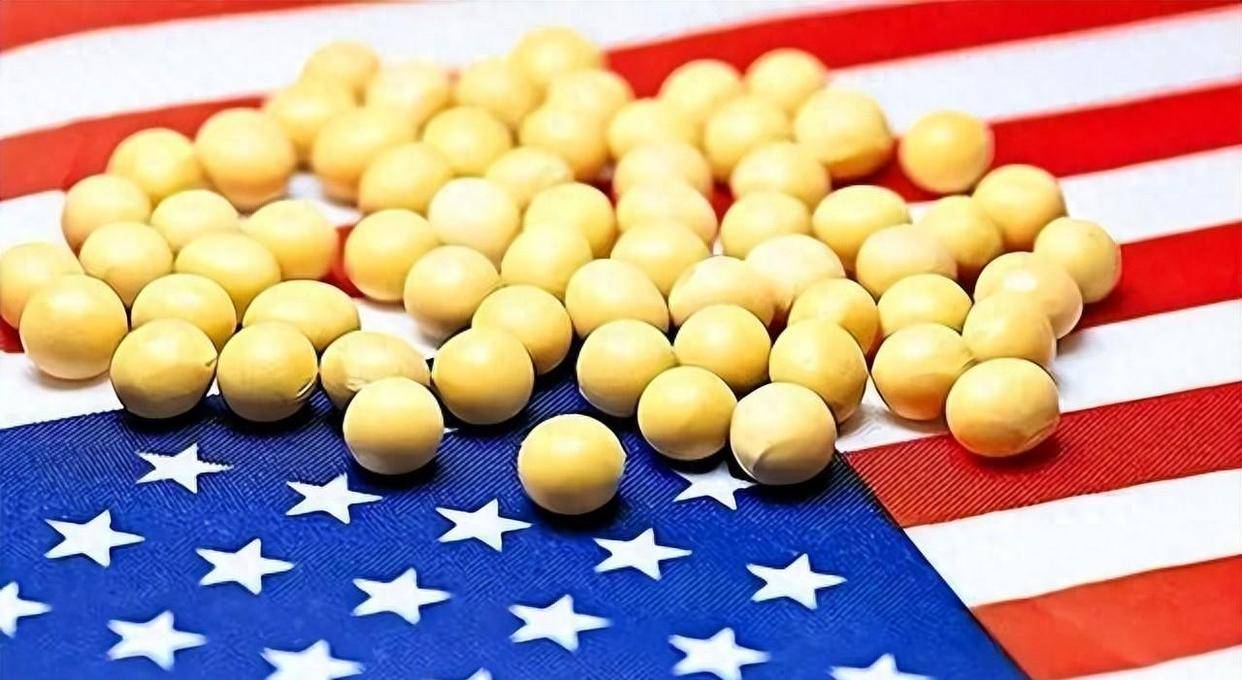
Core Insights - The U.S. Midwest farmers are facing financial pressure due to falling soybean prices, with bankruptcy rates increasing by 20% compared to the previous year. However, a significant agreement with China to purchase soybeans has emerged, with commitments of at least 12 million tons for the remainder of 2025 and a minimum of 25 million tons annually for the next three years [1][2][4] Trade Relations - The trade relationship between the U.S. and China in the agricultural sector has been tense, with soybeans becoming a critical bargaining chip. The U.S. is the second-largest producer of soybeans globally, while China is the largest importer, consuming over 100 million tons annually [1][4] - A key meeting between U.S. President Trump and Chinese representatives in late October led to a formal agreement for soybean purchases, marking a shift from previous silence from Chinese buyers due to tariffs [1][4] Purchase Commitments - Following the agreement, Chinese buyers began placing orders, with confirmed purchases exceeding 2 million tons by mid-November. The executing entities include major state-owned enterprises and private importers, indicating serious commitments rather than symbolic gestures [1][4][18] - By December, the purchase volume reached 8 million tons, accounting for two-thirds of the annual commitment, with the U.S. Department of Agriculture confirming this figure [4][18] Market Impact - The announcement of the soybean purchases has positively impacted soybean prices, which rose from below $10 to around $11 per bushel, alleviating some financial pressure on farmers [4][23] - The demand for soybeans is driven by China's recovering livestock production, particularly in pork and poultry, which requires high-protein feed [4][18] Competitive Landscape - Despite the agreement, the U.S. faces stiff competition from Brazil, which is projected to export over 80 million tons of soybeans in 2025, reflecting a 16% year-on-year increase. Brazil's proximity to Asia and improved infrastructure give it a competitive edge [5][20] - The U.S. soybean market share in China has declined significantly, from over 40% a decade ago to just above 20% currently, indicating a shift in the global supply chain dynamics [20][21] Political and Economic Implications - The soybean agreement serves as a political tool for the Trump administration, aiming to secure votes in agricultural states ahead of the 2024 elections. The administration emphasizes stability in trade relations rather than a complete reversal of previous market positions [4][20] - The agreement is seen as a temporary balance in the ongoing U.S.-China trade tensions, with both sides needing to manage their respective domestic pressures—U.S. farmers seeking financial relief and China ensuring food security [24][20]
央媒看贵州丨农民日报:赤水竹山变“金山”:党建引领产业兴,生态经济双丰收
Xin Lang Cai Jing· 2026-01-05 06:22
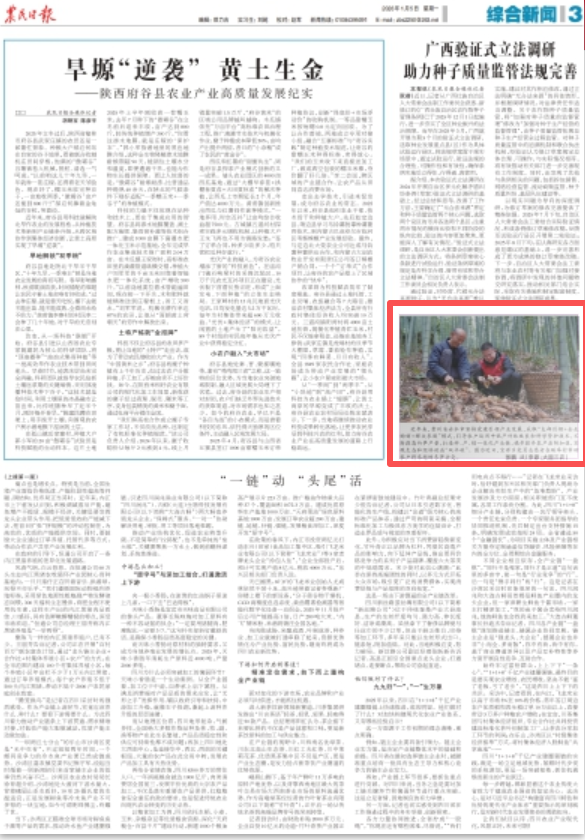
Group 1 - The article highlights the high-quality development of agricultural industries in Fugu County, Shaanxi Province, emphasizing the transformation of the region's agricultural practices [1] - It discusses the integration of various agricultural activities, including production, sales, and community participation, to enhance the value of agricultural products [7] - The article illustrates the successful implementation of a model that combines party leadership, enterprise purchasing, and community investment to improve bamboo shoot production in Chishui City, Guizhou Province [7] Group 2 - The article mentions the role of volunteer efforts in assisting farmers with the harvesting and processing of winter bamboo shoots, showcasing community involvement in agricultural practices [8]