量子信息

Search documents
刚刚,利好来了!深圳,重磅发布!
券商中国· 2025-10-22 10:50
Core Viewpoint - Shenzhen has released a significant policy to support high-quality mergers and acquisitions (M&A) from 2025 to 2027, focusing on strategic emerging industries such as integrated circuits, artificial intelligence, new energy, and biomedicine [1][3]. Group 1: Policy Objectives - The action plan aims for a comprehensive improvement in the quality of listed companies by the end of 2027, targeting a total market capitalization of over 20 trillion yuan for domestic and foreign listed companies and the cultivation of 20 companies with a market value of over 100 billion yuan [3]. - It is projected that over 200 M&A projects will be completed, with a total transaction value exceeding 100 billion yuan, alongside the establishment of a series of industry demonstration cases [3]. Group 2: Support for Industries - The plan encourages M&A activities in future industries such as synthetic biology, intelligent robotics, quantum information, and advanced new materials to rapidly scale up industries and achieve key technological breakthroughs [4]. - It supports "chain leader" enterprises and leading listed companies in conducting upstream and downstream M&A to enhance key technology levels and strengthen industrial chains [3][4]. Group 3: Financial Support Mechanisms - The action plan encourages the use of various financial instruments, including cash, shares, and convertible bonds, to facilitate M&A activities [5]. - Financial institutions are urged to provide credit support for market-oriented M&A, including loans and guarantees, to enhance the operational capabilities of M&A projects [6]. Group 4: Talent and Institutional Development - The plan emphasizes the cultivation of professional service teams in financial institutions to enhance their core competitiveness in M&A [7]. - It proposes a rolling training program for M&A talents, integrating industry and finance expertise, and supports the settlement of high-level talents in Shenzhen [7]. Group 5: Cross-Border and Collaborative Efforts - The action plan supports leading enterprises in seeking listings or refinancing in Hong Kong to improve the efficiency of cross-regional M&A [8]. - It encourages collaboration between Shenzhen Stock Exchange and Hong Kong Stock Exchange to explore interconnected mechanisms for M&A and financing [8][9].


刚刚!深圳,重大利好!
中国基金报· 2025-10-22 10:38
Core Objectives - The Shenzhen Municipal Government aims to enhance the quality of listed companies, targeting a total market capitalization of over 20 trillion yuan by the end of 2027, and to cultivate 20 companies with a market value of over 100 billion yuan. The plan includes completing over 200 merger and acquisition (M&A) projects with a total transaction value exceeding 100 billion yuan [6][23]. Focus Areas for M&A - The plan emphasizes M&A activities in strategic emerging industries such as integrated circuits, artificial intelligence, new energy, and biomedicine. It encourages leading companies to acquire quality, unprofitable assets that can strengthen supply chains and enhance key technological capabilities [7][24]. Establishment of M&A Project Database - A project database for M&A targets will be established, covering key industrial sectors in Shenzhen. A mechanism for project recommendation will be created to facilitate the identification and selection of M&A projects [8][24]. Financing Channels for M&A - The plan encourages companies to utilize various financing methods, including cash, shares, and convertible bonds, to support M&A activities. It also promotes bank loans and innovative financing solutions for technology-driven enterprises [10][25]. Development of Patient Capital System - The initiative supports the involvement of angel funds and government investment funds in identifying and nurturing technology-driven small and medium-sized enterprises (SMEs) for M&A opportunities [13][26]. Encouragement of Social Capital Participation - The plan supports corporate venture capital and private equity funds in participating in M&A activities, emphasizing the importance of strategic investments and the establishment of a reverse linkage mechanism for investment terms [14][27]. Connection with Hong Kong Capital Market - The initiative aims to facilitate cross-border M&A by supporting qualified companies in listing or refinancing in Hong Kong, thereby enhancing the efficiency of cross-regional M&A activities [15][27]. Establishment of M&A Service Platform - Shenzhen Stock Exchange will develop a comprehensive service system for M&A projects, providing one-stop services throughout the project lifecycle [16][28]. Optimization of M&A Market Ecosystem - The plan encourages financial institutions to enhance their professional service teams for M&A, aiming to create leading service providers in the industry [17][29]. Risk Prevention in M&A Activities - The initiative emphasizes the importance of risk monitoring and compliance in M&A transactions, aiming to prevent unethical behaviors and ensure financial security [19][30]. Strengthening M&A Work Mechanisms - A special coordination mechanism will be established under the leadership of the municipal financial committee to facilitate M&A activities and streamline processes for key projects [31].

深圳:聚焦新质生产力开展并购重组
Zheng Quan Shi Bao Wang· 2025-10-22 09:52
Core Viewpoint - The Shenzhen Municipal Financial Management Bureau has issued an action plan for promoting high-quality development of mergers and acquisitions (M&A) from 2025 to 2027, focusing on new productive forces and strategic emerging industries [1] Group 1: Strategic Focus Areas - The plan emphasizes M&A activities in strategic emerging industries such as integrated circuits, artificial intelligence, new energy, and biomedicine [1] - It supports leading companies and listed firms in conducting upstream and downstream M&A to enhance supply chain strength and improve key technological capabilities [1] Group 2: Encouragement for Specific Sectors - Companies are encouraged to actively pursue M&A in future industry sectors like synthetic biology, intelligent robotics, quantum information, and advanced new materials to rapidly scale up and achieve technological breakthroughs [1] - Strong private enterprises are supported in undertaking M&A based on industrial transformation and upgrading [1] Group 3: State-Owned Enterprises and Valuation - The plan accelerates strategic restructuring and professional integration of state-owned enterprises, enhancing the valuation tolerance of local state-controlled listed companies for light-asset technology firms in M&A [1] - It aims to facilitate the proactive layout of state capital in emerging industries [1]
深圳:在集成电路、人工智能、新能源、生物医药等战略性新兴产业领域 支持“链主”企业、龙头上市公司等开展上下游并购重组
Mei Ri Jing Ji Xin Wen· 2025-10-22 09:52
Core Viewpoint - The Shenzhen Municipal Financial Management Bureau and other departments have issued an action plan for promoting high-quality development of mergers and acquisitions from 2025 to 2027, focusing on new productive forces and strategic emerging industries [1] Group 1: Strategic Focus Areas - The plan emphasizes mergers and acquisitions in strategic emerging industries such as integrated circuits, artificial intelligence, new energy, and biomedicine [1] - It supports leading companies and listed firms in conducting upstream and downstream mergers and acquisitions to enhance supply chain resilience and improve key technological capabilities [1] Group 2: Encouragement for Specific Sectors - Companies are encouraged to actively pursue mergers and acquisitions in future industry sectors like synthetic biology, intelligent robotics, quantum information, and advanced new materials to rapidly scale up and achieve key technological breakthroughs [1] - Strong private enterprises are supported in undertaking mergers and acquisitions based on industrial transformation and upgrading [1] Group 3: State-Owned Enterprises and Valuation - The plan accelerates the strategic restructuring and professional integration of state-owned enterprises, enhancing the valuation tolerance for light-asset technology companies in mergers and acquisitions [1] - It aims to facilitate the forward-looking layout of state-owned capital in emerging industries [1]
券商晨会精华 | 三季报行情开启 维持机器人成长主线推荐
智通财经网· 2025-10-22 00:38
Market Overview - The market experienced a rebound yesterday, with the ChiNext Index rising over 3% and the Shanghai Composite Index increasing by 1.36%, returning to the 3900-point level. The total trading volume in the Shanghai and Shenzhen markets reached 1.87 trillion, an increase of 136.3 billion compared to the previous trading day [1] Group 1: Investment Insights - CITIC Securities highlighted that the quantum information sector is accelerating its commercialization, with ongoing policy support expected. The 2025 Nobel Prize in Physics is anticipated to recognize advancements in quantum computing applications, indicating a new phase in the quantum information commercial race [3] - CITIC Jiantou maintained its recommendation for the growth of the robotics sector, noting that the humanoid robot segment has retraced its gains from September. The firm views the current market adjustment as a buying opportunity, especially ahead of Tesla's Q3 report and shareholder meeting [2] - Galaxy Securities pointed out that leading real estate companies are likely to see an increase in market share due to improved operational management and financial advantages, especially with upcoming policy relaxations in major cities like Beijing and Shanghai [4]




践行新发展理念 推动高质量发展丨创新驱动 各地因地制宜发展新质生产力
Yang Shi Wang· 2025-10-20 03:56
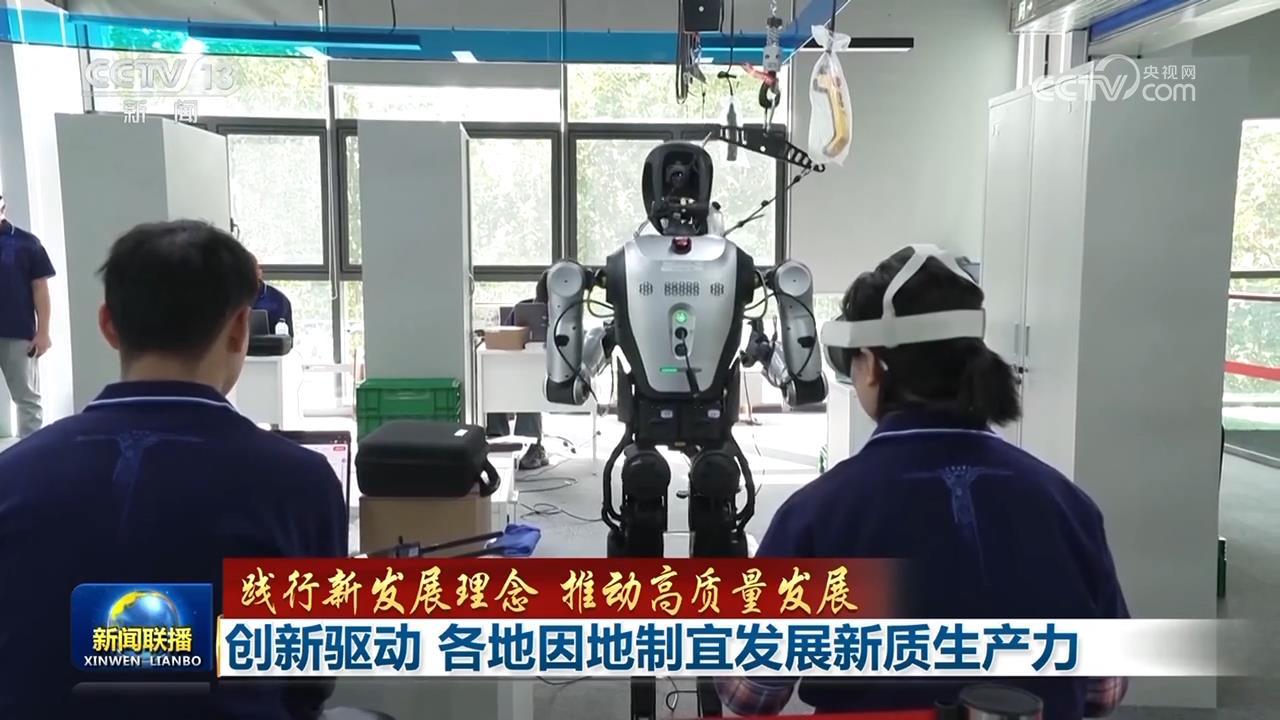
Group 1 - The article emphasizes the importance of innovation as the primary driving force for development, with various regions implementing new development concepts to foster high-quality growth [2] - The largest humanoid robot training center in China has been launched in Beijing, featuring over 10,000 square meters of space and 16 detailed scenarios for industrial manufacturing and healthcare services [4] - Jiangsu province's robot industry chain is expected to reach a scale of 200 billion yuan by the end of this year, with multiple cities like Nanjing and Wuxi rolling out innovation development plans for the robot industry [6] Group 2 - A new robot industry base in Mianyang, Sichuan, is set to facilitate the entire process from R&D to application, with subsidies of up to 5 million yuan for projects that pass pilot testing [8] - Shaanxi province is strategically investing in photon and hydrogen industries, with a photon sensing industrial park expected to generate over 2 billion yuan annually upon completion [11] - Anhui province leads the nation in quantum information, with quantum computing technology being applied across various sectors, including government and healthcare [13] Group 3 - Guizhou province is leveraging its abundant renewable energy resources to enhance its digital economy, having released 51 public data operation products across nine sectors [15] - Ningxia has seen an average annual growth of over 10% in its digital economy since the 14th Five-Year Plan, with the establishment of multiple data centers and intelligent computing centers [17]
【践行新发展理念 推动高质量发展】创新驱动 各地因地制宜发展新质生产力
Yang Shi Wang· 2025-10-19 12:50
Group 1 - The article emphasizes the importance of innovation as the primary driving force for development, with various regions implementing new development concepts to foster high-quality economic growth [1] - The largest humanoid robot data training center in Beijing has been launched, featuring over 10,000 square meters dedicated to 16 specific scenarios in industrial manufacturing and healthcare services, integrating resources from government, universities, and finance to support the robot industry [3] - Jiangsu province's robot industry chain is expected to reach a scale of 200 billion yuan by the end of this year, with multiple cities like Nanjing and Wuxi rolling out innovation development plans for the robot industry [4] Group 2 - Shaanxi province is strategically investing in photon and hydrogen industries, with a photon sensing industrial park expected to host around 20 companies and generate an annual output value exceeding 2 billion yuan upon completion [7] - Anhui province leads the nation in quantum information, with quantum computing technology being applied across various sectors, including biochemistry and fintech, enabling users to access supercomputing capabilities on demand [9] - Guizhou province is leveraging its abundant renewable energy resources to enhance its data and AI capabilities, having released 51 public data operation products across nine sectors, including finance and tourism [11] Group 3 - Ningxia has seen an average annual growth of over 10% in its digital economy since the start of the 14th Five-Year Plan, establishing nine data center industrial parks to provide cloud computing services to over 4,000 enterprises [13]
构筑区域协同创新新高地 第八届长三角科技成果交易博览会闭幕
Zheng Quan Shi Bao Wang· 2025-10-19 06:49
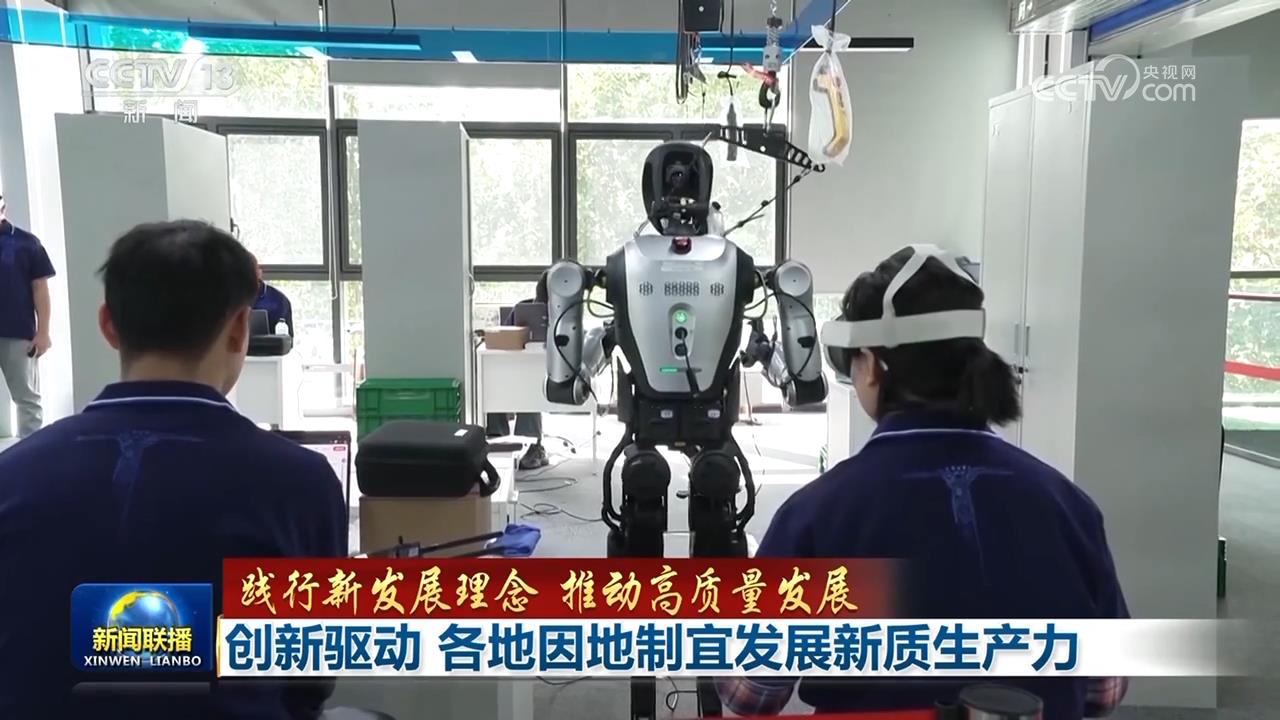
Core Insights - The 8th Yangtze River Delta Science and Technology Achievements Trading Expo showcased over 1,000 cutting-edge technological achievements, attracting participation from more than 150 universities, research institutions, and tech companies, with 6,000 attendees [1] - The event facilitated the matching of over 680 technology demands from enterprises, resulting in the market transformation of over 300 technological achievements, demonstrating the platform's effectiveness in promoting technology transfer [1] - The expo established five major exhibition areas focusing on future industrial tracks, covering advanced materials, intelligent manufacturing, quantum information, and aerospace technology, serving as a "showcase" and "testing ground" for technological innovation in the Yangtze River Delta [2] Industry Collaboration and Development - The Yangtze River Delta National Technology Innovation Center exhibited over 50 high-tech products, emphasizing the development of common technology research and market-oriented product layout [3] - The event highlighted significant projects such as a distributed intelligent computing model cloud platform and the industrialization of special nylon resin and fiber, addressing critical technology challenges [6] - The establishment of the "Xihe Optics Valley" incubator aims to leverage unique technological resources in Jiading to enhance regional industrial development [6] Innovation and Future Trends - The expo featured innovative products like the MEMS piezoelectric ultrasonic sensor, addressing industrialization challenges in high-end PMUT sensors [3] - The event also showcased advancements in smart transportation and low-altitude economy, with products like intelligent inspection robots and low-altitude drones [3] - The "2024 Yangtze River Delta Science and Technology Innovation Star List" was released, highlighting 100 innovative companies and initiating the "Galaxy Ecosystem" platform to enhance regional collaboration [7]
潘建伟、施一公、卢煜明等悼念杨振宁:关心青年学者,支持跨界研究
Di Yi Cai Jing· 2025-10-19 02:13
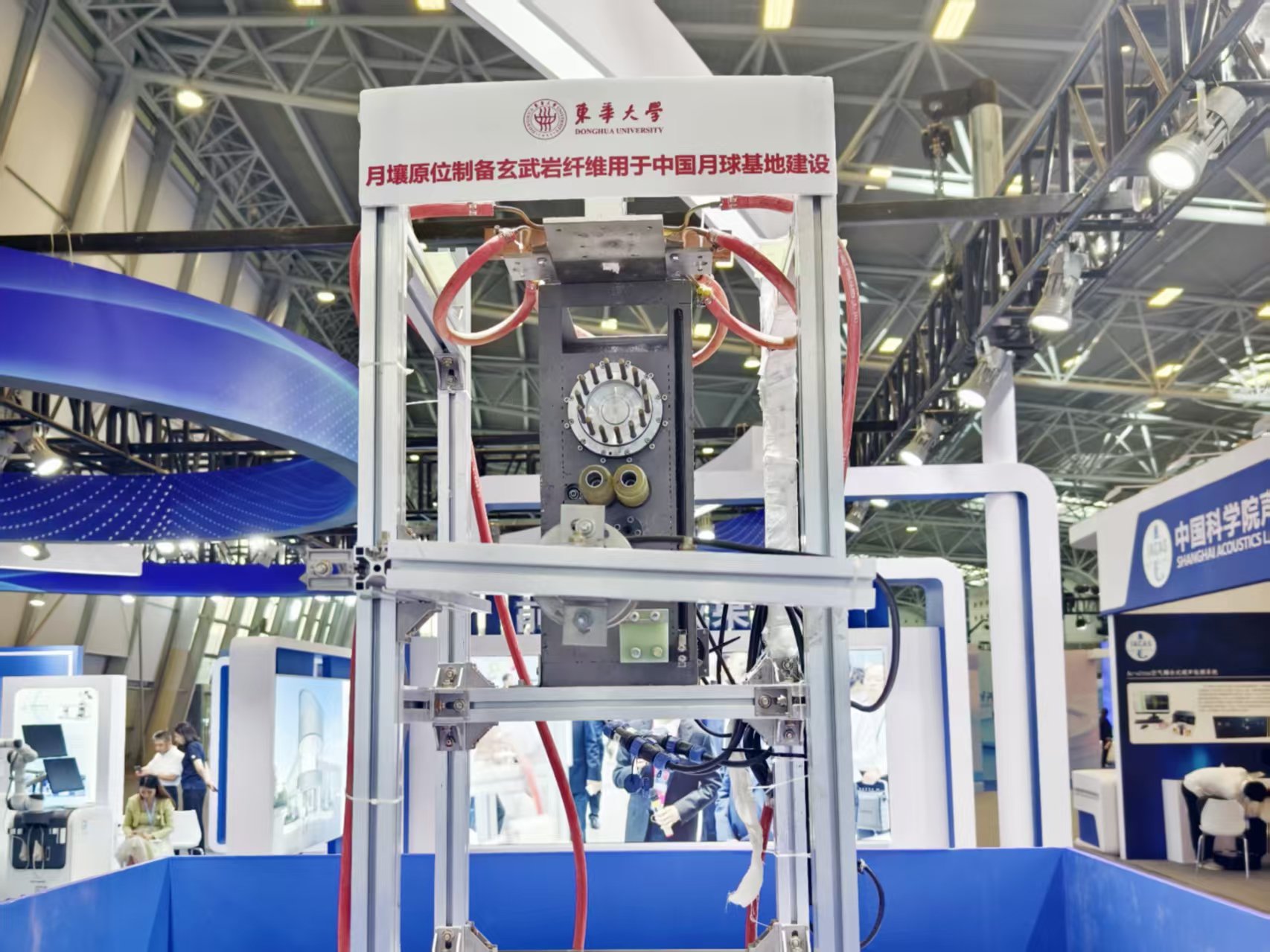
Core Insights - The passing of Yang Zhenning has prompted widespread mourning in the scientific community, highlighting his significant contributions to physics and the encouragement he provided to younger scientists [1][4][5]. Group 1: Contributions to Quantum Physics - Yang Zhenning was an early advocate for the development of quantum information science, influencing many scientists, including Pan Jianwei, to return to China and contribute to this field [1][4]. - His insights into cold atom technology were pivotal, as he recognized its potential as a rapidly advancing area of research as early as 2009 [1][4]. - Under Pan Jianwei's leadership, China has become a leader in cold atom quantum simulation and quantum computing research, a trajectory significantly influenced by Yang's vision [1]. Group 2: Educational Philosophy - Yang Zhenning emphasized the importance of allowing students in specialized programs, such as the youth class at the University of Science and Technology of China, to explore their interests without excessive constraints [4]. - He advocated for increased academic exchanges between universities and the implementation of a merit-based evaluation system in research [4]. Group 3: Legacy and Influence - Yang Zhenning's impact extended beyond physics; he was a respected figure in the broader scientific community, with tributes from various institutions acknowledging his contributions [4][5]. - His long-standing relationship with institutions like Hong Kong Chinese University and Fudan University reflects his deep-rooted influence in academia and research collaboration [5][6]. - Yang's predictions about the future of technology, particularly in fields like chip applications and biomedical advancements, underscore his forward-thinking approach to science and its role in economic development [6].
单光子探测器量产落地 服务于国内科研单位
Zheng Quan Ri Bao Wang· 2025-10-13 13:13
Core Insights - China has achieved the mass production of the world's first four-channel ultra-low noise semiconductor single-photon detector, marking a leading position in single-photon detection technology, which is crucial for applications in quantum communication, single-photon radar, biological fluorescence imaging, deep space laser ranging, and single-photon imaging [1][2] Group 1: Technology and Innovation - The single-photon detector is likened to an "eye" with extraordinary vision, capable of precisely capturing and identifying individual photons, serving as a core component in systems like quantum key distribution and laser radar [1] - The technology's challenges included achieving low temperature, low noise, and multi-channel capabilities within a compact refrigeration unit, with the lowest working temperature reduced from -50°C to -120°C, and dark noise levels decreased by approximately 90% to about 100Hz [1][2] Group 2: Product Features and Performance - The innovative four-channel integrated architecture allows the single-photon detector to be one-ninth the size of international single-channel products, enabling complex detection tasks that previously required multiple detectors [2] - The product's maximum detection efficiency has improved from 25% to 35%, enhancing sensitivity to extremely weak light [2] Group 3: Strategic Implications - The advancements in the single-photon detector enhance China's self-sufficiency in core components and devices in quantum information technology, as stated by the director of the Anhui Quantum Information Engineering Technology Research Center [2] - The product is already serving domestic research institutions and has the capability for mass production and delivery, with future developments focusing on miniaturization, chip integration, and scaling applications for major projects like next-generation quantum communication networks and high-precision laser radar [2]